
Samarth Institute of Pharmacy, Belhe, Pune, Maharashtra
Effervescent tablets are unique in the realm of oral medications as they rapidly dissolve in water, producing a carbonated beverage that is simpler to ingest and frequently more pleasant. This effervescence arises from a straightforward reaction between acids and bases that generates carbon dioxide, facilitating the quicker dissolution of active ingredients and enhancing their absorption. In this analysis, we explore the creation of these tablets featuring vitamin C (ascorbic acid) as the key ingredient, along with common natural elements such as citric acid, tartaric acid, and sodium bicarbonate. Vitamin C is a potent antioxidant that enhances immunity and promotes general health, but it’s challenging to maintain stability in standard tablets. Utilizing these natural acid-base combinations, we develop environmentally friendly, stable formulas that adhere to rigorous quality criteria. Success relies on optimizing factors such as moisture content, particle sizes, and the ideal acid-to-base ratio to achieve that enjoyable fizz while maintaining the tablet’s strength. We’ll additionally discuss useful add-ins such as binders, sweeteners, and flavors to enhance their taste and ensure they stay cohesive. By combining techniques such as direct compression and analyzing fizz speed, tablet strength, and extended shelf life, this article concludes by emphasizing the way these effervescent tablets filled with vitamin C provide a clever, convenient choice in the current pharmaceutical market.
Imagine popping a tablet into a glass of water and watching it bubble away into a refreshing drink—that’s the magic of effervescent tablets. They’re not just convenient; they solve real problems in drug delivery by speeding up how quickly ingredients hit your system and masking any bitter tastes. These fizzy forms shine in everything from daily supplements to pain relievers and hydration aids.
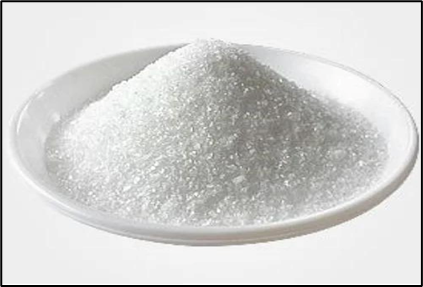
Vitamin C, or ascorbic acid, is a go-to choice for effervescent setups. It’s sensitive to oxygen and humidity, which can break it down fast in standard tablets, shortening their lifespan. But in an effervescent format, it stays protected longer, dissolves in seconds, and appeals to folks like kids or older adults who struggle with pills. This review breaks down the ins and outs of building these tablets, from initial design tweaks to final quality checks, all centered on natural acids and bases to keep things simple and safe.
WHAT MAKES EFFERVESCENT TABLETS A SMART PICK?
For starters, they break down super-fast in water, getting the medicine to work quicker and more effectively in your body. They hide funky flavors, making meds more palatable—think no more grimacing over vitamin chews. They’re a game-changer for anyone with trouble swallowing, and they create a stable pH bubble that keeps sensitive ingredients like vitamin C from degrading too soon. Plus, dosing is spot-on, unlike fiddly powders or sticky syrups.
For vitamin C specifically, this format shines: it delivers the nutrient fresh and ready for action, zipping it straight to where your body needs it most in the gut.
Ascorbic acid is more than simply a vitamin; it’s your body’s defense against oxidative stress, helping with everything from cold prevention to skin restoration. However, its acidic, water-loving nature causes problems for tablet manufacturers because it absorbs moisture and gradually loses its effectiveness. By enclosing it in a mechanism that protects and buffers the pH until it is needed, effervescent designs change the game. When you submerge one in water, a tart, stable beverage that maintains the vitamin’s activity is produced. This improves absorption and motivates individuals to maintain their regimen, which results in more consistent health advantages.
OBJECTIVE: -
PRINCIPLE:-
Effervescent tablets works on principal of emissions of carbon dioxide, thus when comes with the contract of water the acids and the base react to liberate carbon dioxide, resulting in effervescence.
MECHANISM
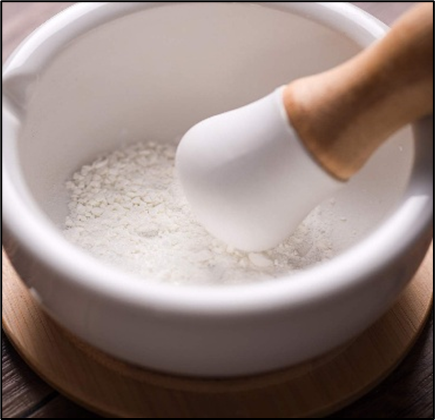
Effervescent tablets are produced from the compression of effervescence granules that contain an organic acid (citric) and sodium bicarbonate. Thus, such tablets are placed in water, due to which chemical reaction of acid with the base produces carbon dioxide in the form of gas bubbles in the water.
APPARATUS
Analytical balance, Glass beakers and spatula, Porcelain mortar and pestle, Sieve set with mesh no. 20, 40, 60, Hot air oven (40°), Tray, Desiccator, Tablet compression machine, hardness tester, Friability tester, Disintegration test apparatus.
FORMULATION TABLE
|
Ingredient |
Function |
Quantity (g) 10 Tablet |
|
Ascorbic acid |
Active ingredient |
5.0g |
|
Citric acid (anhydrous) |
Acid source |
3.50g |
|
Tartaric acid |
Acid source |
2.0g |
|
Sodium bicarbonate |
Base source |
4.50g |
|
Mannitol |
Sweetener & diluent |
1.0g |
|
Polyvinyl-pyrrolidone |
Binder |
0.20g |
|
Magnesium stearate |
Lubricant |
0.10g |
|
Natural flavor (orange/ lemon). |
Flavoring agent |
0.20g |
PROCEDURE:-
1. At first weigh all ingredients according to the formulation table (Vitamin C, citric acid, tartaric acid, sodium bicarbonate, etc.). Guarantees precise dosage and consistency in batches.
2. Then pass all ingredients through 40 mesh sieve. For consistent particle size for uniform mixing.
3. Combine citric acid and tartaric acid in one bowl and sodium bicarbonate in a separate bowl while keeping everything dry. Avoids early bubbling reaction.
4. Incorporate ascorbic acid into the acid mixture and mix well in low humidity conditions (<25 % RH). Preserves consistency and even distribution.
5. Combine the acid and base mixtures carefully to create a consistent dry blend. Develop a uniform powder mixture.
6. Create a binder solution by dissolving PVP K-30 in 95% ethanol. Ensures unity during granulation. Gradually incorporate the binder solution into the dry mixture while mixing until a slightly moist mass is created. Generates uniform granules appropriate for compression.
7. Spread evenly the mixture onto trays and dry at 40 °C for 30 to 45 minutes in a hot-air oven or vacuum dryer. Which exclude remaning solvent and moisture.
8. Sift the dried granules using a #20 mesh sieve to achieve consistent granule size. Ensure proper flow and compressibility.
9. Incorporate magnesium stearate and flavoring; blend softly for 2–3 minutes which enhances lubrication and taste appeal.
10. Use a rotary tablet press with flat-faced punches (13 mm) to compress the granules. Creates tablets with consistent weight and thickness.
11. After that the tablets are pass to hardness, friability, disintegration duration, CO? production, and pH level. Ensure product standards and quality assurance.
12. Place the completed tablets in air tight containers or aluminum tubes that include silica gel . Protect tablets against moisture and prolongs longevity.
EVALUATION PARAMETERS: -
|
Appearance |
Smooth & uniform |
|
Weight variation |
5% of average weight |
|
Hardness |
3-5 kg/cm2 |
|
Friability |
<1% weight loss |
|
Disintegration time |
< 5 minutes |
|
Co2 evaluation |
Complete effervescence |
|
PH of Solution |
5 - 6.5 |
|
Stability |
No change in appearance or potency |
RESULT
1. Tablets shows great physical stability, consistent weight, and quick disintegration (under 3 min).
2. Fizziness and pH were maintained within ideal ranges, conforms full dissolution and descent mouthfeel.
3. The Vitamin C level ranged from 98% to 102%, showcase consistency of assay.
4. Moisture levels below 1% . The developed effervescent tablets comply with pharmacopeial criteria regarding quality, effectiveness, and stability
CONCLUSION
Effervescent tablets containing Vitamin C, formulated with natural acid-base systems, represent a easy, convenient, and scientifically sound dosage form. The combination of citric and tartaric acids with sodium bicarbonate determines significant CO? production and improved solubility. Efficient formulation design, moisture control, and process optimization are crucial for ensuring product quality and stability. The effervescent delivery method enhances the therapeutic potency of Vitamin C and increases consumer satisfaction, making it a great choice option in the nutraceutical and pharmaceutical sectors.
REFERENCES


Harshal Amale, Dr. Sachin Bhalekar, Gandharva Marne, Ronit Bhoir, Aishwary Shinde, Formulation and Evaluation of Effervescent Tablets: Combining Natural Acids, Bases, and Vitamin C (Ascorbic acid), Int. J. of Pharm. Sci., 2026, Vol 4, Issue 1, 3092-3096. https://doi.org/10.5281/zenodo.18383124
 10.5281/zenodo.18383124
