
Dattakala College of Pharmacy.
Medicinal substances have gained global prominence for their dual roles in treatment and commerce. The use of herbs in cooking. Newer treatments enhance patients' adherence by avoiding common adverse reactions linked to traditional methods. Pharmaceutical treatments. The primary goal of current studies involves developing and accessing herbal gel formulations. This preparation includes Clitoria ternatea L. It is designed for fewer adverse effects while exhibiting effective antibacterial properties. Extracting compounds from the leaves of C. ternatea species belonging to the legume family can be used for medicinal purposes. Certainly. A formulation was created by combining Carbopol 940, Clitoria ternatea methanol extract, propylene glycol, and methyl components. Benzoic acid, butyl benzoate, sorbitan monolaurate, and necessary quantity of deionized water. A pre-made mixture had been created. Examined using criteria such as hue, uniformity, acidity level, consistency, and flow properties. Samples of gel materials underwent assessment. To enhance antibacterial efficacy through an agar well-diffusion technique. Herbal gel tests indicated that those incorporating C. ternatea methanolic leaves extract have better antimicrobial activity.
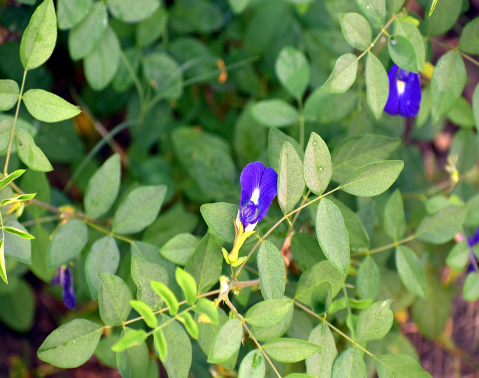
Figure No. 1: Clitoria Ternatae L.
For this research project, the utilized botanical entity belongs to the genus Clitoria; common names encompass Butterfly pea, Blue pea, among others. The plant in question is part of the Fabaceae family, originates in tropical regions near the Equator. Brought into contact with Africa, Australia, and America. This is an evergreen flowering plant whose foliage consists of elliptical and rounded shapes. As it climbs like a vine or scrambles up walls, this plant thrives in damp ground conditions. Among the key characteristics of this plant lies its striking appearance. Vivid purple blooms. They exist as individuals; their markings consist of pale yellow stripes measuring approximately four centimeters in length by three centimeters in width. Various forms of this species produce blooms in shades of pure whiteness. These fruit specimens measure approximately five to seven centimeters in length, presenting as broad, oblong structures containing six to ten seeds within them. They are edible when tender. Grown primarily for its aesthetic value and used in reforestation efforts due to minimal maintenance needs during cultivation. It embeds its foundation deeply into place. The presence of nitrogen leads to its utilization in plants for enhancing soil health. The plant possesses multiple valuable qualities for its utility. Activities aimed at reducing stress such as anti-anxiety medications, mood elevators for depression, seizure inhibitors, calming substances, and sleep aids fall under this category.
Southeast Asia employs blossoms for dyeing dishes. An ethanol preparation derived from Clitoria ternata root was tested on animals. Was found to exhibit anxiolytic, antidepressive, anti-convulsive, and stress-reducing properties. Medicinal plants have emerged as promising sources of novel therapeutics due to their diverse chemical composition and potential therapeutic properties. Among these plants,Clitoriaternatea, commonly known as butterfly pea, has gained considerable attention for its medicinal attributes, including its antimicrobial activity. Clitoriaternatea is a perennial herbaceous plant belonging to the Fabaceae family. It is native to Southeast Asia and is widely distributed in tropical and subtropical regions worldwide. The plant is characterized by its vibrant blue flowers and compound leaves, which are traditionally used in various traditional systems of medicine for their therapeutic benefits.
Clitoriaternatea extracts have demonstrated promising activity against a wide range of bacterial and fungal pathogens, making it an intriguing candidate for further exploration and development as a natural antimicrobial agent. The significance of studying Clitoriaternatea as an antimicrobial agent lies in its potential to address the global health crisis posed by antibiotic resistance. Antibiotic-resistant bacteria and fungi pose a serious threat to public health.
By investigating natural sources such as Clitoriaternatea, researchers aim to discover novel antimicrobial agents that can offer effective alternatives to conventional antibiotics. Moreover, the use of Clitoriaternatea as an antimicrobial agent aligns with the growing demand for sustainable and eco-friendly therapeutics. Medicinal plants offer a renewable and environmentally conscious approach to healthcare [5]. By harnessing the antimicrobial properties of Clitoriaternatea leaves, it may be possible to develop natural products that are not only effective but also have minimal adverse effects on human health and the environment. Understanding the antimicrobial Clitoriaternatea potential of leaves phytochemical involves its composition, exploring investigating its mechanisms of action against microbial pathogens, and evaluating its safety and toxicity profiles. This review aims to provide valuable insights into its potential applications, limitations. and future prospects in the field of antimicrobial therapy.
Plant Profile
Synonym: Blue-pea, butterfly-pea, cordofan-pea, Darwin-pea
Vernacular name:
|
Language |
Name |
|
Arabic |
Mazerion Hidi, Basalt el-Zuhoor |
|
Bengali |
Aparajita |
|
Chinese |
Did Deu |
|
English |
Blue Pea, bluebellvine |
|
French |
Honte |
|
German |
Blaue Klitorie |
|
Hindi |
Aparajita |
|
Sanskrit |
Girikarnika, Vishnukranta |
|
Spanish |
Conchitas papito, azulejo |
|
Tamil |
Kakkanam |
|
Telugu |
Dintena |
Plant type: Perinnial herbaceous plant Origin: Latin America or Asia
Habit: Climbing or trailing vine becoming woody with age to 10m in length, sparsely pubescent throughout.
Taxanomical Classification:
|
Kingdom |
Plant |
|
Order |
Fabales |
|
Family |
Fabaceae |
|
Tribe |
Phaseoleae |
|
Subtribe |
Clitorinae |
|
Genus |
Clitoria |
Agronomic characteristics
Soil: Clitoria is well adapted to grow in a wide range of soil types (in between pH range 5.5-8.9) from deep alluvial to sandy including calcareous soils. Well adapted to heavy clay alkaline soils, and especially on clay soils but also grows well in moderate fertile soils. It likes a rich, moist soil (peat moss: loam: part sand or perlite 2:1:1) therefore the soil should be evenly moist. Water: It requires approximately 400 mm of rainfall but also performs well under irrigation areas. Due to the nature of C. ternetea, it cannot tolerate prolonged inundation or water logging but can tolerate short term flooding, Sunlight. It is moderately shade-tolerant but can normally grow in full sunlight.Temperature: It needs moderate temperature down to 25ºC
Fertilizer: C. ternetea is normally grown in soil containing phosphorous (P) and sulphur (S) which may be required as fertilizers if sown in the infertile soils.
Propagation: It contains around 20% of hard seed according to the seasonal conditions where it is produced and grows rapidly in warm-moist weather. Harvested manually by hands and is propagated from seed by cuttings. Seeds of Clitoria ternatea are covered by hard seed coats therefore do not germinate or imbibe water, but when stored for 6 months 15-20% germination observed. Use of hot water, sulphuric acid (H2SO4), potassium hydroxide and soaking in 100 mg/L solution of Sodium cyanide (NaCN) has also improved germination while mechanical scarification increased germination of 6-month-old seed from 30% to 71%
Plant Description:
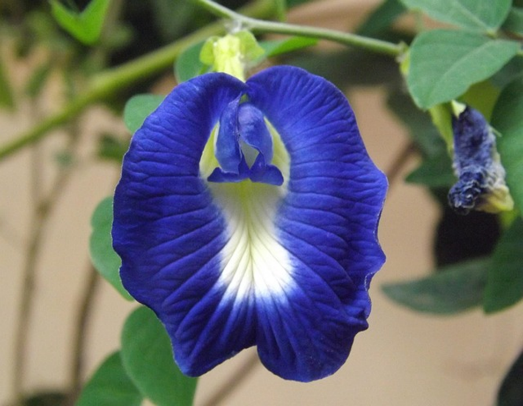
Fleshy rootstock, herb of vine-like, spreading stems. Paripinnate to imparipinnate, i. e. Leaf with usually 1 ovuliferous leaflet. Leaflets ovate or ell-lipob-tongue shaped, reaching up to 6.5×4 cm, glabrous at the top, pubescent on the lower side. Flowers, axillary, solitary, or 2, resupinate, showy bright blue.Very long, linear to oblong, with a hairless to very finely bearded mucronate end. It thrives wild, as well, in gardens and sports showy bright blue or white. The inflorescence looking like that of a conch. Whether of American lineage as well it is still cultivated as much as naturalized, spreading in all humid tropics of the new world and the old below 1600 meters elevation.
Aim:
To develop antimicrobial gel from C. ternatea leaf extract, such that side effects are minimized and better antimicrobial activity is achieved.
Objective:
In a study conducted by L. Kamilla and colleagues in 2009, the antimicrobial properties of methanol extracts from various parts of the Clitoria ternatea plant were investigated. The researchers tested the extracts against a range of bacteria, yeast, and fungi using both agar diffusion and broth dilution methods. Interestingly, it was discovered that the leaf and root extracts exhibited the highest efficacy against all tested microorganisms, with statistically significant results (p < 0.05). The minimum inhibitory concentration (MIC), minimum bactericidal concentration (MBC), and minimum fungicidal activity (MFC) values of the C. ternatea extracts varied from 0.3 mg/ml to 100.00 mg/ml.
Furthermore, the researchers also analyzed the extracts for the presence of various compounds such as tannins, phlobatannins, flavonoids, alkaloids, and more. Surprisingly, anthraquinones and saponins were not detected in any of the plant materials examined. These findings suggest that Clitoria ternatea has the potential to be a valuable source of bioactive compounds that could be utilized in the development of novel pharmaceuticals for food preservation and natural plant-based medicine.
In a recent study by Sayukta Pahurkar and colleagues (2023), the focus was on the growing importance of natural remedies in both medical and economic fields. Herbal treatments are gaining popularity among patients due to their lack of common side effects associated with traditional medications. The research aimed to develop and assess herbal gels containing Clitoria ternatea L., with a focus on minimizing side effects and maximizing antimicrobial properties using a methanolic leaf extract of C. ternatea L. This plant belongs to the Fabaceae family. The formulation included Carbopol 940, Clitoria ternatea methanolic leaf extract, propylene glycol, methyl paraben, propyl paraben, glycerine, and distilled water. Various parameters such as color, homogeneity, pH, viscosity, and spreadability were evaluated to ensure the effectiveness of the prepared formulation.
Need Of Work
Significance and Output
1. Natural Alternative to Synthetic Drugs:
The project explores Clitoria ternatea (Butterfly pea) as a natural source of antimicrobial agents, reducing dependency on synthetic antibiotics.
2. Addresses Antibiotic Resistance:
Helps in finding plant-based solutions for fighting infections caused by antibiotic-resistant bacteria.
3. Safe and Fewer Side Effects:
Herbal gel formulation minimizes side effects compared to chemical-based antimicrobial formulations.
4. Sustainable and Eco-friendly:
Promotes use of renewable, plant-derived ingredients — aligning with green and sustainable pharmaceutical practices.
5. Therapeutic Potential:
Clitoria ternatea contains bioactive compounds like flavonoids, tannins, glycosides, and phenolics with proven antimicrobial and antioxidant activity.
6. Topical Application Advantage:
Gel formulation provides convenient use, faster absorption, better patient compliance, and localized action.
7. Economic Importance:
The study supports low-cost formulation development from easily available natural plants.
8. Scientific Contribution:
Adds experimental data to phytochemical and pharmacological research for future herbal drug development.
MATERIAL:
Carbopol,Triethanolamine,Methyl paraben,Propyl paraben,Ethanol
A: Carbopol:
Softgel is a gentle and soothing substance that comes in the form of a white powder. It is a cross-linked polyacrylic acid polymer that has a unique texture and feel, making it perfect for enhancing the consistency of lotions and creams.
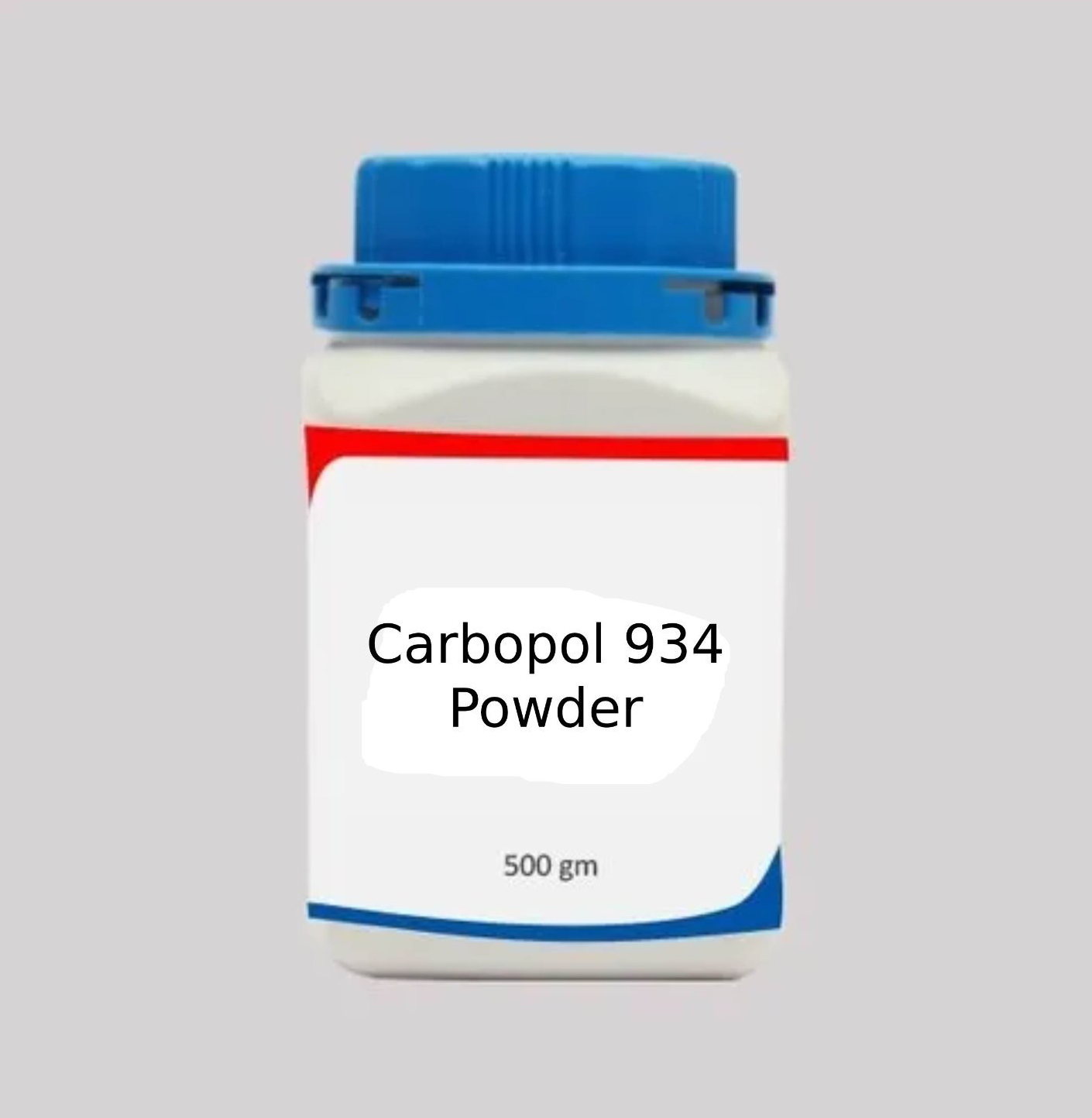
Figure No. 2: Carbopol 934
B : Triethanolamine :
Gentle Touch, also known as Triethanolamine (TEOA) , is a natural compound with the chemical formula N(CH2CH2OH)3. It is a clear and thick liquid that acts as both a tertiary amine and a triol. A triol is a special molecule that contains three alcohol groups. Despite being colorless, it may sometimes appear slightly yellow due to impurities.
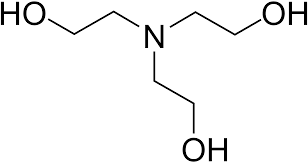
Figure No. 3 : Structure of Triethanolamine
C : Methylparaben :
Methylparaben is a synthetic preservative commonly used in cosmetics and personal care products. Its main function is to extend the life of these products by inhibiting the growth of harmful substances. bacteria is mold. Methylparaben comes in the form of a white crystalline powder, odorless and is known for its effectiveness and cost-effectiveness in the prevention of microbial contamination. Its chemical formulas C8H8O3. Although it has been widely used in the past, concerns have been raised about its safety, which leads to an increase in monitoring and research into alternative preservatives in the cosmetics industry to address potential health and environmental problems.
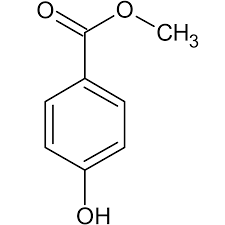
Figure No. 4: Structure of Methylparaben
D : . Propylparaben:
Propylparaben (also spelled propyl paraben) is the n-propyl ester of p-hydroxybenzoic acid. it comes in the form of a natural substance present in many plants and some insects. In addition, it can be produced synthetically for use in cosmetics, pharmaceuticals and food. He is a member of class of parabens and can be used as a preservative in many water-based cosmetic products, such as lotions, creams, shampoos and bath products.
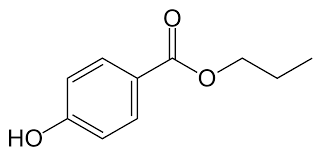
Figure No. 5 : Structure of Propylparaben
E: Ethanol:
(also called ethyl alcohol, grain alcohol, potable alcohol, or simply alcohol) is an organic compound. Compound with the chemical formula CH3CH2OH. It is an alcohol whose formula is also written such as C2H5OH, C2H6O or EtOH, where Et represents ethyl. Ethanol is a volatile, flammable and colorless product. Liquid with the characteristic wine smell and strong taste. As a psychoactive depressant, it is active ingredient in alcoholic beverages and the second most consumed drug in the world after caffeine.
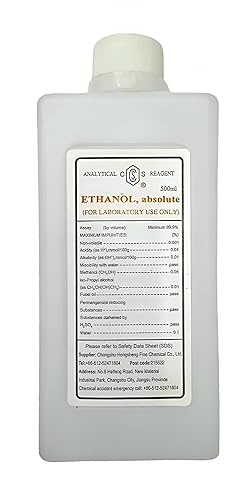
Figure No. 6 : Ethanol
Formulation - Herbal gel formulations:
To prepare the gel formulation, first take carbopol 940 that has been dissolved distilled water, then methylparaben, propylparaben and glycerin were added and held for the night Take the leaf extract of Clitoris ternatea in propylene glycol, which was then added polymer dispersion. The remaining amount of water was added and neutralized to pH 7 with triethanolamine with continuous stirring.
|
Ingredient |
Quantity |
|
Carbapol 934 (%) |
1 |
|
Extract (%w/w) |
2.5 |
|
Methylparaben (0.5 %) (ml) |
0.2 |
|
Propylparaben (0.2 %) (ml) |
5 |
|
Triethanolamine (ml) |
0.5 |
|
Ethanol |
3 |
|
Purified Water |
Q.S. |
Collection of plant material:
About 100 gms of dried flowers of Clitoria ternatea were purchased from the plant store in Pune.
Extraction:
Collection of plants
Dried Clitoria ternatea leaf samples were coarsely ground using a grinder. The samples were separated also to produce 20 g of soil samples with different extraction methods.
Subsequent solvent extractions:
The dry powdered plant material is extracted in a Soxhlet apparatus with petroleum ether, benzene and solvent. ether, chloroform, acetone, ethanol and methanol. Whenever the benzene extract is extracted with Then the solvent is dried in a hot air oven at a temperature below 50 degrees. Each extract is concentrated by distilling the solvent and then evaporating to dryness on a water bath, the extract obtained with each solvent is it is weighed and its percentage is calculated based on the air-dry weight of the plant material. Color is The consistency of the extract is observed during solvent extraction. Medicine powder can alternatively be macerated (cold extracted) to increase the polarity to create an extract with a different solvent.
Soxhlets:
A Soxhlet extractor was used for sample preservation. Boiled sawdust was added to a flask containing it 80% methanol and 20% water. At 70-80°C, the extraction process took six to seven hours. The extract was obtained by filtering the mixture and evaporating the solvent. After weighing, the extract it is placed in a vial for further examination.
Extractions are carried out using the continuous mixing method and Soxhlet extraction. In the first method, 10 g of seeds Clitoria ternatea powder was soaked in 250 mL methanol and stirred with magnetic stirring for 16 h and after filtration, the extraction was repeated again Next 8 hours until repeated 3 times. Filter, i.e. raw the methanolic extract (CME) thus obtained was concentrated by evaporation. After evaporation, the dry mass is weighed and used this extract for further separation into different organic and aqueous fractions (in increasing order of polarity) using n-hexane, chloroform, ethyl acetate, water soluble residue and methanol soluble residue as shown in and these extracts/fractions or residues were all dried, weighed and dissolved in DMSO (Li et al.,2014). The crude methanolic extract (CME) was separated successively by four solvent systems such that n-hexane, chloroform, ethyl acetate, aqueous fraction and Final residue fractionated into methanol soluble fraction (MSR) and the water-soluble fraction (WSR) in order of increasing polarity and each extraction was repeated three sometimes Evaporated dry powder of each extract was weighed and dissolved in DMSO for use biological analyses.
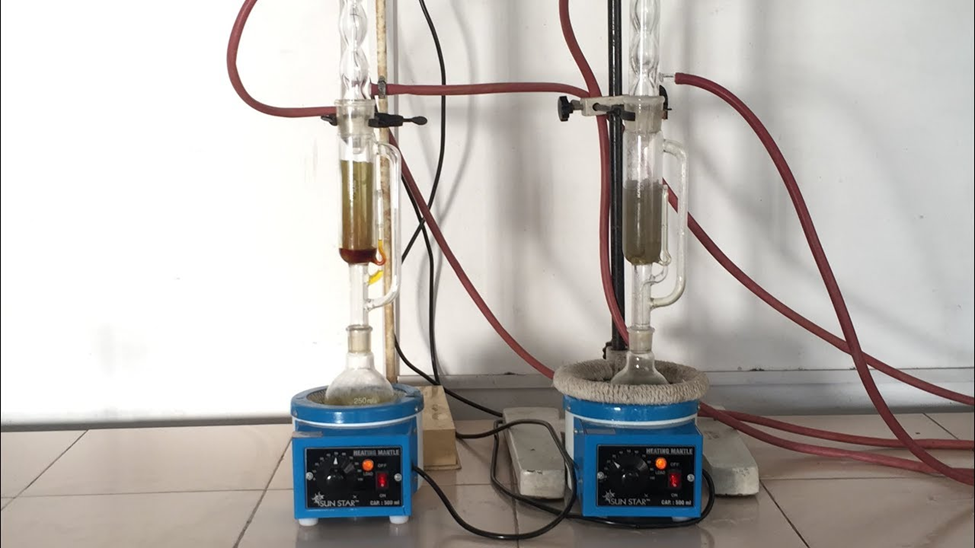
Figure No. 7: Soxhlet Assembly
Evaluation of Herbal Gel
|
Appearance |
Smooth and homogneously dispersed |
|
color |
Light greenish yellow |
|
odor |
Strong aroma |
The pH of the formulated whole herbal gel was measured using a pH meter. The pH range of herbal gel is 4.5 to 6.5. The pH of the gel was found to be 4.42.
Viscosity is a measure of a fluid's resistance to flow. It is a physical property that it describes the "thickness" or "fluidity" of a liquid or gas. In other words, viscosity measures how easily a fluid can flow and how resistant it is to deformation. under an applied force. The higher the viscosity, the more resistant the liquid is to the flow and more the lower the viscosity, the easier it flows. Viscosity is usually measured in units of weight (P). or centipoise (cP). The viscosity of the herbal gel was determined using a Brookfield rotary viscometer at 600 rpm. using pin #64. Fig. Brookfield viscometer.
Homogeneity refers to the uniformity of a mixture or substance in terms of composition, properties and characteristics. Its composition is uniform throughout and properties of the mixture are the same in all parts.
Characteristics of homogeneous mixtures:
1. Uniform composition: The composition of the mixture is the same everywhere.
2. Uniform Properties: Properties of the mixture, (density, viscosity and color are same.
3. The presence of any aggregates in the gel formulations was checked visually and the homogeneity was approved.
Spreadability refers to the ability of a substance, such as a gel, cream, ointment or paste, to spread It spreads easily and evenly over a surface, without applying excessive force or pressure.
Types of diffusion:
1. Initial Spreadability: Ease of initial spread of a substance.
2. Secondary Diffusion: Ease with which a substance spreads after its surface application
3. Prolonged Permeability: The ability of a substance to maintain its permeability for a long period of time.
Diffusion of the gel formulations was determined by measuring the diffusion diameter of 1 g. gel between two horizontal plates (11).
Calculation:
Diffusion capacity (S) = m × l / t
Now,
S = spread of samples
m = Weight
l = Distance
The diffusion range of herbal gel is 5-7.
The spreading capacity of the herbal gel was found to be 6.5 cm.
All formulations are evaluated under a microscope for the presence of any particles that were observed under an optical microscope. Hence, obviously, the preparation of the gel meets the requirement of being free of particles and in granular form as desired for any current product the preparation.
The antibacterial screening of the herbal gel was performed by the diffusion method. The gels were tested against bacterial agents, namely S. aureus and E. coli. The agar nutrient medium is sterilized and poured into Petri dishes. After solidification, 0.1 ml of the inoculum is spread evenly on the agar. using a stick. A cavity of 6 mm diameter was prepared and the formulated gel was placed in the cavity. o a standard antibiotic was used as a control. The inoculated plates are incubated for 24 hours. later, the area of ??inhibition around the disc is measured and recorded
Phytochemical analysis
Phytochemical analysis of leaf and stem extract Clitoriaternes were defined as follows:
Tannins:
0.5 ml of plant extract and add 1 ml of water and 1-2 drops of ferric chloride solution. A blue color was observed for the color green black.
Glycosides:
In 2 ml of plant extract, 1 ml of glacial acetic acid and add a few drops of ferric chloride and concentrated sulfuric acid was added. A reddish brown color is formed.
Flavonoids: 2 ml of plant extract, a few drops of concentrated hydrochloric acid an acid and magnesium tape was added. pink red tomato the color indicates the presence of flavonoids.
Reducing sugars:
0.5 ml of plant extract, 1 ml of water and 5 to 8 drops Fehling's solution was added and lowered into a water bath. A brick red precipitate indicates the presence of reducing agents sugars.
Protein:
A few drops of nitric acid are added to 1 ml of extract the sides of the test tube very gently. Yellow color indicates the presence of proteins.
Carbohydrates:
1 ml of Fehling's A and Fehling's B were added. the extract is diluted and heated for 30 min and observed for forming a brick red color.
Resins:
Distilled water is added to the extract and observed turbidity indicating the presence of resins.
DETERMINATION OF PHYSICAL CONTENT
1. Loss on drying:
LOD is the mass loss expressed as a w/w percentage and can be determined by the following
Procedure -
Weigh a glass-stoppered bottle, which has been dried for 30 min. a sample of powdered branches was stored in bottles and accurately weighed. The sample was dispersed uniformly with gentle lateral shaking. Located in bottle in the oven. The sample was dried to constant weight. After the drying was complete, the bottle was washed return to room temperature in the desiccator before weighing. The difference between the initial weight and the final weight gave the LOD.
2. Ash value:
The ash of all organic matter consists of its non-volatile inorganic component.
Procedure - Place about 2-4 g of air-dried material, weighed accurately at 1 °C until pale, indicating lack of coal. Cool in a desiccator and the residue with about 2 ml of water or a saturated solution of ammonium nitrate. Dry on a water bath, then on a hot plate and heat to constant weight. Leave the rest let cool in a suitable desiccator for 30 minutes, then weigh immediately. Calculate the total ash content in mg/g dry material.
A 1 g sample was weighed and air dried in a packed silica box. It burnt at a temperature upto 450 ° C until it was decarbonized, cooled and ash weighed and the % of ash was INCLUDED
3. Water soluble ash:
Procedure - Ash obtained according to the method described above.. Resulting ash is boiled for 5 minutes with 25 ml of water. Filter and collect the insoluble materials in a Grouch jar, wash with hot water and ignite for 15 minutes at a temperature not exceeding 450°C. Weight of insoluble matter was subtracted from the weight of the ash. The difference in weight represents the water soluble ash. PERCENT of water-soluble ash was calculated using the air-dried drug.
4. Acid insoluble ash:
Procedure -
Ash was obtained according to the method described above for total ash. The ash obtained was boiled with 25 ml of 2M hydrochloric acid for 5 minutes. Filtered and the insoluble material is collected in a Gooch jar, washed with hot water, lowered, cooled, in a desiccator and weighed. The percentage of acid insoluble ash was calculated in relation to the air-dried drug.
5. Determination of extraction value
This method determines the number of active ingredients in a given amount of medicinal plant material during solvent extraction. The extraction of each crude drug with a special solvent results in a solution containing it various phytoconstituents. The composition of these phytoconstituents in this particular solvent provides a solution which contains various phytoconstituents. The composition of these phytoconstituents in this particular solvent it depends on the nature of the drug and the solvent used.
6. Alcohol soluble extractive value : Exactly, 5 g of air-dried crude drug was taken in a sealed vial and macerated with 100 ml. 95% ethanol for 24 hours. It was shaken frequently for the first 6 hours and allowed to stand for 18 hours and filtered immediately to take precautions against the loss of ethanol. 25 ml of the filtrate was taken and evaporated to dryness Flat bottomed tar plate, dried at 105°C and weighed. The percentage of extractable value soluble in ethanol was calculated with reference to the air-dried drug.
7. Water soluble extraction value -
Exactly, 5 g of air-dried crude drug was taken in a sealed vial and macerated with 100 ml. distilled water for 24 hours. It was shaken frequently for the first 6 hours and allowed to stand for 18 hours and filtered. take immediate precautions against the loss of distilled water. Take 25 ml of the filtrate and evaporate to dryness. in a flat plate, dry at 105°C and weigh. The percentage of extractable value soluble in water calculated with reference to the air-dried drug.
8. Determination of tapped density (ρT):
This parameter is useful for calculating the compressibility index and the Hausner ratio of the pole. It is defined by place a graduated cylinder containing a known mass of drug or formula in a mechanical tapping device, which operates for a fixed number of taps (~1000) until the volume of the powder bed reaches a minimum. IS g/ml is indicated.
Tapped density (ρT) = Mass of powder (M) / Tapped volume (Vt)
9. Determination of Bulk density (ρB):
This parameter allows us to understand the fluidity and compression of the powder. Determined to spread pre-sieved (40 mesh) into a graduated cylinder through a large funnel and the volume and weight gauge (15).
Bulk density (ρB) = Mass of dust (M) / Bulk volume (Vb)
10. Determination of the angle of repose (θ):
A funnel is fixed with its tip at height H, above graph paper placed on a flat horizontal surface. The powder or granules are carefully for the funnel until the tip of the conical pile touches the top of the funnel. The diameter of the base of the conical pile is then determined to calculate the cutting angle Angle de repos (θ) = so-1 (h/r)
11: Hausner Ratio:
Depending on the material, the compression index can be determined with V10 instead of V0. If the V10 is used, it is clearly stated in the results. Hausner Ratio = Sliced ??Density / Bulk Density
12. Carr Index:
The Carr Index or Carr Compressibility Index is an indicator of the compressibility of a powder. Carr's index is calculated using the formula, Carr index = 100[ρT ? ρB/ρB]
Where ρB is the bulk density of the freely deposited dust, and ρT is the bulk density of the dust after "light touch".
|
Sr No. |
Parameter |
Value |
|
1 |
Total Ash |
16% |
|
2 |
Acidic Insoluble ash |
1.5% |
|
3 |
Water soluble ash |
5% |
|
4 |
Loss on drying |
9% |
|
5 |
Alcohol soluble extractive value |
8.9% |
|
6 |
Water soluble extractive value |
25.6% |
|
7 |
Tapped density |
0.26 g/ml |
|
8 |
Bulk density |
0.18 g/ml |
|
9 |
Angle of repost |
17.59 degree |
|
10 |
Hausner ratio |
1.44 |
|
11 |
Carr’s index |
30.76% |
Antimicrobial activity
Ethanol is aqueous extracts of C. roots ternatea were studied against Escherichia coli, Pseudomonas aeruginosa and Staphylococcus aureus for antibacterial activity and tetracycline has been used as standard. The antifungal activity of two extracts of C. Ternatea roots were studied against Candida albicans and Aspergillus niger with fluconazole as standard. About 10 ml of previously sterilized agar test tube, a cycle of the mother culture was inoculate and incubate at 37 C for 24 and 72 hours, for bacteria and fungi respectively. A suspension of the culture was prepared by adding about 3 ml of distilled water in the test tube and it was the same used for inoculation. Medium, Petri dishes and glass used were autoclaved at 121 o C (15 psi ) for 30 minutes. In each sterilized Petri dish, 30 ml of medium inoculated with the respective strains of bacteria and the fungi were transferred aseptically. A unique well of 6 mm diameter is made on each plate using sterile cork stopper. Test sample and control sample (0.5 ml) were placed in the well. The dish is saved for 2 hours per transmission. For antibacterial analysis plates were incubated at 37 ± 1 o C for 24 hours and antifungals doses at 28 ± 1 o C for 72 hours. Tetracycline (50 µg/mL) was used as a positive antibacterial control, while Fluconazole (50 µg/mL) was used as positive antifungal control. The diameter of the area the inhibition surrounding each well was recorded. U the average of the lowest concentration showing the no organism growth and more concentration shows visible growth by macroscopic evaluation was taken as MIC12-14. Every test is done in three copies. Gram-negative bacteria Pseudomonas aeruginosa (ATCC 27853), Escherichia coli (ATCC 25922), clinical isolate (multiresistant strain) of Klebsiella pneumoniae and Candida albicans was used.Antibacterial and antifungal activity was determined using agar Good diffusion method. The bacterial and fungal species mentioned above are reactivated diffusion on nutrient agar and Sabouraud dextrose agar (SDA), respectively. Isolated colonies were collected after one night of incubation at 37°C. Identification of organisms was performed according to a standard procedure. The isolated bacterial colonies were then transferred to sterile Mueller-Hinton et C. broth. albicans was transferred to Sabouraud dextrose broth and incubate overnight. The turbidity standard of 0.5 McFarland was used to adjust the concentration of the growth of the microorganism 105 CFU/ml. The drugs used as positive control were ampicillin 10 μg and ketaconazole 15 μg [13].
Methods for Dectection of AntiMicrobial Activity
Muller Hinton Agar plates (MHA) were pre-inoculated with the test the organism and keep in the incubator for 15 min. In this method paper discs, impregnated with filter-sterilized plant extract and The antibiotic disc of tetracycline is also placed surface of a suitable solid agar medium. Then the dishes were incubated for 24 hours at 37°C. The braking zones are then measured from the circumference of the disks to the perimeter of the braking zone.
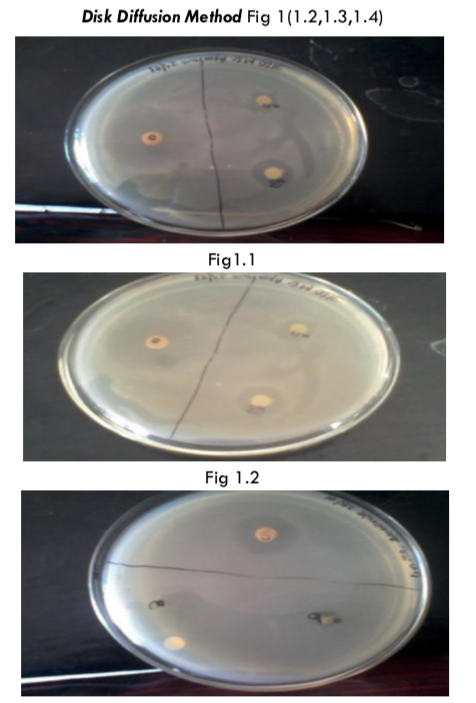
Figure No. 9.1: Disk Diffusion Method
Antimicrobial activity of various plant extracts have been studied by the diffusion method well. Muller Hinton Agar plates (MHA) were pre-inoculated with the test organism and maintained for 15 min. In this method, the well is drilled using a punch well in the agar plate. A fixed volume the plant extract is then introduced into the wells. posters then incubate at 37°C for 24 hours. Then there were the dishes observed for the perimeter of the braking zone.
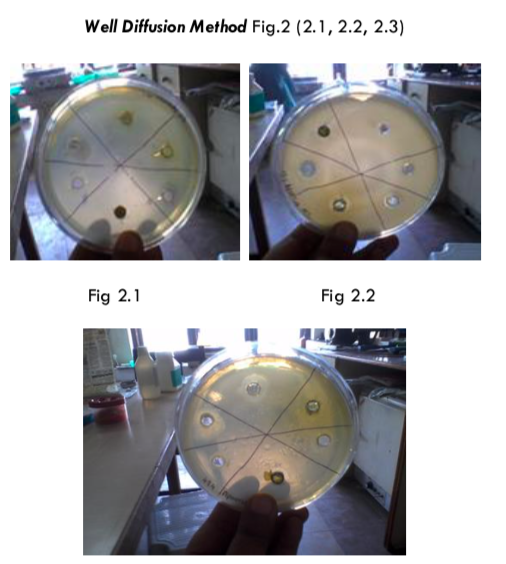
Figure No. 9.2 : Well Diffusion Method
Determination of antibacterial activity
Agar Mueller-Hinton (MHA) measuring 20 ml each was poured into Petri dishes. The bacterial culture was spread on the surface MHA plate. Wells of 4 mm diameter were drilled in the agar and filled with 20 μl of solutions of the compounds to be tested at different concentrations (100, 50, 25 and 12.5 μg/ml). The inoculated plates were then stored incubator for 18 hours at 37°C. The tests were performed in triplicate and the average of the three was considered for the study.
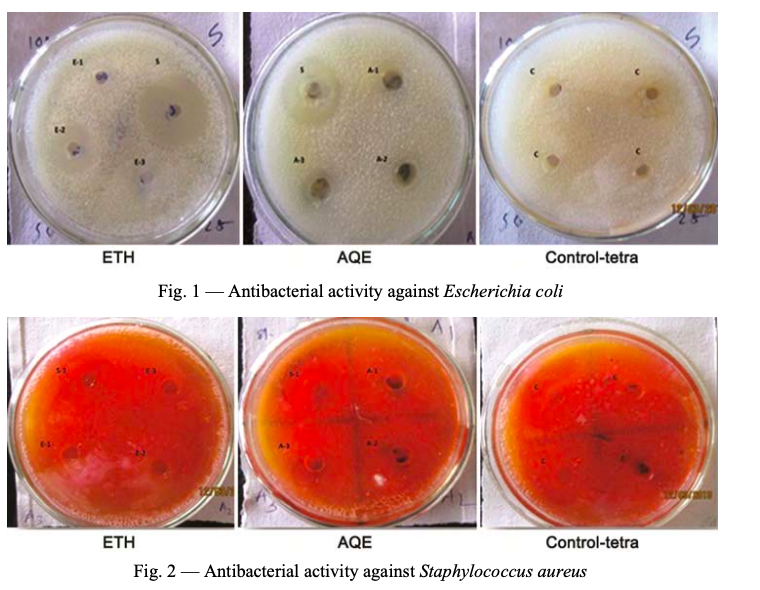
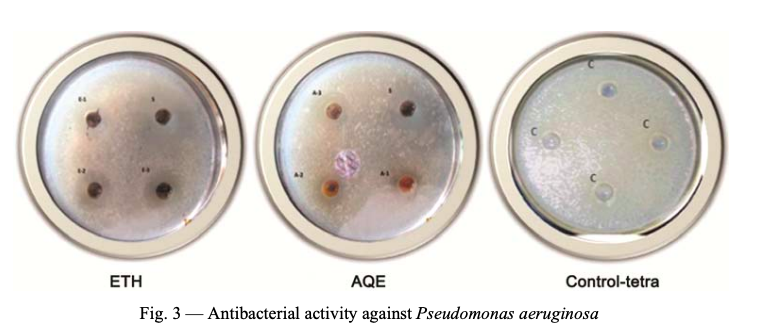
Figure No. 10: Determination of Antibacterial activity
Determination of antifungal activity
20 ml of SDA was poured into each petri dish. Culture of the C. albicans spread over the surface of the SDA plane. Wells was struck 4 mm diameter agar plate and filled with 20 μl of test solution compounds at different concentrations (100, 50, 25 and 12.5 µg/ml). U then the plates were kept in the incubator for 18 hours at 37°C. The tests were done in triplicate and the average of all three was considered for the study.
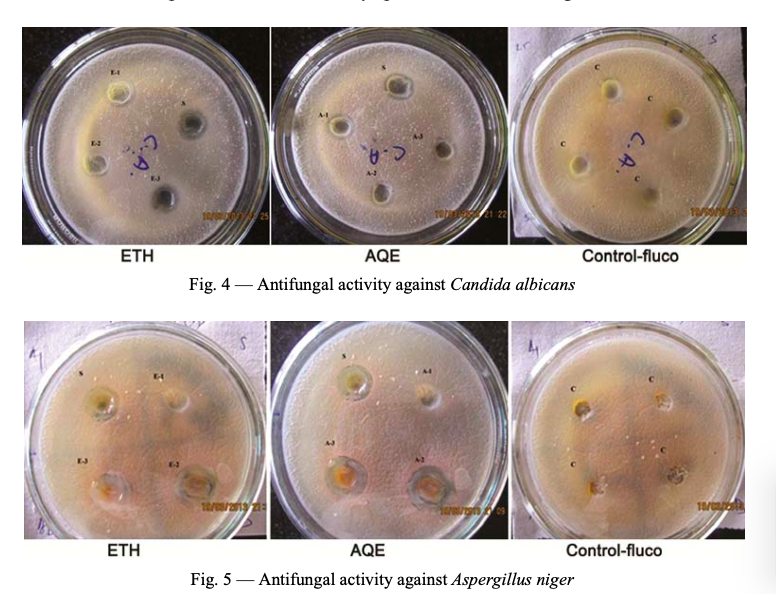
Figure No. 11: Determination of Antifungal activity
DISCUSSION
There are many medications for the treatment of new diseases. diseases The plants contain medicinal properties that have been used to treat human diseases and 50% of new chemicals subjects were entered. Recent technological advances and efforts should be made towards isolation and Characterization of active ingredients. Ayurvedic knowledge supported by modern science leads to finding, characterize and standardize the active compounds of source of the plant. With the combination of modern and the traditional medicine system and the best antidepressants can be produced without side effects. Herbs are everywhere in the world with natural chemical composition and can be used for future studies. The use of different parts of Medicinal plants help reduce the cost of drugs and also be available locally with fewer side effects compared to synthetic drugs. resins, proteins, carbohydrates, tannins, flavonoids, reducing sugars and glycosides are phytochemicals of great importance in therapeutic treatments. Quality phytochemicals leaf and stem analysis shows the complete presence of methanol to all secondary metabolites. Leaves and the trunk is valued for its medicinal values ??such as jaundice, migraine, sore throat, tumors, skin diseases, asthma, fever, urinary tract infections, constipation and indigestion and for disorders of the central nervous system. Phytotherapy It has been used in particular for the treatment of cancer and thus increasing the patient's ability to survive. The new Emergency diseases are the main cause of mortality and morbidity worldwide. The number of many drugs resistant strains that decrease sensitivity to antibiotics are The increase is attributed to the indiscriminate use of broad-spectrum antibiotics, immunosuppressive agents, intravenous catheters, organ transplants and the epidermis of human immunodeficiency virus (HIV) infection. This observation led to the new discovery of antibiotics from medicinal plants. In this current, preliminary study screening for antimicrobial activity showed that methanol has showed more zone of inhibition than any other. The results obtained from this study shows that plant extracts showed the strongest antimicrobial activity that commercially available antibiotics. Thus, Clitoriaternateaplant can be used for different drug preparations.
Traditional Use
Clitoria Ternatea, commonly known as butterfly pea has been used in traditional medicine for centuries. Used for scarring healing, anti-inflammatory, gastrointestinal aid, sedative, antipyretic, improves memory and antioxidant activity.
Wound healing: The leaves of Clitoriaternatea can be applied externally to wounds to promote healing and infection prevention. The plant contains compounds that help strengthen tissues.
Anti-inflammatory: Clitoriaternatea is used for relief of inflammation and associated conditions such as such as arthritis, joint pain and inflamed skin problems The plant contains flavonoids and others bioactive compounds that have anti-inflammatory properties, reducing inflammation and relieve associated symptoms.
Gastrointestinal aid: Clitoriaternatea is used for improve digestion, relieve stomach pain and treat gastrointestinal disorders such as diarrhea. plant is traditionally used as a digestive tonic, helping to soften the digestive system, relief discomfort and regulate bowel movements
Sedatives: The plant is used to promote calm, reduce anxiety and promote restful sleep. Clitoriaternatea contains bioactive compounds that they have a calming effect on the central nervous system system, promotes relaxation and helps combat stress reduction.
Antipyretic: Clitoriaternatea is used to reduce fever and reduce the symptoms of fever
the conditions. The plant has cooling properties, which help reduce body temperature and relieve temperature related annoyance.
Memory improvement: It is believed that plant improve cognitive function, improve memory and improve mental clarity. Clitoriaternatea contains compounds that act as nootropics, supporting the brain health and improve cognitive skills.
Antioxidant: clitoriaternatea is an antioxidant properties and is used to combat oxidative stress and protect against damage caused by free radicals. plant It is rich in flavonoids and other antioxidants eliminate free radicals, thus preventing cell damage and reduce the risk of associated chronic diseases with oxidative stress.
CONCLUSION
This study reveals that the extracts obtained from the leaves and stems of Clitoriaternatea are important for the preparation of medicine without side effects. The natural products function as a useful medicine in the formulation of a multi-ingredient herbal product and are said to help treat various neurodegenerative disorders such as anxiety and depression. The study of phytochemicals helps to identify the quality and purity of the medicine. A study carried out with the leaves and stems of Clitoriaternatea reveals various parameters that will be useful in the scientific evaluation, identification and validation of drugs. The present study shows that Clitoriaternatea of ??the Fabaceae family certainly possesses antimicrobial principles responsible for the antibacterial activity. Thus, the activity of all these extracts is tested against pathogenic bacteria, which shows that this plant is more resistant to bacterial attacks due to the presence of some biological elements, active substances, so they can be used in pharmaceuticals and the pharmaceutical industry.
RESULT:
The results of the phytochemical screening to test the presence of tannins, reducing sugars, glycosides, flavonoids, proteins, carbohydrates and resins in the herbal extract of leaves and stems of Clitoria ternatea are shown in Table.
Table 1. Phytochemical constituents of Clitoriaternatea stem and leaf extracts
|
Secondary metabolite |
Stem |
Leaf |
||||
|
|
P. E. |
Mr. |
C. |
P.E. |
M |
C |
|
Protein |
- |
+ |
+ |
+ |
+ |
+ |
|
Carbohydrates |
- |
+ |
+ |
- |
+ |
+ |
|
Resins |
- |
+ |
- |
- |
+ |
- |
|
Tannins |
- |
+ |
+ |
- |
+ |
+ |
|
Glycosides |
+ |
+ |
+ |
+ |
+ |
+ |
|
Reducing sugar |
- |
+ |
+ |
- |
+ |
+ |
|
Flavonoids |
- |
+ |
+ |
- |
+ |
+ |
Table 2. Antimicrobial activity by diffusion method in Clitoriaternatea
|
Strains |
|
Zone of Growth Inhibition |
||||
|
|
Stem (cm) |
Leaf |
||||
|
Gram positive bacteria |
Ad. |
P. |
M. |
Ad. |
P. |
M. |
|
Bacillus subtilis |
1.2 |
0.7 |
1.5 |
1 |
1.2 |
2 |
|
Staphylococcus aureus |
1.8 |
- |
1.5 |
2 |
- |
1.5 |
|
Gram negative bacteria |
Ad. |
P. |
M. |
Ad. |
P. |
M. |
|
Escherichia coli |
2.3 |
- |
0.7 |
2.5 |
0.5 |
1.5 |
|
Pseudomonas aeruginosa |
1.8 |
- |
- |
2 |
1.5 |
0.6 |
Table 3. Antimicrobial activity by diffusion method in agar wells in Clitoriaternatea
|
Strains |
|
Zone of Growth Inhibition |
||||
|
|
Stem (cm) |
Leaf |
||||
|
Gram positive bacteria |
P.E. |
M. |
C. |
P.E. |
M. |
C. |
|
Bacillus subtilis |
0.5 |
2.5 |
0.4 |
1.2 |
1.5 |
1 |
|
Staphylococcus aureus |
1.2 |
1.8 |
0.8 |
0.5 |
1.5 |
0.5 |
|
Gram negative bacteria |
P.E. |
M. |
C. |
P.E. |
M. |
C. |
|
Escherichia coli |
1.5 |
2.1 |
0.5 |
1.2 |
2.5 |
1.8 |
|
Pseudomonas aeruginosa |
0.8 |
1.8 |
1.3 |
1.5 |
1.9 |
1.5 |
REFERENCES


Daware Tanvi*, Bohol Amrapali, Balme Priyanka, Dukale Poonam, Pathophysiology of Weight Loss, Int. J. of Pharm. Sci., 2025, Vol 3, Issue 12, 2391-2411 https://doi.org/10.5281/zenodo.17934816
 10.5281/zenodo.17934816
