

We use cookies to ensure our website works properly and to personalise your experience. Cookies policy
1,2 Appasaheb Birnale College of Pharmacy, Sangli Maharashtra 416416.
3Bombay College of Pharmacy, Santacruz (E), Mumbai, Maharashtra, 400098
4Dr. Shivajirao Kadam College of Pharmacy, Kasabe Digraj, Sangali, 416305
5,6 R.C Patel Insititute of Pharmaceutical Education and research College, Shirpur, 425405.
For centuries, natural products have served as the cornerstone of traditional medicine, yet only recently have advanced analytical and pharmacological techniques allowed for a rigorous understanding of their mechanisms. This review provides a comprehensive analysis of two prominent and complementary phytochemicals: the sesquiterpene beta-caryophyllene (BCP) and the alkaloid piperine. We systematically examine their phytochemical profiles, including natural sources, structural characteristics, and advanced extraction methodologies such as supercritical fluid extraction (SFE) and gas chromatography-mass spectrometry (GC-MS). BCP is distinguished by its unique status as a dietary cannabinoid, functioning as a selective agonist of the cannabinoid receptor type 2 (CB2). This property underpins its significant anti-inflammatory, analgesic, neuroprotective, and anticancer activities, mediated through key pathways such as NF-?B and Nrf2. In contrast, piperine, the principal pungent component of black pepper, is renowned for its dual functionality: direct antioxidant and anti-inflammatory effects, and its role as a potent bioenhancer through the inhibition of P-glycoprotein and CYP3A4 enzymes. Despite their therapeutic promise, both compounds face translational challenges related to their physicochemical properties, including BCP’s high lipophilicity and piperine’s poor aqueous solubility and photolability. The natural co-occurrence of these compounds in Piper nigrum suggests a synergistic relationship, with piperine potentially enhancing the bioavailability of BCP. By integrating traditional knowledge with modern molecular pharmacology, this review highlights the therapeutic potential of BCP and piperine as multi-targeted agents and outlines the critical formulation strategies and clinical research needed to advance these natural products into next-generation therapeutics for chronic inflammation, neurodegeneration, and cancer.
For centuries, natural products have served as the cornerstone of traditional medicine systems, forming the basis of pharmacopoeias across diverse cultures, from Ayurveda and Traditional Chinese Medicine to Indigenous healing practices. Long before the advent of synthetic chemistry, humanity relied on the complex chemical diversity of plants, fungi, and marine organisms to alleviate suffering and treat disease[1]. In the modern era, however, the advent of high-throughput synthetic drug discovery and the emphasis on single-target, highly purified therapeutics led to a relative decline in the exploration of natural products within mainstream pharmaceutical research. This shift was partly driven by perceptions of natural products as having complex pharmacokinetics, challenges in standardization, and a lower perceived novelty compared to synthetic compounds[2]. In recent years, a significant paradigm shift has occurred, heralding a renaissance for natural products in modern medicine. This resurgence is fueled by several converging factors[3]. First, the limitations of the reductionist "one molecule, one target" approach have become increasingly apparent, particularly in complex, multifactorial diseases such as chronic inflammation, neurodegeneration, and cancer. Natural products, often characterized by their polypharmacology—the ability to modulate multiple biological targets simultaneously—offer a compelling alternative. Second, the escalating crisis of antimicrobial resistance and the stagnant pipelines for novel antibiotics have prompted a reinvestigation of ancient antimicrobial remedies[4-6]. Third, advances in analytical chemistry, genomics, and systems biology have equipped researchers with powerful tools to deconstruct the complexity of natural extracts, identify bioactive constituents with unprecedented precision, and understand their mechanisms of action at a molecular level. This technological evolution has transformed natural product research from a largely descriptive endeavor into a rigorous, hypothesis-driven science capable of yielding lead compounds with validated mechanisms and acceptable bioavailability[7][8].
Within this renewed landscape, the focus has expanded beyond the discovery of novel molecules to a deeper understanding of the pharmacological potential of well-characterized phytochemicals. Among these, sesquiterpenes and alkaloids have emerged as particularly promising classes[9]. The sesquiterpene beta-caryophyllene (BCP) and the alkaloid piperine exemplify this trend[10]. Both are abundant, widely distributed in culinary and medicinal plants, and have a long history of traditional use[11]. BCP is a major constituent of essential oils from numerous aromatic plants, including black pepper (Piper nigrum), cloves (Syzygium aromaticum), cannabis (Cannabis sativa), and many herbs used in traditional medicine. Its unique status as a dietary cannabinoid—specifically a selective agonist of the cannabinoid receptor type 2 (CB2)—distinguishes it from most other phytochemicals and positions it as a key modulator of inflammation and neuroprotection without the psychoactive effects associated with CB1 receptor activation. This discovery has opened new avenues for understanding the therapeutic effects of many essential oil-bearing plants and has positioned BCP as a promising candidate for managing chronic inflammatory and neurodegenerative conditions[12].
Piperine, the principal alkaloid responsible for the pungent taste of black pepper and long pepper, holds an equally distinguished but complementary position. Its most celebrated property is its role as a bioenhancer—a substance that enhances the bioavailability of other drugs and nutrients by inhibiting drug-metabolizing enzymes (notably cytochrome P450 3A4) and efflux pumps (P-glycoprotein)[13][14]. This property has made piperine a valuable co-adjuvant in both traditional formulations (such as the classic Trikatu formulation in Ayurveda) and modern nutraceutical preparations. Beyond its bioenhancing activity, piperine exhibits a diverse array of direct biological properties, including anti-inflammatory, antioxidant, neuroprotective, and anticancer activities, mediated through various signaling pathways such as NF-κB, MAPK, and AMPK. Despite its extensive pharmacological profile, the clinical translation of piperine has been challenged by its own poor water solubility and potential for dose-dependent gastrointestinal irritation[15][16][17].
The convergence of interest in these two compounds is not coincidental. They are natural partners, co-occurring in Piper nigrum and frequently co-administered in traditional formulations. Their complementary mechanisms—BCP as a direct-acting anti-inflammatory and neuroprotective agent via CB2 activation, and piperine as a bioavailability enhancer and broad-spectrum immunomodulator—suggest a potential for synergistic therapeutic efficacy[18]. However, a comprehensive review that simultaneously addresses the phytochemical analysis, individual biological properties, and synergistic potential of BCP and piperine is currently lacking. This review aims to fill this gap by critically synthesizing the existing literature on these two prominent phytochemicals. It will systematically examine their phytochemical characteristics, extraction and analytical methodologies, pharmacokinetic profiles, and the spectrum of their biological activities, with a particular emphasis on anti-inflammatory, neuroprotective, and anticancer properties. Furthermore, it will explore the mechanistic basis for their potential synergistic interactions and discuss the translational challenges and future opportunities for developing these natural products into effective therapeutic agents[19][20]. By providing a holistic and comparative analysis, this review seeks to contribute to the ongoing renaissance of natural products by highlighting how traditional knowledge, when combined with modern molecular pharmacology, can guide the development of next-generation therapeutics derived from nature’s rich chemical repertoire[21].
2. Phytochemical Profiling and Bioactive Ingredients
Beta-caryophyllene (BCP) stands as one of the most extensively distributed sesquiterpenes across the plant kingdom, representing a hallmark constituent of the essential oil fraction in countless aromatic and medicinal plant species spanning diverse botanical families[22]. Its remarkable ubiquity is not merely a matter of taxonomic coincidence but reflects profound ecological significance, wherein BCP functions as a sophisticated chemical mediator in plant defense strategies against herbivory and microbial pathogenesis, while simultaneously serving as an attractant for pollinators and a agent in allelopathic interactions among competing plant species. The most economically and traditionally significant source of BCP is black pepper (Piper nigrum L.), a spice that has shaped global trade routes and culinary traditions for millennia[23][24]. In Piper nigrum, BCP constitutes approximately 15–25% of the essential oil composition, contributing substantially to the characteristic spicy, woody, and slightly citrusy aromatic profile that distinguishes this ubiquitous condiment. However, the concentration of BCP exhibits remarkable variability across plant species, specific plant organs, geographical origins, and even developmental stages. Clove oil (Syzygium aromaticum), derived primarily from the unopened flower buds of the Myrtaceae family, contains substantial quantities of BCP alongside its predominant constituent eugenol, with BCP concentrations ranging from 5–20% depending on the chemotype and extraction methodology[25]. Copaiba balsam (Copaifera spp.), a resinous exudate harvested from trees indigenous to the Amazon rainforest, has garnered particular attention as one of the richest natural sources of BCP, with certain copaiba oil varieties containing BCP concentrations exceeding 50–60% by volume[26]. This extraordinary abundance has positioned copaiba as a valuable resource for both traditional Amazonian medicine, where it has been used for centuries to treat inflammatory conditions and wound infections, and modern phytopharmaceutical development[26][27].
In recent years, cannabis (Cannabis sativa L.) has emerged as a source of extraordinary scientific interest, with BCP representing one of the most abundant terpenes in many chemovars. Unlike the cannabinoids tetrahydrocannabinol (THC) and cannabidiol (CBD), which are produced in the glandular trichomes, BCP is synthesized and accumulated in the same structures and contributes significantly to the distinctive aromatic profiles that differentiate cannabis strains. Notably, BCP often constitutes the predominant terpene in many high-CBD and balanced chemotypes, with concentrations ranging from 10–30% of the total terpene fraction[28][29]. This presence is particularly significant because BCP functions as a selective CB2 cannabinoid receptor agonist, contributing to the so-called entourage effect, wherein terpenes synergistically modulate the pharmacological activity of cannabinoids to produce enhanced therapeutic outcomes with potentially reduced adverse effects. Beyond these prominent sources, BCP is widely distributed across the Lamiaceae family, occurring in significant quantities in rosemary (Rosmarinus officinalis), oregano (Origanum vulgare), thyme (Thymus vulgaris), and basil (Ocimum basilicum), all of which have been integral to Mediterranean culinary traditions and European herbal medicine for centuries[30][31]. Additional notable sources include hops (Humulus lupulus), the essential oil of which contributes to the aromatic complexity of beer and has been used traditionally as a sedative and antimicrobial agent; lavender (Lavandula angustifolia), renowned for its calming properties; and various species of cinnamon (Cinnamomum spp.), where BCP contributes to the warm, spicy aroma alongside cinnamaldehyde. The widespread occurrence of BCP in such a diverse array of dietary and medicinal plants has profound implications for human health, as it represents one of the few non-cannabis plant constituents capable of directly modulating the endocannabinoid system[32][33]. This classification as a dietary cannabinoid explains, at least in part, the historical efficacy of these plants in traditional medicine for managing inflammatory disorders, gastrointestinal disturbances, and pain conditions, while also positioning BCP as a phytochemical with exceptional accessibility, established safety through prolonged human consumption, and significant potential for therapeutic development[34][35].
2.1.2. Chemical Structure, Isomerism, and Physicochemical Properties
Beta-caryophyllene belongs to the bicyclic sesquiterpene subclass of terpenoids, characterized by a molecular formula of C??H?? and a molecular weight of 204.35 g/mol[36][37]. The structural architecture of BCP is defined by a unique bicyclic framework comprising a cyclobutane ring fused to a nine-membered ring system, specifically a [4.4.0] bicyclic system with a trans-fused configuration. This distinctive structure incorporates an exocyclic methylene group attached to the cyclobutane ring and an endocyclic double bond positioned within the nine-membered ring. This unusual combination of a strained four-membered ring with a larger macrocyclic ring confers upon BCP remarkable chemical stability relative to many other sesquiterpenes, which typically contain more reactive structural motifs such as conjugated dienes or allylic alcohol groups. The stereochemistry of BCP is critically important for both its chemical behavior and biological activity. In nature, BCP exists predominantly as the (E)-β-caryophyllene isomer, which represents the thermodynamically more stable configuration. The corresponding geometric isomer, (Z)-β-caryophyllene (also designated as isocaryophyllene)[38][39], occurs naturally but typically at substantially lower concentrations and exhibits distinct physicochemical properties and biological activities. Beyond geometric isomerism, BCP possesses two chiral centers, giving rise to multiple stereoisomers; however, naturally occurring BCP is predominantly the (1R,9R)-enantiomer, though the enantiomeric composition can vary depending on the plant source and biosynthetic pathway. BCP serves as a biosynthetic precursor to an array of oxygenated derivatives, the most significant of which is caryophyllene oxide[40]. This compound is formed through the oxidation of the endocyclic double bond, typically via enzymatic transformation in planta or through autoxidation during storage and processing. Caryophyllene oxide retains the bicyclic framework of its parent compound while incorporating an epoxide functional group, which substantially alters its physicochemical properties, metabolic stability, and pharmacological profile. Other oxygenated derivatives include β-caryophyllene alcohol (caryophyllenol) and various ketone derivatives, though these typically occur at lower concentrations in natural sources. The physicochemical properties of BCP are quintessential of a highly lipophilic terpene. The octanol-water partition coefficient (log P) of BCP is approximately 6.4, indicating exceptionally high lipophilicity that facilitates extensive partitioning into lipid-rich environments, including cellular membranes, adipose tissue, and the central nervous system[41]. This extreme lipophilicity underlies several clinically relevant characteristics: excellent skin penetration enabling topical administration; the ability to cross the blood-brain barrier through passive diffusion, a critical requirement for its neuropharmacological activities; and extensive distribution into lipid compartments following systemic administration[42][43]. BCP presents as a colorless to pale yellow liquid at ambient temperature, exhibiting a characteristic spicy, woody, clove-like aroma with subtle citrus undertones. Its physical properties include a boiling point of approximately 129–130°C at 10 mmHg pressure, a density of 0.901 g/cm³ at 20°C, and a refractive index of approximately 1.500. Solubility characteristics reveal virtual insolubility in water (less than 0.001 mg/mL) but excellent solubility in non-polar organic solvents including hexane, dichloromethane, and diethyl ether, as well as in fixed oils, ethanol, and other organic solvents commonly used in pharmaceutical and nutraceutical formulations[44][45]. The stability profile of BCP is generally favorable under inert conditions; however, the compound demonstrates susceptibility to oxidative degradation upon prolonged exposure to atmospheric oxygen, particularly when combined with light exposure and elevated temperatures[46][47]. The primary degradation pathway involves epoxidation of the endocyclic double bond, yielding caryophyllene oxide, which can undergo further transformation to more highly oxygenated products under conditions of extended oxidative stress. Additionally, thermal stress can induce isomerization and rearrangement reactions, potentially generating less biologically active or inactive byproducts. These stability considerations necessitate appropriate handling protocols, including storage under inert atmosphere (nitrogen or argon), protection from light in amber glass containers, and maintenance at reduced temperatures (typically 4°C for long-term storage) to preserve chemical integrity for research applications and to ensure batch-to-batch consistency in formulated products destined for pharmaceutical or nutraceutical use[48][49].
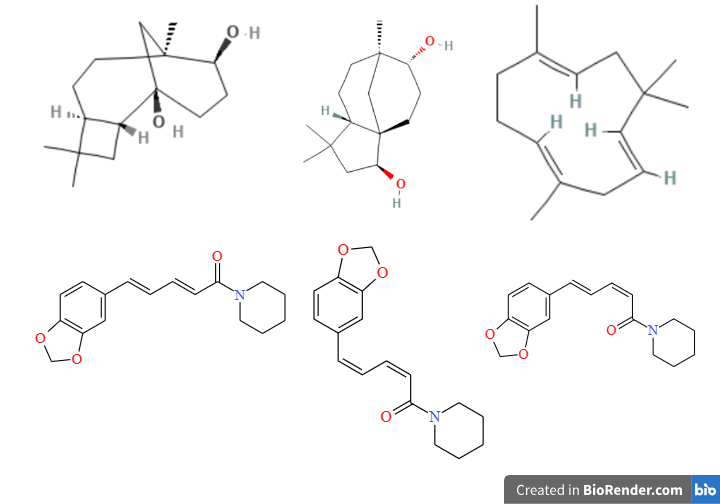
Fig: 1 Beta caryophyllene and piperine chemical structure
2.1.3. Extraction, Isolation, and Analytical Methods (GC-MS, HPLC)
The extraction of BCP from plant matrices is fundamentally oriented toward capturing the volatile essential oil fraction, and the choice of extraction methodology profoundly influences the yield, purity, and chemical integrity of the recovered material[50][51]. Hydrodistillation employing Clevenger-type apparatus represents the most traditional and widely implemented extraction technique, leveraging the principle that steam-volatile components are carried over with water vapor and subsequently condensed and separated from the aqueous phase. While hydrodistillation offers simplicity, cost-effectiveness, and suitability for large-scale processing, the extended exposure to elevated temperatures (typically 100°C for several hours) can potentially induce thermal degradation, isomerization, and oxidation of sensitive terpenes, including the formation of caryophyllene oxide and other oxygenated derivatives[52][53]. Steam distillation provides a gentler alternative wherein steam is passed through the plant material, reducing thermal stress and contact time while still achieving efficient extraction of volatile constituents. For analytical applications and production of high-fidelity extracts for biological evaluation, solvent extraction methods are frequently preferred. Non-polar solvents such as n-hexane, dichloromethane, and petroleum ether effectively solubilize BCP along with other lipophilic constituents, yielding extracts that more accurately reflect the native phytochemical profile of the source material, albeit with the inclusion of non-volatile waxes and resins that may require subsequent purification steps[].
Advanced extraction technologies have increasingly supplanted traditional methods in contemporary phytochemical research and industrial production. Supercritical fluid extraction (SFE) using carbon dioxide (scCO?) represents the most sophisticated and versatile approach for BCP recovery. Operating at temperatures typically ranging from 40–60°C and pressures between 100–300 bar, scCO? extraction completely eliminates the use of organic solvents, minimizes thermal degradation, and enables selective fractionation through precise modulation of pressure, temperature, and flow rate parameters. The tunable solvating power of supercritical CO? allows for sequential extraction of different compound classes, enabling the production of BCP-rich fractions with high purity and preserved stereochemical integrity[. This technology has become the method of choice for manufacturing high-quality BCP extracts for nutraceutical and pharmaceutical applications, particularly when organic solvent residues are unacceptable and preservation of the native chemical profile is paramount. Following extraction, isolation of purified BCP from complex essential oil mixtures can be accomplished through fractionated distillation exploiting differential boiling points, or through chromatographic separation techniques such as column chromatography on silica gel with gradient elution using non-polar solvent systems of increasing polarity[54][55].
The analytical characterization of BCP relies predominantly on gas chromatography (GC), a technique ideally suited to the volatility and thermal stability of sesquiterpenes. Gas chromatography coupled with mass spectrometry (GC-MS) constitutes the gold standard for definitive identification, enabling comparison of mass spectral fragmentation patterns with reference libraries (such as the National Institute of Standards and Technology, NIST, and Wiley databases) and facilitating calculation of retention indices using homologous series of n-alkanes under standardized temperature programming conditions. The mass spectrum of BCP is characterized by a molecular ion at m/z 204 and diagnostic fragment ions at m/z 189, 161, 133, 119, 105, 93, and 79, reflecting the characteristic fragmentation pattern of the bicyclic sesquiterpene skeleton. Quantitative analysis is typically performed using gas chromatography with flame ionization detection (GC-FID), which provides a linear detector response proportional to the number of carbon atoms in hydrocarbon structures, enabling accurate quantification of BCP concentrations in essential oils, extracts, and finished products without the requirement for compound-specific standards when appropriate calibration methodologies are employed. [57][58]
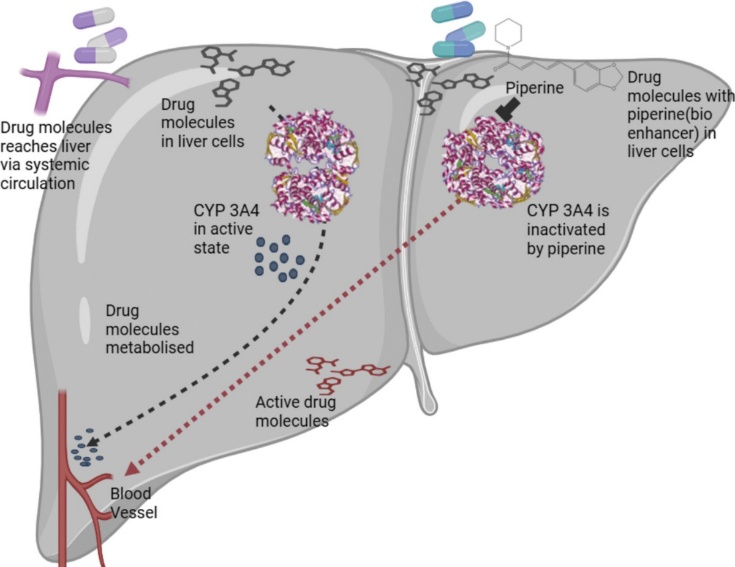
Fig: 2 Pharmacokinetic Profiles and Bioenhancer Mechanism.
2.2. Piperine
2.2.1. Sources and Natural Occurrence (Piper nigrum, Piper longum)
Piperine, the principal alkaloid responsible for the pungent taste characteristic of black pepper and long pepper, occupies a position of extraordinary significance in both culinary traditions and traditional medicine systems across Asia, Africa, and Europe. As the primary bioactive constituent of Piper nigrum L., the world's most extensively traded spice, piperine has shaped global commerce, culinary practices, and medicinal traditions for over two millennia[58]. In Piper nigrum, the piperine content varies considerably as a function of cultivar, cultivation practices, geographical origin, fruit maturity at harvest, and post-harvest processing methodologies[59][60]. Black pepper, produced from unripe green berries harvested before full maturity and subjected to sun-drying until they shrink, darken, and develop the characteristic wrinkled appearance, typically contains piperine concentrations ranging from 2–8% by dry weight, with values in the 4–6% range most commonly reported for commercially available materials. White pepper, derived from fully ripe berries that undergo a fermentation or soaking process to remove the outer pericarp before drying, generally exhibits slightly lower piperine content due to losses incurred during the processing steps. Green pepper, preserved through freeze-drying or brining, retains piperine content comparable to black pepper but with a different sensory profile[61].
2.2.2. Chemical Structure, Stereochemistry, and Physicochemical Properties
Piperine, designated by the IUPAC name (2E,4E)-1-(5-(1,3-benzodioxol-5-yl)-1-oxo-2,4-pentadienyl)piperidine, possesses a molecular formula of C??H??NO? and a molecular weight of 285.34 g/mol. The molecular architecture of piperine comprises three structurally distinct domains that collectively determine its chemical behavior and biological activity: a methylenedioxyphenyl group (derived from piperonal), a conjugated pentadienyl chain containing five carbon atoms with two trans-configured double bonds, and a piperidine ring that contributes basic character through the tertiary amine nitrogen[62]. The conjugated double bond system spanning five carbon atoms is particularly significant, as it confers characteristic ultraviolet absorption properties and contributes to the compound's photochemical reactivity. The stereochemistry of piperine is absolutely critical for its biological activity, with the naturally occurring (2E,4E)-isomer representing the all-trans configuration that exhibits maximal pharmacological potency. This all-trans isomer is the most thermodynamically stable configuration and corresponds to the biosynthetic product formed through the action of specific isomerases that establish the double bond geometry.[63][64] Isomerization can occur under various conditions, particularly exposure to ultraviolet and visible light, leading to the formation of cis-trans isomers including isopiperine (2E,4Z), chavicine (2Z,4Z), and isochavicine (2Z,4E). These geometric isomers exhibit substantially reduced pungency, diminished bioenhancer activity, and altered physicochemical properties compared to the parent all-trans isomer, highlighting the importance of stereochemical integrity for therapeutic applications[65].
The physicochemical properties of piperine are characterized by moderate lipophilicity coupled with exceptionally poor aqueous solubility, a combination that profoundly influences its pharmacokinetic behavior and presents substantial formulation challenges. The octanol-water partition coefficient (log P) of piperine is approximately 3.5, indicating sufficient lipophilicity to facilitate passive diffusion across biological membranes and distribution into tissues. However, aqueous solubility is exceedingly low, with reported values of approximately 40 mg/L at 25°C (approximately 0.14 mM), rendering piperine effectively insoluble in water and limiting its dissolution rate and subsequent oral bioavailability when administered in conventional formulations. Piperine presents as a crystalline solid at ambient temperature, typically forming monoclinic needles with characteristic yellow coloration and a melting point of 128–130°C. The compound exhibits a distinctive pungent, bitter taste that is mediated through activation of transient receptor potential channels, specifically TRPV1 (vanilloid type 1) and TRPA1 (ankyrin type 1), which serve as molecular sensors for pungent and irritant compounds in the oral cavity. Piperine displays fluorescence under ultraviolet illumination, a property that can be exploited for detection and visualization in chromatographic analyses[66]. In terms of chemical stability, piperine demonstrates relative stability under acidic conditions, which is favorable for oral administration where gastric acidity is encountered, but undergoes hydrolysis under strongly alkaline conditions. The primary vulnerability of piperine is photodegradation, which proceeds through a mechanism involving excited state isomerization followed by subsequent oxidative transformations. This photolability necessitates rigorous protection from light throughout all stages of processing, storage, and formulation development, typically achieved through the use of amber glass containers, opaque packaging, and incorporation of light-stabilizing excipients where appropriate[67][68].
2.2.3. Extraction, Isolation, and Analytical Methods (HPLC, TLC)
The extraction of piperine from Piper species exploits its solubility in organic solvents and its presence in the plant matrix as a free alkaloid, unbound to acids or other complexing agents that would necessitate more aggressive extraction conditions. Traditional extraction methodologies employ polar organic solvents including ethanol, methanol, acetone, and ethyl acetate, either individually or in combination, utilizing techniques ranging from simple maceration at ambient temperature to more efficient Soxhlet extraction with continuous solvent recycling[69]. Ethanol, being the solvent most compatible with nutraceutical and pharmaceutical applications, is widely employed for producing piperine-rich extracts suitable for direct incorporation into finished products. Optimization of extraction parameters—including solvent composition, temperature, extraction time, particle size reduction, and solid-to-solvent ratio—is essential for maximizing yield while minimizing co-extraction of matrix components such as resins, waxes, and non-polar lipids that can complicate subsequent purification and compromise product quality. For laboratory-scale isolation of pure piperine suitable for analytical reference standards or biological evaluation, a classical method involves alkaline extraction using calcium hydroxide or sodium hydroxide followed by acid precipitation with hydrochloric or sulfuric acid, exploiting the weakly basic character of the piperidine nitrogen. More sophisticated purification approaches include column chromatography on silica gel with gradient elution using chloroform-methanol or hexane-ethyl acetate systems, as well as preparative thin-layer chromatography for small-scale isolations. For industrial-scale production, supercritical fluid extraction with carbon dioxide has been successfully applied to obtain piperine-rich extracts with high purity and freedom from organic solvent residues; the addition of polar co-solvents such as ethanol (typically 5–15%) is often necessary to overcome piperine's limited solubility in pure supercritical CO? and to achieve commercially viable extraction efficiencies.
Analytical characterization and quantification of piperine are predominantly accomplished using high-performance liquid chromatography (HPLC), a technique that offers the sensitivity, specificity, and reproducibility required for quality control applications. Reverse-phase HPLC employing C18 stationary phases represents the standard approach, utilizing mobile phases consisting of water-acetonitrile or water-methanol mixtures, typically under isocratic conditions with acetonitrile-water (60:40) or methanol-water (70:30) compositions. Gradient elution may be employed when separation of piperine from related alkaloids or degradation products is required. Detection is most commonly achieved using ultraviolet-visible spectrophotometry at wavelengths of 340–350 nm, where piperine exhibits strong absorption (molar absorptivity approximately 25,000 L mol?¹ cm?¹) due to the conjugated diene chromophore. This detection method provides excellent sensitivity, enabling quantification at concentrations as low as 0.1–0.5 μg/mL, and is sufficiently specific for routine quality control applications. Method validation parameters including linearity, accuracy, precision, limit of detection, and limit of quantification are routinely established according to international guidelines from organizations such as the International Council for Harmonisation (ICH) and the Association of Official Analytical Chemists (AOAC). Thin-layer chromatography (TLC) remains a valuable tool for rapid qualitative analysis, purity assessment, and stability monitoring. Using silica gel 60 F??? plates with mobile phases such as toluene-ethyl acetate (70:30) or chloroform-methanol (95:5), piperine appears as a distinct blue-violet fluorescent spot under ultraviolet illumination at 254 nm or 366 nm, and can be visualized with alkaloid-specific reagents such as Dragendorff's reagent, which produces an orange-brown color. High-performance thin-layer chromatography (HPTLC) offers enhanced resolution and enables quantitative densitometric analysis with comparable accuracy to HPLC for many applications. For definitive identification and for quantification in complex biological matrices where interference from endogenous compounds may compromise specificity, liquid chromatography coupled with mass spectrometry (LC-MS or LC-MS/MS) provides the highest level of analytical confidence. These hyphenated techniques enable unequivocal confirmation of identity through molecular ion determination and fragmentation pattern analysis, and achieve detection limits in the sub-nanogram per milliliter range for pharmacokinetic studies, facilitating characterization of piperine absorption, distribution, metabolism, and excretion profiles.
2.1. Beta-Caryophyllene (BCP)
2.1.1. Sources and Natural Occurrence (Essential Oils)
In recent years, cannabis (Cannabis sativa L.) has emerged as a source of extraordinary scientific and commercial interest, with BCP representing one of the most abundant terpenes in many chemovars. Unlike the cannabinoids tetrahydrocannabinol (THC) and cannabidiol (CBD), which are synthesized and accumulated in the glandular trichomes, BCP is produced in the same specialized structures and contributes significantly to the distinctive aromatic profiles that differentiate cannabis strains. Notably, BCP often constitutes the predominant terpene in many high-CBD and balanced chemotypes, with concentrations ranging from 10–30% of the total terpene fraction. This presence is particularly significant because BCP functions as a selective CB2 cannabinoid receptor agonist, contributing meaningfully to the so-called entourage effect, wherein terpenes synergistically modulate the pharmacological activity of cannabinoids to produce enhanced therapeutic outcomes with potentially reduced adverse effects. Beyond these prominent sources, BCP is widely distributed across the Lamiaceae family, occurring in significant quantities in rosemary (Rosmarinus officinalis), oregano (Origanum vulgare), thyme (Thymus vulgaris), basil (Ocimum basilicum), and lavender (Lavandula angustifolia), all of which have been integral to Mediterranean culinary traditions and European herbal medicine for centuries. Additional notable sources include hops (Humulus lupulus), where BCP contributes to the aromatic complexity of beer and has been utilized traditionally as a sedative, antimicrobial, and anti-inflammatory agent; various species of cinnamon (Cinnamomum spp.), where BCP contributes to the warm, spicy aroma alongside cinnamaldehyde; and numerous members of the Asteraceae, Myrtaceae, and Rutaceae families. The extraordinary widespread occurrence of BCP in such a diverse array of dietary and medicinal plants has profound implications for human health, as it represents one of the few non-cannabis plant constituents capable of directly modulating the endocannabinoid system. This classification as a dietary cannabinoid provides a mechanistic explanation for the historical efficacy of these plants in traditional medicine for managing inflammatory disorders, gastrointestinal disturbances, pain conditions, and neurological ailments, while also positioning BCP as a phytochemical with exceptional accessibility, an established safety profile through prolonged human consumption across diverse cultures, and significant potential for therapeutic development in the context of modern evidence-based medicine.
2.1.2. Chemical Structure, Isomerism, and Physicochemical Properties
Beta-caryophyllene belongs to the bicyclic sesquiterpene subclass of terpenoids, characterized by a molecular formula of C??H?? and a molecular weight of 204.35 g/mol. The structural architecture of BCP is defined by a unique and relatively rare bicyclic framework comprising a cyclobutane ring fused to a nine-membered ring system, specifically a [4.4.0] bicyclic system with a trans-fused configuration. This distinctive structure incorporates an exocyclic methylene group attached to the cyclobutane ring at the C-8 position and an endocyclic double bond positioned between C-1 and C-6 within the nine-membered ring. This unusual combination of a strained four-membered ring with a larger macrocyclic ring confers upon BCP remarkable chemical stability relative to many other sesquiterpenes, which typically contain more reactive structural motifs such as conjugated dienes, allylic alcohol groups, or labile epoxide functionalities. The stereochemistry of BCP is critically important for both its chemical behavior and biological activity, with the compound existing in nature predominantly as the (E)-β-caryophyllene isomer, which represents the thermodynamically more stable configuration due to the trans orientation of substituents across the endocyclic double bond. The corresponding geometric isomer, (Z)-β-caryophyllene (also designated as isocaryophyllene), occurs naturally but typically at substantially lower concentrations and exhibits distinct physicochemical properties and a different pharmacological profile. Beyond geometric isomerism, BCP possesses two chiral centers at the bridgehead positions C-1 and C-9, giving rise to four potential stereoisomers. However, naturally occurring BCP is predominantly the (1R,9R)-enantiomer, though the enantiomeric composition can vary depending on the plant source and the specific biosynthetic pathway operative in different taxa.
BCP serves as a biosynthetic precursor to an array of oxygenated derivatives through enzymatic and non-enzymatic transformations, the most significant of which is caryophyllene oxide. This compound is formed through the oxidation of the endocyclic double bond, typically via enzymatic epoxidation in planta or through autoxidation during storage and processing. Caryophyllene oxide retains the bicyclic framework of its parent compound while incorporating an epoxide functional group that substantially alters its physicochemical properties, metabolic stability, and pharmacological profile. Other oxygenated derivatives include β-caryophyllene alcohol (caryophyllenol), β-caryophyllene ketone (caryophyllenone), and various hydroxy and keto derivatives, though these typically occur at much lower concentrations in natural sources. The physicochemical properties of BCP are quintessential of a highly lipophilic terpene with minimal polar functionality. The octanol-water partition coefficient (log P) of BCP is approximately 6.4, indicating exceptionally high lipophilicity that facilitates extensive partitioning into lipid-rich environments, including cellular membranes, adipose tissue, lipoproteins, and the central nervous system. This extreme lipophilicity underlies several clinically relevant characteristics: excellent skin penetration enabling effective topical administration; the ability to cross the blood-brain barrier through passive diffusion, a critical requirement for its neuropharmacological activities; extensive distribution into lipid compartments following systemic administration, resulting in a large volume of distribution; and significant plasma protein binding, primarily to albumin and lipoproteins. BCP presents as a colorless to pale yellow liquid at ambient temperature, exhibiting a characteristic spicy, woody, clove-like aroma with subtle citrus and terpene undertones. Its physical properties include a boiling point of approximately 129–130°C at 10 mmHg pressure, a density of 0.901 g/cm³ at 20°C, a refractive index of approximately 1.500, and a flash point of approximately 96°C. Solubility characteristics reveal virtual insolubility in water (less than 0.001 mg/mL) but excellent solubility in non-polar organic solvents including hexane, dichloromethane, diethyl ether, and petroleum ether, as well as in fixed oils, ethanol, and various other organic solvents commonly employed in pharmaceutical and nutraceutical formulation development.
The stability profile of BCP is generally favorable under inert, anhydrous conditions maintained at reduced temperatures; however, the compound demonstrates significant susceptibility to oxidative degradation upon prolonged exposure to atmospheric oxygen, particularly when combined with light exposure, elevated temperatures, and the presence of pro-oxidant metal ions. The primary degradation pathway involves epoxidation of the endocyclic double bond through free radical-mediated autoxidation mechanisms, yielding caryophyllene oxide as the major initial degradation product. Under conditions of extended oxidative stress, caryophyllene oxide can undergo further transformation to more highly oxygenated products, including diols, ketones, and ring-opened derivatives. Additionally, thermal stress can induce isomerization and rearrangement reactions, including the Cope rearrangement, potentially generating less biologically active or inactive byproducts. These stability considerations necessitate appropriate handling and storage protocols, including the use of inert atmosphere (nitrogen or argon), protection from light in amber glass containers, addition of antioxidants such as tocopherols or butylated hydroxytoluene when appropriate, and maintenance at reduced temperatures (typically 4°C for long-term storage) to preserve chemical integrity for research applications and to ensure batch-to-batch consistency in formulated products destined for pharmaceutical or nutraceutical use.
2.1.3. Extraction, Isolation, and Analytical Methods (GC-MS, HPLC)
The extraction of BCP from plant matrices is fundamentally oriented toward capturing the volatile essential oil fraction, and the choice of extraction methodology profoundly influences the yield, purity, chemical integrity, and stereochemical fidelity of the recovered material. Hydrodistillation employing Clevenger-type apparatus represents the most traditional and widely implemented extraction technique, leveraging the principle that steam-volatile components are carried over with water vapor and subsequently condensed and separated from the aqueous phase. While hydrodistillation offers simplicity, cost-effectiveness, and suitability for large-scale processing, the extended exposure to elevated temperatures (typically 100°C for several hours) can potentially induce thermal degradation, isomerization, and oxidation of sensitive terpenes, including the formation of caryophyllene oxide and other oxygenated derivatives. Steam distillation provides a gentler alternative wherein steam is passed through the plant material, reducing thermal stress and contact time while still achieving efficient extraction of volatile constituents, though with potentially lower yields for compounds with higher boiling points. For analytical applications and production of high-fidelity extracts for biological evaluation, solvent extraction methods are frequently preferred. Non-polar solvents such as n-hexane, dichloromethane, and petroleum ether effectively solubilize BCP along with other lipophilic constituents, yielding extracts that more accurately reflect the native phytochemical profile of the source material, albeit with the inclusion of non-volatile waxes, resins, and pigments that may require subsequent purification steps. Solvent selection must consider not only extraction efficiency but also safety, cost, and regulatory acceptability for intended applications.
Advanced extraction technologies have increasingly supplanted traditional methods in contemporary phytochemical research and industrial production. Supercritical fluid extraction (SFE) using carbon dioxide (scCO?) represents the most sophisticated and versatile approach for BCP recovery. Operating at temperatures typically ranging from 40–60°C and pressures between 100–300 bar, scCO? extraction completely eliminates the use of organic solvents, minimizes thermal degradation, and enables selective fractionation through precise modulation of pressure, temperature, and flow rate parameters. The tunable solvating power of supercritical CO?, which can be varied continuously across a range of densities and dielectric constants, allows for sequential extraction of different compound classes, enabling the production of BCP-rich fractions with high purity and preserved stereochemical integrity. This technology has become the method of choice for manufacturing high-quality BCP extracts for nutraceutical and pharmaceutical applications, particularly when organic solvent residues are unacceptable and preservation of the native chemical profile is paramount. Following extraction, isolation of purified BCP from complex essential oil mixtures can be accomplished through fractionated distillation exploiting differential boiling points under reduced pressure, or through chromatographic separation techniques such as column chromatography on silica gel or silver-impregnated silica gel with gradient elution using non-polar solvent systems of increasing polarity.
The analytical characterization of BCP relies predominantly on gas chromatography (GC), a technique ideally suited to the volatility and thermal stability of sesquiterpenes. Gas chromatography coupled with mass spectrometry (GC-MS) constitutes the gold standard for definitive identification, enabling comparison of mass spectral fragmentation patterns with reference libraries (such as the National Institute of Standards and Technology, NIST, and Wiley databases) and facilitating calculation of retention indices using homologous series of n-alkanes under standardized temperature programming conditions. The mass spectrum of BCP is characterized by a molecular ion at m/z 204 and diagnostic fragment ions at m/z 189 (loss of methyl), 161 (loss of C?H?), 133, 119, 105, 93, and 79, reflecting the characteristic fragmentation pattern of the bicyclic sesquiterpene skeleton. Quantitative analysis is typically performed using gas chromatography with flame ionization detection (GC-FID), which provides a linear detector response proportional to the number of carbon atoms in hydrocarbon structures, enabling accurate quantification of BCP concentrations in essential oils, extracts, and finished products without the requirement for compound-specific standards when appropriate calibration methodologies employing internal or external standards are employed. While high-performance liquid chromatography (HPLC) is less commonly employed for unmodified BCP due to the absence of a strong ultraviolet chromophore and the compound's volatility, it can be utilized for the analysis of oxygenated derivatives such as caryophyllene oxide using ultraviolet detection at lower wavelengths (210–220 nm), or with universal detectors such as evaporative light scattering detection (ELSD) or charged aerosol detection (CAD) that respond to non-chromophoric compounds. The combination of headspace solid-phase microextraction (HS-SPME) with GC-MS has emerged as a powerful approach for analyzing BCP in complex matrices without extensive sample preparation, preserving the native volatile profile and enabling detection of trace quantities in biological samples, food products, and finished formulations. For enantiomeric analysis, which is essential for distinguishing natural sources from synthetic mixtures, understanding biosynthetic pathways, and investigating stereospecific biological activities, chiral gas chromatography employing cyclodextrin-based stationary phases enables resolution and quantification of individual enantiomers, providing valuable information for quality control, authenticity assessment, and structure-activity relationship studies.
2.2. Piperine
2.2.1. Sources and Natural Occurrence (Piper nigrum, Piper longum)
Piperine, the principal alkaloid responsible for the pungent taste characteristic of black pepper and long pepper, occupies a position of extraordinary significance in both culinary traditions and traditional medicine systems across Asia, Africa, and Europe. As the primary bioactive constituent of Piper nigrum L., the world's most extensively traded spice, piperine has shaped global commerce, culinary practices, and medicinal traditions for over two millennia, serving as both a flavoring agent and a therapeutic entity in systems ranging from Ayurveda and Siddha to Traditional Chinese Medicine and Greco-Arabic (Unani) medicine. In Piper nigrum, the piperine content varies considerably as a function of cultivar, cultivation practices, geographical origin, fruit maturity at harvest, and post-harvest processing methodologies. Black pepper, produced from unripe green berries harvested before full maturity and subjected to sun-drying until they shrink, darken, and develop the characteristic wrinkled appearance, typically contains piperine concentrations ranging from 2–8% by dry weight, with values in the 4–6% range most commonly reported for commercially available materials of acceptable quality. White pepper, derived from fully ripe berries that undergo a fermentation or soaking process to remove the outer pericarp before drying, generally exhibits slightly lower piperine content due to losses incurred during the processing steps, though it may contain higher relative concentrations of other aroma compounds. Green pepper, preserved through freeze-drying, brining, or treatment with sulfur dioxide, retains piperine content comparable to black pepper but with a different sensory profile and distinct volatile composition.
Piper longum L., known as long pepper, represents a closely related species with a distinctive elongated inflorescence structure comprising numerous small fruits arranged in a cylindrical spike. Historically, long pepper preceded black pepper in European trade routes, being known in ancient Greece and Rome before the more widespread availability of black pepper, and it remains highly valued in traditional medicine systems, particularly Ayurveda and Siddha, where it is considered one of the three components of the classic Trikatu formulation alongside black pepper and ginger, used for digestive disorders, respiratory conditions, and as a bioavailability-enhancing adjuvant. The piperine content in Piper longum is comparable to or slightly higher than that of Piper nigrum, with reported concentrations ranging from 1–6% depending on the plant part analyzed and the geographical origin. The fruits (catkins) typically contain the highest piperine concentrations, followed by the roots, which are also utilized in traditional medicine and are sometimes marketed as Piper longum root (Pippali Moola). Beyond these primary commercial sources, piperine has been identified in other members of the Piperaceae family, including Piper cubeba (cubeb pepper or tailed pepper), Piper chaba (Bangladeshi pepper or chui jhal), Piper retrofractum (Javanese long pepper), and various other Piper species utilized in regional traditional medicine systems throughout tropical and subtropical regions of Asia, Africa, and the Americas. The biosynthesis of piperine in Piper species proceeds through a well-characterized pathway involving the condensation of piperidine, derived from lysine decarboxylation and subsequent cyclization via the piperidine alkaloid biosynthetic pathway, with a phenylpropanoid moiety derived from cinnamic acid via piperic acid, ultimately yielding the distinctive alkaloid through an amide linkage catalyzed by piperoyl-CoA:piperidine N-piperoyltransferase. The concentration of piperine in plant materials is influenced by numerous environmental and agronomic factors, including geographical origin, soil composition and pH, altitude, rainfall patterns, harvest timing relative to fruit development, and post-harvest processing conditions such as drying temperature, duration, and method. Given its status as the principal bioactive constituent and primary quality marker compound for Piper species, piperine content is routinely employed for standardization purposes in both traditional herbal preparations and modern phytopharmaceutical products, with regulatory specifications often requiring minimum piperine concentrations (typically 2–5% for black pepper extracts, higher for standardized extracts) to ensure consistent biological activity and therapeutic efficacy across batches[64][65].
2.2.2. Chemical Structure, Stereochemistry, and Physicochemical Properties
Piperine, designated by the IUPAC name (2E,4E)-1-(5-(1,3-benzodioxol-5-yl)-1-oxo-2,4-pentadienyl)piperidine, possesses a molecular formula of C??H??NO? and a molecular weight of 285.34 g/mol. The molecular architecture of piperine comprises three structurally distinct domains that collectively determine its chemical behavior, spectral properties, and biological activity: a methylenedioxyphenyl group (derived from piperonal), a conjugated pentadienyl chain containing five carbon atoms with two trans-configured double bonds, and a piperidine ring that contributes basic character through the tertiary amine nitrogen, though this basicity is significantly attenuated by the adjacent amide functionality[66]. The conjugated double bond system spanning five carbon atoms is particularly significant, as it confers characteristic ultraviolet absorption properties with a maximum at approximately 340–350 nm, contributes to the compound's photochemical reactivity, and influences the overall molecular conformation through conjugation-induced planarity. The stereochemistry of piperine is absolutely critical for its biological activity, with the naturally occurring (2E,4E)-isomer representing the all-trans configuration that exhibits maximal pharmacological potency in terms of pungency, TRPV1 activation, and bioenhancer activity. This all-trans isomer is the most thermodynamically stable configuration and corresponds to the biosynthetic product formed through the action of specific isomerases that establish and maintain the double bond geometry during biosynthesis. Isomerization can occur under various conditions, particularly exposure to ultraviolet and visible light, leading to the formation of cis-trans isomers including isopiperine (2E,4Z), chavicine (2Z,4Z), and isochavicine (2Z,4E)[67]. These geometric isomers exhibit substantially reduced pungency, diminished bioenhancer activity, altered spectral properties, and distinct physicochemical characteristics compared to the parent all-trans isomer, highlighting the critical importance of stereochemical integrity for therapeutic applications and the necessity of protecting piperine-containing products from light exposure[68][69.
The physicochemical properties of piperine are characterized by moderate lipophilicity coupled with exceptionally poor aqueous solubility, a combination that profoundly influences its pharmacokinetic behavior, oral bioavailability, and formulation requirements. The octanol-water partition coefficient (log P) of piperine is approximately 3.5, indicating sufficient lipophilicity to facilitate passive diffusion across biological membranes and distribution into tissues, though this value is substantially lower than that of BCP, reflecting the presence of polar functional groups. However, aqueous solubility is exceedingly low, with reported values of approximately 40 mg/L at 25°C (approximately 0.14 mM), rendering piperine effectively insoluble in water and limiting its dissolution rate and subsequent oral bioavailability when administered in conventional solid dosage forms. This poor solubility, combined with extensive first-pass metabolism, contributes to the low systemic bioavailability of piperine when administered alone, a paradox given its reputation as a bioavailability enhancer for other compounds. Piperine presents as a crystalline solid at ambient temperature, typically forming monoclinic needles with characteristic pale yellow to cream coloration and a melting point of 128–130°C[70]. The compound exhibits a distinctive pungent, bitter taste that is mediated through activation of transient receptor potential channels, specifically TRPV1 (vanilloid type 1) and TRPA1 (ankyrin type 1), which serve as molecular sensors for pungent and irritant compounds in the oral cavity and gastrointestinal tract. Piperine displays fluorescence under ultraviolet illumination, a property that can be exploited for detection and visualization in chromatographic analyses and for certain analytical methods. In terms of chemical stability, piperine demonstrates relative stability under acidic conditions, which is favorable for oral administration where gastric acidity is encountered, but undergoes hydrolysis under strongly alkaline conditions with cleavage of the amide linkage. The primary vulnerability of piperine is photodegradation, which proceeds through a mechanism involving excited state isomerization followed by subsequent oxidative transformations, ultimately leading to loss of biological activity. This photolability necessitates rigorous protection from light throughout all stages of processing, storage, and formulation development, typically achieved through the use of amber glass containers, opaque packaging, incorporation of light-stabilizing excipients where appropriate, and storage under controlled lighting conditions.
Biological Properties of Beta-Caryophyllene
The Unique Cannabinoid Profile: Selective CB2 Receptor Agonism
The biological properties of beta-caryophyllene (BCP) are profoundly shaped by its unique status as a dietary cannabinoid—specifically, a selective agonist of the cannabinoid receptor type 2 (CB2). This discovery, first reported in 2008, fundamentally altered the understanding of BCP's pharmacological mechanisms and provided a molecular basis for many of its observed therapeutic effects. The endocannabinoid system, comprising cannabinoid receptors (CB1 and CB2), endogenous ligands (endocannabinoids such as anandamide and 2-arachidonoylglycerol), and the enzymes responsible for their synthesis and degradation, plays a critical role in regulating numerous physiological processes including inflammation, pain perception, immune function, and neuroprotection[71-74]. CB1 receptors are predominantly expressed in the central nervous system and mediate the psychoactive effects of cannabis-derived cannabinoids, while CB2 receptors are primarily localized on immune cells, microglia, peripheral neurons, and various peripheral tissues, where they modulate inflammatory and immune responses without producing psychoactive effects. BCP exhibits selective binding to CB2 receptors with nanomolar affinity (Ki values typically ranging from 10–50 nM), while demonstrating negligible affinity for CB1 receptors (Ki > 1000 nM). This selectivity is of paramount importance, as it enables BCP to harness the therapeutic benefits of CB2 receptor activation—including anti-inflammatory, analgesic, and neuroprotective effects—without the psychoactive consequences associated with CB1 receptor agonism.
The molecular interaction between BCP and the CB2 receptor has been elucidated through computational modeling and structure-activity relationship studies. The bicyclic sesquiterpene structure of BCP fits within the hydrophobic binding pocket of the CB2 receptor, engaging key amino acid residues that distinguish CB2 from CB1 selectivity. Activation of CB2 receptors by BCP initiates a cascade of intracellular signaling events, primarily through coupling to Gi/o proteins, which inhibit adenylyl cyclase, reduce cyclic AMP accumulation, and modulate mitogen-activated protein kinase (MAPK) pathways. These signaling events ultimately lead to the regulation of gene expression, modulation of ion channel activity, and alteration of cellular responses to inflammatory stimuli. The selective CB2 agonist activity of BCP is particularly significant given the growing recognition of CB2 receptors as therapeutic targets for conditions characterized by chronic inflammation, neuropathic pain, and neurodegenerative diseases. Unlike many synthetic CB2 agonists that have been developed as research tools or therapeutic candidates, BCP offers the advantage of being a naturally occurring compound with a long history of human consumption and a favorable safety profile. Furthermore, BCP's ability to activate CB2 receptors at concentrations achievable through dietary intake or oral supplementation positions it as a uniquely accessible modulator of the endocannabinoid system, potentially contributing to the health benefits associated with a diet rich in herbs and spices containing this compound[74][75].
Anti-Inflammatory and Analgesic Activities
Molecular Mechanisms (NF-κB, COX-2, Cytokine Modulation)
The anti-inflammatory and analgesic activities of BCP are mediated through a complex network of molecular mechanisms that converge on the suppression of pro-inflammatory signaling pathways and the reduction of pain perception. Central to these effects is the activation of CB2 receptors, which initiates anti-inflammatory signaling cascades in immune cells, microglia, and peripheral neurons. Through CB2-dependent mechanisms, BCP suppresses the activation of nuclear factor-kappa B (NF-κB), a master transcription factor that regulates the expression of numerous pro-inflammatory genes, including those encoding cytokines, chemokines, adhesion molecules, and inducible enzymes[76][77].
4.2.2. Preclinical Evidence in Arthritis and Neuropathic Pain Models
The anti-inflammatory and analgesic activities of BCP have been extensively validated in diverse preclinical models of inflammatory and neuropathic pain, with particularly compelling evidence emerging from studies of arthritis and neuropathic pain conditions. In rodent models of inflammatory arthritis, including collagen-induced arthritis (CIA) and carrageenan-induced paw edema, BCP administration has demonstrated significant reductions in joint swelling, inflammatory cell infiltration, cartilage destruction, and pain-related behaviors. In the CIA model, which closely resembles human rheumatoid arthritis, oral or intraperitoneal administration of BCP reduced clinical arthritis scores, suppressed pro-inflammatory cytokine levels in synovial tissue and serum, and preserved joint architecture as assessed by histopathological examination. These effects were mediated through CB2 receptor activation, as they were abrogated by co-administration of selective CB2 antagonists and were absent in CB2 knockout mice. The efficacy of BCP in arthritis models is comparable to that of non-steroidal anti-inflammatory drugs (NSAIDs) and conventional disease-modifying anti-rheumatic drugs, with the advantage of a more favorable gastrointestinal safety profile, as BCP does not inhibit COX-1 and does not cause gastric mucosal damage even with chronic administration[78][79].
4.3. Neuroprotective Effects
4.3.1. Role in Oxidative Stress and Neuroinflammation
The neuroprotective properties of BCP are increasingly recognized as one of its most promising therapeutic applications, with mechanisms encompassing the attenuation of oxidative stress, suppression of neuroinflammation, and modulation of neuronal survival pathways. Neuroinflammation, characterized by activation of microglia and astrocytes and the production of pro-inflammatory mediators, is a common pathological feature of numerous neurological disorders, including Alzheimer's disease, Parkinson's disease, multiple sclerosis, and traumatic brain injury. BCP exerts potent anti-inflammatory effects within the central nervous system through its action on CB2 receptors expressed on microglia, the resident immune cells of the brain. Activation of CB2 receptors on microglia suppresses their transition to the pro-inflammatory M1 phenotype, reducing the production of TNF-α, IL-1β, IL-6, and reactive oxygen species (ROS), while promoting the anti-inflammatory M2 phenotype associated with tissue repair and resolution of inflammation. This polarization shift is critical for limiting neuroinflammatory damage and creating an environment conducive to neuronal survival and repair[80].
In addition to its anti-inflammatory effects, BCP directly mitigates oxidative stress, a key contributor to neuronal injury and degeneration. BCP activates the Nrf2 pathway, leading to the upregulation of antioxidant enzymes including heme oxygenase-1 (HO-1), NAD(P)H quinone oxidoreductase 1 (NQO1), and glutathione S-transferase (GST). These enzymes enhance the cellular capacity to neutralize reactive oxygen species and detoxify electrophilic compounds that would otherwise cause oxidative damage to lipids, proteins, and DNA. BCP has been shown to reduce lipid peroxidation, protein carbonylation, and mitochondrial oxidative stress in neuronal cells and in animal models of neurological injury. The preservation of mitochondrial function by BCP is particularly important for neuronal survival, as mitochondria are both major producers of ROS and critical regulators of apoptosis. BCP treatment has been demonstrated to maintain mitochondrial membrane potential, reduce mitochondrial ROS production, and prevent the release of pro-apoptotic factors such as cytochrome c. The compound also modulates the expression of neurotrophic factors, including brain-derived neurotrophic factor (BDNF), which supports neuronal survival, synaptic plasticity, and cognitive function. The combination of anti-inflammatory, antioxidant, and neurotrophic effects positions BCP as a multifaceted neuroprotective agent with potential applications across a range of neurological conditions characterized by inflammation and oxidative stress[82][83].
Potential in Alzheimer's and Parkinson's Disease Models
The therapeutic potential of BCP in neurodegenerative diseases has been evaluated in preclinical models of Alzheimer's disease (AD) and Parkinson's disease (PD), yielding encouraging results that support further investigation. In transgenic mouse models of AD that overexpress mutant amyloid precursor protein (APP) and presenilin 1 (PS1), chronic BCP administration has been shown to reduce amyloid-beta (Aβ) plaque burden, decrease microglial activation, and improve cognitive performance in behavioral tasks such as the Morris water maze and novel object recognition. These effects were associated with reduced levels of pro-inflammatory cytokines, decreased oxidative stress markers, and preservation of synaptic proteins in the hippocampus and cortex. BCP treatment also reduced the phosphorylation of tau protein, a key pathological feature of AD, suggesting that CB2 activation may influence both amyloid and tau pathologies. The mechanisms underlying these effects include CB2-mediated enhancement of Aβ phagocytosis by microglia, suppression of neuroinflammatory signaling, and modulation of autophagy pathways involved in protein aggregate clearance. Importantly, BCP has demonstrated efficacy when administered both prophylactically and therapeutically, indicating potential for both prevention and treatment of established disease[84].
In models of Parkinson's disease, characterized by the progressive loss of dopaminergic neurons in the substantia nigra and the accumulation of α-synuclein aggregates, BCP has shown neuroprotective effects. In the 1-methyl-4-phenyl-1,2,3,6-tetrahydropyridine (MPTP) mouse model of PD, BCP administration prevented the loss of dopaminergic neurons, reduced microglial activation, and preserved striatal dopamine levels, resulting in improved motor function as assessed by rotarod and locomotor activity tests. These effects were mediated through CB2 receptor activation, as they were absent in CB2 knockout mice. In the 6-hydroxydopamine (6-OHDA) rat model, BCP treatment reduced lesion size, attenuated neuroinflammation, and improved motor function. The compound also reduced α-synuclein aggregation in cellular models and in transgenic mice overexpressing α-synuclein, suggesting that BCP may influence protein aggregation pathways relevant to PD pathogenesis. The ability of BCP to cross the blood-brain barrier and achieve therapeutic concentrations in the central nervous system, combined with its favorable safety profile, makes it an attractive candidate for further development in neurodegenerative diseases. While the majority of evidence to date comes from preclinical studies, the compelling results in animal models of AD and PD warrant translation to human clinical trials to evaluate the potential of BCP as a disease-modifying or symptom-modifying intervention in these devastating conditions.
Gastroprotective and Hepatoprotective Activities
Beyond its anti-inflammatory and neuroprotective effects, BCP has demonstrated significant gastroprotective and hepatoprotective activities, expanding its potential therapeutic applications to gastrointestinal and liver disorders. The gastroprotective effects of BCP have been evaluated in various models of gastric ulceration, including ethanol-induced, stress-induced, and non-steroidal anti-inflammatory drug (NSAID)-induced gastric damage. In these models, BCP administration reduced gastric lesion area, preserved gastric mucosal integrity, and accelerated ulcer healing[85][86].
The hepatoprotective activity of BCP has been demonstrated in models of acute and chronic liver injury, including carbon tetrachloride (CCl?)-induced hepatotoxicity, alcohol-induced liver injury, and ischemia-reperfusion injury. In the CCl? model, BCP administration reduced serum transaminase levels (ALT and AST), attenuated hepatic necrosis and inflammation, and preserved liver architecture. These effects were associated with reduced oxidative stress, decreased pro-inflammatory cytokine production, and suppression of hepatic stellate cell activation, which is responsible for fibrogenesis. In models of alcoholic liver disease, BCP reduced steatosis, inflammation, and oxidative stress, and attenuated the activation of the NLRP3 inflammasome, a key mediator of alcohol-induced liver injury. The hepatoprotective effects of BCP are mediated through CB2 receptors expressed on hepatocytes, Kupffer cells, and hepatic stellate cells, with CB2 activation promoting anti-inflammatory and anti-fibrotic signaling pathways. Additionally, BCP enhances the expression of antioxidant enzymes and promotes the clearance of damaged mitochondria through autophagy, further contributing to hepatocyte survival. These findings suggest that BCP may have utility in the management of various liver diseases, including alcoholic liver disease, non-alcoholic fatty liver disease (NAFLD), and drug-induced liver injury, though clinical studies are needed to confirm these preclinical observations.
Anticancer Potential (Apoptosis Induction and Metastasis Inhibition)
The anticancer potential of BCP has emerged as an area of intensive investigation, with accumulating evidence demonstrating that this dietary sesquiterpene possesses both direct anti-tumor effects and the capacity to enhance the efficacy of conventional chemotherapeutic agents. BCP has been shown to inhibit the proliferation of various cancer cell lines, including breast, colon, pancreatic, prostate, and hematologic malignancies, through mechanisms involving cell cycle arrest, apoptosis induction, and inhibition of metastasis. The anti-proliferative effects of BCP are mediated through both CB2-dependent and CB2-independent mechanisms. Activation of CB2 receptors on cancer cells has been shown to reduce cell proliferation and induce apoptosis through the modulation of signaling pathways including PI3K/Akt, MAPK, and AMPK. In breast cancer models, BCP reduced the expression of estrogen receptor α and inhibited estrogen-dependent proliferation, while in colon cancer models, BCP induced G0/G1 cell cycle arrest and upregulated pro-apoptotic proteins such as Bax while downregulating anti-apoptotic Bcl-2. The compound also activates the intrinsic (mitochondrial) apoptotic pathway, leading to cytochrome c release and caspase-3 activation[87][88].
The anti-metastatic properties of BCP are particularly noteworthy, as metastasis represents the primary cause of cancer-related mortality. BCP has been shown to inhibit cancer cell migration, invasion, and epithelial-mesenchymal transition (EMT), a process by which epithelial cancer cells acquire mesenchymal characteristics that facilitate dissemination. These effects are mediated through the downregulation of matrix metalloproteinases (MMPs), particularly MMP-2 and MMP-9, which degrade extracellular matrix and facilitate invasion; the upregulation of tissue inhibitors of metalloproteinases (TIMPs); and the modulation of adhesion molecules involved in cell-matrix interactions[89]. BCP also inhibits angiogenesis, the formation of new blood vessels that supply nutrients and oxygen to growing tumors, by reducing the expression of vascular endothelial growth factor (VEGF) and other pro-angiogenic factors. The compound has been shown to reduce tumor growth and metastasis in orthotopic and xenograft mouse models of various cancers, with effects comparable to or synergistic with conventional chemotherapeutic agents. Notably, BCP enhances the sensitivity of cancer cells to chemotherapeutic drugs such as paclitaxel, doxorubicin, and cisplatin, potentially allowing for dose reduction and mitigation of adverse effects. The safety profile of BCP is particularly favorable in the context of anticancer therapy, as it exhibits selective toxicity toward cancer cells with minimal effects on normal cells, and it does not produce the dose-limiting toxicities associated with conventional chemotherapy. While the majority of evidence comes from preclinical studies, the compelling anticancer activities of BCP, combined with its excellent safety profile and oral bioavailability, support continued investigation into its potential as an adjunctive or stand-alone therapeutic agent in oncology[90].
CONCLUSION
This review has provided a holistic examination of two prominent phytochemicals, beta-caryophyllene (BCP) and piperine, highlighting their journey from traditional medicine staples to subjects of rigorous modern pharmacological investigation. Their distinct yet complementary profiles encapsulate the renewed interest in natural products as a source of multi-targeted therapeutic agents.
Beta-caryophyllene stands out due to its unique status as a dietary cannabinoid. Its selective agonism of the CB2 receptor allows it to modulate inflammation and neuroprotection without the psychoactive effects associated with CB1 receptor activation. The extensive preclinical evidence underscores BCP's broad therapeutic potential, demonstrating significant anti-inflammatory, analgesic, neuroprotective, and anticancer activities. Its ability to mitigate oxidative stress, suppress neuroinflammation, and induce apoptosis in malignant cells positions it as a promising candidate for managing complex, multifactorial diseases such as chronic pain, neurodegenerative disorders (Alzheimer’s and Parkinson’s diseases), and certain cancers.
Piperine, in contrast, is distinguished by its dual functionality. Beyond its direct anti-inflammatory and antioxidant properties, its most celebrated role is that of a bioenhancer. By inhibiting P-glycoprotein and CYP3A4 enzymes, piperine significantly improves the bioavailability of numerous drugs and nutrients, a property that has been validated in both traditional formulations and modern clinical contexts. However, its own poor aqueous solubility and photolability present formulation challenges that must be addressed to fully harness its therapeutic and adjuvant potential.
REFERENCES

Jeevan kore, Shruti Gadhave, Shruti Gaikwad, Akshata Pawar, Virashree Awati, Samyakraj Ghuge, From Traditional Medicine to Modern Therapeutics: A Review of The Phytochemical and Pharmacological Profiles of Beta-Caryophyllene and Piperine, Int. J. of Pharm. Sci., 2026, Vol 4, Issue 4, 141-167, https://doi.org/10.5281/zenodo.19382480
 10.5281/zenodo.19382480