

We use cookies to ensure our website works properly and to personalise your experience. Cookies policy
Dr. Vithalrao Vikhe Patil Foundation’s College of Pharmacy, Vilad Ghat, Ahilyanagar, (MS), India, 414111
The present study deals with the formulation and evaluation of herbal cough candy prepared by traditional medicinal agents such as Liquorice, Tulsi, Neem, Clove, Ginger, Citric acid, Glycerine, and Sucrose. Cough is the common respiratory reflex that keeps the airways clear, yet it is usually the symptom that often necessitates treatment as a result of irritation or infection of the respiratory tract. Conventional cough syrups may have unfavorable side effects, including drowsiness and addiction, thus evoking interest in safer herbal products. In view of this, a herbal cough candy has been formulated that relieves throat irritation, suppresses coughing, and exerts antimicrobial anti-inflammatory, and soothing effects. The therapeutic action of ingredients such as flavor improvement and enhancement of stability is described. This preparation provides a natural, efficient, and handy way of treating cough and related throat problems with minimal side effects
Nature has been a source of therapeutic agents for thousands of years, and an astonishing number of modern medicines have been isolated from such sources, mainly plants, with many of them having their origins in traditional medicine.
It is a common health issue affecting all age brackets, and there are over-the-counter syrups available in pharmaceutical shops. Most conventional cough syrups act by suppressing the brain's cough reflex; however, they cause drowsiness, constipation, difficulty in breathing, addiction, and even death in some instances. Clearly because of these side effects, many people have started seeking safer and natural alternatives. Herbs and other natural ingredients prescribed in Ayurvedic medicine are proving more suitable for cough.
Many types of diseases are treated with herbal formulations. Herbal formulations mean a dosage form consisting of one or more herbs or processed herbs in specified quantities to provide specific nutritional and cosmetic benefits meant for use to diagnose, treat and mitigate diseases of the human being. An herbal syrup is prepared by The decoction may be combined with honey or sugar and sometimes alcohol.
This study focuses on preparation of herbal candy made with traditional ingredients such as Liquorice, Sucrose, Citric acid, Neem extract, Tulsi extract, Clove oil, Polysorbate Glycerine, Ginger. Herbal formulation is used in many type of diseases .
Herbal formulation means a dosage form consisting of one or more herbs or processed herbs in specified quantities to provide specific nutritional and cosmetic benefits meant for use to diagnose , treat and mitigate disease of human
A cough is your body’s way of responding when something irritates your throat or airway. An irritation activates nerves that cause your brain to receive a message . The brain then tells muscles in your chest and abdomen to push air out of the ilium lungs to force out the irritant an occasional cough is normal and healthy
Type of cough-
Mainly there are various type of cough which are classified as follows -
Depending upon duration
1. Wet cough –
2. Dry cough –
Depending upon duration –
1. Acute cough :
2. Sub-acute cough-
3. Chronic cough -
A cough is a sign that indicates that the child's body tries to get out of itself from irritant, pollutants, and other foreign particles. Cough is one of the most common problems of visiting parents with their child to healthcare practitioner.
Side effect
Herbal treatment of cough -
Nowadays, herbal remedies are commonly used for cough treatment, also herbal drugs, as well as herbal Formulations are playing an important role in various types of cough. Cough is being treated with medicines like cough suppressants. The antitussive agent gives only symptomatic relief. These agents are contraindicated in asthma. Currently available drugs may have antitussive, mucolytic, and expectorant activity, but at the expense of distressing or unbearable side effects. These contemporary medicines can have unpleasant interactions. Long-term use May result in unpleasant or intolerable side effects. The herbal formulations are safe and effective, as it is desirable from natural ingredients prescribed in the ancient herbal system of medicines, found to be giving long-lasting relief from all kinds of cough. Herbal medicine has less side effects.
Advantages-
Airway clearance : The main benefit involves the violent expulsion of air frequently at speeds approaching 50mils an hours to effectively clear mucus germs dust and other foreign particles from the throat ,airways and lungs. It prevents aspiration or the inhaling of food and liquid into the lungs, which can cause server infection including pneumonia.
Diagnosis of health condition : Coughing could serve as a significant warning or symptom for an infection, asthma, acid reflux, and other health condition that make person seek the required medical intervention .
Mobilizes Mucus: Productive or occasional cough helps in mobilizing the surplus mucus and discharging it away, which can trap pathogens and other forms of irritants, preventing their accumulation deep within the respiratory system.
Disadvantages -
Physical exchange: The persistent coughing or sever cough can be extremely tiring and exhausting
Disrupted sleep : Many times, chronic Coughing distrupt sleep pattern, further affecting health and wellbeing as a whole
Pain and Injury : Violent and sustained coughing can result in musculoskeletal pain of chest, sore abdominal muscle ,and if not cared for , can result in rib fractures
Social and psychological Impact: chronic cough cause embarrassment, self-consciousness in public and social isolation.
Complication : Severe coughing, in some cases , result in complication including dizziness or fainting (syncope), vomiting, headache, and urinary incontinence.
Gene transmission: Coughing is a major route through which germs and virus spread to other people, leading to infection diseases in people.
Condition Aggravation : Continuous irritation of the airways develops condition , such as asthma or bronchitis
COUGH CANDY –
Cough syrup has, to a large extent, replaced cough candies because of possible side effects such as excessive use of menthol from candies worsening coughs, along with perceived benefits of syrups like thick viscosity, which feels more powerful in coating the throat. Many cough medicines are controversial in their effectiveness, but syrups offer the possibility of sustained throat coating and the addition of many types of active ingredients that are not possible in hard lozenge form.
Advantages of cough syrup over cough candy-
Viscosity and throat coating: Many syrups are viscous ,which may be perceived as a more potent medicine since they provide a prolonged soothing effect through coating the throat and oesophagus .
Ingredient variety: Syrups can have a broader range of ingredient to treat various symptoms; they can be prepared with the addition of agents such as glycerol or carbomer to enhance viscosity and ,therefore, create a residual effect .Safety concerns with excessive
Candy use: Excessive use of some type of cough drops, specifically menthol-containing ones, has been associated with aggravation of coughs in a few instances.
MATERIALS AND METHODS
|
SR.NO |
HERBAL DRUG |
|
1. |
Liquorice |
|
2. |
Sucrose |
|
3. |
Citric acid |
|
4. |
Neem extract |
|
5. |
Tulsi extract |
|
6. |
Clove |
|
7. |
Polysorbate |
|
8. |
Glycerine |
|
9. |
Ginger |
Morphology
Glycyrrhiza glabra Linn is a hardly perennial shrub, reaching as much as 2.5 m in height Leaves are compound, imparipinnate, alternate, with 4-7 pairs of oblong, elliptical or lanceolate leaflets. The flowers are narrow, usually papilionaceous, in axillary spikes, from lavender to violet in colour. The calyx is short, campanulate, with lanceolate tips and bearing glandular hairs. The fruit is a compressed legume or pod, up to 1.5cm long, erect, glabrous, somewhat reticulately pitted, and usually contains 3-5 brown reniform seeds. The taproot is about 1.5cm long and subdivided into 3-5 subsidiary roots.

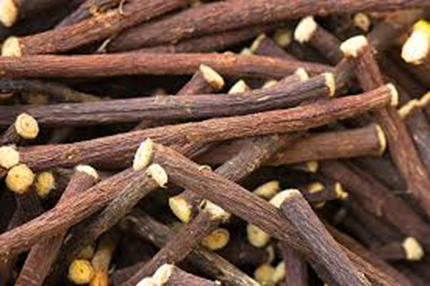
Uses-
Anti-tussive & expectorant activity.
The liquorice powder and extract was found to be effective in treatment of sore throat, cough and bronchial catarrh.
The specific mechanism of action is not known. Liquorice has been demonstrated to act as effectively as codeine in sore throat.
It decreases irritation and produces expectorant effects. Carbenoxolone is a semi-synthetic compound derived from (Glycyrrhiza) stimulates gastric mucus secretion.
Similarly, liquorice extract may also be able to stimulate tracheal mucus secretions producing demulcent and expectorant effects.
The demulcent action of liquorice is due to glycyrrhizin. Liquiritin apioside is an active principle found in the methanolic extract of liquorice which inhibits capsaicin induced cough.
Ethanolic extract of G. glabra was found to be responsible for the inhibition of 35.62% SO2 gas induced cough in experimental animals
The primary function of adding sucrose in cough candy, besides its sweetening action, is to raise the cough threshold, there by suppressing the cough reflex .It may also act as a coating agent that smooth the throat and help mask the taste of other active ingredient in the candy.
Sweetening and flavour:
The sweet taste masks cough candy more palatable, masking even the flavour of active ingredient in, it like menthol or other medicinal compound.
The sugar provided a base for the candy, masking it a hard, slow-dissolving candy that release flavour and medication over the time.
Cough suppression-
Soothing effect-
Other uses in cough candy
3. Citric acid-
Citric acid is used primarily in cough candy for its sour taste , which helps enhancer ,citric acid may also act as a preservative and maintain stability or optimal pH for active ingredient with other acids ,such as tartaric acid, and can be on the surface of candy or inside the hard candy matrix.
Key uses of citric acid in cough candy:
Sour taste characteristics of many "cough candy” or hard candies.
Buffering agent: It help maintain the pH with in an optimal range, which is important for other ingredients stability and solubility.
Antioxidant Agent : It function as an antioxidant to prevent the oxidation of other ingredients.
Preservative agent: This can act as a preservative for the candy and in some applications, is added to enhance the stability of medicinal ingredients.
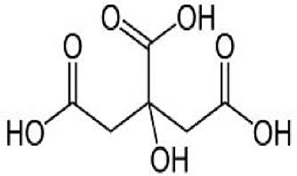
Structure of Citric acid
4. Neem Extract –
neem extract is not common in commercially available cough candies, but it has generally been adopted as a home remedy in managing cough and other respiratory ailments in traditional and Ayurvedic medicine. Its traditional efficacy supports its application, for studies indicate that it possesses anti-inflammatory, antimicrobial, and antiviral actions that soothe the throat and fight infection.
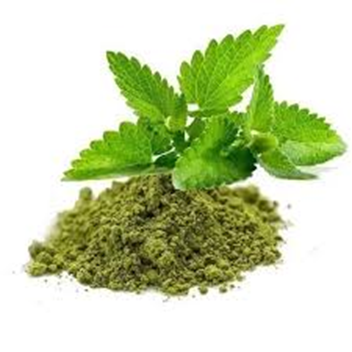
5. Tulsi Extract-
Tulsi (Holy Basil) It is an effective herb known for its anti-inflammatory, antimicrobial, and soothing properties. It helps relieve cough, clear congestion, and aid the overall health of the respiratory system, hence being a very vital ingredient in herbal cough remedies.
6. Clove-
Cloves can be used to remedy coughs through their expectorant, antimicrobial, and anti-inflammatory properties, helping in soothing the throat and clearing airways. Common methods include sipping clove tea, inhaling steam from boiled cloves, or even chewing on a whole clove to relieve throat irritation and congestion.

7. Polysorbate-
It is used in cough syrup as an emulsifier and stabilizer to keep the ingredients uniformly mixed so that they do not separate. It also acts as a solubilizing agent in dissolving active ingredients that might otherwise not mix well in aqueous formula.
8. Glycerine -
Glycerine acts as a demulcent : it is used in cough candies. When taken, it from a smoothing film over the throat that relieves irritated and tends to suppress a dry cough. It also acts as a humectant to keep the candy soft and flexible and provide sweetness.
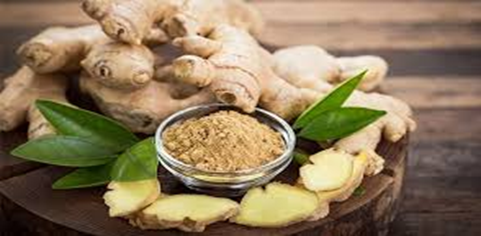
9. Ginger-
Ginger is a well-established herbal medicine possessing strong anti-inflammatory and antimicrobial properties. It also relieves pain in the throat, prevents cough, and is good for respiration, which is why this plant is very commonly used in herbal cough candy .
Ingredients and their Role-
|
Ingredients |
Role in cough candy |
|
Liquorice |
Demulcent and expectorant |
|
Sucrose |
Sweet base and main solidifying agent |
|
Citric acid |
Preservative |
|
Neem extract |
Antibacterial . |
|
Tulsi extract |
Antimicrobial and boost immunity |
|
Clove |
Antiseptic and reduce throat irritation |
|
Glycerine |
Humectant |
|
Ginger |
Anti-inflammatory ,relives sore throat and cough |
1. Preparation of herbal cough candy -
A. Prepare Decoction
2. Preparation of sugar syrup (Base)-
3. Mixing stage -
5. Moulding
6. Packaging and Storage
Applications of herbal cough candy-
1. Relief from Cough
2. Sore Throat Soothing-
3. Mild antiseptic and antimicrobial action.
4. Refreshing Breathe and oral care
5. Supportive cold and flu
The combination pf ginger, tulsi and liquorice supports respiratory health by improving airflow, reducing congestion and promoting mucus clearance can be used alongside warm fluids or herbal teas during flu and seasonal changes
6. Demulcent and Expectorant Function
CONCLUSION
The study finds herbal cough candy with natural ingredients like Liquorice, Ginger, Tulsi, Neem, Clove, Glycerine and effective, safe and convenient alternative to common cough syrups.
These herbal ingredients are combined in such a way that through their antitussive, expectorant, antimicrobial and demulcent properties, they are very effective in soothing throat irritation, thus reducing inflammation and relieving cough.
Unlike synthetic cough medicines, herbal cough candy causes less side effects and can be used by people in all age groups. It also offers some additional benefits such as improving oral hygiene, refreshing breathe and supporting respiratory health.
Thus, herbal cough candy falls under the category of natural, effective and user-friendly remedies for controlling cough and throat discomfort while promoting general respiratory well-being.
ACKNOWLEDGEMENT :
The authors sincerely express their gratitude to Rupali S. Joshi for their valuable guidance, encouragement, and continuous support throughout the preparation of this review article of on Glycyrrhiza Glabra Linn (Liquorice) –Herbal Cough Candy. Her insightful suggestions and expert supervision have been instrumental in shaping the quality and depth of this work. The author also extends their appreciation to their institution and colleagues for providing the necessary resources and academic environment that facilitated this study.
REFERENCE

Rupali Joshi, Nilima Pawar, Atharva Deshpande, Shivani Devkate, Glycyrrhiza glabra Linn (Liquorice) – Herbal Cough Candy, Int. J. of Pharm. Sci., 2025, Vol 3, Issue 11, 3150-3159. https://doi.org/10.5281/zenodo.17662763
 10.5281/zenodo.17662763