

We use cookies to ensure our website works properly and to personalise your experience. Cookies policy
1,2,3,4 Neotech Institute of Pharmacy, Gujarat Technological University.
5 Sardar Patel College of Pharmacy, Anand
6 Sigma Institute of Pharmacy, Sigma University, Vadodara, Gujarat, India 390019
Green Analytical Chemistry (GAC) focuses on developing analytical methodologies that reduce environmental burden while maintaining analytical performance. This review highlights recent advances in sustainable analytical approaches, emphasizing the use of environmentally benign solvents, reduced sample and reagent consumption, and method miniaturization. The discussed strategies demonstrate a substantial decrease in solvent requirements and waste production without compromising accuracy, sensitivity, or reliability. Adoption of green analytical practices across pharmaceutical, environmental, and industrial applications illustrates their potential to support sustainable development objectives. The review further emphasizes the importance of continuous methodological innovation to ensure that analytical chemistry evolves in harmony with global environmental and regulatory expectations.
Growing environmental awareness has significantly reshaped scientific research, with analytical chemistry facing increasing scrutiny due to its reliance on toxic chemicals, high solvent consumption, and substantial waste generation. Conventional analytical procedures, while effective, often pose risks to human health and the environment. In response to these challenges, Green Analytical Chemistry (GAC) has emerged as an essential discipline aimed at integrating sustainability into analytical method development without compromising analytical quality.
Green Analytical Chemistry promotes strategies such as the replacement of hazardous reagents with safer alternatives, reduction of sample and solvent volumes, energy-efficient instrumentation, and methodological miniaturization. Although numerous studies have reported individual green approaches, a holistic assessment of these strategies across pharmaceutical, environmental, and industrial applications remains limited. Therefore, this review focuses on recent innovations and methodological advancements in GAC, highlighting their contribution to improved analytical efficiency and reduced environmental impact. By consolidating current knowledge, this article aims to emphasize the role of GAC in advancing sustainable analytical practices and addressing contemporary environmental and regulatory demands.
Principles of Green Analytical Chemistry
Green Analytical Chemistry (GAC) is based on fundamental principles that aim to reduce the environmental and health hazards associated with analytical practices while ensuring reliable analytical performance. The major principles guiding GAC are as follows:
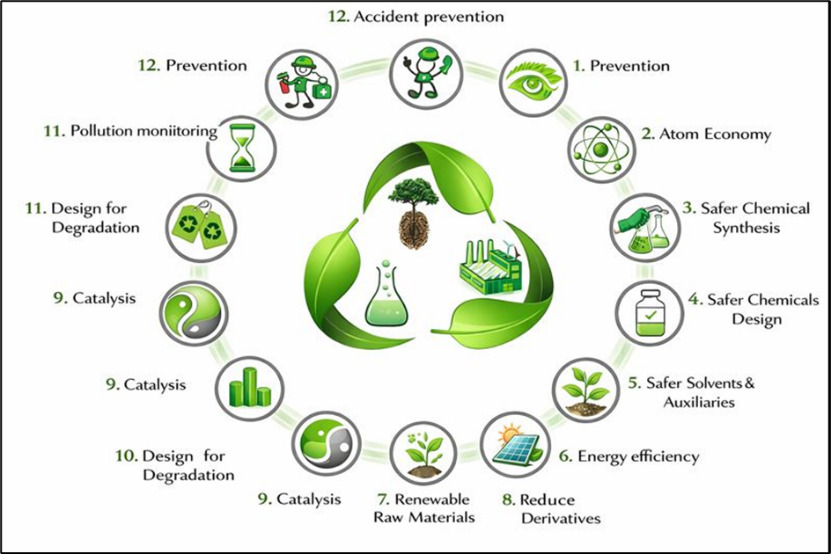
Fig.1.The 12 principles of GAC In our approach
Principles of Green Analytical Chemistry
The twelve fundamental principles of Green Analytical Chemistry (GAC) emphasize the development of analytical methods that minimize environmental impact while ensuring analytical efficiency and safety [6].
These principles are summarized as follows:

Fig.2.The 12 Principles of green analytical chemistry
History of Green Analytical Chemistry
Table 1: Historical Development of Green Analytical Chemistry
|
Year / Period |
Major Event or Development |
Key Contributors / Remarks |
Reference No. |
|
Early 1990s |
Rising concern regarding environmental contamination and chemical waste |
Regulatory authorities and researchers begin emphasizing environmentally responsible chemistry |
7 |
|
1998 |
Introduction of the 12 Principles of Green Chemistry |
Paul T. Anastas and John C. Warner publish Green Chemistry: Theory and Practice |
7 |
|
Early 2000s |
Awareness of waste generation in analytical laboratories |
Identification of the need to green analytical instrumentation and sample preparation techniques |
8 |
|
2000–2006 |
Formulation of the 12 Principles of Green Analytical Chemistry (GAC) |
Koel and Kaljurand establish a structured GAC framework |
8 |
|
2010 onwards |
Advancement of miniaturized and solvent-efficient analytical techniques |
Expansion of UHPLC, microextraction methods, and lab-on-chip technologies |
9,10 |
|
Present day |
Broad application of GAC across multiple disciplines |
Adoption driven by sustainability goals and stricter safety regulations |
9,10 |
Scope of Green Analytical Chemistry
Table 2: Scope of Green Analytical Chemistry
|
Scope Area |
Focus and Description |
Representative Examples / Techniques |
Reference No. |
|
Environmentally Benign Analytical Methods |
Replacement of hazardous chemicals with safer and greener alternatives |
Water, ethanol, ionic liquids, supercritical CO? |
7,9 |
|
Sustainable Sample Preparation |
Minimization of solvent use and reduction of toxic waste generation |
SPME, ultrasound-assisted extraction, microwave-assisted extraction |
8,10 |
|
Miniaturized Analytical Approaches |
Reduction of sample size and reagent consumption |
Microfluidic systems, lab-on-chip platforms |
9 |
|
Energy and Waste Efficiency |
Lower solvent consumption and enhanced analytical efficiency |
UHPLC requiring less solvent compared to conventional HPLC |
10 |
|
Enhanced Laboratory Safety |
Reduction of occupational exposure to toxic substances |
Safer solvent alternatives and closed analytical systems |
7,8 |
|
Broad Industrial Applications |
Implementation across pharmaceutical, environmental, food, and clinical sectors |
Drug quality control, pesticide analysis, water contaminant monitoring |
9,10 |
|
Contribution to Sustainable Development |
Support of global sustainability and environmental protection goals |
Sustainable and responsible chemical measurement practices |
7,9 |
Methods in Green Analytical Chemistry
The practical application of Green Analytical Chemistry (GAC) relies on a range of innovative methodologies designed to improve sustainability while maintaining analytical reliability. Key methodological approaches include:
1. Sample Preparation Strategies
Green sample preparation focuses on minimizing environmental impact through the use of safer solvent systems and reduced processing steps. Whenever possible, sample pretreatment is avoided to limit reagent consumption and waste generation. Additionally, alternative extraction techniques are employed to decrease solvent usage and improve overall efficiency [3].
2. Analytical Instrumentation
Advances in analytical instrumentation have enabled the development of portable and on-site analytical devices, reducing dependence on centralized laboratory facilities and extensive sample handling. The integration of automated analytical systems further enhances efficiency, minimizes human error, and reduces resource consumption during analysis [4][6].
3. Quality by Design (QbD) in Method Development
The application of Quality by Design principles in analytical method development ensures method robustness while simultaneously addressing environmental considerations. This systematic approach involves identifying critical method parameters and optimizing them to achieve reliable performance with minimal ecological impact [2].
4. Greenness Assessment Tools
To evaluate the environmental friendliness of analytical methods, various assessment tools are employed. Metrics such as the HPLC-EAT index and the Analytical Method Volume Intensity (AMVI) approach assess greenness based on factors including reagent toxicity, solvent consumption, and waste generation [2].
Sample Preparation Methods in Green Analytical Chemistry
Green Analytical Chemistry (GAC) emphasizes sustainable practices in analytical processes, particularly in sample preparation. This approach aims to reduce the environmental impact associated with traditional methods, which often rely on hazardous solvents and generate significant waste. Here are some key methods of sample preparation that align with GAC principles:
1. Use of Green Solvents:
Replacement of Harmful Solvents: Traditional organic solvents can be replaced with safer alternatives such as water, ethanol, or other biodegradable solvents. This minimizes health risks and environmental contamination [1,3]
Green Extraction Techniques: Techniques like Solid Phase Extraction (SPE) utilize less solvent and can be more efficient than conventional methods [3]
2. Minimization of Sample Preparation Steps:
Omitting Steps Where Possible: Reducing the number of steps in sample preparation not only saves time but also decreases the amount of solvent and reagents used. For instance, direct analysis methods can eliminate the need for extensive sample handling [3,5]
Miniaturization: Implementing miniaturized techniques, such as micro-extraction methods, allows for lower reagent consumption and waste generation while maintaining analytical performance [2,4]
3. Innovative Techniques:
Assisted Extraction Methods: Techniques such as QuEChERS (Quick, Easy, Cheap, Effective, Rugged, and Safe) are designed to simplify extraction processes while using minimal solvents [3]
Use of Renewable Resources: Incorporating renewable materials in sample preparation helps reduce reliance on non-renewable resources and aligns with sustainability goals [1]
4. Real-Time Analysis:
In Situ Techniques: Methods that allow for real-time analysis can significantly reduce the need for sample transport and preparation, thus minimizing waste and energy consumption[1,3]
By adopting these green sample preparation methods, laboratories can enhance the sustainability of their analytical processes while ensuring compliance with environmental regulations and improving safety for personnel involved in chemical analysis.
Sample Preparation Methods in Green Analytical Chemistry
Green Analytical Chemistry (GAC) promotes environmentally responsible practices in analytical workflows, with particular emphasis on sustainable sample preparation. Conventional sample preparation techniques often involve toxic solvents and generate substantial chemical waste, raising environmental and health concerns. GAC-oriented approaches aim to minimize these impacts while preserving analytical accuracy and efficiency.
1. Use of Green Solvents
A fundamental strategy in green sample preparation is the replacement of hazardous organic solvents with safer and biodegradable alternatives. Solvents such as water, ethanol, and other environmentally benign media are increasingly preferred to reduce toxicity and environmental pollution [1,3]. In addition, green extraction approaches, including solid-phase extraction (SPE), require lower solvent volumes and often provide enhanced extraction efficiency compared to traditional methods [3].
2. Minimization of Sample Preparation Steps
Reducing the number of sample handling steps is a key objective in GAC. Eliminating unnecessary pretreatment procedures lowers solvent and reagent consumption while improving overall efficiency. Direct analytical techniques, for example, can significantly decrease the need for extensive sample manipulation [3,5]. Furthermore, the adoption of miniaturized sample preparation methods, such as micro-extraction techniques, enables substantial reductions in reagent use and waste generation without compromising analytical performance [2,4].
3. Innovative Sample Preparation Techniques
Modern green methodologies include assisted extraction techniques designed to simplify and accelerate sample preparation. The QuEChERS approach (Quick, Easy, Cheap, Effective, Rugged, and Safe) is widely applied due to its low solvent requirement and operational simplicity [3]. Additionally, the incorporation of renewable materials in sample preparation procedures reduces dependence on non-renewable resources and supports long-term sustainability goals [1].
4. Real-Time and In-Situ Analysis
Real-time and in-situ analytical techniques represent an advanced strategy in green sample preparation. By enabling on-site analysis, these methods reduce the need for sample transportation, storage, and extensive preparation, thereby lowering energy consumption and waste production [1,3].
Overall, the adoption of green sample preparation strategies enhances the sustainability of analytical practices while ensuring regulatory compliance and improving laboratory safety for personnel engaged in chemical analysis.

Fig.3. Main Application of GAC
Types of Green Analytical Chemistry Methods [2,3,4]
Green Analytical Chemistry (GAC) includes a range of analytical approaches that are classified according to their methodological strategies and practical applications. These methods aim to reduce environmental impact while ensuring reliable analytical performance.

Fig.4. Green Analytical Techniques.
Advantages of Green Chemistry [11]
Disadvantages of Green Chemistry [11]
Software Used in Green Analytical Chemistry (GAC) [12,13,14]
Several software tools have been developed to evaluate the greenness of analytical procedures. Most of these tools use different metrics to measure environmental impact, safety, and energy efficiency.
1. Complex GAPI Software
2. Common GAC Metrics and Tools
Table 3: GAC Software tools
|
Software / Metric |
Description |
Example Solvent Focus |
|
NEMI (National Environmental Methods Index) |
Uses a pictogram divided into 4 parts to indicate waste, toxicity, hazards, and corrosiveness. Green = safe; uncoloured = not safe. |
Organic solvents like chloroform, methanol, and acetone |
|
Advanced NEMI |
Updated version of NEMI with more detailed evaluation. |
Solvents commonly used in HPLC, GC |
|
AGP (Assessment of Green Profile) |
Scores the overall greenness of the analytical method. |
Water, ethanol, acetone |
|
ChlorTox Scale |
Estimates toxicity of chloroform and related chemicals. |
Chloroform, dichloromethane |
|
GAPI (Green Analytical Procedure Index) |
Graphical representation of environmental impact. |
Organic and aqueous solvents |
|
Complex GAPI |
Combines multiple metrics for a detailed greenness evaluation. |
All standard lab solvents |
|
RGB Model & RGB12 Algorithm |
Uses color coding to represent greenness visually. |
Water, ethanol, methanol |
|
AGREE / AGREE prep |
Numerical scoring system for procedure greenness. |
Water, acetonitrile, ethanol |
|
HEXAGON |
Multi-criteria evaluation of green analytical methods. |
General lab solvents (organic and aqueous) |
|
BAGI (Blue Applicability Grade Index) |
Focuses on applicability and environmental safety. |
Water-based methods preferred |

Fig 5: Green Analytical Chemistry Software and Solvent Classification
Types of Solvents
Green analytical chemistry aims to replace hazardous organic solvents with water or ethanol wherever possible. Software like GAPI, ComplexGAPI, or AGREE helps evaluate whether a solvent choice is environmentally friendly.
CONCLUSION
Green chemistry represents a transformative approach in modern chemical and pharmaceutical practices, emphasizing sustainability, safety, and environmental responsibility. By minimizing waste, reducing energy consumption, and promoting the use of safer solvents and renewable materials, green chemistry aligns scientific innovation with ecological preservation. In the analytical domain, Green Analytical Chemistry (GAC) plays a vital role in assessing the environmental impact of laboratory procedures. The development of specialized software tools, such as Complex GAPI, GAPI, AGREE, and HEXAGON, allows researchers to systematically evaluate and improve the greenness of analytical methods. These tools not only facilitate the selection of safer solvents and energy-efficient processes but also encourage adherence to the principles of green chemistry. Overall, integrating green chemistry principles with advanced assessment tools fosters sustainable scientific practices, reduces environmental hazards, and supports the global goal of eco-friendly chemical innovation.
REFERENCES


Devi Prajapati, Sami Kureshi, Chauhan Vaishnavi, Chauhan Sunain, Khushbu Shah, Kajal Vable, Green Analytical Chemistry in Pharmaceutical and Environmental Analysis: A Review, Int. J. of Pharm. Sci., 2026, Vol 4, Issue 1, 242-252. https://doi.org/10.5281/zenodo.18138044
 10.5281/zenodo.18138044