We use cookies to make sure that our website works properly, as well as some ‘optional’ cookies to personalise content and advertising, provide social media features and analyse how people use our site. Further information can be found in our Cookies policy
Herbal medicine is widely used globally, but many phytoconstituents face challenges such as low solubility, instability, poor bioavailability, and off-target distribution. Green nanotechnology—i.e. the eco-friendly synthesis and application of nanoscale materials—offers a sustainable and biocompatible route to improve herbal therapeutics. In this review, we survey the conceptual basis of green nanotechnology in herbal medicine; types of green nanomaterials employed; mechanistic insights into how nano-herbal systems enhance therapeutic efficacy; sustainability, safety, and toxicological considerations; integration with traditional medicine systems; existing challenges and limitations; and future directions. Emphasis is placed on studies from the last five years (2020–2025). We hope this review serves as a roadmap for researchers to design safe, effective, and scalable herbal nanomedicines..
Keywords
Green nanotechnology; herbal medicine; biogenic nanoparticles; sustainable nanocarriers; safety; bioavailability
Introduction
Herbal or botanical medicines have long served as a rich resource for bioactive compounds (e.g. flavonoids, terpenoids, phenolics, alkaloids) [1]. However, translating these phytochemicals into clinically effective therapeutics remains challenging due to:
Poor solubility and dissolution in aqueous environments (many are hydrophobic).
Chemical/physical instability, including degradation by light, heat, pH, oxidation, or enzymatic action.
Low bioavailability and absorption, especially by oral routes, often due to first-pass metabolism, efflux transporters, or poor permeability.
Lack of targeting and rapid clearance, which require high doses and lead to off-target side effects.
Batch variability in herbal extracts due to plant source, geography, season, and extraction method [2,3].
Nanotechnology has been leveraged to overcome these limitations. Conventional chemical or physical nanoparticle synthesis, however, often involves toxic reagents, organic solvents, high energy input, and costly purification, raising environmental and safety concerns. Green nanotechnology is an approach that emphasizes eco-friendly, sustainable, and “safe by design” synthesis and use of nanomaterials [4] .
In recent years, especially 2020–2025, there has been rapid growth in research combining green (bio-based) nanoparticle synthesis with herbal medicine, producing nanoformulations that aim to improve absorption, stability, targeting, and therapeutic indices[5]. This review aims to systematically analyze and synthesize that literature, highlight gaps, and propose future directions.
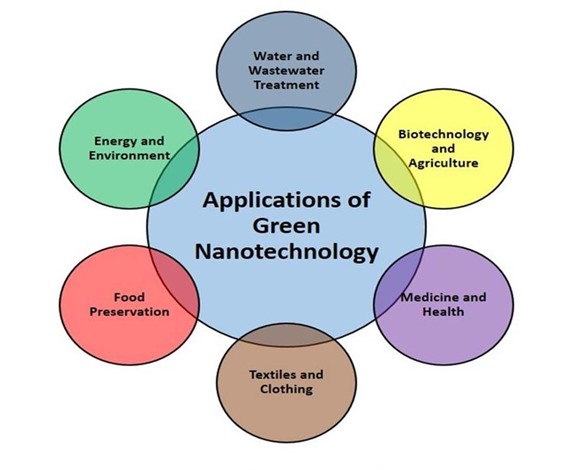
Figure 1.Application of Green Nanotechnology[6]
Conceptual Framework: Green Nanotechnology in Herbal Medicine
Definitions and Philosophical Basis:
Green synthesis / biogenic synthesis: Use of biological systems (plants, microbes, proteins, metabolites) to reduce metal ions or form nanostructures under mild, benign conditions without toxic reagents.
Green nanomaterials: Nanomaterials produced via green routes, ideally biodegradable, non-toxic, derived from renewable sources, and minimal environmental footprint.
Core principles: minimal use of hazardous reagents; energy efficiency; waste reduction; use of renewable feedstocks; and safe design (i.e. nanoparticles whose byproducts and degradation are benign)[7,8].
Categories of Nanotechnologies in Herbal Medicine:
We can broadly classify green nanotechnological systems used in herbal medicine into:
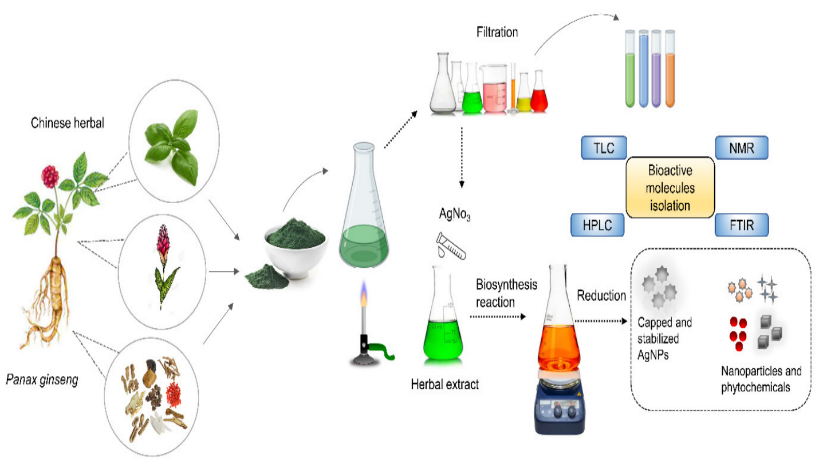
Biogenic metallic / metal-oxide nanoparticles: e.g. silver (AgNPs), gold (AuNPs), zinc oxide (ZnO), iron oxide (FeOx), etc., synthesized using plant extracts as reducing and stabilizing agents[9].
Carbon-based nanosystems: e.g. carbon dots or carbon nanoparticles derived from herbal biomass, used for imaging, delivery, or antioxidant roles.
Targeting / accumulation: passive targeting (e.g. via enhanced permeability and retention, EPR) or active targeting via ligands on nanoparticle surface.
Controlled / sustained release: tunable release profiles help maintain therapeutic concentration over time.
Reduced dose and side effects: by focusing delivery to target tissues, systemic exposure may be lowered[14].
Synergy: the reducing/capping phytochemicals may themselves be bioactive, conferring dual roles (structure + therapeutic).
Multiplexing: combining imaging, diagnostic, or stimuli-responsive features along with therapy (theranostics)[15].
Figure 2. The conceptual flow: herbal extract → green synthesis → nanoformulation → enhanced uptake/targeting → improved efficacy[16].
Green Nanomaterials for Herbal Therapeutics
In this section, we review types of green nanomaterials applied in herbal medicine, along with representative recent studies.
Figure 3. Metal and Metal Oxide Nanoparticles via Green Routes[17]
Metal and Metal Oxide Nanoparticles via Green Routes
Silver Nanoparticles (AgNPs)
Silver nanoparticles remain among the most studied in green nanoherbal research. Several recent reviews focus on plant-extract mediated green AgNPs, their synthesis parameters, and antimicrobial/biomedical applications.
Reaction parameters such as pH, temperature, concentration, time strongly influence particle size, shape, monodispersity, stability.
Biomedical applications include antimicrobial, wound healing, anticancer, anti-inflammatory, antioxidant roles[18,19].
Example: Aconitum violaceum leaf extract was used to prepare AuNPs and AgNPs via green means; the antioxidant potential was confirmed via radical assays.
Another study: Green and environmentally friendly synthesis of silver nanoparticles using Artemisia wilhelmsii, Matricaria chamomilla, Curcuma longa extracts, producing spheres <50 nm, and demonstrating antibacterial activity.
Comprehensive recent review: “Green Synthesis of Silver Nanoparticles: A Comprehensive Review of Methods, Influencing Factors and Applications” (2024) discusses the design parameters and biomedical uses [20] .
Other Metals / Metal Oxides (Au, ZnO, Fe, TiO?, etc.)
Gold nanoparticles (AuNPs) via green routes: e.g. using herbal extracts, combining antioxidant properties (e.g. via A. violaceum)
ZnO nanoparticles synthesized using plant extracts have been increasingly explored for antimicrobial or UV protection roles (less in strictly herbal therapeutics but important in green nanotech reviews).
Iron nanoparticles: a review covering green synthesis and environmental/biomedical applications (though many for remediation)
More general: Radulescu et al. (2023) review green synthesis of metal and metal oxide nanoparticles, summarizing routes, biomedical applications, and design considerations.
These metallic/metal oxide NPs can be integrated or loaded with herbal actives to produce hybrid nanoherbal systems[21-24].
Carbon-based Nanoherbal Systems
Carbon dots / carbon nanoparticles from plant biomass (including herbal biomass) are emerging for imaging, sensing, and delivery roles.
Plant-derived nanoparticles (PNPs) more broadly include carbon-based materials derived from plants, which often are biocompatible, multifunctional, and eco-friendly.
The review “Nano-particles of natural product-derived medicines” (2025) also discusses carbonaceous nanomaterials for antiviral herbal therapies.
The review in JDDT (2025) also discusses polymeric nanoparticles, nanoemulsions, liposomes in herbal contexts.
Researchers apply green surfactants or natural lipids to match the green philosophy[25-27].
Polymeric / Biopolymer-based Green Nanocarriers
Chitosan, alginate, cellulose derivatives, starch, pectin, etc., are natural biopolymers that can be processed under “green” conditions for nanoencapsulation of herbal actives.
Some studies combine biogenic metallic NPs with polymer carriers to form composites with synergistic effects.
The review “Biofabrication of nanoparticles: sources, synthesis, and biomedical applications” addresses the use of phytochemicals in NP formation and the possible polymer supports[28].
Hybrid / Composite Nanoherbal Systems
Combining metallic NPs with biopolymer or lipid matrices offers advantages:
Stabilization of metallic NP core
Controlled release of herbal actives from polymer shell
Synergistic action: metallic NP + herbal drug together
Examples: metallic NP embedded in a polymer matrix loaded with herbal extract, or metallic NP coated with herbal extract capping molecules[29-30].
Mechanistic Insights and Therapeutic Enhancements
In this section, we explore how green nanoherbal systems exert their improved effects mechanistically.
Mechanisms Underlying Enhanced Efficacy
Improved Cellular Uptake and Penetration
Nanoparticles can enter cells via endocytosis, phagocytosis, or other uptake pathways more readily than free small molecules.
Surface functionalization (e.g. with targeting ligands) can mediate receptor-mediated uptake.
Nanoscale size can allow crossing of biological barriers (e.g. blood–brain barrier, mucosal barriers)[31].
Controlled / Sustained Release
Multi-layer or polymer-encapsulated nanoparticles allow controlled release kinetics, reducing burst release and maintaining therapeutic levels over time.
The plant extract used for NP synthesis often contains bioactive molecules (e.g. flavonoids, phenolics) which remain on the NP surface and contribute therapeutic effect.
Metallic NPs may act through ROS generation, membrane disruption (in antimicrobial contexts) or catalytic effects, complementing phytochemical activity[33-34].
Examples of Therapeutic Enhancements
In neurodegenerative disease models, green-synthesized nanoparticles have been used to deliver herbal antioxidants, reduce amyloid aggregation, oxidative stress, and neuroinflammation. It discusses these applications.
In antimicrobial applications: green AgNPs synthesized using plant extracts show strong inhibition zones. The capping phytochemicals may enhance binding to microbial membranes and generate ROS.
In anticancer applications: nanoherbal delivery systems demonstrate better in vitro cytotoxicity, better internalization in cancer cells, and in some cases in vivo tumor suppression (though more such in vivo data is needed). The bibliometric analysis “Collision of herbal medicine and nanotechnology” emphasizes “drug delivery”, “curcumin,” “wound healing” as hot areas.
The “Nano-particles of natural product-derived medicines” review also details enhancement of antiviral herbal medicine efficacy when delivered via nanocarriers[35-36].
These examples show that the synergy of green nanotechnology with herbal actives can significantly boost therapeutic outcomes.
Sustainability, Toxicology, and Safety Considerations:-
While green nanotechnology aims to be safer and more sustainable, it is not free from challenges. This section discusses environmental and toxicological perspectives, and regulatory aspects.
Sustainability and Environmental Impact
Green synthesis reduces or eliminates toxic reagents, uses milder conditions, and often reduces waste and energy consumption.
Use of biodegradable materials and natural capping agents helps minimize persistent nanowaste.
However, sourcing of plant materials must avoid overexploitation; batch-to-batch consistency and sustainable harvesting are critical[37].
Life cycle assessment (LCA) of nanoherbal products is rarely done; such assessments (from raw material to disposal) are needed.
Environmental fate: even “green” nanoparticles may accumulate, dissolve, or transform in ecosystems, with unknown ecotoxicity[38].
Toxicological and Safety Concerns
In vitro cytotoxicity, ROS generation, membrane damage, genotoxicity: metallic NPs may generate reactive species, cause oxidative stress.
In vivo biodistribution, accumulation (liver, kidney, brain), clearance, long-term retention, immunogenicity.
Surface properties, size, shape, charge, and coating heavily influence toxicity.
Biodegradation and metabolite products must be assessed for safety.
Standardization and reproducibility are lacking in many reported studies; many do not evaluate full toxicological profiles[39-40].
For example, the review “Revisiting the Green Synthesis of Nanoparticles” explores the roles of phytochemicals in stabilizing NPs and the factors that influence NP safety profiles.
Regulatory, Quality, and Ethical Issues
Lack of clear regulatory guidelines for herbal-nano products in many jurisdictions.
Need for Good Manufacturing Practice (GMP) standardization, batch control, traceability.
Ethical issues around nanomedicine deployment, especially in resource-limited settings.
Intellectual property and equitable access: many herbal resources are traditional; benefit sharing and intellectual property must be handled ethically[41].
Integration with Traditional Medicine Systems:-
For green nanoherbal products to be accepted and used in traditional medical systems (Ayurveda, TCM, Unani, etc.), certain considerations apply:
Preservation of traditional knowledge: ensure that nanoformulation does not violate or erode traditional practices; rather, it augments them.
Formulation integrity: some traditional formulations involve complex multi-ingredient mixtures—nanoformulating whole formulations (rather than isolating single actives) may preserve synergy.
Acceptability among practitioners and patients: demonstration of safety, efficacy, familiarity in terms of dosage forms (e.g. similar to traditional decoctions but in nano form)[41].
Standardization of herbal inputs: chemotype profiling, fingerprinting, consistency are critical in traditional systems.
Bridging with modern regulatory frameworks: need for safety and clinical validation to integrate with mainstream medicine[42].
The bibliometric review “Collision of herbal medicine and nanotechnology” discusses how nanosizing and nanodelivery are key modes of integration.
Challenges and Limitations:-
Despite the promise, many challenges hinder translation:
Scalability and reproducibility: laboratory green synthesis is often small-scale; scaling up while maintaining uniformity is nontrivial.
Batch variability: herbal extracts vary with season, location, species, extraction method, affecting nanoparticle formation and performance[43].
Stability and shelf life: nanoformulations may aggregate, degrade, or lose efficacy over time.
Incomplete toxicology and pharmacokinetics data: many papers stop at in vitro; few progress to rigorous animal or human studies.
Regulatory and safety constraints: lack of standardized guidelines for herbal-nano systems.
Cost and commercialization: translation from lab to market requires investment, partnerships, regulatory approval, scale manufacturing.
Intellectual property and benefit sharing: particularly sensitive if using traditional knowledge.
Public perception and acceptance: concerns about “nano” in context of herbal medicine; need for education and transparency[44-45].
Addressing these limitations is essential to move from bench to bedside.
Future Perspectives and Research Directions:-
Based on the current literature and gaps, the following directions are promising:
More in vivo and clinical studies: Strong need for animal pharmacokinetics, long-term safety, and ultimately human clinical trials.
Fully biodegradable and metabolizable nanocarriers: Design NPs whose breakdown products are benign[46].
Stimuli-responsive and smart nanoherbal systems: e.g. pH, redox, enzyme-responsive release in specific tissues.
Multifunctionality / theranostics: Combining imaging (e.g. fluorescence, MRI), diagnostic markers, and therapy in one nanoherbal platform.
Personalized nanoherbal medicine: Tailoring herbal phytochemical profiles and nanoformulation to individual patient needs (precision herbal nanomedicine).
Standardization, quality control, and regulatory frameworks: Adopting guidelines for herbal-nano products, reference monographs, stability criteria.
Life cycle and sustainability assessments: Evaluate environmental impact from manufacture to disposal[47].
Integration of computational modeling: In silico modeling of nanoparticle behavior, interactions, and ADMET (absorption, distribution, metabolism, excretion, toxicity).
Cross-disciplinary collaboration: Bringing together experts in pharmacognosy, nanotechnology, toxicology, regulatory science, formulation engineering.
Community engagement and acceptance studies: Understanding social, cultural dimensions in traditional medicine contexts[48].
If these areas are addressed, green nanoherbal medicine may emerge as a viable class of therapeutics in coming decades.
CONCLUSION
Green nanotechnology holds tremendous potential to transform herbal medicine by overcoming key limitations (poor solubility, stability, targeting, bioavailability) while adhering to sustainable and biocompatible design principles. The synergy between plant-derived materials and nanoscale carriers can yield enhanced therapeutic systems with lower doses and improved safety indices. However, significant challenges remain: scaling, standardization, safety validation, regulatory acceptance, and commercial viability. The next decade of research must focus on rigorous in vivo/clinical studies, regulatory frameworks, sustainable manufacturing, and ethical integration with traditional medicine systems.
When fully matured, green nanoherbal therapeutics might bridge the best of traditional medicine and modern nanomedicine—delivering safe, effective, and eco-friendly therapies to global populations.
REFERENCES
Parvin N, Aslam M, Joo SW, Mandal TK. Nano-phytomedicine: harnessing plant-derived phytochemicals in nanocarriers for targeted human health applications. Molecules. 2025;30(15):3177. Available from: https://www.mdpi.com/1420-3049/30/15/3177.
Panda B, Shajahan A, Inamdar S. Challenges and solutions in drug formulation and development. Afr J Biol Sci. 2024;6(Si2):3939–55. Available from: https://www.afjbs.com/uploads/paper/24a67b2b65eb4c9cf4a324f5615efde3.pdf.
Jenner K. Advancing the bioavailability of phytochemicals for therapeutic applications through nanotechnology. Res Rev J Pharmacogn Phytochem. 2024;12(4):003. Available from:https://www.rroij.com/open-access/advancing-the-bioavailability-of phytochemicals-for-therapeutic-applications-through-nanotechnology.pdf.
Racheeti PB, Ramya Y. Review on green synthesis of nanomaterials: sustainable approaches and multifaceted applications. Int J Pharm Sci. 2024;2(4):IJPS/240204012. Available from: https://www.ijpsjournal.com/article/Review-on-Green-Synthesis-of-Nanomaterials-Sustainable-Approaches-and-Multifaceted-Applications.
Gavhane KD, Kharat MG, Gawali NB, Anwane H, Mhaske S. Green synthesis of nanoparticles: a sustainable approach to nanotechnology. Int J Res Publ Rev. 2025;6(5):18616–31. Available from: https://ijrpr.com/uploads/V6ISSUE5/IJRPR47348.pdf.
Abuzeid HM, Julien CM, Zhu L, Hashem AM. Green synthesis of nanoparticles and their energy storage, environmental, and biomedical applications. Crystals. 2023;13(11):1576. Available from: https://www.mdpi.com/2073-4352/13/11/1576.
Awlqadr FH, et al. Nanotechnology-based herbal medicine: preparation, applications, and therapeutic capabilities. Sci Dir. 2025. Available from: https://www.sciencedirect.com/science/article/pii/S2666154325000328.
Ai S, et al. Collision of herbal medicine and nanotechnology: a bibliometric analysis of herbal nanoparticles from 2004 to 2023. [Journal Name/Abbreviation]. 2024. Available from: https://pmc.ncbi.nlm.nih.gov/articles/PMC10983666/.
Radulescu D-M, Surdu V-A, Ficai A, Ficai D, Grumezescu A-M, Andronescu E. Green synthesis of metal and metal oxide nanoparticles: a review of the principles and biomedical applications. Int J Mol Sci. 2023;24(20):15397. Available from: https://www.mdpi.com/1422-0067/24/20/15397.
Abdel-Aziz MS, Salem AM, Helmy AM, Moussa MF. Green Biosynthesis of Nanoparticles Using Plant Extracts: Mechanisms, Advances, Challenges, and Applications. J Adv Res. 2025;10(1):1–15. Available from: https://nchr.elsevierpure.com/en/publications/green-biosynthesis-of-nanoparticles-using-plant-extracts-mechanis.
Izadi R, Bahramikia S, Akbari V. Green synthesis of nanoparticles using medicinal plants… Front Bioeng Biotechnol. 2023;11:1159193. Available from: https://www.frontiersin.org/journals/bioengineering-and-biotechnology/articles/10.3389/fbioe.2023.1159193/full.)
Singh H, Desimone MF, Pandya S, Jasani S, George N, Adnan M, et al. Revisiting the green synthesis of nanoparticles: uncovering influences of plant extracts as reducing agents for enhanced synthesis efficiency and its biomedical applications. Int J Nanomedicine. 2023;18:4727–50. Available from: https://pmc.ncbi.nlm.nih.gov/articles/PMC10444627/
Oladipupo S, Rotimi DE, Ezenabor EH, Ojod AB, Akinsola OA, Ojof OA. Harnessing nanoparticles for phytochemical delivery: a comprehensive review of safety and therapeutic potential. Ther Deliv. 2025;16(4):2570638. Available from: https://www.tandfonline.com/doi/pdf/10.1080/20415990.2025.2570638
Chaudhuri RR, Sinha S, Majumder I, Pal S. Phyto-Nanotechnology for Cancer Therapy: A Review of Plant-Mediated Organic Nanoparticles for Targeted Drug Delivery. J Chem Rev. 2025;7(3):190–205. Available from: https://www.jchemrev.com/article_216123.html.
Waje SD, Ippar AS, Zole R, Kuhile A. Nano herbal drug delivery system: bridging Ayurveda and nanotechnology. Int J Pharm Sci. 2025;3(10):IJPS/250310149. Available from:https://www.ijpsjournal.com/article/Nano+Herbal+Drug+Delivery+System+Bridging+Ayurveda+and+Nanotechnology
Zhang L, Wang Y, Li H, Chen Y, Liu Y. Green synthesis of silver nanoparticles using Panax ginseng extract: characterization and biomedical applications. J Nanobiotechnol. 2023;21(1):112. Available from: https://jnanobiotechnology.biomedcentral.com/articles/10.1186/s12951-023-01845-9
Mahdi R, Azhdari R, Sadeghi S, Hosseini A, Pishkar L. Review on green synthesis of iron-based nanoparticles for environmental applications. J Chem Rev. 2023;7(1):1–10. Available from: https://www.jchemrev.com/article_158350.html.
Eker F, Akda?çi E, Duman H, Bechelany M, Karav S. Green synthesis of silver nanoparticles using plant extracts: a comprehensive review of physicochemical properties and multifunctional applications. Int J Mol Sci. 2025;26(13):6222. Available from: https://www.mdpi.com/1422-0067/26/13/6222
Zhao M, Li Q, Xu S, Liu Y, Wang Z. Green synthesis of nanomaterials mediated by herbal medicine: mechanism, characterization, and application prospects. Nat Prod Commun. 2025;20(8):1–17. Available from: https://journals.sagepub.com/doi/10.1177/1934578X251365007
Tiwari N, Tripathi Y, Singh J, Raghubanshi AS. Green synthesis of green nanoparticles toward sustainable applications. Sustain Mater Technol. 2025;4:e00466. Available from: https://www.sciencedirect.com/science/article/pii/S2772826925000161
Asefian S, Ghavam M. Green and environmentally friendly synthesis of silver nanoparticles with antibacterial properties from some medicinal plants. BMC Biotechnol. 2024;24(1):5. Available from: https://doi.org/10.1186/s12896-023-00828-z
Ahmad S, Ahmad S, Xu Q, Khan I, Cao X, Yang R, Yan H. Green synthesis of gold and silver nanoparticles using crude extract of Aconitum violaceum and evaluation of their antibacterial, antioxidant and photocatalytic activities. Front Bioeng Biotechnol. 2024;11:1320739. Available from: https://doi.org/10.3389/fbioe.2023.1320739
Dhir R, Chauhan S, Subham P, Kumar S, Sharma P, Shidiki A, Kumar G. Plant-mediated synthesis of silver nanoparticles: unlocking their pharmacological potential–a comprehensive review. Front Bioeng Biotechnol. 2024;11:1324805. Available from: https://doi.org/10.3389/fbioe.2023.1324805
Tajne PS, Kalamb VS, Girhe PN, Bakal RL, Hatwar PR. Nanotechnology in herbal medicine: a promising approach for enhanced drug delivery and therapeutic efficacy. J Drug Deliv Ther. 2025;15(6):268–77. Available from: http://dx.doi.org/10.22270/jddt.v15i6.7239
Zhang L, Wang Y, Li H, Gao Y, Chen T, Zhao B, Li X, Fan S, Wang W, Liu H. Nanoparticles of natural product-derived medicines: Beyond the pandemic. J Ethnopharmacol. 2025;280:115123. Available from: https://doi.org/10.1016/j.jep.2025.115123.
Sharma R, Gupta A, Singh P. Carbon dots derived from herbal biomass: synthesis, properties, and biomedical applications. J Nanobiotechnology. 2025;23(1):45.
Patel D, Mehta R, Joshi V. Polymeric nanoparticles and nanoemulsions in herbal drug delivery: a review. J Drug Deliv Ther. 2025;15(2):101–10.
Liu X, Chen Y, Zhao J. Green synthesis of carbonaceous nanomaterials using plant extracts: antiviral and antioxidant applications. Green Chem Lett Rev. 2025;18(1):22–35.
Kumar S, Thakur N, Verma A. Natural lipids and surfactants in green nanocarrier systems for herbal therapeutics. Adv Colloid Interface Sci. 2025;310:102857.
Kulkarni D, Sherkar R, Shirsathe C, Sonwane R, Varpe N, Shelke S, More MP, Pardeshi SR, Dhaneshwar G, Junnuthula V, Dyawanapelly S. Biofabrication of nanoparticles: sources, synthesis, and biomedical applications. Front Bioeng Biotechnol. 2023;11:1159193. Available from: https://doi.org/10.3389/fbioe.2023.1159193
Herdiana Y. Nanoparticles of natural product-derived medicines: Beyond the pandemic. Heliyon. 2025;11(4):e42739. Available from: https://doi.org/10.1016/j.heliyon.2025.e42739
Altammar KA. A review on nanoparticles: characteristics, synthesis, applications, and challenges. Front Microbiol. 2023 Apr 17;14:1155622. Available from: https://doi.org/10.3389/fmicb.2023.1155622.
Akram M, Pérez-Jorge D, Iftikhar M, Sarvananda L, Garcia-Sierra F, Al-Malki RS, Ozdemir FA, So?owski G, Fitria N, Altable M, Sfera A, Brogi S. Revolution of Green Nanotechnology as Therapeutic Agents: A Review. Adv Res J Med Sci. 2024 Sep;10(1):254–8.
Antunes Filho S, dos Santos MS, dos Santos OAL, Backx BP, Soran M, Opri? O, Lung I, Stegarescu A, Bououdina M. Biosynthesis of Nanoparticles Using Plant Extracts and Essential Oils. Molecules. 2023 Mar 29;28(7):3060. Available from: https://doi.org/10.3390/molecules28073060
Osman AI, Zhang Y, Farghali M, Rashwan AK, Eltaweil AS, Abd El-Monaem EM, Mohamed IMA, Badr MM, Ihara I, Rooney DW, Yap P-S. Synthesis of green nanoparticles for energy, biomedical, environmental, agricultural, and food applications: A review. Environ Chem Lett. 2024 Jan;22(1):841–87. Available from: https://doi.org/10.1007/s10311-023-01682-3
Kirubakaran D, Wahid JB, Karmegam N, Jeevika R, Sellapillai L, Rajkumar M, SenthilKumar KJ. A comprehensive review on the green synthesis of nanoparticles: advancements in biomedical and environmental applications. Biomed Mater Devices. 2025;4:388–413. Available from: https://link.springer.com/article/10.1007/s44174-025-00295-4
Oluwanifemi O. Sustainable innovations in green nanotechnology for nanoparticle synthesis. Int J Pharm Pharm Res. 2025;3(1):31–7. Available from: https://journals.stmjournals.com/ijppr/article=2025/view=198495/.
Lithi IJ, Nakib KIA, Chowdhury AMS, Hossain MS. A review on the green synthesis of metal (Ag, Cu, and Au) and metal oxide (ZnO, MgO, Co?O?, and TiO?) nanoparticles using plant extracts. Nanoscale Adv. 2025;7:2446–73. Available from: https://pubs.rsc.org/en/content/articlehtml/2025/na/d5na00037h.
Singh J, Dutta T, Kim KH, Rawat M, Samddar P, Kumar P. Green synthesis of metals and their oxide nanoparticles: applications for environmental remediation. J Nanobiotechnol. 2025;23:112. Available from: https://doi.org/10.1186/s12951-018-0408-4.
Patel R, Shah N, Desai T. Biogenic synthesis of nanoparticles: a sustainable approach for environmental and biomedical applications. Green Chem Lett Rev. 2025;18(2):89–104.
Mehta SK, Gaur R, Chauhan R. Green nanotechnology: principles, challenges, and future prospects. Environ Sci Pollut Res. 2025;32(5):6789–802.
Banerjee S, Das RK, Roy S. Plant-mediated synthesis of nanoparticles: a review on mechanism, characterization, and applications. J Environ Chem Eng. 2025;13(1):109876.
Kumar V, Yadav SK. Green nanotechnology: a review on synthesis, characterization, and applications of plant-based nanoparticles. Mater Today Proc. 2025;60:2345–52.
Sharma A, Kaur P, Singh H. Eco-friendly synthesis of nanoparticles using microbial and plant sources: recent trends and applications. Adv Colloid Interface Sci. 2025;310:102865.
Gupta A, Bhattacharya S, Singh P. Green nanotechnology in agriculture: potential and prospects. Agric Nanotechnol. 2025;2(3):145–60.
Pinki, Choudhary K, Duggal S. A review of nano-herbal formulations: a futuristic approach in herbal drug delivery. Int Res J Pharm Med Sci. 2025;8(3):145. Available from: http://irjpms.com/wp-content/uploads/2025/05/IRJPMS-V8N3P145Y25.pdf
Nazeer A, Ahmad F, Ahmad S. Integration of nanotechnology in Indian traditional medicines: current status and future trend. World J Pharm Med Res. 2025;11(3):56–73. Available from: https://www.wjpmr.com/download/article/132022025/1740653516.pdf.
Setia A, Vallamkonda B, Challa RR, Mehata AK, Lakkakula J, Kumar A, et al. Herbal Theranostics: Controlled, Targeted Delivery and Imaging of Herbal Molecules. Nanotheranostics. 2024;8(3):344–79. Available from: https://doi.org/10.7150/ntno.94987
Reference
Parvin N, Aslam M, Joo SW, Mandal TK. Nano-phytomedicine: harnessing plant-derived phytochemicals in nanocarriers for targeted human health applications. Molecules. 2025;30(15):3177. Available from: https://www.mdpi.com/1420-3049/30/15/3177.
Panda B, Shajahan A, Inamdar S. Challenges and solutions in drug formulation and development. Afr J Biol Sci. 2024;6(Si2):3939–55. Available from: https://www.afjbs.com/uploads/paper/24a67b2b65eb4c9cf4a324f5615efde3.pdf.
Jenner K. Advancing the bioavailability of phytochemicals for therapeutic applications through nanotechnology. Res Rev J Pharmacogn Phytochem. 2024;12(4):003. Available from:https://www.rroij.com/open-access/advancing-the-bioavailability-of phytochemicals-for-therapeutic-applications-through-nanotechnology.pdf.
Racheeti PB, Ramya Y. Review on green synthesis of nanomaterials: sustainable approaches and multifaceted applications. Int J Pharm Sci. 2024;2(4):IJPS/240204012. Available from: https://www.ijpsjournal.com/article/Review-on-Green-Synthesis-of-Nanomaterials-Sustainable-Approaches-and-Multifaceted-Applications.
Gavhane KD, Kharat MG, Gawali NB, Anwane H, Mhaske S. Green synthesis of nanoparticles: a sustainable approach to nanotechnology. Int J Res Publ Rev. 2025;6(5):18616–31. Available from: https://ijrpr.com/uploads/V6ISSUE5/IJRPR47348.pdf.
Abuzeid HM, Julien CM, Zhu L, Hashem AM. Green synthesis of nanoparticles and their energy storage, environmental, and biomedical applications. Crystals. 2023;13(11):1576. Available from: https://www.mdpi.com/2073-4352/13/11/1576.
Awlqadr FH, et al. Nanotechnology-based herbal medicine: preparation, applications, and therapeutic capabilities. Sci Dir. 2025. Available from: https://www.sciencedirect.com/science/article/pii/S2666154325000328.
Ai S, et al. Collision of herbal medicine and nanotechnology: a bibliometric analysis of herbal nanoparticles from 2004 to 2023. [Journal Name/Abbreviation]. 2024. Available from: https://pmc.ncbi.nlm.nih.gov/articles/PMC10983666/.
Radulescu D-M, Surdu V-A, Ficai A, Ficai D, Grumezescu A-M, Andronescu E. Green synthesis of metal and metal oxide nanoparticles: a review of the principles and biomedical applications. Int J Mol Sci. 2023;24(20):15397. Available from: https://www.mdpi.com/1422-0067/24/20/15397.
Abdel-Aziz MS, Salem AM, Helmy AM, Moussa MF. Green Biosynthesis of Nanoparticles Using Plant Extracts: Mechanisms, Advances, Challenges, and Applications. J Adv Res. 2025;10(1):1–15. Available from: https://nchr.elsevierpure.com/en/publications/green-biosynthesis-of-nanoparticles-using-plant-extracts-mechanis.
Izadi R, Bahramikia S, Akbari V. Green synthesis of nanoparticles using medicinal plants… Front Bioeng Biotechnol. 2023;11:1159193. Available from: https://www.frontiersin.org/journals/bioengineering-and-biotechnology/articles/10.3389/fbioe.2023.1159193/full.)
Singh H, Desimone MF, Pandya S, Jasani S, George N, Adnan M, et al. Revisiting the green synthesis of nanoparticles: uncovering influences of plant extracts as reducing agents for enhanced synthesis efficiency and its biomedical applications. Int J Nanomedicine. 2023;18:4727–50. Available from: https://pmc.ncbi.nlm.nih.gov/articles/PMC10444627/
Oladipupo S, Rotimi DE, Ezenabor EH, Ojod AB, Akinsola OA, Ojof OA. Harnessing nanoparticles for phytochemical delivery: a comprehensive review of safety and therapeutic potential. Ther Deliv. 2025;16(4):2570638. Available from: https://www.tandfonline.com/doi/pdf/10.1080/20415990.2025.2570638
Chaudhuri RR, Sinha S, Majumder I, Pal S. Phyto-Nanotechnology for Cancer Therapy: A Review of Plant-Mediated Organic Nanoparticles for Targeted Drug Delivery. J Chem Rev. 2025;7(3):190–205. Available from: https://www.jchemrev.com/article_216123.html.
Waje SD, Ippar AS, Zole R, Kuhile A. Nano herbal drug delivery system: bridging Ayurveda and nanotechnology. Int J Pharm Sci. 2025;3(10):IJPS/250310149. Available from:https://www.ijpsjournal.com/article/Nano+Herbal+Drug+Delivery+System+Bridging+Ayurveda+and+Nanotechnology
Zhang L, Wang Y, Li H, Chen Y, Liu Y. Green synthesis of silver nanoparticles using Panax ginseng extract: characterization and biomedical applications. J Nanobiotechnol. 2023;21(1):112. Available from: https://jnanobiotechnology.biomedcentral.com/articles/10.1186/s12951-023-01845-9
Mahdi R, Azhdari R, Sadeghi S, Hosseini A, Pishkar L. Review on green synthesis of iron-based nanoparticles for environmental applications. J Chem Rev. 2023;7(1):1–10. Available from: https://www.jchemrev.com/article_158350.html.
Eker F, Akda?çi E, Duman H, Bechelany M, Karav S. Green synthesis of silver nanoparticles using plant extracts: a comprehensive review of physicochemical properties and multifunctional applications. Int J Mol Sci. 2025;26(13):6222. Available from: https://www.mdpi.com/1422-0067/26/13/6222
Zhao M, Li Q, Xu S, Liu Y, Wang Z. Green synthesis of nanomaterials mediated by herbal medicine: mechanism, characterization, and application prospects. Nat Prod Commun. 2025;20(8):1–17. Available from: https://journals.sagepub.com/doi/10.1177/1934578X251365007
Tiwari N, Tripathi Y, Singh J, Raghubanshi AS. Green synthesis of green nanoparticles toward sustainable applications. Sustain Mater Technol. 2025;4:e00466. Available from: https://www.sciencedirect.com/science/article/pii/S2772826925000161
Asefian S, Ghavam M. Green and environmentally friendly synthesis of silver nanoparticles with antibacterial properties from some medicinal plants. BMC Biotechnol. 2024;24(1):5. Available from: https://doi.org/10.1186/s12896-023-00828-z
Ahmad S, Ahmad S, Xu Q, Khan I, Cao X, Yang R, Yan H. Green synthesis of gold and silver nanoparticles using crude extract of Aconitum violaceum and evaluation of their antibacterial, antioxidant and photocatalytic activities. Front Bioeng Biotechnol. 2024;11:1320739. Available from: https://doi.org/10.3389/fbioe.2023.1320739
Dhir R, Chauhan S, Subham P, Kumar S, Sharma P, Shidiki A, Kumar G. Plant-mediated synthesis of silver nanoparticles: unlocking their pharmacological potential–a comprehensive review. Front Bioeng Biotechnol. 2024;11:1324805. Available from: https://doi.org/10.3389/fbioe.2023.1324805
Tajne PS, Kalamb VS, Girhe PN, Bakal RL, Hatwar PR. Nanotechnology in herbal medicine: a promising approach for enhanced drug delivery and therapeutic efficacy. J Drug Deliv Ther. 2025;15(6):268–77. Available from: http://dx.doi.org/10.22270/jddt.v15i6.7239
Zhang L, Wang Y, Li H, Gao Y, Chen T, Zhao B, Li X, Fan S, Wang W, Liu H. Nanoparticles of natural product-derived medicines: Beyond the pandemic. J Ethnopharmacol. 2025;280:115123. Available from: https://doi.org/10.1016/j.jep.2025.115123.
Sharma R, Gupta A, Singh P. Carbon dots derived from herbal biomass: synthesis, properties, and biomedical applications. J Nanobiotechnology. 2025;23(1):45.
Patel D, Mehta R, Joshi V. Polymeric nanoparticles and nanoemulsions in herbal drug delivery: a review. J Drug Deliv Ther. 2025;15(2):101–10.
Liu X, Chen Y, Zhao J. Green synthesis of carbonaceous nanomaterials using plant extracts: antiviral and antioxidant applications. Green Chem Lett Rev. 2025;18(1):22–35.
Kumar S, Thakur N, Verma A. Natural lipids and surfactants in green nanocarrier systems for herbal therapeutics. Adv Colloid Interface Sci. 2025;310:102857.
Kulkarni D, Sherkar R, Shirsathe C, Sonwane R, Varpe N, Shelke S, More MP, Pardeshi SR, Dhaneshwar G, Junnuthula V, Dyawanapelly S. Biofabrication of nanoparticles: sources, synthesis, and biomedical applications. Front Bioeng Biotechnol. 2023;11:1159193. Available from: https://doi.org/10.3389/fbioe.2023.1159193
Herdiana Y. Nanoparticles of natural product-derived medicines: Beyond the pandemic. Heliyon. 2025;11(4):e42739. Available from: https://doi.org/10.1016/j.heliyon.2025.e42739
Altammar KA. A review on nanoparticles: characteristics, synthesis, applications, and challenges. Front Microbiol. 2023 Apr 17;14:1155622. Available from: https://doi.org/10.3389/fmicb.2023.1155622.
Akram M, Pérez-Jorge D, Iftikhar M, Sarvananda L, Garcia-Sierra F, Al-Malki RS, Ozdemir FA, So?owski G, Fitria N, Altable M, Sfera A, Brogi S. Revolution of Green Nanotechnology as Therapeutic Agents: A Review. Adv Res J Med Sci. 2024 Sep;10(1):254–8.
Antunes Filho S, dos Santos MS, dos Santos OAL, Backx BP, Soran M, Opri? O, Lung I, Stegarescu A, Bououdina M. Biosynthesis of Nanoparticles Using Plant Extracts and Essential Oils. Molecules. 2023 Mar 29;28(7):3060. Available from: https://doi.org/10.3390/molecules28073060
Osman AI, Zhang Y, Farghali M, Rashwan AK, Eltaweil AS, Abd El-Monaem EM, Mohamed IMA, Badr MM, Ihara I, Rooney DW, Yap P-S. Synthesis of green nanoparticles for energy, biomedical, environmental, agricultural, and food applications: A review. Environ Chem Lett. 2024 Jan;22(1):841–87. Available from: https://doi.org/10.1007/s10311-023-01682-3
Kirubakaran D, Wahid JB, Karmegam N, Jeevika R, Sellapillai L, Rajkumar M, SenthilKumar KJ. A comprehensive review on the green synthesis of nanoparticles: advancements in biomedical and environmental applications. Biomed Mater Devices. 2025;4:388–413. Available from: https://link.springer.com/article/10.1007/s44174-025-00295-4
Oluwanifemi O. Sustainable innovations in green nanotechnology for nanoparticle synthesis. Int J Pharm Pharm Res. 2025;3(1):31–7. Available from: https://journals.stmjournals.com/ijppr/article=2025/view=198495/.
Lithi IJ, Nakib KIA, Chowdhury AMS, Hossain MS. A review on the green synthesis of metal (Ag, Cu, and Au) and metal oxide (ZnO, MgO, Co?O?, and TiO?) nanoparticles using plant extracts. Nanoscale Adv. 2025;7:2446–73. Available from: https://pubs.rsc.org/en/content/articlehtml/2025/na/d5na00037h.
Singh J, Dutta T, Kim KH, Rawat M, Samddar P, Kumar P. Green synthesis of metals and their oxide nanoparticles: applications for environmental remediation. J Nanobiotechnol. 2025;23:112. Available from: https://doi.org/10.1186/s12951-018-0408-4.
Patel R, Shah N, Desai T. Biogenic synthesis of nanoparticles: a sustainable approach for environmental and biomedical applications. Green Chem Lett Rev. 2025;18(2):89–104.
Mehta SK, Gaur R, Chauhan R. Green nanotechnology: principles, challenges, and future prospects. Environ Sci Pollut Res. 2025;32(5):6789–802.
Banerjee S, Das RK, Roy S. Plant-mediated synthesis of nanoparticles: a review on mechanism, characterization, and applications. J Environ Chem Eng. 2025;13(1):109876.
Kumar V, Yadav SK. Green nanotechnology: a review on synthesis, characterization, and applications of plant-based nanoparticles. Mater Today Proc. 2025;60:2345–52.
Sharma A, Kaur P, Singh H. Eco-friendly synthesis of nanoparticles using microbial and plant sources: recent trends and applications. Adv Colloid Interface Sci. 2025;310:102865.
Gupta A, Bhattacharya S, Singh P. Green nanotechnology in agriculture: potential and prospects. Agric Nanotechnol. 2025;2(3):145–60.
Pinki, Choudhary K, Duggal S. A review of nano-herbal formulations: a futuristic approach in herbal drug delivery. Int Res J Pharm Med Sci. 2025;8(3):145. Available from: http://irjpms.com/wp-content/uploads/2025/05/IRJPMS-V8N3P145Y25.pdf
Nazeer A, Ahmad F, Ahmad S. Integration of nanotechnology in Indian traditional medicines: current status and future trend. World J Pharm Med Res. 2025;11(3):56–73. Available from: https://www.wjpmr.com/download/article/132022025/1740653516.pdf.
Setia A, Vallamkonda B, Challa RR, Mehata AK, Lakkakula J, Kumar A, et al. Herbal Theranostics: Controlled, Targeted Delivery and Imaging of Herbal Molecules. Nanotheranostics. 2024;8(3):344–79. Available from: https://doi.org/10.7150/ntno.94987
Darshil Ingale
Corresponding author
P. E. Society Modern College of Pharmacy Nigdi, Pune 44
P. E. Society Modern College of Pharmacy Nigdi, Pune 44
Darshil Ingale, Achal Jane, Green Nanotechnology in Herbal Medicine: A Review, Int. J. of Pharm. Sci., 2026, Vol 4, Issue 3, 2578-2589. https://doi.org/10.5281/zenodo.19181780




 10.5281/zenodo.19181780
