
Malawi University of Science and Technology, Thyolo, Malawi
Artemisia annua, historically recognized for treating malaria and other ailments, has recently gained attention for its antifungal properties. This review critically examines the plant’s antifungal potential against key fungal pathogens. A comprehensive literature search was conducted across PubMed, Scopus, ScienceDirect, and Google Scholar using targeted keywords, including "Artemisia annua," "antifungal activity," and "fungal infections." From 3373 publications, 24 studies exploring in-vitro and in-vivo activities of Artemisia annua against pathogens like Candida spp., Aspergillus spp., and Cryptococcus neoformans were reviewed. Findings reveal promising antifungal efficacy, underscoring the role of bioactive compounds in pathogen inhibition. The analysis suggests that Artemisia annua could serve as a valuable resource for addressing antifungal resistance, particularly in resource-constrained regions such as Africa. These results highlight the potential of integrating Artemisia annua into traditional medicine and advancing antifungal drug discovery.
Fungal infections are an increasingly urgent yet overlooked threat to global health [1]. These infections contribute significantly to morbidity and mortality, particularly among individuals with weakened immune systems [2]. Worldwide, fungal infections cause over 1.5 million deaths annually, underscoring their severe impact on public health [3]. They also impose immense economic burdens on healthcare systems, with hospitalization costs reaching $6.7 billion in the United States alone [4]. In Africa, the Global Action Funds for Fungal Infections (GAFFI) estimates that approximately 47.6 million people suffer from fungal diseases annually, including 1.7 million cases of severe infections [5]. In Malawi, serious fungal infections affect an estimated 1,338,523 individuals (7.54% of the population), often as opportunistic complications associated with the HIV epidemic [6].
Despite the severity of these infections, the therapeutic options remain constrained by several challenges. Current antifungal drugs are limited to five major classes, many of which encounter issues such as innate or acquired resistance, poor penetration into specific tissues, and toxicity requiring intensive monitoring [7]. Resistance among fungal pathogens continues to escalate, complicating treatment efficacy and outcomes [1, 8]. Additionally, drug-drug interactions further limit the prolonged use and dosage escalation of antifungal therapies [8]. In Malawi, broad-spectrum antifungals are notably absent from the essential drug list, leaving patients reliant on imported medications for specific cases [6]. Medicinal plants, renowned for their diverse therapeutic properties, offer promising solutions to these challenges. Historically, medicinal plants have been employed to treat various ailments due to their antibacterial, antifungal, anticancer, and anti-inflammatory capabilities [9]. The World Health Organization (WHO) reports that approximately 95% of the global population depends on traditional medicine, often centered around plant-based therapies [10]. This reliance has sparked scientific interest in identifying bioactive compounds from medicinal plants to address pressing issues like antifungal resistance, toxicity, and limited accessibility of conventional antifungal drugs.
Artemisia annua L., an herbaceous aromatic plant belonging to the Asteraceae family, has long been recognized for its medicinal potential [11]. Beyond its celebrated antimalarial activity—validated by the discovery of artemisinin, which earned the Nobel Prize in 2015—the plant has exhibited antimicrobial properties, including antifungal activity against various pathogens [12, 13]. Recent investigations have demonstrated its ability to inhibit SARS-COV-2 variants, further highlighting its versatility [15]. Despite its widespread use, there is limited knowledge regarding the specific bioactive compounds and mechanisms underlying its antifungal activity. This review synthesizes evidence from in-vitro and in-vivo studies, focusing on Artemisia annua’s antifungal properties and its implications for addressing fungal infections.
Traditional Uses of Artemisia annua
Artemisia annua L. is an annual, herbaceous, aromatic medicinal plant belonging to the family Asteraceae. Its use in traditional Chinese medicine spans centuries, where it is considered a remedy for a wide array of ailments, including fungal infections [17]. Across cultures, Artemisia species have a rich history in traditional medicine, offering therapeutic solutions to diseases such as malaria, jaundice, toothache, gastrointestinal problems, wounds, inflammatory diseases, diarrhea, menstrual pains, skin disorders, headaches, and intestinal parasites [17, 18, 19]. The broad spectrum of ailments addressed by Artemisia annua illustrates its significance in ethnomedicine, emphasizing its potential as a cornerstone for developing novel treatments.
METHODOLOGY
A systematic literature search was conducted to identify relevant studies published between 2000 and 2024. Searches were performed using PubMed, Scopus, ScienceDirect, and Google Scholar, with no language restrictions to minimize selection bias. Articles in languages other than English were translated using Google Translate. The search terms included "Artemisia annua," "sweetwood," "antifungal activity," "fungal infections," and "fungal diseases," combined using Boolean operators ("OR" and "AND"). The search strategy was consistently applied across all databases.
The retrieved articles were exported to Zotero and CSV Excel format for organization, and duplicates were systematically removed. The inclusion criteria were as follows: original research articles assessing the antifungal activity of Artemisia annua against human fungal pathogens, studies incorporating either in-vitro, in-vivo experiments, or clinical trials, and papers with explicit sections evaluating antifungal activity alongside general antimicrobial research on Artemisia annua. Initial screening involved reviewing article titles and abstracts for relevance. For studies where abstracts or full texts were unavailable, attempts were made to retrieve them by contacting authors via platforms like ResearchGate.
Non-original research articles, including reviews, book chapters, and encyclopedias, were excluded. Additionally, studies focusing solely on phytopathogenic fungi or fungal pathogens in aquatic animals were omitted. The full texts or abstracts of selected articles underwent detailed scrutiny to extract data on methodologies, results, and discussions relevant to this review. The systematic selection process is illustrated in Figure 1 below
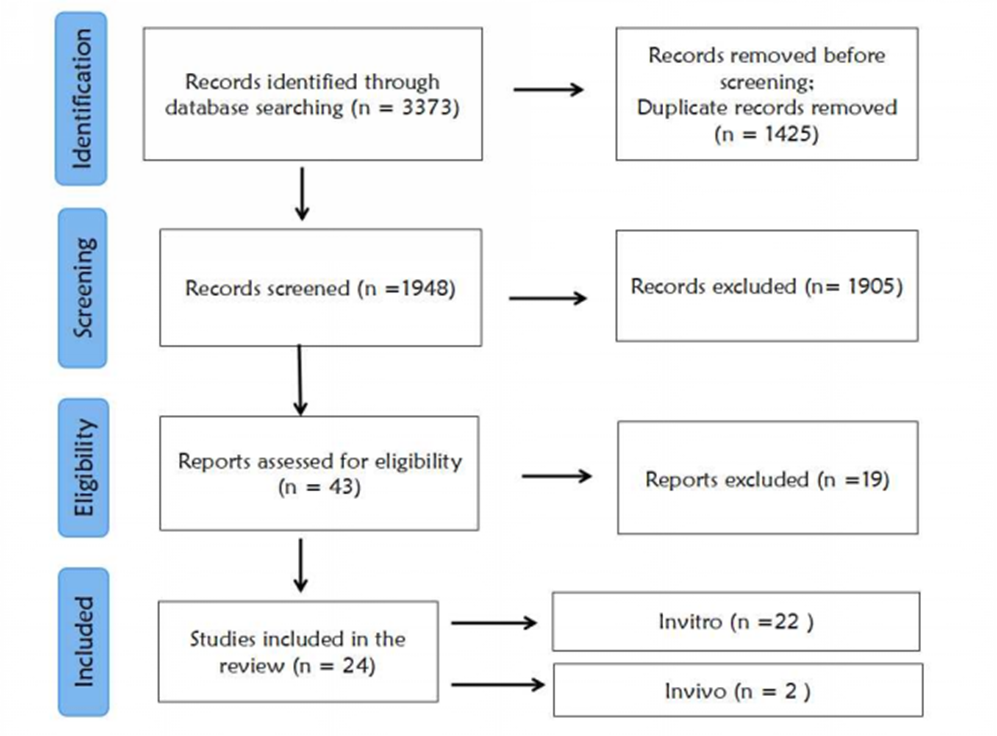
Figure 1 |The PRIMSA diagram details our search and selection process used during review.
A total of 24 studies meeting the inclusion criteria were reviewed, comprising 22 in-vitro studies and two in-vivo studies. Articles excluded in the initial screening included duplicates and studies that did not meet the specified criteria.
RESULTS
A total of 3129 publications were retrieved from the selected databases. Following a rigorous screening process, 24 studies were deemed eligible for inclusion in this review (Figure 1). These studies encompassed 22 in-vitro experiments and two in-vivo investigations, collectively addressing six fungal pathogens: Candida spp., Aspergillus spp., Epidermophyton floccosum, Saccharomyces cerevisiae, Trichophyton spp., and Cryptococcus neoformans. Detailed summaries of these studies are provided in Table 1 below.
Table 1 | Antifungal activities of Artemisia annua and their bioactive compounds
|
Part Used |
Extraction solvent |
Isolation Method |
Activity |
Country |
Reference |
|
Aerial parts |
Hydrolysation |
Active against yeast strains (MICs ranging from 0.51 to 16.33 mg/ml.) |
Romania |
[21] |
|
|
Leaves |
Thin layer chromategraphy |
Not active against candida albicans |
Malaysia |
[22] |
|
|
Leaves |
Water |
Active against candida albicans |
Nigeria |
[23] |
|
|
Ethanol |
Candida species (C. albicans ATCC 90028,C. tropicalis ATCC 750 and C. glabrata ATCC 90030). |
India |
[24] |
||
|
Aerial parts |
Methanol |
Silica TLC |
Candida species |
[25] |
|
|
Aerial parts |
Hexane |
Active against candida albicans and Aspergillus niger |
Morroco |
[26] |
|
|
Active against Candida albicans ,Candida dubliniensis and Candida glabrata |
[27] |
||||
|
Hydro distillation |
C. norvegensis (5.00 mg/ml) and C. krusei. |
[28] |
|||
|
Water |
Active against candinda albicans |
[29] |
|||
|
Ethanol |
Not active against candida albicans |
Pakistan |
[30] |
||
|
Leaf |
Methylene- chloride |
Active against candida spp |
USA |
[31] |
|
|
GC-MS Analysis |
Trichophyton rubrum and Epidermo-phyton Floccosum |
China |
[32] |
||
|
Leaves |
Methonol |
Active against Candida albicans |
German |
[33] |
|
|
Aerial parts |
gas chromategraphy |
Candida strains |
Egypt |
[35] |
|
|
Methanol |
Active against Candida strains |
[34] |
|||
|
Ethyl alcohol. |
Active against C. albicans |
[36] |
|||
|
Active against S. aureus, C. albicans (10mg/Ml) |
Cameroon |
[38] |
|||
|
aerial parts |
Gas chromatography spectrometry technique |
Active against candida krusei |
Bosnia |
[39] |
|
|
Active against Candida albicans and Saccliaromyces cerevisiae. |
[40] |
||||
|
Active against C.Neoformans |
[41] |
||||
|
aerial parts |
Combination of acetonitrile (Sigma) and n-hexane (Sigma) |
Antifungal activity against trichophytonmentagrophytes |
India |
[41] |
|
|
Water |
Active against aspergillus nidulans |
Korea |
[37] |
||
|
Flowering aerial parts |
Candida albicans and Saccliaromyces cerevisiae. |
Iran |
[43] |
||
|
Candida spp |
[44] |
The aerial parts of Artemisia annua, predominantly its tender leaves and flowers, were the most frequently utilized plant materials. Extraction techniques employed a variety of solvents, including water, ethanol, methanol, hexane, and methylene chloride, with notable differences in antifungal activity observed based on the solvent used. Aqueous and ethanolic extracts were most frequently evaluated, while methanol extracts demonstrated superior inhibition against several fungal pathogens.
The reviewed studies indicated that methanol extracts of A. annua exhibited the most potent antifungal activity against Candida albicans, with minimum inhibitory concentrations (MICs) ranging from 40.74 to 76.03 µg/mL [20, 32]. Artemisia essential oil was particularly effective in inhibiting Aspergillus spp., with vapor-phase tests showing higher inhibition levels compared to liquid-phase applications [27]. In contrast, some studies highlighted variability in activity depending on extraction methods, plant part used, and fungal species targeted.
DISCUSSION
The increasing prevalence of severe fungal infections, particularly in immune-compromised patients, highlights the urgent need for new antifungal agents [45]. This review evaluated the antifungal properties of Artemisia annua against key human fungal pathogens. Figure 2 below indicates fungal pathogens that have been studied in both in-vitro and in-vivo experiments.
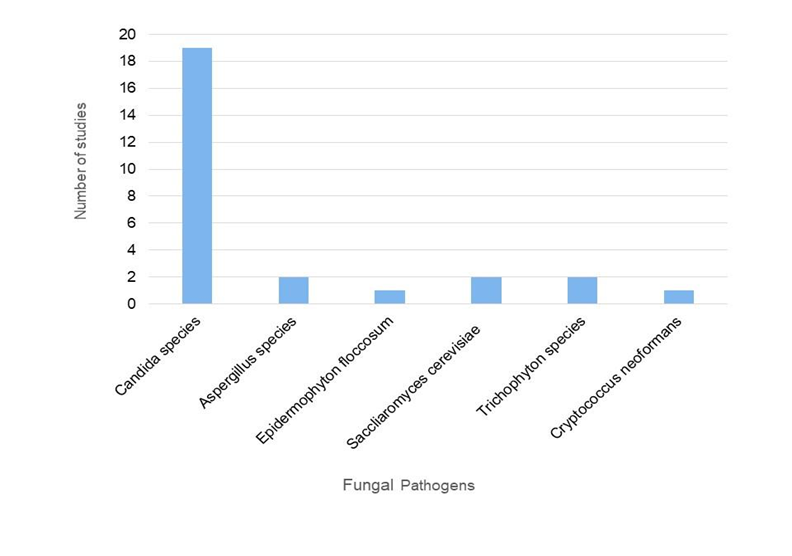
Figure 2: Graph of number of studies conducted on different fungal pathogens
The findings suggest that methanol and essential oil extracts of A. annua exhibit significant antifungal activity against Candida spp. and Aspergillus spp., which are among the most common and drug-resistant fungal pathogens [27, 32]. These results reinforce the potential of A. annua as a complementary or alternative approach in antifungal therapy.
The variability in antifungal efficacy across studies underscores the importance of selecting appropriate plant parts, extraction solvents, and methodologies. Methanol and hexane extracts consistently demonstrated higher bioactivity, suggesting their suitability for isolating antifungal compounds. In addition, the essential oil of A. annua showed enhanced inhibitory effects in vapor-phase applications compared to liquid-phase testing, which may be attributed to differences in compound volatility [26, 27].
Despite its promising antifungal properties, the limited activity of A. annua against certain fungal species, such as Cryptococcus neoformans, indicates the need for further research. Factors such as geographic origin, cultivation conditions, and extraction methods significantly influence the chemical composition and, consequently, the antifungal efficacy of A. annua extracts [54, 55]. These variables should be standardized to optimize the plant’s therapeutic potential.
Chemical Composition of Artemisia annua
The phytochemical richness of Artemisia annua highlights its significant therapeutic potential. The plant is characterized by diverse bioactive compounds, which are broadly classified into sesquiterpene lactones, essential oils (mono- and sesquiterpenes), flavonoids, coumarins, phenolic acids, tannins, saponins, polyalkenes, phytosterols, terpenes, lignans, alkaloids, glycosides, fatty acids, and enzyme proteins [47]. These compounds contribute to the plant's antimicrobial and antifungal properties. This review identified key compounds with antifungal activity, including camphor [20, 26, 27, 31, 38], α-pinene [20, 26, 31, 39], artemisia ketone [20, 26, 27, 34, 38, 39], 1,8-cineole [20, 26, 27, 39, 42], and artemisinin [48, 49]. Among these, artemisinin, a sesquiterpene lactone, has garnered significant attention for its potent bioactivity against various pathogens, including fungi. Additional compounds such as germacrene D, trans-β-caryophyllene, and eucalyptol further underscore the chemical complexity of A. annua [31, 34, 36].
The presence of oxygenated monoterpenes and monoterpene alcohols has also been associated with strong antifungal properties. Compounds like spathulenol and thujone contribute to the plant's efficacy, particularly against Candida and Aspergillus species [42, 43]. Moreover, the combination of these bioactive molecules appears to exert a synergistic effect, enhancing their antimicrobial and antifungal potency [50]. Variations in chemical composition, however, can be attributed to factors such as geographic origin, cultivation conditions, and extraction methods. Studies indicate that methanol and hexane are the most effective solvents for extracting these compounds, yielding higher antifungal activity compared to aqueous and ethanol extracts [54]. This variability underscores the need for standardized extraction and cultivation practices to optimize the therapeutic potential of A. annua.
The remarkable antifungal activity observed in A. annua can be largely attributed to the interplay of these compounds, positioning the plant as a valuable resource for traditional medicine and modern drug discovery. Figure 3 illustrates the chemical structures of the major bioactive compounds identified in this review.



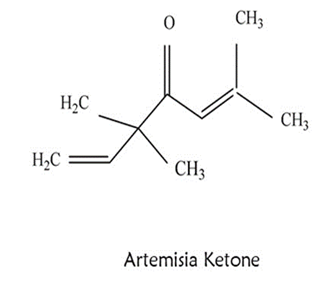
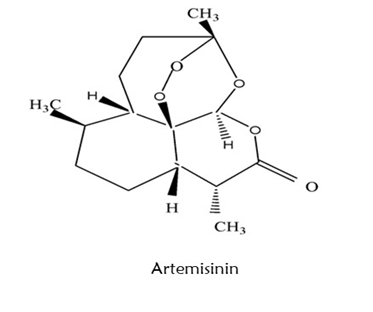
Figure 3: Common bioactive compounds in Artemisia annua
Antifungal activity of Artemisia annua
In-vitro Studies
Several studies have explored the in-vitro antifungal activity of Artemisia annua, revealing promising insights into its efficacy against diverse fungal pathogens. Kim et al. (2001) demonstrated that essential oil of A. annua exhibited higher antifungal activity compared to aqueous extracts against Aspergillus nidulans, suggesting that extraction solvents play a critical role in determining bioactivity [37]. Similarly, artemisinin showed increased sensitivity against non-albicans Candida strains, with strong inhibitory effects on Candida albicans biofilms at concentrations of 640 µg/mL [12]. These findings underscore the potential of artemisinin and essential oil as potent antifungal agents.
Further studies revealed the inhibitory effects of essential oil of A. annua against Candida albicans, Candida famata, and Candida utilis, highlighting its capacity to suppress virulence factors such as adhesion, hemolysin production, and lecithinase expression [21]. This inhibition of virulence factors may represent a novel mechanism by which A. annua disrupts fungal pathogenicity. Notably, vapour-phase tests demonstrated superior antifungal activity compared to liquid-phase applications, as evidenced by minimum inhibitory concentrations of 2.13 µL/cm³ in vapour-phase assays against Candida albicans and Candida dubliniensis [27].
Other investigations examined the antifungal properties of A. annua against dermatophytes such as Trichophyton rubrum and Epidermophyton floccosum. Essential oil of A. annua achieved minimum inhibitory concentrations (MIC) of 0.625% and microbicidal concentrations of 5% for T. rubrum, while MIC values for E. floccosum were 0.315% [32]. These results suggest that A. annua could serve as an effective antifungal adjuvant in pharmaceutical and cosmetic applications. Additionally, methanol extracts of A. annua demonstrated significant antifungal activity against Candida albicans, with MIC values ranging from 40.74 to 76.03 µg/mL [33]. Comparative analysis revealed that methanol extracts exhibited stronger inhibitory effects than azole drugs, emphasizing the plant's potential as an alternative antifungal therapy.
Overall, these in-vitro findings highlight the diverse antifungal activity of Artemisia annua and its bioactive compounds across multiple fungal species. They also demonstrate the importance of extraction methods, test conditions, and targeted fungal strains in optimizing antifungal efficacy.
In-vivo Studies
In-vivo studies exploring the antifungal efficacy of Artemisia annua provide critical insights into its therapeutic potential in living organisms. Gharachorlou and Sadighi Shamami (2013) conducted an experiment using male Wistar rats infected with Trichophyton mentagrophytes. The infected rats treated with Artemisia annua extracts demonstrated significantly reduced fungal colony diameters compared to untreated controls (P < 0.05) [42]. These findings highlight the notable antifungal activity of A. annua, which may be attributed to its high concentration of terpenoids and flavonoids, particularly α-thujone.
Artemisinin, a key compound of Artemisia annua, was tested for its efficacy against Candida spp. in vivo. The study revealed that while exponential cultures of Candida showed initial growth inhibition upon exposure to artemisinin, the response was not sustained at the tested concentrations. This indicates that artemisinin alone, at concentrations up to 180 µM, may be insufficient to fully suppress Candida growth in vivo [31]. These results suggest that the in-vivo antifungal activity of Artemisia annua is influenced by factors such as dosage, bioavailability, and the specific fungal species targeted. Further in-vivo investigations are necessary to optimize dosing regimens and explore combination therapies to enhance its efficacy against fungal infections.
Factors Affecting Phytochemical Composition
The phytochemical composition of Artemisia annua is influenced by several factors, including geographic origin, cultivation conditions, and extraction methods [53, 54]. Variations in environmental factors such as soil type, altitude, temperature, and humidity have been shown to significantly affect the concentration and diversity of bioactive compounds. For example, studies have revealed that ethanol extracts from A. annua grown in different regions exhibit varying degrees of antifungal activity against Candida albicans, indicating that location-specific factors play a crucial role in phytochemical composition [54].
The choice of solvent for extraction is another critical determinant of the chemical profile and efficacy of Artemisia annua. Methanol and hexane have been identified as effective solvents for isolating antifungal compounds, yielding higher bioactivity compared to water and ethanol extracts [55]. Solvent polarity directly impacts the efficiency of extracting specific classes of compounds, such as sesquiterpene lactones, phenolic acids, and essential oils.
Biological treatments and isolation methods further contribute to variations in the phytochemical makeup of A. annua. Techniques like thin-layer chromatography (TLC) and gas chromatography-mass spectrometry (GC-MS) are commonly employed to purify and identify bioactive compounds, ensuring accuracy in profiling [55]. These methods not only enhance the reliability of chemical analyses but also allow for targeted identification of key antifungal agents, such as artemisinin, camphor, and 1,8-cineole.
The chemical composition of Artemisia annua is therefore dynamic and subject to changes based on environmental, methodological, and treatment factors. This underscores the need for standardized cultivation and extraction protocols to fully harness the therapeutic potential of the plant.
Effective Concentrations and Doses
Studies investigating the antifungal activity of Artemisia annua have highlighted the importance of optimizing concentrations and doses to achieve effective results. Zhu et al. (2021) reported that artemisinin, while lacking antifungal activity at concentrations below 100 µM, demonstrated measurable inhibitory effects at higher concentrations exceeding 200 µg/mL [36]. Similarly, the MIC50 of artemisinin was determined to be above 200 µg/mL in wild-type strains and clinical isolates of Candida albicans, suggesting a dose-dependent response [57]. Further investigation into extracts of A. annua revealed varying degrees of activity across different concentrations. Methanol extracts exhibited antifungal activity against resistant isolates of Candida albicans, with inhibitory effects observed at concentrations of 200, 400, and 800 µg/mL in agar well diffusion assays. Lower concentrations (25–100 µg/mL) showed minimal to no activity, reinforcing the importance of dosage optimization [33]. The effectiveness of essential oil from A. annua was similarly dose-dependent, demonstrating potent antifungal activity in vapor-phase tests against Candida spp. at 2.13 µL/cm³ [27].
These findings emphasize that while Artemisia annua extracts and artemisinin derivatives hold promise for antifungal applications, their efficacy is heavily influenced by the concentrations utilized. Future studies should focus on defining optimal doses for various fungal pathogens and exploring combination therapies to enhance bioavailability and therapeutic potential.
Mechanisms of Antifungal Action
The antifungal activity of Artemisia annua can be attributed to its ability to interfere with key fungal biological processes. Multiple mechanisms of action have been proposed for its bioactive compounds, with particular focus on artemisinin and its derivatives.
Downregulation of Adhesion-Related Genes
Artemisinin has been shown to downregulate adhesion-related genes such as ALS3, HWP1, and ECE1, which are essential for fungal biofilm formation. Additionally, genes regulating hyphal development, including UME6 and HGC1, along with the cAMP-dependent protein kinase pathway involving CYR1, RAS1, and EFG1, are significantly suppressed in Candida albicans [12, 57]. By inhibiting these pathways, artemisinin effectively disrupts fungal adhesion and hyphal formation, crucial steps in infection establishment and progression. This indicates its potential as an antibiofilm agent, particularly in targeting drug-resistant fungal strains.
Disruption of Metabolic Pathways
Artemisinin compounds target oxidative phosphorylation pathways, as demonstrated in Aspergillus fumigatus. These compounds bind to mitochondrial NADH dehydrogenases, disrupting energy metabolism and inducing reactive oxygen species (ROS) generation. Proteomic studies have further identified changes in fungal cell wall proteins, ergosterol biosynthesis pathways, and transport proteins following treatment with artemisinin [58]. Similar effects have been observed in Saccharomyces cerevisiae, where artemisinin treatment leads to mitochondrial membrane depolarization and altered calcium channel activity, ultimately impairing fungal survival [59, 60].
Interaction with Drug Efflux Pumps
Molecular studies reveal that artemisinin interacts with transcription factors regulating drug efflux pumps, such as PDR1 in Candida glabrata. This interaction leads to mitochondrial dysfunction, increased ROS levels, and reduced fungal viability. Such mechanisms not only enhance the antifungal efficacy of A. annua but also suggest its potential to combat multidrug-resistant fungal strains [61]. The multifaceted mechanisms of antifungal action observed in Artemisia annua underscore its potential as a therapeutic agent. Future studies should explore the synergistic effects of its bioactive compounds with existing antifungal drugs to optimize its clinical application.
Synergy and Combination Therapy
The growing challenge of antifungal resistance has necessitated the exploration of novel strategies, including combination therapies involving Artemisia annua extracts and conventional antifungal drugs. Recent studies have demonstrated synergistic effects when A. annua methanol extracts are combined with fluconazole, as evidenced by checkerboard analyses and fractional inhibitory concentration index (FICI) values [34]. The FICI values indicated a reduction in fluconazole-resistant Candida albicans growth, with MIC levels significantly decreased in the presence of the plant extracts. This suggests that combining A. annua extracts with fluconazole enhances antifungal efficacy and may overcome resistance mechanisms.
Similarly, methanolic and petroleum ether extracts of A. annua have shown potent synergistic activity when combined with standard antifungal antibiotics, with MIC reductions of up to 264-fold in resistant Candida strains [25]. These findings underscore the importance of incorporating phytochemical-based therapies into antifungal drug discovery pipelines to address multidrug-resistant pathogens.
Another promising combination therapy involves artemisinin and amphotericin B (AmB), which exhibited synergistic activity against oral mucosal candidiasis in vivo. Artemisinin significantly reduced the required dosage of AmB in wild-type strains and clinical isolates of Candida albicans, minimizing toxicity while maintaining efficacy (FICI ≤ 0.5). Drug combinations reduced fungal burden, epithelial infection area, and inflammatory infiltrates, highlighting their therapeutic potential [36]. These results indicate that artemisinin could serve as a potentiator in antifungal regimens, especially for oral candidiasis.
These findings suggest that Artemisia annua - based combination therapies offer a promising approach to improving antifungal treatments. By leveraging synergy between plant-derived compounds and conventional antifungal drugs, these therapies provide a pathway to overcoming resistance and enhancing treatment outcomes for fungal infections.
CONCLUSION
This systematic review highlights the immense potential of Artemisia annua extracts as effective antifungal agents against pathogenic fungi, including Candida spp., Aspergillus spp., Cryptococcus neoformans, Epidermophyton floccosum, Saccharomyces cerevisiae, and Trichophyton spp.. The phytochemical richness of A. annua, particularly its bioactive compounds such as artemisinin, camphor, α-pinene, and 1,8-cineole, underscores its therapeutic value. These compounds exhibit diverse mechanisms of action, including disruption of fungal biofilms, interference with metabolic pathways, and synergy with conventional antifungal drugs. Furthermore, the combination therapies involving Artemisia annua extracts and antifungal drugs like fluconazole and amphotericin B have demonstrated enhanced efficacy and resistance modulation, offering a promising strategy to combat multidrug-resistant fungi. While the variability in phytochemical composition due to geographic, extraction, and cultivation factors poses challenges, standardization of protocols can optimize the therapeutic application of A. annua. The findings of this review lay the groundwork for future research, including the exploration of additional bioactive compounds, optimization of extraction methods, and clinical trials to validate safety and efficacy. By integrating Artemisia annua into antifungal drug development pipelines, this botanical source holds the potential to revolutionize fungal infection treatment, particularly in resource-limited settings.
FURTHER AREAS OF STUDY
Future studies should further explore the antifungal properties of Artemisia annua through in-vitro, in-vivo, and in-silico experiments, focusing on underexplored pathogens like Cryptococcus neoformans and Trichophyton spp. to expand its therapeutic potential. Optimizing extraction methods and standardizing growing conditions are essential to ensure consistent yields of bioactive compounds, minimizing variability due to geographic and cultivation factors. Advanced analytical techniques, such as metabolomics and high-throughput screening, could aid in identifying novel bioactive compounds and their synergistic interactions. Clinical trials are necessary to validate the efficacy, safety, and optimal dosing of A. annua, particularly in diverse populations, while combination therapies integrating its extracts with existing antifungal drugs could help combat multidrug-resistant fungal strains. Additionally, research into its mechanisms of action through molecular docking, transcriptomic, and proteomic analyses may reveal novel targets for antifungal drug development, advancing therapeutic strategies for fungal infections.
CONFLICT OF INTEREST: The authors declare no conflicts of interest regarding the publication of this review.
ACKNOWLEDGEMENTS
The authors would like to express their gratitude to the researchers whose work has been reviewed and cited in this manuscript. Special thanks go to the Academy of Medical Sciences' Journal Club at the Malawi University of Science and Technology (MUST) for their valuable comments and suggestions, which greatly enhanced the quality of this work. We also acknowledge all colleagues and collaborators who provided insights and support during the development of this review.
CONTRIBUTION OF AUTHORS
MM and AM conceptualized the review and developed the research framework. MM carried out the literature search, extracted data, and conducted critical analyses of primary studies. WM and JM provided expertise in antimicrobial research, contributed to refining the methodology, and assisted with reviewing the extracted data. MM prepared the initial draft of the manuscript, while AM, WM, and JM reviewed, edited, and provided constructive feedback for subsequent drafts. All authors reviewed and approved the final version of the manuscript.
FUNDING: This research was conducted without external funding
REFERENCES

Madalitso Muhakeya, James Majamanda, Willard Mbewe, Andrew Mtewa, Harnessing Artemisia annua L., for Fungal Infections: A Review of Its Antifungal Potential, Int. J. of Pharm. Sci., 2025, Vol 3, Issue 10, 3138-3153. https://doi.org/10.5281/zenodo.17474870
 10.5281/zenodo.17474870
