
View Article

Abstract

PCOS is a endocrine disorder in women characterized by hormonal issues, insulin resistance, and reproductive challenges. Although synthetic medicine can alter symptoms, they often come with long-term side effects. On the other hand, herbal medicine presents a safer approach by normalising hormones, improving insulin sensitivity, reducing inflammation, and boosting fertility. This review highlights the healing potential of polyherbal formulations that incorporates ingredients such as flaxseed, fennel, fenugreek, cinnamon, Ashwagandha, Shatavari, liquorice, aloe vera, spearmint, turmeric, and Tulsi. Evidence from traditional practices, preclinical research, and clinical trials points to something interesting by supporting herbal potential for managing PCOS. Moreover, furtger studies are necessary for standardizing these formulations, validating their effectiveness, and merging herbal remedies into evidence-based medical care for women suffering from PCOS.

Keywords

Menstrual Cycle, polycystic ovary syndrome, PCOS, herbs, polyherbal, herbal medicine

Introduction

PCOS is a common hormonal condition that affects many women of reproductive age. It occurs because of production of high androgen levels and formation of ovarian cysts. Around 6-10% of women worldwide gets affected and it is associated with issues in fertility, diabetes, weight gain, metabolic issues, and lifestyle play a part. PCOS shows etiology such as hormonal imbalances, insulin resistance, genetic causes, inflammation, and lifestyle factors. Whereas traditional medicine can reduce symptoms but they may show adverse effects when used for long run. In contrast, polyherbal therapies are gaining recognition for their safety and effectiveness in hormone regulation, insulin sensitivity improvement, inflammation reduction, and enhancement of reproductive health. This review assesses the important herbal components that may help manage PCOS, highlighting their potential as complementary or alternative therapies.

Polycystic Ovary Syndrome: PCOS is defined by ovaries secreting an excess amount of androgen (male sex hormone) that are typically found in women in small amounts. The term polycystic ovary syndrome describes the numerous small cysts (fluid filled sacs) that form in the ovaries. Although PCOS cannot be prevented, early diagnosis and treatment can help to minimize long-term complications such as infertility, metabolic syndrome, weight gain, diabetes. The specific cause of PCOS remains unclear. Around 6-10% of women of reproductive age are affected by PCOS, with this number gradually increasing due to a sedentary lifestyle. Polycystic ovary syndrome is recognized as a major cause leading to female infertility and it is also one of the most common reproductive endocrine disorders globally. In 2012, the world health organization (who) reported that over 116 million women around the globe were affected by PCOS. In india, one in five women is impacted by this condition. Between 2007 and 2017, there were 1.55 million new cases of PCOS among women of reproductive age (15–49 years), marking a 4.47% increase (ranging from 2.86% to 6.37%). A 2020 survey in india indicated that approximately 16% of women aged 20 to 29 experienced PCOS.

Fig:1

Factors Causing PCOS:

1.Hormonal Imbalance: women with PCOS commonly experience an imbalance in reproductive hormones, particularly an elevated level of testosterone. This imbalance can interfere with ovarian function and lead to cyst formation.

2.Insulin Resistance: insulin, a hormone that have ability to control blood sugar levels ,which may not function properly in some women with PCOS, resulting in insulin resistance. This condition can cause higher insulin levels in the bloodstream, which can stimulate androgen level and lead to irregularities in menstrual cycle.

3.Genetics: there apears to be a hereditary aspect to PCOS, as it tend to occurs in women with a family history of the syndrome have greater risk of developing it.

4.Inflammation: chronic low-grade inflammation in the body may have  a role in the occurrence of PCOS and its associated symptoms.

5.Lifestyle Factors: elements such as obesity, sedentary behavior, and an unhealthy diet may influence the onset and severity of PCOS symptoms.

Fig:2

Why To Choose Herbal Approaches?

Conventional treatments with drugs like metformin, clomiphene, and spironolactone can help but often cause side effects with long-term use. Because of this, many women are turning to natural approaches such as herbal remedies. Herbal medicines are gaining attention as they are generally safer, have fewer side effects, and can be used long-term- important since PCOS requires ongoing management. They help regulate hormones, reduce symptoms, and support overall health by boosting immunity. Herbal treatment also helps for insulin resistance and addressing obesity and managing high cholesterol levels. Combining herbal therapy with a healthy diet and yoga can further improve results, making herbal treatments a promising alternative or complement to conventional medicine.

Herbs Used to Manage PCOS:

1)Flaxseed:

flaxseed scientific name is linum usitatissimum and it belongs to  family linaceae flaxseed has been the focus of interesting research. Traditionally, it has
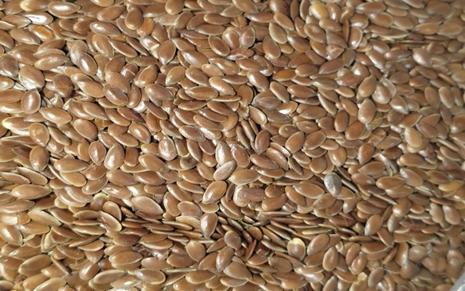
Fig:3

been used as a medicinal remedy for various ailments, and its seeds are commonly added to food products. This seed is nutritionally dense, containing approximately 30-40% fat, 20-25% protein, 20-28% fiber, along with 4-8% moisture and 3-4% ash, as well as vitamins a, b, d, e, minerals, and amino acids. Flaxseed oil is particularly high in  omega-3 fatty acids, lignin, and mucilage ,with α-linolenic acid (an omega-3 unsaturated fatty acid) comprising about 40-60% of its content, providing anti-cancer benefits.  Research has indicated that flaxseed, rich in lignin, can reduce androgen levels in men with prostate cancer. Elevated androgen levels, often seen in individuals with polycystic ovary syndrome, are linked to conditions such as hirsutism, menstrual irregularities, and obesity. Flaxseed supplementation has been shown to influence hormonal levels in a woman with PCOS . Our review indicates that adding flaxseed to the diet could be a helpful strategy for addressing hormonal imbalances in individuals with PCOS. Flaxseed may positively influence follicular development and ovulation.

2)Fennel:

Fig:4

Foeniculum vulgare, commonly known as fennel, is an aromatic plant recognized for its antioxidant, diuretic, analgesic, and antipyretic properties. This member of the apiaceae family has a volatile content of about 4-5% and is characterized by a high concentration of anethole, which makes up roughly 50-60% of its composition. Additionally, fennel contains phenolic esters, around 18-22%, fenchone, fixed oils, and proteins. It is also enriched with various vitamins including α-tocopherol, ascorbic acid, β-tocopherol, γ-tocopherol, and δ-tocopherol, highlighting its value as a versatile botanical resource .anethole, is a potent estrogenic compound due to its structural similarity to diethylstilbestrol. Fennel’s health benefits is that it has been linked to promoting menstruation, assisting in childbirth, and exhibiting estrogenic effects in ovarian follicles, suggesting its potential in treating PCOS. Transanethole, a estrogenic compound, is the primary component found in fennel which exhibit estrogenic activity. Fennel seed use can effectively manage PCOS due to their high phytoestrogen content. Studies revealed that fennel extract enhances protein and nucleic acid levels in tissues and increases organ weights. The phytoestrogens in fennel also play a role in reducing inflammation and insulin resistance associated with PCOS.

3) Fenugreek:
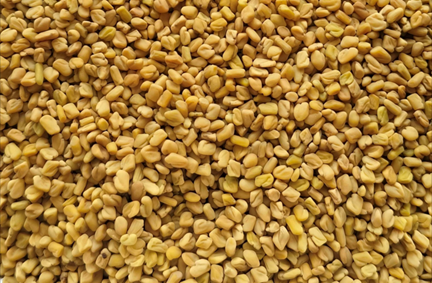
Fig:5

Trigonella foenum-graecum (fenugreek) has demonstrated notable therapeutic effects in women with PCOS. Consumption of raw fenugreek seeds was shown to improve the regularity of menstrual cycles, enhance egg maturation, reduce ovarian volume, and address infertility-related concerns. Also, the extract of t. Foenum-graecum reduced cyst size in 46% of participants, with 36% achieving complete cyst dissolution.71% of subjects reported a return to regular menstrual cycles, and 12% successfully conceived following treatment. It shows more increase in luteinizing hormone and follicle-stimulating hormone levels, so it is highlighting its positive role in reproductive endocrinology.  fenugreek was also reported to aid in managing insulin resistance, regulating blood glucose, and improving lipid profiles, which are related to PCOS. the findings suggest that fenugreek seed extract is effective in managing PCOS

4)Cinnamon:
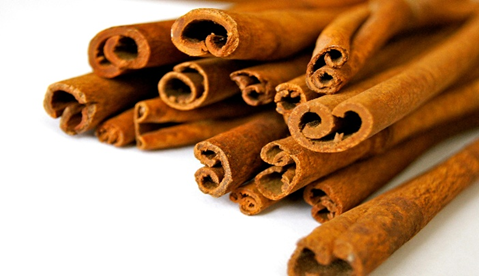
Fig:6

Cinnamon (Cinnamomum zeylanicum), part of the lauraceae family, has been studied for its potential health benefits in women with PCOS. This review suggests that cinnamon extract could enhance insulin sensitivity. Over the period, female who took the cinnamon supplement exhibited regularity of their menstrual cycles and ovulation. The extract contains active compounds like cinnamaldehyde, eugenol, and safrole, which mimic insulin by promoting glucose uptake, glycogen production, and the phosphorylation of insulin receptors. It also supports digestive and respiratory health. In summary, cinnamon extract appears to be a safe, natural, and effective option for addressing insulin resistance and menstrual irregularities in women suffering from PCOS

5)Ashwagandha:

Fig:7

Withania somnifera , belonging to the family Solanaceae, is an important medicinal plant used in ayurveda for over 2,500 years. The dried roots, stem bases, and powdered extracts are primarily employed for therapeutic purposes. It is classified as a potent adaptogen, supporting stress reduction and hormonal regulation. Ashwagandha has demonstrated significant potential in the management of PCOS. It exerts regulatory effects on the hypothalamic–pituitary–ovarian axis, thereby promoting ovulation and restoring menstrual regularity. The presence of bioactive compounds, including withanolides (withaferin a, withanolide d), alkaloids, and saponins, contributes to normalization of cortisol levels, restoration of ovarian function, and enhancement of ovulatory cycles. Beyond reproductive benefits, ashwagandha improves insulin sensitivity, aiding in glycemic control and reducing the risk of type 2 diabetes frequently associated with PCOS. Its anti-inflammatory and antioxidant activities further support hormonal balance by modulating elevated androgen levels. Together this benefits make ashwagandha powerful herb for PCOS.Ashwagandga helps to manage stress enhance reproductive health and also regulate metabolism. All of this help in manage PCOS and related symptoms.

6)Shatavari:

Fig:8

Shatavari (asparagus racemosus) is part of the liliaceae family. Shatavari is one of the most used herb in traditional ayurvedic medicine. The dried roots of shatavari are used because  of their high levels of saponins (2–5%), steroidal glycosides (0.1–0.2%), flavonoids (0.1–0.3%), and polysaccharides (20–30%).Its roots contains high amount of phytoestrogens, which helps in managing the menstrual cycle, encouraging healthy ovarian follicle development, and restoring normal reproductive functions. Beyond its benefits for reproductive health it also strengthens mucosal immunity, offers cytoprotective,  diuretic and tonic effects. It’s reported that it can help in the breakdown of ovarian cysts also helps to manage hyperinsulinemia, It also prevents formation of new cysts.One of its Active component saponins is known to assist in maintaining uterine mobility, easing  for managing painful bleeding during pre-menopause and supporting uterine muscles, after a miscarriage. Daily intake of Shatavari helps in managing stress levels,thikening of endometrium, decreasing hirsutism hence enhance overall health of ovaries. In ayurvedic practice, it is one among the six significant rasayanas, which are known for enhancing overall health, cellular vitality, and boosting immunity. Studies show that Shatavari has positive effects for women with PCOS. Research suggests that a daily intake of shatavari can help to manage hormones, regulate menstrual cycles, and enhance fertility. Its wide therapeutic properties make it a important herb for female reproductive health, balancing hormones, and encouraging long term wellness.

7) Liquorice:

Liquorice (Glycyrrhiza glabra) may assist with PCOS by its anti-androgen effects. Studies on women taking 3.5g of a standardized liquorice
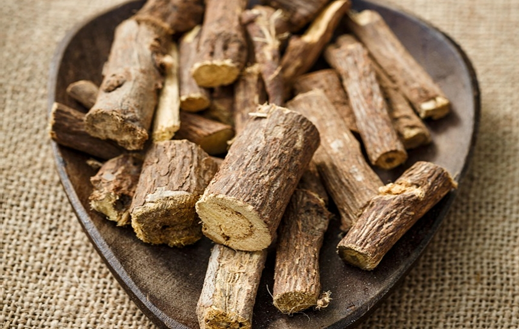
Fig:9

preparation daily shows clear drop in testosterone levels. One of the most important compound of  liquorice is glycyrrhizic acid, which inhibits key enzymes called 17-hydroxysteroid dehydrogenase and 17-20 lyase. These enzymes work by converting androstenedione into testosterone. By blocking this conversion pathway, liquorice can effectively lowers testosterone levels in the bloodstream, which directly addresses main cause of PCOS symptoms like hirsutism. Liquorice also can be effective in overweight PCOS women, suggesting its effectiveness as an therapy for managing androgen-related aspects of PCOS.

8)Aloe Vera: Aloe vera (aloe barbadensis), a well known medicinal herb from the liliaceae family, it  is mostly recognized for its therapeutic properties, enhancing skin health, cooling effect,moisturizing effects, and this is studied for its potential in
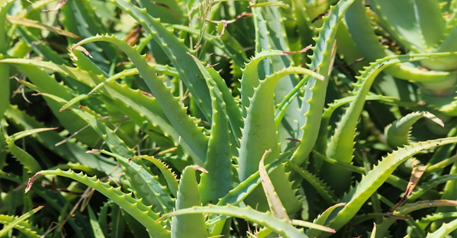
Fig:10

managing PCOS using a rat model induced with letrozole, a non-steroidal aromatase inhibitor. Five-month-old female charles foster rats treated with aloe vera gel orally (1 ml daily for 45 days) exhibited restored estrus cycle, enhanced glucose sensitivity, elevated steroidogenic activity, and normalization of ovarian steroid equilibrium, indicating preventive effects against PCOS. Preliminary phytochemical analysis identified phytophenols and phytosterols as key constituents, hypothesized to modulate hyperglycaemia and influence steroidogenic enzymes, thereby promoting estradiol production. The bioactive profile of aloe vera, comprising phytosterols, vitamins, polysaccharides, and amino acids, likely underlies its pharmacological effects, including enhanced insulin receptor activity to counter insulin resistance caused by androgens. Improvements in uterine and ovarian size further support its therapeutic promise in addressing PCOS though future clinical studies are required to confirm efficacy, establish dosages, and elucidate mechanisms, highlighting aloe vera as a potential adjunct in PCOS management to improve reproductive health and quality of life

9)Spearmint:

Fig:11

Spearmint tea (mentha spicata), a medicinal herb belonging to the labiatae family, has been researched for its therapeutic effects on PCOS because of its potent anti-androgenic qualities. A randomized clinical trial involved women with PCOS who drank spearmint tea twice a day for 30 days. The results showed a significant decrease in both free and total testosterone levels, which helped reduce symptoms like hirsutism (excessive hair growth) and acne. Additionally, there was an increase in luteinizing hormone and follicle-stimulating hormone, indicating a positive effect on restoring hormonal balance in these women. Beyond its hormonal benefits, mentha spicata has traditionally been used to address gastrointestinal issues and stomach pains, but its reaffirmation as an anti-androgenic agent makes it particularly relevant for women dealing with PCOS symptoms.

10)Turmeric:
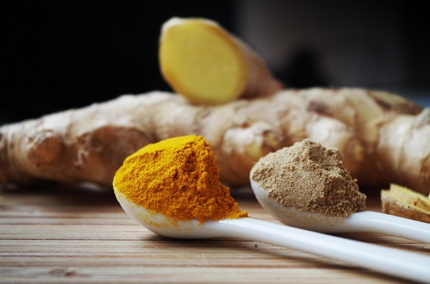
Fig:12

Curcumin, the main polyphenol found in turmeric (curcuma longa), shows considerable promise as a treatment for PCOS due to its various pharmacological benefits. Studies suggest that curcumin has antioxidant, anti-inflammatory, antihyperlipidemic, and insulin-sensitizing effects, which can help regulate hormonal balance, enhance menstrual regularity, and heal ovarian structure. Clinical evidence indicates that curcumin supplementation may reduce blood sugar levels, lower insulin resistance, decrease hyperandrogenism, and avoid the risk of obesity, with results similar to those seen with metformin but typically with fewer side effects. Moreover, curcumin enhances insulin sensitivity, helps regulate testosterone levels, normalizes progesterone and estradiol, and supports ovulation and egg quality. Innovations in formulations techniques, such as nanotechnology can be used for polyherbal combinations, which are designed to overcome curcumin’s low oral bioavailability and enhance its clinical effect. While  curcumin has potential as supplement for PCOS.

11)Tulsi:
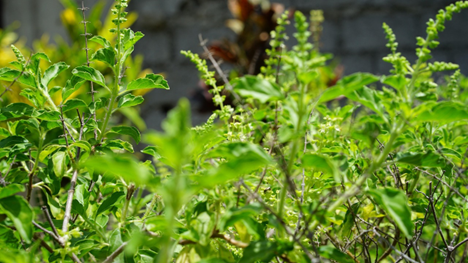
Fig:13

Tulsi (ocimum sanctum), also called as holy basil, is valued for its  benefits in managing PCOS. The plant has capacity to lower potent anti-androgen effects which cause  symptoms such as unwanted hair growth, acne, and irregular menstrual cycle. By balancing to regulate testosterone production which can facilitate normal ovulatory function, tulsi also has power to enhance fertility. It also has  antioxidant properties which assist in managing metabolic stress, and it can also reduce blood sugar levels, reduce weight gain, and bring down cortisol levels . Hence it makes tulsi useful for addressing obesity and managing insulin resistance commonly seen in PCOS.

CONCLUSION:

This review highlights that polyherbal treatments give promising, and safe therapeutic strategy for managing PCOS.Herbal therapies are a powerful, yet often overlooked, way to manage PCOS. The herbs discussed in this review are flaxseed, fennel, fenugreek, cinnamon, ashwagandha, shatavari, liquorice, aloe vera, spearmint, turmeric, and tulsi, demonstrate significant effect in addressing the core issues of PCOS.They can help balance hormones, improve insulin response, and reduce oxidative stress and reproductive system. While stronger clinical studies are needed, these natural remedies could become a mainstream, reliable option for women with PCOS without side effects. Combining herbal remedies with lifestyle changes shows significant promise as an effective complementary approach.

REFERENCES

  1. Abbasi sa, abbasi ks. Efficacy studies of fenugreek seeds against polycystic ovarian syndrome. Texila int j public health. 2019;7(4). Available from: https://www.texilajournal.com/public-health/article/1454-efficacy-studies-of
  2. Balkrishna a, rana m, mishra s, srivastava d, bhardwaj r, singh s, rajput sk, arya v. Incredible combination of lifestyle modification and herbal remedies for polycystic ovarian syndrome management. Evidence based complement alternat med. 2023;2023:3705508. Doi:10.1155/2023/3705508
  3. Chakraborty k. Therapeutic implication of aloe barbadensis mill. (aloe vera) for the management of polycystic ovarian syndrome (pcos): a systematic review. J biochem int. 2022;9(1):22–26. Doi:10.56557/jobi/2022/v9i17437. Available from:https://ikprress.org/index.php/jobi/article/view/7437
  4. Chitra v, dhivya, derera p. Role of herbals in the management of polycystic ovarian syndrome and its associated symptoms. Int j herbal med. 2017;5(5):125–131.available from: https://www.florajournal.com/archives/2017/vol5issue5/partb/6-2-20-837.pdf
  5. Disha ns, ashok kumar bs. Understanding pcod and pcos: a comparative review of causes, differences, and treatment modalities. J neonatal surg. 2025;14(28s):898–912.
  6. Dhankani ma, patil hj, dhankani ar. A systematic review: ayurvedic herbal medicine for women with polycystic ovary syndrome. Med sci forum. 2023;21:46. Available from: https://www.researchgate.net/publication/372170375_a_systematic_review_ayurvedic_herbal_medicine_for_women_with_polycystic_ovary_syndrome
  7. Gajbe h, sankhe a, ghargine a, dange n, deshmukh r, das s, bhavari s, abraham t, bhosale t, chaudadwar v, gadling s, deokar s. Research of polycystic ovarian syndrome (pcos). World j pharm med res. 2022;8(8):215–226. Available from:https://www.wjpmr.com/download/article/99072022/1659165694.pdf
  8. Gajmal s, gaikwad p, divate s, gawade a, gawade m, jadhay s. Herbal medicine in the management of pcod: a systematic review. [internet]. Available from: https://www.researchgate.net/publication/ (publisher page / repository)
  9. Ghagane sc, toragall mm, akbar aa, hiremath mb. Effect of aloe vera (barbadensis mill) on letrozole-induced polycystic ovarian syndrome in swiss albino mice. J ethnopharmacol / related repository. Available from: https://pmc.ncbi.nlm.nih.gov (searchable article / institutional repository)
  10. Jazani am, nasimi doost azgomi h, nasimi doost azgomi a, nasimi doost azgomi r. A comprehensive review of clinical studies with herbal medicine on polycystic ovary syndrome (pcos). Daru j pharm sci. 2019;27(2):863–877. Doi:10.1007/s40199-019-00312-0. Available from: https://pubmed.ncbi.nlm.nih.gov/31741280
  11. Kalam s, chaure r, dapke p, gorade s, kale s, khore t, sanap g. Formulation and evaluation of herbal tablets for the treatment of pcod using kanchnar and shatavari. Asian pharm res dev. 2024;12(4):37–42. Available from: https://ajprd.com/index.php/journal/article/view/1438
  12. Karki n, semwal n. Herbal gummies for the management of pcos. J emerg technol innov res (jetir). 2024;11(5). Available from: https://www.jetir.org/papers/jetir2405f72.pdf
  13. Koppisetti t, sireesha k, sreya s, dhanush vbks, sowjanya s, kavitha v, kamala g. A review of therapeutic applications of nutraceuticals in polycystic ovarian disease. (journal/repository). Available from: (publisher site / repository)
  14. Kshama, mitra ray n. From nature to nurture: a review of herbal approaches to polycystic ovary syndrome (pcos). (journal/repository). Available from: (publisher site / repository)
  15. Kumar d, kumar r, garg vk, ali ss. Ayurvedic treatment of polycystic ovary syndrome (pcos). (journal/repository). Available from: (publisher site / repository)
  16. Kumar v, kumar n. Therapeutic effect of herbal medicinal plants on polycystic ovarian syndrome: a review. Asian j pharm res dev. 2022. Available from: (journal site)
  17. Lakshmi jn, babu an, kiran ssm, nori lp, hassan n, ashames a, bhandare rr, shaik ab. Herbs as a source for the treatment of polycystic ovarian syndrome: a systematic review. Biotech (basel). 2023;12(1):4. Doi:10.3390/biotech12010004. Available from: https://www.mdpi.com/2673-6284/12/1/4
  18. Maharjan r, nagar ps, nampoothiri l. Effect of aloe barbadensis mill. Formulation on letrozole-induced polycystic ovarian syndrome rat model. J ethnopharmacol. 2010;131(1):129–135.Availablefrom:https://pmc.ncbi.nlm.nih.gov/articles/pmc3117319
  19. Mallya p, lewis sa. Curcumin and its formulations for the treatment of polycystic ovary syndrome: current insights and future prospects. (review). Available from: (publisher / journal)
  20. Malik s, saeed s, saleem a, khan mi, khan a, akhtar mf. Alternative treatment of polycystic ovary syndrome: pre-clinical and clinical basis for using plant-based drugs. 2024. (journal/repository). Available from: (publisher site)
  21. Manouchehri a, abbaszadeh s, ahmadi m, nejad fk, bahmanis m, dastyars n. Polycystic ovaries and herbal remedies: a systematic review. J basic clin reprod sci. 2023;11(2):10097. Doi:10.18502/jbcrs.v11i2.10097. Available from: https://pmc.ncbi.nlm.nih.gov/articles/pmc10065776
  22. Najdgholami z, sedgi fm, ghalishourani ss, feyzpour m, rahimlou m. Flaxseed intervention and reproductive endocrine profiles in patients with polycystic ovary syndrome: an open-labeled randomized controlled clinical trial. Front endocrinol (lausanne). 2025;16:1531762. Doi:10.3389/fendo.2025.1531762. Available from:https://www.frontiersin.org/articles/10.3389/fendo.2025.1531762/full
  23. Neve vv, undale v, bhalchim v, shinde a, patil g, kutal p. Combined impact of shatavari and shatpushpi on polycystic ovarian syndrome (pcos). (conference paper / journal). Available from: (institutional repository)
  24. Nowak da, snyder dc, brown aj, demark-wahnefried w. The effect of flaxseed supplementation on hormonal levels associated with polycystic ovarian syndrome: a case study. Curr top nutraceutical res. 2007;5(4):177–181. Available from: https://pmc.ncbi.nlm.nih.gov/articles/pmc2752973
  25. Priya, rana s. A review on polyherbal and supplemental approach to treat polycystic ovarian syndrome. (journal/repository). Available from: (publisher site / repository)
  26. Rajan sm, rachana hv. Ayurvedic approach to polycystic ovarian syndrome. Ayushdhara. 2023;10(6):153–157. Doi:10.47070/ayushdhara.v10i6.1447. Available from: https://ayushdhara.in/index.php/ayushdhara/article/view/1447
  27. Sabbadin c, bordin l, donà g, manso j, avruscio g, armanini d. Licorice: from pseudohyperaldosteronism to therapeutic uses. Front endocrinol (lausanne). 2019;10:484. Doi:10.3389/fendo.2019.00484. Available from:https://www.frontiersin.org/articles/10.3389/fendo.2019.00484/full
  28. Shen w, qu y, jiang h, wang h, pan y, zhang y, wu x, han y, zhang y. Therapeutic effect and safety of curcumin in women with pcos: a systematic review and meta-analysis. (systematic review). 2022. Available from: (publisher / journal)
  29. Shetye sm, bhoir rs, chavan ss. The herbal approach to pcod: efficacy, safety, and future directions. Asian j pharm res dev. 2025;13(3):97–104. Doi:10.22270/ajprd.v13i3.1561. Available from: https://ajprd.com/index.php/journal/article/view/1561
  30. Singh s, wankhede s, uppalwar s. Herbs for polycystic ovary syndrome (pcos): a review of its therapeutic potential. (journal/repository). Available from: (publisher / repository)
  31. Soniya p, rajalakshmi r. Effectiveness of intake of aloe vera juice in reducing the symptoms of polycystic ovarian syndrome among reproductive age group in tertiary care hospital, puducherry, india. (institutional / hospital thesis / journal). Available from: (institutional repository)
  32. Wani r, shaikh m. Healing with herbs: a systematic review of natural treatments for polycystic ovary syndrome. (systematic review). 2025. Available from: https://pmc.ncbi.nlm.nih.gov/articles/pmc12225173
  33. Wang jg, et al. The effect of cinnamon extract on insulin resistance parameters in polycystic ovary syndrome: a pilot study. Fertil steril. 2007;88(1):240–243.
  34. Figure 6. Cinnamon sticks displayed on a wooden surface. Adapted from Weinstock. Cinnamon Spice Food [Internet]. Pixabay; 2013 Mar 12 [cited 2025 Oct 11]. Available from: https://pixabay.com/photos/cinnamon-spice-food-cinnamon-stick-92594/
  35. Figure 7. Ashwagandha powder and roots. Adapted from AI Explosion. Ashwagandha powder and roots, Generative AI [Internet]. Adobe Stock; [cited 2025 Oct 11]. Available from:https://stock.adobe.com/in/images/ashwagandha-powder-and-roots-generative-ai/573917960
  36. Figure 8. Green Shatavari plant. Adapted from Wijaya D. Green Shatavari plant [photograph]. Pexels; 2025 [cited 2025 Oct 12]. Available from: https://www.pexels.com/photo/photo-of-green-shatavari-plant-10962070/
  37. Figure 9. Licorice root herbal. Adapted from Pixabay. Licorice Root Herbal [Internet]. Pixabay; 2017 Jul 26 [cited 2025 Oct 12]. Availablefrom: https://pixabay.com/photos/licorice-root-herbal-natural-2543337/
  38. Figure 10. Aloe vera plant. Adapted from atakonart. Aloe vera plant, nature [Internet]. Pixabay; 2019 Nov 7 [cited 2025 Oct 11]. Availablefrom:https://pixabay.com/photos/aloevera-plant-nature-juicy-green-4603530/
  39. Figure 11. Green leaves of a spearmint plant. Adapted from Kaboompics. Green leaves of a spearmint plant [Internet]. Pexels; [cited 2025 Oct 11]. Available from: https://www.pexels.com/photo/green-leaves-of-a-spearmint-plant-15132654/
  40. Figure 12. Turmeric coated in powder. Adapted from Rumee T. Turmeric coated in powder [Internet]. Pexels; 2022 [cited 2025 Oct 12]. Available from: https://www.pexels.com/photo/turmeric-coated-in-powder-7988015/
  41. Figure 13. Holy Basil (Tulsi) plant. Adapted from Pixabay. Holy Basil Tulsi Plant [Internet]. Pixabay; 2020 Jun 23 [cited 2025 Oct 12]. Available from: https://pixabay.com/photos/holy-basil-tulsi-plant-tulsi-5324875/.

Reference

  1. Abbasi sa, abbasi ks. Efficacy studies of fenugreek seeds against polycystic ovarian syndrome. Texila int j public health. 2019;7(4). Available from: https://www.texilajournal.com/public-health/article/1454-efficacy-studies-of
  2. Balkrishna a, rana m, mishra s, srivastava d, bhardwaj r, singh s, rajput sk, arya v. Incredible combination of lifestyle modification and herbal remedies for polycystic ovarian syndrome management. Evidence based complement alternat med. 2023;2023:3705508. Doi:10.1155/2023/3705508
  3. Chakraborty k. Therapeutic implication of aloe barbadensis mill. (aloe vera) for the management of polycystic ovarian syndrome (pcos): a systematic review. J biochem int. 2022;9(1):22–26. Doi:10.56557/jobi/2022/v9i17437. Available from:https://ikprress.org/index.php/jobi/article/view/7437
  4. Chitra v, dhivya, derera p. Role of herbals in the management of polycystic ovarian syndrome and its associated symptoms. Int j herbal med. 2017;5(5):125–131.available from: https://www.florajournal.com/archives/2017/vol5issue5/partb/6-2-20-837.pdf
  5. Disha ns, ashok kumar bs. Understanding pcod and pcos: a comparative review of causes, differences, and treatment modalities. J neonatal surg. 2025;14(28s):898–912.
  6. Dhankani ma, patil hj, dhankani ar. A systematic review: ayurvedic herbal medicine for women with polycystic ovary syndrome. Med sci forum. 2023;21:46. Available from: https://www.researchgate.net/publication/372170375_a_systematic_review_ayurvedic_herbal_medicine_for_women_with_polycystic_ovary_syndrome
  7. Gajbe h, sankhe a, ghargine a, dange n, deshmukh r, das s, bhavari s, abraham t, bhosale t, chaudadwar v, gadling s, deokar s. Research of polycystic ovarian syndrome (pcos). World j pharm med res. 2022;8(8):215–226. Available from:https://www.wjpmr.com/download/article/99072022/1659165694.pdf
  8. Gajmal s, gaikwad p, divate s, gawade a, gawade m, jadhay s. Herbal medicine in the management of pcod: a systematic review. [internet]. Available from: https://www.researchgate.net/publication/ (publisher page / repository)
  9. Ghagane sc, toragall mm, akbar aa, hiremath mb. Effect of aloe vera (barbadensis mill) on letrozole-induced polycystic ovarian syndrome in swiss albino mice. J ethnopharmacol / related repository. Available from: https://pmc.ncbi.nlm.nih.gov (searchable article / institutional repository)
  10. Jazani am, nasimi doost azgomi h, nasimi doost azgomi a, nasimi doost azgomi r. A comprehensive review of clinical studies with herbal medicine on polycystic ovary syndrome (pcos). Daru j pharm sci. 2019;27(2):863–877. Doi:10.1007/s40199-019-00312-0. Available from: https://pubmed.ncbi.nlm.nih.gov/31741280
  11. Kalam s, chaure r, dapke p, gorade s, kale s, khore t, sanap g. Formulation and evaluation of herbal tablets for the treatment of pcod using kanchnar and shatavari. Asian pharm res dev. 2024;12(4):37–42. Available from: https://ajprd.com/index.php/journal/article/view/1438
  12. Karki n, semwal n. Herbal gummies for the management of pcos. J emerg technol innov res (jetir). 2024;11(5). Available from: https://www.jetir.org/papers/jetir2405f72.pdf
  13. Koppisetti t, sireesha k, sreya s, dhanush vbks, sowjanya s, kavitha v, kamala g. A review of therapeutic applications of nutraceuticals in polycystic ovarian disease. (journal/repository). Available from: (publisher site / repository)
  14. Kshama, mitra ray n. From nature to nurture: a review of herbal approaches to polycystic ovary syndrome (pcos). (journal/repository). Available from: (publisher site / repository)
  15. Kumar d, kumar r, garg vk, ali ss. Ayurvedic treatment of polycystic ovary syndrome (pcos). (journal/repository). Available from: (publisher site / repository)
  16. Kumar v, kumar n. Therapeutic effect of herbal medicinal plants on polycystic ovarian syndrome: a review. Asian j pharm res dev. 2022. Available from: (journal site)
  17. Lakshmi jn, babu an, kiran ssm, nori lp, hassan n, ashames a, bhandare rr, shaik ab. Herbs as a source for the treatment of polycystic ovarian syndrome: a systematic review. Biotech (basel). 2023;12(1):4. Doi:10.3390/biotech12010004. Available from: https://www.mdpi.com/2673-6284/12/1/4
  18. Maharjan r, nagar ps, nampoothiri l. Effect of aloe barbadensis mill. Formulation on letrozole-induced polycystic ovarian syndrome rat model. J ethnopharmacol. 2010;131(1):129–135.Availablefrom:https://pmc.ncbi.nlm.nih.gov/articles/pmc3117319
  19. Mallya p, lewis sa. Curcumin and its formulations for the treatment of polycystic ovary syndrome: current insights and future prospects. (review). Available from: (publisher / journal)
  20. Malik s, saeed s, saleem a, khan mi, khan a, akhtar mf. Alternative treatment of polycystic ovary syndrome: pre-clinical and clinical basis for using plant-based drugs. 2024. (journal/repository). Available from: (publisher site)
  21. Manouchehri a, abbaszadeh s, ahmadi m, nejad fk, bahmanis m, dastyars n. Polycystic ovaries and herbal remedies: a systematic review. J basic clin reprod sci. 2023;11(2):10097. Doi:10.18502/jbcrs.v11i2.10097. Available from: https://pmc.ncbi.nlm.nih.gov/articles/pmc10065776
  22. Najdgholami z, sedgi fm, ghalishourani ss, feyzpour m, rahimlou m. Flaxseed intervention and reproductive endocrine profiles in patients with polycystic ovary syndrome: an open-labeled randomized controlled clinical trial. Front endocrinol (lausanne). 2025;16:1531762. Doi:10.3389/fendo.2025.1531762. Available from:https://www.frontiersin.org/articles/10.3389/fendo.2025.1531762/full
  23. Neve vv, undale v, bhalchim v, shinde a, patil g, kutal p. Combined impact of shatavari and shatpushpi on polycystic ovarian syndrome (pcos). (conference paper / journal). Available from: (institutional repository)
  24. Nowak da, snyder dc, brown aj, demark-wahnefried w. The effect of flaxseed supplementation on hormonal levels associated with polycystic ovarian syndrome: a case study. Curr top nutraceutical res. 2007;5(4):177–181. Available from: https://pmc.ncbi.nlm.nih.gov/articles/pmc2752973
  25. Priya, rana s. A review on polyherbal and supplemental approach to treat polycystic ovarian syndrome. (journal/repository). Available from: (publisher site / repository)
  26. Rajan sm, rachana hv. Ayurvedic approach to polycystic ovarian syndrome. Ayushdhara. 2023;10(6):153–157. Doi:10.47070/ayushdhara.v10i6.1447. Available from: https://ayushdhara.in/index.php/ayushdhara/article/view/1447
  27. Sabbadin c, bordin l, donà g, manso j, avruscio g, armanini d. Licorice: from pseudohyperaldosteronism to therapeutic uses. Front endocrinol (lausanne). 2019;10:484. Doi:10.3389/fendo.2019.00484. Available from:https://www.frontiersin.org/articles/10.3389/fendo.2019.00484/full
  28. Shen w, qu y, jiang h, wang h, pan y, zhang y, wu x, han y, zhang y. Therapeutic effect and safety of curcumin in women with pcos: a systematic review and meta-analysis. (systematic review). 2022. Available from: (publisher / journal)
  29. Shetye sm, bhoir rs, chavan ss. The herbal approach to pcod: efficacy, safety, and future directions. Asian j pharm res dev. 2025;13(3):97–104. Doi:10.22270/ajprd.v13i3.1561. Available from: https://ajprd.com/index.php/journal/article/view/1561
  30. Singh s, wankhede s, uppalwar s. Herbs for polycystic ovary syndrome (pcos): a review of its therapeutic potential. (journal/repository). Available from: (publisher / repository)
  31. Soniya p, rajalakshmi r. Effectiveness of intake of aloe vera juice in reducing the symptoms of polycystic ovarian syndrome among reproductive age group in tertiary care hospital, puducherry, india. (institutional / hospital thesis / journal). Available from: (institutional repository)
  32. Wani r, shaikh m. Healing with herbs: a systematic review of natural treatments for polycystic ovary syndrome. (systematic review). 2025. Available from: https://pmc.ncbi.nlm.nih.gov/articles/pmc12225173
  33. Wang jg, et al. The effect of cinnamon extract on insulin resistance parameters in polycystic ovary syndrome: a pilot study. Fertil steril. 2007;88(1):240–243.
  34. Figure 6. Cinnamon sticks displayed on a wooden surface. Adapted from Weinstock. Cinnamon Spice Food [Internet]. Pixabay; 2013 Mar 12 [cited 2025 Oct 11]. Available from: https://pixabay.com/photos/cinnamon-spice-food-cinnamon-stick-92594/
  35. Figure 7. Ashwagandha powder and roots. Adapted from AI Explosion. Ashwagandha powder and roots, Generative AI [Internet]. Adobe Stock; [cited 2025 Oct 11]. Available from:https://stock.adobe.com/in/images/ashwagandha-powder-and-roots-generative-ai/573917960
  36. Figure 8. Green Shatavari plant. Adapted from Wijaya D. Green Shatavari plant [photograph]. Pexels; 2025 [cited 2025 Oct 12]. Available from: https://www.pexels.com/photo/photo-of-green-shatavari-plant-10962070/
  37. Figure 9. Licorice root herbal. Adapted from Pixabay. Licorice Root Herbal [Internet]. Pixabay; 2017 Jul 26 [cited 2025 Oct 12]. Availablefrom: https://pixabay.com/photos/licorice-root-herbal-natural-2543337/
  38. Figure 10. Aloe vera plant. Adapted from atakonart. Aloe vera plant, nature [Internet]. Pixabay; 2019 Nov 7 [cited 2025 Oct 11]. Availablefrom:https://pixabay.com/photos/aloevera-plant-nature-juicy-green-4603530/
  39. Figure 11. Green leaves of a spearmint plant. Adapted from Kaboompics. Green leaves of a spearmint plant [Internet]. Pexels; [cited 2025 Oct 11]. Available from: https://www.pexels.com/photo/green-leaves-of-a-spearmint-plant-15132654/
  40. Figure 12. Turmeric coated in powder. Adapted from Rumee T. Turmeric coated in powder [Internet]. Pexels; 2022 [cited 2025 Oct 12]. Available from: https://www.pexels.com/photo/turmeric-coated-in-powder-7988015/
  41. Figure 13. Holy Basil (Tulsi) plant. Adapted from Pixabay. Holy Basil Tulsi Plant [Internet]. Pixabay; 2020 Jun 23 [cited 2025 Oct 12]. Available from: https://pixabay.com/photos/holy-basil-tulsi-plant-tulsi-5324875/.

Photo
Vaishnavi Warbade
Corresponding author

B. R. Harne College of Pharmacy, Vangani, Thane, Maharashtra.

Photo
Preeti Chauhan
Co-author

B. R. Harne College of Pharmacy, Vangani, Thane, Maharashtra.

Photo
Geeta Mohire
Co-author

B. R. Harne College of Pharmacy, Vangani, Thane, Maharashtra.

Vaishnavi Warbade*, Preeti Chauhan, Geeta Mohire, Healing with Herbs: A Polyherbal Approach for Polycystic Ovary Syndrome (PCOS), Int. J. of Pharm. Sci., 2025, Vol 3, Issue 11, 21-31 https://doi.org/10.5281/zenodo.17499165

More related articles
Scented with Nature: Ayurvedic, Solid perfumes in ...
Kashmira Shaikh, Prerna Solanki, Sayali Deth, ...
Formulation and Evaluation of Polyherbal Anti-Diab...
Divya Lagad, Nitin Gawai, Varsha Mallav, Tejas Shendkar, Rushali ...
Structural Diversity, Adaptive Capacity, and Alter...
Dr. Srinivas Babu Kathi, Dr. Kavya Boini, Dr. Puli Pooja, Dr. Ban...
Tradition Healing Wisdom: A Study on Tribal Medicine Practices and Medicinal Pla...
V. Kasi Viswanadham, DR. T. K. V. Kesava Rao, A. Venkateswara Rao, S. Lakshmi Kavya, S. Divya Sruthi...
Overview of Bioactive Phytochemicals in Withania somnifera Relieving Stress and ...
Praveen Raja S, Sri Dharshan K, Kalaivani D, Keerthana M, ...
Healing From Nature: Sources And Scope of Herbal Medicine...
S. Pavitra Mahi Amulya , A. Venkateswara Rao , S. Sasiratna, T. Anvesh, U. Siddu, ...
Related Articles
Exploring Potential of Polyherbal Reversing Alopecia...
Pooja Wani, Kanak Wani, Ruchika Patil, Dr. Sandhya Godi, ...
Beyond the Shadows: Transforming Human Metapneumovirus Management with Next Gene...
Pooja S, Sathish Kumar JD, Hema D, Yoghashri D, Nithya Sri Pandi, Naveen Kumar S, Rakesh B, Praveen ...
Formulation and Evaluation of a Peel-Off Gel Mask with Fenugreek...
Shravya Lakshmi S., Adithya A., Afreen Thabsum, Ahemad Raza Mulla, Aishwarya Y. Choukashi, Ankush C....
In Silico and Bioengineered Innovations in Wound Healing: Toward Personalized an...
Pranabesh Sikdar, Prerana Kashyap, Rajsekhar Das , Bipul Nath , Himanta Biswa Saikia, Anju Das, Subh...
More related articles
Formulation and Evaluation of Polyherbal Anti-Diabetic Tablet Dosage Form...
Divya Lagad, Nitin Gawai, Varsha Mallav, Tejas Shendkar, Rushali B, ...
Structural Diversity, Adaptive Capacity, and Alternative Healing: A Study on Bon...
Dr. Srinivas Babu Kathi, Dr. Kavya Boini, Dr. Puli Pooja, Dr. Banoth Sandhya, Dr. Suguri Sravan Kuma...
Formulation and Evaluation of Polyherbal Anti-Diabetic Tablet Dosage Form...
Divya Lagad, Nitin Gawai, Varsha Mallav, Tejas Shendkar, Rushali B, ...
Structural Diversity, Adaptive Capacity, and Alternative Healing: A Study on Bon...
Dr. Srinivas Babu Kathi, Dr. Kavya Boini, Dr. Puli Pooja, Dr. Banoth Sandhya, Dr. Suguri Sravan Kuma...
