

We use cookies to ensure our website works properly and to personalise your experience. Cookies policy
Rungta Institute of Pharmaceutical Sciences, Bhilai
For centuries, herbs have been utilized to prevent and manage dental issues. Herbal extracts work well as they engage with particular chemical receptors in the body. The review provides an overview of mouth fresheners in addressing halitosis, examining traditional herbal components and their effectiveness in mouth fresheners, along with extra beneficial effects like antimicrobial, antioxidant, anti-inflammatory, antifungal, and wound healing properties. Mouth fresheners demonstrate immediate therapeutic effects in minimizing unpleasant odour, providing a refreshing sensation that endures for a limited duration. This research focuses on evaluating the antibacterial and antimicrobial properties of various natural herbs for oral hygiene against multiple bacteria, including S. mutans. A chosen selection of herbs was analyzed in this investigation. The oral care items with natural herbs were the most efficient, followed by those with fluoride. The demand for a superior option to aid in managing dental caries continues to increase even now.
Keeping oral hygiene is crucial for overall well-being, and an important step in this process is utilizing an effective mouth spray. Antibacterial herbal mouth spray presents a natural and chemical-free option compared to traditional mouth rinses, offering various advantages for oral health. This type of oral spray is created using plant-derived components recognized for their antimicrobial, anti-inflammatory, and calming effects. Unlike chemical-based products, herbal mouth sprays are gentle on delicate tissues and do not lead to the dryness or irritation frequently linked to synthetic formulations. The main function of an antibacterial herbal mouth spray is to manage harmful bacteria in the mouth, which are linked to prevalent oral health concerns like plaque accumulation, bad breath, tooth decay, and gum diseases. Ingredients like peppermint, licorice, and cardamom are commonly utilized for their strong antibacterial effects, whereas peppermint provides a refreshing taste and aids in achieving fresh, pleasant breath. Furthermore, herbal extracts such as licorice root offer soothing and restorative properties, making this mouth spray appropriate for those with gum sensitivities or inflammation.
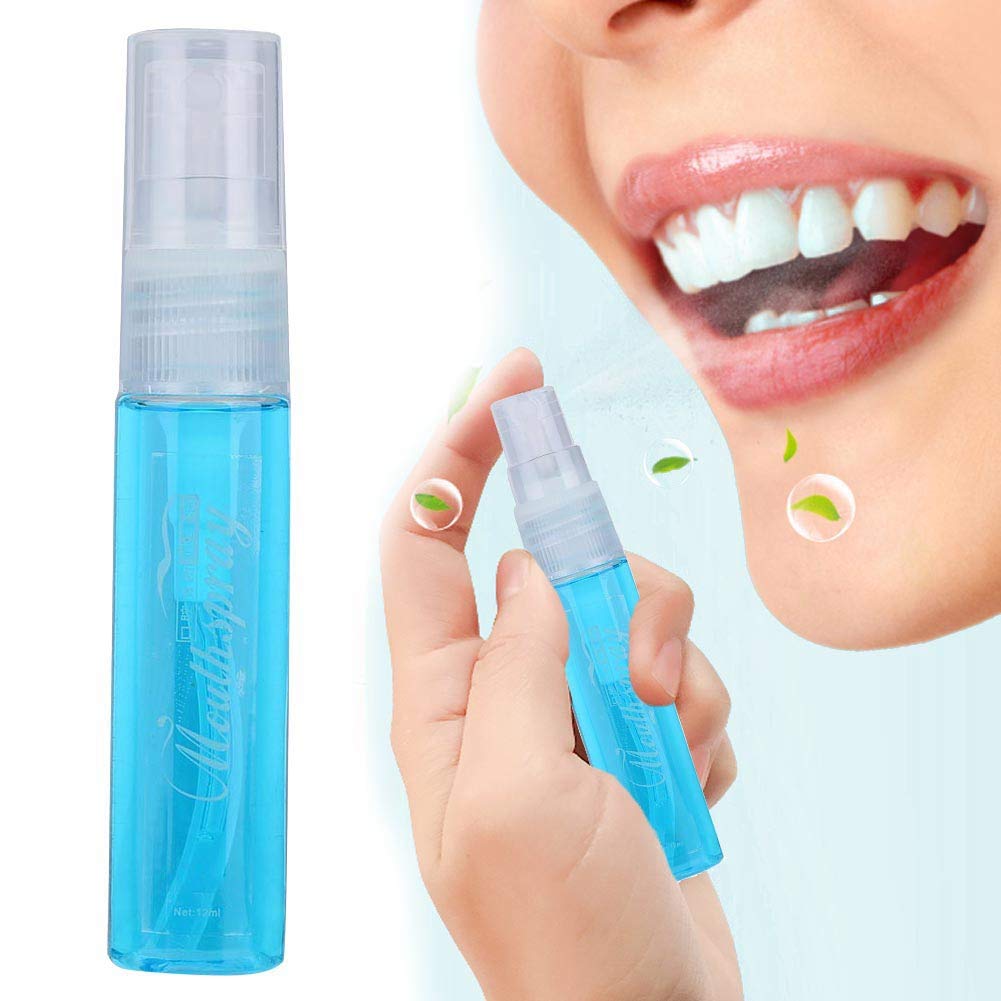
Fig. 1.1 Oral Spray
History of Herbal Antibacterial Mouth Spray
The idea of mouth spray has existed for millennia, with historical records indicating that early civilizations utilized different natural substances for oral care. The emergence of modern dentistry in the 19th century introduced chemical-based mouth sprays, with the initial commercial product using alcohol and synthetic antiseptics to eliminate bacteria. Nonetheless, with the rise of awareness regarding natural and holistic health in the late 20th century, interest in herbal alternatives experienced a revival. Studies started to investigate the effectiveness of plant-based components, resulting in the development of an antibacterial herbal mouth spray that merged traditional wisdom with contemporary scientific techniques.
Advantages of utilizing a herbal mouthspray :
1. Antimicrobial Characteristics
Herbs like clove, neem, and tea tree oil possess natural antimicrobial properties that aid in diminishing odor-causing bacteria in the mouth.
2. Promotes Dental Well-Being
3. Non-Alcoholic Choice
In contrast to numerous commercial mouth sprays, herbal alternatives typically do not contain alcohol, which means they:
4. No Aggressive Chemicals
They generally steer clear of artificial flavors, synthetic preservatives, and harsh chemicals.
5. Easy to Use & Travel-Compatible
Herbs Used as Mouth Spray
1) Menthe poivrée (Mentha piperita)
Menthol
Menthone
Rosmarinic acid
Flavonoids
Immediate fresh breath – Menthol delivers a chilling, invigorating feeling.
Antibacterial effect – Aids in decreasing bacteria that cause bad breath in the mouth.
Calms gums – Gentle anti-inflammatory effects.
Saliva production – Aids in alleviating dry mouth.
Peppermint serves as the main flavor and revitalizing component in many mouth sprays. It provides instant cooling and effectively conceals unpleasant smells.
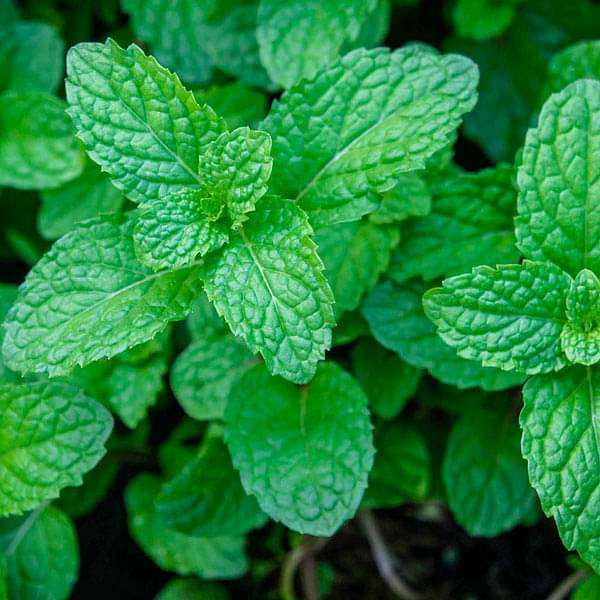
Fig No. 1.2 Peppermint
2) Sweetroot (Glycyrrhiza glabra)
Glycyrrhizic acid
Glabridin
Liquiritin
Flavonoids
Powerful antibacterial attributes – Particularly efficient against bacteria that lead to cavities, such as Streptococcus mutans.
Stops the development of plaque.
Lowers gum swelling
Gentle natural sweetness – Enhances flavor without the need for sugar.
Licorice promotes sustained oral health by inhibiting bacterial proliferation and offering protection against cavities and gum disease.
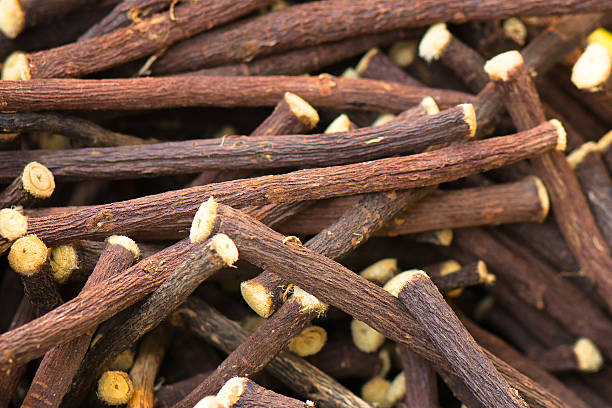
Fig No. 1.3 Licorice
3) Cardamom (Elettaria cardamomum)
Cineole (Eucalyptol)
Terpinyl acetate
Limonene
Flavonoids
Natural breath refresher – Customarily masticated following meals.A Review on Formulation and Evolution of Herbal Mouth Spray
Antimicrobial characteristics
Promotes the secretion of saliva
Delightful spicy-sweet fragrance
Cardamom improves flavor depth and increases antibacterial effects, resulting in fresher breath for an extended period.
The Interplay of These Three
Herb Primary Function Extra Advantage
Peppermint Provides immediate freshness & cooling Eliminates odor-causing bacteria
Licorice Extended antibacterial defense Stops tooth decay
Cardamom Natural scent & saliva enhancement Improves antimicrobial properties
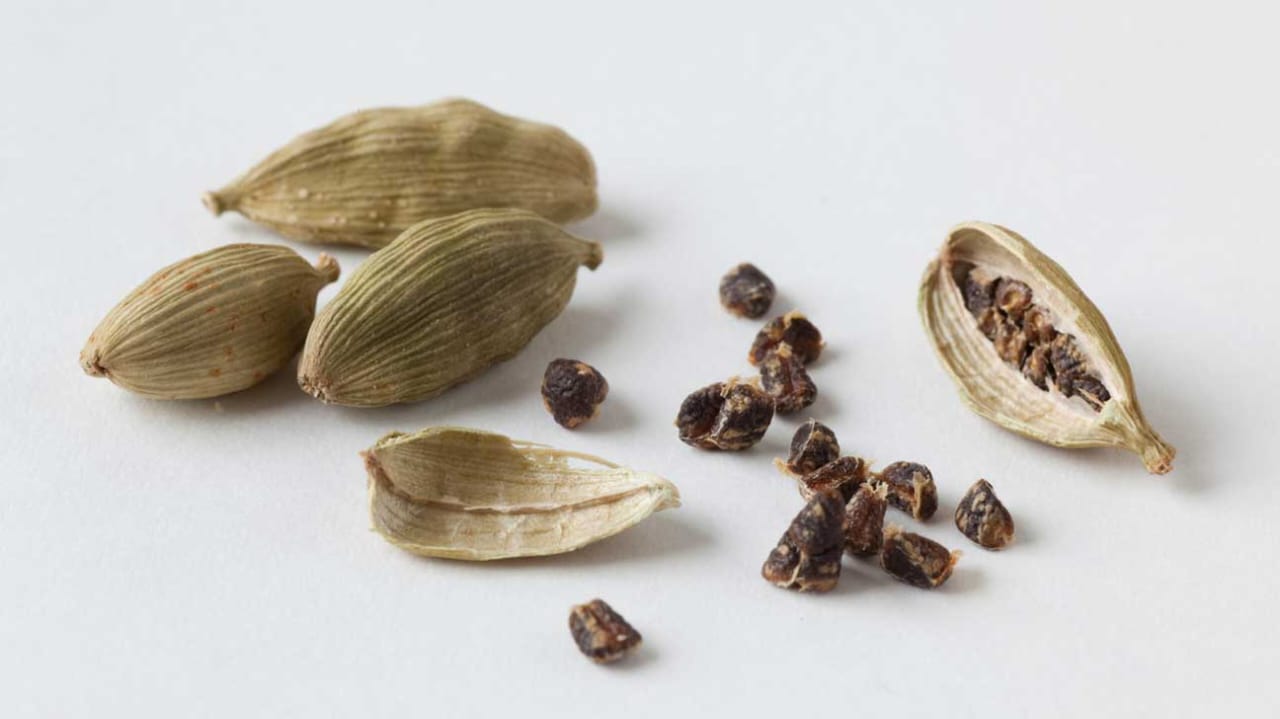
Fig No. 1.4 Cardamom
Ingredient with Quantity
|
No. |
Ingredient |
Quantity |
|
1 |
Peppermint |
0.5 ml |
|
2 |
Licorice |
1 ml |
|
3 |
cardamom |
0.5 ml |
|
4 |
Purified water |
q.s. |
|
5 |
Honey |
5 ml |
Procedure
Fase 1: Determine the quantities of peppermint oil and cardamom oil.
Mix the specified essential oils with the measured ethanol.
Gradually incorporate Polysorbate 20.
Mix until a transparent solution is achieved.
Fase 2: Preparation of the Aqueous Phase
Combine licorice extract with approximately 40–50 mL of purified water.
Incorporate glycerin and blend thoroughly until consistent.
Fase 3: Mezcla
Gradually incorporate the oil phase into the water phase while stirring continuously.
Blend well to guarantee even distribution.
Incorporate the leftover purified water to reach the total volume (100 mL).
Fase 4: Filtering
Use muslin cloth or Whatman filter paper to strain the solution and eliminate any undissolved particles.
Fase 5: Rellenado y Envasado
Pour the clear solution into sterile spray containers.
Label correctly (batch number, date, contents)
Evaluation
a) Measurement of pH
Determined with a digital pH meter
Optimal pH: 5.5–7.0 (similar to oral cavity pH)
b) Thickness
Assessed with a viscometer
Guarantees suitable spray distribution and adherence in the mouth.
c) Nozzle Pattern & Nozzle Angle
Establishes equal distribution
Verified by applying onto a paper surface
d) Size of Particles (for suspension-based formulations)
Determined through microscopy or particle size analysis.
Phytochemical Assessment
Initial phytochemical assessment for:
Determination of active compounds (e.g., eugenol from Syzygium aromaticum)
4. Microbial Assessment
a) Antimicrobial Effectiveness
Evaluated against oral bacteria like:
Approaches:
Agar well diffusion
Method of disc diffusion
Inhibition zone measured in mm
b) Overall Microbial Count
CONCLUSION
Herbal mouth spray offers a natural and efficient approach to preserving oral cleanliness and fresh breath. Made with plant-derived components like essential oils and herbal extracts, it aids in minimizing bad breath, managing bacteria, and enhancing overall oral health without the use of harsh chemicals. Besides instantly refreshing breath, herbal mouth sprays may offer antibacterial, anti-inflammatory, and calming benefits, promoting healthy teeth and gums. Their small and handy packaging allows for easy use at any time and in any place. In general, herbal mouth spray serves as a safe, environmentally-friendly, and advantageous substitute for traditional chemical-based breath fresheners, rendering it an appropriate option for those wanting a more natural method of oral hygiene
REFERENCES

Khushboo Yadav, Abhay Kaushal, Uttam Shriwas, Shweta Ram, Suchita Wamankar, Dr. Gyanesh Kumar Sahu, Herbal Mouth Spray for Oral Health: A Review of Natural Ingredients and Their Pharmacological Benefits, Int. J. of Pharm. Sci., 2026, Vol 4, Issue 3, 1966-1972. https://doi.org/10.5281/zenodo.19081359
 10.5281/zenodo.19081359