
Department Of Pharmaceutics, St. Joseph’s College of Pharmacy, Cherthala, Alappuzha,688524.
Burn wounds remain a significant clinical challenge worldwide due to their high incidence, complexity in healing, and risk of life-threatening complications such as infection, dehydration, and multi-organ dysfunction. Conventional dressings often fail to provide an optimal moist environment, infection control, and pain relief, thereby necessitating advanced wound care strategies. Hydrogels, three-dimensional hydrophilic polymer networks with high water content, have emerged as promising materials for burn management. Their unique properties, including biocompatibility, non-toxicity, tunable porosity, and flexibility, allow them to closely mimic natural tissue, promote autolytic debridement, and accelerate re-epithelialization. Furthermore, hydrogels provide cooling effects, reduce pain, and minimize trauma during dressing changes, making them superior to traditional dressings. In addition to wound coverage, hydrogels are versatile platforms for drug delivery, capable of encapsulating and releasing antibiotics, growth factors, nanoparticles, and bioactive compounds in a controlled manner. Advances in hydrogel technology have led to the development of smart hydrogels integrated with sensors that can monitor pH, temperature, bacterial activity, and oxygen levels, enabling real-time wound assessment and personalized therapy. Commercially available hydrogel dressings such as Burnshield, PluroGel, and Intrasite are already widely used in clinical practice. However, future research is directed toward designing multifunctional, biodegradable, and cost-effective hydrogel systems using natural polymers and nanotechnology, as well as incorporating tissue engineering and 3D bioprinting approaches for complete skin regeneration. Overall, hydrogels represent a transformative advancement in burn wound management, offering a synergistic approach to wound healing, infection prevention, and targeted drug delivery.
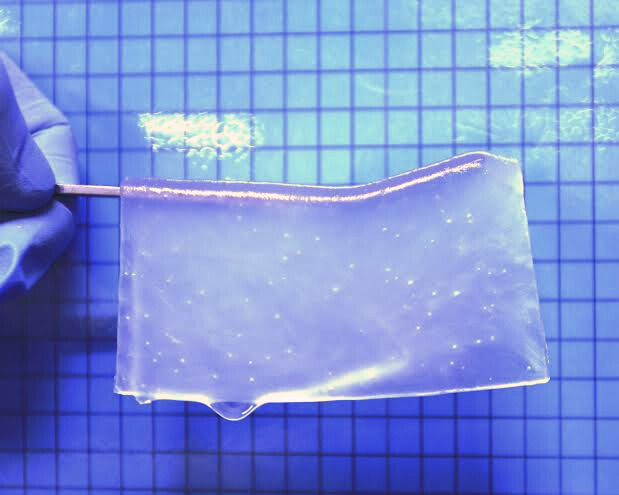
The skin acts as a barrier against pathogens, protects internal organs from environmental harm, regulates evaporation, and body temperature. A burn wound is defined as a harm to the skin's and subcutaneous tissues' integrity brought on by heat, extreme cold, electricity, chemicals. Metabolic and molecular abnormalities brought on by this may result in tissue necrosis and eschar development1. According to the World Health Organization, burn injuries are among the most serious injuries and cause over 180,000 fatalities globally each year, making them a serious public health concern. Of the three types of burns, third-degree burns, sometimes referred to as full-thickness burns, will destroy the skin's whole thickness, causing instantaneous matrix degradation and cell death2. The most frequent side effects include dehydration, wound infections, loss of vital skin tissue functions,sepsis, and other systemic multiorgan failure. Third-degree burns, also known as full thickness burns, pierce all layers of the skin and even reach the subcutaneous tissues, which house nerves3. An improper repair procedure could cause serious harm, such as the start of an infection or skin loss, which could then affect the surrounding tissues and possibly the entire body2. Depending on how severe the burn is, some of the organ's fundamental functions may be compromised or even lost after skin tissue is damaged. The impaired properties of the skin include hormonal fluctuations, acid-base disturbances, hemodynamic and hematologic abnormalities, and cellular dysfunctions3. During the first fifteen minutes of a thermal burn, heat energy builds up in the skin and can disseminate or move to deeper layers by a variety of mechanisms, such as convection, penetration, or evaporation. Cooling the skin by lowering its temperature lessens the severity of the damage, shields the basal membranes, and lessens scarring1. Hydrogels are three-dimensional, hydrophilic polymeric networks capable of absorbing large amounts of water and biological fluids. Due to the high water content, These synthetic biomaterials closely resemble live tissue due to their porosity and soft consistency, surpassing other types4. Hydrogels have both elastic and diffusive properties, making them useful in biomedical research. They can respond reversibly to external stimuli including temperature, pressure, and pH.These properties make them adaptable for biomedical applications. They can be made non-irritating, non-reactive to skin tissues, and selectively permeable, thus are ideal materials for creating wound dressings3. Hydrogels consist of at least two components: one is a hydrophilic polymer that is insoluble in water due to its spatial network, and the other is water. Hydrogels have a significant role in burn management as first aid dressings. They cool the burn wound, decrease pain, and prevent contamination and subsequent injuries1. Hydrogels are created by combining two polymers, resulting in superior wound dressing properties over pure polymers and have the ability to combine wet wound healing and sufficient healing properties. Developing a wound covering material to avoid infection is a long-standing necessity. Natural polymers, including alginate, chitosan, collagen, dextran, hyaluronan, xanthan, konjac, and gelatin, have been used by researchers to create hydrogels2. Hydrogel dressings offer autolytic debridement without damaging granulation or epithelial cells, which is a significant advantage. Hydrogels provide cooling and relaxing effects on the skin, making them effective for burns and severe wounds5. Hydrogels' water content helps regulate wound temperature and aids in cooling. These sheet is suitable for big surfaces without risk of hypothermia1. Hydrogel dressings can help degrade necrotic tissue and prevent bacterial development in debris, unlike conventional dressings. Hydrogels can be made in various shapes and forms, including sheets and gels, to meet specific requirements3. An ideal dressing should maintain high humidity levels at the wound site while removing excess exudates. It should also be non-toxic, non-allergenic, comfortable, cost effective, allow for oxygen and water vapour exchange, and guard against microbial invasion. Hydrogels are one type of modern wound dressing that can deliver therapeutic substances to the wound site2. The composition, cross-link density, and mesh size of hydrogels impact in vivo behaviour, including cell integration and tissue remodelling, as well as mechanical stiffness and degradation rate. Hydrogels can be destroyed on-demand by several methods, including hydrolytic and enzymatic and have high concentrations of water, making them useful in emergency situations where clean flowing water is unavailable. They can reduce wound temperature and minimise burn damage. The hydrophilic hydrogel surface effectively adheres to the wound. The hydrogel's soft attachment to the wound bed minimises disturbances to growing cells and reduces discomfort during dressing changes3. Hydrogels offer patients greater comfort and pain relief than standard bandages, pads, or gauzes. Hydrogels are a viable biomaterial for creating next-generation skin substitutes due to their programmable and 'printed' tissue-mimicking capabilities.6
1.1 Types of hydrogels
Hydrogel dressing can be classified as natural ,synthetic,inert,or active according to the polymer utilized. Natural hydrogels are made from chitosan,cellulose,alginate,dextran,or hyaluronic acid.Hydrogels can be made from polymer chains such as polyacrylamide, polyethylene oxide, or polyvinylpyrrolidone1.
1.11According to polymeric composition
Homopolymeric hydrogels: Homopolymeric hydrogels are polymer networks made from a single monomer species. They are a basic structural unit that can include any polymer network. Homopolymers can have cross-linked skeletal structures, depending on the monomer and polymerisation process4.
Copolymeric hydrogels: Copolymeric hydrogels consist of two or more monomer species and at least one hydrophilic component organised in a random, block, or alternating pattern along the polymer network7.
1.12 According to source
Natural hydrogel: Natural hydrogels are biodegradable, biocompatible, and have excellent cell adhesion qualities. Natural hydrogels are made from two types of polymers: collagen, gelatin, and lysozyme, Polysaccharides include hyaluronic acid, alginate, and chitosan.
Synthetic hydrogel: Engineered hydrogels offer greater versatility in terms of mechanical and chemical properties, making them more valuable than natural hydrogels. Polyethylene glycol-based hydrogels are commonly employed in biomedical applications due to their low toxicity, compatibility, and low immunogenicity. Hybrid hydrogel: They are composed of both natural and synthetic polymer hydrogels.
Natural biopolymers like dextran, collagen, and chitosan have been mixed with synthetic polymers like poly (N-isopropylacrylamide) and polyvinyl alcohol to create hydrogels that combine the benefits of both8.
1.13 According to configuration
Hydrogels are classified by their physical structure and chemical content, as demonstrated below.
1.14 According to crosslinking
Hydrogels are classified into two types based on their chemical or physical cross-linking properties.
1.15 According to physical appearance
The appearance of hydrogels as a matrix, film, or microsphere is determined by the polymerisation procedure used during preparation8.
1.16 According to charge
Hydrogels are categorised into four types based on the presence or absence of electrical charge on crosslinked chains:
2.Technologies Used in Hydrogel Preparation
Hydrogels are three-dimensional networks of hydrophilic polymers capable of retaining large amounts of water. They can be synthesized from either synthetic or natural polymers. Synthetic polymers offer higher mechanical strength and durability but degrade more slowly, while natural polymers are more biocompatible and may require functionalization for effective cross-linking. Hydrogels are typically formed through cross-linking processes, with free-radical polymerization being a common method. This involves reacting hydrophilic monomers with multifunctional cross-linkers. The choice of materials and cross-linking technique depends on the intended application, requiring a careful balance of properties such as strength, biodegradability, and flexibility7.
2.1 Bulk Polymerization
Bulk polymerization is a commonly used method for hydrogel synthesis, involving the polymerization of one or more vinyl monomers with a small amount of cross-linking agent. The process typically uses radiation, ultraviolet light, or chemical initiators, selected based on the monomers and solvents involved. This method requires only monomers and initiators soluble in the monomer phase, making it relatively simple. As the reaction progresses, viscosity increases and heat is generated, so careful control is necessary to avoid unwanted effects. The resulting hydrogels can take various forms, including films, membranes, rods, particles, and emulsions. The final product is usually a transparent, glassy polymer matrix that becomes soft and flexible when hydrated4.
2.2 Solution Polymerization/Cross-Linking
In solution polymerization, ionic or neutral monomers are combined with multifunctional cross-linking agents in the presence of a solvent. Polymerization is initiated using heat, UV light, or a redox system. One key advantage of this method over bulk polymerization is that the solvent acts as a heat sink, helping to control the reaction temperature. After polymerization, the hydrogel must be thoroughly washed—typically with distilled water—to remove residual monomers, cross-linkers, initiators, and other impurities. If the water content during the reaction exceeds the hydrogel’s equilibrium swelling capacity, phase separation can occur, leading to the formation of a heterogeneous structure.
Common solvents used in this method include water, ethanol, water–ethanol mixtures, and benzyl alcohol. Following synthesis, the solvent is typically removed by swelling the hydrogel in water7.
2.3 Free radical polymerization
The primary monomers used in this hydrogel synthesis method include acrylates, vinyl lactams, and amides. These compounds either possess inherent functional groups or are chemically modified to include groups that support radical polymerization. The process follows the standard mechanism of free-radical polymerization, involving initiation, propagation, chain transfer, and termination. Various initiators such as thermal, UV, visible light, or redox systems—can be employed to generate radicals, which then activate the monomers and initiate polymer chain formation.
2.4 Suspension Polymerization
Suspension polymerization is commonly used to produce spherical hydrogel microparticles ranging in size from approximately 1 µm to 1 mm. In this technique, the monomer solution is dispersed into a non-solvent to form fine droplets, which are stabilized using appropriate stabilizers. Polymerization is initiated through the thermal decomposition of a free-radical initiator. After polymerization, the resulting microparticles are thoroughly washed to remove any unreacted monomers, cross-linking agents, and residual initiator8.
3.Significant characteristics of hydrogel
3.1 Physical and Chemical Properties
Despite significant progress in the field, our fundamental understanding of gel properties still falls short when it comes to effectively designing new gel systems. To create these advanced gels, it’s crucial to understand how solute molecules behave within the gel—specifically, how they distribute themselves between the gel itself and the liquid around it. This distribution, or partitioning, mainly depends on two key factors: the size of the molecules, which can cause them to be physically excluded, and the interactions between the molecules and the gel, such as attraction or repulsion.
3.2 Swelling
Hydrogels are networks of cross-linked polymers that absorb large amounts of water, swelling significantly. The water inside acts as a selective filter, allowing some molecules to pass while the polymer holds the structure together. Water in hydrogels exists mainly in two forms: bound water, which tightly interacts with polar and hydrophobic parts of the polymer, and free water, which fills spaces between polymer chains and pores. Swelling continues until balanced by the network’s elastic forces. Over time, if the polymer breaks down, the hydrogel can degrade and dissolve. Researchers study the proportions of bound and free water to better understand hydrogel behavior4.
3.3 Mechanical Properties
The stiffness of gels depends on factors like crosslinking and temperature more crosslinking makes gels stiffer, while heating can soften them. Different materials show varying stiffness changes; for example, gelatin becomes stiffer with crosslinking, while regenerated silk fibroin softens. These properties are measured using tools like DMA or rheometers. In hydrogels, stiffness arises from both the polymer network and the water content. The required stiffness varies by application, such as needing a firmer material for bone cell growth than for fat cells, which is also important in designing prosthetic devices.
3.4 Porosity and Permeation
Pores in hydrogels can form during their creation through phase separation or exist as smaller pores within the polymer network. Important characteristics like the average size of these pores, their distribution, and how they connect are crucial but often hard to measure directly. These features are usually combined into a factor known as tortuosity, which affects how substances move through the hydrogel. The effective path length for diffusion through a hydrogel film is calculated by multiplying the film’s thickness by the ratio of pore volume to tortuosity. These properties are mainly influenced by the hydrogel’s chemical makeup and how densely the polymer chains are crosslinked4.
4.Technical Characteristics of Hydrogels
An ideal hydrogel material should have the following key features:
5. Drug Release Mechanisms
5.1Diffusion-Controlled Release
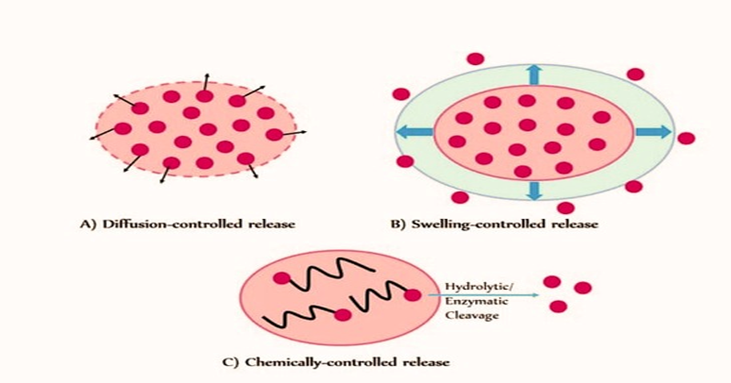
The most prevalent mechanism for drug release from hydrogels is diffusion-based. This process is often described using Fick’s law of diffusion, which can involve either fixed or variable diffusion coefficients. Drug diffusion rates are typically measured experimentally or estimated in advance using theories based on free volume, hydrodynamics, or physical obstructions.
5.2 Chemically-Controlled Release
In chemically-regulated release, the drug's release is governed by chemical reactions occurring within the delivery system. Common mechanisms in hydrogels include the breakdown of polymer chains through hydrolysis or enzymatic action, as well as reversible or irreversible interactions between the drug and the polymer network. Depending on conditions, drug release may be influenced by either surface or internal (bulk) degradation of the hydrogel. Additionally, if the hydrogel contains components that bind the drug, the drug release rate can also be determined by the equilibrium of these binding interactions.
5.3 Swelling-Controlled Release
In swelling-controlled drug delivery, the rate of drug diffusion surpasses the rate at which the hydrogel swells. This type of release mechanism is typically modeled using moving boundary conditions, focusing on the interface between the swollen (rubbery) and unswollen (glassy) regions of the hydrogel. Although diffusion is the most frequently observed release mechanism in hydrogels, swelling can play a dominant role under certain conditions8.
6.HYDROGEL DRESSING
Several research efforts have highlighted the development of new wound dressings designed for emergency care before hospital admission, responding to a significant market demand. In recent years, the use of alternative cooling and dressing solutions for burn injuries in pre-hospital care has grown rapidly. For example, in the United Kingdom, 39% of emergency medical services utilize burn dressings as initial cooling treatments.
Additionally, approximately 80% of fire departments in the UK employ hydrogel-based dressings for cooling purposes. An Australian study reported that 13% of pediatric burn cases received first-aid treatment involving such dressings. In a cohort of 455 individuals, Hyland and colleagues observed that over half of the patients were treated with hydrogel products by non-medical first responders. In pre-hospital settings, severe burns pose a serious risk due to the loss of skin coverage, which can lead to dehydration and infection. As a result, there is a critical need for hydrogel dressings to protect burn wounds, reduce fluid loss, and lower the risk of bacterial contamination9. Various types of wound dressings are available for managing second- and third-degree burns. Among hydrogel-based options, patches represent the most conventional form. However, opaque creams are also commonly applied over gauze to treat wounds with eschar, heavy exudate, active epithelialization, or infection3. Maintaining moisture in wounds supports healing but also increases the risk of infection. Microbial colonization can lead to serious complications, including chronic wounds and delayed healing. To prevent this, antimicrobial agents like antibiotics, silver, zinc, and copper are used. However, antibiotic misuse has led to resistant strains of bacteria and fungi. As a result, antimicrobial-infused hydrogels have emerged as a promising solution to reduce infections and promote faster wound healing2. In some burn patients particularly the elderly surgery may not be feasible due to underlying health issues, even for full-thickness burns. Conservative treatment becomes the alternative, but delayed debridement increases infection risk. Older adults are especially vulnerable due to thinner skin, slower response, limited mobility, and sensory impairments. Products like Hydrosorb offer an effective non-surgical option by promoting autolytic debridement and allowing for easier wound care, especially in hard-to-dress areas10. Incorporating nanoparticles into hydrogel structures is an effective strategy for introducing hydrophobic domains within the material. These nanoparticles can either be physically embedded into the hydrogel matrix or chemically bonded to it. In the latter case, the nanoparticles are often engineered with polymerizable surface groups that allow them to copolymerize with hydrophilic monomers during hydrogel formation. Moreover, when these particles are multifunctionalized, they can also serve as crosslinking agents, enhancing the structural integrity of the hydrogel. This method helps to minimize the diffusion or loss of nanoparticles during the swelling process, ensuring better stability and performance of the material11. Hydrogel-based wound dressings are widely used today to protect and seal injury sites. Beyond serving as a physical barrier, many have been engineered to deliver therapeutic agents such as drugs or bioactive compounds in a controlled manner, helping to prevent infection and support the healing process. However, conventional hydrogel dressings lack the ability to provide real-time information about the wound’s healing status, such as bacterial load, oxygen levels, inflammation, temperature, or pH. These limitations have led to the development of sensor-integrated wound dressings, which are capable of monitoring the wound environment. Such advanced dressings offer several benefits, including enhanced treatment precision, shorter hospital stays, reduced healthcare costs, and fewer dressing changes12.
6.1Commercially available hydrogel-based dressing
|
Brand name |
Burn classification |
|
Solarcaine |
Sunburn and minor burns |
|
Dermoplast pain relieving spray |
Sunburn and minor burns |
|
Biolex wound cleanser |
First and second degrees of burns |
|
Dermal wound cleanser |
Minor scald and burns |
|
Restore wound cleanser |
Minor scald and burns |
|
Burnshield hydrogel burn spray |
First and third degrees of burns |
|
Gentell hydrogel |
First and third degrees of burns |
|
WaterJel burn gel |
Minor scald and burns |
|
PluroGel |
Third and fourth degrees of burns |
|
Restore hydrogel |
Minor scald and burns |
|
DermaPlex |
First and second degrees of burns |
|
Flexderm |
First and seconds degrees of burns |
|
Curasol |
First and second degrees of burns |
|
TegaDerm |
First and second degrees of burns |
|
Elasto-gel |
First and second degrees of burns |
|
FlexiGel |
First and second degrees of burns |
|
Intrasite |
Minor burns |
|
Aspercreme lidocaine dry spray |
Sunburn and minor burns |
|
Carrasyn hydrogel spray gel wound dressing |
First and second degrees of burns |
|
Equate burn relief spray |
First and second degrees of burns |
|
GRX wound gel |
First and second degrees of burns |
|
Curafil |
First and third degrees of burns |
|
Carrasyn |
First and second degrees of burns |
|
DermaSyn |
First and second degrees of burns |
|
Transigel |
First and second degrees of burns |
|
Second skin |
First and second degrees of burns |
|
ClearSite |
First and second degrees of burns |
|
NormlGel |
First and second degrees of burns |
|
Cultinova gel |
First and second degrees of burns |
|
NuGel |
First and second degrees of burns |
|
SoloSite wound gel |
First and second degrees of burns |
|
Hypergel |
First and second degrees of burns3 |
7.Analysis and evaluation of hydrogel
7.1 pH
The pH of hydrogels is determined using a digital pH meter.
7.2 SEM
Scanning Electron Microscopy (SEM) is a technique employed to analyze the surface morphology, elemental composition, and additional characteristics of a sample, including its electrical conductivity.
7.3 FTIR
FTIR studies were carried out for hydrogel with and without drug. Hydrogen bonding has a significant influence on the peak shape and intensities, generally causing peak broadening and shifts in absorption to lower frequencies. On analyzing the graphs of hydrogel with and without drug, we determine the backbone structure of hydrogel with drug8.
7.4 Swelling measurements
7.4.1 Method A
In this method, the dried hydrogel is placed in deionized water and allowed to swell for 48 hours at room temperature using a roller mixer. After the swelling process, the hydrogel is separated using a 30-mesh stainless steel sieve (681 μm). The swelling ratio is then calculated using the following formula:
Swelling Ratio = (Ws − Wd) / Wd
Where:
7.4.2 Method B
As an alternative approach, a known quantity of dry hydrogel (0.05–0.1 g) is dispersed in 25–30 mL of water in a volumetric vial and left to swell for 48 hours at room temperature. After the swelling period, the mixture is centrifuged to separate the bound water within the hydrogel from the excess unabsorbed water. The unabsorbed water is then carefully removed, and the swelling ratio is calculated using Method A.
7.4.3 Method C
In this procedure, the dry hydrogel is soaked in deionized water for 16 hours at room temperature. After the swelling period, the hydrogel is separated using a 100-mesh stainless steel sieve. The swelling percentage is then determined using the following equation:
Swelling (%) = (C / B) × 100
Where:
7.5 X-ray diffraction
X-ray diffraction analysis is employed to assess the crystalline or amorphous nature of materials. It helps determine whether polymers maintain their crystalline structure or undergo structural changes during processing or pressurization. XRD is widely used for the morphological characterization of hydrogels due to its effectiveness in revealing structural modifications.
7.6 Rheology
The viscosity of the gel formulations is measured using a Brookfield viscometer equipped with spindle No. 7, operating at 100 rpm. The measurements are conducted at a temperature of 25°C14.
7.7 Spreadability study
The setup consists of a wooden block with a scale and two glass slides, one of which has a pan attached to a pulley system. A sample of the formulation is placed between the two glass slides, and a 100 g weight is applied on the upper slide for 5 minutes to ensure even spreading and uniform thickness. Additional weights can be added, and the time taken for the two slides to separate is recorded as the spreadability time15.
7.8 Skin irritancy test
Skin irritation studies are performed using rabbits. The test formulation is applied to two rabbits, and the treated area is covered with gauze or a bandage. After 24 hours, the formulation is removed, and the skin is examined for signs of redness (erythema) and swelling (edema). The average irritation score is calculated by adding the erythema and edema scores and dividing by the time interval16.
8.Applications
8.1Wound healing
Hydrogels possess a cross-linked structure that enables them to retain both water and drugs within their matrix. This water-retaining capability allows hydrogels to absorb and maintain wound exudates effectively. Common polymers used in hydrogel formulations for wound care include polyvinyl pyrrolidone and polyacrylamide, which typically contain 70–95% water17.
8.2 Colon specific hydrogels
Hydrogels based on polysaccharides are specially designed for colon-targeted drug delivery due to the high concentration of polysaccharide-degrading enzymes present in the colon. For example, dextran-based hydrogels are developed to release drugs specifically in the colon region.
8.3 Drug delivery in GI tract
Hydrogels are used to deliver drugs to targeted sites within the gastrointestinal tract. When exposed to the gut microflora, drug-loaded colon-specific hydrogels exhibit tissue specificity. Changes in pH or enzymatic activity in the colon trigger the degradation of the hydrogel, facilitating controlled drug release18.
8.4 Rectal delivery
Hydrogels with bioadhesive properties are utilized for effective drug delivery through the rectal route19.
8.5 Transdermal drug delivery
Different hydrogel-based devices have been developed to administer drugs through the transdermal route. Hydrogel formulations are also being investigated for transdermal iontophoresis to improve the permeation of substances such as hormones and nicotine.
8.6 Drug delivery in the oral cavity
Drugs can be embedded within hydrogels to provide targeted delivery in the oral cavity. This approach is useful for the local treatment of various mouth conditions, including stomatitis, fungal infections, periodontal disease, viral infections, and oral cancers20.
8.7 Gene delivery
Modifying the composition of hydrogels allows for the targeted delivery of nucleic acids to specific cells, enhancing their effectiveness in gene therapy. Hydrogels hold significant potential for treating a wide range of genetic and acquired diseases17.
8.8 Tissue engineering
Micronized hydrogels serve as carriers to deliver macromolecules directly into the cytoplasm of antigen-presenting cells. Common natural hydrogels used in tissue engineering include agarose, methylcellulose, and other naturally derived materials21.
8.9 Ocular delivery
Hydrogels are extensively utilized in ocular drug delivery systems due to their ability to provide controlled or sustained drug release. This helps reduce the frequency of dosing, enhances drug effectiveness by localizing the medication at the target site, lowers the required dose, and ensures uniform drug distribution22.
9.Other Application
9.1 Water beads for plants
A common use of hydrogels involves coarse powders made from polyacrylamide or potassium polyacrylate matrices, marketed under various names such as Plant-Gel, Super Crystals, and Water-Gel Crystals. These products serve as long-term water reservoirs to support plant growth in gardening, household, and sometimes industrial horticulture. However, as noted by Chalker-Scott from Washington State University, these watering crystals are typically made from non-renewable materials, and their monomers, like acrylamide, can be toxic. Therefore, the potential environmental and health risks associated with their use may outweigh the benefits of water retention and controlled release—benefits that can often be achieved through alternative methods with less environmental impact.
9.2 Diapers
One practical application of hydrogels, based on their natural affinity for water, is in the production of super-absorbent diapers. These diapers remain dry to the touch even after absorbing significant amounts of fluid. Over the past two decades, hydrogel-containing diapers—primarily formulated with various types of sodium polyacrylate—have significantly reduced dermatological issues caused by prolonged exposure to moisture.
9.3 Perfume delivery
In the 1990s, there was a surge in patents focused on technologies for releasing volatile fragrances. Notably, Procter & Gamble patented methods involving the encapsulation of fragrances in cyclodextrin complexes. These innovations aimed to create devices that could slowly release scents over an extended period, replacing traditional salt-based (sodium dodecyl benzene sulphonate) tablets with more convenient and appealing household fragrance solutions. Hydrogels play a crucial role in these devices due to their swelling properties. The release of fragrance is triggered by the dynamic swelling of the polymer upon exposure to moisture, enabling volatile molecules to diffuse osmotically from the swollen hydrogel into the surrounding environment.
9.4 Cosmetics
Hydrogels can be produced with relatively low investment, enabling companies to introduce innovative cosmetic products such as "beauty masks." These masks often contain engineered collagen, or polyvinyl pyrrolidone (Pecogel). They are marketed to hydrate the skin, improve elasticity, and provide anti-aging benefits. Pecogels are also used in various cosmetic applications like sunscreens and mascaras. Additionally, some products, such as Hydro Gel Face Masks by Fruit & Passion Boutiques Inc., combine moisturizing effects with advanced drug delivery systems designed to release biomolecules like vitamins C and B3. The cosmetic industry is at the forefront of hydrogel technology, with developments such as pH-sensitive materials like P(MAA-co-EGMA), which enable controlled release of cosmetic actives such as arbutin, adenosine, and niacinamide—compounds known for their wrinkle-reducing and skin-whitening properties.
9.5 Plastic surgery
Hydrogels are considered ideal materials for use in contact with the human body due to their similarity to the extracellular matrix. This has driven efforts to develop hydrogels as materials for plastic reconstruction. For many years, Hyaluronic Acid (HA) was regarded as a versatile solution. One notable company in this field is Macrolane, which since 2008 has focused on products designed to enhance breast size and shape, providing a more biocompatible alternative to traditional silicone implants. Today, Macrolane is used for various types of soft tissue filling, excluding breast augmentation. The hydrogel is injected via syringe and gels inside the body to restore volume. Another promising application of hydrogels is as bulking agents for treating urinary incontinence, where injectable smart gels are used to tighten the urethral canal and alleviate symptoms.
9.6 Environmental application
Water pollution remains a critical problem, particularly in underdeveloped regions. Due to their water-absorbing capabilities, hydrogels offer two potential solutions for water treatment. First, hydrogels can act as carriers for purifying microorganisms. Studies have explored encapsulating microbes like Chlorella and Spirulina within various hydrogel matrices to remove chemical pollutants from water. Both synthetic and natural hydrogels have been utilized, with alginate-based hydrogels and alternatively carrageenan and agar showing the most effectiveness. A second approach involves modifying hydrogels to capture and retain pollutants within their network structures, providing an innovative method for pollutant sequestration23.
10.Current Research on Hydrogel
10.1 Hydrogel Based Capsule
Researchers have developed a new type of drug delivery system called ultra-long-acting capsules made from hydrogel materials that can remain in the stomach for up to nine days, gradually releasing medication over time. Depending on the design, these capsules could potentially last through an entire treatment course or be taken weekly or monthly, improving patient adherence.
Creating capsules that stay in the gastrointestinal tract for extended periods is challenging, as the materials must endure the significant mechanical forces in the stomach. These hydrogel capsules can be swallowed in a hydrated form and then swell upon reaching the stomach, preventing them from passing through the pylorus too quickly. However, conventional hydrogels, typically composed of a single network of crosslinked polymer chains, tend to be quite soft and lack the mechanical strength to withstand the stomach’s compressive forces8.
10.2 Melanoma therapy
In recent years, hydrogel formulations made from natural or synthetic polymers combined with therapeutic agents have attracted significant attention for treating various diseases, including melanoma. These hydrogels are primarily used as supportive delivery systems that release bioactive compounds targeting cancer cells, rather than serving as the primary treatment themselves. One common approach involves delivering anticancer drugs through transdermal routes, which helps induce the death of melanoma cells. Another promising strategy employs magnetic hydrogel composites to treat melanoma using hyperthermia therapy, where localized heating destroys cancerous tissue25.
10.3 Plant based hydrogel
Hydrogels are hydrophilic polymer networks that can be cross-linked through various techniques. In the cosmetics industry, they are commonly used in skin care products and can be derived from plant-based polysaccharides. These naturally sourced hydrogels have attracted scientific interest due to their biocompatibility, high water content, elasticity, and softness—qualities ideal for skin applications. Typically, plant-based hydrogels are made from protein chains or polysaccharides, which are long chains of sugar molecules linked together. The chemical industry is actively working to modify these polysaccharide structures to create refined materials with tailored properties26.
11.Future Prospective
Hydrogels have already demonstrated remarkable potential in the management of burn wounds due to their biocompatibility, high-water content, and ability to incorporate therapeutic agents. However, future research is expected to focus on multifunctional hydrogel systems that go beyond passive wound coverage. Sensor-integrated “smart” hydrogels capable of monitoring wound pH, temperature, bacterial colonization, and oxygen levels will play a major role in real-time wound assessment and personalized treatment. Furthermore, hydrogels incorporating nanotechnology, growth factors, stem cells, and gene therapy agents hold promise for accelerating tissue regeneration and minimizing scarring. The development of biodegradable and cost-effective hydrogel dressings from natural polymers or plant-based materials will also be important to increase accessibility in low-resource settings. With advancements in 3D bioprinting and tissue engineering, hydrogels may also evolve as scaffolds for complete skin substitutes, revolutionizing burn wound care in the future.
12.CONCLUSION
Hydrogels represent one of the most advanced wound dressing systems available today, combining moisture retention, pain reduction, infection control, and controlled drug delivery into a single platform. Their ability to mimic the extracellular matrix and support cellular functions makes them highly suitable for burn management. Compared to conventional dressings, hydrogel-based dressings provide superior healing outcomes, better patient comfort, and reduced risk of complications. Despite certain limitations, such as mechanical fragility and high production costs, ongoing research into smart, bioactive, and hybrid hydrogels is expected to overcome these challenges. Therefore, hydrogels stand as a promising next-generation material for effective burn wound management and broader biomedical applications.
REFERENCES



Milu M. R.*, Preethy Cheriyan, Akhila K. A., Hydrogels for Burn Wounds: An Advanced Approach in Wound Care and Drug Delivery, Int. J. of Pharm. Sci., 2025, Vol 3, Issue 9, 562-576 https://doi.org/10.5281/zenodo.17055156
 10.5281/zenodo.17055156
