

We use cookies to ensure our website works properly and to personalise your experience. Cookies policy
Jagdamba Education Society’s SND College of Pharmacy, Yeola, Maharashtra, India
Jackfruit seed (Artocarpus heterophyllus Lam.) is an underutilized agro-industrial by-product that has recently gained scientific attention for its rich composition of natural bioactive compounds. These seeds are a reservoir of valuable phytochemicals including flavonoids, lectins, tannins, saponins, and phenolic acids, which contribute to a wide spectrum of pharmacological properties. This review comprehensively explores the therapeutic potential of jackfruit seed bioactives, with a focus on their antioxidant, antimicrobial, anti-inflammatory, antidiabetic, and anticancer activities. Recent in vitro and in vivo studies highlight the seed’s potential as a natural source for the development of functional foods, nutraceuticals, and plant-based therapeutics. Moreover, the review addresses the mechanisms of action, safety profiles, and challenges in the formulation and commercialization of jackfruit seed-derived products. Overall, this work underscores the significance of jackfruit seed as a promising candidate for future pharmaceutical and nutraceutical applications, paving the way for its sustainable valorization in modern therapeutic strategies.
The largest fruit-bearing tree in the world belongs to the Moraceae family and is known by its scientific name, Artocarpus heterophyllus [1]. It is widespread in tropical and subtropical nations like Thailand, Sri Lanka, Malaysia, Indonesia, and Bangladesh [2]. The fruit is frequently known as the "poor man's fruit" in India, notably in the east and south [3]. Jackfruit seeds are underutilized and less well-known, but they have considerable nutritional benefits and could be used as a functional food component. India, Bangladesh, Indonesia, the Philippines, Thailand, Vietnam, and Brazil are the primary producers of jackfruit. With a production of 1.4 million tons, India ranked first in the world for jackfruit production in 2017, followed by Bangladesh, Thailand, and Indonesia (Sawe, 2018). It is believed that the rainforests of the Western Ghats are where jackfruit first originated (Julia, 2016). India was the leading producer of jackfruit in 2021–2022, with 1.8 million tons, followed by Bangladesh, Thailand, and Indonesia. (Julia, 2018. [4]) Jackfruit seeds make up about 10–15% of the total fruit weight[5] and are a component of non-leguminous plants with a high protein and carbohydrate content[6].
It is a hypoglycemic, cicatrizant, antineoplastic, anticariogenic, antifungal, antibacterial, antihypertensive, antiinflammatory, and energy-rich fruit because it is high in phytocompounds, such as Flavonoids, stillbenoids, morin, artocarpin, dihydromorin, cynomacurin, isoartocarpin, cyloartocarpin, artocarpesin, artocarpetin, artocarpanone, oxydihydroartoartocarpesin, norartocarpetin, and cycloartinone are all members of the flavonoid family [7]. Jackfruit seed also contains a variety of essential minerals, including calcium, sodium, iron, copper, zinc, manganese, magnesium, potassium, and phosphorus[8].
JACKFRUIT
Morphology of Jackfruit Seed (Artocarpus heterophyllus Lam.)[9]
Jackfruit seeds are the mature ovules found inside the multiple aggregate fruit of the jackfruit tree (Artocarpus heterophyllus), belonging to the family Moraceae. They are important not only for plant propagation but also due to their rich nutritional and phytochemical composition.
Macroscopic Characteristics:
Shape and Size:
The seeds are ovoid to ellipsoid in shape, measuring approximately 2–4 cm in length and 1.5–2.5 cm in diameter.(Saxena et al., 2013; Banerjee et al., 2020)
Surface and Texture:
The outer surface is smooth, shiny, and slippery when fresh, owing to the presence of mucilage. (Ocloo et al., 2010)
Color:
Fresh seeds are light brown to ivory, with a thin white to brown seed coat (testa). (Swami et al., 2012)
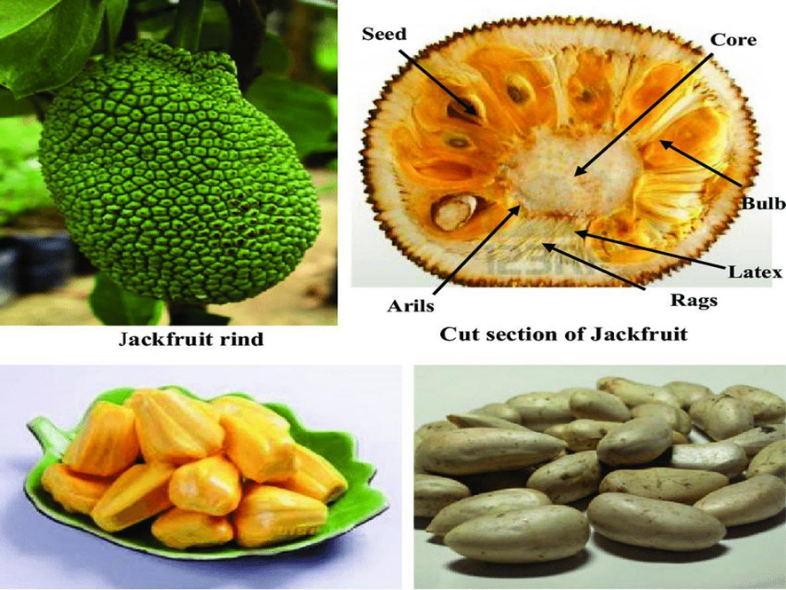
Fig 1: Jackfruit tree with the fruits of different sizes(A), the interior of a ripe jackfruit with the seed(B), pulp of jackfruit(C), and the jackfruit seed(D)
Jackfruit seed
About 10–15% of the entire fruit weight is made up of jackfruit seeds[5], which are a component of non-leguminous plants with a high protein and carbohydrate content[6]. These seeds are Light brown, spherical, measuring around 2–3 cm in length and 1–1.5 cm in width. They are covered in a thin, white membrane. Although they are edible, people have trouble digesting them [10]. Additionally, it has a high concentration of carbs (22%) and dietary fiber (3.19%), both of which are essential for a healthy digestive system [6]. Furthermore, jackfruit seeds include phytonutrients like isoflavones and saponins, which have a variety of health benefits, including anticancer, antihypertensive, antiaging, antioxidant, and antiulcer effects [11]. The seeds also include jacalin, a main protein with immunological properties [12]. Furthermore, they may serve as a valuable source of minerals, antioxidants, antimicrobials, and nutrients [13]. Jackfruit seeds are also a source of a variety of essential minerals, including magnesium, potassium, phosphorus, calcium, sodium, iron, copper, zinc, and manganese [8]. The usage of jackfruit seed starch in the pharmaceutical business is ensured. Jackfruit seed starch is used as a superdisintegrant in the production of fast-dissolving tablets (FDT). Additionally, starch has the ability to gel, thicken, and create films [14]. Because of these characteristics, they may be utilized in pharmaceutical uses as a plant-derived substance and as a functional treatment [15].
Bioactive compounds in jackfruit seed:
A substance with some biological activity is called a bioactive chemical. A living organism is directly impacted by a bioactive substance's physiological or cellular effects [14] Because they contain bioactive chemicals with significant pharmacological capabilities as anti-tumor agents with potential therapeutic benefits, jackfruit seeds have demonstrated potential as alternative treatments against malignant cells and regulate calorie intake while lowering pro-inflammatory states, oxidative stress, and metabolic diseases [16]. Various bioactive compounds such as polyphenols, tannins, flavonoids, ferulic acid, gallic acid are found in jackfruit seeds [17]. Tannins are polyphenolic substances that have anti-inflammatory, antibacterial, and antioxidant qualities. Their ability to prevent and treat a number of illnesses, including as cancer and cardiovascular conditions, has been investigated.The bioactive compounds in jackfruit seeds, such as polyphenols, flavonoids, gallic acid, and ferulic acid, are present in relatively higher concentrations compared to the other sample data.
Table: Chemical Constituents of Jackfruit Seed and Their Roles
|
Constituents |
Class/ type |
Role /biological Activity |
|
Flavonoids (e.g., quercetin, isoquercitrin) |
Polyphenolic compounds |
Antioxidant, anticancer (induces apoptosis, inhibits proliferation), anti-inflammatory, |
|
Lectins (jacalin, artocarpin) |
Immunomodulatory |
anticancer (induces cell death in tumor cells), antimicrobial |
|
Tannins |
Polyphenols |
Antioxidant, anticancer (inhibits angiogenesis), antidiabetic, antimicrobial |
|
Saponins |
Glycosides |
Anticancer (apoptosis induction, cell cycle arrest), cholesterol-lowering, antimicrobial |
|
Phenolic acids(gallic acid, ferulic acid, caffeic acid, chlorogenic acid) |
Phenolic compounds |
Strong antioxidants, anticancer, anti-inflammatory, hepatoprotective |
|
Starch & resistant starch |
Polysaccharide |
Prebiotic effect, antidiabetic (slows glucose absorption), improves gut health |
|
Proteins & essential amino acids |
Nutritional component |
Cell repair, immune function, enzymatic activity |
|
Carotenoids (β-carotene, lutein) |
Pigments |
Antioxidant, anticancer (protects DNA from oxidative damage), eye health |
|
Alkaloids |
Secondary metabolites |
Antimicrobial, anticancer potential (though less studied in jackfruit seed) |
|
Fatty acids (linoleic acid, oleic acid) |
Lipids |
Cardioprotective, anti-inflammatory, anticancer role via membrane modulation |
Nutritional Composition of Jackfruit Seed:
The nutritional makeup of the jackfruit seed is illustrated in We measured the amounts of carbohydrates, proteins, fats, crude fibre, ash, and moisture in 100 grammes of dry material samples. Raw jackfruit seeds are a great addition to the diet because they are high in both protein and carbohydrates. Jackfruit seeds have the highest carbs, water, and crude protein, which makes them a possible source of protein-rich meals.[18]Out of the various studies carbohydrate content values was reported high as 78.65 % [19].
Additionally, the jackfruit's rind possesses antioxidant properties. Compared to extracts from the fruit's skin or spine, jackfruit rind extracts have higher levels of polyphenols and flavonoids. Additionally, its skin was shown to contain more polyphenols than the peels of orange, pomegranate, and pineapple fruit. Cysteine, arginine, leucine, histidine, lysine, threonine, methionine, and tryptophan are among the amino acids found in jackfruit (Khan et al., 2021; Haleel et al., 2018).[20,21]. A study found that the fibre concentrations of ripe and immature jackfruits were 2.6% and 0.8%, respectively. The importance that nutrition plays in the prevention and treatment of many illnesses has acquired general acknowledgement, and consumers, researchers, and the food industry have all recently shown an increased interest in how food items might help sustain health. (Martos, Vinuda, and others, 2010) [22]. A greater degree of protein availability is indicated by the range of protein levels. Because of their relatively low fat content, which helps people avoid gaining weight, the seeds are excellent for low-fat dietary formulations.
Minerals
Significant minerals found in jackfruit seeds include magnesium, potassium, phosphorus, calcium, sodium, iron, copper, zinc, and manganese (Hajj et al. 2022). Nonetheless, the literature consistently mentions the mineral makeup differs among Jackfruit species.[11]
Lectins
The seeds of jackfruit have two lectins: jacalin and artocarpin (Shedge et al. 2022)[8]. Lectins are a class of natural proteins with potent antibacterial activity because they adhere to on microbial surfaces, carbohydrates (Breitenbach et al. 2018)[23]. Jacalin, a dietary lectin, has been utilized by (Kumar et al. 2022) to prevent the spread of They mixed Jacalin with Taxol, a known anti-cancer medicine, to see if they could have a greater effect on a triple-negative breast cancer line[24].
Carbohydrates
According to various chemical and histological studies, the jackfruit perianth and seed have a high starch content, and the dietary fibre and flesh content vary with maturity [25.26]. Chrips et al. reported that the carbohydrate percentage of different jackfruit seeds varies from 37.4-42.5 4.[27].
Proteins
The Jackfruit contains the amino acids cysteine, arginine, leucine, histidine, lysine, threonine, methionine, and tryptophan [20,21]. The protein content of ripe jackfruit is 1.9 grammes per 100 grammes of flesh, whereas the protein content of seeds ranges from 5.3 to 6.8%. Goswami et al. claim that the protein content of the flesh of various ripe jackfruit types varies between 0.57 and 0.97 percent [28 ,29].
Fibre
Jackfruit's fibre content is constant throughout its ripening phases, ranging from 0.33 to 0.4% [18]. A study found that the fibre content of ripe and immature jackfruit is 0.8 and 2.6 percent, respectively [30].
Phytochemicals
The Numerous phytochemicals found in jackfruit rely on a range of flavonoids, carotenoids, volatile acids, sterols, and tannins[ 31-32]. Jackfruit has a total phenolic concentration of 0.36 mg GAE/g DW, as reported by Wongsa and Zamaluddien [25]. Carotenoids are naturally occurring pigments that give plants, animals, algae, and microorganisms their yellow-radish hue. Along with their colouring properties, they also have provitamin A activity. Numerous chronic degenerative conditions, such as cancer, infection, heart disease, cataracts, and age-related macular degeneration, are known to benefit from their use [33-34].
HEALTH BENEFITS OF JACKFRUIT SEEDS
As shown in Figure 2, the phytonutrients found in seeds, such as lignans, saponins, and isoflavones, have positive effects on human health[35]. The jackfruit's high fibre content (3.6 g/100 g) facilitates smooth bowel motions and enhances the digestive system. By eliminating carcinogenic substances from the large intestine, it also protects the colon mucous membrane [36].. Up to a certain point, the addition of jackfruit seed flour to deep-fried foods reduces the absorption of fat [37].
Traditional medicines from Artocarpus species include anti-bacterial, anti-diabetic, anti-inflammatory, and anti-helminthic properties [21] The seeds contain lectins such as jacalin and artocarpin, which can be used to assess the immune status of patients infected with the human immunodeficiency virus .[30]
Anti-inflammatory and Antiviral Activity
Jackfruit seeds contain significant biological properties, including cytotoxicity and anti-inflammatory effects. At a concentration of 30 μg mL−1 of the extract, jackfruit seed triterpenes and sterols may suppress the inflammatory response generated in RAW 264.7 cells [38]. On the other hand, flavonoids are substances with immunomodulatory properties. Their compounds have the ability to boost the regulation of T cell production and inhibit a variety of transcriptional factors that can alter immune cell differentiation, proliferation, and activation [39,40]. Citrus flavonoids and their phytochemical derivatives may be used to treat 2019-CoV infection due to their possible antiviral and anti-inflammatory properties[41]. Jackfruit seeds contain secondary metabolites called jacalin, which have anti-inflammatory and anti-angiogenic activity [42].
Antioxidant Activity:
The slimy coating of jackfruit seeds is a rich source of pectin, which has been shown to have good antioxidant qualities and a high phenolic content [43]. Food products with additional value can be made from its seed flour [44]. More effective than vitamin C, jackfruit axis extract has the highest antioxidant potential and can guard against alcohol-induced cytotoxicity [45]. Through its phytonutrients, such as carotenoids, jackfruit demonstrates antioxidative action and protects tissues from oxidative damageris [,25].[46] The high-density lipoprotein ratio is one of the markers of coronary heart disease risk [47].. However, atherosclerosis, which is marked by a series of inflammatory events and free radical-induced tissue damage, protein oxidation, DNA damage, and proinflammatory reactions, is exacerbated by LDL oxidation [48].
Anti-cancer Activity:
Recent research has shown the anticancer properties of every phytonutrient in jackfruit bulbs. The benefits of these nutrients include: The main purpose is to ward off harmful free radicals, which has been associated with the onset of cancer and several other illnesses. various other severe illnesses. The phytonutrients block the production of cancer cells from their very beginning. Furthermore, saponins, which are potent anticancer substances. According to one research, saponins are effective against cancer. colon cancer could be prevented by saponins. When it comes to These leukemia cells have been found to exhibit these characteristics: Phytonutrients cause mitotic arrest. Additionally, the research found out that it sometimes helped in causing remission. Oktavia et al. (2017) [42]. state that saponins Have been seen interacting with the outer layer of cancer cells. Two important classes of isoflavones and lignans are: jackfruit pulp contains phytoestrogens (Swami et al., 2012).[49]
Anti-bacterial and Anti-fungal Activity:
The ability of jackfruit extract to act as antimicrobials that lessen antagonistic effects and are used to treat in traditional medicine food borne illnesses. Furthermore, jackfruit nanoparticles were discovered to be effective against Bacillus species. Escherichia coli and megaterium bacteria, as well as Jackfruit tree leaves had an antimicrobial effect on. CDC, ATCC 25922, and E. coli EPEC are all examples of Escherichia coli. and the Salmonella enteric bacteria [50,51], 086H35.The study found that it had antioxidant and antibacterial properties. meat that has been treated with an extract from jackfruit seeds as the TBA Jackfruit extract has less potential for use.[52] Handling the Shelf Life of Meat. Jackfruit has beenutilized in folk medicine. Artocarpanone from the heartwood of jackfruit had an antibacterial effect. The presence of diarrheal pathogenic microorganisms in The minimum inhibitory concentration (MIC) and minimum bactericidal concentration (MBC) values for Escherichia coli is Vibrio cholera (moderate) and 3.9 and 7.8 g/mL) were determined by modifying membrane cells [53]. Nevertheless, jackfruit is also Jackfruit contains jackin, which has antifungal effects. which has the potential to suppress the development of Saccharomyces the fungus Fusarium moniliforme and Saccharomyces cerevisiae. Additionally, it displays hemagglutination activity against rabbit and[54] human red blood cells.
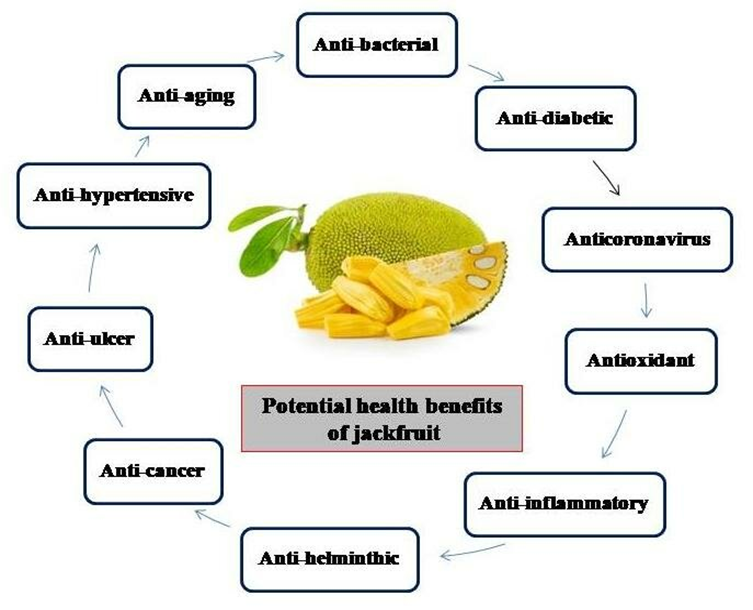
Fig. 2. Summary of the potential health benefits of jackfruit (Artocarpus heterophyllus)
Anti diabetics:
Hyperglycemia is a metabolic disorder brought on by: abnormalities in the way insulin acts, is produced, or both, Diabetes mellitus is described by it. The most common form of diabetes mellitus is type 2.the most common form of the illness, accounting for 85–95% of cases posing a significant public health threat in all instances (Cheplick)and others, 2010 [55].
Dental Health:
The ability of the substance to kill bacteria and fungi was tested using the following methods. Latex extracts from jackfruit, which are rich in flavonoids and alkaloids, which behaved much better than average. Drugs that fight bacteria and fungi. They arrived at the information shows that there are a lot of important uses of jackfruit latex, resin, or both, which might be used for irrigation (cleaning a wound or cavity with a stream), denture cleaning, or as a cementing agent. Resin and other dental fillings that may be inexpensive(Rao et al., 2014) [56] material.
Others Activity:
Every part of the jackfruit tree is utilized as a conventional remedies for renal and malarial fever, diarrhea, dermatitis, asthma, diseased wounds, and stones The seeds of the plant are used to treat sexual problems because of their Its aphrodisiac qualities are discussed in [57,58–59.]. Because of this, chemicals that lower blood sugar and lipids They can aid those who have diabetes since they are made of jackfruit leaves.[4]. vinegar and artosterone from latex encourages glandular enlargement and recovery from snake bites[60] Asthma and skin conditions can be treated with root extract. Root extract has calming effects on a number of ailments. May encourage diarrhea, fever, and abortion treatment. Seeds include the lectin Jaclin, which evaluates the immune system of an HIV-positive individual [61]. In Sri Lanka, the combination of jackfruit and sausages Additionally, several spices continue to have a strong immune-boosting impact [62]. Traditionally, though, jackfruit There are several ailments that may be cured with plants.(diabetes, diarrhea, malarial fever, inflammation, and tapeworm infection) since they have a variety of proteins, jacalin, flavonoids, and other components morin, dihydromorin, coloring compounds, stilbenoids carotene, isoartocarpin, artocarpin, cynomacurin the necessary amino acids. Artocarpus (from leaves, bark, from fruit) and a number of bioactive substances (from fruit)including a wide range of biological processes, such asanti-fungal, anti-tubercular, anti-bacterial, anti-viral, anti-platelet, anti-arthritic, tyrosinase inhibitory, and cytotoxicity [21].
CONCLUSION
Jackfruit seed, often considered an agricultural by-product, has emerged as a promising source of natural bioactive compounds with diverse therapeutic potential. Phytochemicals such as flavonoids, phenolics, saponins, and lectins contribute significantly to its antioxidant, anti-inflammatory, antimicrobial, antidiabetic, and anticancer activities. Extensive in vitro and in vivo studies indicate that these bioactives play crucial roles in modulating oxidative stress, regulating metabolic pathways, and preventing cellular damage.
The nutritional richness of jackfruit seeds further enhances their value as a functional food ingredient and a sustainable source for nutraceutical and pharmaceutical development. However, despite encouraging laboratory findings, clinical validation and mechanistic studies remain limited. Future research should focus on isolating specific bioactives, elucidating their molecular mechanisms, and developing standardized formulations to ensure efficacy and safety.Overall, jackfruit seeds hold significant potential as a natural, cost-effective, and eco-friendly therapeutic resource, supporting their utilization in modern medicine and functional food industries.
REFERENCES

Sonali Somase, Amol Gayke, Shivani Sangale, Sakshi Jadhav, Jackfruit Seed as a Source of Natural Bioactives: A Review on Its Therapeutic Potentials, Int. J. of Pharm. Sci., 2025, Vol 3, Issue 10, 2183-2194. https://doi.org/10.5281/zenodo.17397767
 10.5281/zenodo.17397767