

We use cookies to ensure our website works properly and to personalise your experience. Cookies policy
Department of Pharmaceutics, University college of Pharmaceutical sciences, Acharya Nagarjuna University, Guntur, India
Coffee, one of the most consumed beverages worldwide, has long been appreciated not only for its stimulating effects but also for its potential health benefits [10]. With the increasing demand for natural health-enhancing products, interest in the therapeutic applications of coffee and its by-products has grown significantly[10]. This review provides a comprehensive examination of the medicinal and therapeutic properties of coffee and its residues, suchaspulp, husk, silver skin, and spent coffee grounds[4]. These materialsare rich in bioactive compounds including caffeine, chlorogenic acids, trigonelline, and poly phenols, which contribute to various biological effects such as antioxidant, anti- inflammatory, anti microbial, and photo protective activities[8][13]. Emphasisis also placed on topical, cosmetic, nutraceutical, and pharmaceutical applications, as well as the role of coffee waste valorization in promoting environmental sustainability.[28][30].
Coffee is a beverage of global significance, both culturally and economically [35][27]. Originating in Ethiopia, it is now cultivated across various tropical regions, with Brazil, Vietnam, and Colombia being among the leading producers [5]. The coffee industry generates substantial amounts of agricultural waste, primarily in the form of coffee pulp, husk, silverskin, and spent coffee grounds [13][2]. Once considered waste, these by-products are now recognized for their bioactive potential and are being explored for applications in healthcare and industry.
This review article aims to explore the therapeutic effects of coffee and its by-products, highlighting the bioactive compounds responsible for these benefits [17][7]. By examining the chemical composition, biological activities, and emerging applications of coffee-based materials, this article contributes to a broader understanding of how coffee can support human health and promote sustainable innovation [2][7].
Chemical Composition of Coffee and Its By-products
Coffee beans are rich in diverse chemical constituents, with caffeine, chlorogenic acids, trigonelline, and diterpenes being among the most studied [7][10]. These compounds are distributed throughout the layers of the coffee cherry, which include the skin, pulp, mucilage, parchment, silverskin, and the bean itself [9][15].
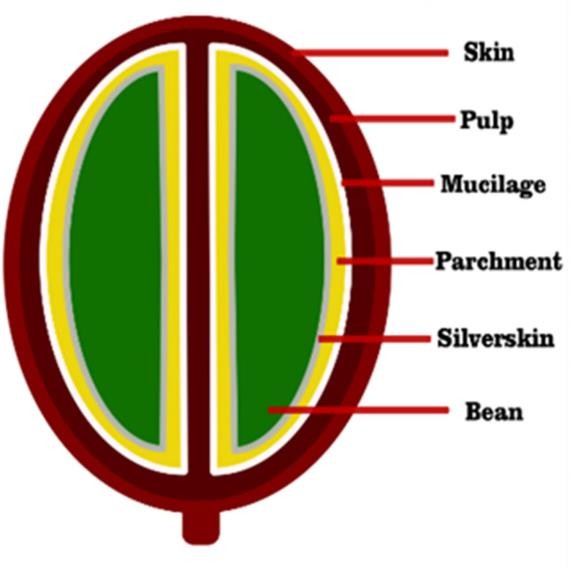
Figure 1: Coffee Bean Structure and by-products
The diagram below illustrates the anatomical layers of the coffee cherry. These include the skin, pulp, mucilage, parchment, silverskin, and the green bean. Each layer contains distinct compounds valuable for nutraceutical and pharmaceutical use.
Caffeine
Caffeine, a methylxanthine alkaloid, acts as a central nervous system stimulant and is linked to improved cognitive function and alertness [31]. It is also known for its lipolytic activity, which is why it is used in anti-cellulite products.
Chlorogenic Acids (CGAs)
Chlorogenic acids are esters formed between caffeic acid and quinic acid, comprising up to 12% of green coffee beans [24]. They possess antioxidant, anti-inflammatory, and antidiabetic properties.
Trigonelline
Trigonelline, a derivative of niacin, is present in higher concentrations in Coffea arabica than in Coffea canephora [23]. It has demonstrated potential in neuroprotection, antidiabetic activity, and photoaging prevention.
Diterpenes
Diterpenes, particularly cafestol and kahweol, are found in the oil component of coffee and exhibit hepatoprotective, anti-inflammatory, and anti-carcinogenic properties.
Coffee By-products
Coffee by-products such as husk, pulp, and silverskin also contain significant levels of bioactive compounds, including dietary fiber, proteins, phenolics, and essential minerals [15][10]. These compounds make coffee residues valuable resources for developing nutraceutical and cosmetic formulations [25].
Table 1: Bioactive Compounds in Coffee and Their Effects
|
COMPOUND |
PRIMARYSOURCE |
THERAPEUTICEFFECT |
|
Caffeine |
Bean, Husk |
Stimulant, Lipolytic, Photoprotective |
|
Chlorogenic Acids |
Bean, Pulp, Silverskin |
Antioxidant, Antidiabetic, Anti-aging |
|
Trigonelline |
Bean |
Neuroprotective, Antimicrobial, UV- protective |
|
Cafestol&Kahweol |
CoffeeOil |
Hepatoprotective, Anticancer |
|
Polyphenols |
Pulp, Silverskin |
Antioxidant, Anti- inflammatory |
|
DietaryFiber |
Husk, Silverskin |
GutHealth, Prebiotic |
Biological and Pharmacological Activities
The pharmacological properties of coffee and its by-products are diverse and stem from their rich phytochemical content [26][27].Some of the most significant biological effects include:
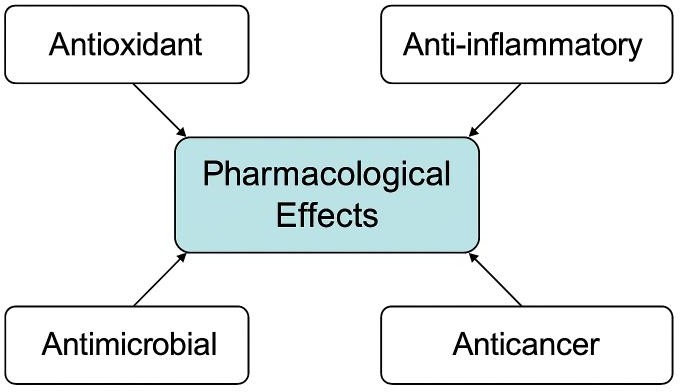
Figure 2: Pharmacological effects of coffee and its by-products
Antioxidant Activity
Coffee extracts neutralize reactive oxygen species (ROS) and reduce oxidative stress, a key contributor to chronic diseases such as cancer, cardiovascular disease, and neurodegenerative disorders [30]. Chlorogenic acids and melanoidins play a significant role in these effects.
Anti-inflammatory Activity
Coffee polyphenols inhibit pro-inflammatory cytokines such as interleukin-6 (IL-6) and tumor necrosis factor-alpha (TNF-α) [35]. Animal studies have shown that topical application of chlorogenic acid enhances wound healing and reduces inflammation.
Antimicrobial Activity
Compounds such as caffeine, trigonelline, and chlorogenic acids disrupt microbial cell walls and inhibit the growth of both Gram-positive and Gram-negative bacteria [23][26]. These properties support the use of coffee extracts in preservative and disinfectant formulations.
Anticancer Activity
Studies suggest that coffee bioactives modulate gene expression, inhibit angiogenesis, and induce apoptosis in cancer cells [20]. Diterpenes like kahweol and cafestol have shown promising effects in experimental cancer models.
Neuroprotective Effects
Caffeine and other coffee constituents act as adenosine receptor antagonists, reducing the risk of neurodegenerative diseases such as Alzheimer’s and Parkinson’s [17][40]. Animal studies and epidemiological data support this effect. The wide range of pharmacological actions highlights the potential of coffee components in both preventive and therapeutic contexts [5][34].
Therapeutic Uses of Coffee Seed By-products
Antidiabetic Activity
Chlorogenic acids present in coffee pulp and silverskin have been shown to inhibit glucose-6-phosphatase activity, reducing hepatic glucose production and improving insulin sensitivity. This makes coffee by-products potential agents in the management of type 2 diabetes [5][16][20].
Cardioprotective Properties
Regular intake of polyphenol-rich coffee by-products has been linked to improved endothelial function, reduced LDL oxidation, and better lipid profiles. These effects are attributed to chlorogenic acids and dietary fibers found in coffee husk and silverskin [11][22][31].
Hepatoprotective Effects
Cafestol and kahweol, diterpenes found in coffee oil by-products, exhibit protective effects through enhanced detoxification enzyme activity in liver cells exposed to these compounds [18][27][30].
Anti-obesity Potential
Caffeine and chlorogenic acids in spent coffee grounds have shown the ability to stimulate lipolysis and increase energy expenditure, suggesting their usefulness in weight management formulations [4][14][35].
Anti-mutagenic Activity
Coffee silverskin extracts have demonstrated the ability to reduce DNA damage in cell lines exposed to mutagens. This property is likely due to the presence of high levels of antioxidants and polyphenols [12][23][36].
Bone Health Enhancement
Animal model studies suggest that coffee by-products may have beneficial effects on bone mineral density due to their calcium and magnesium content and their ability to reduce oxidative stress [13][33][40].
Further Medicinal Uses of Coffee Seed By-products
Antihypertensive Activity
Coffee by-products, particularly pulp and husk extracts, have demonstrated vasodilatory effects attributed to their chlorogenic acid content. These compounds inhibit the angiotensin-converting enzyme (ACE), a key regulator of blood pressure. Animal studies have shown significant reductions in systolic blood pressure following chronic intake of CGA-rich extracts [11][19][25].
Antiviral Properties
Caffeine, trigonelline, and certain polyphenols found in coffee silverskin and spent grounds possess antiviral properties against influenza and herpes viruses. Their mechanism involves inhibition of viral replication and interference with virus-cell receptor interactions [14][26][30].
Wound Healing and Tissue Regeneration
Topical application of chlorogenic acid-enriched coffee extracts accelerates wound healing by enhancing collagen synthesis, modulating inflammatory cytokines, and promoting angiogenesis. Studies in rats and in vitro human skin models report improved epithelialization and fibroblast proliferation [13][17][29].
Cognitive Enhancement and Neuroprotection
Compounds like caffeine and trigonelline from spent coffee grounds and coffee silverskin improve memory and learning performance. These effects are due to adenosine receptor antagonism, antioxidant protection of neurons, and improved cerebral blood flow. Epidemiological studies associate coffee by-product consumption with reduced risk of Alzheimer’s and Parkinson’s diseases [6][8][21].
Antispasmodic and Gastroprotective Effects
Coffee pulp and mucilage extracts have demonstrated muscle relaxant and gastroprotective properties in animal models. The polyphenolic content soothes gastrointestinal mucosa and reduces spasmodic activity, providing relief from indigestion and cramping [10][12][34].
Topical and Cosmetic Applications
Coffee and its by-products have garnered significant attention in dermatology and cosmetic science [36].
Nutraceutical and Pharmaceutical Potentials
Beyond topical applications, coffee and its components offer various health benefits when used as dietary supplements or pharmaceutical agents [35].
The integration of coffee-derived ingredients into functional foods and pharmaceuticals presents a promising avenue for future therapeutic interventions [7].
Sustainability and Waste Valorization
The global coffee industry generates millions of tons of by-products annually, contributing to environmental pollution if not managed appropriately [30][2]. However, these residues can be transformed into high-value bioactive materials [36].
These valorization strategies not only reduce environmental burden but also enhance the economic viability of coffee production [20][29]. Promoting a circular economy in the coffee industry supports both health innovation and ecological sustainability [31].
CONCLUSION
Coffee is not only a globally cherished beverage but also a reservoir of bioactive compounds with immense therapeutic potential [39][11]. This review highlights how coffee by-products, often considered waste, harbor compounds that exhibit antioxidant, anti-inflammatory, antimicrobial, and photoprotective properties.
The utilization of coffee residues in topical, nutraceutical, and pharmaceutical formulations promotes health, reduces industrial waste, and supports sustainable development [14][2]. As research advances, coffee and its by-products may play a critical role in next-generation therapeutic applications [31][22].
REFERENCES


Annapurna Uppala¹*, Gunasekhar Pasala², Padma Sree Sadhu³, Medicinal and Therapeutic Benefits of Coffee and Its By-products, Int. J. of Pharm. Sci., 2025, Vol 3, Issue 6, 3123-3129. https://doi.org/10.5281/zenodo.15716141
 10.5281/zenodo.15716141