We use cookies to make sure that our website works properly, as well as some ‘optional’ cookies to personalise content and advertising, provide social media features and analyse how people use our site. Further information can be found in our Cookies policy
This project focuses on the formulation and evaluation of a natural powder drug hand wash using herbal ingredients, specifically designed to provide effective cleansing while being free from sodium lauryl sulfate (SLS). Leveraging the traditional medicinal properties of herbs like lemon grass, tulsi, aloe vera, shikakai, reetha, and menthe. The formulation combines gentle cleansing, antimicrobial action, and soothing skin benefits in one product. Special attention was given to the selection of mild surfactants such as sodium alpha olefin sulfonate (AOS), along with natural thickeners (Carbopol 934) and preservatives, to ensure product safety and stability. The powder-to-liquid format enhances convenience, reduces plastic waste, and offers a cost-effective, eco-friendly solution for daily hand hygiene. Physicochemical and organoleptic evaluations confirm the product’s desirable attributes, including foam ability, stability, and skin gentleness. By avoiding SLS and other harsh synthetics, the hand wash is especially suited for sensitive skin and promotes overall hand health without side effects. This innovative approach demonstrates the potential of natural ingredients in developing effective hygiene products that contribute to both personal and environmental well-being.
Keywords
SLS Free, Eco Friendly, Less Irritant, Natural Hand wash Powder.
Introduction
Since ancient times, washing hands with soap and water has been considered a vital component of personal cleanliness and is frequently ingrained in religious and cultural practices (Ravi et al., 2005). Although the connection between washing hands and the transmission of the disease was established only two centuries ago, this can be viewed as remarkably early compared to the findings made by Pasteur and Lister, who passed away decades later. Since the skin is considered among the body's most exposed parts, the skin needs to be protected from a spectrum of microorganisms. Moreover, various mammals are also susceptible to such hazardous microorganisms and stop spreading numerous contagious diseases .The main method of spreading diseases and germs is through the hands. Therefore, maintaining good hand hygiene is crucial to restrict the spread of dangerous bacteria and nosocomial illnesses. Numerous medicinal herbs are frequently used to treat skin conditions and also have antibacterial properties. However, due to the complexity of their chemical makeup, plants' medicinal properties depend on specific active chemical components .Polyherbal powder hand wash is a natural, gentle, and effective cleansing product. It typically combines multiple herbs, each with unique benefits, to [1]
Cleanse hands thoroughly
Soothe and moisturize skin
Provide antimicrobial properties
Promote healthy skin infections.
Hand washing is unquestionably an essential safety measure to safeguard the skin from Hand medicine is a botanical treatment or phyto-medicine, plant component for medical purpose and has been utilised for centuries to combat various ailments. Lemon grass is a rich source of flavonoids and phenolic compounds, which contain that, contain anti- inflammatory. Hand hygiene is most crucial step to take in order to stop the spread of dangerous germs and diseases because hands are the primary means of transmission for bacteria and infections. Since the skin is the most exposed part of the body, it needs to be protected from skin pathogens. The scent of the herbal hand wash keeps the skin looking and feeling fresh. Protecting one’s hands is just as important as stopping bacteria getting in. The gentle frothing activity causes aggravation while utilizing natural hand wash. Additionally, it aids in the prevention of diarrhoea, respiratory infections, and even skin and eye infection [3,23]
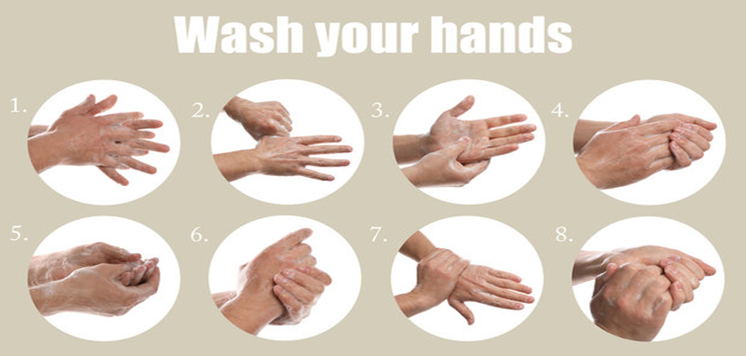
Hand Washing:
It refers to washing hands with plain or antimicrobial soap or water. In actual practice, it can vary considerably from a brief rinse of hands extensive scrubbing. Hand washing assumes a critical role in preventing infection transmission, representing the simplest and economically feasible approach it is an important precaution. Skin is one of the most exposed part of the body requires protection from the pathogen.
Fig No1.: Steps of hand wash
Objectives:
To formulate and evaluate herbal powder hand washes.
To promote good hygiene practice.
To remove visible dirt, grime, and microorganisms.
To make skin soft and remove infectious microbes properties.
A good powder hand wash should be stable and have pleasant appearance.
The powder hand wash should viscous easily, after added water.
The powder hand wash should spread easily on the skin, it make easy to foam.
The powder hand wash should soften easily without grittiness.
The physical action of the hand wash should be that of flushing the skin and clean hands.
Detailed Study:
Ingredients:
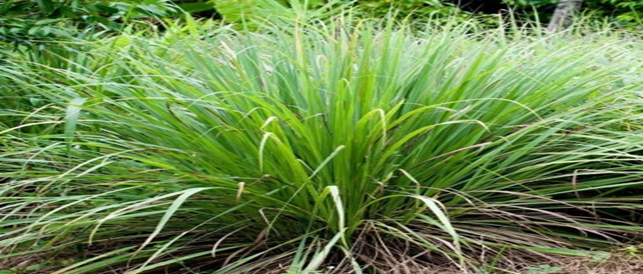
1. Lemon Grass (Cymbopogon citratus)
Biological Source: Leaves of Cymbopogon citratus (Family: Poaceae).
Antioxidant: Lemongrass contains flavonoids and phenolic compounds such as chlorogenic acid, isoorientin, and swertiajaponin which scavenge free radicals and protect cells, especially in coronary arteries.
Antimicrobial: It acts against various bacteria and fungi, including Streptococcus mutans (tooth decay bacteria), E. coli, Staphylococcus aureus, and Candida albicans. It is traditionally used to treat infections and oral cavities.
Anti-inflammatory: Compounds like citral and geranial inhibit inflammation markers and cyclooxygenase-2 enzyme involved in pain and inflammation, useful in conditions like arthritis and skin inflammation.
Anticancer: Citral, a major component, induces apoptosis and cell cycle arrest in various cancer cell lines including breast, prostate, ovarian, and hematopoietic cancers, with selective toxicity towards cancerous cells.
Other uses: Traditional use includes pain relief, fever reduction, lowering cholesterol, diuretic effects, muscle relaxation, and potential anti-diabetic effects.
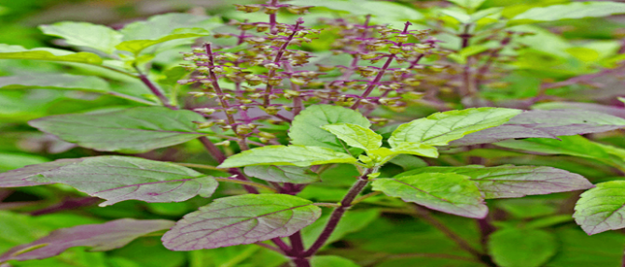
Antimicrobial: Tulsi has antibacterial, antiviral, antifungal, antiprotozoal, antimalarial, and anthelmintic activities. It acts against many pathogens responsible for human infections such as urinary tract infections, skin and wound infections, typhoid fever, cholera, tuberculosis, gonorrhea, herpes simplex, and fungal infections.
Protection and Detoxification: Tulsi protects organs and tissues against chemical stress (industrial pollutants, pesticides, heavy metals), physical stress (radiation), and toxin-induced damage.
Anti-inflammatory, Anti-oxidant, and Analgesic: It reduces inflammation, oxidative stress, and pain, aiding in wound healing and ulcer prevention.
Cardioprotective and Neuroprotective: Tulsi protects the heart and nervous system from damage.
Immunomodulatory: Enhances immune responses in both stressed and non-stressed individuals.
Anti-diabetic, Anti-hypercholesterolemia, Anti-hypertensive: Supports metabolic health including blood sugar and cholesterol management.
Anti-carcinogenic and Chemopreventive: Reduces DNA damage and induces apoptosis in precancerous and cancerous cellsgious and ayurvedic importance.
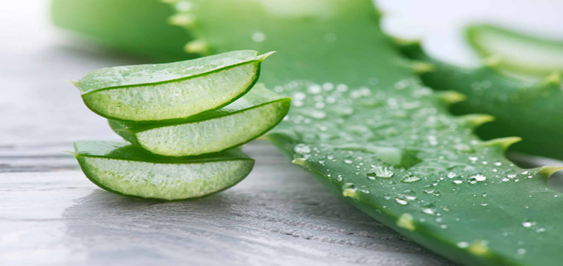
3. Aloe Vera (Aloe barbadensis)
Biological Source: Dried juice of the leaves of Aloe barbadensis (Family: Liliaceae / Asphodelacea).
Chemical Constituents: Aloin (anthraquinone glycosides), aloe-emodin, aloesin, polysaccharides, vitamins, minerals.
Uses:
Laxative (anthraquinones).
Gel used in wound healing, burns, skin care, cosmetics
Fig No 4. Aloe vera
Medicinal Properties of Aloe Vera:
Anti-inflammatory and Antibacterial: Aloe vera gel contains compounds that reduce inflammation and fight bacteria, making it effective for treating skin conditions like burns, sunburn, psoriasis, acne, cuts, and wounds. It also helps prevent infections and accelerates healing.
Skin Protection and Repair: It promotes collagen production, improves skin elasticity, moisturizes, and soothes skin irritation. Aloe vera is widely used in cosmetics for skin repair, eczema, frostbite, and reducing redness and itching.
Digestive Health: Aloe vera juice soothes the digestive tract, beneficial for conditions like acid reflux, irritable bowel syndrome (IBS), heartburn, and indigestion. It has mild laxative effects promoting bowel regularity and helps maintain acid balance in the stomach.
Immune Modulation: Certain polysaccharides stimulate the immune system, enhancing the body's ability to fight infections and heal faster. Aloe vera contains antioxidants that neutralize free radicals.
Antioxidant and Anticancer Activity: Aloe vera is rich in antioxidants and bioactive compounds that show potential anticancer effects by inducing apoptosis and inhibiting tumor growth in research studies.
Cardioprotective and Organ Support: It offers protective effects for liver and kidney tissues against toxins and oxidative stress, supports heart health, and aids detoxification.
Other Uses: Aloe vera may help regulate blood sugar, cholesterol levels, promote oral health, reduce dental plaque, soothe mouth ulcers, and nourish hair and scalp..
Immunomodulator, anti-inflammatory.
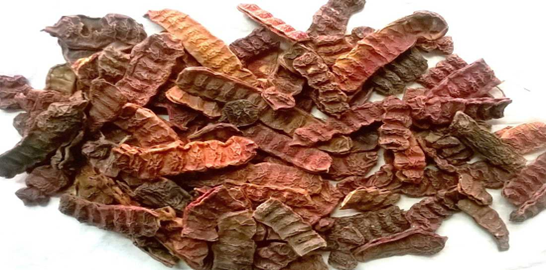
4. Shikakai (Acacia concinna)
Biological Source: Pods and leaves of Acacia concinna (Family: Fabaceae).
Chemical Constituents: Saponins, oxalic acid, citric acid, ascorbic acid, tannins.
Uses:
Natural hair cleanser and conditioner.
Promotes hair growth, prevents dandruff.
Mild astringent for skin.
Fig No 5 Shikakai
Medicinal Properties of Shikakai:
Anti-inflammatory: Shikakai contains flavonoids and saponins that reduce inflammation by modulating cytokines and inhibiting enzymes like lipoxygenase and cyclooxygenase involved in inflammatory pathways. It has a cooling and soothing effect on the scalp and skin.
Antifungal and Antibacterial: It has potent antifungal properties that disrupt fungal cell membranes and prevent biofilm formation, controlling dandruff, scalp infections, and hair lice. Its antibacterial action also inhibits bacterial growth and supports oral health by preventing gum infections.
Hair and Scalp Health: Shikakai cleanses hair naturally without stripping oils, promotes soft, shiny, and strong hair, reduces hair fall, prevents premature greying, and helps heal scalp infections and irritation.
Wound Healing: Shikakai accelerates wound healing, reduces swelling, and restores skin texture due to its healing (ropan) property. It also treats stomatitis (painful mouth swelling) by reducing inflammation and bacterial growth.
Digestive Benefits: It acts as a mild laxative, relieving constipation and improving digestion and appetite by stimulating digestive enzymes.
Liver Support and Jaundice: Shikakai stimulates liver function, supporting bile secretion and detoxification, useful in jaundice management.
5. Reetha (Soapnut) (Sapindus mukorossi) :
Biological Source: Dried fruit pericarp of Sapindus mukorossi (Family: Sapindaceae).
Chemical Constituents: Saponins (sapindosides), sugars, fatty acids.
Uses:
Natural detergent, shampoo base.
Insecticidal, antimicrobial.
Used in skin disorder and to reduce inflammation.
Fig. No 6: Reetha
Medicinal and pharamacological properties:
Cleansing: Reetha contains natural saponins that act as a gentle, soap-like cleansing agent.
Antimicrobial: It shows activity against various bacteria and fungi, making it useful for treating infections.
Anti-inflammatory: Its compounds have anti-inflammatory effects that can help soothe skin and joint pain.
Insecticidal: Reetha has insecticidal properties, which are effective in removing head lice.
Wound Healing: It promotes the healing of skin wounds and prevents secondary infections.
Anti-diabetic: Research indicates potential in managing blood sugar levels, though more studies are needed.
Spermicidal: Certain saponins in reetha have been found to have spermicidal activity.
Hepatoprotective: Some studies suggest that reetha may have a protective effect on the liver.
Expectorant: In Ayurveda, it is used to relieve respiratory issues like cough and asthma by clearing mucus.
Antioxidant: The plant contains antioxidants that help protect against cell damage from free radicals.
6. Mentha (Peppermint / Pudina) (Mentha piperita)
Biological Source: Leaves and oil of Mentha piperita (Family: Lamiaceae).
Used in cough syrups, lozenges, toothpaste, cosmetics.
Relief in headache, nausea, indigestion.
Fig No 7: .Mentha
Medicinal and Pharmacological Properties:
Peppermint oil and extracts exhibit various beneficial activities, including:
Antioxidant: Neutralizes free radicals, protecting cells from oxidative stress.
Antinociceptive: Reduces pain in models of thermal and chemical-induced pain.
Anti-inflammatory: Reduces inflammation in animal models.
Antimicrobial: Effective against gram-positive and some gram-negative bacteria.
Antidiabetic: Lowers blood glucose, cholesterol, and triglycerides in animal studies.
Hepatoprotective: Protects the liver against toxic damage in animal models.
Anti-spasmodic: Relaxes gastrointestinal smooth muscle by calcium channel blockade, easing cramps and gas.
Cardiovascular: Vasodilation and reduction in heart rate and blood pressure.
Analgesic and Cooling: Menthol stimulates cold receptors on the skin, producing a pleasant cooling effect and analgesia.
Also shows anti-tuberculosis, anti-tumor, and radioprotective effects in specific studies.
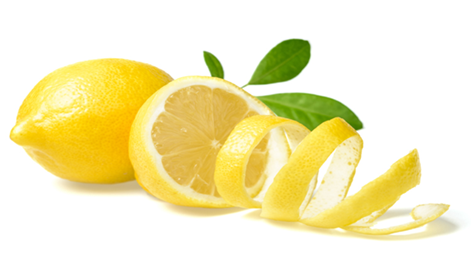
7. Lemon peel (Fructus Lemonis):-
Biological Source:- Lemon peel is obtained from the fresh ripe lemon fruit. (C medico var. limon Linn.), belonging to family Rutaceae.
Chemical constituents:- Terpenoids, Flavonaids, Phenolic acid, Coumarins, Minirals, Dietary fibers.
Uses:-
Flavouring agent, perfumery, stomachic, and carminative.
Stimulating and carminative properties.
Act as natural astringent, and gives natural fregeance.
Fig. No 8: Lemon Peel
Medicinal And Pharmacological Properties:
High Nutritional Value: Lemon peel is rich in fiber, vitamin C, calcium, potassium, and magnesium, offering nutritional support for overall health.
Antioxidant Effects: It contains powerful antioxidants like vitamin C and D-limonene that neutralize free radicals, helping to reduce oxidative stress and prevent cellular damage linked to aging and chronic diseases.
Antimicrobial and Antifungal: Lemon peel exhibits antimicrobial and antifungal properties that help inhibit the growth of bacteria and fungi, supporting oral health and skin protection.
Anti-inflammatory: The bioactive compounds in lemon peel have anti-inflammatory effects, which may help reduce inflammation and associated conditions.
Immune System Boost: Its high antioxidant content, particularly vitamin C, boosts the immune system and enhances the body’s ability to fight infections.
Additives used in powder hand wash:
Thickening Agent:
A thickening agent is a substance which can increases the viscosity of a liquid without substantially changing its properties. An additive used as thickener, stabilizer and emulsifier, Carbopol 934 it is mostly used as thickening agent.
Properties and Function:
Carbopol 934 is typically a white powder. It is cross-linked polyacrylic acid polymer. After dispersing in water and neutralizing with a base, its carboxyl groups ionize—causing the polymer chains to uncoil and generate significant viscosity. This thickening reaction is both rapid and efficient, giving a creamy texture and stability to emulsions and gels.
Commonly found in lotions, creams, gels, suspensions, and transdermal drug delivery systems for its high viscosity and ability to create stable, smooth gels.
Thickening Mechanism:
After hydration and neutralization, Carbopol 934 forms a gel due to electrostatic repulsion between charged polymer chains.
The thickening effect may be further enhanced via interaction with hydroxyl donors (e.g., glycerol, propylene glycol), forming hydrogen bonds
Benefits and Uses:
Excellent freeze-thaw and high-temperature stability even at low concentrations in oil-in-water emulsions.
Offers light skin feel and short-flow rheology—attributes especially valued in cosmetic creams and gels.
Also acts as a suspending agent and emulsifier, contributing stability to formulations beyond thickening.
Preservatives:
To prevent the growth of harmful bacteria and germs. Methyl parabenis a methyl ester of p-hydroxybezoic acid
Properties and Preservation Role of methyl paraben:
Methyl paraben is effective at extending the shelf life of products by inhibiting the growth of microorganisms that could cause spoilage or pose health risks.
It is most commonly found in creams, lotions, shampoos, makeup, and pharmaceuticals, as well as some processed foods and beverages.
The substance is usually present as a white, crystalline, odorless powder, with high chemical stability and solubility in alcohol, ether, and some organic solvents, but only slight solubility in water.
Roxybenzoic acid. It is a stable, non-volatile compound used as antimicrobial preservative.
Foaming Agent :Alpha Olefin Sulfonate (AOS)
Features & Benefits:
Excellent solubility and compatibility with other surfactants, resulting in great formulating flexibility.
Significant foaming, emulsifying, cleansing ability, and 100% biodegradability.
Outstanding high-temperature stability, makes it the perfect surfactant for spray tower dried synthetic detergent.
Outstanding hard water resistant property.
Mild, low irritation to the skin.
Chemical Nature:
Anionic surfactant.
Prepared by sulfonation of linear alpha-olefins (C14–C16 carbon chain length most common).
Sodium alpha-olefin sulfonate (SAOS/ NaAOS) is widely used.
Chemical Structure:
The most frequently used example of this group of substances is sodium α-olefin sulfonate (INCI: Sodium C14-16 Olefin Sulfonate).molcular formula typically based on C14-C16 chain lengths. AOS is an anionic surfactant composed of a hydrophilic sulfonate group (-SO3Na) and a hydrophobic alkyl chain derived from alpha olefins (carbon chains typicallyC14-C16).
Its generic structural formula can be represented as: R−CH=CH−(CH2)n−SO3NaR−CH=CH−(CH2)n−SO3Na, where RR is usually a linear alkyl group mostly from coconut oils.
The compound is a mixture of alkene sulfonates (60-65%) and hydroxyalkane sulfonates (35-40%) formed by sulfonation of alpha olefins using sulfur trioxide followed by hydrolysis.
Sodium alpha olefin sulfonate has a molec alpha-olefin sulfonates or AOS) are a group of anionic surfactants, which are used as detergents. The compounds contain+ a - mostly linear, primary - alkyl R and a monovalent cation M, preferably sodium.
Fig. No 9: structure of AOS
Properties:
Mild anionic surfactant with excellent cleansing, foaming, and emulsifying characteristics.
Good water solubility; forms clear or slightly yellowish viscous liquids or powders depending on concentration and form.
Stable over a broad pH range (approximately pH 7-10), allowing use in acidic to neutral conditions.
Exhibits high resistance to water hardness (hard water stability).
Provides good wetting effect, foam boosting, and slight viscosity enhancement.
Low toxicity, low skin irritation, making it suitable for personal care products.
Biodegradable and environmentally friendly.
Thermal stability up to 400°F (approx. 204°C).
Lower irritation and mildness compared to typical soaps like lauryl sulfates.
Insoluble in oils but soluble in water, alcohol, and glycerol.
Applications
Widely used as a primary or co-surfactant in shampoos, body washes, liquid hand soaps, facial cleansers, bubble baths, and other personal care products.
Utilized in laundry detergents, dishwashing liquids, industrial cleaning, and foaming applications.
Also used in agricultural products, fire-fighting foams, and construction industry formulations.
Effective in oil & gas industry applications for unloading undesirable liquids and particulates from wells.
Summary of Benefits
High cleaning and degreasing power without drying the skin.
Strong foamability and rich, fine foam.
Compatible with other surfactants including non-ionic, amphoteric, and anionic types.
Suitable for sulfate-free and palm-free formulations.
Enhances viscosity and stability of the product formulation.
Physical Characteristics:
Solid form: White to slightly beige powder.
Liquid form: Yellowish, slightly viscous liquid with a faint odor.
Typically available with 38-40% active content in aqueous solutions.
Solubility :
AOS is highly soluble in water, forming clear to slightly yellowish liquids or solutions depending on its concentration.
Typical aqueous solutions contain about 38-40% active material concentration.
Its aqueous solutions maintain stable pH in a range of roughly 7.0 to 10.0, with 8-9 being common for commercial formulations.
The surfactant dissolves rapidly and easily in water, enabling quick wetting of solid particles and fast foam generation.
Solubility is aided by the presence of both sulfonate and hydroxy groups, which increase its affinity for water over comparable surfactants.
It remains soluble and stable in the presence of water hardness ions (calcium, magnesium), showing high resistance to hard water, which means it doesn't precipitate easily in mineral-rich water.
AOS is also soluble in alcohol and glycerol but insoluble in oils, which helps it bridge water and oil phases effectively in emulsions.
Role in Powder Hand Wash
Foaming Agen:
Produces rich, stable foam in aqueous medium.
Foam helps spread the product on skin, improving cleansing efficiency.
Surface-Active Agent (Detergency):
Reduces surface tension → allows water to wet and penetrate dirt, oil, grease.
Helps suspend dirt/contaminants in wash water and remove them effectively.
Mildness:
Compared to other anionic surfactants (like sodium lauryl sulfate), AOS is considered milder on skin.
Less irritating, hence preferred in personal care products.
Stability:
Stable over wide pH range.
Compatible with hard water (calcium & magnesium salts).
Provides good foam even in presence of oils and sebum.
Advantages in Powder Hand Wash Formulation:
High foaming capacity.
Excellent wetting and emulsifying properties.
Biodegradable and environmentally safer than some synthetic surfactants.
Cost-effective alternative to SLS/SLES.
Compatible with herbal additives and fragrance agents.
Superior Cleaning and Hygiene
Powder handwash is formulated to effectively remove tough dirt and stains, providing thorough cleaning for both hands and clothes. It often contains concentrated surfactants, which produce more suds and help loosen grime during scrubbing.
Cost and Convenience: Powder versions are typically more affordable than liquid handwash, making them cost-effective for regular use. They are also easy to use—simply mix with water for a ready-to-use solution.
Eco-Friendly Features: Powder handwash requires less packaging, often reducing plastic waste and carbon footprint. It saves water, especially when formulated as a concentrate, aligning with sustainable practices.
Skin and Fabric Care: Many powder handwash products are gentle on skin, enriched with moisturizers, and formulated to avoid irritation. They can also be suitable for sensitive skin and safe for delicate fabrics when used for garment handwashing.
Freshness and Fragrance: Powder handwash often leaves a fresh scent and soft texture on hands, enhancing the user experience.
Typical Concentration in Powder Hand Wash:
1–5% w/w (depending on formulation and presence of other excipients).
Often blended with other surfactants (non-ionic or amphoteric) to enhance mildness and foam stability
Preparation of Natural Powder:
3.1.3. Lemon grass, Aloe vera , mentha and Tulsi leave powders:
Take lemon grass leaves, Aloe vera, mentha and Tulsi fresh leaves. After it all leaves are dried for 15-days and then powder with help of mixture and use sieving method they get fine powder from the leaves.
3.1.4. Lemon peels powder:
Take 3-4 lemon separate their peels using sterile knife. And separate the peels for drying, dried to 4-5 days, after powder with help of mixture to get peels powder. Separate the powder from sieves.
3.1.5.Shikakai and Reetha powders:
The shikakai and Reetha, collect from market to dried form. They get and powdered with the help of mixture, after the powder separated from sieves .
Preparation of Natural Powder Hand washes:
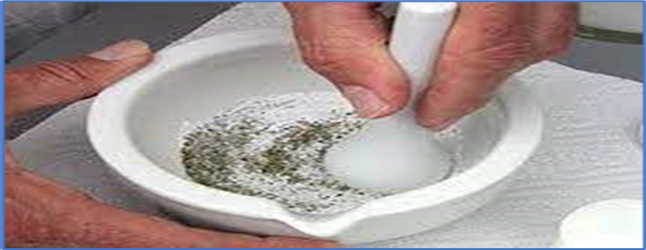
First get lemon grass powder, tulsi leaves powder mentha leaves powder, aloe vera powder, and lemon peels powder shikakai and reetha powder. Then get a weighing balance to weigh individual drugs powder and also additives like Carbopol 930, SLS and Methyl paraben as preservatives. Mix it throughly to make an herbal powder hand wash.
Fig .No :10 Mixing of Powder Which Are Prepared
Powder characteristics:
General powder characteristics include evaluation test of those parameters are going to affect the external properties of formulation, Characteristics evaluated under this section are powder size, angle of response and bulk density.
1. Particle size:
Particle size is a parameter, which causes problems like ability, grittiness, etc. it is determined by sieving method.
2. Angle of response:
It is defined as the maximum angle possible in between the surface of pile of powder to horizontal flow.
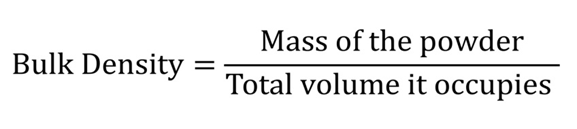
3. Bulk density Bulk:
density is an important characteristic in powder preparation. It is a ratio between the given mass of a powder and its bulk volume. The required amount of dried powder is filled in a 50 ml measuring cylinder up to mark. Then the cylinder is dropped on to a hardwood surface from height of 1 inch at 2- second intervals. The volume of the powder is measured. Then the powder is weighed. By using formula,
4. Tapped density:
The tapped density is an increased bulk density obtained after mechanically tapping to powder container containing the powder sample. After that the cylinder containing powder is mechanically tapped until the changes observe in it . It was expressed in grams per cubic centi meter (g/cm3).
5. Hauser’s ratio:
It is a guide of ease of powder flow. It is the ratio of of tapped density to the bulk density. Lesser the value of Hausner’s ratio better is the flow property. It can be calculated by formula:
Hausner’s ratio = Tapped density/Bulk density
Advantages of Natural Powder Hand Wash :
No side effects.
Bacteria on our hands can be minimized.
It also helps to clear antiseptic ans fungal problem faced by the skin.
It also helps to remove dirt and oil effectively from the skin.
Easier access compared to using soap and water.
Hand wash prevent germs from entering into our bod
Physicochemical evaluation:
pH: The pH of 10% handwash solution in distilled water was determined at room temperature 25°C. The pH was measured by using digital pH Meter.
Solubility:
Solubility is defined as the ability of the substance to dissolve in a solvent or liquid medium. 1 gram of the powder is weighed and transferred into a beaker containing 100 ml of water. This was shakewell and warmed to increase the solubility. Then cool and filter it, the residue obtained is weighed accurately and note down.
Extractive values:
Determination of alcohol soluble extractive:
5 g of each air-dried herbal powder handwash was weighed and macerated with 100 ml of Alcohol of the specified strength in a closed flask for twenty-four hours, Shaked frequently for six hours and allowed to stand for eighteen hours. Filtered, by taking precautions against loss of solvent, 25 ml of the filtrate was evaporated to dryness in a tare flat bottomed shallow dish, and dry at 105 °C, to constant weight and weighed. The percentage of alcohol-soluble extract in the dried drug is calculate.
Determination of water-soluble extractive:
used chloroform water instead of ethanol to figure out the alcohol-soluble extractive, then calculated how much of each sample could dissolve in water. I also performed a dirt dispersion test to see how much dirt each sample would leave in the solution.
Dirt dispersion:
Two drops of 1% each powder hand wash were added in a large test tube contain 10 ml of distilled water. 1 drop of India ink was added; the test tube was stoppered and shaken for 10 times. The amount of ink in the foam of was estimated as None, Light, Moderate, or Heavy.
Stability Study:
The stability and acceptability of organoleptic properties (odor and color) of formulations during the storage period indicated that they are chemically and physically stable .
Nature of hand after washes:
Nature of hand after wash can be done by collecting the responses of volunteers.
Foaming index:
One gram of the powder was weighed accurately and transferred into 250 ml conical flask containing 100 ml of boiling water. Warm up the mixture gently for about 30 minutes, then wait for it to cool down and pour it through a filter. Pour the filtered liquid into a measuring flask and add water until the total comes to 100 ml. Next, fill ten test tubes, putting 1 ml in the first tube, 2 ml in the second, all the way up to 10 ml in the last tube. After that, add enough water to each tube so that they all end up with 10 ml of liquid inside. Then the test tubes were shaken in longwise motion for 15 seconds at speed of 2 frequencies/second. Then the tubes are allowed to stand for 15 minutes. The height of the foam was measured. Foaming index = 1000/a Swelling index The swelling index is the volume in milliliters occupied by one gram of a drug, including any adhering mucilage after it has swollen in an aqueous liquid for 4 hours. Accurately weighed 1 g of the powder and transferred it into glass stopper measuring cylinder containing 25 ml of water. Then it is shaken thoroughly at every 10 minutes for 1 hour. After that it was kept for 3 hours at room temperature. The volume was measured in ml.
Skin/ eye irritation test:
These tests revealed that the herbal handwash powder does not shows harmful effect on the skin and eye. This is due to the low quantity of synthetic surfactants. Most synthetic surfactants produce inflammation of the corneal irritation. But in this formulation of herbal powder drug hand wash, the uses of all ingredients are derieved from nature. So, it does not produce any harmful effect on the skin.
CONCLUSION:
The development of a natural, powder-to-liquid hand wash free from sodium lauroyl sulfate (SLS) marks a meaningful advancement in personal hygiene, blending tradition and innovation for safer daily care. By harnessing the unique antimicrobial and soothing properties of herbs such as lemon grass, tulsi, aloe vera , shikakai , reetha, and mentha, the formulation offers gentle yet thorough cleansing while minimizing the risk of skin irritation and avoiding harsh chemicals. The results of scientific evaluation—including physicochemical, organoleptic, and skin compatibility tests—demonstrate that the herbal hand wash achieves effective cleaning, pleasant sensory qualities, and stability, making it suitable for regular use by a diverse population.
The powder-to-liquid format further supports eco-friendly practices by reducing plastic waste and extending shelf-life. Volunteer feedback and laboratory analysis confirm its efficiency against pathogenic microorganisms, and its mildness ensures safety for even sensitive skin. Ultimately, this project highlights how thoughtfully chosen natural ingredients can meet both modern hygiene needs and growing consumer demands for sustainability and holistic wellness. With continued research and development, such herbal formulations may serve as a model for future personal care products, showing that nature-based solutions are both practical and effective for daily life.
REFERENCES
Bankar, N. S., Kashid, C. P., & Garud, N. S. (2025). Formulation and evaluation on polyherbal powder to liquid hand wash. International Journal of Innovative Research in Multidisciplinary and Pharmaceutical Sciences (IJIRMPS), 13(3), May–June 2025.
Pragati, G. P., Nandu, G. N., Kanase, S. S., Abasaheb, J. S., & Kale, A. T. (2023). Formulation and evaluation of polyherbal powder to liquid hand wash by using Moringa oleifera. International Journal of Current Science (IJCSPUB), 13(2), June 2023.
Gawali, S. S., & Tambe, B. D. (2025). Design and development of natural powder hand wash for skin care. International Journal of Science and Research Archive (IJSRA), 14(2), 2025.
Lokhande, N. J., Jagtap, N. N., & Junghare, S. L. (2023). A review on herbal handwash. International Journal of Research Publication and Reviews, 4(3), March 2023.
Bahuguna, M., & Kashyap, S. (2016). Formulation and evaluation of hand wash. World Journal of Pharmaceutical Research (WJPR), 5(7), July 2016.
Sneha Suhas Gawali and Bhavana Dnyandeo Tambe. “Design and development of natural powder hand wash for skin care.” International Journal of Science and Research Archive, 2025, 14(02), 1422-1427.
Mr. Nikhil Sudhakar Bankar, Mr. Chaitanya Prashant Kashid, Prof. Neha Sunil Garud. “Formulation and Evalution on Polyherbal Powder to Liquid Handwash.” International Journal of Innovative Research in Medical and Pharmaceutical Sciences, Volume 13, Issue 3, May-June 2025.
Gondal Pragati Popat, Gund Nisha Nandu, Sneha S. Kanase, Jadhav Sneha Abasaheb, Akash Tukaram Kale. “Formulation and Evaluation of Polyherbal Powder to Liquid Handwash by Using Moringa Oleifera.” International Journal of Current Science (IJCSPUB), Volume 13, Issue 2, June 2023, ISSN: 2250-1770.
“Formulation Strategies for Herbal Hand Washes.” International Journal of Pharmaceutical and Phytopharmacological Research, January 2025.
“Formulation and evaluation of herbal hand wash using neem and aloevera extract.” Indian Journal of Pharmacy and Pharmacology, 10(2):89-93, 2023.
“Formulation and Evalution on Polyherbal Powder to Liquid Handwash”, International Journal of Innovative Research in Medical and Pharmaceutical Sciences (2025):
“Formulation and Evaluation of Polyherbal Powder to Liquid Handwash By Using Moringa Oleifera”, International Journal of Current Science (IJCSPUB), June 2023:
“Formulation and evaluation of herbal hand wash using neem and aloevera extract”, Indian Journal of Pharmacy and Pharmacology (2023):
“Formulation Strategies for Herbal Hand Washes”, International Journal of Pharmaceutical and Phytopharmacological Research, Jan 2025:
“Formulation and evaluation of herbal hand wash by using natural ingredients,” Ideal Publication (2024):
“Design and development of natural powder hand wash for skin care”, International Journal of Science and Research Archive (2023)
Rassol Bazigha Kadhim et al, Ali Heyam Saad, “Formulation and Evaluation of Herbal Hand Wash from Matricaria Chamomilla Flowers”. International Journal of Research in Ayurveda and Pharmacy 6, 2011
Bahuguna M, Kashyap S. Formulation and evaluation of hand wash. World Journal of Pharmaceuticeutical Research. 2016 May 19; 5(7):1559-1577.
Priyanka V. Bagade, Nikita D.Gidde, Sohel I.Nadaf, Priyanka V. Desai, Mayuri S. Lokhande, Formulation and Evaluation of gel based Herbal Hand Wash using extracts of Argemone Mexicana. International Journal of Pharmaceutical Sciences and Medicines, June 2021; 6(6): 28- 33. (Cited on 5 March 2024)
Megha Bahuguna and Shilpi Kashyap. “Formulation and evaluation of hand wash”. World Journal of Pharmaceutical Research. 2016;5 (7):1559-1577. (Cited on 30 Jan 2024)
M. Burton, E. Cobb, P. Donachie, G. Judah, V. Curtis and W. P. Schmidt, The Effect of Handwashing with Water or Soap on Bacterial Contamination of hands, In International Journal of Environmental Research and Public Health. 8(1): 97-104, 2011. (Cited on 31 Jan 2024)
Reference
Bankar, N. S., Kashid, C. P., & Garud, N. S. (2025). Formulation and evaluation on polyherbal powder to liquid hand wash. International Journal of Innovative Research in Multidisciplinary and Pharmaceutical Sciences (IJIRMPS), 13(3), May–June 2025.
Pragati, G. P., Nandu, G. N., Kanase, S. S., Abasaheb, J. S., & Kale, A. T. (2023). Formulation and evaluation of polyherbal powder to liquid hand wash by using Moringa oleifera. International Journal of Current Science (IJCSPUB), 13(2), June 2023.
Gawali, S. S., & Tambe, B. D. (2025). Design and development of natural powder hand wash for skin care. International Journal of Science and Research Archive (IJSRA), 14(2), 2025.
Lokhande, N. J., Jagtap, N. N., & Junghare, S. L. (2023). A review on herbal handwash. International Journal of Research Publication and Reviews, 4(3), March 2023.
Bahuguna, M., & Kashyap, S. (2016). Formulation and evaluation of hand wash. World Journal of Pharmaceutical Research (WJPR), 5(7), July 2016.
Sneha Suhas Gawali and Bhavana Dnyandeo Tambe. “Design and development of natural powder hand wash for skin care.” International Journal of Science and Research Archive, 2025, 14(02), 1422-1427.
Mr. Nikhil Sudhakar Bankar, Mr. Chaitanya Prashant Kashid, Prof. Neha Sunil Garud. “Formulation and Evalution on Polyherbal Powder to Liquid Handwash.” International Journal of Innovative Research in Medical and Pharmaceutical Sciences, Volume 13, Issue 3, May-June 2025.
Gondal Pragati Popat, Gund Nisha Nandu, Sneha S. Kanase, Jadhav Sneha Abasaheb, Akash Tukaram Kale. “Formulation and Evaluation of Polyherbal Powder to Liquid Handwash by Using Moringa Oleifera.” International Journal of Current Science (IJCSPUB), Volume 13, Issue 2, June 2023, ISSN: 2250-1770.
“Formulation Strategies for Herbal Hand Washes.” International Journal of Pharmaceutical and Phytopharmacological Research, January 2025.
“Formulation and evaluation of herbal hand wash using neem and aloevera extract.” Indian Journal of Pharmacy and Pharmacology, 10(2):89-93, 2023.
“Formulation and Evalution on Polyherbal Powder to Liquid Handwash”, International Journal of Innovative Research in Medical and Pharmaceutical Sciences (2025):
“Formulation and Evaluation of Polyherbal Powder to Liquid Handwash By Using Moringa Oleifera”, International Journal of Current Science (IJCSPUB), June 2023:
“Formulation and evaluation of herbal hand wash using neem and aloevera extract”, Indian Journal of Pharmacy and Pharmacology (2023):
“Formulation Strategies for Herbal Hand Washes”, International Journal of Pharmaceutical and Phytopharmacological Research, Jan 2025:
“Formulation and evaluation of herbal hand wash by using natural ingredients,” Ideal Publication (2024):
“Design and development of natural powder hand wash for skin care”, International Journal of Science and Research Archive (2023)
Rassol Bazigha Kadhim et al, Ali Heyam Saad, “Formulation and Evaluation of Herbal Hand Wash from Matricaria Chamomilla Flowers”. International Journal of Research in Ayurveda and Pharmacy 6, 2011
Bahuguna M, Kashyap S. Formulation and evaluation of hand wash. World Journal of Pharmaceuticeutical Research. 2016 May 19; 5(7):1559-1577.
Priyanka V. Bagade, Nikita D.Gidde, Sohel I.Nadaf, Priyanka V. Desai, Mayuri S. Lokhande, Formulation and Evaluation of gel based Herbal Hand Wash using extracts of Argemone Mexicana. International Journal of Pharmaceutical Sciences and Medicines, June 2021; 6(6): 28- 33. (Cited on 5 March 2024)
Megha Bahuguna and Shilpi Kashyap. “Formulation and evaluation of hand wash”. World Journal of Pharmaceutical Research. 2016;5 (7):1559-1577. (Cited on 30 Jan 2024)
M. Burton, E. Cobb, P. Donachie, G. Judah, V. Curtis and W. P. Schmidt, The Effect of Handwashing with Water or Soap on Bacterial Contamination of hands, In International Journal of Environmental Research and Public Health. 8(1): 97-104, 2011. (Cited on 31 Jan 2024)










 10.5281/zenodo.18317930
