Nutraceuticals-based protein-rich powder is a functional food formulation designed to provide essential nutrients along with additional health benefits beyond basic source nutrition. It combines high-quality protein sources such as soy, whey, casein, or plant-based proteins with nutraceutical ingredients like flax seeds, sunflower seeds, herbal extracts, vitamins, and minerals. This formulation not only supports muscle growth and tissue repair but also enhances immunity, metabolism, and overall wellness. It serves as a convenient dietary supplement for individuals seeking weight management, muscle development, or recovery after illness. The incorporation of nutraceutical components provides bioactive compounds with antioxidant, anti-inflammatory, and cholesterol-lowering properties, making the powder beneficial for maintaining long-term health. Thus, nutraceutical protein-rich powders represent a modern approach to balanced nutrition, merging the therapeutic potential of nuraceuticals with the essential benefits of dietary protein.
Keywords
Nutraceuticals, Protein, Dietary Supplement, Nutrients composition, Health benefits, Balanced diet
Introduction
×
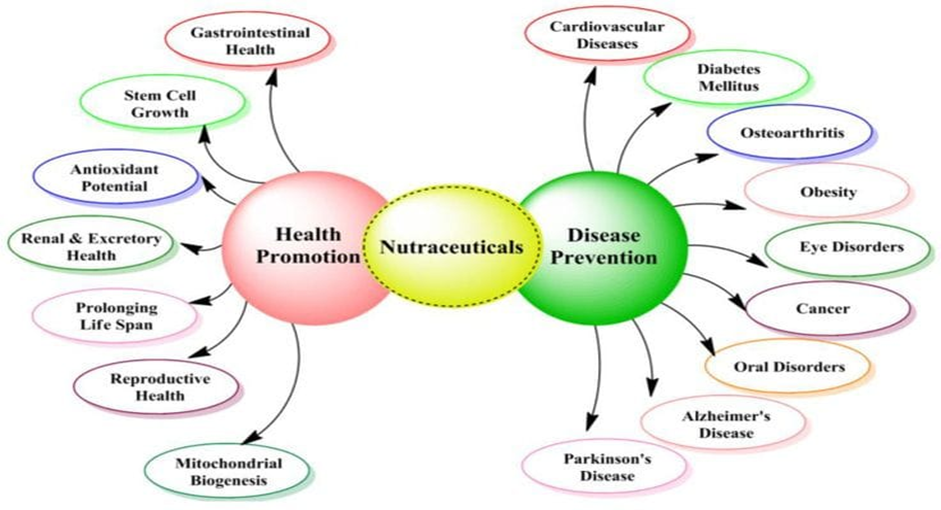
In 1989, Dr. Steffen De Felice, the chairman of the foundation for innovation in medicine, created the phrase “nutraceutical” By fusing the words “pharmaceutical” with “nutrition” represent a rapidly growing sector in the field of health and wellness .nutraceuticals are the nourishing components that are biologically active and possess capability for maintaining optimal health and benefits. Nutraceuticals are characterized as’ specially designed preparations’, formulated with the aim of fulfilling specific dietary requirements or offer preventive health care. This bioactive compound derived from foods, herbs, and dietary supplements have gained significant attention for their potential health –promoting and disease- preventing properties. Nutraceuticals have received considerable interest because of their presumed safety and potential nutritional and therapeutic effects. Protein is a macronutrient that is essential to building muscles mass. Protein is a development of muscles, help with bone metabolism, maintain ideal weight, prevent heart related disease, Control sugar level, promote the brain function, improve immune system, hormone balance, prevent hair damage, make skin healthy, eliminate anxiety. Proteins play a Key role in many biological processes including the building of muscles and other tissues.
Fig no. 1
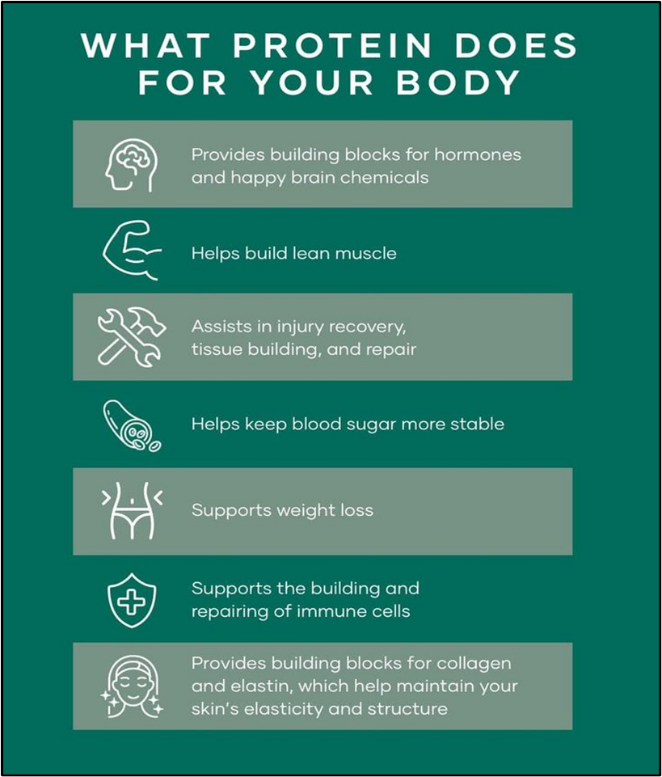
Protein supplement are considered a sports food, which is a specialized products to provide a practical source of nutrients when it is impractical to consumed every day foods. A protein supplement is a dietary supplement or a body building supplement, and usually comes in the form of a protein bar, protein powder, and even readily available as a protein shake. Protein supplements are widely consumed by athletes as well as young adults and teenagers going to the gym and are an excellent source to increased protein intake, build muscle mass, an enhance recovery . protein supplements are based on powdered whey proteins, caseins , egg and soy proteins that are reconstituted with water or milk. The growth of the protein supplement industry is mainly due to increasing health awareness and the easy availability of supplement in different formulations . the amount and timing of consumption of protein supplement are considered to play a role in muscle hypertrophy and recover.
Fig no. 2 Role of protein
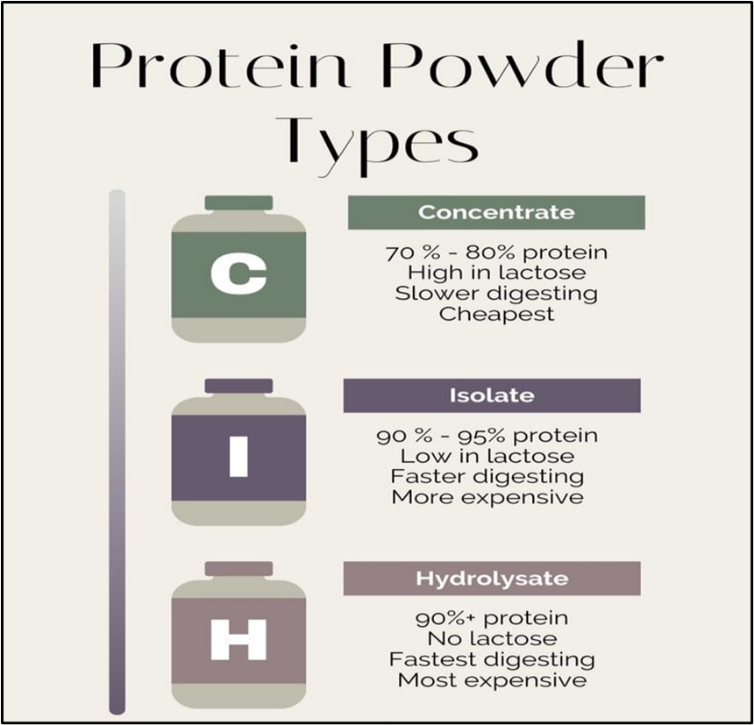
Types of protein powder :
There are several different types of protein powder. Whey is the most popular protein supplement and the one that researchers have tended to focus on, but it is not the only one. Common types of protein powder include
Whey protein: whey come from the lipid part of milk that’s left over after cheeses production. It includes concentrate and whey isolated. Whey protein concentrated contain protein as well as vitamins, minerals and branched chain amino acid which help repair and build muscle. Is is not suitable for vegans.
Casein proteins: casein is the other by product of milk production. This type of protein is rich in glutamine, an amino acid that may speed up muscle recovery after exercise. The body digest this protein more slowly so it may be best to take it at night. Casein isn’t suitable for vegans or those with lactose intolerance.
Egg white protein: egg white protein come from eggs, which have few health benefits. It is complete protein, and it has a higher net protein utilization rate. It can increase muscle mass and strength, help lower cholesterol, reduce visceral fat.
Soy protein : soy protein is made from the humble soybean. It is complete protein and rich in branched chain amino acid (BCAAS). It helps to reduce cholesterol, lower blood pressure, build muscle. It contains all the essential amino acids. It is a great vegan.
Pea protein: Pea protein powder is made from ground yellow split peas. Pea is are a protein rich food. It is high in fiber also high in lysine which is great for the human system. It can increase muscle strength and lower blood pressure, blood glucose and cholesterol. It is vegan and hypoallergenic .
Hump protein : hump protein powder is made from hump seeds. Which come from the cannabis sativa L. plant. Hump is high in fiber, antioxidant and omega-3 fatty acids. It may help reduce cholesterol and protect against cardiovascular diseases .
Rice protein : Rice protein powder is made from drumroll pleasa rice. It may protect against high blood sugar, high cholesterol, and cancer, and it can improve muscle strength and recovery.
Fig no.3 Types of protein powder
FUTURE SCOPE :
In addition to increased demand arising from population growth, increased demand for protein globally is driven by socio-economic changes. Here ’s an overview of the scope for protein powder
Growing health and fitness awareness –
With rising awareness about nutrition, fitness, and wellness, more people are adding protein powders to their daily diet. As consumers focus on preventive health care and balanced nutrition, the demand for natural and clean- label protein powders is increasing.
Expanding nutraceutical market -
The nutraceutical industry is expanding rapidly worldwide, especially in india. protein rich powder are increasingly positioned as functional foods for weight management, immunity boosting, and overall health. The demand for plant base, herbal protein powders are also increased rapidly.
Personalized nutrition -
In the future ,protein powders may be customized based on individual health needs- such as powders for diabetic patient, weigh gain, weight loss, or muscle recovery. It aims to improve specific health outcomes, manage conditions, and promote overall well-being. The goal is to provide more effective and lasting dietary guidance that supports individual health and behavior change
Growing sports and fitness industry -
With more people taking up gym training, yoga, athletics, and other fitness activities, protein powders will continue to play a key role in muscle building, endurance, an recovery nutrition. The sports and fitness industry is growing globally and within india, driven by increased health awareness rising disposable incomes, government initiatives, and technological advancement like AI and wearable tech.
Rising demand in clinical nutrition -
Protein-rich powder are being widely used in hospitals and healthcare setting for patient suffering from malnutrition obesity sarcopenia, post-surgical recovery, or chronic illness. This growth is driven by rising health consciousness, proliferation of plant-based diet, product innovation with functional ingredients, and improved accessibility through e-commerce.
Export and global opportunities -
The Asia-pacific region is the fasted- growing market, with countries like china, India and Japan showing high demand due to urbanization and a rising middle class. There is growing demand for protein powders with additional functional ingredients like Probiotics for gut health, collagen for skin health, and vitamin. beyond sports nutrition, the market for protein powders is expanding into medical nutrition for the elderly, clinical patients and those recovering from illness. Online retail is the fastest- growing distribution channel, making it easier for niche brands to reach a global audience without the burden of physical retail costs.
NUTRACEUTICAL FOR PROTEIN RICH POWDER
Nutraceutical ingredients for protein powder include both the protein source and added nutrients or compounds, such as animal-based protein, plant based protein, and enhanced. In protein powder use additives such as creatine, glutamine, sugar, artificial sweeteners , or herbal sweeteners. Here’s an overview of nutraceutical which is used in protein powder.
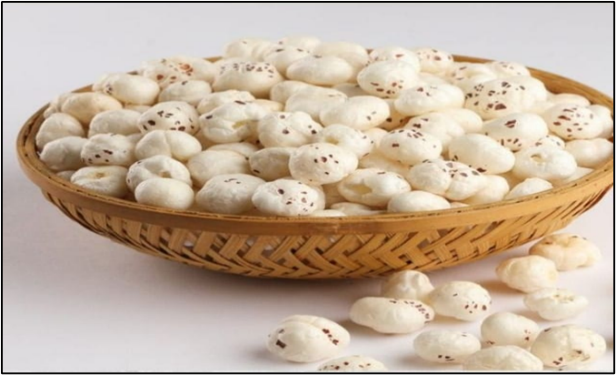
Lotus seeds:
Fig no. 3 Lotus Seed
Synonym - lotus seed, Makhana, Fox nuts, Gorgon nuts
Botanical Name -Euryale ferox
Biological Source - It is derived from the seeds of prickly water lily plant, Euryale ferox
Family - nelumboneceae
Nutritional composition -
Protein – It contain about 10-12% protein. It help to support muscles building and repair.
Carbohydrates – Provide energy and aids digestion.
Fiber- Makhana is a good source of dietary fiber, which aids in digestion and can help with weight management.
Fats- It contain very low amount of fat .
Minerals- It contain calcium, magnesium, potassium, phosphorous, iron
Bioactive components -
Flavonoids and polyphenol – Antioxidant, anti-aging properties.
Alkaloids – anti-inflammatory and neuroprotective effect .
Glycosides and saponins- beneficial for heart and metabolic health
Health benefits as a nutraceutical -
Antioxidant properties- Protect against oxidative stress and aging
Cardioprotective- help reduce cholesterol and improves heart health.
Anti diabetic- low glycemic index, regulate blood sugar
Weight management – low calories, high satiety snack.
Renal and reproductive health- traditionally used for kidney strengths and fertility
Bone health- rich in calcium and phosphorus.
Nuroprotective- may improve cognitive function and reduce stress
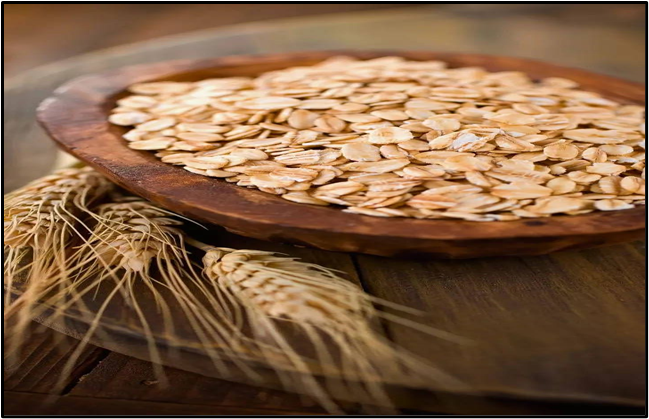
2. Oats
Fig no. 4 Oats
Synonyms - Common oats, cultivated oats, rolled oats, white oats
Botanical Name -Avena sativa
Biological Source - It is obtain from Avena sativa
Alkaloids (low amounts in seeds compared to leaves)
Polyphenols
Flavonoids
Tannins
Health Benefits
Antioxidant Properties - Polyphenols and flavonoids help reduce oxidative stress.
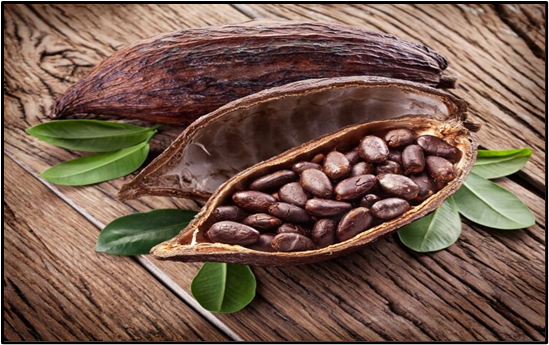
Energy and Stimulant Effect - Traditionally, coca seeds were chewed to reduce fatigue and enhance stamina
Digestive Health - Fiber content aids in digestion and gut health.
Mineral Supplementation - Rich in calcium, magnesium, and iron, supporting bone and metabolic health.
Anti-inflammatory Activity - Polyphenols may help reduce low-grade inflammation.
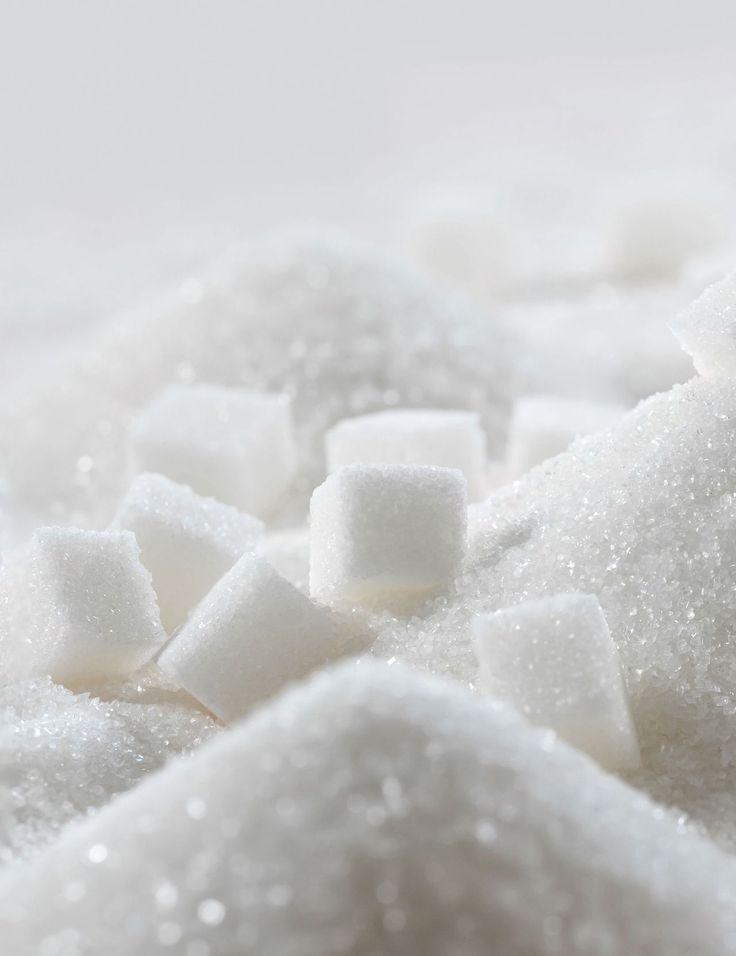
15. Candy Sugar
Fig no. 17 Candy sugar
Synonyms - Rock sugar, Sugar crystals, Mishri, Misri
Botanical Name -Saccharum officinarum
Biological Source - Candy sugar is obtained from the sucrose-rich juice of sugarcane
Family -Poaceae
Nutritional Composition
Major Component - Sucrose (98-99%)
Minor Components - Trace minerals (calcium, potassium, magnesium) depending on source
Caloric Value - High energy source (387 kcal/100g)
Physical Form - White or brownish crystalline granules
Bioactive Components
Polyphenols/ Flavonoids (trace) - Depending on the processing, unrefined candy sugar may contain minor phenolic compounds that have antioxidant properties.
Amino Acids/ Organic Acids (Trace) - Small residual amino acids or organic acids may remain, slightly enhancing nutraceutical value.
Health Benefits
Instant Energy Source - Provides rapid energy due to its simple sugar content.
Digestive Aid - Traditionally used to relieve indigestion and acidity in small amounts.
Soothing Effect - Used in Ayurvedic formulations for sore throat, cough, and oral care.
Cooling Effect in Ayurveda - Believed to balance Pitta dosha and reduce heat-related conditions.
Mineral Supplement - Some natural candy sugar retains trace minerals like calcium and magnesium.
Health benefits of protein powder
Promote muscle growth -
Protein is one of the most important nutrients for maintaining or preventing muscle loss, especially as you get older. It can support the growth and recovery of cells necessary for muscle energy, tissue growth, and restoration.
Lower blood pressure -
High blood pressure (hypertension) is one of the leading risk factors for heart disease. It may help reduce systolic blood pressure.
Help manage type 2 diabetes -
Type 2 diabetes is a chronic disease characterized by high blood sugar and impaired insulin function. Protein may help manage diabetes in several ways, including:
Lowering blood sugar levels after eating
Increasing insulin level and sensitivity to its effects
Managing blood glucose level
Increasing levels of fullness
Lowering lipids, such as triglycerides
Help reduce inflammation -
Inflammation is part of the body’s response to damage. It can be beneficial, but under certain circumstances, it may become chronic. It including heart disease, diabetes, and arthritis, and it may reflect underlying health conditions or lifestyle habits that could harm health. Protein helped reduce C-reactive protein (CRP) and interleukin-6 (IL-6).
Help manage inflammatory bowel disease -
Inflammatory bowel disease (IBD) is a condition characterized by chronic inflammation in the lining of the digestive tract. Protein help to promote inflammatory bowel disease remission and prevent flare-ups by:
Secreting an intestinal protein called mucin
Reducing inflammation
Improving the function of the intestinal barrier
Supporting the gut microbiome and improving overall gut health
Enhance the body’s antioxidant defenses -
Antioxidants are substances that act against oxidation in the body. This means they reduce oxidative stress and lower the risk of various chronic diseases. Protein boost natural antioxidant defenses, especially glutathione, which his produced by our body.
Beneficial effects on blood fats -
High cholesterol, especially LDL cholesterol, is risk factor for heart disease. Protein help to reduce LDL cholesterol and total cholesterol, especially in people younger than 50 years old.
Help reduce hunger -
Satiety is a term used to describe the feeling of fullness we experience after eating a meal. It’s the opposite of appetite and hunger, and it should suppress cravings for food and the desire to eat. Protein is the most filling of the three macronutrients. It can help increase several fullness hormones, including:
Glucagon-like peptide-1 (GLP-1)
Cholecystokinin (CCK)
Peptide ttyrosine-tyrosine (PYY)
Help support weight management -
Increased consumption of protein is a well known weight loss strategy. Eating more protein may help support fat loss by:
Increasing feelings of fullness
Reducing hunger and cravings throughout the day
Increasing the thermic effect of food
Maintaining muscle mass
Protein has been show to be particularly effective< especially when combined with frequent exercise and maintaining a calorie deficit.
Increases muscle mass and strength -
Protein is the building block of your muscles. Eating adequate amounts can help maintain muscle mass and promote muscle growth during strength training.
Advantages
Promote muscle growth and repair
Aids in weight management
Convenient source of nutrition
Support recovery
Boost energy and metabolism
Support bone health
Improve hair, skin and nail health
Beneficial for vegetarians and vegan
Increases fat burning
Improve function of immune system
Promote long- term wellness
Enhance athletic performance
Disadvantages
Digestive issues
Kidney strain (with excess use)
May contain additives or artificial sweeteners
Allergic reaction
Expensive
Not a substitute for whole foods
Possible weight gain
Overuse or misuse
Lack of regulation and quality control
Reduce appetite
Weight gain
What are the possible side effects of protein powder ?
Protein is well tolerated when consumed at the recommended dosage. Some people report that taking too much protein may cause mild gastrointestinal symptoms. These possible symptoms may include:
Bloating
Diarrhea
Cramping
Allergic reactions
Flatulence
Abdominal pain
Acne
Nausea
Headache
Hunger
Nutrient imbalance
Dehydration
Fatigue
CONCLUSION
Protein rich powder formulated with nutraceutical ingredient offers a balanced approach to health nutritional. It not only fulfills the body’s protein requirements for muscle growth, repair, and energy but also delivers additional therapeutics benefits through bioactive compounds. The inclusion of nutraceutical such as herbal extract, seeds, vitamins, and minerals enhance immunity, supports metabolism, and promotes over all wellbeing. Unlike convention supplements nutraceuticals-based protein powder proved both nutritional and preventive health benefits, contributing to the management of life style disorders such as obesity, diabetic, and cardiovascular disease . therefore, Nutraceutical-based protein powder can be consider an effective and safe functional food supplements for promoting long term health and vitality.
REFERENCES
Saloni S. Rajmane, Shveta S. Thakare, Prof. Nikhil N. Jadhav. (2024). Formulation and Evolution of Protein- Rich Nutraceutical Powder forWeight Gain. International Journal of creative Research Thoughts (IJCRT). ISSN:2320-2882.
Nivedita Chatterjee and Neha Mishra (2025). Formulation and Evaluation of Protein Powder by Using Karela and Jamun Seed Powder. International journal Of Pharmacy and Pharmaceutical Science. (IJPPS) 2025; 7(1):272-283 https://www.doi.org/10.33545/26647222.2025.v7.i1d.176
Neha Ashvini R., Khatal Pradip S., (2025). Nutraceuticals: Formulation and Evaluation of Herbal Protein Powder. EPRA International Journal of Multidisciplinary Research (IJMR). ISSN (O4nline): 2455-3662
Sajan Maurya, Dr. Nisha Sharma, Dr. Mamta Tiwari, Mrs. Anju Singh, Snehil Singh Yadav, Kajol. (2022). A Review Article on Nutraceuticals. International research journal of Modernization in Engineering Technology and Science. e-ISSN: 2582-520
Raj K. Keservani, Rajesh K Keservani, Anil K. Sharma, Surya P. Gautam, Santosh K. Verma. (2017). DevelopingNew Functional Food and Nutraceutical Products. Chapter 9- NutraceuticalFormulations and Challenges. ScienceDirect. https://doi.org/10.1016/B978-0-12-802780-6.00009-2
Birsen Bulut Solak and Nihat Akin. (2012). Health Benefits of Whey Protein: A Review. Journal of Food Science and Engineering to (2012) 129-137.https://www.researchgate.nat/publication/259570207_Health_Benefits_of_Whey_Protein_A_Review
Rania I.M. Almoselhy (2023) Formulation and evaluation of novel nutraceuticals rich in proteins, vitamins, minerals, natural flavors, and steviol glycosides for improving quality of life. Food Science and Applied Biotechnology. e-ISSN: 2603-3380. https://doi.org/10.30721/fsab2023.v6.i2.294.
Anatasia Markaki, Maria Nikolakaki, Despoina Io Pantzou, Nikolaos Thalassinos and Vassilios Raikos. Nutritional Analysis of Commercial Protein Powder Supplements in the Greek Market: A Cross-sectional Analysis of Meat-and Plant-Based Product. Nutraceuticals 2025, 5,32. https://doi.org/10.3390/nuraceuticals5040032
Dr. S. Ruby, S. Prakash, V. Pradeep Kumar, T. Praveen Kumar, S. Prathab. (2021). A Comprhensive Review on Nutraceuticals. International Journal of Pharmaceutical Science Review and Research, 68(2). https://dx.doi.org/10.47583/igpsrr.2021.v68i02.021
Baby Chauhan, Gopal Kumar, Nazia Kalam, Shahid H. Ansari. Current Concept and Prospects of Herbal Nutraceutical: A review. Journal of Advanced Pharmaceutical Technology & Research. 2013.
Magda Corgneau, Claire Gaiani, Jeremy Petit, Yoana Nikolova, Sylvie Banon, Lea Ritie-Pertusa, Doan Thanh Lam Le & Joel Scher. Nutritional quality evaluation of commercial protein supplements. International Journal of Food Science and Technology 2019, 54, 2586-2594. https://share.google/yJkzPmFLzCQaQGJ2z
Radhika Parasuram Rajam, Gowsalya Murugesan, Kaviya Vadivelkumar, Vigneshwari Menachisundaram. Nutraceuticals- A Review. World journal of Pharmaceutical Research, 2019, 1354-1374.
Kartik Sharma, Wanli Zhang, Saroat Rawdkuen. Dietary Plant-Based Protein Supplements: Sources, Processing, Nutritional Value, and Health Benefits. Foods, 2025 Sep 19;14(18):3259. https://doi.org/10.3390/foods14183259
Yamunadevi Puraikalan, Michelle Scott. Sunflower Seeds (Helianthus Annuus) and Health Benefits: A Review. Recent Progress in Nutrition 2023; 3(3): 010. https://doi:10.21926/rpn.2303010
Mingxin Zhang, Shengbao Cai, Ou Wang, Lei Zhao, Liang Zhao. A Comprehensive review on Walnut Protein: Extraction, Modification, Functional Properties and its Potential applications. Journal of Agriculture and food Research 2024, 101141. https://boi.org/10.1016/j.jafr.2024.101141
Milad Hadidi, Mohammad Tarahi, Martin Gunther Innerhofer, Iris Pitscheider, Amadeus Loscher & Marc Pignitter. Pumpkin seed as a sustainable source of plant-based protein for novel food applications. Critical Reviews in Food Science and Nutrition, 2025- Issue 33. https://doi.org/10.1080/10408398.2025.2505235
Xinyu Shen, Jinzhu Yue, Jia Fu, Yangze Guo, Huiyi Yang, Qiumei Liu, Nuo Xu, Xiqing Yue, Mohan Li. Nutritional evaluation of almond protein- whey protein double system and its effect on lipid Metabolism in HepG2 cells. Food Bioscience 2024, 104670. https://doi.org/10.1016/j.fbio.2024.104670
Yamini Tak, Manpreet Kaur, Mool C. Jain, Mahesh Kumar Samota, Nirmal Kumar Meena, Gurpreet Kaur, Rajendra Kumar, Daisy Sharma, Jose M. Lorenzo, Ryszard Amarowicz. Jamun Seed: A Review on Bioactive Constituents, Nutritional Value and Health Benefits. Polish Journal of Food and Nutrition Sciences. 2022;72(3):211-228. https://doi.org/10.31883/pjfns/152568
Jessica Silva do Carmo, Jose Diogo da Rocha Viana, Arthur Claudio Rodrigues de Souza, Kelvi Wilson Evaristo Miranda, Celli Rodrigues Muniz, Lorena Mara Alexandre e Silva, Matheus Dias de Carvalho, Ana Carla Kawazoe Sato, Daniele Maria Alves Teixeira Sa, Wellington da Silva Oliveira, Fernanda Furlan Goncalves Dias, Ana Paula Dionisio. Cashew nut protein concentrate ingredient for the emerging alternative protein industry. Food Chemistry, 2025, 146855. https://doi.org/10.1016/j.foodchem.2025.146855
Shalini S. Arya, Akshata R. Salve & S. Chauhan. Peanuts as functional food: a review. Journal of Food Science and Technology, 2015 Sep 19;53(1):31-41. https://doi.org/10.1007/s13197-015-2007-9
Rahul Vishnu Rathod, Girish Neve, Adheeti Jain and Parmeshwar Giri. A Comprehensive review on health Benefits and nutritional aspects of Foxnut (Makhana). The Pharma Innovation Journal 2023; 12(6): 4432-4438.
https://share.google/yPjGdZQQY6vollhUz
Ishara M.D.P and Wimalasiri Y.S.G. Review on Benefits of Protein Supplements for Athletes. European Journal of Pharmaceutical and Medical Research, 2022,9(1), 22-25.
Maeve Henchio, Maria Hayes, Anne Maria Mullen, Mark Fenelon, Brijesh Tiwari. Future Protein Supply and Demand: Strategies and Factors Influencing a Sustainable Equilibrium. Foods. 2017 Jul 20;6(7):53. https://doi.org/10.3390/foods6070053
Michelle L. Colgrave, Sonja Dominik, Aarti B. Tobin, Regine Stockmann, Cedric Simon, Crispin A. Howitt, Damien P. Belobrajdic, Cate Paull, and Thomas Vanhercke. Perspectives on Future Protein Production. Journal of Agricultural and Food Chemistry. 2021, 69,50, 15076-15083. https://doi.org/10.1021/acs.jafc.1c05989
Pingxu Qin, Taoran Wang, Yangchao Luo A review on plant-based protein from soybean: Health benefit and soy product development. Journal of Agriculture and Food Research 2022, 100265. https://doi.org/10.1016/j.jafr.2021100265
Rachel Parks. Nutritional and hydration. The Youth Athlete, 2023, 573-583. http://doi.org/10.1016/B978-0-323-99992-2.00084-0
Vishw Patel, Kanishk Aggarwal, Ashish Dhawan, Bhupinder Singh, Priyanshi Shah, Aanchal Sawhney, Rohit Jain. Protein supplementation: the double-edged sword. Baylor University Medical Centre Proceedings, 2023 Dec 20;37(1):118-126. https://doi.org/10.1080/08998280.2023.2280417
Reference
Saloni S. Rajmane, Shveta S. Thakare, Prof. Nikhil N. Jadhav. (2024). Formulation and Evolution of Protein- Rich Nutraceutical Powder forWeight Gain. International Journal of creative Research Thoughts (IJCRT). ISSN:2320-2882.
Nivedita Chatterjee and Neha Mishra (2025). Formulation and Evaluation of Protein Powder by Using Karela and Jamun Seed Powder. International journal Of Pharmacy and Pharmaceutical Science. (IJPPS) 2025; 7(1):272-283 https://www.doi.org/10.33545/26647222.2025.v7.i1d.176
Neha Ashvini R., Khatal Pradip S., (2025). Nutraceuticals: Formulation and Evaluation of Herbal Protein Powder. EPRA International Journal of Multidisciplinary Research (IJMR). ISSN (O4nline): 2455-3662
Sajan Maurya, Dr. Nisha Sharma, Dr. Mamta Tiwari, Mrs. Anju Singh, Snehil Singh Yadav, Kajol. (2022). A Review Article on Nutraceuticals. International research journal of Modernization in Engineering Technology and Science. e-ISSN: 2582-520
Raj K. Keservani, Rajesh K Keservani, Anil K. Sharma, Surya P. Gautam, Santosh K. Verma. (2017). DevelopingNew Functional Food and Nutraceutical Products. Chapter 9- NutraceuticalFormulations and Challenges. ScienceDirect. https://doi.org/10.1016/B978-0-12-802780-6.00009-2
Birsen Bulut Solak and Nihat Akin. (2012). Health Benefits of Whey Protein: A Review. Journal of Food Science and Engineering to (2012) 129-137.https://www.researchgate.nat/publication/259570207_Health_Benefits_of_Whey_Protein_A_Review
Rania I.M. Almoselhy (2023) Formulation and evaluation of novel nutraceuticals rich in proteins, vitamins, minerals, natural flavors, and steviol glycosides for improving quality of life. Food Science and Applied Biotechnology. e-ISSN: 2603-3380. https://doi.org/10.30721/fsab2023.v6.i2.294.
Anatasia Markaki, Maria Nikolakaki, Despoina Io Pantzou, Nikolaos Thalassinos and Vassilios Raikos. Nutritional Analysis of Commercial Protein Powder Supplements in the Greek Market: A Cross-sectional Analysis of Meat-and Plant-Based Product. Nutraceuticals 2025, 5,32. https://doi.org/10.3390/nuraceuticals5040032
Dr. S. Ruby, S. Prakash, V. Pradeep Kumar, T. Praveen Kumar, S. Prathab. (2021). A Comprhensive Review on Nutraceuticals. International Journal of Pharmaceutical Science Review and Research, 68(2). https://dx.doi.org/10.47583/igpsrr.2021.v68i02.021
Baby Chauhan, Gopal Kumar, Nazia Kalam, Shahid H. Ansari. Current Concept and Prospects of Herbal Nutraceutical: A review. Journal of Advanced Pharmaceutical Technology & Research. 2013.
Magda Corgneau, Claire Gaiani, Jeremy Petit, Yoana Nikolova, Sylvie Banon, Lea Ritie-Pertusa, Doan Thanh Lam Le & Joel Scher. Nutritional quality evaluation of commercial protein supplements. International Journal of Food Science and Technology 2019, 54, 2586-2594. https://share.google/yJkzPmFLzCQaQGJ2z
Radhika Parasuram Rajam, Gowsalya Murugesan, Kaviya Vadivelkumar, Vigneshwari Menachisundaram. Nutraceuticals- A Review. World journal of Pharmaceutical Research, 2019, 1354-1374.
Kartik Sharma, Wanli Zhang, Saroat Rawdkuen. Dietary Plant-Based Protein Supplements: Sources, Processing, Nutritional Value, and Health Benefits. Foods, 2025 Sep 19;14(18):3259. https://doi.org/10.3390/foods14183259
Yamunadevi Puraikalan, Michelle Scott. Sunflower Seeds (Helianthus Annuus) and Health Benefits: A Review. Recent Progress in Nutrition 2023; 3(3): 010. https://doi:10.21926/rpn.2303010
Mingxin Zhang, Shengbao Cai, Ou Wang, Lei Zhao, Liang Zhao. A Comprehensive review on Walnut Protein: Extraction, Modification, Functional Properties and its Potential applications. Journal of Agriculture and food Research 2024, 101141. https://boi.org/10.1016/j.jafr.2024.101141
Milad Hadidi, Mohammad Tarahi, Martin Gunther Innerhofer, Iris Pitscheider, Amadeus Loscher & Marc Pignitter. Pumpkin seed as a sustainable source of plant-based protein for novel food applications. Critical Reviews in Food Science and Nutrition, 2025- Issue 33. https://doi.org/10.1080/10408398.2025.2505235
Xinyu Shen, Jinzhu Yue, Jia Fu, Yangze Guo, Huiyi Yang, Qiumei Liu, Nuo Xu, Xiqing Yue, Mohan Li. Nutritional evaluation of almond protein- whey protein double system and its effect on lipid Metabolism in HepG2 cells. Food Bioscience 2024, 104670. https://doi.org/10.1016/j.fbio.2024.104670
Yamini Tak, Manpreet Kaur, Mool C. Jain, Mahesh Kumar Samota, Nirmal Kumar Meena, Gurpreet Kaur, Rajendra Kumar, Daisy Sharma, Jose M. Lorenzo, Ryszard Amarowicz. Jamun Seed: A Review on Bioactive Constituents, Nutritional Value and Health Benefits. Polish Journal of Food and Nutrition Sciences. 2022;72(3):211-228. https://doi.org/10.31883/pjfns/152568
Jessica Silva do Carmo, Jose Diogo da Rocha Viana, Arthur Claudio Rodrigues de Souza, Kelvi Wilson Evaristo Miranda, Celli Rodrigues Muniz, Lorena Mara Alexandre e Silva, Matheus Dias de Carvalho, Ana Carla Kawazoe Sato, Daniele Maria Alves Teixeira Sa, Wellington da Silva Oliveira, Fernanda Furlan Goncalves Dias, Ana Paula Dionisio. Cashew nut protein concentrate ingredient for the emerging alternative protein industry. Food Chemistry, 2025, 146855. https://doi.org/10.1016/j.foodchem.2025.146855
Shalini S. Arya, Akshata R. Salve & S. Chauhan. Peanuts as functional food: a review. Journal of Food Science and Technology, 2015 Sep 19;53(1):31-41. https://doi.org/10.1007/s13197-015-2007-9
Rahul Vishnu Rathod, Girish Neve, Adheeti Jain and Parmeshwar Giri. A Comprehensive review on health Benefits and nutritional aspects of Foxnut (Makhana). The Pharma Innovation Journal 2023; 12(6): 4432-4438.
https://share.google/yPjGdZQQY6vollhUz
Ishara M.D.P and Wimalasiri Y.S.G. Review on Benefits of Protein Supplements for Athletes. European Journal of Pharmaceutical and Medical Research, 2022,9(1), 22-25.
Maeve Henchio, Maria Hayes, Anne Maria Mullen, Mark Fenelon, Brijesh Tiwari. Future Protein Supply and Demand: Strategies and Factors Influencing a Sustainable Equilibrium. Foods. 2017 Jul 20;6(7):53. https://doi.org/10.3390/foods6070053
Michelle L. Colgrave, Sonja Dominik, Aarti B. Tobin, Regine Stockmann, Cedric Simon, Crispin A. Howitt, Damien P. Belobrajdic, Cate Paull, and Thomas Vanhercke. Perspectives on Future Protein Production. Journal of Agricultural and Food Chemistry. 2021, 69,50, 15076-15083. https://doi.org/10.1021/acs.jafc.1c05989
Pingxu Qin, Taoran Wang, Yangchao Luo A review on plant-based protein from soybean: Health benefit and soy product development. Journal of Agriculture and Food Research 2022, 100265. https://doi.org/10.1016/j.jafr.2021100265
Rachel Parks. Nutritional and hydration. The Youth Athlete, 2023, 573-583. http://doi.org/10.1016/B978-0-323-99992-2.00084-0
Vishw Patel, Kanishk Aggarwal, Ashish Dhawan, Bhupinder Singh, Priyanshi Shah, Aanchal Sawhney, Rohit Jain. Protein supplementation: the double-edged sword. Baylor University Medical Centre Proceedings, 2023 Dec 20;37(1):118-126. https://doi.org/10.1080/08998280.2023.2280417
Yamini Bisen
Corresponding author
Rashtriya College of Pharmacy Hatnoor, Kannad, Chh. Sambhajinagar 431103
Rashtriya College of Pharmacy Hatnoor, Kannad, Chh. Sambhajinagar 431103
Bhagyashri Bhure
Co-author
Rashtriya College of Pharmacy Hatnoor, Kannad, Chh. Sambhajinagar 431103
Atharva Patil
Co-author
Rashtriya College of Pharmacy Hatnoor, Kannad, Chh. Sambhajinagar 431103
B. V. Phad
Co-author
Rashtriya College of Pharmacy Hatnoor, Kannad, Chh. Sambhajinagar 431103
Sakshi Edve, Yamini Bisen, Bhagyashri Bhure, Atharva Patil, B. V. Phad, Nutraceutical Based Protein Rich Powder, Int. J. of Pharm. Sci., 2025, Vol 3, Issue 12, 1617-1636. https://doi.org/10.5281/zenodo.17868182





 10.5281/zenodo.17868182