We use cookies to make sure that our website works properly, as well as some ‘optional’ cookies to personalise content and advertising, provide social media features and analyse how people use our site. Further information can be found in our Cookies policy
Access to safe, effective, and affordable medicines is a cornerstone of public health. Generic medicines were introduced to make treatments more affordable, yet how patients perceive them continues to vary worldwide. Many people recognize that generics are cheaper, but doubts about their quality and effectiveness persist. Understanding these perceptions is crucial for improving confidence in generics and promoting equitable healthcare access. Generic medicines are drugs whose original patent has expired, allowing other companies besides the one that first invented them to make and sell them. In short, generic medicines are copies of brand-name drugs that other companies can make and sell after the original company's patent expires. Research shows that although many people see generic medicines as a more affordable option, doubts about their quality, safety, and effectiveness still in linger. In wealthier countries, where rules are stricter and information is more available, patients tend to trust and accept generics more easily. But in many low- and middle-income countries, people often stick to branded medicines because they feel more familiar, have more trust in them, or are unsure about the reliability of generics. Doctors and pharmacists have a powerful influence on these choices. When they confidently recommend generic medicines and explain that they work just as well as branded ones, patients are much more likely to feel comfortable using them. To build this trust everywhere, it's important to focus on patient education, open communication, and strong quality standards Helping people understand and believe in generics doesn't just improve how they take their medicines; it also supports fairer, more affordable healthcare for everyone.
Generic medicines are pharmaceutical products that come onto the market once the patent for an original drug expires. They contain the same active ingredients, strength, dosage form method of administration, safety, effectiveness, and therapeutic effects as brand-name drugs. The use of generic drugs has changed over several decades, leading to economic, professional, and scientific conflicts.
Economically, brand-name manufacturers have worked to protect their patents and market share, while governments, healthcare groups, and consumers have advocated for cheaper options to improve access and affordability. From a professional standpoint, pharmacists view generic substitution as a key area in which they apply their expertise in patient care .Scientific discussions about bioequivalence and product quality have been confused, with brand manufacturers often questioning the quality and equivalence of generics. However, studies and regulatory reviews consistently show that generic medicines meet the same strict standards as brand-name drugs.
The story of generic drug use has always been one of debate and tension from many different sides. At its core, the main conflict is about money. Companies that make brand-name medicines work hard to protect their patents and profits, while governments, healthcare organizations, and consumer groups push for access to cheaper alternatives through generics.
The most complex part of the debate is the scientific c question: are generics really the same as brand-name drugs? Brand manufacturers often argue that not all generics are equally effective or of the same quality. But this view is strongly challenged by pharmacists, generic drug makers, healthcare institutions, and regulators such as the U.S. Food and Drug Administration, who insist that approved generics meet strict standards and work just as well as their branded counterparts.
A list of popular brand name drugs and their generic equivalents can be found below :
Table: 1 List of Popular brand name drugs and their generic equivalents
Generic Name Drugs
Brand Name Drugs
Paracetamol
Crocin
B-Complex
Becosul
Azithromycin
Azee
Ibuprofen
Advil
Cetirizine
Zyrtec
Omeprazole
Prilosec
Generic name drugs :
A generic drug is a medicine that works in the same way as a brand-name drug but usually costs less. It contains the same active ingredient—the part of the medicine that makes it effective—as the original version that was once protected by a patent. When that patent expires, other companies can produce their own versions of the medicine, giving patients more affordable options.
Although generic drugs may look different from brand-name ones, they might have a different colour, shape, or packaging, they must meet strict standards set by health authorities. These standards ensure the medicine is as safe , effective, and high-quality as the original. In short, taking a generic drug should give you the same results as taking the brand-name version, just at a lower cost.
The history of generic drugs: access, affordability and innovation:
History of generic drugs in India: from dependence to global leadership
When India became independent in 1947, it inherited not only a fragile economy but also a dependence on foreign medicines.
Most lifesaving drugs came from abroad, sold at prices only the wealthy could afford . For millions of Indians, access to basic medicine was a luxury, not alright. But within a few decades, that changed and India became known as the pharmacy of the world.
This is the story of how science, policy, and compassion came together to make that possible.
The early days, medicines from elsewhere
In the early years after independence, almost every pill, vaccine, and antibiotic was imported. Multinational companies like Pfizer and Glaxo dominated the market, and India had little control over prices or supply.
The local pharmaceutical industry was tiny, more about repackaging imported drugs than making them. Doctors prescribed by brand name, and patients often had no idea what they were taking, only that it was expensive.
But there was a growing realization among India's leaders: "We cannot be truly independent if we depend on others for our medicines."
2. Building the foundation in the 1950s and 1960s
The government took the first bold steps toward self-reliance. In 1961, it created Indian Drugs and Pharmaceuticals Limited (IDPL), a public-sector company to make essential medicines locally.
Other homegrown firms like Cipla and Ranbaxy started experimenting with local manufacturing. But there was one big obstacle: patents. At that time, Indian law protected product patents, meaning if a company in the U.S. or U.K discovered a new drug, no Indian company could make it, even if they knew how Foreign companies controlled almost every major medicine. Prices stayed high
India needed a new law and a new way of thinking.
3. 1970 The law that changed everything
In 1970, India passed one of its most revolutionary pieces of legislation: the Indian Patents Act. It abolished product patents for medicines and allowed only process patents for a short period.
In simple terms, this meant Indian scientists could make the same medicine as long as they found a different way to make it.
This one decision changed everything. It encouraged Indian companies to reverse-engineer expensive drugs, discover new manufacturing techniques, and sell the same medicines at a fraction of the cost. This was not about copying; it was about innovation for access.
4. The boom from the 1970s to the 1990s
The new patent law lit a fi re in India's scientific community.
Dozens of Indian companies began to rise Cipla, Ranbaxy, Dr Reddy's, Lupin, Sun Pharma, Cadila, and more. They learned how to make antibiotics, cancer drugs, and heart medicines that were just as effective as Western brands but10 to 20 times cheaper.
By the late 1980s, India had achieved what once seemed impossible: it was self-sufficient in pharmaceuticals. More than 90% of the medicines used in India were made in India. And soon, these affordable medicines began to reach other parts of the world, Africa, Latin America, and Southeast Asia, where people faced the same struggle for access
5. 1995–2005 A new challenge: TRIPS and Patents return
When India joined the World Trade Organisation (WTO) in 1995, it agreed to follow the TRIPS Agreement, which required the return of product patents for medicines by 2005.This sparked widespread fear: Would drug prices skyrocket again? Would Indian companies lose their edge?
But India adapted It changed its patent laws to comply while adding strong safeguards to protect public health, like Section 3(d), which prevents companies from extending patents by making small tweaks to old drugs ("evergreening").
Indian companies also began focusing more on research, quality, and international standards, exporting generics to regulated markets like the U.S and Europe
6. The 2000s India becomes the “Pharmacy of the developing world”
The early 2000s marked a turning point not just for business, but for humanity .The world was in the grip of the HIV/AIDS crisis, and lifesaving anti-retroviral drugs cost over $10,000 a year, far beyond the reach of most patients in Africa and Asia.
Then, in 2001, Cipla stepped forward with an offer that changed global health forever:
HIV treatment for $1 a day.
That single act shattered the global pricing barrier and saved millions of lives. Indian generics soon became the backbone of HIV treatment programs across Africa, supported by organizations like the WHO and UNICEF.
For the first time, India wasn't just making affordable medicine; it was reshaping the moral landscape of global healthcare
7. 2010s to Today innovation, quality, and global reach
Around 20% of the world's generic medicines,
60% of the global vaccine supply, and Nearly 40% of U.S. generic imports.
Indian companies now make everything from simple antibiotics to complex cancer therapies and biosimilars (generic versions of biologic drugs). The focus has shifted toward innovation, digital health, and R&D-driven generics, but the soul of the industry remains the same: affordable medicine for all
Summary Timeline: (Indian Scenario)
Table: 2 Indian Scenario of Generic Drug Usage
Year
Milestone
Significance
1947
Independence
Dependent on foreign medicine imports
1961
IDPL established
Beginning of domestic drug production
1970
Indian Patents Act
Allowed process patents – generic born
1980
Rise Of Indian Pharma Companies
India becomes self sufficient
1995
TRIPS Agreement
Return of product patents
2001
Cipla’s 1$/Day HIV Drug offer
India becomes pharmacy of the world
2005
TRIPS – complaint Patent Law
Balanced innovation with Access
2010- Now
Rise of biosimilars and global exports
India leads global generic supply
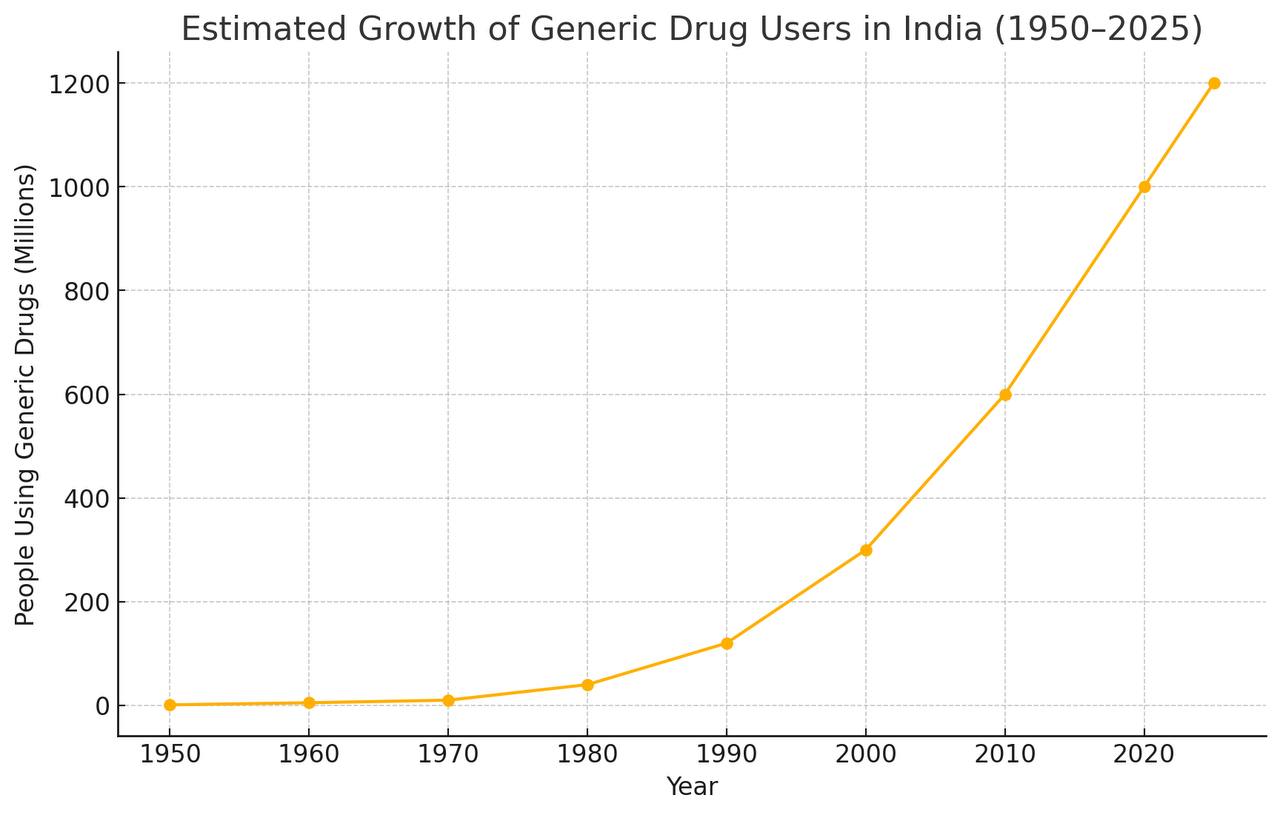
Figure: 1 Indicates Growth of Generic Drug Users in India
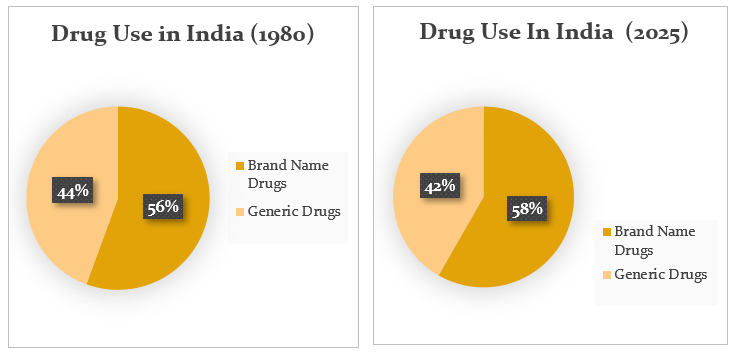
Figure: 2 Indicates Pie Chart showcasing Distribution of Generic Drug usage
In 2025, India's pharmaceutical story is one of both care and reach.
About 42% of the country's generic medicines are used right here at home —helping millions of Indian families manage everyday health challenges, from diabetes to infections, at a fraction of the cost.
But the other 58% of those medicines travel far beyond India's borders. They reach hospitals and clinics across Africa, Asia, Latin America, and even the West, providing affordable treatment where branded drugs might otherwise be out of reach.
This balance tells a powerful story: India doesn't just heal its own people — it helps heal the world.
As the "pharmacy of the developing world," India's generic drug industry stands as a symbol of innovation, compassion, and global responsibility —proving that healthcare can be both scientifically strong and socially just.
Brand name drugs :
When we think of medicines, most of us picture their brand names like Crocin, Lipitor, or Augmentin.
But behind each of those names is a long journey of research, risk, and regulation.
Branded drugs are where most modern medicines begin and their story helps us understand why they exist, why they’re often expensive, and how they eventually give rise to generic drugs that millions depend on today.
What exactly are brand name drugs?
A branded (or brand-name) drug is a medicine that's developed, named, and sold by a specific pharmaceutical company under a trademarked name.
It's the original product created after years of research and testing to prove it’s safe and effective.
For example:
The brand name: Lipitor
The generic name: Atorvastatin
Both treat the same condition, high cholesterol, but one is the original innovator, and the other is its lower-cost equivalent that appears later.
History of brand name drugs in India :
Before 1947 – The colonial era
Most medicines in India were imported brand-name drugs made by British or European companies such as Burroughs Wellcome, Glaxo, and Boots.
Indian pharmacists mainly dispensed these medicines; there was almost no domestic pharmaceutical manufacturing.
Foreign brand names symbolized trust and quality, and people associated imported medicines with effectiveness.
1950s – First steps toward self-reliance
After independence, India began promoting domestic production of medicines. The first Indian pharmaceutical companies that emerged were Bengal Chemicals, Alembic, and Cipla.
However, India still relied on foreign brand-name formulations and imports for most modern medicines. Indian brands existed, but they were small and locally known.
1960–1970 The turning point
The Indian Drugs and Pharmaceuticals Limited (IDPL) was set up in 1961 by the government to produce essential drugs domestically.
Most available drugs still carried foreign brand names and high prices.
Then came a revolutionary change in the Indian Patents Act of 1970.
This law abolished product patents for pharmaceuticals, allowing Indian companies to make the same drugs using different manufacturing processes.
It broke the monopoly of foreign brand-name drugs and opened the door to Indian-made branded generics.
1970’s – 1980’s The rise of Indian brand names
Indian pharma companies like Cipla, Ranbaxy, Dr Reddy's, Lupin, and Sun Pharma began producing their own versions of international medicines, same molecule, different name.
These were technically generic drugs, but they were sold under new Indian brand names (e.g., Cipla's Ciprofloxacin or Ranbaxy's Cefspan)
This era marked the birth of "branded generics", affordable, high-quality medicines with local brand identity.
Patients began to trust Indian names, and doctors started prescribing them widely.
1990s – Global recognition and local branding
By the early 1990s, Indian fi rms were dominating the domestic market and expanding abroad.
The Indian market was unique: even generic medicines were sold under brand names, often with colorful packaging and strong marketing.
Brand loyalty among doctors and patients became a powerful marketing tool.
The Drug Price Control Order (DPCO) regulated some essential medicine prices to maintain affordability.
1995–2005 – TRIPS and the return of patents
India joined the World Trade Organisation (WTO) in 1995 and had to comply with the TRIPS Agreement (Trade-Related Aspects of Intellectual Property (Rights)
By 2005, India reintroduced product patents for new drugs.
This meant global brand-name drugs (like Pfizer's Lipitor or GSK's Augmentin)were once again protected, but Indian companies had already built strong branded-generic markets.
India balanced global IP rules with patient needs through Section 3(d) of the Patents Act, which prevented "evergreening" (minor changes to extend patent life)
2000s – The era of branded generics and global expansion
India became known as "The Pharmacy of the Developing World."
Indian companies exported affordable branded generics worldwide, especially lifesaving HIV/AIDS drugs.
Cipla's $1-a-day HIV treatment (2001) changed global health forever.
At home, the Indian market grew crowded: thousands of brands for the same molecules. For example, paracetamol alone appeared under dozens of names Crocin, Calpol, Metacin, and more
2010s – Brand clutter and regulation
By this time, India had over 60,000 pharmaceutical brands for around 3,000drug molecules.
Brand-name confusion became a real issue many names sounded alike, increasing the risk of medication errors.
The government promoted generic prescribing and introduced the Jan-Aushadhi scheme (2008) to encourage the sale of unbranded, low-cost generics. Still, most prescriptions in India continued to list brand names rather than generic names.
2020s–Present – balancing trust, cost, and access
India continues to balance brand trust with affordable access.
Multinational corporations still sell branded drugs (like Pfizer, GSK, Novartis),but Indian companies dominate the branded generic market.
Brand-name awareness remains strong among patients, even as policies push toward generic-name prescriptions.
With biosimilars, India is now branding the next generation of affordable biologic drugs.
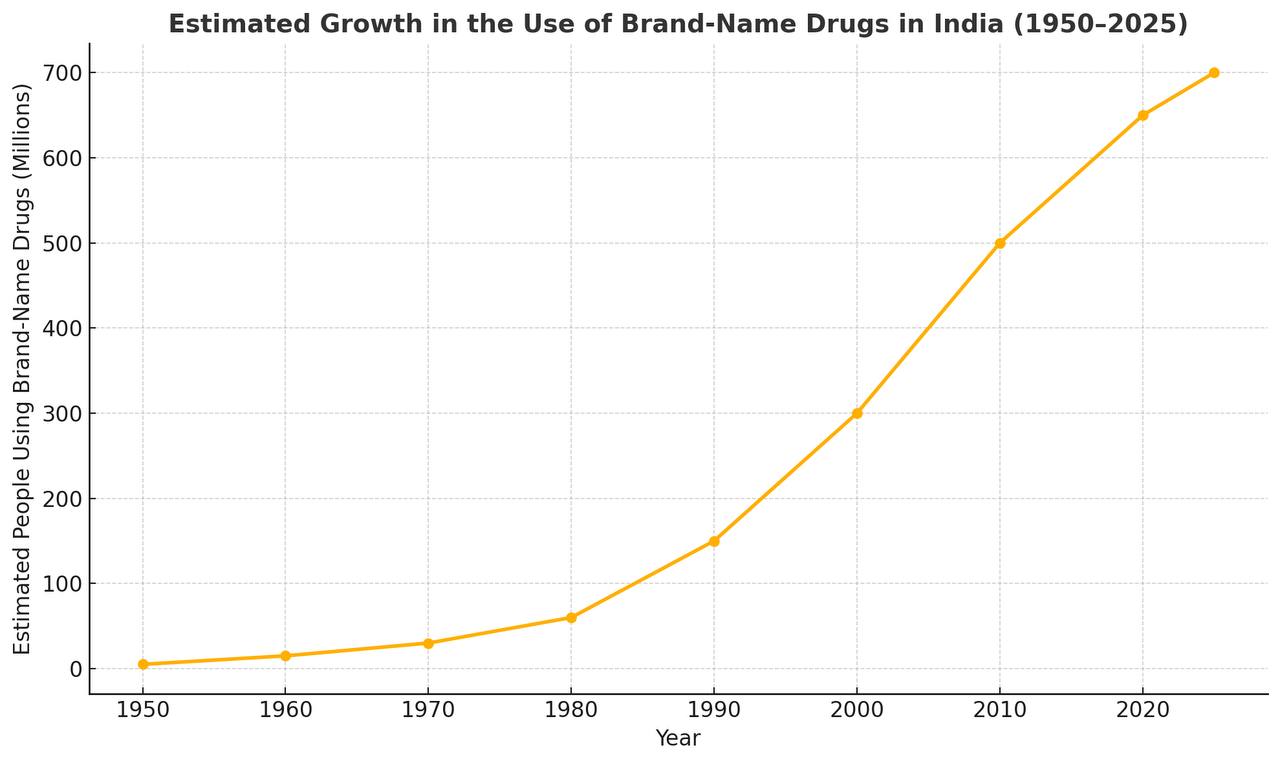
Figure: 3 Indicates Estimated Growth in the use of Brand Name Drugs in India (1950-2025)
Figure: 5 Represents Comparison of Brand-Name vs Generic Drug Usage In India (1980 vs 2025)
Patient Perception:
Brand-name medications now account for 80% of all medical expenses, which are paid for out of pocket. Despite the fact that generic medications are less costly than name-brand ones and have the same therapeutic impact, many physicians are reluctant to prescribe them because of their unfavorable opinions. The purpose of this study was to evaluate physicians' attitudes, practices, and knowledge regarding generic medications.
Regarding the effectiveness and safety of generic medications, the majority of the physicians expressed frank opinions. Nonetheless, a significant number of doctors think that generic medications are of lower quality. Throughout their academic career, doctors must gain a thorough understanding of generic drugs, which will have a substantial impact on health care expenditures. Global patient health-care costs are rising mainly to brand-name pharmaceuticals, which account for 80% of total out-of-pocket expenses.
Physicians should be well-informed on generic drug products during their academic careers in order to have a better grasp of them, as this will have a big impact on the health care budget.
The findings of this literature search indicate that customers and patients typically favor name-brand medications over generic ones. Additionally, a sizable percentage of patients and customers in many nations continue to lack appropriate expertise or information on generic medications.
Therefore, patient education regarding generic medications requires educational interventions and activities. The research also makes clear that health care providers, such as doctors and pharmacists, are crucial in promoting generic medications and ensuring that patients accept and switch to them.
As a result, medical practitioners must take a more active role in educating patients and suggesting generic medications.
Although some people are aware of the financial benefits of generic drugs, their widespread use is hampered by substantial knowledge and trust gaps. Promoting the use of generic drugs requires addressing these issues with focused policy and educational initiatives. Educational tactics can include encouraging doctors and pharmacists to proactively discuss generic options during consultations, as well as starting nationwide awareness campaigns via social media and community outreach. It is crucial to stress that these interventions ought to concentrate on resolving the misconceptions, trust issues, and knowledge gaps that the study found.
By doing this, we can guarantee that patients have the knowledge and assurance necessary to choose their drugs wisely.
Although doctors are highly aware of and supportive of the use of generic medications, their usage patterns are generally less frequent than those of patients. Promotional activities that highlight the quality control procedures used in the manufacturing and distribution of generic medications may encourage doctors to prescribe and use them. Patients' increased use of generic medications may be due to a number of factors, including accessibility and cost. The availability of branded generic medications, the benefits of using them, and public awareness and attitude toward generic drugs must all be improved through educational intervention programs.
Patients' misconceptions and lack of knowledge regarding generic drugs have been exposed by earlier research. They believe that these drugs are of lower quality, less effective, and inappropriate for treating serious illnesses when compared to their corresponding brands. As a result, some patients refuse alternatives and are constantly looking for brand-name drugs. However, patients with low incomes and those without health insurance are less likely to take their prescription drugs as directed. Consequently, it is crucial to emphasize the availability of reasonably priced generic drugs.
Numerous research has revealed that consumer knowledge about generic medications differs greatly. While some customers are aware that generic prescriptions are just as effective and of comparable quality to name-brand ones, others are unaware of this or have false beliefs about them.
Awareness can be influenced by variables such as age, educational attainment, and exposure to information from physicians and pharmacists. certain regions still lack understanding of government programs like India's Pradhan Mantri Jan Aushadhi Yojanascheme, these efforts are intended to expand access to reasonably priced generic medications. Customers' decisions to buy generic medications seem to be influenced by a number of important aspects.
In many places, it is still difficult to increase patient and healthcare professional trust in generic medications.
Perceived efficacy and safety
Before and after approving a new or generic medication, the FDA conducts a number of steps to guarantee quality and safety. When a generic drug application is filed, the FDA thoroughly reviews the applicant's data and assesses information gathered by FDA investigators while examining the relevant manufacturing and testing facilities to make sure each generic drug is high-quality, safe, effective, and a good substitute for the name-brand medication.
Cost and economic consideration
Branded generics are typically sold at 10-20 times the manufacturing cost due to the expenditures associated with convincing doctors to prescribe that specific brand. The doctor could alternatively prescribe non-branded generic medicine under the name of a salt, but there would be little incentive to do so.
High medical expenses are borne by the average person as a result of the actions of physicians and pharmaceutical marketers. As an alternative, customers can buy trade-generics, which are up to 90% less expensive than branded generics and do not go through the pharma-doctor nexus.
However, because these medications lack a doctor's endorsement, many people do not trust them.
The high cost of brand-name medications keeps the underprivileged from accessing quality medical care. However, by making it simple for the poor to obtain medications without having to worry about money, generics close the wealth gap.
Age, education, income, and urban/rural residence affect perceptions
According to our research, the population's knowledge, attitude, and preference regarding generic medications were lacking. The majority of them hold incorrect views, which is detrimental to the growth and continuation of the Jan Aushadhi scheme.
. The study found that while some patients preferred low-cost medications, others preferred branded ones. Nearly 80% of people agreed that generic medications are less expensive than name-brand ones. However, only 20% acknowledged that they preferred generic medications when making a purchase.
According to our research, future actions could further raise public knowledge of generic medications, therefore pharmacists and other health care providers are essential in influencing public opinion.
Communication and information gaps
The two actionable items we assessed comfort with generic substitution and communication with providers regarding generics have the strongest correlations with the use of generic drugs. The most successful educational campaigns for influencing the use of generic drugs may concentrate on these two areas.
Strategies to improve patient perception
Three pillars support the fundamental approach described here. First, it provides the factual foundation to refute false information by establishing a clear, authoritative understanding of the exacting science and international regulatory consensus that ensure the bioequivalence and quality of generic medications.
Second, it provides a framework for evidence-based communication for healthcare professionals, who are the most trusted messengers. This framework enables them to move from being merely information providers to active endorsers who can use the patient-provider relationship to foster confidence. This includes acknowledging that generic medication education is an essential part of health equity and adjusting communications to the particular requirements of various patient groups.
Government policies
Government regulations are essential for generic medications to guarantee quality, affordability, and accessibility, which reduces overall healthcare costs, particularly for the underprivileged and people with long-term conditions. These policies include programs to make generic medications accessible through certain retailers, rules that guarantee their efficacy and quality, and initiatives to persuade physicians to choose generic brands over branded ones.
Providing affordable medication is essential in a developing nation like India. An inexpensive substitute for expensive branded medications is generic medication. Manufacturers also have numerous benefits in order to produce medications at a lower cost. The government has been marketing generic medications and giving them away for free in government hospitals in recent years.
Encourage physicians to prescribe generic medications, especially in government hospitals.
allow for significant health care savings, especially for low-income patients and those
Ayushman Bharat – Pradhan Mantri Jan Arogya Yojana (PM-JAY)
Although PM-JAY's primary goal is to give health insurance to low-income families, it also subtly encourages the use of generic medications by pressuring medical facilities and clinicians to recommend affordable therapies.
Indian pharmaceutical businesses have raised their production as a result of the scheme's increasing demand for generic medicine formulations. Gujarat is essential to meeting this need because of its robust manufacturing base.
Drug distribution schemes by state governments
Public hospitals in several states, including Delhi, Tamil Nadu, and Rajasthan, have free medication delivery schemes in place. In order to reduce expenses while maintaining the quality of service, these programs require the use of generic medications.
The need for trustworthy and reasonably priced generic medications is growing as more states implement comparable policies. This has resulted in partnerships with reputable Ahmedabad pharmaceutical businesses that adhere to regulatory standards.
Future of generic medicines
India is referred to as the "pharmacy of the world" because of the volume of generic medications it produces and exports. Given the growing need for reasonably priced medications worldwide, generics in India appear to have a bright future. The National Pharmaceutical Pricing Authority (NPPA), which controls the costs of necessary medications, and programs to encourage the use of generic medications are only two of the measures the Indian government has put in place to support the expansion of the generic drug sector.
Artificial Intelligence and Machine Learning (ML) are quickly moving from the edges of drug development to the center. They could speed up timelines and cut costs by a lot. AI can be used throughout the entire development process, from early research to monitoring the market after the product is released.
AI is proving very useful in a number of crucial areas when it comes to general development.
AI is a powerful tool for pharmaceutical discovery and formulation that enables researchers to analyze enormous volumes of data, improve drug formulations, and expedite clinical trials. Experts predict that as technology advances, artificial intelligence (AI) will play a more significant role in medication research, allowing for quicker, more effective, and more efficient therapies for a variety of illnesses.
By identifying the patient populations most likely to benefit from the treatment, AI is also used in the design of clinical trials, saving time and money. AI can also keep an eye on patients throughout clinical trials, identifying side effects in real time and modifying dosages to enhance patient results.
Formulation development:
Large databases on the physicochemical characteristics of medicinal compounds and excipients can be analyzed by AI/ML algorithms to create predictive models. These models enable scientists to optimize formulations more effectively and with fewer physical trials by estimating crucial formulation properties including solubility, stability, and bioavailability. This strategy establishes strong relationships between formulation variables and product performance, which is in line with the FDA's Quality by Design (QbD) goal.
Use of green chemistry
A significant step toward the sustainable and environmentally friendly production of medications is the incorporation of green chemistry principles into drug development procedures. The ecological aspect of drug production has significantly improved thanks to techniques like flow chemistry, microwave or ultrasound-assisted synthesis, catalysis, and the careful selection of green solvents. In addition to meeting the stringent requirements of external regulations, these innovations enhance the economy and productivity of the Utilizing techniques like reduced solvent usage, switching to aqueous conditions, catalytic variants, microwave irradiation, ultrasound facilitation, and photochemical routes viewed within the pharmaceutical context, green chemistry is the design of chemical products and processes that reduce or eliminate the generation of hazardous substances..
Solvents make up about 60% of all processed materials or waste in the pharmaceutical sector. Therefore, the selection of solvents is an important consideration in the sustainable development of any synthetic process, including the production of pharmaceutical drugs.
Issues and challenges face in generic global trade and export challenges
Indian medical exports will be impacted by Donald Trump's recent tariffs. This policy targets patented and branded medications. Generic medication manufacturers in India confronts difficulties. They have to look into markets outside of the US. For Indian pharmaceutical companies, China presents a destination. This change will change the dynamics of the global pharma industry. India must modify its approach to exporting.
The widespread use of generic medications is hampered by a number of issues, including a lack of policies requiring the substitution of generic medications, unfavorable attitudes, and insufficient understanding. Generic prescribing is not always followed in India. Recent data shows that just 42.58% of Indian prescriptions are issued under generic names, which is far less than the WHO's recommended proportion. These low rates, especially among prescribers, are a reflection of a complicated web of obstacles. Many physicians are still apprehensive, frequently expressing concerns regarding the therapeutic effectiveness and quality of generic medications. The market's availability of fake or inferior medications erodes consumer confidence in both specific medications and the generic drug market as a whole.
Regulatory agencies
Regulatory agencies are being established in several countries worldwide as the pharmaceutical industry becomes more competitive. In order to meet the legal criteria of a nation's drug development process, regulatory bodies and agencies are crucial.
Regulatory bodies for pharmaceuticals The evolution, development, improvement, preparation, manufacturing, production, quality, and efficacy management of any pharmaceutical supplement are within the jurisdiction of pharmaceutical regulatory agencies.
What is central drugs standard control organization (CDSCO)?
India's primary regulatory body in charge of policing and regulating medicines, medical devices, and cosmetics is the Central Drugs Standard Control Organization (CDSCO). It works under the Ministry of Health and Family Welfare and guarantees the quality, safety, and effectiveness of these items nationwide. In order to ensure compliance with both local and international norms, CDSCO supervises the approval of clinical trials, new medicine approvals, and import/export permits. By assessing and keeping an eye on medications and making sure that only safe and efficient products make it to market, it plays a crucial part in preserving public health.
In India, the Central Drugs Standard Control Organization (CDSCO) was founded to guarantee the quality, safety, and effectiveness of pharmaceuticals. Its origins can be found in the Drug Controller of India, which was established in 1930 in accordance with the 1940 Drugs and Cosmetics Act. Over the years, CDSCO's duties expanded to include pharmacovigilance, clinical trials, and medical devices. In line with international standards, it evolved from a regulatory agency to a crucial institution. Its structure was further reinforced by the 2005 changes, which encouraged stringent drug approval procedures.
Importance of CDSCO
The regulatory framework for approving new medications, carrying out clinical trials, and establishing standards for medications and cosmetics is created by the Drugs & Cosmetics Act of 1940. In order to carry out these rules, the Central Drugs Standard Control Organization (CDSCO) is essential. Maintaining accountability, transparency, and uniformity in its regulatory operations is its key goal.
CDSCO collaborates closely with state regulators to ensure a cohesive and comprehensive approach to drug regulation across India. This partnership is crucial for the effective licensing and oversight of various drug categories. Specifically, CDSCO and state regulators are responsible for granting licenses for specialized and critical drugs, including blood products, vaccines, and intravenous fluids. For life-saving interventions in emergencies, compliance is also essential for equipment such as an defibrillator, which requires strict regulatory approval. These categories of drugs are essential for public health, and their regulation requires stringent standards to ensure safety, efficacy, and quality.
Table: 3 Regulatory Agencies and Their Impact on Generic Medicines
Regulatory Agencies
Country
Main Responsibilities for Generics
Recent References
2024-2025
Impact on Generic Medicines
US FDA- FOOD AND DRUG ADMINISTRATION
United States
Approves generics via ANDA;
ensures bioequivalence,
GMP, and labeling compliance; post-market surveillance
FY 2025 Generic Drug Science and Research
Initiatives (FDA, 2025) • FDA lists upcoming research priorities for generic drugs (RAPS, 2025) • Generic Drugs Forum 2024 - Regulatory Considerations (FDA)
Strong U.S. regulatory framework accelerates generic approvals, ensures quality, and promotes complex generics.
EMA – EUROPEAN MEDICINE AGENCY
European Union
Harmonies generic approvals across member states; evaluates
bioequivalence, safety, and quality
Transitioning to regulatory harmonization for medicines (Elsevier, 2025) • EMA -
Generic Medicines Guidance
Promotes standardization and faster market access across EU; builds prescriber trust in generics.
CDSCO – CENTRAL DRUGS STANDARD CONTROL ORGANISATION
India
Approves generics under
Drugs & Cosmetics Act;
monitors GMP (Schedule M)
and bioequivalence
(Schedule Y); licensing and inspections
CDSCO Official Portal
(2025) • Recent discussion on Indian pharma regulation
- The Lancet Regional Health
South Asia (2024)
Ensures safety and efficacy of Indian generics; supports affordability and exports.
MHRA- MEDICINES AND HEALTHCARE PRODUCTS REGULATORY AGENCY
Encourages market competition, maintains high standards for generic drug quality
CONCLUSION:
The story of medicines whether branded or generic is, at its heart, the story of people.
In the early decades of modern medicine, brand-name drugs symbolized scientific progress. They were born from years of research, rigorous testing, and innovation that brought entirely new treatments into existence. These medicines gave patients hope they carried names that inspired trust, quality, and reliability. But with that innovation came high costs, limiting access for millions who could not afford them.
Historically, the development of generics has been a triumph of smart policy, scientific capability, and moral courage. Nations like India, through bold decisions such as the Patents Act of 1970, redefined access to medicines and became the “pharmacy of the developing world.” Meanwhile, brand-name medicines continued to push the boundaries of science discovering new molecules, developing complex therapies, and driving global medical advancement. Together, they formed a cycle of innovation and inclusion, where discovery by one side enables affordability by the other.
When it comes to patient perception, trust remains at the center. Many patients associate branded drugs with reliability and better results, while viewing generics with skepticism often due to lack of awareness rather than real difference in quality. Studies and global health agencies have shown that generics are equally safe and effective when produced under stringent standards.
In conclusion, the evolution of medicines from branded discoveries to generic access tells a story far larger than pills and patents. It’s a story of human need and collective progress, of how science serves society best when it unites innovation with inclusion.
They remind us that healthcare is not just about curing illness, but about creating a fairer, healthier world where every patient, everywhere, has the right to healing.
ACKNOWLEDGEMENT:
The authors sincerely express their gratitude to Dr. Wahid A Ambekar for their valuable guidance, encouragement, and continuous support throughout the preparation of this review article of Patient Perception About Generic And Branded Medicine Across The World . His insightful suggestions and expert supervision have been instrumental in shaping the quality and depth of this work. The author also extend their appreciation to their institution and colleagues for providing the necessary resources and academic environment that facilitated this study.
Conflict of interest:
The author declared no conflict of interest with respect to the authorship and publication of this article.
Availability of data and material:
All the data used in our article are available from publicly accessible sources such as
PubMed, Elsevier, Wikipedia, etc.
Funding:
The authors received no financial support for the authorship and for publication of this article.
REFERENCES
Kazi Asraf Ali , SK Mohin, Puja Mondal , Susmita Goswami , Soumya Ghosh & Sabyasachi Choudhari : Influence of Artificial Intelligence in modern Pharmaceutical Formulation and Drug Development ,Future Journal of Pharmaceutical Sciences : 2024, 10: 53
F J Ascione , D M Kirking, C A Gaither, L S Welage : Historical Overview Of Generic Medication policy , J Am Pharm Assoc (Wash) : 2001, 41(4) : 567-77.
SS Joshi , YC Shetty , S Karande : Generic drugs – The Indian scenario , J Postgrad Med : 2019, 65(2) : 67–69.
U.S. Food and Drug Administration (FDA), Overview of Generic Drug Facts.:U.S. FDA
Suzanne S. Dunne ,Colum P. Dunne : What Do People Really Think of Generic Medicines , BMC Medicine : 2015, 13 : 173.
Ochieng James : Short Note on Generic Medicine, Journal of pharmaceutical Care and Health System : 2021, S10:003.
Steven Simoens : Generic and Therapeutic Substitution: Ethics Meets Health Economics, Int J Clin Pharm : 2011 , 33(3):469-70.
Rajesh B Hadia , Dhaval B Joshi , Kushal H Gohel , Nikhil Khambhati : Knowledge, Attitude, and Practice of Generic Medicines Among Physicians at Multispecialty Hospital: An Observational Study , Perspect Clin Res : 2021 , 15;13(3) : 155–160.
Alrasheedy A, Hassali MA, Stewart K, Kong D, Aljadhey H, Ibrahim MIM , Al-Tamimi S : Patient Knowledge, Perceptions, and Acceptance of Generic Medicines: a Comprehensive Review Of The Current literature , Patient Intelligence : 2014 , 6 : 1-29.
Monira Alwhaibi , Mashael Alshammari , Noha Al Aloola , Nouf Aloudah , Aliyah Almomen , Tariq M Alhawassi : Knowledge and Perception of Consumers Towards Generic Medicines in Saudi Arabia: A Prospective Cross-Sectional Survey
Int J Clin Pharm : 2025 , 19 :2179–2187.
Kranti Tekulapally , G.V. Koteswara Rao , V. Prasanna : Awareness, Attitude and Usage of Generic Medicines Among Prescribers and Patients in a Tertiary Care Teaching Hospital; A Cross-Sectional Study, SSR Institute of International Journal of Life Sciences : 2024, 10(3): 5595-5603.
Amani Mehtar, Azza Gazy, Marwa Al Jamal, May Saab: Knowledge and Perceptions Of Patients Towards Generic And Local Medications: The lebanese version, Pharmacia : 2023, 70(1): 121-127
Venkatesa Palanichamy N, Santhosh Kumar M, Kalpana M, Balakrishnan N, Rajavel M, Divya M : A Review on Consumer Patterns and Behaviours’ Towards Generic Medicines, Advances in Research:2024, 25(4) : 456-464.
Samarth Singh : Understanding the Cost Difference of Branded and Generic Medicines, Saya care blog : 6 may 2024
Mohith N. , Nalini G. K. , Deepak P. , Sahana G. N. , Jayashree V. Nagaral, Rakshitha B. V., Divyashree C. R. : Analysis Of Cost Between Branded Medicines and Generic Medicines In a Tertiary Care Hospital International Journal of Basic & Clinical Pharmacology :2019, 8(5) : 1074–1077.
Vijaya Kumar G , Bantupalli Suranjan, Bala Yaswanth Kumar , Atluri Deekshit , Akula Vijaya Durga : Perception Of Rural and Urban Population On Generic and Branded Drugs, Future Journal of Pharmaceutical and Health Sciences: 2021, 1(4): 170-175.
William H Shrank 1, Suzanne M Cadarette, Emily Cox, Michael A Fischer, Jyotsna Mehta, Alan M Brookhart, Jerry Avorn, Niteesh K Choudhry : Is there a relationship between patient beliefs or communication about generic drugs and medication utilization? Med Care: 2009 , 47(3):319-25
William H Shrank , Emily R Cox , Michael A Fischer , Jyotsna Mehta , Niteesh K Choudhry : Patients’ Perceptions Of Generic Medications, Health Aff (Millwood): 2009 , 28(2): 546–556.
Kushal P. Shah, Arvindsinh B. Sisodiya, Rohit .H. Dave: Importance of Generic Drug and its Promotion By Government of India : A Review, Technische Sicherheit: 2023, 23(10):110–117.
Kashmik Formulation : Government Schemes Promoting Generic Medicines,kashmik Formulation Blog , July 31, 2025
Manak, Seema; Inder, Deep : Generic Drugs In India: Regulations, Challenges, and Reforms: An overview , Journal of Integrative Medicine and Research : 2025 , 3(3): 140-147.
By Ankur Agarwal : What Is The Future Of Generics? The Evolution And Road Ahead ,Medkart Blog : April 23, 2025.
Drug Patent Watch : The Future of Partnerships in Generic Drug Development, By DrugPatentWatch Blog : August 1, 2025.
Sageer Ahmad , Rahul Jaiswal , Reetu Yadav , Sarita Verma :Recent Advances In Green Chemistry Approaches For Pharmaceutical Synthesis, Sustainable Chemistry One World:2024, 4
Asiye Moosivand , Ali Rajabzadeh Ghatari , Hamid Reza Rasekh : Supply Chain Challenges in Pharmaceutical Manufacturing Companies: Using Qualitative System Dynamics Methodology, Iran J Pharm Res: 2019, 18(2):1103–1116.
Deepak Kumar, Dr. Jigger Vyas and Dr. Umesh Upadhyay: Pharmaceutical regulatory agencies, National Journal of Pharmaceutical Sciences : 2022, 2(2): 164-178.
Prashant Reddy: India Makes A Long Overdue Move To Ensure Better Drug Saf ,By Scroll in : 12 Apr , 2017.
Godiyal Shrikant*, Panwar Sonu, Singh Lucky: Updates On The Amendments Made On The Drugs And Cosmetics Rule 1945 (Amendment Rules 2018) On Labeling Of Medicines Rules 96 & 97 , On Labeling Of Medicines Rules 96 & 97 : 2018, 6(11): 10-17.
.Mehta D: Updated Penal Regulations Under The Drugs And Cosmetics Act: Pharma Tutor: 2024 ,Aug 24.
Reference
Kazi Asraf Ali , SK Mohin, Puja Mondal , Susmita Goswami , Soumya Ghosh & Sabyasachi Choudhari : Influence of Artificial Intelligence in modern Pharmaceutical Formulation and Drug Development ,Future Journal of Pharmaceutical Sciences : 2024, 10: 53
F J Ascione , D M Kirking, C A Gaither, L S Welage : Historical Overview Of Generic Medication policy , J Am Pharm Assoc (Wash) : 2001, 41(4) : 567-77.
SS Joshi , YC Shetty , S Karande : Generic drugs – The Indian scenario , J Postgrad Med : 2019, 65(2) : 67–69.
U.S. Food and Drug Administration (FDA), Overview of Generic Drug Facts.:U.S. FDA
Suzanne S. Dunne ,Colum P. Dunne : What Do People Really Think of Generic Medicines , BMC Medicine : 2015, 13 : 173.
Ochieng James : Short Note on Generic Medicine, Journal of pharmaceutical Care and Health System : 2021, S10:003.
Steven Simoens : Generic and Therapeutic Substitution: Ethics Meets Health Economics, Int J Clin Pharm : 2011 , 33(3):469-70.
Rajesh B Hadia , Dhaval B Joshi , Kushal H Gohel , Nikhil Khambhati : Knowledge, Attitude, and Practice of Generic Medicines Among Physicians at Multispecialty Hospital: An Observational Study , Perspect Clin Res : 2021 , 15;13(3) : 155–160.
Alrasheedy A, Hassali MA, Stewart K, Kong D, Aljadhey H, Ibrahim MIM , Al-Tamimi S : Patient Knowledge, Perceptions, and Acceptance of Generic Medicines: a Comprehensive Review Of The Current literature , Patient Intelligence : 2014 , 6 : 1-29.
Monira Alwhaibi , Mashael Alshammari , Noha Al Aloola , Nouf Aloudah , Aliyah Almomen , Tariq M Alhawassi : Knowledge and Perception of Consumers Towards Generic Medicines in Saudi Arabia: A Prospective Cross-Sectional Survey
Int J Clin Pharm : 2025 , 19 :2179–2187.
Kranti Tekulapally , G.V. Koteswara Rao , V. Prasanna : Awareness, Attitude and Usage of Generic Medicines Among Prescribers and Patients in a Tertiary Care Teaching Hospital; A Cross-Sectional Study, SSR Institute of International Journal of Life Sciences : 2024, 10(3): 5595-5603.
Amani Mehtar, Azza Gazy, Marwa Al Jamal, May Saab: Knowledge and Perceptions Of Patients Towards Generic And Local Medications: The lebanese version, Pharmacia : 2023, 70(1): 121-127
Venkatesa Palanichamy N, Santhosh Kumar M, Kalpana M, Balakrishnan N, Rajavel M, Divya M : A Review on Consumer Patterns and Behaviours’ Towards Generic Medicines, Advances in Research:2024, 25(4) : 456-464.
Samarth Singh : Understanding the Cost Difference of Branded and Generic Medicines, Saya care blog : 6 may 2024
Mohith N. , Nalini G. K. , Deepak P. , Sahana G. N. , Jayashree V. Nagaral, Rakshitha B. V., Divyashree C. R. : Analysis Of Cost Between Branded Medicines and Generic Medicines In a Tertiary Care Hospital International Journal of Basic & Clinical Pharmacology :2019, 8(5) : 1074–1077.
Vijaya Kumar G , Bantupalli Suranjan, Bala Yaswanth Kumar , Atluri Deekshit , Akula Vijaya Durga : Perception Of Rural and Urban Population On Generic and Branded Drugs, Future Journal of Pharmaceutical and Health Sciences: 2021, 1(4): 170-175.
William H Shrank 1, Suzanne M Cadarette, Emily Cox, Michael A Fischer, Jyotsna Mehta, Alan M Brookhart, Jerry Avorn, Niteesh K Choudhry : Is there a relationship between patient beliefs or communication about generic drugs and medication utilization? Med Care: 2009 , 47(3):319-25
William H Shrank , Emily R Cox , Michael A Fischer , Jyotsna Mehta , Niteesh K Choudhry : Patients’ Perceptions Of Generic Medications, Health Aff (Millwood): 2009 , 28(2): 546–556.
Kushal P. Shah, Arvindsinh B. Sisodiya, Rohit .H. Dave: Importance of Generic Drug and its Promotion By Government of India : A Review, Technische Sicherheit: 2023, 23(10):110–117.
Kashmik Formulation : Government Schemes Promoting Generic Medicines,kashmik Formulation Blog , July 31, 2025
Manak, Seema; Inder, Deep : Generic Drugs In India: Regulations, Challenges, and Reforms: An overview , Journal of Integrative Medicine and Research : 2025 , 3(3): 140-147.
By Ankur Agarwal : What Is The Future Of Generics? The Evolution And Road Ahead ,Medkart Blog : April 23, 2025.
Drug Patent Watch : The Future of Partnerships in Generic Drug Development, By DrugPatentWatch Blog : August 1, 2025.
Sageer Ahmad , Rahul Jaiswal , Reetu Yadav , Sarita Verma :Recent Advances In Green Chemistry Approaches For Pharmaceutical Synthesis, Sustainable Chemistry One World:2024, 4
Asiye Moosivand , Ali Rajabzadeh Ghatari , Hamid Reza Rasekh : Supply Chain Challenges in Pharmaceutical Manufacturing Companies: Using Qualitative System Dynamics Methodology, Iran J Pharm Res: 2019, 18(2):1103–1116.
Deepak Kumar, Dr. Jigger Vyas and Dr. Umesh Upadhyay: Pharmaceutical regulatory agencies, National Journal of Pharmaceutical Sciences : 2022, 2(2): 164-178.
Prashant Reddy: India Makes A Long Overdue Move To Ensure Better Drug Saf ,By Scroll in : 12 Apr , 2017.
Godiyal Shrikant*, Panwar Sonu, Singh Lucky: Updates On The Amendments Made On The Drugs And Cosmetics Rule 1945 (Amendment Rules 2018) On Labeling Of Medicines Rules 96 & 97 , On Labeling Of Medicines Rules 96 & 97 : 2018, 6(11): 10-17.
.Mehta D: Updated Penal Regulations Under The Drugs And Cosmetics Act: Pharma Tutor: 2024 ,Aug 24.
Abdul Wahid Ambekar
Corresponding author
Dr Vitthalrao Vikhe Patil Foundation’s College of Pharmacy, Vadgaon Gupta (Vilad ghat), Post MIDC, Ahilyanagar.
Abdul Wahid. Ambekar*, Vedant Ahirrao, Aryan Akolkar, Patient Perception About Generic and Branded Medicine Across the World, Int. J. of Pharm. Sci., 2025, Vol 3, Issue 11, 2526-2544 https://doi.org/10.5281/zenodo.17633633





 10.5281/zenodo.17633633
