

We use cookies to ensure our website works properly and to personalise your experience. Cookies policy
Annasaheb Dange College of B Pharmacy, Ashta, Tal. Walva, Dist. Sangli, Maharashtra India 416 301.
Neolamarckia cadamba (Roxb.) Bosser, commonly known as Kadamba, is a multipurpose tropical evergreen tree from the Rubiaceae family, Known for its medicinal, nutritional, and economic value across South and Southeast Asia. This review comprehensively explores its botanical description, detailed phytochemical profile including indole alkaloids (cadambine, dihydrocadambine, neolamarckines), triterpenoids (betulinic acid, quinovic acid glycosides), flavonoids (quercetin derivatives), phenolics, saponins, and terpenoids and their distribution across leaves, bark, flowers, fruits, roots, and heartwood.Experimental pharmacological studies validate an array of bioactivities: potent antioxidant effects via DPPH/ABTS scavenging; anti-inflammatory action through NF-?B/COX-2 inhibition; antidiabetic potential by ?-glucosidase inhibition and insulin sensitization in STZ models; hepatoprotective and nephroprotective roles against CCl4/paracetamol toxicity; antimicrobial efficacy against E. coli, S. aureus, and Candida; analgesic, antipyretic, antimalarial and wound-healing properties linked to key bioactives like cadambine, isocadambine, and 3?-dihydrocadambine.While preclinical data robustly support Ayurvedic and ethnomedicinal applications for fever, diarrhea, diabetes, inflammation, and skin disorders, clinical evidence remains preliminary and limited to wound healing and glycemic control. Persistent challenges include extract standardization, toxicity profiling, dosage optimization, and adulteration risks. Future research priorities encompass RCTs, LC-MS-based metabolomics, nanoformulations for bioavailability enhancement, and molecular docking to unlock Neolamarckia cadamba's potential as a phytopharmaceutical resource for metabolic, infectious, and oncological therapeutics.
Anxiety disorder is the prominent public health challenge, ranking among prevalent psychiatric conditions. According to WHO about 4% of world’s population experiences an anxiety disorder also known as panic disorder, social anxiety, and phobia related disorders, which is characterized by excessive fear about something, and physical symptoms like palpitation and restlessness, which lead to impair in daily functioning.[1]Current pharmacotherapies primarily selective serotonin reuptake inhibitors (SSRIs), serotonin Neolamarckia cadamba (Roxb.) Bosser, commonly known as kadamba, kadam, burflower-tree, laran, Leichhardt pine, katampu, vellaikkatampu, and haripriya across various regions, stands as an economically and medicinally vital tropical evergreen tree extensively grown and wild in South and Southeast Asia, spanning India, Bangladesh, Myanmar, Thailand, Indonesia, and southern China.[1] Once grouped under genera such as Anthocephalus and Nauclea within families like Rubiaceae, it now firmly belongs to the Rubiaceae family, home to roughly 13,000 species in over 600 genera, celebrated for ornamental, timber, and medicinal attributes.[2] This fast-growing species soars to 45 meters with a wide umbrella crown and straight trunk, attaining reproductive maturity in 4-5 years while yielding fragrant, orange, globular flower heads year-round in warm climates.[3] The tree's diverse parts leaves, bark, roots, flowers, and fruit deliver key nutritional and therapeutic value; bark treats fever and diarrhea, leaves promote wound healing and skin health, flowers feature in perfumes and food, and durable timber fuels construction, plywood, and paper industries. [4-5]Neolamarckia cadamba traces its origins to southern China and the Indian subcontinent, from where it spread across tropical and subtropical regions. Its adaptable nature supports cultivation in South and Southeast Asia, including India, Myanmar, Thailand, Indonesia, and Papua New Guinea. [1] Owing to its rapid growth, early flowering, and valuable timber, the tree holds significant economic importance. India leads in its natural abundance and utilization, with extensive stands in forests while major timber markets thrive in Southeast Asian countries. [2]Traditionally, nearly every part of Neolamarckia cadamba has been employed in medicinal practices due to its richness in vitamins (A, C), minerals like calcium, potassium, iron, phosphorus, and bioactive compounds along with secondary metabolites. [6] Attributed to potent antioxidant effects from phenolics, flavonoids, and vitamins such as vitamin C, alongside minerals (calcium, potassium, iron, magnesium, phosphorus) and key secondary metabolites including alkaloids (cadambine, neolamarckines), quinovic acid derivatives, tannins, and saponins, kadamba is renowned for therapeutic roles in inflammation, diabetes, microbial infections, and liver protection. These nutritional attributes bolster overall health, immunity, antidiabetic action, and anti-inflammatory benefits. [2, 4]Botanically, Neolamarckia cadamba is a large evergreen tree that grows 30–45 meters tall. The trunk is straight, cylindrical, and buttressed at the base, with smooth grey bark in young trees becoming rough and fissured in mature ones. Leaves are opposite, glossy green, broadly ovate to elliptical, 13–50 cm long, and 8–25 cm wide, with short petioles and large caducous stipules. The tree bears hermaphroditic flowers, small and fragrant, orange to red, clustered in dense globular heads of 4–5.5 cm diameter on short peduncles. The fruit forms a fleshy, yellow-orange infructescence of numerous small capsules enclosing about 8000 trigonal seeds that split open at maturity. [1-2]
Botanical Classification:
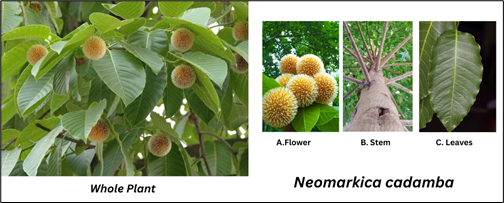
Fig.1 Different parts of Neolamarckia cadamba
In Ayurveda, kadamba bark and leaves treat fever, diarrhea, inflammation, and skin disorders, while indigenous tribes remedy urinary issues and dysentery. Southeast Asia uses it for diabetes and wound healing. Hinduism reveres it as sacred to Lord Krishna, celebrated during Kadambotsava festivals. [8]Neolamarckia cadamba boasts a rich phytochemical profile featuring indole alkaloids like cadambine, dihydrocadambine, isodihydrocadambine, neolamarckines A-E, cadamine, and 3β-isodihydrocadambine, predominantly from leaves and bark. Triterpenoids such as quinovic acid glycosides, cadambagenic acid, and betulinic acid, together with flavonoids (quercetin-3-rhamnoglucoside, kaempferol), phenolics (caffeic acid, chlorogenic acid), tannins, saponins, and steroids including β-sitosterol, underpin its bioactivity. [9,10]
?2. PHYTOCONSTITUENTS IN DIFFERENT PARTS OF NEOLAMARCKIA CADAMBA
Table 1: Phytoconstituents in different parts of Neolamarckia cadamba [2, 9-11]
|
Sr. No. |
Phytochemical Class |
Major Identified Compounds |
Source Plant Part |
|
1 |
Indole Alkaloids |
Neolamarckine A-E, cadambine, cadamine, isocadambine, 3α/β-dihydrocadambine, isodihydrocadambine, angustine |
Leaves, bark, heartwood |
|
2 |
Triterpenoids & Glycosides |
Cadambagenic acid, quinovic acid, betulinic acid, triterpenoid glycosides A-B |
Bark, leaves |
|
3 |
Flavonoids & Phenolics |
Quercetin, kaempferol, quercetin-3-rhamnoglucoside, chlorogenic acid, taxifolin |
Leaves, shoots |
|
4 |
Saponins |
Saponin B, sapogenins |
Bark, whole plant |
|
5 |
Terpenoids & Sesquiterpenes |
α-selinene, β-phellandrene, terpinolene, selinene |
Fruits, bark |
|
6 |
Essential Oils (Monoterpenes) |
Linalool, geraniol, geranyl acetate, myrcene, camphene, 2-nonanol |
Flowers, fruits |
|
7 |
Steroids |
Steroids (unspecified) |
Bark, leaves |
|
8 |
Tannins |
Condensed tannins |
Bark |
|
9 |
Carbohydrates |
Reducing sugars |
Whole plant |
|
10 |
Lipids |
Fats |
Whole plant |
3. MAJOR BIOACTIVE CONSTITUENTS:
Neolamarckia cadamba (Kadamba) is rich in bioactive phytochemicals, predominantly indole alkaloids, triterpenoids, flavonoids, saponins, and phenolic glycosides isolated from its bark, leaves, flowers, and fruits. These compounds underpin the plant's traditional medicinal uses and drive diverse pharmacological effects like antioxidant, antimicrobial, antidiabetic, anti-inflammatory, hepatoprotective, anticancer, antimalarial, and antidiarrheal activities, validated through extensive in vitro, in vivo, and preliminary clinical studies.
Cadambine
Cadambine, primarily isolated from the bark as a key indole alkaloid, exhibits potent antimicrobial activity against Gram-positive and Gram-negative bacteria like Staphylococcus aureus and Escherichia coli. Its mechanism involves membrane permeabilization, leading to leakage of intracellular potassium ions and proteins, alongside inhibition of bacterial DNA gyrase to prevent supercoiling and replication. Additionally, it demonstrates anti-inflammatory effects by blocking NF-κB nuclear translocation in macrophages, thereby downregulating pro-inflammatory cytokines such as TNF-α, IL-1β, and IL-6, while also inhibiting COX-2-derived prostaglandin E2 synthesis. [12, 13]
Cadamine
Cadamine, a derivative of cadambine found in bark extracts, contributes antidiabetic effects by potentiating insulin release from pancreatic β-cells through voltage-gated calcium channel modulation and enhanced glucose-stimulated insulin secretion. It inhibits α-amylase and α-glucosidase enzymes in the small intestine, reducing postprandial hyperglycemia with IC50 values around 20-50 μg/mL in in vitro assays. Its antioxidant mechanism includes direct scavenging of DPPH and ABTS radicals (IC50 ~30 μM) and upregulation of endogenous enzymes like superoxide dismutase (SOD), catalase (CAT), and glutathione peroxidase (GPx) via Nrf2-ARE pathway activation. [9]
Isocadambine
Isocadambine, an indole alkaloid from bark, provides hepatoprotective action against carbon tetrachloride (CCl4)-induced liver damage in rodent models at doses of 200-400 mg/kg. It stabilizes hepatocyte lysosomal membranes, inhibits lipid peroxidation (measured by reduced malondialdehyde levels), and enhances phase II detoxification enzymes including glutathione-S-transferase (GST) and UDP-glucuronosyltransferase. Further, it modulates cytochrome P450 2E1 (CYP2E1) to limit reactive oxygen species (ROS) generation during toxin metabolism. [14]
3α-Dihydrocadambine
This bark glycosidic alkaloid inhibits intestinal α-glucosidase (IC50 15-25 μM), delaying sucrose and maltose hydrolysis to blunt glycemic excursions in streptozotocin-induced diabetic rats. It activates peroxisome proliferator-activated receptor gamma (PPAR-γ) in adipocytes, promoting adiponectin secretion and improving insulin sensitivity. Antioxidant effects involve quenching hydroxyl radicals and restoring hepatic glycogen levels. [13, 15]
?Betulinic Acid
Betulinic acid, a pentacyclic triterpenoid enriched in leaves and bark (up to 0.5% w/w), induces intrinsic apoptosis in cancer cells (e.g., melanoma, leukemia) by destabilizing mitochondrial outer membrane permeability transition pores, releasing cytochrome c, and sequentially activating caspase-9 and caspase-3. It inhibits topoisomerase I/II (IC50 5-10 μM), causing DNA double-strand breaks, and suppresses NF-κB/STAT3 signaling to reduce anti-apoptotic Bcl-2 expression. Cardioprotective mechanisms include endothelial nitric oxide synthase (eNOS) upregulation and reduced oxidative stress in ischemia-reperfusion models. [16]
Quinovic Acid Glycosides
These bark triterpenoid saponins exert hepatoprotective effects against paracetamol overdose by elevating reduced glutathione (GSH) levels (up to 2-fold), inhibiting CYP2E1-mediated NAPQI formation, and blocking TGF-β1-induced hepatic stellate cell activation to prevent fibrosis. Anti-inflammatory actions promote fibroblast collagen deposition (types I/III) and macrophage polarization toward M2 phenotype during wound healing, accelerating tensile strength recovery in excision models. [17,18]
Neolamarckines A-E
These novel leaf indole alkaloids demonstrate selective topoisomerase IIα inhibition (IC50 2-8 μM), stabilizing the enzyme-DNA cleavage complex and inducing G2/M cell cycle arrest in HeLa and MCF-7 cells via ATM/ATR-Chk1 pathway activation. They intercalate DNA minor grooves, as confirmed by UV-vis and fluorescence spectroscopy, leading to p53-independent apoptosis. [19,20]
Angustine
Computational network pharmacology on Uncaria rhynchophylla alkaloids highlighted angustoline and angustidine (structurally similar to angustine) as key hits targeting Aβ pathology, tau phosphorylation, and inflammation (e.g., via PTGS2, NOS2 interactions), with high target frequencies in AD pathways; angustine shares this class profile. [10, 21]
Harmane
Ubiquitous β-carboline alkaloid inhibits bacterial DNA gyrase B (IC50 12 μM) and fungal 14α-demethylase, disrupting ergosterol biosynthesis. CNS effects stem from reversible monoamine oxidase A (MAO-A) inhibition (Ki 2 μM), elevating serotonin and dopamine levels. [22]
Cadambagenic Acid:
Cadambagenic acid is a significant pentacyclic triterpene primarily isolated from the stem bark of the Kadamba tree. While many pharmacological studies focus on the whole plant extract, cadambagenic acid itself is recognized as one of the key bioactive constituents contributing to the plant's medicinal efficacy. [23, 24]
Chlorogenic Acid
Fruits and leaves contain this hydroxycinnamic acid, which chelates Fe2+/Cu2+ ions to prevent Fenton reactions and donates H-atoms to peroxyl radicals (DPPH IC50 8 μM). It suppresses LPS-induced iNOS/COX-2 transcription via MAPK/JNK inhibition in macrophages. [25]
Quercetin-3-rhamnoglucoside
Leaf flavonoid activates AMP-activated protein kinase (AMPK) in liver (EC50 20 μM), phosphorylating ACC to inhibit fatty acid synthesis and promote GLUT4 translocation for glucose uptake. It competitively inhibits aldose reductase (Ki 1.2 μM), reducing sorbitol accumulation in diabetic lenses. [26]
4. Pharmacological Activities of ? Neolamarckia cadamba:
Neolamarckia cadamba demonstrates diverse pharmacological activities mainly through its leaf, bark, and root extracts (methanolic, ethyl acetate, aqueous), rich in monoterpenoid indole alkaloids (e.g., 3β-dihydrocadambine, neocadambines), flavonoids, phenolics, and terpenoids.?
Anti-inflammatory Activity: [27-28]
Methanolic, ethyl acetate (EA), and aqueous extracts (200-400 mg/kg, oral) significantly reduce carrageenan-induced paw edema in rats (acute model) and cotton pellet/granuloma formation (subacute model), comparable to aspirin or dexamethasone. In vitro, isolates like 3β-dihydrocadambine , neocadambine D , and compound 9 inhibit LPS-induced TNF-α, IL-1β, and COX-2 release in RAW 264.7 macrophages at 10 μg/mL, outperforming dexamethasone in some cases. Proposed mechanism involves suppression of pro-inflammatory cytokines and possibly COX/lipoxygenase inhibition or reduced mediator synthesis/release, though exact pathways (e.g., NF-κB signaling) remain unexplored.?
Analgesic Activity: [29]
EA and methanolic extracts/fractions (200-400 mg/kg) decrease acetic acid-induced writhing (peripheral pain) and show central effects in hot plate models in mice. Key compound 3β-dihydrocadambine significantly lowers writhing counts. Mechanism likely involves prostaglandin modulation or opioid pathways, but lacks detailed receptor binding or molecular confirmation.?
Antidiabetic Activity: [30 -31]
The antidiabetic activity of Neolamarckia cadamba is well-established across various plant parts, including the bark, leaves, roots, and flowers. Scientific evaluations in diabetic models (alloxan and streptozotocin-induced) have demonstrated that the plant acts through multiple pathways to regulate blood glucose and mitigate secondary complications.
Hepatoprotective Activity: [32-33]
The hepatoprotective activity of Neolamarckia cadamba (Kadamba) is one of its most scientifically substantiated medicinal properties. Both the bark and leaves contain a high concentration of chlorogenic acid, cadambine, and various triterpenoids that protect the liver against chemical-induced injury. Protection against chemical hepatotoxins, antioxidant enzyme restoration, protection against fatty liver (antisteatotic effect) this are the mechanisms by which Neomarkica cadamba shows hepatoprotective activity.
Antimicrobial Activity: [34-35]
The antimicrobial activity of Neolamarckia cadamba is attributed to its diverse phytochemical profile, particularly saponins, terpenoids, and alkaloids found in the bark and leaves. These compounds act as a natural defense system for the plant, which translates to broad-spectrum efficacy against bacteria and fungi in therapeutic applications.
Antioxidant Activity: [36]
The antioxidant activity of Neolamarckia cadamba is a cornerstone of its pharmacological profile, as it underpins many of its other effects, such as hepatoprotection and anti-inflammation. The plant contains a potent mixture of polyphenols, flavonoids (like rutin and quercetin), and hydroxycinnamic acids (like chlorogenic acid) that neutralize reactive oxygen species (ROS).
Other Activities:
Table. 2 Different parts and key active constituents of Neolamarckia cadamba responsible for Pharmacological activities
|
Plant Part |
Pharmacological Activities |
Key Active Constituents |
|
Leaves |
Anticancer, Antioxidant, Antimicrobial |
Indole alkaloids (neolamarckines), cadambine derivatives, flavonoids |
|
Bark |
Hepatoprotective, Analgesic, Anti-inflammatory, Antipyretic, Antidiabetic |
Quinovic acid derivatives, phenolics, flavonoids, triterpenoids (cadamine) |
|
Flowers |
Antidiabetic |
Methanol-soluble phenolics, flavonoids |
|
Roots |
Antidiabetic, Antimicrobial, Wound-healing |
Flavonoids, saponins, tannins |
|
Heartwood |
Metabolic regulation (anti-diabetic) |
Quinovic acid, cadambagenic acid, beta-sitosterol |
|
Fruits |
Antidiarrheal, Antioxidant |
Tannins, saponins, phenolics |
|
Stem |
Antimalarial, Diuretic, Laxative |
Quinovic acid glycosides, alkaloids, |
|
Seeds |
Antilipidemic |
Beta-sitosterol |
|
Whole Plant |
Central Analgesic |
Monoterpenoid indole alkaloids (3β-dihydrocadambine) |
CONCLUSION
Neolamarckia cadamba (Roxb.) Ridsdale, commonly known as Kadamba, is a fast-growing evergreen tree from the Rubiaceae family, native to South and Southeast Asia, and highly valued for its nutrient-rich profile and pharmacological versatility in traditional systems like Ayurveda and Siddha, as well as emerging modern research. Its diverse phytoconstituents, including alkaloids such as cadambine and 3β-dihydrocadambine, flavonoids like quercetin and rutin, phenolic compounds, terpenoids (lupeol, β-sitosterol), saponins, tannins, and glycosides, contribute to a wide array of therapeutic effects observed across its leaves, bark, flowers, fruits, and roots.Traditional medicine employs Kadamba extensively for managing digestive ailments like diarrhea, dysentery, and ulcers through astringent bark decoctions; it treats skin disorders, wounds, fever, inflammation, and leucorrhea, while flowers remedy urinary troubles and vomiting, and fruits address diabetes and microbial infections. Experimental studies validate these uses, demonstrating potent antioxidant activity via DPPH, ABTS, and FRAP assays that combat oxidative stress; anti-inflammatory effects through inhibition of pro-inflammatory mediators like COX-2 and cytokines; and antimicrobial action against pathogens including E. coli, S. aureus, and Candida albicans.Further preclinical evidence highlights antidiabetic potential by lowering blood glucose and improving insulin sensitivity in streptozotocin-induced diabetic models, hepatoprotective and nephroprotective roles against toxin-induced damage, anticancer cytotoxicity toward breast, colon, and leukemia cell lines via apoptosis induction, and wound-healing acceleration through collagen synthesis and fibroblast proliferation. Cardioprotective benefits include lipid-lowering and antihypertensive effects, while antimalarial activity from alkaloids shows promise against Plasmodium species.Despite robust in vitro and animal data, clinical evidence remains limited, with preliminary studies supporting bark extracts for wound healing and diabetes management, though no large-scale human trials confirm efficacy or safety. Challenges persist in extract standardization, detailed phytochemical profiling via LC-MS, dosage optimization, long-term toxicity assessment, and adulteration risks. Future research should emphasize randomized controlled trials, nanoencapsulated formulations for enhanced bioavailability, and molecular docking studies to identify multi-target mechanisms, positioning Neolamarckia cadamba as a prime candidate for phytopharmaceuticals and nutraceuticals targeting metabolic, infectious, and oncological disorders.
REFERENCES





Satyaraj D. Ombase*, Saurabh S. Khot, Athashree K. Pawar, Abhishek M. Salunkhe, Somraj B. Nangare, Phytotherapeutic Prospects of Neolamarckia cadamba: Mechanistic Insights into its Biological Activities., Int. J. of Pharm. Sci., 2026, Vol 4, Issue 2, 682-692. https://doi.org/10.5281/zenodo.18491723
 10.5281/zenodo.18491723