

We use cookies to ensure our website works properly and to personalise your experience. Cookies policy
NRI College of Pharmacy , Pothavrappadu, Agiripalli, Eluru 521212.
This study set out to explore the potential of the aqueous extract from the leaves of Moon Beam (commonly known as Dwarf) as a natural antibacterial agent against bacteria that have developed resistance to antibiotics. The extract underwent phytochemical screening to pinpoint its bioactive components. We evaluated its antibacterial effectiveness against S. aureus and E. coli using the agar well diffusion method, measuring the zone of inhibition as our primary metric. The results showed that the extract had a significant dose-dependent antibacterial effect on both bacterial strains, especially at concentrations ranging from 40 to 100 mg/ml. Notably, its efficacy was on par with the standard antibiotic chloramphenicol at 10 mg/ml. The extract was particularly effective against S. aureus (a gram-positive bacterium) compared to E. coli (a gram-negative one). Overall, the aqueous extract of Moon Beam (Dwarf) leaves shows considerable and promising antibacterial properties against both E. coli and S. aureus. However, further research is needed to fully understand the active components and to investigate the extract's potential as a viable alternative to traditional antibiotics in combating antibiotic resistance.
The idea that it is impossible for humans to survive on Earth without plants is ingrained. In less developed countries, infections brought on by bacteria, viruses, parasites, or fungi are a major cause of disease and death worldwide. Long considered the traditional source of medicines, plants are known around the world for their ability to treat and prevent a wide range of diseases with minimal damage. According to the World Health Organization, more than 80% of people worldwide get their primary medical care from plant-based herbal remedies(1). In less developed countries, infections brought on by bacteria, viruses, parasites, or fungi are a major cause of illness and death worldwide. These infections provide a significant health risk since they can spread both directly and indirectly(2).
Bacteria, which are ubiquitous in our environment, serve an important role in preserving ecological equilibrium. While the majority of microorganisms are necessary, only a small percentage cause infections and diseases. Despite their frequency, bacterial illnesses have become a major public health concern, despite the fact that they are often easier to treat than viral diseases due to a wider range of chemicals working on bacteria. However, the worrisome growth of antibiotic resistance has complicated the management of bacterial infections(3).
Antibiotic resistance in microbial diseases is currently the biggest threat to society health, accounting for millions of deaths worldwide each year(4). A worrying state of antimicrobial resistance is created when bacteria become resistant to several drugs due to prolonged antibiotic treatment, which lasts longer than ten days. The problem is made more difficult by the fact that this resistance affects not just structurally unrelated medications but also other medications(5). More people are turning to complementary therapies like naturopathy and Ayurveda as bacteria resistance to antibiotics increases. Herbs and spices are essential components of therapeutic treatments in these systems, indicating a departure from traditional allopathic approaches(6).
The foundation of complementary and alternative medicine is herbal medicine, which is becoming more and more popular worldwide and gradually assimilating into conventional medical procedures. These alternatives are becoming more and more accepted by the public, who see their benefits and easily integrate them into traditional medical procedures(7). As defenders against bacteria, antimicrobial compounds come in a variety of chemical and physical forms and either eradicate them or slow down their entry into our bodies(5). There are legitimate worries about the growing microbial resistance to common antibiotics in the fight against infectious illnesses. To address this pressing problem, researchers are hard at work on a number of projects. As multipurpose fighters, phytochemicals are being investigated for their ability to treat common and resistant illnesses using a variety of strategies(8).
The key processes by which bacteria become resistant to antibiotics have been covered in this synopsis, along with the possibility for phytochemicals from several chemical groups to help combat this resistance. In addition to having direct antibacterial qualities, some of these substances have demonstrated synergistic effects in lab conditions when used with common antibiotics. Given these results, it makes sense to conclude that phytochemicals are an important source of bioactive compounds with potent antibacterial properties.
The little shrub Tabernaemontana divaricata, often called the Dwarf Ipecac or the Crape Jasmine, is indigenous to tropical Africa and Southeast Asia. It has been used for centuries in traditional medicine, and new scientific studies are beginning to reveal its remarkable pharmacological potential(9). Research has been conducted on Tabernaemontana divaricata because of its possible antibacterial qualities. Numerous studies have demonstrated the significant antibacterial qualities of Tabernaemontana divaricata flower extract, demonstrating its effectiveness against a range of microorganisms, including Escherichia coli and Staphylococcus aureus. The plant's leaves and blossoms have a long history of usage in medicine, with a focus on their antibacterial and therapeutic properties(10). gold and silver nanoparticles made from Tabernaemontana divaricata have demonstrated antibacterial properties against both Gram-positive and Gram-negative bacteria(11). Together, the findings suggest that Tabernaemontana divaricata may be a useful source of antibacterial compounds. The antibacterial activity of Tabernaemontana divaricata (Dwarf) leaves is notably lacking in the literature at this time. Our present study aims to examine the antibacterial qualities of the aqueous extract of dwarf leaves (AETDL) from Tabernaemontana divaricata.
ANTIMICROBIALS
Antimicrobials are substances that either inhibit or kill microorganisms, including bacteria, viruses, fungi, and protozoa. They are essential in preventing and treating infections, ultimately helping to reduce illness and save lives.
Types of Antimicrobials:
Importance of Antimicrobials:
Future Directions:
Antimicrobials are indispensable in our battle against infectious diseases. However, their success hinges on responsible usage and continuous innovation.
TABERNAEMONTANA DIVARICATA
PLANT TAXONOMY
The plant known as Taberna Montana divaricata, or more commonly, crepe jasmine or pinwheel flower, is a member of the Apocynaceae family. When we look at its classification, it falls under the Plantae kingdom, Tracheophyta phylum, Magnoliopsida class, and Gentianales order. The species name, divaricata, indicates its unique characteristics, and you’ll often find it thriving in tropical and subtropical areas.
CLASSIFICATION:
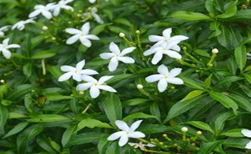
Fig:1 Tabernaemontana Divaricata
ADVANTAGES:
FACTORS AFFECTING ACTIVITY:
TRADITIONAL USES
The traditional uses of this plant, like treating infections and promoting wound healing, are backed by scientific research that highlights its antibacterial qualities. Extracts from the plant, particularly those derived from its flowers and leaves, have shown a strong ability to inhibit various bacteria, including Staphylococcus aureus and Escherichia coli. Leaf extracts have been used for ages to help with grippe, which is just another name for influenza. Flower and leaf extracts are often utilized to tackle bacterial infections and aid in wound healing.
The latex from these plants is applied to wounds to help reduce inflammation and soothe the area. When it comes to treating snake and scorpion bites, a mix of roots, leaves, and flowers is commonly used. Plus, there's notable antimicrobial activity associated with these extracts.
MATERIALS AND METHODS
In July 2023, we collected Dwarf leaves of Tabernaemontana divaricata from various local spots in Mangalore, located in Dakshina Kannada, Karnataka. Dr. H. S. Shenoy, who holds an M.Sc., M. Phil, and Ph.D., and serves as the Principal Scientist and Head of the Botany Division, verified their authenticity. The collection was made under the auspices of the Pilikula Development Authority, based in Moodushedde Post, Mangaluru-575028.
The collected plant leaves were thoroughly cleaned to remove any soil and debris, then dried in the shade for about 20 days. Once desiccated, the botanical material was ground up using a spice grinder, sifted through a number 10 sieve, and stored in airtight containers. For the extraction process, ten grams of the pulverized plant material were added to a 500ml conical flask along with 100ml of an aqueous solvent. The flask was covered with aluminum foil and placed in a rotary shaker for a set period, ensuring constant agitation. Afterward, the extract was filtered using Whatman No. 1 filter paper. The resulting sample was concentrated using a flash evaporator at lower pressure and controlled temperature until it was dry. Finally, the dehydrated extract was stored in a sealed container in the fridge at 10°C(12).
Preliminary Phytochemical Investigation
Phytochemical investigation is all about pinpointing raw medicinal substances by examining their phytochemical components. This process includes carrying out various chemical tests to check for the presence of compounds found in plants.
Antibacterial Activity
Preparation of Media
To prepare the media, I started by dissolving 2.8 grams of nutritional agar in 100 milliliters of distilled water inside a 250-milliliter conical flask, then brought it to a boil. After that, I sterilized the solution by autoclaving it at 121°C for 15 minutes. Once it cooled down, I carefully introduced the test microorganisms into conical flasks filled with the agar media, all while maintaining aseptic conditions. The inoculated material was then transferred to sterile plates using proper aseptic techniques. I let the substance chill and solidify in a sterile environment, followed by a 24-hour incubation period at 37°C to check for any signs of bacterial contamination(13).
Agar Well Diffusion Method
The agar well diffusion method is a popular technique used to evaluate how effective plant extracts are against bacteria. First, the inoculation media is prepared and then poured onto an agar plate. Using a sterile borer, a clean hole with a diameter of 6-8 mm is made. Next, a volume of 20-100 µL of the antimicrobial agent or extract solution, at the desired concentration, is added to the well. The agar plates are then incubated at 37°C for 24 hours. During this time, the antimicrobial substance spreads throughout the agar medium, inhibiting the growth of the specific microbiological strain being tested(14).
Statistical Analysis
The data were shown as Mean±SEM. To determine the statistical significance between groups, we used one-way ANOVA, followed by the Tukey multiple comparison test. A p-value of 0.05 or lower was considered statistically significant for all tests, while a p-value above 0.05 was regarded as non-significant (ns). The statistical analysis was performed using GraphPad Prism version 9.5.
RESULTS AND DISCUSSION
The results from the Preliminary Phytochemical screening of the Tabernaemontana divaricata (Dwarf) leaf extract can be found in Table 1
Table1: Preliminary Phytochemical Screening of Tabernaemontana divaricata (Dwarf) Leaf Extract.
|
Sr No. |
Chemical Constituent |
Tests |
Result |
|
1. |
Carbohydrates |
Molisch’s test |
+ |
|
Benedict’s test |
+ |
||
|
2. |
Steroids |
Salkowski reaction |
+ |
|
Liebermann Burchard’s test |
+ |
||
|
3. |
Anthraquinone glycosides |
Borntrager’s test |
_ |
|
|
Saponin glycosides |
Foam test |
_ |
|
4. |
Alkaloids |
Hager’s test |
+ |
|
Wagner’s test |
+ |
||
|
5. |
Tannins and phenolic compounds |
Lead acetate test |
+ |
|
Dilute HNO3 |
+ |
||
|
6. |
Flavonoids |
Shinoda test |
+ |
The antimicrobial activity results of the aqueous extract from the leaves of Tabernaemontana divaricata (Dwarf) against Staphylococcus aureus and Escherichia coli are presented in Tables 2 and 3, as well as in Figures 1 through 4.
Discover the antimicrobial properties of the aqueous extract from Tabernaemontana divaricata (commonly known as Dwarf) against S. aureus, utilizing the agar well diffusion method.
Table2: Antibacterial activity of the aqueous extract of Tabernaemontana divaricata (Dwarf) against S. aureus using agar well diffusion method
|
Concentration of extract (mg/ml) |
Bacteria culture medium Zone of inhibition (mm) (Mean± SEM) |
|
10 |
3.01±0.5504 |
|
20 |
3.61±0.3702* |
|
40 |
5.06±0.6083** |
|
60 |
6.15±0.8362*** |
|
80 |
6.97±0.4576*** |
|
100 |
7.36±0.9935*** |
|
Standard drug (Chloramphenicol 10mg/ml) |
8.56±0.928*** |
|
Control |
Nill |
All values are presented as average ±SEM (n=2),* Indicates the p-value, *p<0. 05, ***p<0.001 between negative control and treated, “ns” indicated not significant
Effect of AETD against streptococcus aureus using Agar well diffusion method
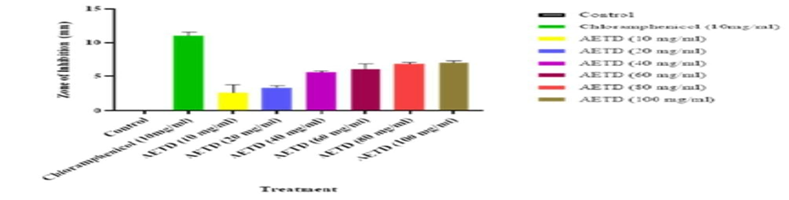
Figure 2. Antibacterial activity of AETDL against S. aureus by agar well diffusion method
AETDL Showed dose-dependent increase in the zone of inhibiting against S. aureus. A lower dose (10mg/ml)showed no zone of inhibition whereas the dose of 60mg/ml-100mg/ml showed a maximum zone of inhibition that was significantly similar to the standard drug (10mg/ml)
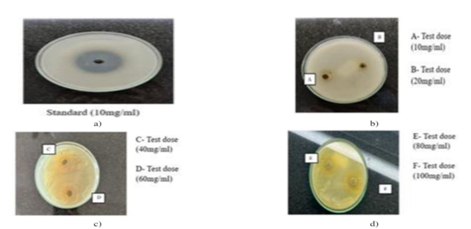
Figure 3. Antibacterial activity of AETDL against S. aureus by agar well diffusion method
Discover the antimicrobial properties of the aqueous extract from Tabernaemontana divaricata (Dwarf) against E. coli, utilizing the agar well diffusion method.
Table 3.
|
Concentration of extract (mg/ml) |
Bacteria culture medium Zone of inhibition (mm) (Mean±SEM) |
|
10 |
2.61±1.15 |
|
20 |
3.363±0.27671* |
|
40 |
5.57±0.2134** |
|
60 |
6.135±0.812*** |
|
80 |
6.92±0.225*** |
|
100 |
7.122±0.284*** |
|
Standard drug (Chloramphenicol 10mg/ml ) |
11.01±0.5219*** |
|
Control |
Nill |
All values are presented as average ±SEM (n=2),*indicates the p-value, *p<0.05, **p<0.001 between negative control and treated,”ns” indicated not significant
Effect of AETD against Escherichia coli using Agar well diffusion
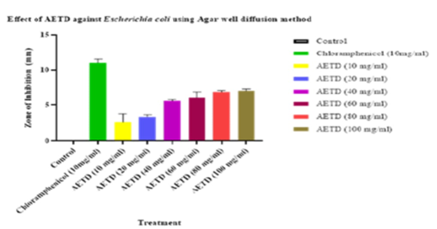
Figure 4. Antibacterial activity of AETDL against E.coli by agar well diffusion method.
AETDL demonstrated a dose-dependent increase in the zone of inhibition against S. aureus. At a lower dose of 10 mg/ml, there was no observable zone of inhibition. However, doses ranging from 60 mg/ml to 100 mg/ml produced a maximum zone of inhibition that was significantly comparable to that of the standard drug at 10 mg/ml.
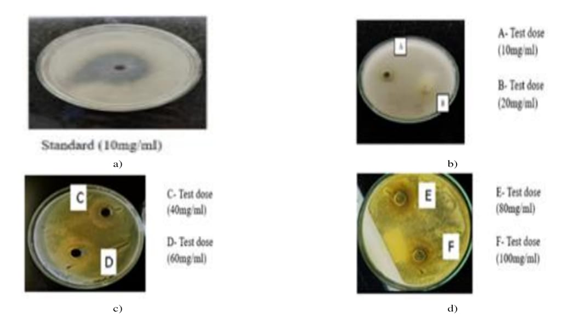
Figure 5. Antibacterial activity of AETDL against E.coli by agar well diffusion method
Global antimicrobial resistance is becoming a serious issue, and it’s a pandemic that many people might not even realize is happening. A recent study published in The Lancet highlights that in 2019 alone, diseases that are resistant to antimicrobials were responsible for 1.27 million deaths and 4.95 million fatalities around the globe. Antimicrobial resistance happens when infectious agents like bacteria, viruses, or fungi evolve to withstand the medications designed to kill them, making the antibiotics we rely on ineffective. In India, it’s estimated that sepsis from antibiotic-resistant microorganisms could lead to over 50,000 infant deaths, with the elderly and newborns being particularly vulnerable. By 2050, projections suggest that antimicrobial resistance could result in more than two million deaths in India(15).
Researchers are diving into a variety of plants in the realm of complementary and alternative medicine to uncover their antimicrobial properties. Many are on the lookout for a therapy that’s not only more targeted but also safer and more affordable for treating microbial infections (14).With the growing challenge of antimicrobial drug resistance, there’s a rising concern about how effective these treatments will be in the future. It’s crucial that we take proactive measures to tackle this issue by investigating the potential of plants. Phytochemicals, which are naturally occurring compounds found in plants, have shown great promise in various ways, particularly in their ability to combat harmful microorganisms(16).The distinctive characteristics of phytochemicals can be linked to specific components within them, like alkaloids, flavonoids, terpenoids, and phenols.The aqueous extract from the leaves of Tabernaemontana divaricata (Dwarf) showed a dose-dependent antibacterial effect against S. aureus and E. coli. At a concentration of 100mg/ml, the zone of inhibition significantly increased (p<0.001), demonstrating activity comparable to the standard 10mg/ml dose of chloramphenicol (p<0.001). On the other hand, the 10mg/ml dose did not produce any zone of inhibition (ns) when compared to the standard chloramphenicol (p<0.001). These findings highlight the promising antibacterial potential of the aqueous extract from Tabernaemontana divaricata (Dwarf) leaves against both bacterial strains(17).
MECHANISM OF ACTION
Tabernaemontana divaricata, better known as crape jasmine, has some impressive antimicrobial properties, especially when it comes to fighting off bacteria and fungi. This is largely thanks to its rich mix of bioactive compounds. Among these are alkaloids like apparicine, conophylline, and coronaridine, along with terpenoids, flavonoids, and phenolic acids. Together, they work to disrupt the structures of microbial cells and mess with their vital metabolic processes.
Disruption of Cell Walls and Membranes:
Some compounds, like alkaloids or terpenoids, might actually target and weaken the cell walls or membranes of microorganisms. This can cause the contents of the cells to leak out, ultimately leading to cell death.
Interference with DNA Replication and Protein Synthesis:
Other bioactive components could disrupt the DNA replication process or the production of vital proteins in microbial cells, which can ultimately slow down their growth and survival.
Inhibition of Enzyme Activity:
Some compounds might serve as enzyme inhibitors, effectively blocking essential metabolic pathways that microbes need to survive and reproduce.
Antioxidant Activity:
The flavonoids and phenolic acids present in certain compounds may play a role in fighting off microbes. These substances have the ability to neutralize free radicals, which can harm microbial cells. They are.
ALKALOIDS:
Alkaloids such as apparicine, conophylline, and coronaridine have demonstrated some impressive antimicrobial properties. Take apparicine, for instance; it’s been shown to hinder bacterial growth by messing with the integrity of cell membranes.
CORONARIDINE
MECHANISM OF ACTION
Coronaridine, an indole alkaloid found in Tabernaemontana divaricata, exhibits antimicrobial activity by disrupting microbial cell membranes and interfering with intracellular metabolic pathways. Its lipophilic nature allows it to penetrate bacterial cell walls, leading to membrane destabilization and leakage of cellular contents. Additionally, coronaridine may inhibit essential enzymes or interfere with DNA replication in pathogens, thereby reducing their viability and growth.
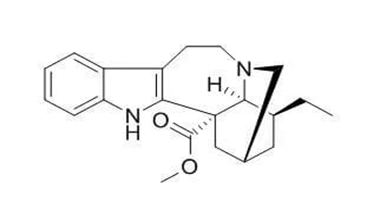
Structure Information:
Molecular Formula : C21H26N2O2
Molecular Weight: ~338.44 g/mol
Chemical Class: Indole alkaloid (Iboga-type alkaloid)
Source Plants: Tabernaemontana divaricata, Tabernaemontana pachysiphon, Voacanga africana, etc.
TERPENOIDS:
Terpenoids, which are another group of compounds found in T. divaricata, can play a role in fighting off microbes. They have the ability to interact with cell membranes and disrupt the metabolism of microorganisms.
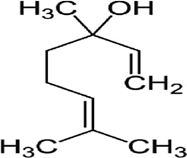
LINALOOL
Structure Information
Molecular Formula: C??H??O
Molecular Weight: ~154.25 g/mol
Chemical Class: Monoterpene alcohol (acyclic monoterpene)
Source Plants: Found in the essential oils of Tabernaemontana divaricata, lavender (Lavandula angustifolia),coriander (Coriandrum sativum), basil (Ocimum basilicum), and many other aromatic plants.
MECHANISM OF ACTION
Linalool disrupts microbial cell membranes, causing leakage of essential cell contents. It also interferes with energy production and induces oxidative stress, which damages proteins and DNA—leading to microbial death.
FLAVANOIDS:
They not only have antioxidant properties that help shield our bodies from oxidative damage caused by microbial activity, but they also show direct antimicrobial effects. Examples: kaempferol, quercetin, rutin
KAEMPFEROL
Structure Information
Molecular Formula: C??H??O?
Molecular Weight: ~286.24 g/mol
Chemical Class: Flavonoid (Flavanol subclass)
Source Plants: Present in Tabernaemontana divaricata, as well as in tea (Camellia sinensis), kale (Brassica oleracea), spinach (Spinacia oleracea), and many medicinal herbs.
MECHANISM OF ACTION
Kaempferol fights microbes by damaging their cell membranes, making them leaky and unstable. It also binds to bacterial enzymes and DNA, interfering with vital processes like replication and protein synthesis. Additionally, kaempferol induces oxidative stress inside microbial cells, which disrupts their internal balance and leads to cell death.
PHENOLIC ACIDS
Tabernaemontana divaricata contains phenolic acids like gallic, caffeic, ferulic, and p-coumaric acids, which protect the plant by damaging microbial cell walls and enzymes, and in humans act as antioxidants that may boost immunity and infection resistance. In humans, phenolic acids are known for their ability to neutralize harmful free radicals, support immune system and enhance resistance to specific infections.
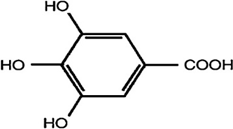
GALLIC ACID
Molecular Formula: C?H?O?
Molecular Weight: ~170.12 g/mol
Chemical Class: Phenolic acid (Hydroxybenzoic acid derivative)
Source Plants: Present in Tabernaemontana divaricata, gallnuts (Quercus infectoria), tea leaves (Camellia sinensis), grapes (Vitis vinifera), and many medicinal herbs.
MECHANISM OF ACTION
Gallic acid from Tabernaemontana divaricata fights microbes by weakening their protective cell walls and membranes, making it easier for vital contents to leak out. It can also bind to microbial proteins and enzymes, disrupting their normal function, and promote the build-up of reactive oxygen species inside the cells, which damages DNA and other essential components—ultimately leading to the microbe’s death.
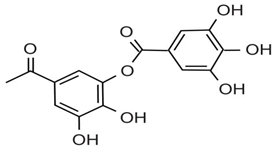
TANNINS
TANNIC ACID
Molecular Formula: C??H??O??
Molecular Weight: ~1701.20 g/mol
Chemical Class: Hydrolysable tannin (gallotannin)
MECHANISM OF ACTION
Tannic acid works by binding tightly to bacterial cell wall proteins and enzymes, which interferes with nutrient uptake and metabolism. Its bulky polyphenolic structure also forms complexes with microbial membranes, making them leaky and unstable. This dual attack weakens and eventually kills the microbes.
APPLICATIONS
1. Traditional Medicine: Extracts of the plant have long been used in folk remedies for treating wounds, skin infections, and sores. Its natural ability to suppress microbial growth helps in faster healing and prevention of reinfection.
2. Pharmaceutical Development: Bioactive molecules isolated from the plant, such as indole alkaloids and flavonoids, are being studied as potential leads for developing new antimicrobial drugs. This is particularly valuable at a time when resistance to conventional antibiotics is a growing concern.
3. Topical Formulations: Ointments, gels, and creams enriched with T. divaricata extracts could be applied in derma -tology for the management of bacterial and fungal skin infections. Such formulations may provide natural alternatives to synthetic antimicrobials with fewer side effects.
4. Oral Health Applications: The plant’s antimicrobial properties suggest potential for use in mouthwashes or dental gels to combat oral pathogens, reducing risks of dental caries, gingivitis, and bad breath.
5. Food Preservation: Plant-derived antimicrobials can be integrated into natural preservatives to inhibit the growth of food-spoilage organisms. This could extend the shelf life of food products and reduce reliance on chemical preservatives.
6. Wound Healing and Burns: Extracts of T. divaricata may be applied to chronic wounds or burn injuries where microbial contamination delays healing. Its dual action reducing microbial load and supporting tissue repair makes it valuable in wound management.
CONCLUSION:
The study found that the water-based extract from Tabernaemontana divaricata (Dwarf) is quite effective in combating both E. coli and S. aureus. The active compounds in the extract, particularly tannins, are key players in its antimicrobial strength. These phytochemicals are thought to significantly contribute to the effectiveness observed. The findings underscore the potential of Tabernaemontana divaricata (Dwarf) leaves as a promising source of antimicrobial agents. More research is needed to fully understand its capabilities.
REFERENCES

B. Swarna Mani, V. Bindhu Madhuri, Plant-Derived Bioactive Compounds in the Fight Against Microbial Resistance, Int. J. of Pharm. Sci., 2025, Vol 3, Issue 12, 575-587. https://doi.org/10.5281/zenodo.17803916
 10.5281/zenodo.17803916