

We use cookies to ensure our website works properly and to personalise your experience. Cookies policy
Department of Pharmacology, R.C. Patel Institute of Pharmaceutical Education & Research, Shirpur, Dhule, Maharashtra, India-425405
Hypertension, often referred to as the ‘silent killer,’ is a leading contributor to cardiovascular diseases worldwide, with its prevalence increasing at an alarming rate. As cases of hypertension continue to rise globally, there is a growing interest in exploring natural remedies as either alternatives or complements for conventional antihypertensive drugs. Among the natural solutions, Crataegus species, commonly known as Hawthorn belonging to the Rosaceae family have attracted considerable attention due to their rich phytochemical composition, which may provide potential therapeutic benefits in managing hypertension. This review highlights the preclinical evidence from in vivo and in vitro studies on Hawthorn extracts, focusing on their vasodilatory, antioxidant, and anti-inflammatory properties. These preparations have demonstrated the ability to regulate nitric oxide production, alleviate oxidative stress, and reduce vascular inflammation key processes in managing blood pressure. Additionally, animal studies have assessed the relative effectiveness of several Crataegus species and their prospective combination with conventional antihypertensive medications. The studies emphasize Hawthorn's role as a promising natural alternative or supplement for addressing hypertension and its associated cardiovascular risks.
For centuries, Hawthorn (Crataegus species), belonging to the Rosaceae family has been utilized in traditional healing systems such as Ayurveda and Traditional Chinese Medicine for its beneficial impact on heart health. Exploring natural and complementary remedies to manage hypertension, is becoming more and more popular as the condition’s prevalence rises worldwide1. Its intriguing potential to lower systolic blood pressure and diastolic blood pressure has drawn a lot of attention to hawthorn in particular. Due to its abundance of bioactive substances, including flavonoids, oligomeric proanthocyanidins, and triterpenes, hawthorn is thought to have therapeutic benefits. These compounds are thought to work by increasing vasodilation, enhancing endothelial function, and influencing the autonomic nervous system. By improving blood flow and reducing vascular resistance, these processes assist in lowering blood pressure. The effectiveness of hawthorn in treating hypertension is supported by an increasing amount of in vivo and in vitro research, which also highlights the plant’s lipid-lowering, anti-inflammatory, and antioxidant properties, making it a valuable addition to cardiovascular health management. Because of this, Hawthorn is regarded as a safe and efficient supplement to traditional antihypertensive medications, providing a natural option for patients looking to enhance their treatment regimens. This review consolidates the existing scientific evidence on Hawthorn’s medicinal uses, its pharmacological mechanisms and the promising preclinical findings that underline its potential as natural treatment for management of hypertension. There are many species of Hawthorn or Crataegus genus, but the following species are discussed in this review: C. azarolus, C. monogyna, C. oxyacantha, C. pinnatifida, C. tanacetifolia.
Hypertension:
Table 1: Blood Pressure Ranges
|
Sr. No. |
Systolic BP (mm Hg) |
Diastolic BP (mm Hg) |
Phase |
References |
|
1. |
Less than 120 |
Less than 80 |
Normal |
2 |
|
2. |
120-139 |
80-89 |
Prehypertension |
2 |
|
3. |
140-159 |
90-99 |
Stage 1 Hypertension |
2 |
|
4. |
Greater than 160 |
Greater than 100 |
Stage 2 Hypertension |
2 |
Table 1 outlines the stages of hypertension based on the ranges of systolic blood pressure (SBP) and diastolic blood pressure (DBP)2. Hypertension or high blood pressure, is a condition in which blood vessels experience persistently high pressure, forcing the heart to pump more blood and leading to the hardening of the vessels. Systolic pressure refers to the force applied to the artery walls when the heart contracts (systole) or pumps blood into the arteries. Diastolic pressure is the pressure within the arteries when the heart is in a relaxed state (diastole)1. Increased pressure puts additional stress on the heart's pumping action and damages various body components, particularly the kidneys, heart, and brain. For proper functioning of critical organs including the heart, brain, and kidney as well as for general health and wellbeing, maintaining normal systolic and diastolic blood pressure is essential.
Ethnobotanical Significance of Hawthorn:
Table 2: Regional names of Hawthorn in different countries
|
Sr. No. |
Regional names of Hawthorn |
Country |
References |
|
|
Armenia |
Sgeni, Alocheni |
4,6 |
|
|
China |
Shan Zha |
4,6 |
|
|
France |
Aubépine |
4,6 |
|
|
Germany |
Weissdorn, Hagdorn |
4,6 |
|
|
India |
Ban-sangli (Hindi) |
4,6 |
|
|
Italy |
Biancospino |
4,6 |
|
|
Japan |
Sanzashi |
4,6 |
|
|
Russia |
Boyaryshnik, Boyarka |
4,6 |
|
|
United Kingdom |
Harthorne, Maythorn, Whitethorn, Hedgethorn |
4,6 |
|
|
United States of America |
Hawthorn |
4,6 |
Table 2 represents the ethnobotanical significance of hawthorn. Hawthorn is a prickly bush or small tree that is a member of the ‘Crataegus’ genus (Greek: kratos means hardness of wood), belonging to the ‘Rosaceae’ family. With over 280 species, this genus is distributed throughout North America, Asia, and Europe. The distinctive features of hawthorn are clusters of vivid red berries, each containing one to five seeds, beautiful white blossoms, and bright green, lobed leaves. Hawthorn is found in India at elevations between 1,800 and 3,000 meters, especially in Himachal Pradesh, Kashmir, and the milder Himalayan regions4. May month is usually when the plant develops its fragrant white blossoms and late summer is when its distinctive red fruits begin to develop5. Hawthorn has been valued for centuries for its striking blossoms and vibrant berries, and in traditional medicine, it has been used for ages for its strong cardiovascular benefits. Hawthorn's potential to boost heart health, regulate blood pressure, and promote general well-being is largely due to the significant quantity of phytonutrients, flavonoids, and antioxidants present in its blossoms, leaves, and fruits. Its use dates back thousands of years, when it was associated with vitality and health. Today, its rich nutritional profile has spurred a renewed interest in and a great deal of research into its various health advantages, especially in the fields of chronic disease prevention and cardiovascular health5. Because hawthorn has been used for so long in so many different cultures, its regional names range greatly between nations. It is known by the names ‘Sgeni or Alocheni’ in Armenia and ‘Shan Zha’ in China, and is frequently used in traditional medicine and culinary practices. Hawthorn is known in France as ‘Aubépine’, a word that frequently occurs in French folklore and represents love and protection. Because of its white blooms and propensity for growing among hedgerows, the plant is known in Germany as ‘Weissdorn or Hagdorn’6. The hawthorn is less widely used than other native plants in India, where it is referred to as ‘Ban-sangli’ in Hindi4. Hawthorn is known by its Italian name, ‘Biancospino’, which means white thorn, a reference to its distinctive flowers. It is known as ‘Sanzashi’ in Japan and is frequently found in traditional gardens. Hawthorn is a plant with deep roots in Russian herbal medicine and is valued for its possible cardiovascular benefits in Russia, where it is known as ‘Boyaryshnik or Boyarka’. It is also known as ‘Harthorne’, ‘Maythorn’, ‘Whitethorn’, and ‘Hedgethorn’ in the UK. Although it goes by many local names depending on the species and area, it is commonly known as hawthorn in the United States. These varied names represent the plant's broad geographic range, cultural value, and therapeutic properties6.
Hawthorn as a natural approach to Hypertension:
Herbs have been utilized in traditional medicine for centuries, primarily due to their wide availability, affordability, and lower incidence of side effects compared to many pharmaceutical treatments. More than 80% of people worldwide make use of traditional medicine in some form, according to more than 170 of the 194 WHO Member States as of 2023. Many people turn to traditional medicine as their first line of treatment, and its practitioners are essential in the management of chronic and long-term illnesses. Although a large number of pharmaceutical treatments are available to treat these conditions, conventional antihypertensive therapies frequently have a number of unfavourable side effects that may restrict their long-term efficacy. Medicinal herbs, on the other hand, offer a viable substitute for treating hypertension. The pharmacological qualities of these natural treatments, which are rich in bioactive substances, assist both prevent and treat high blood pressure1. Among the many natural products being studied, hawthorn has attracted interest because of its historical usage in cardiovascular health and early data indicating that it may have antihypertensive effects. Hawthorn has been used for centuries in many ways to promote heart health, and new preclinical research is starting to clarify how it works to control blood pressure. According to several pharmacopoeias, notably the Homeopathic Pharmacopoeia of India, fruits and flowers are considered drugs. The flower-derived medication possesses nervine-sedative, cardiotonic, diuretic, hypotensive, and anti-spasmodic effects. Regarded as one of the most beneficial cardiac tonics in the plant kingdom, hawthorn is highly valued for its cardiovascular benefits4.
Morphological characteristics of different Hawthorn species:
Table 3: Morphological characteristics
|
Sr. No. |
Species |
Family |
Leaves |
Flowers |
Fruits |
References |
|
|
C. oxyacantha |
Rosaceae |
Lobed, dark green, serrated |
White to pink clusters |
Small, red/orange |
7 |
|
|
C. pinnatifida |
Rosaceae |
Lobed, dark green, serrated |
White to pink clusters |
Small, red/orange |
7 |
|
|
C. tanacetifolia |
Rosaceae |
Lobed, dark green, serrated |
White to pink clusters |
Small, red/orange |
7 |
|
|
C. azarolus |
Rosaceae |
Lobed, dark green, serrated |
White to pink clusters |
Small, red/orange |
7 |
|
|
C. monogyna |
Rosaceae |
Lobed, dark green, serrated |
White to pink clusters |
Small, red/orange |
7 |
Table 3 highlights the physical diversity among hawthorn species C. azarolus, C. monogyna, C. oxyacantha, C. pinnatifida, and C. tanacetifolia, particularly in their flower and fruit characteristics. Hawthorn flowers come in a wide range of colours, from pure white to delicate pink, and in certain species, bright red. The continued existence of these plants depends on successful pollination, which can be ensured by the presence of a variety of bloom colours. Hawthorn fruits, usually little pomes, exhibit a wide range of hues as well as to their brilliant blossoms. Depending on the species, these fruits come in red, yellow, orange, and occasionally even purple hues. By enticing different fauna and birds that help spread seeds, this difference in fruit colour serves a vital ecological purpose in addition to being purely ornamental. These adaptations increase the ecological resilience of hawthorn species by facilitating their effective spread across many habitats7.
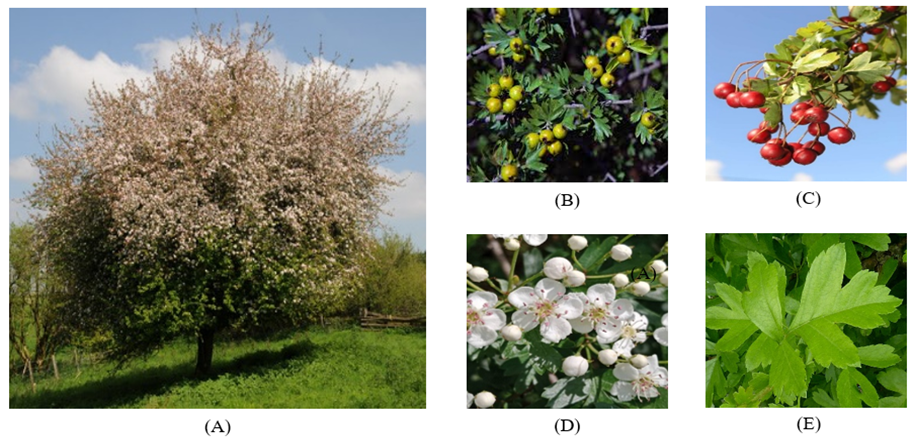
Figure 2: (A) Hawthorn Tree (B) Yellow Fruits (C) Red fruits (D) Flowers (E) Leaves
Bioactive Compounds:
Table 4: Bioactive compounds present in different Hawthorn (Crataegus) species
|
Sr. No. |
Species |
Compound identified |
Analytical approach |
References |
|
|
C. oxyacantha |
Vitexin-2″-O-α-L-rhamnoside, rutoside, epicatechin, gallate (ECG), rutin, cafeic caftaric acids, quercetin, naringenin |
HPLC, TLC, UV, HPLC-DAD, LC-MS/MS, NMR, ECD |
8,9,10,11
|
|
|
C. pinnatifida |
Cyanidin chloride, Quercetin dirhamnosyl hexoside and Quercetin rhamnosyl hexoside, monoacetyl vitexin rhamnoside, luteolin-7-glycoside, C-glycosides vitexin, sexangularetin-3-glucoside, eriodictyol, hesperidin, isoquercitrin, 2″-O-rhamnoside, Orientin Iso-orientin, crataequinone A-B, pinnatifinosides A-D and I, shanyeside C, D, F, and corosolic acid |
HPLC, HPLC-ESI-MS, HPLC-QTOF-MS, HPLC-UV, IR, MS, 1D, 2D NMR, HRESIMS |
8,9,10,11
|
|
|
C. monogyna |
Crateside, Neoschaftoside, Vitamin C, oleanolic acid, β-sitosterol, Rutin, Epicatechin, Vitexin, betulin, betulinic acid, oleanolic acid, chrysin, Chlorogenic acid |
UV, TLC, HPLC, RP-HPLC |
8,9,10,11
|
|
|
C. azarolus |
Eriodictyol, quercetin 3-O-methyl ether, hispertin ,3-Oacetyl ursolic acid |
HPLC, RP-HPLC, UV, TLC, 1H NMR, 13C NMR |
8,9,10,11
|
|
|
C. tanacetifolia |
Procyanidin trimers, Vitexin, Quercetin, Oligomeric procyanidins, Phenolic compounds |
UHPLC-ESI QTOF-MS and VIP marker from OPLS-DA |
8,9,10,11
|
Table 4 represents the phytochemical profiles of Hawthorn species like Crataegus oxyacantha, C. azarolus, C. monogyna, C. oxyacantha, C. pinnatifida, C. tanacetifolia. Many species in the genus Crataegus are recognized for their wide range of bioactive substances, many of which support their medicinal qualities, particularly in the areas of antioxidant, anti-inflammatory, and cardiovascular health. Flavonoids, phenolic acids, triterpenoids, and glycosides are the main bioactive substances found in these species, and they have been characterized using a variety of sophisticated analytical methods. Flavonoids, phenolic acids, and other antioxidants are abundant in Crataegus oxyacantha. Vitexin-2-O-α-L-rhamnoside, Rutoside, Rutin, Epicatechin gallate (ECG), Epicatechin, Quercetin, and Caftaric acids and Caffeic are important molecules. These substances have been linked to cardioprotective, anti-inflammatory, and antioxidant properties. Common techniques for identifying and quantifying compounds include Thin Layer Chromatography (TLC), Ultraviolet (UV) spectroscopy, High-Performance Liquid Chromatography (HPLC), and Liquid Chromatography-Mass Spectrometry (LC-MS/MS). Prominent flavonoids and polyphenols found in Crataegus pinnatifida include xangularetin-3-glucoside, kaempferol-3-neohesperidoside, corosolic acid, and important chemicals such as cyanidin chloride, quercetin dirhamnosyl hexoside, and luteolin-7-glycoside. Advanced methods including UV spectroscopy, QTOF-MS, and HPLC-ESI-MS/MS have been essential in characterizing these bioactive substances. Crateside, Neoschaftoside, Vitamin C, Oleanolic acid, β-sitosterol, Rutin, and Epicatechin are among the several bioactive substances found in Crataegus monogyna. Additional substances that have been shown to contribute to its anti-inflammatory and antioxidant qualities include chrysin, betulin, and betulinic acid. Common methods for identifying compounds include TLC, UV spectroscopy, and Reverse-Phase HPLC (RP-HPLC). Compounds found in Crataegus azarolus, including quercetin-3-O-methyl ether, hispertin, 3-O-acetyl ursolic acid, and eriodictyol. Procyanidin trimers, vitexin, quercetin, oligomeric procyanidins, and other phenolic substances are noteworthy in Crataegus tanacetifolia8,9,10,11.
Hawthorn Species Potential Antihypertensive Effects:
Table 5: In vivo studies
|
Sr. No. |
Species |
Activity |
Effect Mechanism |
References |
|
|
Crataegus oxyacantha |
Anti-hypertensive |
Intravenous administration of C.oxyacantha leaf extract at 31 mg/kg significantly reduced systolic, diastolic and mean arterial blood pressure in rats. This hypotensive effect is attributed to local vasodilation |
12 |
|
|
Crataegus azarolus |
Anti-hypertensive |
When fed C. aronia at various dosages (0.05-20 µg/kg), rats under anaesthesia demonstrated a dose-time-dependent reduction in mean arterial pressure (MAP). The greatest decrease in mean arterial pressure was observed at higher doses (15 and 20 µg/kg). By directly stimulating muscarinic receptors and inhibiting beta-adrenergic receptors, which results in the generation of NO, a hypotensive effect is seen |
13 |
|
|
Crataegus tanacetifolia |
Anti-hypertensive |
Rat’s elevated blood pressure caused by NO inhibition was avoided by administering an extract from Crataegus tanacetifolia leaves and its flavonoid hyperoside (100 mg/kg) orally for four weeks |
14 |
|
|
Crataegus pinnatifida
|
Anti-hypertensive
|
Crataegus pinnatifida hawthorn extract (HET) decreased blood pressure in rat models of ACHSFD-induced MH. Its antihypertensive effects may be attributed to its ability to control the balance of Treg/Th17 cells in the gut and spleen, reduce aortic inflammation, and improve endothelial dysfunction. |
15
|
|
|
Crataegus azarolus
|
Anti-hypertensive
|
In the rat renovascular model of hypertension, the development of hypertension is inhibited by the hydroalcoholic extract of the fruit of the Crataegus azarolus subspecies aronia. Its antihypertensive benefits are explained by enhanced NO release and oxidative stress reduction |
16
|
|
|
Crataegus oxyacantha
|
Anti-hypertensive
|
The systolic blood pressure of middle-aged dogs having Myxomatous Mitral Valve Disease (MMVD) decreased when a homeopathic preparation of Crataegus 6CH was administered. The 6CH group's systolic blood pressure dropped more quickly than that of the dogs given mother tincture (MT). Following 120 days of therapy, the Crataegus 6CH group experienced a 15% drop in SBP, with a speedier onset of hypotension |
17
|
|
|
Crataegus azarolus
|
Anti-hypertensive
|
Intravenous administration of methanolic extract (ME) and ethyl acetate (EAE) of Crataegus azarolus leaves decreased SBP, DBP and MABP in anesthetized rats in dose dependant manner at the doses of 0.04 to 12 mg/kg body weight. The strong hypotensive activity of the EAE, compared with the ME, would be due to its richness by polyphenols |
18
|
|
|
Crataegus monogyna
|
Anti-hypertensive
|
When mono pistillate hawthorn, lesser periwinkle, knotweed, motherwort, and field horsetail blossoms and fruits were used to treat pituitrin hypertension in rabbits, the arterial blood pressure returned to normal and the decreased calcium concentration in the aorta wall dropped |
19
|
|
|
Crataegus oxyacantha
|
Anti-hypertensive
|
The incidence of pulmonary hypertension was significantly reduced in chickens fed Crataegus flavonoid extract at concentrations of 0.1ml/L and 0.2 mL/L of drinking water. A flavonoid extract from Crataegus oxyacantha markedly increased the overexpression of SOD in the chicken’s hearts. In several forms of hypertension, this overexpression of SOD lowers hypertension, enhances NO availability, and promotes endothelium-dependent relaxation |
20
|
|
|
Crataegus special extract WS 1442
|
Anti-hypertensive
|
Rat’s mean arterial blood pressure decreased over time when WS 1442, which a hydroalcoholic extract obtained from flowers and leaves of hawthorn, was infused into them (10 and 28 mg/kg 7 min). Its impact on vascular tone causes this antihypertensive activity |
21
|
|
|
Crataegus azarolus
|
Anti-hypertensive
|
Fruit from Crataegus azarolus was used to isolate procyanidin. Procyanidin 30 mg/kg/day for 14 days lowered diastolic blood pressure, B-type natriuretic peptide (BNP), N-terminal pro b-type natriuretic peptide, and alkaline phosphatase (ALP) in rats with isoprenaline-induced heart failure |
22
|
|
|
Hawthorn
|
Anti-hypertensive
|
HW effective attenuates high salt induced hypertension due to the ingredients present in it like aspartic acid and malic acid, which can provide sufficient precursors for the synthesis of NO |
23
|
|
|
Hawthorn
|
Activity Anti-hypertensive
|
Rats exposed to a hot environment had lower systolic and diastolic blood pressure when using hawthorn extract (EH) and vitamin C alone; however, joint supplementation fully restored their blood pressure to normal levels during the trial. By disrupting redox homeostasis, regular ingestion of hawthorn extracts reduced hypertension in rats exposed to heat. Because they decreased the oxidative stress state, EH and vitamin C were found to have a considerable synergistic effect on preventing hypertension under heat exposure |
24
|
|
|
Myakuryu Decoction
|
Activity Anti-hypertensive
|
Crataegus pinnatifida Ginkgo biloba and Panax notoginseng are the three unrefined herbal medicines that make up ‘Myakuryu’ (MR), a Chinese herbal remedy. The MR-treated group’s mean systolic blood pressure and heart rate were considerably lower than those of the control group |
25
|
|
|
Xin Mai Jia Decoction |
Activity Anti-hypertensive
|
Hawthorn, red kojic rice, kudzu, soy, bamboo, menthol, resistant starch, resveratrol, astaxanthin, and hippocampal tissue are all included in the Chinese herbal remedy ‘Xin Mai Jia’. In spontaneously hypertensive rats (SHR), Xin Mai Jia exhibits hypotensive effect, which is linked to RAAS function improvement and inhibition, vascular diastolic dysfunction caused by hypertension, and improved vascular endothelial function. The XMJ group's systolic blood pressure was considerably lower than the model group's, suggesting that XMJ lowered the SHR blood pressure |
26 |
The table 5 represents in vivo studies regarding antihypertensive properties of different Crataegus species. Hawthorn species have been shown to have antihypertensive qualities in several in vivo and in vitro investigations. These findings indicate several ways that hawthorn extracts could lower blood pressure.An aqueous extract of Crataegus oxyacantha has been demonstrated to lower systolic, diastolic, and mean arterial blood pressures in rats by acting through local vasodilation12. Crataegus azarolus exhibits a dose-dependent decrease in mean arterial pressure by directly stimulating muscarinic receptors and blocking beta-adrenergic receptors, which produces nitric oxide (NO)13. Because its extract and the flavonoid hyperoside have been shown to reduce hypertension in rats caused by NO inhibition, Crataegus tanacetifolia also has antihypertensive properties14. Crataegus pinnatifida has demonstrated potential in rat models by resolving the imbalance between Th17 and regulatory T cells (Tregs), which reduces aortic inflammation and improves endothelial function15. Further research demonstrates the antihypertensive properties of Crataegus azarolus in renovascular models, where its hydroalcoholic extract was linked to a decrease in oxidative stress and an increase in nitric oxide release, hence preventing the onset of hypertension16. A homeopathic preparation of Crataegus oxyacantha showed a significant decrease in systolic blood pressure in dogs with Myxomatous Mitral Valve Disease, demonstrating that the plant's usefulness extends beyond rodents17. The ethyl acetate extract's higher polyphenol content may have contributed to its strong hypotensive action in other studies where intravenous administration of Crataegus azarolus extracts caused a dose-dependent drop in blood pressure in anesthetized rats18. Rabbits treated with a combination of herbal extracts showed normal arterial blood pressure after taking Crataegus monogyna19. A flavonoid extract from Crataegus oxyacantha, for instance, dramatically decreased pulmonary hypertension in chickens and increased superoxide dismutase overexpression in cardiac tissue, which improved NO availability and encouraged endothelium-dependent relaxation20. Because of its effects on vascular tone, the hydroalcoholic extract WS 1442 demonstrated a time-dependent decrease in the mean arterial blood pressure in rats21. In models of isoprenaline-induced heart failure, the isolated procyanidin from Crataegus azarolus has also shown the ability to lower blood pressure and cardiac biomarkers22. Rats subjected to heat showed that hawthorn extract was successful in returning their blood pressure to normal, indicating that it works in concert with vitamin C to lessen oxidative stress24. Furthermore, hawthorn extract reduced the hypertension caused by high salt in Dahl SS rats, demonstrating that it has the possibility to be used as a therapeutic agent because of its ability to synthesize nitric oxide23. Crataegus pinnatifida is a component of the Chinese herbal preparation ‘Myakuryu’, which has been shown to be useful in the management of hypertension by lowering heart rate and systolic blood pressure in treated rats25. In spontaneously hypertensive rats, the Chinese herbal compound ‘Xin Mai Jia’ demonstrated hypotensive effect, which was attributed to its enhancement of vascular endothelial function and reduced activity of renin-angiotensin-aldosterone system26.
In vitro studies:
Table 6: In vitro studies of Hawthorn extract
|
Sr. No. |
Compound |
Tissue/Cell |
Activity |
Effect Mechanism |
References |
|
|
Hawthorn special extract WS 1442 |
Mice aorta |
Vasodilation |
Reduces PNa+(ESL) and increases ESL, resulting in a softer and higher ESL |
27 |
|
|
Hawthorn special extract WS 1442 |
Rat aorta |
Vasodilation |
eNOS phosphorylation at serine 1177 causes an endothelium-dependent, NO-mediated arterial relaxation. |
28 |
|
|
Hawthorn special extract WS 1442 |
Porcine coronary artery endothelial cells |
Vasodilation |
The activation of eNOS by redox-sensitive Src/PI3-kinase/Akt resulted in endothelium-dependent NO-mediated relaxations of coronary artery rings. |
29 |
|
|
Hawthorn fruit extract
|
Rat Mesenteric Artery
|
Vasorelaxation
|
Hawthorn fruit extract reduced U46619-induced contraction in endothelium-intact arteries. Promote vasorelaxation through NO production. |
30
|
|
|
Crataegus oxyacantha alcoholic extract (leaves and berries) |
Neonatal mice cardiomyocytes |
Cardiotonic
|
Improved rhythmicity, anti-arrhythmic, negative chronotropic action. |
31
|
|
|
Hawthorn special extract WS 1442 |
Human RBC |
Vasodilation
|
Causes NO production by phosphorylating the serine1177 residue, activating rbcNOS. |
32 |
The table 6 represents in vitro studies of Hawthorn (Crataegus) extract, focusing on vasodilatory and cardiotonic effects observed in various cell types. Vasodilation lowers vascular resistance and increases blood flow and is essential for antihypertensive treatment. By the generation of nitric oxide, it enhances endothelial function and encourages vessel relaxation. Vasodilation also helps avoid hypertension-related problems by reducing the burden on the heart. In a variety of applications, the Hawthorn Special Extract WS 1442 has demonstrated significant vasodilatory effects. A softer and greater end-systolic length (ESL), a sign of enhanced vascular tone and relaxation, is produced in the aorta of mice by the extract's reduction of extracellular sodium (PNa?) and elevation of ESL27. By phosphorylating the serine 1177 residue on endothelial nitric oxide synthase (eNOS), this extract triggers rbcNOS and promotes vasodilation, causing nitric oxide (NO) generation28.Furthermore, phosphorylating eNOS at serine 1177 in the rat aorta causes endothelium-dependent NO-mediated vasorelaxation, which increases blood vessel dilatation28. Through the Src/PI3-kinase/Akt pathway, the extract stimulates redox-sensitive phosphorylation of eNOS in pig coronary artery endothelial cells, which leads to endothelium-dependent NO-mediated relaxation of coronary artery rings29.The alcoholic extract of Crataegus oxyacantha, which is made from the leaves and berries, has notable cardiotonic effects on the cardiomyocytes of newborn mice. This extract has the potential to improve cardiac function and stability since it increases rhythmicity, has anti-arrhythmic qualities, and has a negative chronotropic activity31. Mesenteric arteries of rat were used to test the vasorelaxant effects of extract from Crataegus fruit. A concentration-dependent dilation of arteries precontracted with U46619 was produced by the extract, indicating the existence of active ingredients in hawthorn that facilitate vasorelaxation. Nitric oxide seems to be the main mediator of the relaxing effect, as opposed to other vasoactive substances produced from the endothelium. Further evidence for the hawthorn extract's function in arterial relaxation came from a concentration-dependent decrease in U46619-induced contraction in endothelium-intact arteries. With nitric oxide being a crucial component of its mode of action, our results demonstrate the potential of hawthorn extract as a vasorelaxant agent30. When taken as a whole, these studies demonstrate the diverse ways in which Crataegus extracts support cardiovascular health.
Other therapeutic properties of Hawthorn:
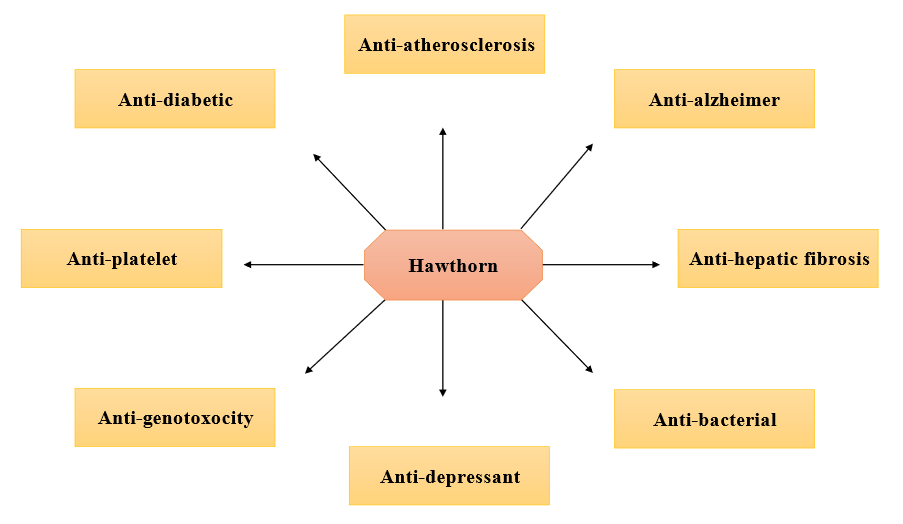
Figure 3: Other therapeutic properties of Hawthorn
The cardiovascular advantages of hawthorn, a powerful herbal treatment, are ascribed to bioactive substances such as phenolic acids, proanthocyanidins, and flavonoids. These improve coronary circulation, myocardial oxygen utilization, and heart function in general, all of which contribute to heart health. Hawthorn has broader medicinal potential, including lowering inflammation, preventing atherosclerosis, and reducing plaque accumulation, according to recent study. Hawthorn may also protect against infection, control blood sugar and cholesterol, and enhance liver function. Its potential as an antidepressant and neuroprotective benefits against Alzheimer’s disease increase its value. Although encouraging, additional clinical research is required to thoroughly examine and maximize its medicinal uses.
Atherosclerosis develops as a result of activated vascular inflammation, which can also lead to endothelial activation and the production of foam cells. The impact of Hawthorn fruit extract (HFE) on TMAO-exacerbated atherogenesis in mice was examined. The findings showed that in apo-lipoprotein E knock-out mice fed a high-fat western diet, trimethylamine-N-oxide (TMAO) increased atherogenesis, worsened inflammation, and aggravated oxidative stress. In mice fed a diet containing TMAO HFE prevented the development of atherosclerotic plaque. Mice given a high-fat TMAO-containing diet showed elevated plasma levels of TNF-α, IL-1β, and MCP-1, while mice given an HFE supplement showed a dose-dependent decrease in plasma levels of TNF-α and MCP-1. TMAO elevated hepatic mRNA expression of the three proinflammatory cytokines. Dietary TMAO raised MDA plasma levels, decreased plasma SOD and GSH-Px activity, and decreased plasma T-AOC. There was a decrease in the hepatic activity of SOD and CAT33.
The effects of Crataegus oxyacantha were studied in rats with carbon tetrachloride induced hepatic fibrosis. They discovered that CCl4 exposure increased oxidative stress, as seen by elevated levels of malondialdehyde (MDA) and protein carbonyls, as well as decreased activity of superoxide dismutase (SOD). This oxidative stress was accompanied with necrosis, as seen by elevated serum levels of liver enzymes. The study found elevated levels of inflammation markers in the liver, which led to hepatotoxicity and activation of hepatic stellate cells. HAW (Crataegus oxyacantha) therapy reduced oxidative stress, as shown by decreased MDA and protein carbonyl levels, and restored SOD function in the liver. It also reduced the release of ROS and fibrogenic mediators while decreasing inflammatory cell recruitment. HAW suppressed α-SMA-producing cells, slowing the advancement of hepatic fibrosis and reducing collagen changes caused by CCl434.
The hypoglycaemic and hypolipidemic effects of an ethanolic extract of C. aronia and C. aronia-phytosome were examined in streptozotocin (STZ)-induced diabetic rats. The study found that C. aronia leaves extract and C. aronia-p effectively lowered blood glucose levels in diabetic rats. The reduction in blood glucose levels was due to increased insulin secretion and decreased oxidative stress in pancreatic beta cells. Inhibition of carbohydrate-hydrolyzing enzymes such as α-amylase and glucosidase may diminish glucose absorption in the intestine, contributing to the observed impact. An increased risk of cardiovascular disease, type 2 diabetes, and certain cancers, such as colorectal, pancreatic, and breast cancer, is linked to insulin resistance and obesity. When compared to untreated rats, diabetic rat’s body weight has been demonstrated to increase with C. aronia-p and its ethanolic extract. Enhanced insulin sensitivity and decreased blood sugar levels have a close connection to weight loss. TG, TC, and LDL-C levels were decreased in a diabetic rat model by C. aronia-p and an ethanolic extract of C. aronia35.
The lowest inhibitory concentration (MIC) values in the investigation showed that the separated flavonoids had higher in vitro antibacterial activity than the crude extract. Additionally, using DPPH tests, the dried extract showed noteworthy antioxidant qualities. Using susceptibility and MIC tests, the antibacterial activity of the Hawthorn fruit extract was assessed against Staphylococcus aureus and Escherichia coli. These two dangerous bacterial strains were used to test the bactericidal qualities of Crataegus oxyacantha’s flavonoid and crude extracts. Three Gram-negative and two Gram-positive bacteria were tested for the study. Notably, Gram-positive bacteria can be distinguished from Gram-negative bacteria by retaining the crystal violet stain employed in the Gram staining process. The extracts showed antibacterial activity against every germ that was tested36.
The effects of Crataegus pinnatifida (CPE) fruit on symptoms similar to Alzheimer's disease were examined using a mouse model of Aβ-induced memory impairment and assessed using the passive avoidance test. Using the Thioflavin T (ThT) assay, the study examined how CPE affected Aβ-induced glial activation and Aβ fibril production. Measurement of Aβ-induced neuronal cell death was used to assess CPE's capacity to prevent Aβ toxicity. In the DAPI staining assays, higher CPE dosages significantly decreased Aβ cytotoxicity. Memory impairments brought on by Aβ fibrils were successfully remedied by CPE. In the hippocampal dentate gyrus region, CPE inhibited the rise in astrocytes and microglia brought on by Aβ. CPE increased its protective effects by dissolving pre-existing fibrils in addition to preventing Aβ aggregation. Glial cell counts in the hippocampus rose and memory impairments were caused by intracerebroventricular (i.c.v.) injection of Aβ fibrils. CPE was able to lessen these effects37.
The effects of C. aronia on neurotransmitter levels and depressive-like symptoms in rats exposed to chronic unexpected mild stress (CUMS) were examined. The rats' serotonin (5-HT) levels dropped after stress exposure, whereas their dopamine (DA) and norepinephrine (NE) levels rose. Elevated urine serotonin levels and decreased NE and DA levels were indicative of a considerable reversal of the depressive-like symptoms following treatment with C. aronia. These neuromodulatory effects were similar to those of the widely prescribed antidepressant fluoxetine. By modifying the central monoamines, such as 5-HT, NE, and DA, the active ingredients of C. aronia more especially, anthocyanins and procyanidins contributed to its antidepressant-like effects. The administration of aqueous extract of C. aronia (AECA) successfully corrected the altered neurotransmitter levels in CUMS-stressed rats, bringing them into line with those of rats treated with fluoxetine. Additionally, C. aronia's high polyphenolic content may help reduce oxidative stress brought on by CUMS, which would increase its antidepressant effect38.
Benzo(a)pyrene (BaP), a strong carcinogen and mutagen that is frequently produced by environmental pollution and food processing techniques like roasting and frying, causes serious health hazards. Hawthorn extract (HE) contains a lot of phenolic chemicals, such as epicatechin (2.99 mg/g dry weight), procyanidin B2 (3.58 mg/g), and chlorogenic acid (2.78 mg/g), which may help explain its anti-genotoxic qualities. The International Agency for Research on Cancer (IARC) has designated BaP as a carcinogenic substance and acknowledges it as a highly hazardous member of the polycyclic aromatic hydrocarbons (PAHs) class. The study assessed HE's ability to prevent DNA damage and related tissue damage caused by BaP. Hepatic vacuolization, inflammatory lung cell infiltration, and splenic cord and sinusoid damage brought on by BaP were all significantly reduced in mice given HE. To further examine the antioxidative effects of HE against BaP, the amounts of reactive oxygen species (ROS) in the bone marrow cells of mice treated with BaP were measured using flow cytometry. BaP-induced G1 cell cycle arrest was significantly lessened by HE treatment, indicating a protective effect associated with a decrease in double-strand breaks (DSBs)39.
The extract of C. aronia syn. Azarolus (L) was tested for its anti-platelet properties. In addition to being necessary for hemostasis, activated platelets play a role in the pathological development of certain arterial illnesses, including acute coronary syndromes and strokes, which are caused by plaque breakdown and the ensuing formation of platelet-thrombus. Platelets aggregate in response to endogenous agonists such as collagen, thrombin, platelet activating factor, adenosine diphosphate (ADP), and arachidonic acid (AA). The aqueous C. aronia syn. Azarolus (L) extract significantly altered the bleeding and closure times, showing a significant suppression of platelet function based on the PFA-100 and thromboxane B2 levels. Doses ranging from 100 to 500 mg/kg of C. aronia produced 1,000 mg/kg of thromboxane B2, but the higher dose (2,000 mg/kg) had the opposite impact on these parameters. Aspirin was administered to the active control group. Oral treatment of aqueous whole-plant C. extract decreased collagen, ADP, and collagen/epinephrine-induced platelet aggregation40.
Nutritional Value and Traditional Uses:
The food sector is using hawthorn more and more because of its numerous uses and health advantages. It is a common component of functional foods due to its high polyphenol content and antioxidant qualities, particularly in China, where there is a rising market for goods manufactured from hawthorn. There is no need to clean or fumigate fresh hawthorn fruit before eating it, and a variety of superior goods have been created to satisfy consumer demands. Developments in membrane processes, homogenizers, and enzyme technologies have increased the uses of hawthorn. Typical hawthorn items include canned hawthorn, hawthorn chips, sweet gourds, hawthorn preserves, baked goods, snacks, wines, and jams41.
Jam is becoming more and more popular among consumers as the ideal accompaniment to breads and other pastries. The two main categories of hawthorn jams currently available on the market are “regular hawthorn jam” and “compound jams” that contain hawthorn taste, like “hawthorn leaf flavonoid jam” and “hawthorn passion fruit jam”. Ingredients like 1.15% hawthorn leaf flavonoids, 45% white sugar, 0.30% pectin, 0.20% xylitol, and 0.16% citric acid are needed to make flavourful hawthorn leaf flavonoid jam. In addition to satisfying the demand for a nutritious and safe jam, the blend of hawthorn jam also improves the use of hawthorn berries41.
When making hawthorn "bakery goods," it is essential to use effective methods to maintain the active elements and enhance the hawthorn's absorbing and dissolving properties. to improve its distinct flavor and health advantages. Hawthorn bread is made using ultra-fine grinding technology, 3% hawthorn powder, 0.6% salt, 18% sugar, and 0.5% bread amendment. This raw material can be consumed by those with type 2 diabetes. When added to whole wheat flour bread, it also has an antihyperglycemic effect and supports healthy circulatory and gastrointestinal function41.
Fruit-based wines and beverages made from hawthorn are becoming more and more well-liked because of the fruit's high vitamin, mineral, and bioactive chemical content. Varieties produced from the star-spotted hawthorn shrub in North America offer better flavour, fragrance, clarity, and overall quality, while hawthorn, with its high polyphenol and antioxidant content, improves the nutritional profile of these wines. By reducing pH and releasing methyl groups, treatments like pectinase speed up the clarifying process and improve the final product. Hawthorn is also used to enhance flavour and give extra health benefits in confections like fondant. as the market for goods made from hawthorn grows. Further potential for the hawthorn industry is provided by this biomass, which is high in xylan (28%) and may be used to create value-added products like oligosaccharides and xylose (XOS)41.
Conclusion and Future Remarks:
A promising natural treatment with notable antihypertensive benefits, hawthorn (Crataegus spp.) is a good choice for controlling high blood pressure. According to preclinical studies Hawthorn has shown promise in improving cardiovascular function, blood flow, lowering vascular resistance, and promoting heart health through its diverse range of bioactive components, especially flavonoids, proanthocyanidins, and phenolic acids. By reducing inflammation and oxidative stress in the vascular system, its strong anti-inflammatory and antioxidant qualities also help to decrease blood pressure. Studies conducted both in vitro and in vivo offer strong proof of hawthorn's ability to control blood pressure, highlighting its potential as a secure and efficient supplement to traditional treatments for hypertension. Further demonstrating hawthorn's therapeutic potential in treating not only hypertension but also associated cardiovascular disorders like atherosclerosis are its methods of action, which include vasodilation, nitric oxide generation, and platelet inhibition. Hawthorn's use as an alternative or complementary treatment for hypertension could have a big influence on public health as the disease's prevalence rises worldwide. Hawthorn extract’s clinical effectiveness and safety in human populations must be confirmed by additional study, including well planned clinical studies. The standardization of hawthorn preparations, the best dosage, and long-term safety should be the main topics of future research in order to fully utilize their potential in the treatment of hypertension and associated cardiovascular disorders. Overall, Hawthorn is a beneficial supplement to both herbal medicine and contemporary healthcare, providing a safe, easy, and effective way to enhance cardiovascular health.
REFERENCES


Jagruti Patil*, Manali Chaudhari, M. B. Gagarani, Preclinical Insights into the Therapeutic Potential of Hawthorn in Hypertension Management: A Review, Int. J. of Pharm. Sci., 2025, Vol 3, Issue 6, 3879-3896. https://doi.org/10.5281/zenodo.15729127
 10.5281/zenodo.15729127