

We use cookies to ensure our website works properly and to personalise your experience. Cookies policy
Gajanan Maharaj College of Pharmacy, Chh, Sambhajinagar.
Peptic ulcers, often caused by Helicobacter pylori infection, NSAIDs, or stress, result in gastric mucosal damage. While synthetic drugs are commonly used for treatment, they are frequently associated with adverse effects. This study aims to formulate and evaluate a polyherbal suspension composed of natural plant extracts with well-established gastroprotective and anti-ulcer properties. Selected herbs, including Glycyrrhiza glabra (Licorice), Triphala, Shankha Bhasma, honey, mint oil, and tea tree oil, were chosen based on their traditional usage and scientific evidence supporting their benefits for ulcer management. The formulation process involved the extraction and standardization of these herbal ingredients, followed by the development of a stable suspension. The final product was evaluated for its physical properties and stability. Results demonstrated that the formulated polyherbal suspension effectively protected the gastric mucosa, offering a safer and potentially more natural alternative for managing peptic ulcers.
Peptic ulcers are sores in the stomach, duodenum, or esophagus caused by an imbalance between harmful factors (like acid, pepsin, and H. pylori) and the protective lining of the GI tract. Conventional treatments can have side effects or lead to relapse, which has increased interest in herbal alternatives. This study focuses on developing a polyherbal anti-ulcer suspension—a liquid herbal formulation designed to coat the stomach lining and deliver healing compounds directly to ulcers. Herbs such as Licorice, Mint, and Ficus racemosa contain natural compounds (e.g., flavonoids, tannins, mucilage) that reduce acid, fight inflammation, enhance mucus secretion, and inhibit H. pylori. The goal is to create a safe, effective, and standardized herbal formulation, followed by testing to confirm its ulcer-healing properties and long-term safety.
Drugs And Excipients profile:
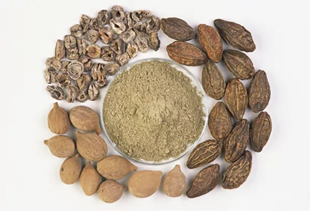
Triphala
Composition (Triphala):
Haritaki (Terminalia chebula) – Family: Combretaceae
Bibhitaki (Terminalia bellirica) – Family: Combretaceae
Amalaki (Emblica officinalis) – Family: Phyllanthaceae
Synonyms:
Triphala – “Three Fruits”
Sanskrit names – Haritaki, Bibhitaki, Amalaki
Chemical Constituents:
Tannins – Chebulagic acid, chebulinic acid
Phenolic compounds – Gallic acid, ellagic acid
Vitamin C – Mainly from Emblica officinalis
Flavonoids, glycosides, saponins, terpenoids
Mechanisms of action
Triphala protects the gastric mucosa through its antioxidant, anti-inflammatory, and cytoprotective properties. It reduces oxidative stress, enhances mucus secretion, promotes healing, and inhibits H. pylori bacteria. These actions help prevent and heal gastric ulcers effectively.
Glycyrrhiza glabra
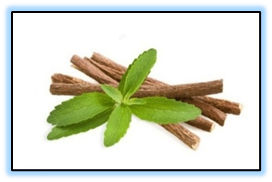
Several studies suggest that licorice works effectively for treating and preventing stomach ulcer. It helps the stomach and intestine produce more productive mucous that forms a coating over the stomach lining .This in turn eases the pain form ulcer and speeds up the healing process.
Biological source : It consists of the dried,peeled or unpeeled roots and stolons of Glycyrrhiza glabra
Synonyms: licorice
family :Leguminosae
Chemical constituents : Glycyrrhizin
Active constituents : glycyrrhizin,flavonoids
Mechanism of action
Licorice protects against ulcers by increasing gastric mucus and prostaglandin production, forming a protective barrier. Its anti-inflammatory and antioxidant properties reduce irritation and neutralize harmful free radicals. It also lowers gastric acid secretion, creating a healing environment. These combined actions help prevent and treat gastric ulcers.
Use
1) Anti-ulcer: Protects and heals gastric mucosa by enhancing mucus secretion and reducing gastric acid.
2) Anti-inflammatory: Reduces inflammation in conditions like gastritis and ulcers.
Shankha Bhasma
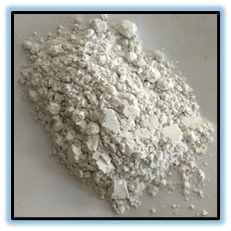
It neutralizes excess stomach acid, soothes the gastric lining, promotes healing of ulcers, and supports digestion, making it effective in treating hyperacidity, gastritis, and peptic ulcers.
Biological source : It is the ash of the conch shell of the shell fish Turbinellarapa
Synonyms: conchasma
family: Mollusca
Chemical constituents Iron, calcium
Active constituents : Calcium carbonat
Mechanism of action
Shankha Bhasma prevents and heals ulcers by neutralizing excess stomach acid, increasing protective mucus and prostaglandins, and reducing inflammation and oxidative stress in the stomach lining.
Use
1)Anti-ulcer: Neutralizes gastric acid and promotes mucosal protection.
2)Digestive health: Improves digestion and relieves acidity.
Excipients
Acacia gum: Suspending agent: Helps maintain uniform distribution of insoluble ingredients like herbal powders or Shankha Bhasma. Stabilizer: Prevents separation of ingredients and enhances shelf-life.Soothing agent: Forms a protective layer on the gastric mucosa, reducing irritation and promoting healing
Honey: Honey in anti-ulcer suspension acts as a natural gastroprotective agent. It forms a protective coating on the gastric mucosa, reduces inflammation, promotes ulcer healing, and has antimicrobial action against H. pylori. Its antioxidant and wound-healing properties help repair stomach lining damage. Additionally, it improves taste and serves as a natural preservative in the formulation.
Mint oil : anti-ulcer suspension helps by providing a cooling effect, reducing gastric spasms, and exhibiting anti-inflammatory, antioxidant, and antimicrobialproperties. It soothes the stomach lining, improves digestion, and supports ulcer healing.
Tea tree oil
Tea tree oil in anti-ulcer suspension offers antimicrobial, anti-inflammatory, and antioxidant properties. It helps in reducing gastric inflammation, preventing infection (especially from H. pylori), and promoting ulcer healing by protecting the stomach lining and reducing oxidative damage
Methods
Purpose:
To extract water-soluble bioactive constituents (like tannins, flavonoids, glycosides) from the herbal raw materials such as Triphala and Licorice.
Method:
• Decoction:
Herbs are boiled in water for 45–60 minutes. Heat facilitates the breakdown of plant cell walls and releases active compounds.
• Reflux Extraction:
Similar to decoction, but done in a reflux apparatus which condenses steam and returns it to the mixture, preventing solvent loss. More efficient for prolonged extraction (2–3 hours at ~90–95°C).
2)Mucilage Formation (Hydration of Acacia Gum)
Purpose:
To create a viscous, colloidal solution that helps suspend solid particles (like Shankha Bhasma) and stabilize the suspension.
Method:
• Acacia gum is slowly added to warm water (40°C) under continuous stirring.
• Left to hydrate for 15–30 minutes.
• Stirred again to ensure full dissolution and remove clumps.
3)Suspension Assembly (Trituration + Mixing)
Purpose:
To combine all components in a specific order for uniform dispersion and stable suspension.
Method:
• Start with acacia mucilage.
• Gradually add concentrated extracts and Shankha Bhasma with continuous
stirring.
• Add sweeteners (honey), emulsified oils, colorants, and flavors.
• Adjust final volume with distilled water.
4)Filtration
Purpose:To remove any coarse particles or undissolved residues from extracts or emulsions before final mixing.
Method:• Use 4-layer sterile muslin cloth or fine filter paper.• Filter extracts after boiling and before concentrating.• Also used for filtering color solutions.
Formulation Table
|
Sr. No. |
Ingredients |
F1 |
F2 |
F3 |
|
1. |
Triphala |
1.0g |
1.5g |
1.0g |
|
2. |
Glycrrhiza glabra |
0.5g |
0.75g |
1.0g |
|
3. |
Acacia gum |
1.0g |
1.5g |
1.25g |
|
4. |
Shankha Bhasma |
0.8g |
6.0g |
7.0g |
|
5. |
Honey |
0.05ml |
10.0ml |
7.5ml |
|
6. |
Tea tree oil |
0.05ml |
0.05ml |
0.05ml |
|
7. |
Mint oil |
1-2 drop |
2 drop |
2 drop |
|
8. |
Colour |
5 drop |
5 drop |
5 drop |
|
9. |
Distilled water |
50 ml |
50 ml |
50ml |
Procedure and preparation
1. Herbal Extracts
Triphala Churna (T. chebula, T. bellirica, E. officinalis) – 1.0 g in 10 mL distilled water; antioxidant, anti-ulcer.
Licorice (Glycyrrhiza glabra) – 0.5 g in 10 mL warm water; mucosal protection, demulcent.
2. Suspending Agent
Acacia Gum – 1.0–1.5 g in 10 mL warm water; stabilizes suspension.
3. Inorganic Antacid
Shankha Bhasma – 8.0 g; natural antacid, blended in acacia mucilage.
4. Sweetening Agent
Honey – 5–10 mL; sweetens, adds viscosity, mild preservative.
5. Essential Oils
Tea Tree Oil – 0.05 mL (1 drop) pre-diluted; antimicrobial.
Mint Oil – 1–2 drops; flavor, mild carminative.
6. Coloring Agent (Optional)
Food Color – Few drops; for appearance.
7. Vehicle - Distilled Water – q.s. to 50 mL; extraction and volume adjustment.
Evaluation of the suspensions
1. Organoleptic Properties
o Appearance: Uniform, oranges suspension.
o Odor: Pleasant, herbal with minty notes.
o Taste: Sweet and slightly astringent with licorice undertones.
o Texture: Smooth, free from grittiness.
o Clarity: No visible coarse particles or phase separation.
2. pH Test
o Method: Measured using a calibrated digital pH meter.
o Expected Range: pH 6.0–7.5 (near-neutral to slightly basic, suitable for gastric mucosa protection).
o Significance: Ensures compatibility with gastric environment and confirms antacid effect of Shankha Bhasma.
3)Sedimentation Volume Test
o Method: Suspension placed in a 50 mL measuring cylinder; allowed to stand
undisturbed for 24 hours.
o Observation: Uniform dispersion upon shaking, minimal caking at bottom.
o Significance: Evaluates physical stability and effectiveness of acacia gum as a suspending agent.
Evaluation parameters
|
Sr no. |
Parameter |
Result |
|
1 |
Ph |
6.0-7.5 |
|
2 |
Spreadability |
Good |
|
3 |
Consistency |
Uniform semi visible suspension |
|
4 |
Color |
Light orange to yellowish |
|
5 |
Odur |
Pleasant herbal with mild mint |
|
6 |
Sedimentation Rate |
Slow easily redisprsible |
|
7 |
Stability |
Stable to 1-2week (under room temperature) |
CONCLUSION
The developed polyherbal anti-ulcer suspension shows strong potential for gastric protection and ulcer healing. Combining Ayurvedic herbs with natural agents, it offers anti-inflammatory, antioxidant, and mucosal-protective effects. The formulation is stable, safe, and suitable for long-term use, supporting its promise as a natural alternative to synthetic anti-ulcer drugs and a basis for further research.
RESULT
The 50 mL polyherbal anti-ulcer suspension combines Triphala, licorice, and Shankha bhasma to offer synergistic gastroprotective effects. Triphala provides antioxidant and anti-inflammatory action; licorice enhances mucosal defense and has anti-H. pylori properties;Shankha bhasma neutralizes excess acid as a natural antacid. Acacia gum ensuressuspension stability, while honey improves palatability and adds mild antimicrobial effects. Mint and tea tree oils enhance flavor and contribute to microbial control. Together, these components create a stable, effective, and palatable formulation ideal for managing and preventing gastric ulcers.
REFERENCES


Komal Chavan*, Maheshwari Mangulkar, Research Article on Formulation and Evolution of Herbal Antiulcer Suspension for Gastric Mucosa Protection, Int. J. of Pharm. Sci., 2025, Vol 3, Issue 6, 2397-2403. https://doi.org/10.5281/zenodo.15648071
 10.5281/zenodo.15648071