

We use cookies to ensure our website works properly and to personalise your experience. Cookies policy
Ideal Institute of Pharmacy, Posheri, Wada, Palghar, Maharashtra, 401404
Nutraceuticals, Derived From Natural Food Sources, Contain Bioactive Compounds That Possess Therapeutic Effects. These Compounds—Such As Polyphenols, Flavonoids, Vitamins, And Plant Extracts—Have Shown Promising Results In Regulating Glucose Metabolism And Improving Insulin Sensitivity. Nutraceuticals May Act By Modulating Pathways Involved In Insulin Secretion, Glucose Uptake, Oxidative Stress, And Inflammation, Which Are Critical In The Pathophysiology Of Diabetes. Type 2 Diabetes Mellitus (Dm) Is A Chronic Disease Of Significant Social Concern, Exhibiting A High Prevalence Globally. Dm Can Result In Various Vascular Complications, Including Macrovascular And Microvascular Issues (Such As Cerebrovascular, Coronary Artery, And Peripheral Arterial Diseases, As Well As Retinopathy, Neuropathy, And Nephropathy), Frequently Hastening The Advancement Of Atherosclerosis. There Is A Significant Demand For Safe Agents Capable Of Lowering The Risk Of Diabetes In Individuals Who Are At Risk. Although Certain Medications—Such As Metformin, Acarbose, And Orlistat—Have Demonstrated Diabetes-Preventive Effects In Extensive Randomized Studies, Nutraceuticals Also Hold Promise In This Area. Nutraceuticals Refer To Non-Specific Biological Therapies That Encompass Botanicals, Vitamins, Antioxidants, Minerals, Amino Acids, And Fatty Acids, Utilized To Enhance Wellness, Prevent Malignant Processes, And Manage Symptoms. Nutraceutical Agents Offer A Range Of Therapeutic Benefits And Are Asserted To Possess Effective Disease preventing, Curative, And Health-Promoting Properties. Dysglycemia Is A Disease State That Occurs Prior To The Onset Of Diabetes And Encompasses Impaired Fasting Glycemia And Impaired Glucose Tolerance. This Review Aimed To Gather And Analyze The Literature Reporting The Results Of Clinical Trials Assessing The Effects Of Selected Nutraceuticals On Glycemia In Humans. However, Contradictory Results Were Found On The Hypoglycaemic Effects Of Morus, Ilex Paraguariensis, Omega-3, Allium Cepa, And Trigonella Faenum-Graecum, Whereby Rigorous Long-Term Clinical Trials Are Needed To Confirm These Data. More Studies Are Also Needed For Eugenia Jambolana, As Well As For Ascophyllum Nodosum And Fucus Vesiculosus, Which Exhibited Glucose-Lowering Effects When Administered In Combination, But Not Alone. Further Trials Are Also Needed For Quercetin.
Diabetes Mellitus (Dm), Commonly Referred To As Diabetes, Is A Multifaceted Metabolic Disorder Marked By Hyperglycaemia, Which Is An Abnormal Physiological State Indicated By Persistently High Blood Glucose Levels. Hyperglycaemia Arises From Irregularities In Insulin Secretion, Insulin Action, Or A Combination Of Both, And It Presents In A Chronic And Diverse Manner As Dysfunctions In Carbohydrate, Fat, And Protein Metabolism. The Progression Of Diabetes Is Characterized By A Complex Pathogenesis And A Range Of Clinical Presentations.[1] Diabetes, With Its Continually Rising Global Prevalence, Has Become One Of The Most Significant And Challenging Health Concerns Facing The Human Population Today. The Rise In Diabetes Cases Across Various Regions Worldwide Has Coincided With Rapid Economic Growth, Resulting In Urbanization And The Adoption Of Modern Lifestyle Practices.[2] In 2019, It Was Estimated That Approximately 463 Million Adults Aged 20–79 Years Were Living With Diabetes, Accounting For 9.3% Of The Total Adult Population Globally. Projections Indicate That By 2030, This Figure Could Rise To 578 Million, Representing 10.2% Of The Total Adult Population, And Further Increase To 700 Million By 2045, Which Would Constitute 10.9% Of The Total Adult Population. In 2019, The Estimated Prevalence Of Diabetes Among Men And Women Was 9.6% And 9.0%, Respectively, Of The Total Population Of Each Gender Worldwide.[3] Additionally, In 2019, Around 4.2 Million Adults Aged 20–99 Years Died As A Result Of Diabetes And Its Related Complications, With Health Expenditures On Diabetes Estimated To Be At Least 760 Billion Usd, Representing 10% Of Total Adult Healthcare Spending. Diabetes During Pregnancy, Specifically Type 1 Diabetes Mellitus, Accounts For 5-10% Of All Diabetes Cases And Is Characterized By The Autoimmune Destruction Of Pancreatic Β-Cells. It Is Estimated That 1 To 14% Of All Pregnancies Are Affected, With The Onset Typically Occurring During The Second Or Third Trimester, Impacting More Than 20 Million Live Births (1 In 6 Live Births) In 2019.[4]
Classification And Pathophysiology
Diabetes Mellitus (Dm) Is Defined By Its Intricate Pathogenesis And Diverse Manifestations. Consequently, Any Classification Of This Disorder Is Somewhat Arbitrary; However, It Remains Beneficial And Is Frequently Shaped By The Physiological Circumstances Present During The Evaluation And Diagnosis. The Current Classification System Is Founded On Both The Etiology And Pathogenesis Of The Disease, Serving As A Valuable Tool In The Clinical Assessment And In Determining The Necessary Treatment. Based On This Classification, Diabetes Is Categorized Into Four Primary Types: Type 1 Diabetes Mellitus (T1dm), Type 2 Diabetes Mellitus (T2dm), Gestational Diabetes Mellitus (Gdm), And Diabetes That Is Induced Or Linked To Specific Conditions, Pathologies, Or Disorders. [5]
Type 1 Diabetes Mellitus
T1dm, Referred To As Type 1a Dm Or, According To Earlier Terminology, Insulin-Dependent Diabetes Mellitus (Iddm) Or Juvenile-Onset Diabetes, Accounts For Approximately 5–10% Of All Diabetes Cases. This Condition Is An Autoimmune Disorder Marked By The T-Cell-Mediated Destruction Of Pancreatic Β-Cells, Leading To Insulin Deficiency And, Ultimately, Hyperglycemia.[6] The Mechanisms Underlying This Autoimmunity, Although Not Completely Comprehended, Have Been Shown To Be Affected By Both Genetic And Environmental Influences. The Speed At Which This Pancreatic Β-Cell-Specific Autoimmunity And The Associated Disorder Progress Is Typically Swift In Many Instances, Particularly In Infants And Children (Juvenile Onset), Or It May Develop Gradually In Adults (Late Onset).[7]
Idiopathic Diabetes
Idiopathic Diabetes, Also Known As Ica-Negative Or Type 1b Diabetes, Encompasses Forms Of Diabetes That Resemble T1dm In Their Presentation But Are Distinguished By Variable Nonimmune Β-Cell Dysfunction, Lacking Any Observed Hla Association, Unlike T1dm. Consequently, It Is Sometimes Classified As A Distinct Type Of Diabetes Mellitus. This Form Of Diabetes Demonstrates A Significant Inheritance Pattern And Has Been Noted In Only A Small Percentage Of Patients, Particularly Those Of Asian Or African-Caribean Descent. The Underlying Causes Of Idiopathic Diabetes Are Still Largely Unidentified.[8]

Figure 1 :- Four Type Of Diabetes [5]
Type 2 Diabetes Mellitus
T2dm, Which Is Also Referred To As Non-Insulin-Dependent Diabetes Mellitus (Niddm) Or Adultonset Diabetes According To Earlier Terminology, Accounts For Approximately 90–95% Of All Diabetes Cases. This Form Of Diabetes Is Defined By Two Primary Insulin-Related Abnormalities: Insulin Resistance And Β-Cell Dysfunction.[9] Elevated Levels Of Circulating Insulin (Hyperinsulinemia) Effectively Prevent Hyperglycemia. However, Over Time, The Increased Secretion Of Insulin By Β-Cells Fails To Adequately Compensate For The Reduction In Insulin Sensitivity. Additionally, The Functionality Of Β-Cells Begins To Deteriorate, And Β-Cell Dysfunction Ultimately Results In Insulin Deficiency. Consequently, Normoglycemia Can No Longer Be Sustained, And Hyperglycemia Arises. Although Insulin Levels Are Reduced, In Most Instances, The Secretion Of Insulin Remains Sufficient To Avert The Onset Of Dka.[10]
Obesity Significantly Contributes To The Homeostatic Regulation Of Systemic Glucose Due To Its Impact On The Onset Of Insulin Resistance, Which Affects Tissue Sensitivity To Insulin. Consequently, The Majority, Though Not All, Of Patients With Type 2 Diabetes Mellitus (T2dm) Are Either Overweight Or Obese.The Elevated Body Fat Percentage, A Defining Feature Of Obesity, Is A Critical Risk Factor For T2dm. It Is Not Only The Total Volume Of Body Fat That Matters, But Also Its Distribution, Which Plays A Crucial Role In The Emergence Of Insulin Resistance And, Subsequently, Hyperglycemia Associated With Polycystic Ovary Syndrome. Increased Abdominal Fat, Or Visceral Obesity, Has Been Frequently Linked To This Form Of Diabetes, Particularly When Compared To The Accumulation Of Gluteal/Subcutaneous Fat Or Peripheral Obesity.[11]
Gestational Diabetes Mellitus
Gdm Is Characterized As Any Level Of Glucose Intolerance Or Diabetes Identified At The Beginning Or During Pregnancy, Typically In The Second Or Third Trimester. Previously, This Definition Also Encompassed Any Undiagnosed T2dm That May Commence Before Or Coincide With The Onset Of Pregnancy. However, The Most Recent Guidelines From The International Association Of The Diabetes And Pregnancy Study Groups Have Excluded From This Definition Diabetes Diagnosed At The Onset Of Pregnancy Or Thereafter In High-Risk Women, Such As Those With Obesity, Where Any Level Of Glucose Intolerance Is Classified As Previously Undiagnosed Overt Diabetes Instead Of Gdm. Gdm Is Distinct From Any Preexisting Diabetes In Women Who Are Pregnant And Generally Resolves Shortly After Childbirth Or The Termination Of Pregnancy.[12]
Introduction to Nutraceuticals
The Term 'Nutraceutical' Refers To Any Substance That Can Be Regarded As Food Or A Component Of Food, Offering Medical And Health Advantages, Which Include The Prevention And Treatment Of Illnesses. Pharmaceuticals Are Typically Classified As Drugs Primarily Used For Treating Diseases, Whereas Nutraceuticals Are Aimed At Disease Prevention. Both Pharmaceuticals And Nutraceuticals Possess The Ability To Cure And Avert Diseases; However, Only Pharmaceuticals Are Sanctioned By Governmental Authorities. Nutraceuticals Can Encompass A Variety Of Forms, Including Isolated Nutrients, Dietary Supplements, Specific Diets, Genetically Modified Designer Foods, Herbal Products, And Processed Items Such As Cereals, Soups, And Beverages. Hippocrates Famously Stated, "Let Food Be Your Medicine And Medicine Be Your Food."[13] The Phrase Nutraceutical Was Introduced By Stephen Defelice, Who Is The Founder And Chairman Of The Foundation For Innovation In Medicine, Based In Cranford, New Jersey. This Term Merges The Concept Of Nutrient (Referring To A Nourishing Food Or Food Component) With Pharmaceutical (Denoting A Medical Drug).[14]
Why Nutraceuticals?
For Many Individuals, Obtaining Sufficient Nutrition From Everyday Food Is A Challenge. Additionally, We Exist In A Highly Toxic Environment, Saturated With Pollution And Pesticides That Disrupt Our Body's Regulatory Functions. Numerous New Health Issues Are Now Prevalent Within Our Population. A More Sensible Approach Is To Enhance Our System Or Terrain Instead Of Relying On Antibiotics That Have Diminished In Effectiveness. Medications Often Come With Side Effects Because They Are Not Inherently Natural To The Body, Whereas High-Quality Supplementation That Can Be Absorbed And Utilized Effectively By The Body Can Genuinely Fortify Our Health And Enhance Vitality.[15]
The Concept Of Nutraceuticals
In The Process Of Pharmaceutical Development, It Is Essential To Obtain Clinical Test Results From Animal Studies To Validate Their Therapeutic Effects. However, Historically, There Has Been No Method To Verify The Role Of Foods In Disease Prevention. Recently, As Scientific Evidence Has Linked Food Composition To Lifestyle-Related Diseases, This Issue Has Gained Social Prominence. Nutraceutical Products Are Now Recognized For Their Health Benefits, Including Reducing The Risk Of Cancer And Heart Disease, As Well As Preventing Or Treating Conditions Such As Hypertension, High Cholesterol, Obesity, Osteoporosis, Diabetes, Arthritis, Macular Degeneration (Which Can Lead To Irreversible Blindness), Cataracts, Menopausal Symptoms, Insomnia, Reduced Memory And Concentration, Digestive Disturbances, And Constipation, In Addition To Headaches. Furthermore, Other Products Are Promoted As Solutions For Issues Like Hair Thinning, Low Self-Esteem, Poor Skin Appearance, Varicose Veins, Alcoholism, Depression, And Fatigue.

The Concept Of Nutraceuticals Is Increasingly Being Recognized As A Viable Approach To Disease Prevention. The Concept Of Nutraceuticals Is Illustrated In Fig.[2][16]
Classification
Traditional Nutraceuticals
The Category Includes Foods That Remain Unaltered By Manual Processes. The Ingredients Are Natural And Possess Certain Properties That Contribute To Health Benefits. For Instance, Lycopene, Which Is Derived From Tomatoes, Pink Grapefruit, Guava, Papaya, And Watermelon, Offers Various Advantages, Including Its Antioxidant Properties That Help Protect Against The Development Of Cancers, Particularly Prostate, Bladder, Cervical, And Leukemia.
Non-Traditional
This Category Of Nutraceuticals Focuses On Enhancing Nutritional Value Through The Incorporation Of Nutrients And Dietary Components Aimed At Improving The Quality Of Nutrition. For Example, Β-Carotene Sourced From Carrots, Along With Various Fruits And Vegetables Such As Oranges And Tangerines, Offers Potential Benefits Including Antioxidant Activity That Neutralizes Free Radicals, Protects The Cornea From Uv Light, And Exhibits Anticarcinogenic And Anti-Cancer Properties.[17]
Fortified Nutraceuticals:
These Consist Of Nutraceuticals Derived From Agricultural Breeding Or Supplemented With Additional Nutrients And/Or Ingredients. Examples Encompass Cereals Enriched With Vitaminsor Minerals, Milk Fortified With Cholecalciferol To Address Vitamin D Deficiency, Flour Containing Bifidobacterium Lactis Hn019, Which Is Beneficial For Diarrhea, Respiratory Infections, And Serious Illnesses In Children As Well As Orange Juice Fortified With Calcium.[18]
Recombinant Nutraceuticals:
Recombinant Nutraceuticals That Are Recombinant Encompass The Production Of Probiotics And The Extraction Of Bioactive Components Through Enzyme And Fermentation Technologies, In Addition To Genetic Engineering Techniques. Furthermore, Energy-Rich Foods, Including Bread, Alcohol, Fermented Starch, Yogurt, Cheese, Vinegar, And Others, Are Created Utilizing Contemporary Biotechnology. An Example Of This Is Cows That Produce Lactoferrin.[19]
Benefits Of Nutraceuticals:
From The Perspective Of Consumers, Nutraceuticals Provide Numerous Advantages. Some Of These Are Outlined Below:
Categories Of Nutraceuticals And Their Significance In Diabetes
Nutraceuticals Refer To Non-Specific Biological Treatments Utilized To Enhance Well-Being, Avert Harmful Processes, And Manage Symptoms.[21]
Nutrients:
The Nutrients Encompass Amino Acids, Fatty Acids, Minerals, And Vitamins That Have Established Nutritional Roles. A Majority Of Foods Provide Vitamins That Assist In The Treatment Of Ailments Such As Stroke, Cataracts, Osteoporosis, And Cardiovascular Diseases. Minerals Present In Plants, Animals, And Dairy Products Are Beneficial For Osteoporosis, Anemia, And For The Development Of Robust Bones, Teeth, And Muscles, As Well As Enhancing Nerve Impulses And Heart Rhythm. Foods Rich In Fatty Acids, Such As Omega-3 Pufas, Serve As Powerful Regulators Of Inflammatory Processes, Support Brain Function, And Help Reduce Cholesterol Accumulation.
Herbals:
Herbal Nutraceuticals Contribute To Enhancing Health And Preventing Chronic Diseases. The Majority Of These Substances Possess Analgesic, Anti-Inflammatory, Astringent, Antipyretic, And Antiarthritic Properties. Certain Herbals Include Flavonoids Such As Apiol And Psoralen, Which Exhibit Diuretic, Carminative, And Antipyretic Effects. Peppermint, For Instance, Contains Menthol As An Active Ingredient That Aids In Alleviating Cold And Flu Symptoms. Additionally, Some Plants Are Rich In Tannins, Which Are Purported To Assist In Managing Conditions Such As Depression, Colds, Stress, Cough, Hypertension, And Asthma. Furthermore, Proanthocyanidins Found In Various Herbals Are Beneficial In The Treatment Or Prevention Of Cancer, Ulcers, And Urinary Tract Infections.[22]
Phytochemicals:
Phytochemicals Are Nutrients Derived From Plants That Possess Specific Biological Activities Promoting Human Health. They Are Commonly Known As Phytonutrients. These Compounds Function By Acting As Substrates For Biochemical Reactions, Serving As Cofactors Or Inhibitors Of Enzymatic Reactions, And Acting As Absorbents That Bind To And Eliminate Unwanted Substances In The Intestine, Thereby Enhancing The Absorption And/or Stability Of Essential Nutrients, Among Other Roles .[23]
Herbals:
This Term Refers To Herbs Or Botanical Products That Are Available In The Form Of Concentrates And Extracts.
Dietary Supplements:
These Are Compounds Obtained From Various Sources (For Instance, Pyruvate, Chondroitin Sulfate, And Steroid Hormone Precursors) That Fulfill Particular Purposes, Such As Enhancing Sports Nutrition, Aiding In Weight Loss, And Serving As Meal Replacements.(Figure.3)
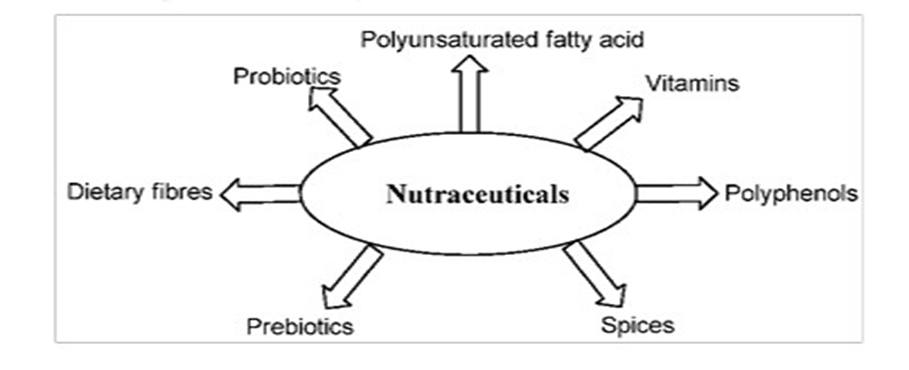
Figure 3 Need For Diabetes-Preventive Nutraceuticals.[24]
Probiotic Microorganisms:
Probiotics Are Defined As ‘For Life’. They Refer To Live Microorganisms That, When Ingested In Acceptable Quantities, Provide A Health Benefit To The Host (Michail Et Al., 2006). These Microorganisms Consist Of Beneficial Bacteria That Enhance Healthy Digestion And The Absorption Of Certain Nutrients. Most Significantly, They Work To Eliminate Pathogens, Such As Yeasts, Other Bacteria, And Viruses That Can Lead To Illness, While Fostering A Mutually Beneficial Symbiosis With The Human Gastrointestinal Tract.
The Role of Nutraceuticals In Diabetes:
Diabetes Mellitus Is Defined By Elevated Blood Glucose Levels, Which May Result From Inadequate Insulin Production Or From The Ineffectiveness Of Insulin. The Predominant Types Of Diabetes Include Type-1 Diabetes (5%), An Autoimmune Condition, And Type-2 Diabetes (95%), Which Is Linked To Obesity. Additionally, Gestational Diabetes Arises During Pregnancy.[25]
In Patients With Diabetes, Omega-3 Fatty Acids Are Recommended To Enhance Glucose Tolerance And Increase Insulin Sensitivity. Insulin Is Necessary For The Production Of Long-Chain N-3 Fatty Acids, Which Include Ethyl Esters That May Offer Potential Benefits For Diabetic Individuals. A High Intake Of Isoflavones (20-100 Mg/Day) Is Linked To A Reduced Incidence And Mortality Rate Of Type 2 Diabetes, Cardiovascular Diseases, Osteoporosis, And Certain Types Of Cancer. Docosahexaenoic Acid Plays A Role In Modulating Insulin Resistance, Which Is Particularly Significant For Women Experiencing Gestational Diabetes Mellitus, Thereby Supporting The Recommendation For Essential Fatty Acids During Pregnancy.[26]
Lipoic Acid Serves As A Comprehensive Antioxidant And May Prove To Be More Effective When Used As A Long-Term Dietary Supplement For The Preventive Protection Of Diabetic Patients Against Complications. Additionally, Dietary Fibers Derived From Psyllium Assist In Weight Loss, Help Regulate Glucose Levels In Diabetic Individuals, And Contribute To Lowering Lipid Levels In Cases Of Hyperlipidaemia.[27]
As We Know That Diabetes Has Become One Of The Most Common Concerns Of The Medical World Today. The Metabolic Disorder Currently Afflicts Millions Of People Across The Globe. According To A Study, Published In The Lancet, By The Year 2030, About 98 Million Indians Are At A Risk Of Being Diagnosed With Diabetes. We Also Know That Diabetes Is A Condition Where Blood Glucose Levels Are Abnormally High Or Erratic. While There Is No Cure To Reverse Diabetes, But There Are Enough Natural Ways With The Help Of Which People Could Manage The Symptoms. Diet Is A Crucial Component Of Diabetes Management. As Per A Latest Study, Plant based Diet May Work Wonders To Reduce Diabetes Symptoms And Even Stave Off Risk Of Developing The Condition. It Is A Good Idea To Supplement A Diabetic Diet With Enough Leafy Greens, Lentils And Legumes, Additionally Some Healthy Nuts And Seeds Like Flax Seeds May Also Include In Daily Diabetic Diet. These Nutraceuticals Are Said To Have Incredible Benefits For Diabetes Patients.
Nutraceuticals Used In Diabetes Management Berberis
Berberine Is An Isoquinoline Alkaloid That Has Been Used In Traditional Chinese Medicine Primarily To Address Gastrointestinal Infections. Recently, Due To Its Hypoglycemic Effects, There Has Been Interest In Its Potential Application For Diabetes Treatment. This Alkaloid Has Been Extracted From Various Plant Families, Including Annonaceae (Such As Annickia, Rollinia, And Xylopia), Berberidaceae (Which Includes Berberis, Caulophyllum, Jeffersonia, Mahonia, Nandina, And Sinopodophyllum), Menispermaceae (Notably Tinospora), Papaveraceae (Comprising Argemone, Bocconia, Chelidonium, Corydalis, Eschscholzia, Glaucium, Hunnemannia, Macleaya, Papaver, And Sanguinaria), Ranunculaceae (Including Coptis, Hydrastis, And Xanthorhiza), And Rutaceae (Such As Evodia, Phellodendron, And Zanthoxyllum).
It Is Recognized That, Among These Medicinal Plants, The Genus Berberis Serves As The Most Widely Distributed Natural Source Of Berberine. Although This Compound Is Commonly Found In The Bark, Roots, And Stems Of Various Plants, The Parts With The Highest Concentration Of Berberine Are The Bark And Roots. Furthermore, Coptis Rhizoma And Barberry Exhibit The Greatest Levels Of Berberine, Ranging From 5.2, Which Can Enhance The Poor Oral Bioavailability Of This Alkaloid. To Achieve This, Berberine Is Administered Alongside Nutraceuticals That Can Modulate P-Glycoprotein Activity, Such As Silymarine Derived From Silybum Marianum, Which Has Proven To Be One Of The Most Suitable Candidates Due To Its Very Low Oral Bioavailability And Favorable Safety Profile.[28]
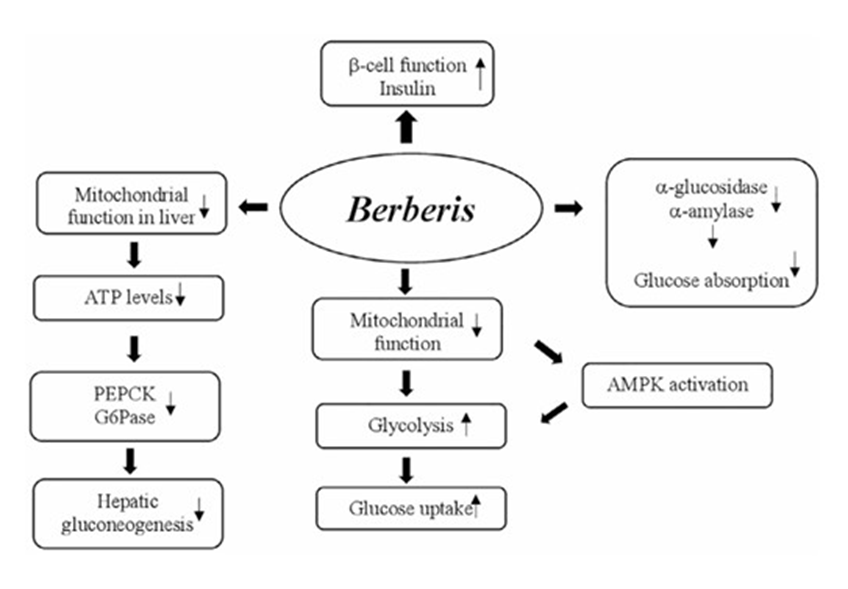
Figure No.4 Proposed mechanisms of Action Of Berberis In Glucose Metabolism Regulation. Ampk, Adenosine Monophosphate-Activated Protein Kinase; G6pase, Glucose-6-Phosphatase; Pepck, Phosphoenolpyruvate Carboxykinase 7.7%As Regard The Chemical Forms, Berberine Hydrochloride Is The One Most Common That Has Been Used In Many Clinical Studies.[29]
Mechanism Of Action
Various Mechanisms May Play A Role In The Regulation Of Glucose Metabolism By Berberine. These Mechanisms Include (A) Enhancing Insulin Sensitivity And Improving The Function Of Pancreatic Β-Cells By Repairing The Depleted Islets; (B) Reducing Intestinal Glucose Absorption Through The Inhibition Of Α-Amylase And Α-Glucosidase Activity; (C) Promoting Glucose Uptake Via The Induction Of Glycolysis, Which Is Triggered By The Inhibition Of Mitochondrial Function. This Latter Effect Also Results In The Activation Of The Adenosine Monophosphate-Activated Protein Kinase (Ampk) Pathway; And (D) The Suppression Of Hepatic Gluconeogenesis Due To A Reduction In The Expression Of Gluconeogenic Genes (Phosphoenolpyruvate Carboxykinase [Pepck] And Glucose-6-Phosphatase [G6pase]). This Decrease Is Attributed To Atp Depletion Caused By The Suppression Of Mitochondrial Function In The Liver.[30]
Omega -3
Omega-3 Polyunsaturated Fatty Acids (N-3 Pufas) Are Bioactive Compounds That Include Eicosapentaenoic Acid (Epa, 20:5n-3) And Docosahexaenoic Acid (Dha, 22:6n-3), Which Are Primarily Sourced From Fish And Seafood. Additionally, Alpha-Linolenic Acid (Ala, 18:3n-3) Is Obtained From Plant Sources Such As Leafy Greens, Seeds, And Nuts. It Is Believed That Supplementation With N-3 Pufas May Have A Beneficial Impact On Glucose Metabolism.[31]
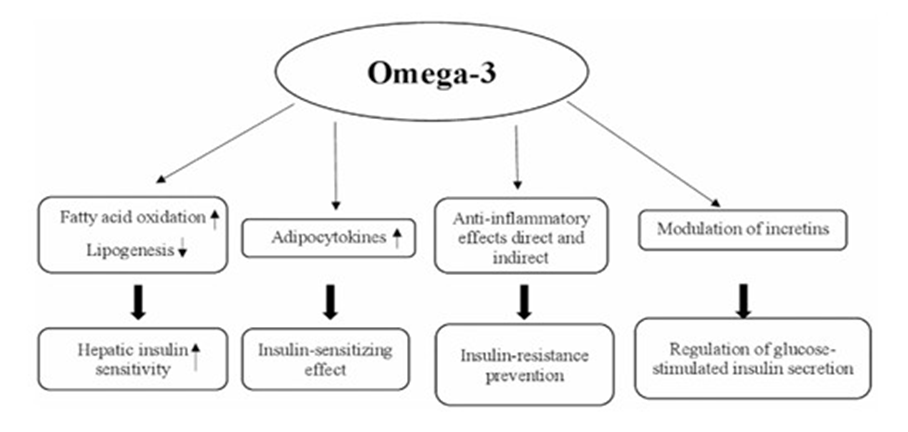
Figure No.5 Possible Mechanisms of Action For Omega-3 In Glycemic Control .
Guargum [Cyamopsis Tetragonolobus (L) Pers]
Guar Gum Is A Natural Polysaccharide Made Up Of A Polymer Of D-Galactose And D-Mannose, Referred To As Galactomannan. It Is Derived From The Seed Endosperm Of C. Tetragonolobus, A Plant That Belongs To The Leguminosae Family And Is Cultivated In India, Pakistan, Sudan, And Certain Regions Of The United States. Guar Gum Has The Capability To Alter Its Rheological Properties. The High Concentration Of Hydroxyl Groups In This Polysaccharide Enhances Its Capacity To Form Hydrogen Bonds When Mixed With Water, Resulting In Significant Viscosity And Thickening Of The Solution. In Addition To Its Thickening Properties, Guar Gum Can Emulsify, Bind, And Create Gels Or Films. It Is Also Noted For Its Rapid Solubility In Cold Water, Substantial Ph Stability, And Biodegradability. Due To These Unique Characteristics, Guar Gum Is Widely Utilized Across Various Sectors For Multiple Applications, Including Water Purification, Drug Delivery, Pharmaceuticals, Textiles, Cosmetics, And The Food Industry. Regarding Its Use In Pharmacotherapy, Guar Gum Acts As A Water-Soluble And Bulk-Forming Laxative Fiber, Effectively Stimulating Peristaltic Movements And Thereby Alleviating Constipation And Other Chronic Bowel Issues. Furthermore, Guar Gum Is Employed In The Treatment Of Cholera And Diarrhea. Additionally, It Has Demonstrated Cholesterol And Glucose-Lowering Effects, As Well As Chemopreventive And Anti-Inflammatory Properties. Specifically, The Hypoglycemic Effects Of Guar Gum Have Been Studied.[32]

Figure No.6. Potential mechanisms For Hypoglycemic Action Of Cyamopsis Tetragonolobus. Gip, Gastric Inhibitory Polypeptide; Glp-1, Glucagon-Like Peptide-1; Ppg, Post-Prandial Glucose; Scfas, Short Chain Fatty Acids.
Mechanism of Action
The Possible Hypoglycemic Mechanisms By Which Guar Gum Operates Are Primarily Associated With Its Distinctive Characteristics. Its Ability To Form A Gel And Enhance The Viscosity Of The Contents Within The Stomach Leads To A Reduction In Gastric Emptying And Glucose Absorption In The Small Intestine. In This Context, Guar Gum Serves As A Physical Barrier, Thereby Diminishing The Contact Of Glucose Molecules With The Cells Of The Bowel Mucosa And Retarding Their Diffusion Through The Mucosa Of The Small Intestine.[33] The Existence Of Glucose Within This Organ Facilitates The Secretion Of Various Molecules, Including Insulin And Incretin Hormones, Glucagon-Like Peptide-1 (Glp-1), As Well As Gastric Inhibitory Polypeptide.[34]
Ginseng[Panax Ginseng (L) Pers And Panax Quinquefolius (L) Pers]
The Asian Ginseng (P. Ginseng) And American Ginseng (P. Quinquefolius) Are The Primary Botanical Species That Exhibit Hypoglycemic Effects. Ginseng Comprises Various Compounds, Among Which Saponins, Also Referred To As Ginsenosides, Are Believed To Play A Role In The Hypoglycemic Action Of Ginseng.
Mechanism of Action
The Possible Mechanisms That Govern The Regulation Of Blood Glucose By Ginseng May Be Associated With (A) The Enhancement Of Pancreatic Β-Cell Function And Insulin Sensitivity; (B) The Promotion Of Glucose Uptake Through The Up-Regulation Of Glut Expression; (C) The Reduction Of Oxidative Stress By Increasing Superoxide Dismutase (Sod) Activity And Decreasing Malondialdehyde (Mda) Levels; And (D) The Modulation Of The Expression Of Inflammatory Pathways (E.G., Tnf-Α Or Endothelial Nitric Oxide Synthase [Enos]) To Avert The Development Of Insulin Resistance.[35]
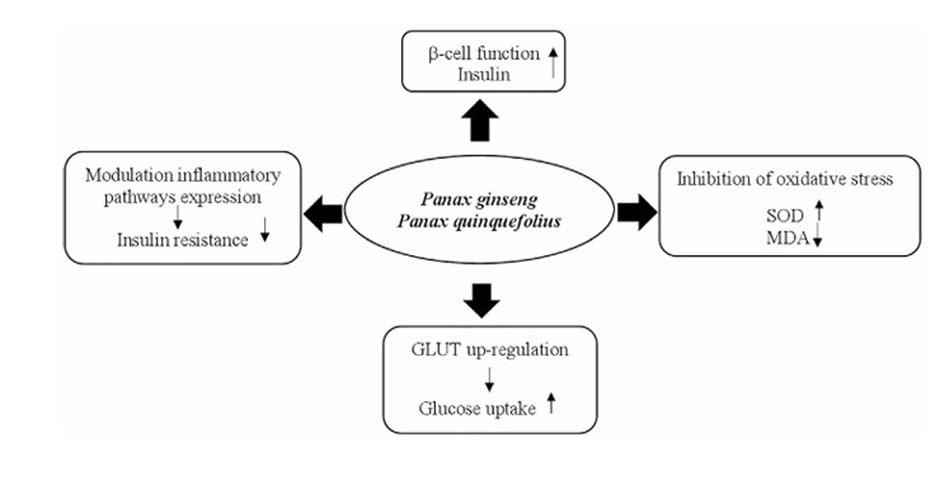
Figure No.6 Potential mechanisms Of Panax Ginseng And Panax Quinquefolius Hypoglycemic Effect. Glut, Glucose Transporter; Mda, Malondialdehyde; Sod, Superoxide Dismutase.
Gymnemic acid [G. Sylvestre (L) Pers]
Gymnemic Acid Was Extracted From The Leaves Of G. Sylvestre (Gs), A Medicinal Plant That Is Part Of The Asclepiadaceae Family. It Is Composed Of A Blend Of Saponins And Has Demonstrated Hypoglycemic Effects Owing To Its Capacity To Postpone The Absorption Of Glucose Into The Bloodstream.[36]
Mechanism of Action
Due To Its Resemblance To Glucose, Gymnemic Acid Attaches To The Receptors Found On The Taste Buds, Which Prevents Activation By The Sugar Contained In Food, Leading To The Non-Absorption Of That Sugar. Additionally, Gymnemic Acid Interacts With The Na+-Glucose Symporters Situated In The Outer Layer Of The Intestine, Thereby Inhibiting The Absorption Of Glucose.[37] Furthermore, The Hypoglycemic Effects Of Gymnemic Acid Are Achieved By Enhancing Insulin Secretion And Facilitating The Regeneration Of Pancreatic Β-Cells.[38] The Hypoglycemic Effects Of Gymnemic Acid Also Encompass An Increase In Glucose Utilization, Attributed To Heightened Activities Of Insulin-Dependent Enzymes Such As Hexokinase, Glycogen Synthetase, Glyceraldehyde 3-Phosphate Dehydrogenase, And Glucose 6-Phosphate Dehydrogenase. Additionally, There Is An Enhancement In Phosphorylase Activity, Accompanied By A Reduction In Gluconeogenic Enzymes And Sorbitol Dehydrogenase.[39]
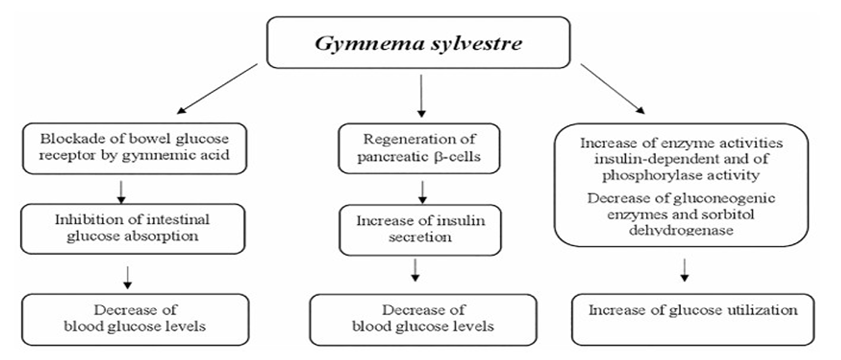
Figure No .7 Potential mechanisms of Gymnema Sylvestre Hypoglycemic Action
Naringenin [Citrus (L) Pers
Naringenin Is A Flavonoid Derived From Citrus Fruits, Predominantly Found In Orange, Grapefruit, Tangerine, Raw Lemon Peels, And Raw Lime Peels.It Exists In The Aglycone Form Of Naringin, Yet It Has Been Found To Be Biologically More Potent, Even Though Both Flavonoid Compounds Exhibit Antioxidant, Anti-Inflammatory, Cardioprotective, And Hepatoprotective Properties.Naringenin Has Garnered Attention From The Scientific Community Due To Its Diverse Pharmacological Activities And Its Prevalence In The Diet.Additionally, This Flavonoid Has Shown A Promising Hypoglycemic Effect.
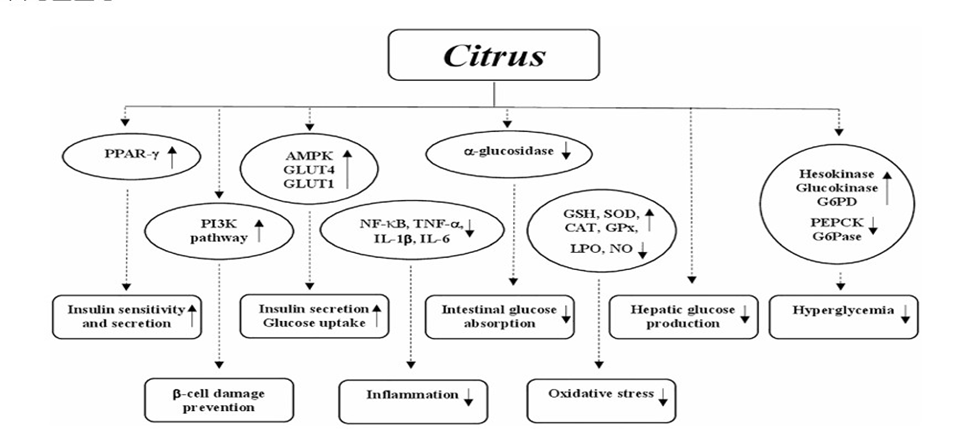
Figure No.8 Hypoglycemic Effects Of Citrus. Ampk, 50 Adenosine Monophosphate-Activated Protein Kinase; Cat, Catalase; G6pase, Glucose 6-Phosphatase; G6pd, Glucose-6-Phosphate Dehydrogenase; Glut, Glucose Transporter; Gpx, Glutathione Peroxidase; Gsh, Reduced Glutathione; Il, Interleukin; Lpo, Lipid Peroxidation; Nf-Κb, Nuclear Factor-Kappab; No, Nitric Oxide; Pepck, Phosphoenolpyruvate Carboxykinase; Pi3k, Phosphatidylinositol 3-Kinase; Ppar-Γ, Peroxisome Proliferator Activated Receptor Gamma; Sod, Superoxide Dismutase
Mechanism of Action
Various Mechanisms Through Which Naringenin Exhibits Hypoglycemic Activity Have Been Documented, Including Its Capacity To (A) Enhance Insulin Sensitivity And Secretion, (B) Promote Peripheral Glucose Uptake, (C) Diminish Intestinal Glucose Absorption, (D) Inhibit Hepatic Glucose Production, (E) Modulate The Expression Of Enzymes Associated With Glycolysis And Gluconeogenesis, (F) Protect Pancreatic Β-Cells From Damage, And (G) Reduce Indicators Of Inflammation And Oxidative Stress.[40]
Morus
The Genus Morus, Commonly Referred To As Mulberry, Is Part Of The Family Moraceae. The Predominant Species Include Morus Alba (L) Pers (White Mulberry), Morus Nigra (L) Pers (Black Mulberry), And Morus Rubra (L) Pers (Red Mulberry), Which Are Widely Found In India, China, Japan, North Africa, Arabia, And Southern Europe.[41]
The Morus Species Are Rich In Phenolic Compounds, Including Flavonoids And Anthocyanins, Which Are Utilized For Preventing Liver And Kidney Disorders, Joint Damage, And For Their Antiaging Effects, Attributed To The Antioxidant Properties Of These Substances.[42] Furthermore, The Morus Species Demonstrate Effectiveness In The Management Of T2dm, Attributed To The Abundant Presence Of Sugar-Mimicking Alkaloids Recognized For Their Hypoglycemic Effects, Such As 1,4-Dideoxy-1,4-Imino-D-Arabinitol, 1-Deoxynojirimycin (Dnj), And 1,4-Dideoxy-1,4imino-D-Ribitol.[43] Typically, The Components Of The Mulberry Tree That Are Examined For Their Medicinal Applications Include Fruits, Roots, And Leaves.[44]

Figure No.9 Hypoglycemic Effects Of Morus. G6pase, Glucose-6-Phosphatase; Gk, Glucokinase; Glut2, Glucose Transporter 2; Pepck, Phosphoenolpyruvate Carboxykinase; Pfk, Phosphofructokinase; Pi3k/Akt, Phosphatidylinositol-3-Kinase/Protein Kinase B; Pk, Pyruvate Kinase; Sglt1, Intestinal Sodium Glucose Co-Transporter 1 [44]
Ilexparaguariensis (L) Pers
Paraguariensis (St. Hill, Aquifoliaceae), Commonly Referred To As Yerba Mate, Is A Perennial Tree Found In Southern Brazil, Paraguay, And Argentina. The Dried And Ground Leaves Of This Plant Are Utilized To Create Beverages That Are Regionally Referred To As Chimarr˜ao, Tererê, Or Maté, Which Are Noted For Their Stimulating Effects And Bitter Flavor. Additionally, The Dried, Ground, And Roasted Leaves Of I. Paraguariensis Are Employed To Make Another Drink, Known As Mate Tea In Brazil, Which Is Prepared As An Infusion. This Beverage Is Valued For Its Mild And Enjoyable Fragrance And Can Be Consumed Either Hot Or Cold.[45] I. Paraguariensis Showed Promising Advantages For Human Health, Including Weight Loss, Hypocholesterolemic And Hypoglycemic Effects, Along With Significant Antioxidant Activity Attributed To The Presence Of Numerous Bioactive Compounds, Such As Polyphenols (Chlorogenic And Gallic Acids, Catechins), Saponins, Methylxanthines (Caffeine And Theobromine), Flavonoids, Amino Acids, Minerals, And Vitamins.[46] Mechanism Of Action :-
Research Involving Animals Has Demonstrated The Proposed Hypoglycemic Mechanisms Of Bioactive Substances, Particularly Polyphenols, Found In Paraguariensis. These Compounds Have A Glucose-Lowering Effect. (A) Enhancing Insulin Secretion By Both Stimulating Its Release From The Pancreas And Promoting The Secretion Of Incretins In The Small Intestine, Which Subsequently Encourages Insulin Release From The Pancreas; (B) Promoting Glucose Transport In skeletal Muscle Through Ampk Activation; (C) Facilitating Glut4 Translocation And Enhancing Glucose Uptake Activity; (D) Blocking Α-Glucosidase Thereby Decreasing Intestinal Glucose Absorption; And (E) Preventing The Formation Of Advanced Glycation End Products.[47]
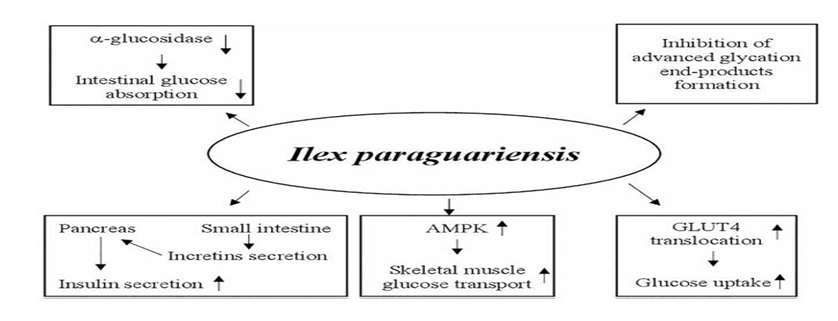
Figure No.10:- The Hypoglycemic Effects Of Ilex Paraguariensis. Ampk, Which Stands For Adenosine Monophosphate-Activated Protein Kinase;Glut4, Referring Toglucose Transporter4.
CONCLUSION
Nutraceuticals Have Surfaced As A Promising Supplement In The Management Of Diabetes Mellitus, Providing A Natural, Safe, And Economical Method For Regulating Blood Glucose Levels And Alleviating Diabetic Complications. Their Bioactive Constituents—Such As Polyphenols, Flavonoids, Omega-3 Fatty Acids, And Dietary Fibers—Are Crucial In Enhancing Insulin Sensitivity, Optimizing Lipid Metabolism, Minimizing Oxidative Stress, And Safeguarding Pancreatic Β-Cells. In Contrast To Traditional Therapies That Mainly Focus On Symptom Management, Nutraceuticals Tackle The Root Metabolic Imbalances, Fostering Overall Health And Disease Prevention. Nevertheless, Despite Their Evident Therapeutic Potential, Additional Well-Structured Clinical Trials Are Necessary To Standardize Dosages, Assess Long-Term Safety, And Validate Efficacy. The Integration Of Nutraceuticals With Contemporary Pharmacotherapy And Lifestyle Modifications Embodies A Comprehensive Approach To Effective Diabetes Management And Enhances The Quality Of Life For Patient.
REFERENCE


Harshada Dhak, Pratiksha Shinde, Dr. Sonali Uppalwar, Role of Nutraceuticals in Management of Diabetes Mellitus, Int. J. of Pharm. Sci., 2025, Vol 3, Issue 11, 2769-2786. https://doi.org/10.5281/zenodo.17645944
 10.5281/zenodo.17645944