
1,2,3,4 The Erode College of Pharmacy, Erode, Tamil Nadu, India.
5 Cherraan’s College of Pharmacy, Coimbatore, Tamil Nadu, India.
6,7 Sri Ramachandra Institute of Higher Education and Research (SRIHER)(Du), Chennai, Tamil Nadu, India.
Idiopathic Pulmonary Fibrosis (IPF) is a progressive, fatal lung disease marked by chronic fibrosis and a high mortality rate [1]. Emerging evidence implicates cellular senescence as a critical driver of IPF pathogenesis [2]. Recently, plant-derived compounds with senolytic activity have performed potential in selectively eliminating senescent cells, thereby mitigating fibrotic progression [3]. This review critically evaluates current preclinical evidence on plant-based senolytics, elucidates underlying molecular mechanisms, and discusses translational challenges and Advanced research directions. Experimental research combining traditional plant things along with current studies of aging science opens up the potential therapeutic model for the treatment of IPF [4].
IPF stands out as a disease where abnormal tissue healing creates both excessive extracellular matrix buildup and permanent damage to the lungs [1]. The fibrotic process depends on cellular senescence which results in an irreversible growth arrest based on recent research findings [2]. Senescence-associated secretory phenotype (SASP) activates pro-inflammatory and pro-fibrotic processes when cells release their toxic secretory profile because of aging cells [3]. Existing IPF treatment methods provided limited results because they fail to address the senescence-based pathology at its source [4].
The discovery of senolytic agents which specifically eliminate senescent cells throughout the last ten years created significant scientific opportunities [5]. Scientists study synthetic senolytics intensely but plant-derived compounds gain favor because they hold historical value in traditional medicine and display favorable safety statistics [6]. The review investigates the capability of plant-derived senolytics to reverse cellular senescence in IPF with the potential to change disease evolution [7].
2. Cellular Senescence and Idiopathic Pulmonary Fibrosis
When cells enter the senescent state they become permanently arrested from the cell cycle while their secretions change along with their ability to resist apoptosis [1]. Senescent alveolar epithelial cells together with fibroblasts accumulate in IPF because they contribute to tissue dysfunction and long-term inflammation [2]. Study investigators employed the molecular markers p16^INK4a, p21^CIP1 together with senescence-associated β-galactosidase for cell identification [3].
Fibrotic remodeling becomes worse through the action of SASP which produces cytokines along with chemokines and growth factors and proteases [4]. Scientific research shows that aged cells which persist in lung tissue affect both the disease progression rate and survival chances of IPF patients [5]. Medical interventions aiming the removal of these cells may offer theoretical potential to cease and potentially reverse fibrotic disease advancement [6].
The figure below in Figure 1 explains how cellular senescence leads to IPF pathogenesis [7].
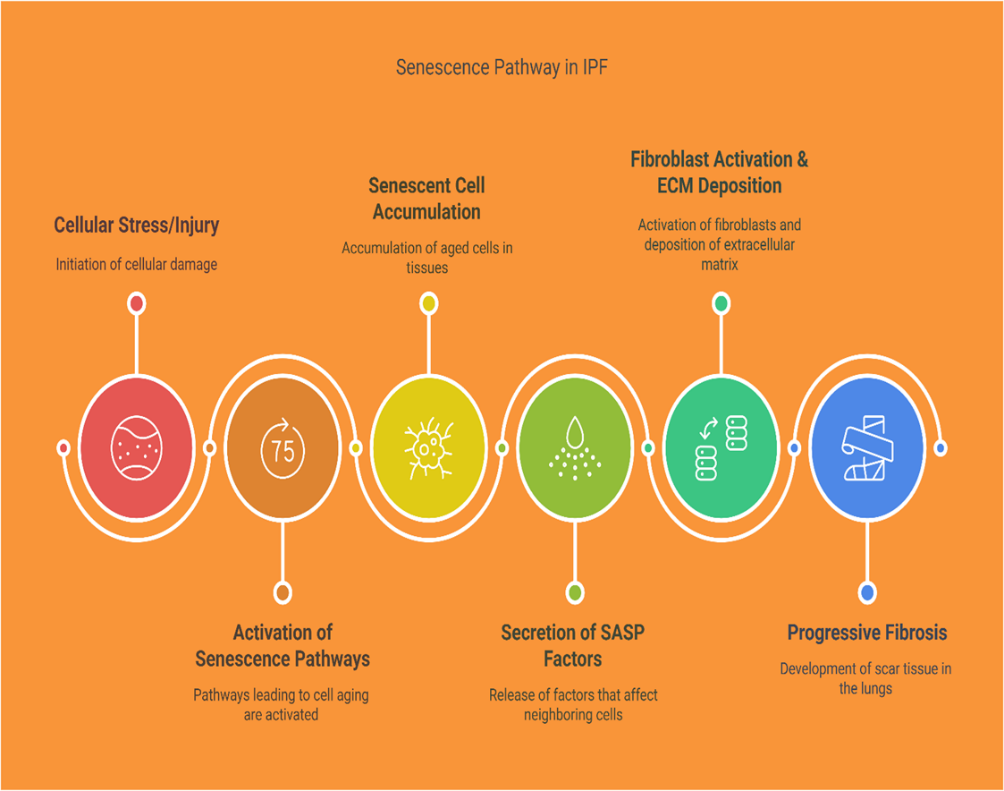
Diagram depicting the process by which cellular stress leads to senescence, SASP release, and ultimately fibrosis in IPF [7].
3. Plant-Based Senolytics: An Emerging Therapeutic Approach
The traditional medicinal use combined with multiple therapeutic effects makes plant-based senolytics appear to be a favorable choice beyond synthetic drugs [8]. Experimental research has shown that three phytochemicals named quercetin along with fisetin and piperlongumine display senolytic capacity [9].
3.1 Historical Context and Modern Inview
People employed traditional herbal treatments for managing respiratory infections along with inflammatory medical conditions [8]. Research investments into modern times have succeeded in revealing the molecular structures behind traditional treatments. Scientific studies indicate quercetin from fruits and vegetables induces apoptosis in senescent cells through its effects on Bcl-2 family proteins and caspase pathways [9]. The anti-senescence properties of fisetin have been established through its ability to block the PI3K/AKT signaling pathway while simultaneously lowering SASP factors [10].
3.2 Mechanisms of Action
Various mechanisms seem to be responsible for the actions of plant-based senolytics through their cellular impact
Table 1. Selected Plant-Based Senolytics and Their Mechanisms in Cellular Senescence
|
Compound |
Source |
Mechanism of Action |
Reference |
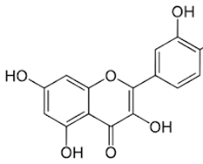
Quercetin |
Apples, Onions, Berries |
Induces apoptosis by modulating Bcl-2/caspase pathways |
[9] |
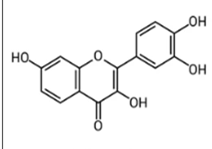
Fisetin |
Strawberries, Persimmons |
Inhibits PI3K/AKT, reduces SASP secretion |
[10] |
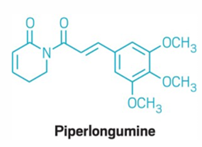
Piperlongumine |
Long pepper |
Targets oxidative stress pathways, leading to senescent cell death |
[11] |
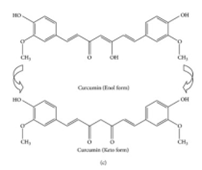
Curcumin |
Turmeric |
Enhances autophagy, downregulates inflammatory cytokines |
[12] |
This table is adapted from various preclinical studies that have identified these compounds as potential senolytics [9-12].
4. Preclinical Evidence for Plant-Based Senolytics in IPF
Researchers have conducted multiple preliminary investigations about plant-derived senolytics for treating lung injury and fibrosis [13 Studies using mouse subjects demonstrated that quercetin and fisetin reduced the body count of senescent cells while simultaneously enhancing respiratory system efficiency [13,14].
Animal Model Studies
The combination therapy of dasatinib and quercetin successfully decreased collagen buildup and enhanced lung function in bleomycin-treated aged mice according to research [13]. The research showed that fisetin treatment led to diminished senescence marker expression (p16^INK4a and p21^CIP1) together with minimized inflammation cytokine production [14].
In Vitro Studies
Lung fibroblasts obtained from IPF patients showed decreased release of SASP proteins after being treated with plant-based senolytics drugs to preserve their cellular health [15]. Research studies prove that plant compounds engage cellular mechanisms to specifically induce death of senescent cells [15.]
Table 2. Overview of Preclinical Studies Investigating Plant-Based Senolytics in IPF Models
|
Study |
Compound(s) |
Model/ System |
Key Outcome |
Reference |
|
Study A |
Quercetin + Dasatinib |
Bleomycin-induced murine fibrosis |
Reduced collagen deposition; improved lung compliance |
[13] |
|
Study B |
Fisetin |
Aged murine lung fibrosis model |
Decreased p16^INK4a/p21^CIP1 expression; reduced SASP |
[14] |
|
Study C |
Piperlongumine |
In vitro IPF fibroblast culture |
Induced apoptosis in senescent cells |
[11] |
The above table summarizes representative data from recent studies [11,13,14].
Molecular Mechanisms and Pathways
The molecular pathways of plant-derived senolytics maintain equilibrium between cellular processes to create their effects. A potential model diagram illustrates the target selection process of compounds for senescent cells during IPF as represented in Figure 2.
Proposed Mechanistic Model
Key mechanisms include:
5.2 Signaling Pathways
Multiple signaling pathways have been identified as involving the cellular events of senolytics:
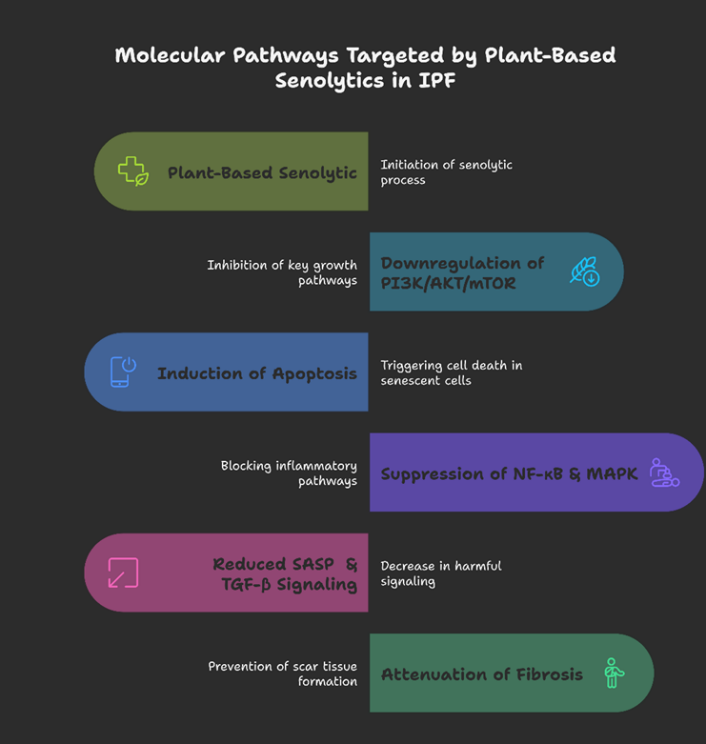
Figure 2 (described below) illustrates these pathways.
This diagram summarizes how plant-based senolytics modulate key signaling pathways to induce apoptosis and reduce fibrotic signaling in senescent cells [9-12].
Clinical Translation: Challenges and Advanced Tomorrows Directions
While the preclinical data are promising, several challenges remain before plant-based senolytics can be integrated into clinical practice for IPF.
Bioavailability and Pharmacokinetics
Rapid metabolism together with low bioavailability becomes a challenge to achieve maximum therapeutic benefits of phytochemicals [16]. Phytochemical research investigates nanoparticle encapsulation and carrier molecule conjugation as new delivery way to find these Dropbacks [16].
Safety and Off-Target Effects
Researchers need to study carefully the extensive safety profile of plant-based compounds since studies focused on their impact on elderly patients and those with comorbidities have not been conducted thoroughly [17]. Safety profiling depends on preclinical toxicity assessments together with early-phase clinical trials according to study [17].
Designing Robust Clinical Trials
The use of senescence biomarkers for trial stratification and standardized drug delivery routines together with established research goals (using high-resolution CT images to assess lung fibrosis decline) represents a necessary development in future tests [18]. Multiple research centers should conduct randomized controlled trials for scientific validation of therapeutic properties in these compounds [18].
Regulatory and Manufacturing Considerations
Standardizing plant extract formulations and ensuring batch-to-batch consistency remain significant hurdles [19]. Regulatory agencies require rigorous quality control measures to approve such novel therapeutic agents [19].
Table 3 outlines potential clinical trial design elements for evaluating plant-based senolytics in IPF.
|
Parameter |
Recommendation |
Reference |
|
Study Design |
Randomized, double-blind, placebo-controlled trial |
[18] |
|
Population |
IPF patients stratified by senescence biomarker levels |
[18] |
|
Intervention |
Standardized formulation of plant-based senolytic (e.g., fisetin) |
[16] |
|
Endpoints |
Reduction in fibrosis (imaging), improved lung function, safety |
[18,19] |
|
Duration |
12–24 months |
[18] |
Future Perspectives and Innovative Strategies
The development in this field falls on pharmacologists joining with both botanists and pulmonologists researchers according to [20] which includes:
The innovative approaches establish a prospective period for IPF management by transitioning from symptom-based treatments to disease-altering approaches [20].
CONCLUSION
The complete buildup of senescent cells stands as an essential factor in the development of IPF. The elimination of detrimental cells by plant-based senolytics looks like a promising therapeutic approach since it brings two main benefits: cell removal and lung functional improvement [1,3]. Science supports the translational prospects of these compounds through preclinical trials even though bioavailability issues together with safety measures and standardization need further development [13,14]. The development of clinical trials as well as interdisciplinary research will play an essential role in the validation process and optimization steps for plant-based senolytic therapies in IPF management [18]. The analysis demonstrates the progressive potential of bean and molecular research collaboration for starting a new era in chronic fibrotic lung disease management [7,20].
REFERENCES


Naveen Kumar S, Abinaya K, Siva R, Abimuthra V, Nithya Sri Pandi, Hema D, Sathish Kumar JD, Senescence vs Science: Can Nature’s Own Senolytics Reverse Lung Fibrosis, Int. J. of Pharm. Sci., 2025, Vol 3, Issue 12, 191-198. https://doi.org/10.5281/zenodo.17779305
 10.5281/zenodo.17779305
