View Article

Abstract

Stem cell-based therapy is a fundamental aspect of regenerative medicine, leveraging the distinct characteristics of human pluripotent, multipotent, and progenitor cells to mend or substitute damaged tissues. These cells, known for their self-renewal and differentiation capabilities, are categorized into three main types: adult (somatic), embryonic (ESCs), and induced pluripotent stem cells (iPSCs). Recent progress has underscored the therapeutic promise of Mesenchymal Stem Cells (MSCs) due to their availability from sources like bone marrow and adipose tissue, coupled with their notable immunomodulatory and paracrine effects. These cells are under active investigation for their potential in treating osteoarthritis by promoting cartilage repair and for spinal cord injuries to support axonal growth and remyelination. Additionally, iPSC technology has transformed disease modeling for neurodegenerative disorders such as Parkinson’s, Alzheimer’s, and Huntington’s diseases, paving the way for autologous transplantation without the ethical dilemmas linked to ESCs. Despite these advancements, obstacles persist, including the possibility of tumor formation, immune rejection, and the necessity for standardized clinical protocols. Future directions focus on bioengineering and long-term studies to tackle issues of safety, toxicity, and the risk of stem cell depletion in aging populations. This review highlights the shift of stem cell applications from theoretical research to pioneering clinical practices in contemporary medicine

Keywords

Hematopoietic stem cell (HSC) , Mesenchymal stem cell (MSC) , Embryonic stem cell (ESC) ,Induced pluripotent stem cell (IPSC) , Osteoarthritis (OA) , Spinal cord injuries (SCIs) , Neural stem/progenitor cell ( NPCs) , Parkinson's disease (PD) , Alzheimer's disease (AD) , Huntington's disease (HD)..

Introduction

Stem cell-based therapy represents a crucial aspect of regenerative medicine, aiming to enhance the body's repair mechanisms by stimulating, modulating, and regulating the body's own stem cell population, or by replenishing the cell pool to maintain tissue balance and promote regeneration [1] . The primary focus of regenerative medicine is on tissue regeneration and cellular replacement, and to achieve these objectives, various types of stem cells are utilized, including human pluripotent stem cells (hPSCs), multipotent stem cells, and progenitor cells.                                                                                              

Stem cells are a collection of undeveloped cells capable of forming and repairing any tissue or organ in the body, thanks to their distinctive abilities to proliferate, differentiate, and self-renew . These cells offer therapeutic benefits by regenerating damaged cells, thereby aiding in the recovery of organs and enhancing physical development.                                                                                                   Researchers have tapped into the innate potential of stem cells, utilizing their biological functions for therapies centered on stem cells. The synergy between the therapeutic mechanisms of stem cells and the mechanisms of diseases is projected to boost the probability of finding cures through stem cell applications[2]  .                                                                                                                                     Stem cell therapy represents an innovative treatment method that leverages the distinctive characteristics of stem cells, such as their ability to self-renew and differentiate, to either regenerate damaged cells and tissues within the human body or replace them with new, healthy, and fully functional cells by introducing external cells into a patient[3] .
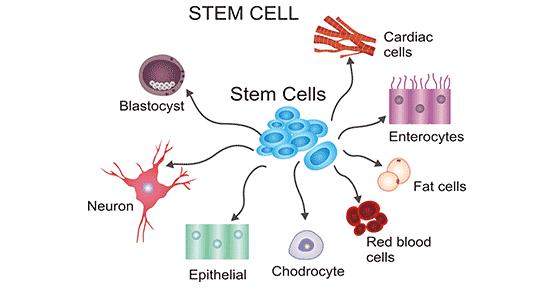


Stem cell therapy represents a cutting-edge and hopeful area of medical research today. This therapy involves the use of stem cells, which have the potential to transform into various cell types, to address injuries and illnesses. It has emerged as a groundbreaking field in modern medicine, offering potential treatments for numerous diseases that were once considered untreatable. Research in this domain has focused on understanding the different types of stem cells, including embryonic, induced pluripotent, and mesenchymal stem cells, as well as their applications in treating conditions such as neurodegenerative disorders, heart diseases, and cancer. At present, scientists are employing stem cells to regenerate tissues, manage autoimmune diseases, and develop new cancer treatment strategies. Significant advancements have been made in stem cell research; however, numerous ethical concerns remain, along with the risks of tumor development and the need for further refinement of treatment methods. Despite its promise, stem cell therapy faces challenges, such as ethical issues, the possibility of immune rejection, and the requirement for standardized protocols to ensure safety and efficacy[4].

Classification of stem cells :

Stem cells can be categorized into three primary types:

Adult stem cells

Embryonic stem (ES) cells

Induced pluripotent stem (iPS) cells

1.Adult stem cells :      

Adult stem cells are predominantly lineage-restricted and are typically found in specific 'niches' within their original tissues. These cells are defined by their ability to self-renew and differentiate into cell types specific to their tissue. Various adult tissues, such as skin, muscle, intestine, and bone marrow, contain these stem cells. Adult stem cells typically remain inactive but can be triggered to multiply and transform into different cell types following tissue damage, replacing cells that have perished. The mechanisms behind this process are not well understood. Notably, adult stem cells are highly specific to their tissue, meaning they can only develop into the mature cell type of the organ where they are located [5]. Following myeloablation, hematopoietic stem cells (HSCs) can be utilized to regenerate the bone marrow in individuals with blood-related disorders, offering a potential cure for the condition[6]. While HSCs are predominantly located in the bone marrow, they can also be collected from umbilical cord blood at birth[7] . Like HSCs obtained from bone marrow, cord blood stem cells are specific to the hematopoietic tissue and are only applicable for reconstructing the hematopoietic system [8,9,10] .                           Mesenchymal stem cells (MSCs) represent a category of adult stem cells that hold significant promise for stem cell–based treatments for several reasons. Firstly, MSCs have been extracted from a range of mesenchymal tissues, such as bone marrow, muscle, circulating blood, blood vessels, and adipose tissue, which makes them plentiful and easily accessible [11,12,13,14]                                                                       Animal research has highlighted that this could be the primary mechanism through which MSCs enhance tissue regeneration. The paracrine actions of MSC therapy have been proven to assist in processes like angiogenesis, anti-apoptosis, and immune system modulation. For instance, MSCs in culture are known to secrete factors such as hepatocyte growth factor (HGF), insulin-like growth factor-1 (IGF-1), and vascular endothelial growthfactor(VEGF)[15] .  In a rat model of myocardial ischemia, the administration of human bone marrow-derived stem cells led to an increase in cardiac expression of VEGF, HGF, bFGF, angiopoietin-1 and angiopoietin-2, as well as PDGF [16].

2.Embryonic stem cells:

Embryonic stem cells originate from the inner cell mass of an embryo at the blastocyst phase [17]. Unlike adult stem cells, embryonic stem cells are pluripotent, meaning they have the potential to develop into any cell type when given the appropriate stimuli. Consequently, embryonic stem cells offer greater therapeutic possibilities compared to adult stem cells. There are four significant challenges to the therapeutic use of ES cells. Firstly, it is difficult to guide ES cells to develop into a specific cell type. Secondly, there is a risk that ES cells may become cancerous. Thirdly, after being transplanted, these cells might face immune rejection due to incompatibility with the host. Lastly, obtaining cells from an embryo that could potentially develop raises ethical issues. As of the time this article was published, only two clinical trials involving human ES-derived cells are in progress.

Another approach involves utilizing retinal pigmented epithelial cells derived from human embryonic stem cells to address blindness caused by macular degeneration [6].

3.Induced pluripotent stem (iPS) cells:

In the field of stem cell research, one of the most exhilarating recent developments has been the emergence of iPS cell technology.     Like embryonic stem cells, induced pluripotent stem (iPS) cells are pluripotent, offering significant therapeutic potential. Although no clinical trials involving iPS cells have commenced yet, they are already invaluable for modeling disease processes. Before the advent of iPS cell technology, in vitro disease models were restricted to cell types that could be safely obtained from patients, typically dermal fibroblasts from skin biopsies. However, mature dermal fibroblasts alone are insufficient to replicate complex disease processes involving multiple cell types. With iPS technology, dermal fibroblasts can be reprogrammed into iPS cells, which can then be guided to differentiate into the cell type most suitable for modeling a specific disease process. Recent advancements in iPS cell production have shown that, under certain conditions, the earliest pluripotent stage of the derivation process can be bypassed.

Induced pluripotent stem (iPS) cells have thus far been instrumental in creating valuable in vitro models for a range of neurodegenerative diseases, such as Parkinson's disease, Huntington's disease, and amyotrophic lateral sclerosis. Additionally, they have proven significant in modeling hematologic disorders, including Fanconi's anemia and dyskeratosis congenita, as well as cardiac conditions, with long QT syndrome being particularly prominent  [18] .     
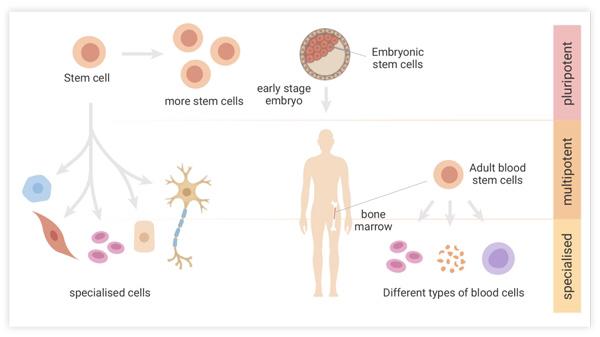


Salient features

Stem cells are fundamental cells characterized by several key attributes:

They are present in nearly all adult tissues, known as somatic stem cells, although they are less abundant.

Additional sources of stem cells include embryos and umbilical cord blood, where they are found in greater numbers.

These cells possess the ability to self-renew.

They can be induced to differentiate into multiple lineages, meaning they can develop into any of approximately 220 cell types, such as red blood cells, heart muscle fibers, neurons, etc.

Stem cells can be collected and cultivated in a laboratory setting to form a specific cell lineage through transdifferentiation, indicating their pluripotency. The process of homing refers to the natural capability of transfused stem cells to migrate to a targeted location within the body, where they become morphologically and functionally integrated [19] .

Therapies:

Neurological Disorders

Cardiovascular Diseases

Orthopedic Conditions

Autoimmune & Inflammatory Diseases

Liver Diseases

Kidney Diseases

Lung Diseases

  1. Osteoarthritis                                                                                                      

Osteoarthritis (OA) is a long-term degenerative condition affecting the joints. Damage to the articular cartilage can result from biomechanical, metabolic, biochemical, or genetic influences. Factors that heighten the risk of developing OA include obesity, aging, direct joint trauma, and a genetic tendency. OA is a multifaceted disease that triggers the entire immune system response. Cell therapy utilizes a combination of surgical and cell culture methods, requiring two distinct phases of processes ., [20] . Initially, a cartilage biopsy is taken from a healthy section of the patient's articular cartilage. Subsequently, chondrocytes are isolated from the cartilage tissue using collagenase. These chondrocytes are then cultured in a monolayer before being transplanted into the cartilage defect in the next stage of the procedure. This transplantation is carried out either in suspension beneath a periosteal flap or synthetic membranes, or within three-dimensional matrices [21] .

MSCs based therapy

MSCs are multipotent cells capable of differentiating into various cell types, including chondrocytes, adipocytes, osteoblasts, as well as myogenic and neuronal cells [22] . Mesenchymal stem cells can be sourced from a variety of locations, primarily bone marrow, adipose tissue, dental pulp, placenta, and umbilical cord, in addition to skeletal tissues [23] . Beyond their impressive ability to regenerate tissues, mesenchymal stem cells are also noted for their immunomodulatory properties. This makes MSCs a promising option for repairing cartilage damage while simultaneously offering an immunomodulatory effect that helps reduce inflammation linked to osteoarthritis (OA). A significant amount of research has been dedicated to understanding the role of MSCs in inflammation. MSCs respond to inflammation by migrating to injured tissues, where they modulate immune and inflammatory responses, thereby assisting in the repair of damaged tissues [22].                                                                                                             

MSCs, as multipotent cells, are widely found in the bone marrow, periosteum, trabecular bone, fat pad tissue, synovial membrane, and various other tissues, and they hold significant promise for enhancing chondrocyte regeneration and differentiating into cartilage . Initially, MSCs were extracted from bone marrow, but they have since been isolated from other tissues, including adipose tissue, placenta, umbilical cord, cord blood, dental pulp, and amniotic fluid [24].                                                               Among these, bone marrow and adipose tissue are primary sources for therapeutic MSCs. MSCs from diverse tissues possess the ability to differentiate into cartilage[25] .Different MSC sources exhibit distinct characteristics, each with its own set of pros and cons. Regarding MSC content, the umbilical cord (UC-MSCs) contains the highest amount, followed by amniotic fluid and fat [26]. In terms of proliferative capacity, MSCs derived from the umbilical cord and amniotic fluid have clear advantages, with fat and bone marrow (BM-MSCs) following. Concerning immunomodulatory capacity, MSCs from the umbilical cord, amnion, and adipose tissue (AD-MSCs) demonstrate superior immune regulation compared to bone marrow MSCs, while placental MSCs have the lowest immunomodulatory capacity. When comparing cytokine secretion profiles, umbilical cord MSCs produce more cell growth factors than bone marrow MSCs [25]                                                                      

Various sources of MSCs exhibit distinct characteristics, each with its own set of pros and cons. Regarding MSC concentration in tissues, the umbilical cord (UC-MSCs) contains the most, followed by amniotic fluid and adipose tissue [26]. In terms of proliferative ability, MSCs derived from the umbilical cord and amniotic sources are notably advantageous, with adipose and bone marrow (BM-MSCs) following. Concerning immunomodulatory capabilities, MSCs from the umbilical cord, amnion, and adipose tissue (AD-MSCs) demonstrate superior immune regulation compared to those from bone marrow, while placental MSCs exhibit the least immunomodulatory potential. When examining cytokine secretion profiles, umbilical cord MSCs produce more cell growth factors than bone marrow MSCs [25].
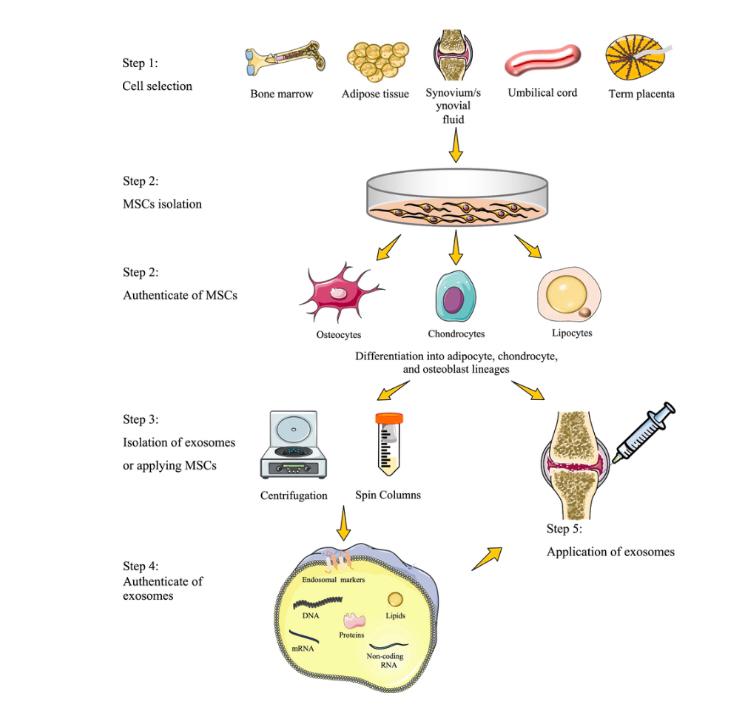


Flow chart of MSC therapy Mesenchymal stem cells are significant in this field and are essential for maintaining tissue balance, as well as for repair and regeneration. These cells are defined by their ability to selfrenew, their versatility, capacity to distinguish into specific categories of tissue cells, such as those found in cartilage and bone .

2) Spinal cord injuries (SCIs) :                                                                                          

Spinal cord injuries (SCIs) rank among the most severe and life-changing medical conditions, causing a substantial reduction in quality of life and placing enormous physical, psychological, and financial strains on those affected and their families” . “A spinal cord injury (SCI) leads to the loss of nervous tissue, which in turn results in the loss of motor and sensory functions. Stem cell therapy provides hope for SCI patients by utilizing the unique regenerative properties of stem cells”. These cells have the ability to transform into different cell types , thus replacing lost neurons, encouraging axonal growth, remyelinating damaged axons, modulating the immune response, and establishing a supportive environment for functional recovery [22] .      
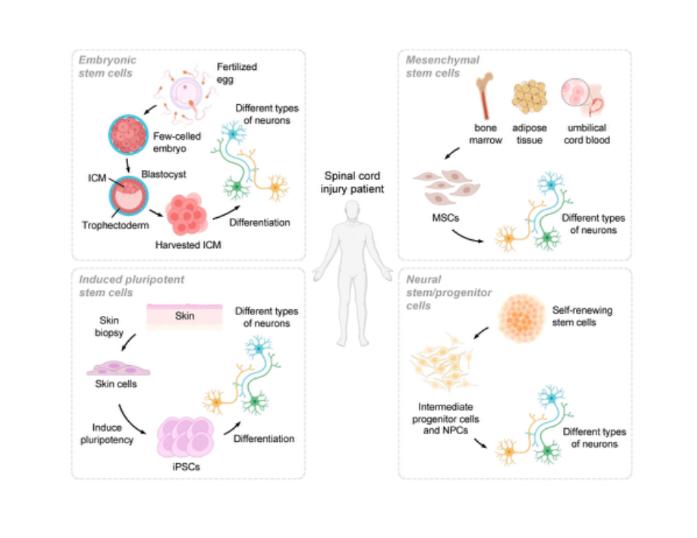


Embryonic stem cells

ESCs have the ability to transform into neurons and glial cells, which can replace damaged cells or tissues in [27,28]. Nonetheless, their undifferentiated state is seldom utilized because of the potential risk of tumor formation. Research has previously shown that transplanting ESCs can aid in the recovery from [29,30,31]. ESCs that have been modified with the cell adhesion molecule L1, known to enhance neuronal survival and promote neurite growth, show significant promise for treating [31]. However, their undifferentiated state is seldom utilized because of the potential risk of tumor formation. Research has previously shown that transplanting ESCs can aid in the recovery from [29,30,31]. ESCs that have been modified with the cell adhesion molecule L1, known to enhance neuronal survival and promote neurite growth, show significant promise for treating [31].

Mesenchymal stem cells

MSC cell. Initial in vivo research revealed that introducing BM-MSCs into the lesion area of rats with spinal cord contusions led to the development of tissue clusters composed of astrocytes and neuronal precursors[32]. Administering BM-MSCs at the injury site diminished inflammatory responses[33], and decreased blood-spinal cord barrier (BSCB) leakage[34]. It also modulated astrogliosis, eased neuropathic pain, and enhanced the functional recovery of hindlimb movement, potentially involving the matrix metalloproteinase (MMP) 2/STAT3 pathway[35].

Induced pluripotent stem cells

iPSCs, which possess the same pluripotent properties as ESCs, might address this issue. iPSCs are created from reprogrammed somatic cells[36,37,38,39], which are obtained from easily accessible tissues like autologous skin, thus avoiding ethical concerns, enabling autologous cell transplantation, and preventing rejection.

Neural stem/progenitor cells

 NPs derived from a human iPSCs clone facilitated the repair of the injury site.[40] Neural stem/progenitor cells derived from iPSCs (iPSC-NS/PCs) prevented demyelination,[41,42]  encouraged synapse formation, [43] and promoted the secretion of neurotrophic factors, leading to improved functional recovery in common marmosets after SCI without causing tumor development.[44]

3) Neurodegenerative diseases

Neurodegenerative diseases, including Parkinson's, Alzheimer's, Huntington's, amyotrophic lateral sclerosis, and frontotemporal dementia, are marked by imbalances in protein homeostasis. This imbalance leads to the degeneration of specific neuron groups and the formation of inclusion bodies composed of insoluble and misfolded proteins. Consequently, there is a progressive decline in sensory perception, cognitive functions, motor neurons, and eventually, paralysis sets in. The "R3" strategies—Rejuvenation, Regeneration, and Replacement—can be employed to tackle cellular aging and help manage neurodegenerative conditions. We particularly highlight stem cell therapy and cellular

reprogramming as crucial R3 methods.

These approaches aim to mitigate the effects of cellular aging by

(1) Revitalizing existing cells,

(2) Regenerating neural tissues through the activation or introduction of stem cells, and

(3) Replacing lost neuronal groups with new, functional cells.

• Mechanisms underlying stem cell therapies The mechanisms behind stem cell therapy are complex and multifaceted, involving neuronal replacement, paracrine actions, immune modulation, neurotrophic support, and mitochondrial transfer .[22]   

The primary aim of stem cell therapy for neurodegenerative diseases is to generate specific types of neurons and recreate a neural network akin to the one that has been lost due to the condition. An alternative strategy for addressing neurodegenerative diseases involves enhancing the environment to aid existing neurons by generating neurotrophic factors, eliminating toxic substances, or constructing supportive neural networks around the damaged regions. [45]
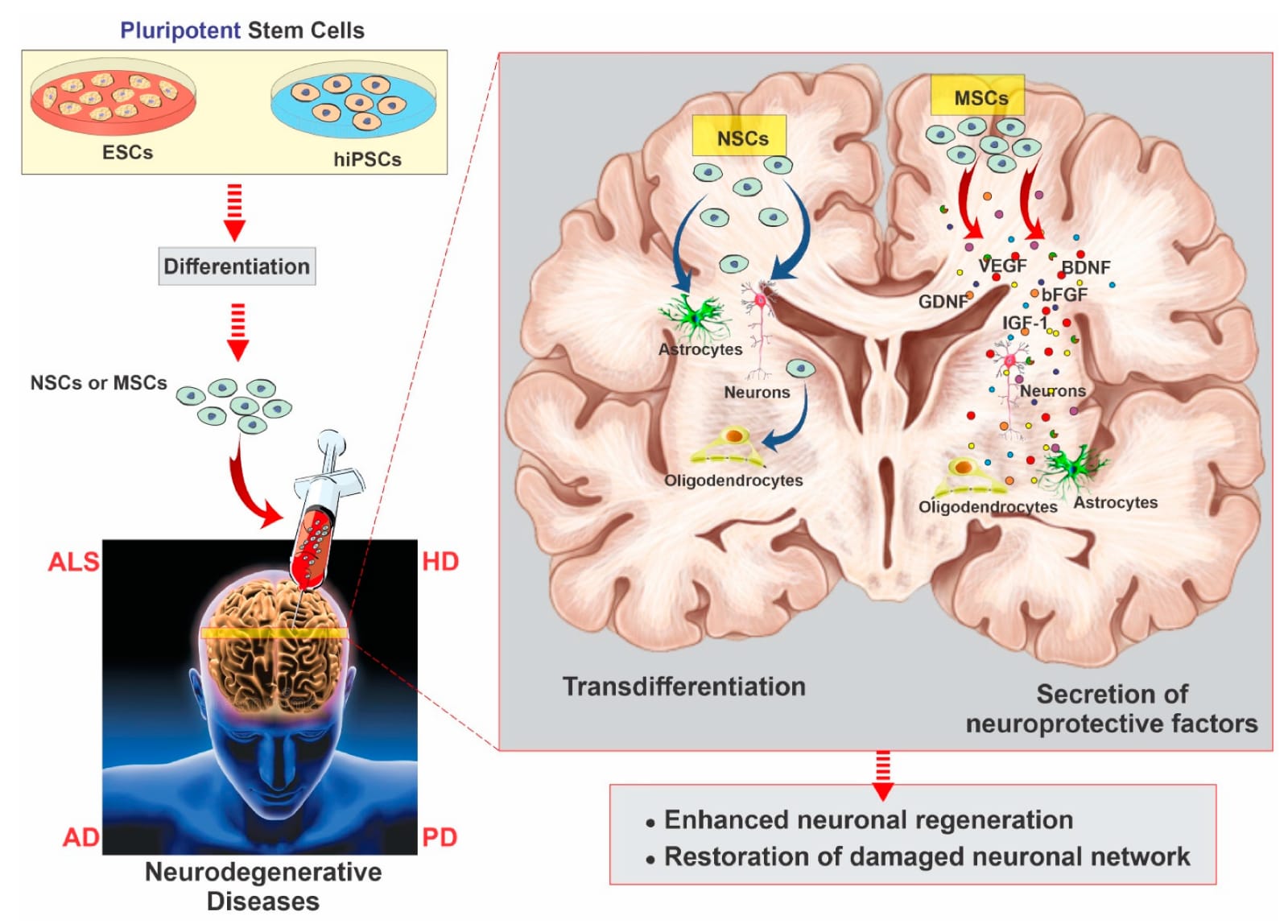


Figure 3. Neurodegenerative disease modeling of hiPSCs and ESCs.


These cells can be differentiated into neuronal progenitor (NPCs) and MSCs, from which brain cells, such as oligodendrocytes, astrocytes, and different neuronal and glial lineages, can be generated. Note also that the trophic action of MSCs, including the secretion of growth and neurotrophic factors, can act as a coadjuvant to nervous tissue regeneration by promoting angiogenesis, neurogenesis, and immunomodulation. AD: Alzheimer’s disease, ALS: amyotrophic lateral sclerosis, HD: Huntington’s disease, PD: Parkinson’s disease; BDNF: brain-derived neurotrophic factor, bFGF: basic fibroblast growth factor, IGF-1: insulin-like growth factor 1, GDNF: glial-derived neurotrophic factor, VEGF: vascular endothelial growth factor.

Parkinson's disease (PD):

In a Parkinson's disease (PD) animal model, mesenchymal stem cells (MSCs) have been found to mitigate dopamine loss and restore the damaged dopaminergic nerve terminal network in the striatum.[46] Additionally, a recent study involving 53 PD patients demonstrated that engineered MSCs, which had differentiated into dopaminergic cells, were directly implanted into an artery supplying the substantia nigra.[47] The findings indicated that intra-arterial autologous stem cell implantation is a safe and effective method, eliminating the risks of tumor development and immune reactions. Induced pluripotent stem cells (iPSCs) have also shown significant potential in facilitating dopamine replacement for PD patients. Research has revealed that dopaminergic neurons derived from iPSCs, when grafted into PD model systems, can survive and integrate into the host network, leading to notable functional improvements.[48] Other studies have confirmed that transplanting reprogrammed iPSCs into dopaminergic neurons enhances functional deficits and cell integration in vivo.[49]

Alzheimer's disease

AD is the most prevalent progressive neurodegenerative disease, marked by the deterioration of synapses and the loss of neurons in the hippocampus and neocortex.[50] As AD advances, it results in memory decline, impaired judgment, disorientation, and a reduction in language and problem-solving abilities, eventually leading to dementia and death in its later stages. [51,52] The exact mechanism by which NSCs enhance neurogenesis and cognitive function remains unclear. Additionally, the production of non-neuronal glial cells through NSC transplantation continues to be a challenge in using stem cell therapies for AD treatment .[53] The application of patient-specific iPSCs in AD treatment is still under development. Researchers have devised an innovative method to directly generate functional neurons from the skin cells of AD patients, which are transformed into ESCs. [54.55]

Huntington's disease

HD is a deadly, progressively worsening neurodegenerative disease with an autosomal dominant inheritance pattern. It is marked by the deterioration of GABAergic inhibitory spiny neurons in the striatum of the forebrain, along with degeneration occurring in the cortex, brain stem, and   hippocampus. [50]                                                                                                                                                Stem-cell-based therapies have garnered significant interest as possible treatments for HD. The aim of using stem cell therapy in HD is to replace neurons that are damaged or lost and to alter the mutant genes with expanded CAG repeats. Recent research indicates that NSCs are the most commonly utilized type of stem cells for treating HD. These NSCs have been derived and induced from various sources, including the brain itself and the somatic cells of individuals with HD.[56]

4)Dental pulp:

Dental pulp, a soft connective tissue located within the dental crown, serves as a fascinating source of adult stem cells due to the abundance of cells it contains and the less invasive nature of its isolation methods compared to other adult tissue sources.[60,61,62]1 This tissue harbors mesenchymal stem cells known as dental pulp stem cells (DPSCs). DPSCs can be derived from human permanent and primary teeth, human wisdom teeth, human exfoliated deciduous teeth (SHEDs), and apical papilla.[63,64,65,66] Additionally, DPSCs can also be extracted from supernumerary teeth, which are typically discarded.[67]

APPLICATIONS                                                                                                                                              Stem cells are employed in a variety of applications, such as the development of synthetic organs for both experimental and transplant uses, as well as in mitochondrial therapy. These innovations encompass:“Transplanting healthy hematopoietic stem cells (HSCs) into patients with certain blood or bone marrow disorders, such as leukemia, lymphoma, and tumors, can replace damaged bone marrow cells. This procedure can be autologous (using the patient's own cells), allogeneic (using cells from another person), or syngeneic (using cells from an identical twin)”. Bone marrow transplants have a long-standing history and are now a routine medical practice .HSC therapy (HSCT) “Hematopoietic stem cell transplantation (HSCT) has been studied as a treatment option for multiple sclerosis in numerous clinical trials. Multiple sclerosis is an autoimmune disease that impacts the central nervous system. The standard treatment for multiple sclerosis involves disease-modifying therapy, which aims to alter the immune response by changing immune cell movement or reducing the number of immune cells. However, this treatment requires prolonged use and can cause significant side effects. Clinical trials of HSCT have shown better results compared to disease-modifying therapy” .Placental stem cell therapy Placental stem cells have shown promising results and potential in treating and curing various conditions throughout the body, such as Alzheimer’s disease, liver disorders, pancreatic issues, heart attacks, muscular dystrophy, lung scarring, and large bone lesions. They are also used in tissue engineering .Autologous limbal stem cells (holoclar) transplantation Autologous limbal cell culture involves stem cells (holoclones) that can help treat individuals with corneal epithelium loss . Eye injuries can lead to vision loss by damaging the limbus or causing limbal stem cell deficiency. Holoclar has been officially approved in Europe for treating moderate to severe limbal stem cell deficiency in adults . Development toward artificial organ engineering When stem cells are cultivated in a three-dimensional environment under optimal growth conditions without external influences, they grow and differentiate into structures that resemble their original form. These structures, known as "organoids," can mimic organs, including serving as niches for stem cells. Organoids display a level of organization that current technology cannot replicate, although they vary in size, shape, cellular composition, and other features across different cultures. These organoids are used for various research purposes. [22]

CURRENT STATUS:

For numerous degenerative conditions like Alzheimer's and Parkinson's diseases, motor neuron disease, multiple sclerosis, diabetes, and diseases affecting the kidneys, liver, and heart, as well as various cancers, current treatments primarily address symptoms. In some cases, complete recovery necessitates full organ transplants. The understanding of stem cells has paved the way for a new medical field known as regenerative medicine. This field focuses on using stem cells to repair tissues and organs damaged by disease, injury, or congenital issues. An early application of stem cells was in bone marrow transplants, which include multipotent stem cells, for patients with different hematological conditions such as acute myelogenous leukemia, acute lymphoblastic leukemia, non-Hodgkin lymphoma, and myelodysplastic syndromes.                                                 This review discusses several existing clinical and preclinical data, primarily concerning the use of ESCs, MSCs, and iPSCs in treating various diseases, emphasizing both the potential and the challenges of this therapeutic approach.. [68]

Future work:

Numerous strategies currently under discussion necessitate additional research. For the majority of treatment strategies being considered, the impact on each stem cell compartment has not been thoroughly examined, resulting in gaps in understanding their overall effects.   Moreover, enhanced longitudinal studies are essential to accurately clarify the outcomes of these interventions and to investigate any potential adverse side effects. Most research only monitors the treatment for a few weeks before the animals are sacrificed for analysis. However, it remains uncertain for most treatments whether improvements in specific stem cell compartments might lead to toxicity in other parts of the body or if they might accelerate long-term stem cell exhaustion, aging, or malfunction. Additionally, many studies have concentrated on stem cells from disease models, which may not be applicable to aging.                                                                                         We believe that bioengineering and biomaterials-based treatment options for enhancing the function of aged stem cells are not sufficiently explored and could likely lead to significant advancements in the field of aging. [69]

CONCLUSION:

Stem cell-based therapy has transitioned from a theoretical idea to a fundamental aspect of regenerative medicine, offering groundbreaking potential for addressing conditions that were once deemed untreatable. By harnessing the distinctive capabilities of pluripotent, multipotent, and progenitor cells to both self-renew and differentiate, scientists are now able to target the repair or replacement of damaged tissues across a broad range of clinical conditions—from blood disorders and osteoarthritis to intricate neurodegenerative diseases such as Parkinson’s and Alzheimer’s. The development of induced pluripotent stem cells (iPSCs) marks a particularly noteworthy advancement, providing a strong foundation for disease modeling and autologous transplantation while effectively sidestepping the ethical issues linked to embryonic stem cells. Additionally, the immunomodulatory and paracrine properties of Mesenchymal Stem Cells (MSCs) have broadened therapeutic possibilities, extending beyond mere cell replacement to creating environments that promote natural healing and reduce inflammation.     Despite these impressive advancements, the shift to regular clinical application encounters significant obstacles. Key challenges include: The intrinsic risk of tumorigenesis (tumor formation), especially with undifferentiated pluripotent cells, the potential for immune rejection, and the ongoing requirement for standardized clinical protocols to ensure patient safety.                                                                             There are gaps in understanding the long-term effects, such as stem cell exhaustion, toxicity, and the influence of aging on cell functionality.   Looking ahead, the integration of bioengineering and biomaterials will be crucial to enhance the performance of aged stem cells and improve delivery methods. Ongoing longitudinal studies are essential to verify the safety and effectiveness of these treatments over time. Ultimately, as research continues to bridge the gap between laboratory and clinical practice, stem cell therapy is set to redefine the future of modern healthcare.

REFERENCE:
  1. O'Brien T, Barry FP. Stem cell therapy and regenerative medicine. InMayo Clinic Proceedings 2009;84(10):859-861.
  2. Mousaei Ghasroldasht M, Seok J, Park HS, Liakath Ali FB, Al-Hendy A. Stem cell therapy: from idea to clinical practice. International journal of molecular sciences. 2022;23(5):2850.
  3. Biehl JK, Russell B. Introduction to stem cell therapy. Journal of Cardiovascular Nursing. 2009;24(2):98-103.
  4. Mannan A, Fatima Z, Salman MY. Current Status of Stem Cell Based Therapy. Journal of Pharmaceutical Research International. 2025;37(5):118-32.
  5. Rinkevich Y, Lindau P, Ueno H, Longaker MT, Weissman IL. Germ-layer and lineage-restricted stem/progenitors regenerate the mouse digit tip. Nature. 2011;476(7361):409-13.
  6. Leventhal A, Chen G, Negro A, Boehm M. The benefits and risks of stem cell technology. Oral diseases. 2011;18(3):217
  7. Broxmeyer HE, Douglas GW, Hangoc G, Cooper S, Bard J, English D, Arny M, Thomas L, Boyse E. Human umbilical cord blood as a potential source of transplantable hematopoietic stem/progenitor cells. Proceedings of the National Academy of Sciences. 1989;86(10):3828-32.
  8. Forraz N, Pettengell R, Deglesne PA, McGuckin CP. AC133+ umbilical cord blood progenitors demonstrate rapid self?renewal and low apoptosis. British journal of haematology. 2002;119(2):516-24.
  9. McGuckin CP, Forraz N. Umbilical cord blood stem cells-an ethical source for regenerative medicine. Med. & L.. 2008;27:147.
  10. McGuckin CP, Pearce D, Forraz N, Tooze JA, Watt SM, Pettengell R. Multiparametric analysis of immature cell populations in umbilical cord blood and bone marrow. European journal of haematology. 2003;71(5):341-50.
  11. Deans RJ, Moseley AB. Mesenchymal stem cells: biology and potential clinical uses. Experimental hematology. 2000;28(8):875-84.
  12. Zhang Q, Shi S, Liu Y, Uyanne J, Shi Y, Shi S, Le AD. Mesenchymal stem cells derived from human gingiva are capable of immunomodulatory functions and ameliorate inflammation-related tissue destruction in experimental colitis. The Journal of Immunology. 2009;183(12):7787-98.
  13. Lue J, Lin G, Ning H, Xiong A, Lin CS, Glenn JS. Transdifferentiation of adipose?derived stem cells into hepatocytes: a new approach. Liver International. 2010;30(6):913-22.
  14. Portmann-Lanz CB, Schoeberlein A, Portmann R, Mohr S, Rollini P, Sager R, Surbek DV. Turning placenta into brain: placental mesenchymal stem cells differentiate into neurons and oligodendrocytes. American journal of obstetrics and gynecology. 2010;202(3):294-e1
  15. Nagaya N, Kangawa K, Itoh T, Iwase T, Murakami S, Miyahara Y, Fujii T, Uematsu M, Ohgushi H, Yamagishi M, Tokudome T. Transplantation of mesenchymal stem cells improves cardiac function in a rat model of dilated cardiomyopathy. Circulation. 2005;112(8):1128-35.
  16. Yoon YS, Wecker A, Heyd L, Park JS, Tkebuchava T, Kusano K, Hanley A, Scadova H, Qin G, Cha DH, Johnson KL. Clonally expanded novel multipotent stem cells from human bone marrow regenerate myocardium after myocardial infarction. The Journal of clinical investigation. 2005;115(2):326-38.
  17. Thomson JA, Itskovitz-Eldor J, Shapiro SS, Waknitz MA, Swiergiel JJ, Marshall VS, Jones JM. Embryonic stem cell lines derived from human blastocysts. science. 1998;282(5391):1145-7.
  18. Park IH, Arora N, Huo H, Maherali N, Ahfeldt T, Shimamura A, Lensch MW, Cowan C, Hochedlinger K, Daley GQ. Disease-specific induced pluripotent stem cells. cell. 2008;134(5):877-86.
  19. Harsh mohan . Textbook of pathology. 9th edition Revised reprint . 2023:27
  20. Krill M, Early N, Everhart JS, Flanigan DC. Autologous chondrocyte implantation (ACI) for knee cartilage defects: a review of indications, technique, and outcomes. JBJS reviews. 2018;6(2):e5.
  21. Hinckel BB, Gomoll AH. Autologous chondrocytes and next-generation matrix-based autologous chondrocyte implantation. Clinics in sports medicine. 2017;36(3):525-48.
  22. Mannan A, Fatima Z, Salman MY. Current Status of Stem Cell Based Therapy. Journal of Pharmaceutical Research International. 2025;37(5):118-32.
  23. Dominici ML, Le Blanc K, Mueller I, Slaper-Cortenbach I, Marini FC, Krause DS, Deans RJ, Keating A, Prockop DJ, Horwitz EM. Minimal criteria for defining multipotent mesenchymal stromal cells. The International Society for Cellular Therapy position statement. Cytotherapy. 2006;8(4):315-7.
  24. Chen FH, Rousche KT, Tuan RS. Technology Insight: adult stem cells in cartilage regeneration and tissue engineering. Nature clinical practice rheumatology. 2006;2(7):373-82.
  25. Saghahazrati S, Ayatollahi SA, Kobarfard F, Zang BM. The synergistic effect of glucagon-like peptide-1 and chamomile oil on differentiation of mesenchymal stem cells into insulin-producing cells. Cell Journal (Yakhteh). 2019;21(4):371.
  26. Somoza RA, Welter JF, Correa D, Caplan AI. Chondrogenic differentiation of mesenchymal stem cells: challenges and unfulfilled expectations. Tissue Engineering Part B: Reviews. 2014;20(6):596-608.
  27. Koch P, Opitz T, Steinbeck JA, Ladewig J, Brüstle O. A rosette-type, self-renewing human ES cell-derived neural stem cell with potential for in vitro instruction and synaptic integration. Proceedings of the National Academy of Sciences. 2009;106(9):3225-30.
  28. Shin S, Mitalipova M, Noggle S, Tibbitts D, Venable A, Rao R, Stice SL. Long-term proliferation of human embryonic stem cell–derived neuroepithelial cells using defined adherent culture conditions. Stem cells. 2006;24(1):125-38.
  29. Guarino AT, McKinnon RD. Reprogramming cells for brain repair. Brain Sciences. 2013;3(3):1215-28.
  30. Lee TH. Functional effect of mouse embryonic stem cell implantation after spinal cord injury. Journal of exercise rehabilitation. 2013;9(2):230.
  31. Cui YF, Xu JC, Hargus G, Jakovcevski I, Schachner M, Bernreuther C. Embryonic stem cell-derived L1 overexpressing neural aggregates enhance recovery after spinal cord injury in mice. PloS one. 2011;6(3):e17126.
  32. Hofstetter CP, Schwarz EJ, Hess D, Widenfalk J, El Manira A, Prockop DJ, Olson L. Marrow stromal cells form guiding strands in the injured spinal cord and promote recovery. Proceedings of the National Academy of Sciences. 2002;99(4):2199-204.
  33. Han D, Wu C, Xiong Q, Zhou L, Tian Y. Anti-inflammatory mechanism of bone marrow mesenchymal stem cell transplantation in rat model of spinal cord injury. Cell biochemistry and biophysics. 2015;71(3):1341-7.
  34. Matsushita T, Lankford KL, Arroyo EJ, Sasaki M, Neyazi M, Radtke C, Kocsis JD. Diffuse and persistent blood–spinal cord barrier disruption after contusive spinal cord injury rapidly recovers following intravenous infusion of bone marrow mesenchymal stem cells. Experimental neurology. 2015;267:152-64.
  35. Kim C, Kim HJ, Lee H, Lee H, Lee SJ, Lee ST, Yang SR, Chung CK. Mesenchymal stem cell transplantation promotes functional recovery through MMP2/STAT3 related astrogliosis after spinal cord injury. International journal of stem cells. 2019;12(2):331-9.
  36. Khazaei M, Siddiqui AM, Fehlings MG. The potential for iPS-derived stem cells as a therapeutic strategy for spinal cord injury: opportunities and challenges. Journal of clinical medicine. 2014;4(1):37-65.
  37. Takahashi K, Tanabe K, Ohnuki M, Narita M, Ichisaka T, Tomoda K, Yamanaka S. Induction of pluripotent stem cells from adult human fibroblasts by defined factors. cell. 2007;131(5):861-72.
  38. Takahashi K, Yamanaka S. Induction of pluripotent stem cells from mouse embryonic and adult fibroblast cultures by defined factors. cell. 2006;126(4):663-76.
  39. Park IH, Zhao R, West JA, Yabuuchi A, Huo H, Ince TA, Lerou PH, Lensch MW, Daley GQ. Reprogramming of human somatic cells to pluripotency with defined factors. nature. 2008;451(7175):141-6.
  40. Romanyuk N, Amemori T, Turnovcova K, Prochazka P, Onteniente B, Sykova E, Jendelova P. Beneficial effect of human induced pluripotent stem cell-derived neural precursors in spinal cord injury repair. Cell transplantation. 2015;24(9):1781-97.
  41. Salewski RP, Buttigieg J, Mitchell RA, Van Der Kooy D, Nagy A, Fehlings MG. The generation of definitive neural stem cells from PiggyBac transposon-induced pluripotent stem cells can be enhanced by induction of the NOTCH signaling pathway. Stem cells and development. 2013;22(3):383-96.
  42. Salewski RP, Mitchell RA, Li L, Shen C, Milekovskaia M, Nagy A, Fehlings MG. Transplantation of induced pluripotent stem cell-derived neural stem cells mediate functional recovery following thoracic spinal cord injury through remyelination of axons. Stem cells translational medicine. 2015;4(7):743-54.
  43. Kawabata S, Takano M, Numasawa-Kuroiwa Y, Itakura G, Kobayashi Y, Nishiyama Y, Sugai K, Nishimura S, Iwai H, Isoda M, Shibata S. Grafted human iPS cell-derived oligodendrocyte precursor cells contribute to robust remyelination of demyelinated axons after spinal cord injury. Stem cell reports. 2016;6(1):1-8.
  44. Kobayashi Y, Okada Y, Itakura G, Iwai H, Nishimura S, Yasuda A, Nori S, Hikishima K, Konomi T, Fujiyoshi K, Tsuji O. Pre-evaluated safe human iPSC-derived neural stem cells promote functional recovery after spinal cord injury in common marmoset without tumorigenicity. PloS one. 2012;7(12):e52787.
  45. Lunn JS, Sakowski SA, Hur J, Feldman EL. Stem cell technology for neurodegenerative diseases. Annals of neurology. 2011;70(3):353-61.
  46. Wang Y, Ji X, Leak RK, Chen F, Cao G. Stem cell therapies in age-related neurodegenerative diseases and stroke. Ageing research reviews. 2017;34:39-50.
  47. Reddy AP, Ravichandran J, Carkaci-Salli N. Neural regeneration therapies for Alzheimer's and Parkinson's disease-related disorders. Biochimica et Biophysica Acta (BBA)-Molecular Basis of Disease. 2020;1866(4):165506.
  48. Cave JW, Wang M, Baker H. Adult subventricular zone neural stem cells as a potential source of dopaminergic replacement neurons. Frontiers in neuroscience. 2014;8:16.
  49. Barker RA, Drouin-Ouellet J, Parmar M. Cell-based therapies for Parkinson disease—past insights and future potential. Nature Reviews Neurology. 2015;11(9):492-503.
  50. Gan L, Johnson JA. Oxidative damage and the Nrf2-ARE pathway in neurodegenerative diseases. Biochimica et Biophysica Acta (BBA)-Molecular Basis of Disease. 2014;1842(8):1208-18.
  51. Bangde P, Atale S, Dey A, Pandit A, Dandekar P, Jain R. Potential gene therapy towards treating neurodegenerative disea ses employing polymeric nanosystems. Current Gene Therapy. 2017;17(2):170-83.
  52. Huang Y, Mucke L. Alzheimer mechanisms and therapeutic strategies. Cell. 2012;148(6):1204-22.
  53. Guo Z, Zhang L, Wu Z, Chen Y, Wang F, Chen G. In vivo direct reprogramming of reactive glial cells into functional neurons after brain injury and in an Alzheimer’s disease model. Cell stem cell. 2014;14(2):188-202.
  54. Cundiff PE, Anderson SA. Impact of induced pluripotent stem cells on the study of central nervous system disease. Current opinion in genetics & development. 2011;21(3):354-61.
  55. Penney J, Ralvenius WT, Tsai LH. Modeling Alzheimer’s disease with iPSC-derived brain cells. Molecular psychiatry. 2020;25(1):148-67.
  56. Connor B. Concise review: the use of stem cells for understanding and treating Huntington's disease. Stem Cells. 2018;36(2):146-60.
  57. Shariati A, Nemati R, Sadeghipour Y, Yaghoubi Y, Baghbani R, Javidi K, Zamani M, Hassanzadeh A. Mesenchymal stromal cells (MSCs) for neurodegenerative disease: a promising frontier. European journal of cell biology. 2020;99(6):151097.
  58. Shariati A, Nemati R, Sadeghipour Y, Yaghoubi Y, Baghbani R, Javidi K, Zamani M, Hassanzadeh A. Mesenchymal stromal cells (MSCs) for neurodegenerative disease: a promising frontier. European journal of cell biology. 2020;99(6):151097.
  59. Zhang B, Yan W, Zhu Y, Yang W, Le W, Chen B, Zhu R, Cheng L. Nanomaterials in neural?stem?cell?mediated regenerative medicine: imaging and treatment of neurological diseases. Advanced Materials. 2018;30(17):1705694.
  60. d'Aquino R, De Rosa A, Laino G, Caruso F, Guida L, Rullo R, Checchi V, Laino L, Tirino V, Papaccio G. Human dental pulp stem cells: from biology to clinical applications. Journal of Experimental Zoology Part B: Molecular and Developmental Evolution. 2009;312(5):408-15.
  61. Goldberg M, Smith AJ. Cells and extracellular matrices of dentin and pulp: a biological basis for repair and tissue engineering. Critical Reviews in Oral Biology & Medicine. 2004;15(1):13-27.
  62. Tirino V, Paino F, De Rosa A, Papaccio G. Identification, isolation, characterization, and banking of human dental pulp stem cells. InSomatic Stem Cells: Methods and Protocols 2012: 443-463.
  63. Gronthos S, Mankani M, Brahim J, Robey PG, Shi S. Postnatal human dental pulp stem cells (DPSCs) in vitro and in vivo. Proceedings of the National Academy of Sciences. 2000;97(25):13625-30.
  64. Miura M, Gronthos S, Zhao M, Lu B, Fisher LW, Robey PG, Shi S. SHED: stem cells from human exfoliated deciduous teeth. Proceedings of the National Academy of Sciences. 2003;100(10):5807-12.
  65. Laino G, d’Aquino R, Graziano A, Lanza V, Carinci F, Pirozzi G, Naro F, Papaccio G. Dental pulp stem cells can be detected in aged humans: an useful source for living autologous fibrous bone tissue (LAB). Journal of Bone and Mineral Research. 2005;20(8):1394-402.
  66. Sonoyama W, Liu Y, Yamaza T, Tuan RS, Wang S, Shi S, Huang GT. Characterization of the apical papilla and its residing stem cells from human immature permanent teeth: a pilot study. Journal of endodontics. 2008;34(2):166-71.
  67. Huang AH, Chen YK, Lin LM, Shieh TY, Chan AW. Isolation and characterization of dental pulp stem cells from a supernumerary tooth. Journal of Oral Pathology & Medicine. 2008;37(9):571-4.
  68. Aly RM. Current state of stem cell-based therapies: an overview. Stem cell investigation. 2020;7:8.
  69. Spehar K, Pan A, Beerman I. Restoring aged stem cell functionality: Current progress and future directions. Stem Cells. 2020;38(9):1060-77.

Reference

  1. O'Brien T, Barry FP. Stem cell therapy and regenerative medicine. InMayo Clinic Proceedings 2009;84(10):859-861.
  2. Mousaei Ghasroldasht M, Seok J, Park HS, Liakath Ali FB, Al-Hendy A. Stem cell therapy: from idea to clinical practice. International journal of molecular sciences. 2022;23(5):2850.
  3. Biehl JK, Russell B. Introduction to stem cell therapy. Journal of Cardiovascular Nursing. 2009;24(2):98-103.
  4. Mannan A, Fatima Z, Salman MY. Current Status of Stem Cell Based Therapy. Journal of Pharmaceutical Research International. 2025;37(5):118-32.
  5. Rinkevich Y, Lindau P, Ueno H, Longaker MT, Weissman IL. Germ-layer and lineage-restricted stem/progenitors regenerate the mouse digit tip. Nature. 2011;476(7361):409-13.
  6. Leventhal A, Chen G, Negro A, Boehm M. The benefits and risks of stem cell technology. Oral diseases. 2011;18(3):217
  7. Broxmeyer HE, Douglas GW, Hangoc G, Cooper S, Bard J, English D, Arny M, Thomas L, Boyse E. Human umbilical cord blood as a potential source of transplantable hematopoietic stem/progenitor cells. Proceedings of the National Academy of Sciences. 1989;86(10):3828-32.
  8. Forraz N, Pettengell R, Deglesne PA, McGuckin CP. AC133+ umbilical cord blood progenitors demonstrate rapid self?renewal and low apoptosis. British journal of haematology. 2002;119(2):516-24.
  9. McGuckin CP, Forraz N. Umbilical cord blood stem cells-an ethical source for regenerative medicine. Med. & L.. 2008;27:147.
  10. McGuckin CP, Pearce D, Forraz N, Tooze JA, Watt SM, Pettengell R. Multiparametric analysis of immature cell populations in umbilical cord blood and bone marrow. European journal of haematology. 2003;71(5):341-50.
  11. Deans RJ, Moseley AB. Mesenchymal stem cells: biology and potential clinical uses. Experimental hematology. 2000;28(8):875-84.
  12. Zhang Q, Shi S, Liu Y, Uyanne J, Shi Y, Shi S, Le AD. Mesenchymal stem cells derived from human gingiva are capable of immunomodulatory functions and ameliorate inflammation-related tissue destruction in experimental colitis. The Journal of Immunology. 2009;183(12):7787-98.
  13. Lue J, Lin G, Ning H, Xiong A, Lin CS, Glenn JS. Transdifferentiation of adipose?derived stem cells into hepatocytes: a new approach. Liver International. 2010;30(6):913-22.
  14. Portmann-Lanz CB, Schoeberlein A, Portmann R, Mohr S, Rollini P, Sager R, Surbek DV. Turning placenta into brain: placental mesenchymal stem cells differentiate into neurons and oligodendrocytes. American journal of obstetrics and gynecology. 2010;202(3):294-e1
  15. Nagaya N, Kangawa K, Itoh T, Iwase T, Murakami S, Miyahara Y, Fujii T, Uematsu M, Ohgushi H, Yamagishi M, Tokudome T. Transplantation of mesenchymal stem cells improves cardiac function in a rat model of dilated cardiomyopathy. Circulation. 2005;112(8):1128-35.
  16. Yoon YS, Wecker A, Heyd L, Park JS, Tkebuchava T, Kusano K, Hanley A, Scadova H, Qin G, Cha DH, Johnson KL. Clonally expanded novel multipotent stem cells from human bone marrow regenerate myocardium after myocardial infarction. The Journal of clinical investigation. 2005;115(2):326-38.
  17. Thomson JA, Itskovitz-Eldor J, Shapiro SS, Waknitz MA, Swiergiel JJ, Marshall VS, Jones JM. Embryonic stem cell lines derived from human blastocysts. science. 1998;282(5391):1145-7.
  18. Park IH, Arora N, Huo H, Maherali N, Ahfeldt T, Shimamura A, Lensch MW, Cowan C, Hochedlinger K, Daley GQ. Disease-specific induced pluripotent stem cells. cell. 2008;134(5):877-86.
  19. Harsh mohan . Textbook of pathology. 9th edition Revised reprint . 2023:27
  20. Krill M, Early N, Everhart JS, Flanigan DC. Autologous chondrocyte implantation (ACI) for knee cartilage defects: a review of indications, technique, and outcomes. JBJS reviews. 2018;6(2):e5.
  21. Hinckel BB, Gomoll AH. Autologous chondrocytes and next-generation matrix-based autologous chondrocyte implantation. Clinics in sports medicine. 2017;36(3):525-48.
  22. Mannan A, Fatima Z, Salman MY. Current Status of Stem Cell Based Therapy. Journal of Pharmaceutical Research International. 2025;37(5):118-32.
  23. Dominici ML, Le Blanc K, Mueller I, Slaper-Cortenbach I, Marini FC, Krause DS, Deans RJ, Keating A, Prockop DJ, Horwitz EM. Minimal criteria for defining multipotent mesenchymal stromal cells. The International Society for Cellular Therapy position statement. Cytotherapy. 2006;8(4):315-7.
  24. Chen FH, Rousche KT, Tuan RS. Technology Insight: adult stem cells in cartilage regeneration and tissue engineering. Nature clinical practice rheumatology. 2006;2(7):373-82.
  25. Saghahazrati S, Ayatollahi SA, Kobarfard F, Zang BM. The synergistic effect of glucagon-like peptide-1 and chamomile oil on differentiation of mesenchymal stem cells into insulin-producing cells. Cell Journal (Yakhteh). 2019;21(4):371.
  26. Somoza RA, Welter JF, Correa D, Caplan AI. Chondrogenic differentiation of mesenchymal stem cells: challenges and unfulfilled expectations. Tissue Engineering Part B: Reviews. 2014;20(6):596-608.
  27. Koch P, Opitz T, Steinbeck JA, Ladewig J, Brüstle O. A rosette-type, self-renewing human ES cell-derived neural stem cell with potential for in vitro instruction and synaptic integration. Proceedings of the National Academy of Sciences. 2009;106(9):3225-30.
  28. Shin S, Mitalipova M, Noggle S, Tibbitts D, Venable A, Rao R, Stice SL. Long-term proliferation of human embryonic stem cell–derived neuroepithelial cells using defined adherent culture conditions. Stem cells. 2006;24(1):125-38.
  29. Guarino AT, McKinnon RD. Reprogramming cells for brain repair. Brain Sciences. 2013;3(3):1215-28.
  30. Lee TH. Functional effect of mouse embryonic stem cell implantation after spinal cord injury. Journal of exercise rehabilitation. 2013;9(2):230.
  31. Cui YF, Xu JC, Hargus G, Jakovcevski I, Schachner M, Bernreuther C. Embryonic stem cell-derived L1 overexpressing neural aggregates enhance recovery after spinal cord injury in mice. PloS one. 2011;6(3):e17126.
  32. Hofstetter CP, Schwarz EJ, Hess D, Widenfalk J, El Manira A, Prockop DJ, Olson L. Marrow stromal cells form guiding strands in the injured spinal cord and promote recovery. Proceedings of the National Academy of Sciences. 2002;99(4):2199-204.
  33. Han D, Wu C, Xiong Q, Zhou L, Tian Y. Anti-inflammatory mechanism of bone marrow mesenchymal stem cell transplantation in rat model of spinal cord injury. Cell biochemistry and biophysics. 2015;71(3):1341-7.
  34. Matsushita T, Lankford KL, Arroyo EJ, Sasaki M, Neyazi M, Radtke C, Kocsis JD. Diffuse and persistent blood–spinal cord barrier disruption after contusive spinal cord injury rapidly recovers following intravenous infusion of bone marrow mesenchymal stem cells. Experimental neurology. 2015;267:152-64.
  35. Kim C, Kim HJ, Lee H, Lee H, Lee SJ, Lee ST, Yang SR, Chung CK. Mesenchymal stem cell transplantation promotes functional recovery through MMP2/STAT3 related astrogliosis after spinal cord injury. International journal of stem cells. 2019;12(2):331-9.
  36. Khazaei M, Siddiqui AM, Fehlings MG. The potential for iPS-derived stem cells as a therapeutic strategy for spinal cord injury: opportunities and challenges. Journal of clinical medicine. 2014;4(1):37-65.
  37. Takahashi K, Tanabe K, Ohnuki M, Narita M, Ichisaka T, Tomoda K, Yamanaka S. Induction of pluripotent stem cells from adult human fibroblasts by defined factors. cell. 2007;131(5):861-72.
  38. Takahashi K, Yamanaka S. Induction of pluripotent stem cells from mouse embryonic and adult fibroblast cultures by defined factors. cell. 2006;126(4):663-76.
  39. Park IH, Zhao R, West JA, Yabuuchi A, Huo H, Ince TA, Lerou PH, Lensch MW, Daley GQ. Reprogramming of human somatic cells to pluripotency with defined factors. nature. 2008;451(7175):141-6.
  40. Romanyuk N, Amemori T, Turnovcova K, Prochazka P, Onteniente B, Sykova E, Jendelova P. Beneficial effect of human induced pluripotent stem cell-derived neural precursors in spinal cord injury repair. Cell transplantation. 2015;24(9):1781-97.
  41. Salewski RP, Buttigieg J, Mitchell RA, Van Der Kooy D, Nagy A, Fehlings MG. The generation of definitive neural stem cells from PiggyBac transposon-induced pluripotent stem cells can be enhanced by induction of the NOTCH signaling pathway. Stem cells and development. 2013;22(3):383-96.
  42. Salewski RP, Mitchell RA, Li L, Shen C, Milekovskaia M, Nagy A, Fehlings MG. Transplantation of induced pluripotent stem cell-derived neural stem cells mediate functional recovery following thoracic spinal cord injury through remyelination of axons. Stem cells translational medicine. 2015;4(7):743-54.
  43. Kawabata S, Takano M, Numasawa-Kuroiwa Y, Itakura G, Kobayashi Y, Nishiyama Y, Sugai K, Nishimura S, Iwai H, Isoda M, Shibata S. Grafted human iPS cell-derived oligodendrocyte precursor cells contribute to robust remyelination of demyelinated axons after spinal cord injury. Stem cell reports. 2016;6(1):1-8.
  44. Kobayashi Y, Okada Y, Itakura G, Iwai H, Nishimura S, Yasuda A, Nori S, Hikishima K, Konomi T, Fujiyoshi K, Tsuji O. Pre-evaluated safe human iPSC-derived neural stem cells promote functional recovery after spinal cord injury in common marmoset without tumorigenicity. PloS one. 2012;7(12):e52787.
  45. Lunn JS, Sakowski SA, Hur J, Feldman EL. Stem cell technology for neurodegenerative diseases. Annals of neurology. 2011;70(3):353-61.
  46. Wang Y, Ji X, Leak RK, Chen F, Cao G. Stem cell therapies in age-related neurodegenerative diseases and stroke. Ageing research reviews. 2017;34:39-50.
  47. Reddy AP, Ravichandran J, Carkaci-Salli N. Neural regeneration therapies for Alzheimer's and Parkinson's disease-related disorders. Biochimica et Biophysica Acta (BBA)-Molecular Basis of Disease. 2020;1866(4):165506.
  48. Cave JW, Wang M, Baker H. Adult subventricular zone neural stem cells as a potential source of dopaminergic replacement neurons. Frontiers in neuroscience. 2014;8:16.
  49. Barker RA, Drouin-Ouellet J, Parmar M. Cell-based therapies for Parkinson disease—past insights and future potential. Nature Reviews Neurology. 2015;11(9):492-503.
  50. Gan L, Johnson JA. Oxidative damage and the Nrf2-ARE pathway in neurodegenerative diseases. Biochimica et Biophysica Acta (BBA)-Molecular Basis of Disease. 2014;1842(8):1208-18.
  51. Bangde P, Atale S, Dey A, Pandit A, Dandekar P, Jain R. Potential gene therapy towards treating neurodegenerative disea ses employing polymeric nanosystems. Current Gene Therapy. 2017;17(2):170-83.
  52. Huang Y, Mucke L. Alzheimer mechanisms and therapeutic strategies. Cell. 2012;148(6):1204-22.
  53. Guo Z, Zhang L, Wu Z, Chen Y, Wang F, Chen G. In vivo direct reprogramming of reactive glial cells into functional neurons after brain injury and in an Alzheimer’s disease model. Cell stem cell. 2014;14(2):188-202.
  54. Cundiff PE, Anderson SA. Impact of induced pluripotent stem cells on the study of central nervous system disease. Current opinion in genetics & development. 2011;21(3):354-61.
  55. Penney J, Ralvenius WT, Tsai LH. Modeling Alzheimer’s disease with iPSC-derived brain cells. Molecular psychiatry. 2020;25(1):148-67.
  56. Connor B. Concise review: the use of stem cells for understanding and treating Huntington's disease. Stem Cells. 2018;36(2):146-60.
  57. Shariati A, Nemati R, Sadeghipour Y, Yaghoubi Y, Baghbani R, Javidi K, Zamani M, Hassanzadeh A. Mesenchymal stromal cells (MSCs) for neurodegenerative disease: a promising frontier. European journal of cell biology. 2020;99(6):151097.
  58. Shariati A, Nemati R, Sadeghipour Y, Yaghoubi Y, Baghbani R, Javidi K, Zamani M, Hassanzadeh A. Mesenchymal stromal cells (MSCs) for neurodegenerative disease: a promising frontier. European journal of cell biology. 2020;99(6):151097.
  59. Zhang B, Yan W, Zhu Y, Yang W, Le W, Chen B, Zhu R, Cheng L. Nanomaterials in neural?stem?cell?mediated regenerative medicine: imaging and treatment of neurological diseases. Advanced Materials. 2018;30(17):1705694.
  60. d'Aquino R, De Rosa A, Laino G, Caruso F, Guida L, Rullo R, Checchi V, Laino L, Tirino V, Papaccio G. Human dental pulp stem cells: from biology to clinical applications. Journal of Experimental Zoology Part B: Molecular and Developmental Evolution. 2009;312(5):408-15.
  61. Goldberg M, Smith AJ. Cells and extracellular matrices of dentin and pulp: a biological basis for repair and tissue engineering. Critical Reviews in Oral Biology & Medicine. 2004;15(1):13-27.
  62. Tirino V, Paino F, De Rosa A, Papaccio G. Identification, isolation, characterization, and banking of human dental pulp stem cells. InSomatic Stem Cells: Methods and Protocols 2012: 443-463.
  63. Gronthos S, Mankani M, Brahim J, Robey PG, Shi S. Postnatal human dental pulp stem cells (DPSCs) in vitro and in vivo. Proceedings of the National Academy of Sciences. 2000;97(25):13625-30.
  64. Miura M, Gronthos S, Zhao M, Lu B, Fisher LW, Robey PG, Shi S. SHED: stem cells from human exfoliated deciduous teeth. Proceedings of the National Academy of Sciences. 2003;100(10):5807-12.
  65. Laino G, d’Aquino R, Graziano A, Lanza V, Carinci F, Pirozzi G, Naro F, Papaccio G. Dental pulp stem cells can be detected in aged humans: an useful source for living autologous fibrous bone tissue (LAB). Journal of Bone and Mineral Research. 2005;20(8):1394-402.
  66. Sonoyama W, Liu Y, Yamaza T, Tuan RS, Wang S, Shi S, Huang GT. Characterization of the apical papilla and its residing stem cells from human immature permanent teeth: a pilot study. Journal of endodontics. 2008;34(2):166-71.
  67. Huang AH, Chen YK, Lin LM, Shieh TY, Chan AW. Isolation and characterization of dental pulp stem cells from a supernumerary tooth. Journal of Oral Pathology & Medicine. 2008;37(9):571-4.
  68. Aly RM. Current state of stem cell-based therapies: an overview. Stem cell investigation. 2020;7:8.
  69. Spehar K, Pan A, Beerman I. Restoring aged stem cell functionality: Current progress and future directions. Stem Cells. 2020;38(9):1060-77.

Photo
Dr. Meghasri R. S.
Corresponding author

Akshaya Institute of Pharmacy, Tumkur, Affiliated to RGUHS, Bengaluru

Photo
Dr. Nagarjuna D.
Co-author

Akshaya Institute of Pharmacy, Tumkur, Affiliated to RGUHS, Bengaluru

Photo
Dr. Shivaraj D. R.
Co-author

Akshaya Institute of Pharmacy, Tumkur, Affiliated to RGUHS, Bengaluru

Photo
Bhumika S.
Co-author

Akshaya Institute of Pharmacy, Tumkur, Affiliated to RGUHS, Bengaluru

Photo
Bharath H. M.
Co-author

Akshaya Institute of Pharmacy, Tumkur, Affiliated to RGUHS, Bengaluru

Photo
Sunilkumar S. N.
Co-author

Akshaya Institute of Pharmacy, Tumkur, Affiliated to RGUHS, Bengaluru

Dr. Meghasri R. S., Dr. Nagarjuna D., Dr. Shivaraj D. R., Bhumika S., Bharath H. M, Sunil Kumar S. N., Stem Cells in Action: Current Advances and Future Directions, Int. J. of Pharm. Sci., 2026, Vol 4, Issue 2, 1684-1700. https://doi.org/10.5281/zenodo.18609083

More related articles
Role of Ionic Liquids and Solvent used in Green Sy...
Nikitasha B. Patil Thorat, Aniket Sapatale, Prajakta Shelake, Pra...
Evaluation of EETPAE from Tridax procumbens and An...
K Kalaiarasi, L. Gopi, Dr. C. Saravanan, Dr. V. Kalvimoorthi, Dr....
Design And Characterization of Empagliflozin Table...
Dunumutla neetha sree, Dr. M. Sunitha Reddy, Dr. K. Anie Vijetha,...
Related Articles
Comparison of Alpha Amylase Inhibitory Potentials of Different Fractions of Cass...
Shambhulingaiah H M, Asma Jaben, Sahana S C, Vinuta P C, Traveni T, Karthik P, ...
Buccal Films: A Review Of Therapeutic Application, Method Development ,Formulati...
Divya S. Gaikar , Maya Y. Gaikwad, Madhuri D. Sahane, ...
Phytochemical and Pharmacological Review of Ensete Superbum (Roxb.) Cheesman Fru...
Syamjith. P., Shyma. P. P., Thabsheera M. K., Reem Meharin, Thesni Nargees, Dr. E. Tamil Jothi, Shi...
Pros And Cons Of Luprops Tristis - A Review...
Syamjith P, Shijin M. S., E. Tamil Jyothi, G. Babu, ...
Role of Ionic Liquids and Solvent used in Green Synthesis...
Nikitasha B. Patil Thorat, Aniket Sapatale, Prajakta Shelake, Prajakta Patil, ...
More related articles
Role of Ionic Liquids and Solvent used in Green Synthesis...
Nikitasha B. Patil Thorat, Aniket Sapatale, Prajakta Shelake, Prajakta Patil, ...
Evaluation of EETPAE from Tridax procumbens and Andrographis echioides in The Ma...
K Kalaiarasi, L. Gopi, Dr. C. Saravanan, Dr. V. Kalvimoorthi, Dr. K. Kaveri, Dr. S. Syed Abdul Jabba...
Design And Characterization of Empagliflozin Tablets ...
Dunumutla neetha sree, Dr. M. Sunitha Reddy, Dr. K. Anie Vijetha, ...
Role of Ionic Liquids and Solvent used in Green Synthesis...
Nikitasha B. Patil Thorat, Aniket Sapatale, Prajakta Shelake, Prajakta Patil, ...
Evaluation of EETPAE from Tridax procumbens and Andrographis echioides in The Ma...
K Kalaiarasi, L. Gopi, Dr. C. Saravanan, Dr. V. Kalvimoorthi, Dr. K. Kaveri, Dr. S. Syed Abdul Jabba...
Design And Characterization of Empagliflozin Tablets ...
Dunumutla neetha sree, Dr. M. Sunitha Reddy, Dr. K. Anie Vijetha, ...