

We use cookies to ensure our website works properly and to personalise your experience. Cookies policy
Shree Santkrupa College of Pharmacy,Ghogaon ,Tal-Karad ,Dist-Satara
Clinical trials are essential for establishing the safety, efficacy, and quality of medicinal products, including herbal medicines that are increasingly used worldwide. Although herbal drugs are often perceived as safe due to their natural origin and long history of traditional use, growing evidence indicates the potential for adverse effects, drug–herb interactions, and variability in therapeutic outcomes. The expanding global market for herbal products has intensified the need for systematic clinical evaluation to support their integration into mainstream healthcare. This review discusses the scope, necessity, and methodological aspects of clinical trials in the herbal industry, highlighting challenges such as product standardization, quality control, ethical concerns, regulatory requirements, and study design complexities. It also outlines international and national guidelines, particularly those issued by the World Health Organization and regulatory frameworks in India under the Department of AYUSH. Emphasis is placed on the importance of rigorous scientific validation, appropriate regulatory oversight, and ethical conduct in herbal clinical research. Strengthening clinical trial methodologies and harmonizing regulatory standards are crucial to bridging traditional knowledge with evidence-based medicine and ensuring the global acceptance of herbal therapeutics.
Clinical trials are research studies involving human volunteers to determine if a new medical treatment, such as a drug, device, or vaccine, is both safe and effective. [1]
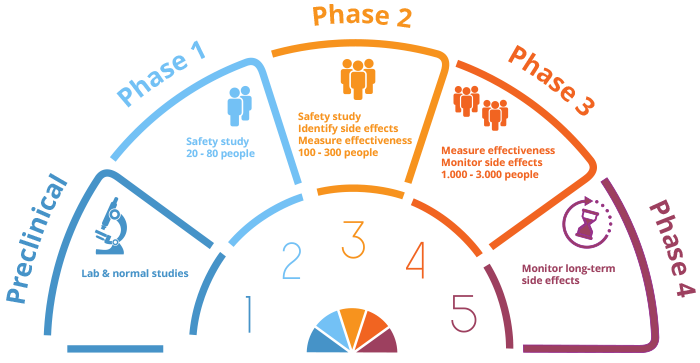
Fig.1 Clinical trial includes various phases
The document outlines clinical trial phases, encompassing phase 0 (micro-dosing investigations) through to phases 1, 2, 3, and 4.[2]Clinical trials are categorized by their purpose, including treatment, prevention, early detection/screening, and diagnosis, and investigate the effects of investigational drugs on diseases and their outcomes. [3] The drugs used in the so called ‘alternative and complementary system’ of medicine are also known as herbal drugs[4] In western world also, the use of herbal medicines is steadily growing with approximately 40 percent of population reporting use of herb to treat medical illness within the past year[5]This requires clinical validation by conducting controlled clinical trials.[6] Herbs are supposed to be safe but many unsafe and fatal side effects have recently been reported.[7] There could be direct side effects, allergic reactions, effects from contaminants and/or interactions with drugs and other herbs. Studies should be conducted to examine the side effects considering the interaction with other herbs and modern drugs.[8]The risk-benefit ratio of herbal drugs warrants evaluation, as most products lack regulatory approval to confirm their safety and efficacy.[9] As a result, the current paper focuses on the technique and crucial difficulties associated with conducting clinical trials in our nation.
Around 1500 botanicals are sold as dietary supplements, and as a result, yearly income from herbal medications and herbal products in Western Europe reached USD 5 billion in 2003-2004, with a current market potential of between $80-250 billion in Europe and the United States. In China, herbal product sales topped $14 billion in 2005, with a current market size of approximately USD 650 million, of which imported herbal medicines account for USD 15 million. Similarly, herbal medication income in Brazil was $160 million in 2007.Despite having a large market potential, developing nations' contributions to the global herbal industry are very low due to a lack of quality control, standardization measures evaluating traditional medicines to assure safety, efficacy, quality control, registration procedures, and so on. Herbal medications are more similar to conventional drugs than other existing complementary and alternative medicine (CAM) techniques.Herbal medications are composed of numerous chemical elements that have complex pharmacological effects on the body. The widespread use of herbal medicines suggests, but does not ensure, their safety and efficacy. The bulk of herbal medicinal preparations lack evidence in the form of pharmacological and clinical data, which presents a significant barrier to their integration into mainstream medical procedures. Meeting legislative research obligations is frequently met with stiff resistance. The evaluation of the efficacy of herbal products and the use of seven principles of modern medicine is a critical topic.[10] The scope of herbal medicine clinical trials Traditional/herbal products have traditionally played an essential role in the global healthcare system. In recent years, there has been an increase in the popularity of over-the-counter (OTC) health foods, nutraceuticals, and therapeutic items derived from plants or other natural sources in both developed and developing countries. In recent decades, public interest in natural remedies, particularly herbal therapy, has increased significantly in both developing and industrialized countries. This has significantly revitalized and rejuvenated the international commerce in herbal medicine and attracted the majority of pharmaceutical enterprises, including multinationals.[11] Clinical trials of traditional herbal treatments are carried out with herbal preparations after standardization and identification of markers to verify that the components under evaluation are always the same.[12]
NEED OF CLINICAL TRIALS IN HERBAL INDUSTRIES
Herbal products have become an essential and indispensable part of public healthcare around the world emphasizing on the need to conduct clinical trials to prove the efficacy. Public interest in natural medicines has significantly increased over the past decades, encompassing both developing and developed nations. This has increased international trade potential of herbal medicines. The global herbal supplements 6.2% due to increasing inclination towards natural products uses and awareness towards preventive healthcare that had surged spending on health and wellness. The export value of Ayurvedic and herbal products. Close to USD 364 million from India in the year 2016, whereas China has a current market size of about USD 650 million of herbal medicines export mostly to Europe and US.[13] Herbal products have become an important and indispensable part of public healthcare around the world.[14] Various surveys on traditional and alternative medicine have highlighted their widespread use.[15] However, in order to further widen their forum of acceptance, clinical trials of these herbal products should be encouraged. To prove the efficacy of in clinical trials, it is advised to use single and consistent batches of formulations.[16] Although herbal practitioners and believers do not require clinical trials, for its large-scale endorsement and survival at the international market alongside modern medicines, it has become need of the hour.[17]
EFFICACY AND SAFETY
Depending on the particular country and existing legislation, herbal products used for diagnosis, cure, mitigation, treatment, or prevention of diseases are normally regulated as drugs.[18] However, in some countries, including the United States, botanical products are marketed as "dietary supplement". Other countries treat the herbal preparations as drugs, and to be registered these products need to be tested to prove their safety and clinical efficacy.[19] As a function of such difficulties, few herbal drugs have been studied adequately and well-controlled double-blind clinical trials to prove their safety and efficacy have been lacking. However, a large number of clinical trials have been performed with some herbal drugs, including the extract of Ginkgo biloba. (used for the treatment of CNS and cardiovascular disorders).[20,21]
Table 1: Summary of the efficacy data requirements for the
three types of disease and conditions [22]
|
Type of Disease |
Preclinical data |
Clinical data
|
Other data
|
|
Acute |
Required |
Control trial required |
-
|
|
Chronic |
May be required |
May or may not be required |
-
|
|
Health Condition
|
May not be required
|
May not be required
|
Supported by well-established document such as national pharmacopeia and monograph |
Steps in Clinical Research of Herbal Drugs
The minimum requirement for reviewing the safety requirement
of herbal drugs depends on the type of disease [Table 1].
• Acute disease: Diseases that have a rapid onset and a relatively short duration
• Chronic disease: Diseases that have a slow onset and last for long periods of time
• Health condition: Problems related to health conditions are those which, with time, could recover spontaneously, even without any medical intervention, e.g. loss of appetite, hay fever, menopause, etc. [23]
CHALLENGES AND GUIDELINES
CHALLENGES
Research on herbal drug poses several challenges that need to be addressed. These include issues such as those related to the financial, ethical, product standardization (quality control),the design of the study and the regulatory requirements before filing an investigational new drug for conducting large phase III trials. In 2005, World Health Organization (WHO) issuedoperational guidelines regarding regulatory requirements needed to support clinical trials of herbal products.[24]It is advocated that the inclusion criteria can be based either on modern medicine or herbal medicine diagnosis. The understanding of the disease, and hence the disease criteria can be different in herbal and modern medicine approach.[25]Therefore, it becomes difficult to define inclusion and exclusion criteria and hence to generate a homogenous group of subjects as per the diagnosis of herbal medicineFor this case, Jonas and Linde have devised a “double classification method” where subjects are primarily diagnosed using modern diagnostic criteria and then are classified according to the traditional system. Treatments are given according to traditional classification and outcomes are evaluated by criteria for both the systems.[26]
Standardization of herbal drugs
For safe and effective use of herbal drugs, consistency in composition and biologic activity are essential requirements. However, herbal drugs frequently fail to meet this standard, as there are problems such as 1) difficulties in identification of plants, 2) genetic variability, 3) variations in growing conditions, 4) diversity in harvesting procedures and processing of extracts, and 5) the lack of information about active pharmacologic principles.[27]
Quality of herbal preparations
If an herbal remedy is effective, quality assurance is needed to ensure that the product has the expected effects. Even in the absence of data on efficacy, quality assurance is important, as quality is a critical determinant of safety as well.[28]
Evidence of Clinical Efficacy
Scientific evidence from randomized clinical trials is only strong form any uses of acupuncture,some herbal medicines and for some of the manual therapies.[29]
GUIDELINES
In 1992, the WHO Regional Office for the Western Pacific invited a group of experts to develop criteria and general principles to guide research work on evaluating herbal medicines.[30] Most herbal medicines still need to be studied scientifically, although the experience obtained from their traditional use over the years should not be ignored. As there is not enough evidence produced by common scientific approaches to answer questions of safety and efficacy about most of the herbal medicines now in use, the rational use and further development of herbal medicines will be supported by further appropriate scientific studies of these products, and thus the development of criteria for such studies’.
The document covered such topics as developing protocols for clinical trials using herbal medicines, evaluating herbal medicine research, guidelines for quality specifications of plant materials and preparations, and guidelines for pharmacodynamic and general pharmacological studies of herbal medicines and for toxicity investigations of herbal medicines. WHO has also issued Guidelines for the Assessment of Herbal Medicines. [31]These guidelines defined the basic criteria for the evaluation of quality, safety and efficacy of herbal medicines with the goal of assisting national regulatory authorities, scientific organizations and manufacturers in assessing documentation, submissions and dossiers in respect of such products.It was recommended that such assessments take into account long-term use in the country (over at least several decades), any description in the medical and pharmaceutical literature or similar sources or documentation of knowledge on the application of a herbal medicine, and marketing authorizations for similar products.Although prolonged and apparently uneventful use of a substance usually offers testimony of its safety, investigation of the potential toxicity of naturally occurring substances may reveal previously unsuspected problems. It was also recommended that regulatory authorities have the authority to respond promptly to new information on toxicity by withdrawing or limiting the licences of registered products containing suspect substances, or by reclassifying the substances to limit their use to medical prescription.The guidelines stressed the need for assessment of efficacy including the determination of pharmacological and clinical effects of the active ingredients, and labelling which includes a quantitative list of active ingredient(s), dosage, and contraindications.[32]

Fig.2 Guidelines of clinical trials
REGULATORY STATUS
Herbal products are regulated under the DCA 1940 and Rules 1945, and the governing agency is the Department of AYUSH. A manufacturing permit is needed or trade herbal drugs.[33] The DCA’s Schedule T (Chapter IV-A) establishes GMP for herbal drug companies.[34] The Department of AYUSH engages in the development of the AYUSH healthcare system. Sections 33C to 33O include information on the manufacturing, certification, sales, licensing, GMP certificate, and penalties. Since 2017, the provision of the production and expiry dates on the product description has been required. In India, drug trials require around 3 months to get approved .[35] For the quality requirements of medications, established pharmacopoeias and guidelines are provided. The DCA’s first schedule contains a list of allowed texts that must be adopted when registering any herbal drug.[36]
Rules, Regulation & Governing Body
The Government of India acknowledged the conventional Indian System of Medicine (ISM) in 1959, and the Drug and Cosmetic Act was updated to reflect this.23 Numerous experts working groups (EWG) for various ISM were quickly created throughout time, with the first official EWG being constituted in 1962. Act 13 of 1964 established a distinct chapter for Ayurveda, Siddha, and Unani medications.[37,38] The Department of Indian Medicine and Homeopathy (ISM & H) was established in 1995 to promote the ISM. In 2003 and 2014, a distinct department of AYUSH was founded, which in partnership with Quality Council of India (QCI), created an accreditation mechanism for AYUSH herbal drugs in 2009. Concerns concerning the quality, effectiveness, and safety of AYUSH products have been highlighted for some years. To address these issues, a new voluntary approval process for AYUSH goods has been launched in conjunction with QCI.[39]
Fig.3 Stages of Regulatory Approvals
AYUSH and Health Policy
The Department of AYUSH in India is responsible for setting standards, regulations, promotion, ISM expansion, and general supervision. National agencies, research organizations, academies, professional councils, pharmacopeial labs, and hospitals are among the independent entities and subordinate departments that make up this organization.The main goal of ISM & H policy is to use AYUSH to achieve excellent health by promoting assistance to people with respect to safe and efficient services and pharmaceuticals that fulfill Pharmacopeial criteria and AYUSH quality standards.[40] The basis for rules of ASU product manufacture, packing, branding, and marketing was put forth in Chapter IVA of the DCA 1940. Periodic updates are required for the progress of ASU medicines, and the most current updates to this chapter IVA were made in March 2013. A separate ASU Drugs Technical Advisory Board (ASUDTAB) was formed in the supervision of ASU pharmaceuticals to handle and advise the authorities regarding tech issues.
Ethical Considerations in Clinical Trials with Herbal Products: WHO:
All of the fundamental ethical principles of human participation in research apply equally to herbal remedies and research involving these compounds. Consent must be obtained, subject selection must be equitable, risks and benefits must be weighed and must be favorable to the potential participant, and experimental design must be sound.
Concerns that particularly apply to clinical trials with herbal products include:
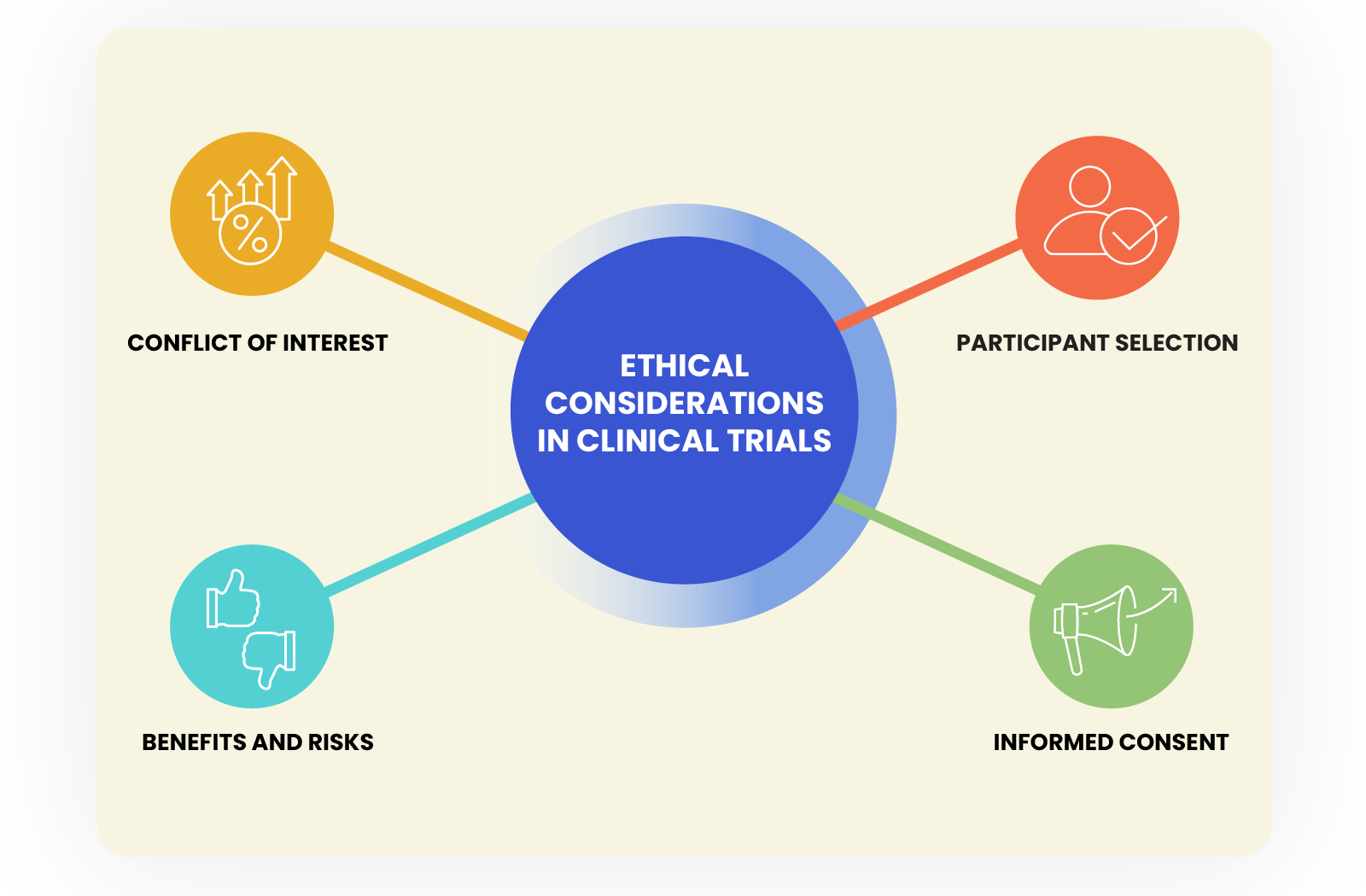
Fig.4 Ethical Consideration in Clinical Trials
The uncertainty in these areas must be disclosed to all concerned, particularly during the informed consent process. In many regions of the world, a strong belief that herbal medicines will be beneficial and safe may introduce bias, which can be minimized by careful attention to study design including appropriate control groups.As in other types of research, a well-trained, the ethical investigator is the best assurance of patient safety in research. Therefore, skilled clinicians should be chosen as investigators to assure prompt recognition and appropriate treatment of any observed adverse event or worsening of a pre-existing condition. Ethics committees must apply the same vigilant attitude towards herbal studies as they do towards conventional treatment protocols.[41]
Present Status of Herbal Medicine Clinical Trial
WHO encourages clinical trials on traditional medicines by providing guidelines to support clinical research projects for assessment of safety and effectiveness? The ‘General Guidelines for Methodologies on Research and Evaluation of Traditional Medicine’ was published in 2000 describing details of protocol development, study design, study population section, informed consent, defining endpoint, application of statistics and documentation requirements for conduction of clinical trial on traditional medicines. This guideline also addresses the problems concerning formulation, quality control and dose standardization for herbal preparations and finding a satisfactory placebo.[42] Other guidelines have been developed to assist countries, especially in the African Region to conduct systematic scientific and clinical research to produce evidence on safety, efficacy, and quality of traditional medicines.[43]The ‘WHO Traditional Medicine Strategy 2014-2023’ was published in 2013 to support Member States in harnessing contributions towards traditional and complementary medicine (T&CM) promotion for effective use in health care. Implementation of these strategic objectives was to strengthen the safety, quality, and effectiveness of T&CM through regulation as a primary goal.[44]
The primary nonclinical studies required to be performed on herbal products before proceeding for clinical trial approval are:
The general principles of the clinical trials of herbal medicines are similar to those applied to synthetic drugs. Clinical trials of herbal medicines usually have primary objectives, i.e., validation of the safety and efficacy claimed, development of new herbal medicines, assessment of a new indication for an existing herbal medicine, or in case of change of dose and/or route of administration. In some cases, trials are also conducted to test the clinical activity of purified or semi-purified compounds derived from herbal sources. WHO has issued an operational guideline regarding regulatory requirements needed to support clinical trials of herbal products.[45]
CONCLUSION
The increasing use of herbal medicines necessitates rigorous clinical evaluation to validate their safety, efficacy, and consistency, aligning them with conventional drug standards. Challenges in clinical trials for herbal medicines include variability in raw materials, complex compositions, and funding constraints, yet their importance is paramount. While regulatory frameworks exist, international harmonization is needed. Enhancing methodologies, quality control, and global collaboration are vital to overcome limitations. Ultimately, clinical trials bridge traditional knowledge with scientific validation, ensuring herbal medicines are safe, effective, and credible for global healthcare.
CONFLICTS OF INTEREST-
There is no conflict of interest
REFERENCES





Chitrarekha Jadhav*, Saurabh Desai, Sakshi Sawant, Pratiksha Shingmode, Arpita Nalwade, Strengthening The Herbal Industry Through Clinical Trials, Int. J. of Pharm. Sci., 2026, Vol 4, Issue 2, 1674-1684. https://doi.org/10.5281/zenodo.18608908
 10.5281/zenodo.18608908