
Nandkumar Shinde College Of Pharmacy, Vaijapur, 423701.
Coughing is the protective mechanism of the body. In the critical condition like cold it leads to form phlegm in the respiratory system. So, it needs to be cured as early as possible. Some pharmaceutical formulations used to treat coughing were syrups and solutions. These preparations had several disadvantages like bioavailability, dosing frequency and stability problems. To overcome these problems matrix tablet was developed. Matrix tablet consists of polymers which retards the release of the API and gave a prolonged action. Due to the controlled release of the drug, dosing frequency reduced thrice as compared to the liquid dosage forms like syrups. The API used in the formulation was herbal in nature so it had the advantage of having fewer side effects. Reduction in dosing frequency had also helped in increasing the patient compliance. The extracts were loaded in the formulation by mixing it with excipients like polymers, diluents, fillers, lubricants, etc. Direct compression technique was used to formulate the matrix tablets. Pre and post compressional parameters were determined with respect to the standards. The formulations passed all the physical and pharmaceutical parameters. The results of precompressional parameters were good to passable. The results of the post-compressional parameters were satisfactory. The in-vitro release of the formulation was from 18 to 20hrs. Dissolution profile of the drug showed zero order release.
Sustain release means they release small amounts of medication into a patient over an extended time period. Oral route has been the most convenient and popular route of administration for the delivery of drugs. It provides ease of administration, patient compliance and greater flexibility in dosage form design. Sustained delivery of the drugs overcomes the demerits of conventional dosage forms such as short half life and chances of missing the dose. Sustained release dosage forms have the advantage of achieving uniform drug plasma level and less side- effects. Cough is the most common disorder that is faced by everyone. Cough is the natural protective mechanism of the body that removes foreign particles, toxins, secretions or mucous from the bronchi and bronchioles. Cough manifests in common cold, so it can lead to serious illness like asthma, pneumonia and tuberculosis.
Therefore it needs to be cured as soon as possible. Glycyrrhiza glabra Linn. is a commonly used herb since the period of Ayurveda. Common name is Liquorice and belongs to family Laguminosae. The chief chemical constituent is Glycyrrhizic acid which is responsible for expectorant, tussive, immuno-modulatory and anti inflammatory activity. Glycyrrhizic acid acts at the cough centre in the CNS and suppress the response of cough centre. Therefore decreases mucosal secretion. Ocimum sanctum Linn, belongs to family Labiatae is commonly known as tulsi. The chemical constituent of Ocimum sanctum is Eugenol. It comprises of 23.7%. Hence shows anti-tussive effects.
CLASSIFICATION
The concept of using hydrophobic or inert materials as matrix materials was first introduced in 1959. In this method of obtaining sustained release from an oral dosage form, drug is mixed with an inert or hydrophobic polymer and then compressed in to a tablet. Sustained release is produced due to the fact that the dissolving drug has diffused through a network of channels that exist between compacted polymer particles. Examples of materials that have been used as inert or hydrophobic matrices include polyethylene, polyvinyl chloride, ethyl cellulose and acrylate polymers and their copolymers. The rate-controlling step in these formulations is liquid penetration into the matrix. The possible mechanism of release of drug in such type of tablets is diffusion. Such types of matrix tablets become inert in the presence of water and gastrointestinal fluid.
These matrices prepared by the lipid waxes and related materials. Drug release from such matrices occurs through both pore diffusion and erosion. Release characteristics are therefore more sensitive to digestive fluid composition than to totally insoluble polymer matrix. Carnauba wax in combination with stearyl alcohol or stearic acid has been utilized for retardant base for many sustained release formulation.
Hydrophilic polymer matrix systems are widely used in oral controlled drug delivery because of their flexibility to obtain a desirable drug release profile, cost effectiveness, and broad regulatory acceptance. The formulation of the drugs in gelatinous capsules or more frequently, in tablets, using hydrophilic polymers with high gelling capacities as base excipients is of particular interest in the field of controlled release. Infect a matrix is defined as well mixed composite of one or more drugs with a gelling agent (hydrophilic polymer). These systems are called swellable controlled release systems. The polymers used in the preparation of hydrophilic matrices are divided in to three broad groups.
Methylcellulose400 and 4000cPs, Hydroxyethyl cellulose, Hydroxy propyl methyl cellulose (HPMC) 25,100, 4000 and 15000cPs; and Sodium carboxymethylcellulose.
Agar-Agar; Carob gum; Alginates; Molasses; Polysaccharides of mannose and galactose, Chitosan and Modified starches. Polymers of acrylic acid Carbopol-934, the most used variety.
These consist of the polymers which comprised of monomers linked to one another through functional groups and have unstable linkage in the backbone. They are biologically degraded or eroded by enzymes generated by surrounding living cells or by non enzymetic process in too ligomers and monomers that can be metabolized or excreted. Examples are natural polymers such as proteins and polysaccharides; modified natural polymers; synthetic polymers such as aliphatic poly (esters) and poly anhydrides.
These consist of polymers which are obtained from various species of sea weeds. Example is Alginic acid which is a hydrophilic carbohydrate obtained from species of brown seaweeds (Phaephyceae) by the use of dilute alkali.
Matrix system can also be classified according to their porosity and consequently, Macro porous; Micro porous and Nonporous systems can be identified:
In such systems the diffusion of drug occurs through pores of matrix, which are of size range
0.1 to 1 ?m. This pore size is larger than diffusant molecule size.
Diffusion in this type of system occurs essentially through pores. For micro porous systems, pore size ranges between 50 – 200A°, which is slightly larger than diffusant molecules size.
Non-porous systems have no pores and the molecules diffuse through the network meshes. In this case, only the polymeric phase exists and no pore phase is present.
ADVANTAGES OF MATRIX TABLETS
DISADVATAGES OF MATRIX TABLETS
AIM AND OBJECTIVES
AIM
Formulation and evaluation of sustained release herbal tablet containing ocimum sanctum and glycyrrhiza glabra for the treatment of cough.
OBJECTIVES
PLAN OF WORK
Selection of topic
Literature survey
Selection of ingredients
Collection of ingredients
Formulation of Sustained release tablet
Evaluation of Sustained release tablet
LITERATURE SURVEY
TABLE 2
|
Sr. No. |
Paper Title And Its Authors |
Detail Of Publication |
Findings |
|
1 |
Deepu. S, Molly. M and Shamna. M.S. (2014). Formulation and Evaluation of Swelling restricted Matrix Tablet containing Metformin Hcl. |
IOSR journal of Pharmacy |
IOSR journal of Pharmacy |
|
2 |
Deore S.L, Jaju P.S and Baviskar B.A. (2014). Simultaneous Estimation of Four Anti-tussive Components from Herbal Cough Syrup by HPTLC. |
International Scholarly Research Notice |
1-7. |
|
3 |
Jahan. Y and Siddiqui. H.H. (2012). Study of Anti-tussive Potential of Glycyrrhiza glabra and Adhatoda vasica using a Cough Model Induced by Sulphur dioxide gas. |
International Journal of Pharmaceutical Sciences and Research |
Vol. 3, 6. |
|
4 |
Kalra Ma, Khatak.Ma and Khatak Sb. (2011).Cold and flu: Conventional vs Botanical & Nutritional Therapy. |
International Journal of Drug Development and Research |
Vol. 3, 1, 314-327 |
|
5 |
Kushwaha. S. K and Kori M.L. (2014). Development and Evaluation of Polyherbal Tablet from some Hepatoprotective Herbs. |
Scholars Academic Journal of Pharmacy |
Vol. 3, 3,
321-326. |
|
6 |
Lakka. N. S and Goswami. N. (2012). Solubility and Dissolution Profile Studies of Gliclazide in Pharmaceutical Formulations by RP-HPLC. |
International research journal of pharmacy |
Vol. 3, 6,
126-129 |
|
7 |
Maurya. A, Sharma P.K and Singh. J. (2014). Matrix tablet- Simplest Method of Sustaining Drug action. |
Journal of Drug Discovery and Therapeutics |
Vol. 2, 18, 59-64. |
|
8 |
Nadig. P.D and Laxmi. S. (2005).Study of Anti-tussive activity of Ocimum sanctum Linn. in Gunnia pigs. |
Indian Journal Physiol Pharmacol |
Vol. 49, 2, 243-245 |
|
9 |
Parihar. M, Chouhan. A, Harsoliya. M.S, Pathan. J.K, Banerjee. S, Khan.N and Patel V.M. (2011). A ReviewCough & Treatments. |
International Journals of Natural Products |
Vol.1, 1, 9- 18 |
|
10 |
Patidar. D, Jain. A, Jatav. R.K and Sharma. H. (2011). Formulation and Evaluation of Pioglitazone Hydrochloride Matrix Tablet containing Aloe barbadensis Miller mucilage Natural Anti-diabetic agent. |
International Journal of Drug Discovery and Herbal Research |
2011, Vol. 1, 3, 157- 163 |
|
11 |
Pawan. P and Kumar. N. (2013). Formulation, Evaluation and Comparison of Sustained Release Matrix Tablet of Diclofenac Sodium using Natural Polymer. |
International Journal of Research in Pharmaceutical and Biomedical Sciences |
Vol. 4, 1, 367-379 |
|
12 |
Raizada. A, Baboota. S, Ali. J, Bhandari. A, Purhoit.V.K. and Chadha. H. (2015). Formulation and Evaluation of Sustained Release Matrix Tablet of Boswellia and liquorice. |
American journal of Pharmacy and Health Research |
Vol. 3, 1, 175-186. |
|
13 |
Raju. S.K. (2014). Analysis of Anti Cough Preparation Available in Indian Markets. |
IOSR-Journal of Dental and Medical Sciences |
Vol. 13, 3, 16-18 |
|
14 |
Rathore. A.S, Jat R.C, Sharma. N and Tiwari. R. (2013). An overview: Matrix tablet as Controlled Drug Delivery System. |
International Journal of Research and Development in Pharmacy and Life Sciences |
Vol.2, 4, 482- 492 |
MATERIALAND METHODS
TABLE 3: INGREDIENTS
|
SR.NO. |
INGREDIENTS |
|
1 |
Glycyrrhiza glabra |
|
2 |
Ocimum sanctum |
|
3 |
HPMC |
|
4 |
Poly vinyl pyrrolidone |
|
5 |
Magnesium stearate |
|
6 |
Talc |
|
7 |
Lactose |
Glycyrrhiza glabra
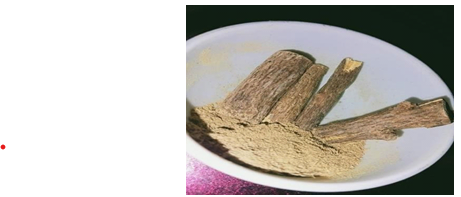
Fig 1: Glycyrrhiza Glabra
Common name: Liquorice Scientific name: Glycyrrhiza glabra Domain: Eukaryote
Kingdom Plantae Phylum: Vascular plant Class: Dicotyledons
Family: Fabaceae Genus: Glycyrrhiza
Category: Antioxidant, anti inflammatory and antimicrobial
Uses
Ocimum sanctum
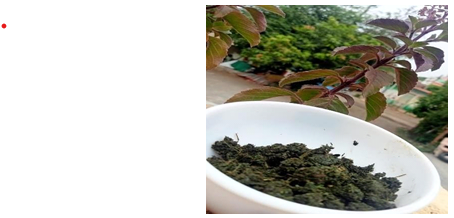
Fig 2: Ocimum Sanctum
Common name: Tulsi
Scientific name: Ocimum tenuiflorum Kingdom: Plantae
Phylum: Vascular plant Class: Magnoliopsida Order: Lamiales Family: Lamiaceae Genus: Ocimum Species: Tenuiflorum
Category: Antioxidant, antimicrobial and anti inflammatory.
Uses
HPMC
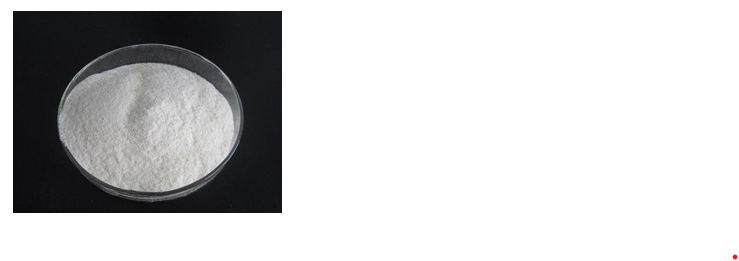
FIG 3: HMPC
Category: Thickening agent / Gelling agent
HPMC is hydrophilic (water soluble), a biodegradable, and biocompatible polymer having a wide range of applications in drug delivery, dyes and paints, cosmetics, coatings, agriculture, and textiles. HPMC is also soluble in polar organic solvents, making it possible to use both aqueous and nonaqueous solvents. It has unique solubility properties with solubility in both hot and cold organic solvents.
Poly vinyl pyrrolidine
Fig 4: Polyvinyl Pyrrolidone
Category: Binder
Polyvinylpyrrolidone (PVP), also commonly called polyvidone or povidone, is a water- soluble polymer compound made from the monomer N-vinylpyrrolidone
Magnesuim stearate
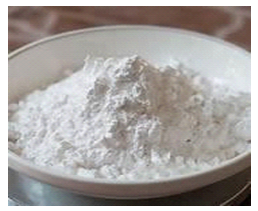
Fig 5: Magnesuim Stearate
Category: Lubricant
Magnesium stearate is a fine white powder that sticks to skin and is greasy to the touch. It's a simple salt made up of two substances, a saturated fat called stearic acid and the mineral magnesium. Magnesium stearate is a white, water-insoluble powder. Its applications exploit its softness, insolubility in many solvents, and low toxicity.
Talc
Fig 6: Talc
Category: Glidant
Talc is a naturally occurring mineral substance. It is added to absorb moisture, smooth or soften products, prevent caking. Talc in powdered form, often combined with corn starch, is used as baby powder. This mineral is used as a thickening agent and lubricant. It is an ingredient in ceramics, paints, and roofing material.
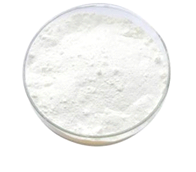
Lactose
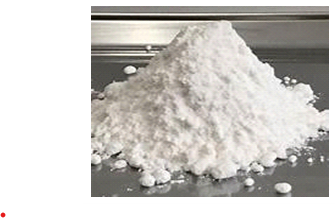
Fig 7: Lactose
Category: Diluent
Lactose is a sugar that is naturally found in milk and milk products, like cheese or ice cream. Lactose, is a disaccharide sugar composed of galactose and glucose subunits and has the molecular formula C??H??O??. The name comes from lact, the Latin word for milk, and ose means sugar
PREPARATION OF CONTROLLED RELEASE TABLET OF O. SANCTUM AND G. GLABRA
Various batches of Sustained release tablet of Ocimum sanctum and Glycyrrhiza glabra were prepared by direct compression technique with each batch containing 10 tablets with 400 mg of drug. All the ingredients were thoroughly mixed. Then the powder was passed through sieve mesh 20 to get uniform size of particles. Then it was lubricated by adding magnesium stearate and talc. The above powder was compressed with the help of tablet punching machine, After compression the tablets were evaluated for weight variation, hardness, thickness, friability, dissolution, and assay test were determined. The composition of each formulation is given in following table.
Table 4: Formulation Table
|
Formula tion code |
G. glabra extract (mg) |
O. sanctum extract (mg) |
HPMC (mg) |
Poly vinyl pyrrolidone (mg) |
Magnesium stearate (mg) |
Talc (mg) |
Lactose (mg) |
Total quantity |
|
F1 |
100 |
100 |
50 |
5 |
10 |
15 |
120 |
400 |
|
F2 |
100 |
100 |
55 |
5 |
10 |
10 |
120 |
400 |
|
F3 |
100 |
100 |
60 |
5 |
10 |
10 |
115 |
400 |
|
F4 |
100 |
100 |
40 |
5 |
10 |
10 |
135 |
400 |
|
F5 |
100 |
100 |
45 |
5 |
10 |
10 |
130 |
400 |
DIGRAM OF TABLET
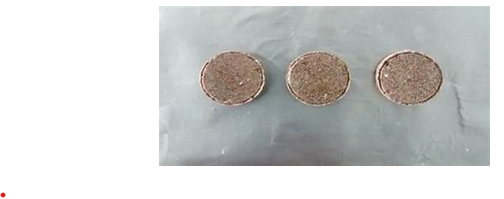
Fig 8: Sustain release tablet of Ocimum sanctum and Glycyrrhiza glabra
PROCEDURE
Weigh and mix active pharmaceutical ingredients APIs with powdered excipients Prepare the binder solution Mix binder solution with powders to create a damp mass All ingredients were mixed thoroughly Then the powder was passed through sieve mesh 20 to get uniform size Then it was lubricated by adding magnesium stearate and talc The powder was compressed with the help of tablet punching machine After compression the tablets were evaluated for weight variation, hardness, thickness, friability, dissolution, and disintegration.
PRE-COMPRESSIONAL PARAMETERS
Angle of repose
Maximum angle between the horizontal plane and the surface of pile of the powder is known as angle of repose. 10g of the powder was weighed and allowed to flow freely through the funnel. The diameter and height of the formulated cone was measured using the scale.
Angle of repose was calculated by using the formula:
Tan ?= h/r Where,
h = height of power cone R = radius of power cone
Range of pharmaceutical powders:
Table 5: Range of pharmaceutical powders:
|
Less than 20 |
Excellent |
|
20-30 |
Good |
|
30-40 |
Passable |
|
Above 40 |
Very poor |
Bulk density
A known quantity of powder was poured into the measuring cylinder. Powder was levelled without compacting and read the unsettled apparent volume, V0, to the nearest graduated unit. Bulk density, in gm per ml was calculated by the formula:
Bulk Density = m / Vo Where,
m - weight of the powder, V0 - apparent volume
Tapped density
Tapped density = weight of the powder/tapped volume of the powder
Hausner’s ratio
Hausner’s ratio is the ratio of the tapped density of granules to the bulk density of granules. Calculated by using the following formula;
Hausner’s ratio = Tapped density / Bulk density
Compressibility index
The compressibility index of the granules was determined by Carr’s compressibility index Carr’s index (%) =True Density?Bulk Density × 100
Bulk Density
POST COMPRESSIONAL PARAMETERS
General appearance: The tablets were subjected to the following evaluation tests.
Weight Variation: The weight variation test was run by weighing 7 tablets individually and compared individual weight to average weight. The tablets meet the USP test, if no more than two tablets are outside the percentage limit and if no tablet differs by more than 2 times the percentage limit.
Hardness test: Tablet require certain amount of resistance or hardness to withstand with the mechanical shocks. Hardness was measured using Pfizer harness tester. Unit of hardness is Kg/cm2 . 10 tablets were chosen randomly from each batch. Hardness of each tablet was noted. Average hardness was determined.
Thickness test: The diameter and thickness of the tablets were measured using Vernier callipers.
Friability: Friability test was performed using Roche friabilator. Ten tablets were weighed and placed in the friabilator, which was then operated for 25 revolutions per minute. After 100 revolutions the tablets was dusted and reweighed.
The percentage friability was determined using the formula Percentage friability =Initial weight?final weight × 100
Initial weight
Drug content: Randomly 5 tablets were taken from each batch. Tablets were powdered separately. Powder equivalent to average weight of tablet each was poured into the 3 different volumetric flasks (100ml). Each volumetric flask was filled with phosphate buffer pH6.8. Powder was dissolved thoroughly in the phosphate buffer pH 6.8. Sufficient quantity of phosphate buffer pH 6.8 was added to make up the volume. Solution was kept for 1hr. Solution was filtered using wattman filter paper. Absorbance of the filtrate was measured at 280nm (Ocimum sanctum) and 282nm (Glycyrrhiza glabra) respectively using double beam U.V. Spectrophotometer. Drug content was determined according to the following formula:
Drug content = Actual dug content
Theorotical drug content
× 100
Swelling index: Study is carried out to evaluate the extent of penetration of media into the tablet. Equilibrium weight gain method was used to determine the swelling index. One tablet from each formulation was randomly chosen. They were immersed in beaker containing media. Initially tablets were immersed in 0.1N HCl for 2hrs. Further it was transferred to the phosphate buffer pH 6.8. At regular intervals tablets were withdrawn, blotted with tissue paper and weighed. This process was repeated for upto 20 hrs.
% weight gain was calculated using equation
SI= Wt?w0 × 100
W0
Where,
SI = Swelling Index
W0 = weight of tablet at time zero Wt = weight of tablet at time t
IN-VITRO DISSOLUTION STUDIES:
The in-vitro dissolution studies of formulated tablets of Ocimum sanctum and Glycyrrhiza glabra was performed. 900ml of media was maintained at 37ºC ± 0.5ºC with stirring rate of 100 rpm. 3tablets from each formulation was tested individually in gastric fluid i.e. 0.1N HCl for first 2hrs and then in phosphate buffer pH 6.8 from 3 to 20hrs. 5ml of the sample was withdrawn at regular intervals for 20hrs. Withdrawn sample was replaced by equal volume of the same media. Withdrawn samples were analysed using double-beam UV- Visible spectrophotometer. at determined wavelength of Ocimum sanctum (280nm) and Glycyrrhiza glabra (282nm)
OBSERVATION:
Following evaluation parameters were performed to ensure superiority of prepared herbal tablets:
Table 6: Pre-Compressional Parameters
|
Sr. No |
Pre-Formulation Parameters |
Observations |
|
1 |
Bulk density |
0.267g/cm3 |
|
2 |
Tapped density |
0.325g/cm3 |
|
3 |
Carr’ index |
17.84% |
|
4 |
Hausner’ ratio |
1.21 |
|
5 |
Angle of repose |
27.29 |
Table 7: Post Compressional Parameters
|
Sr. no. |
Parameters |
Observation |
|
1. |
Colour |
Greenish white |
|
2. |
Shape |
Flat Faced |
|
3. |
Weight variation test |
497±5% |
|
4. |
Hardness (kg/cm2) |
3.3±0.17 |
|
5. |
Thickness (mm) |
4.00±0.005 |
|
6. |
Friability test (%) |
0.81% |
|
7. |
Disintegration test (min) |
28 |
RESULT AND DISCUSSION
The formulation was prepared by wet granulation method were tested for pre-formulation studies for the effective evaluation of tablets. All the evaluated pre-formulation parameters i.e. Bulk density, Tapped density, Carr’s index, Hausner’s ratio, Angle of repose are shown in table
2. Based on the pre-formulation study the flow property of granules was good. Organoleptic evaluation showed that the tablets are greenish white in colour and flat faced shape. The weight variation test, hardness, thickness, friability and disintegration time of tablets were shown in table 3. The results proved that the formulated tablets are stable in all aspects and useful to achieve therapeutic effect on body.
TABLE NO 8: Evaluation of Post compressional parameters of different formulations
|
Formulation |
Hardness |
Thickness |
Friability |
Avg. wt |
Swelling index |
Drug content |
|
F1 |
14.10±0.50 |
8.35 |
0.464 |
1000 |
92.15 |
92 |
|
F2 |
14.20±0.50 |
8.30 |
0.536 |
980 |
97.36 |
93 |
|
F3 |
14±0.50 |
8.40 |
0.345 |
990 |
98.05 |
95 |
|
F4 |
14.30±0.20 |
8.20 |
0.618 |
1005 |
96.80 |
92 |
|
F5 |
14.10±0.50 |
8.35 |
0.321 |
1000 |
93.62 |
91 |
CONCLUSION
In the present study, sustain release tablets of Ocimum sanctum and Glycyrrhiza glabra were formulated. Sustained release tablet was formulated with HPMC in order to sustain the drug release. The Pre-compressional parameters of sustain release tablet i.e. Angle of repose, Bulk density, Tapped density were studied and found to be in satisfactory. The physical mixtures of the formulations were suitable to formulate the sustain release tablets. Post compressional parameters of sustain release tablet i.e. Weight variation, Hardness, Thickness, Friability, Dissolution and Disintegration were evaluated and the results obtained were satisfactory. Hence the formulations may be suitable for once a day administration
REFERENCES



Darade Prashant*, Dube S. B., Kawade R. M., Sustain Release Herbal Tablet Containing Ocimum Sanctum and Glycyrrhiza Glabra for The Treatment of Cough, Int. J. of Pharm. Sci., 2024, Vol 2, Issue 12, 1106-1116. https://doi.org/10.5281/zenodo.14353074
 10.5281/zenodo.14353074
