

We use cookies to ensure our website works properly and to personalise your experience. Cookies policy
Ideal Institute of Pharmacy, Posheri, Wada Palghar.
Calotropis gigantea, commonly known as the Crown Flower or “Arka” in Ayurveda, is a well-known medicinal plant that grows throughout the tropical and subtropical parts of Asia and Africa. For generations, it has been a cornerstone of diverse healing systems, including Ayurveda, Siddha, Unani, and various folk traditions. Different parts of the plant, such as its leaves, roots, flowers, and milky latex, have been used to treat everything from fever and asthma to skin diseases and pain. This plant is packed with potent bioactive compounds like cardenolides, alkaloids, flavonoids, and triterpenoids, which are the source of its wide-ranging medicinal effects, including anticancer, anti-inflammatory, antimicrobial, antioxidant, liver-protective, pain-relieving, and wound-healing properties. This review gathers and consolidates the most up-to-date information on the traditional medicinal uses, identifying features, chemical makeup, pharmacological activities, and safety profile of Calotropis gigantea. It also points out the gaps in the current research and looks toward the future of drug development. The plant, especially its cardenolides, shows significant potential as a source for new anticancer drugs. However, because of its toxic nature, it demands extremely careful pharmacological standardization and clinical testing before it can be safely used in therapeutic applications.
1.1 A Legacy of Natural Healing
For thousands of years, human societies have relied on plants not only for sustenance and shelter but also as vital sources of medicine. The use of plants in healing practices—known as ethnobotany—forms the backbone of traditional medicine systems worldwide. Ancient civilizations such as those in Egypt, China, and India documented the medicinal properties of various plants in their early medical literature. In India, this body of knowledge evolved into the structured discipline of Ayurveda.
1.2 Global Distribution and Ecological Role of Calotropis gigantea
Also known as the Crown Flower or “Madar,” Calotropis gigantea is a robust shrub originally native to the Indian subcontinent and Southeast Asia. Today, it is widespread across tropical and subtropical regions worldwide [2]. As a true xerophyte, it is well-adapted to dry environments, with thick, wax-coated leaves that minimize water loss. This adaptation enables it to flourish in harsh conditions such as wastelands, roadside verges, and degraded soils where few other species can survive [37].
In addition to its hardiness, C. gigantea holds a unique ecological position. It serves as the main host plant for the larvae of the Plain Tiger butterfly (Danaus chrysippus), which absorbs the plant’s toxic cardenolides to deter predators. This mutual relationship exemplifies co-evolution and underscores a recurring pattern with this species: substances that are toxic can also serve as vital defenses or sources of survival.
1.3 Nature’s Dual Role: Cure and Toxin
Calotropis gigantea embodies a concept proposed by Paracelsus in the 16th century: that any substance can be poisonous, and it is the dosage that determines its safety or danger. This foundational notion in pharmacology and toxicology is clearly reflected in the plant’s chemistry. The same compounds that give C. gigantea its healing potential can also be harmful if not used correctly [7]. Notably, its strong cardiac glycosides can interfere with critical cellular functions—potentially causing dangerous heart irregularities, yet also showing promise in cancer therapy [39]. Recognizing this delicate balance between toxicity and treatment is key to using the plant safely. Current scientific research focuses on extracting these bioactive substances and defining dosage thresholds that ensure therapeutic effectiveness without causing harm.
2. Plant Identification: The Importance in Pharmacognosy
Pharmacognosy is the scientific discipline dedicated to the study and verification of medicinal plants, ensuring their authenticity, quality, and safety. Accurate identification is especially critical when working with potent and potentially toxic plants like Calotropis gigantea, as it underpins their safe and appropriate medicinal use.
Fig 1: Blooming Calotropis gigantea, displaying its distinct waxy lavender and white petals, along with its characteristic crown-like corona.
2.1 Taxonomic Classification
|
The plant is systematically classified as follows: |
|
Kingdom: Plantae |
|
Division: Magnoliophyta |
|
Class: Magnoliopsida |
|
Order: Gentianales |
|
Family: Apocynaceae (the Dogbane family) |
|
Genus: Calotropis |
|
Species: Calotropis gigantea (L.) R.Br. |
It is crucial to distinguish it from its close relative, Calotropis procera, which shares some medicinal properties but has key morphological differences, such as smaller flowers whose coronal lobes have a deeper purple tint [8, 57].
2.2 Macroscopic Features (Visible to the Naked Eye)
A thorough visual examination of the plant highlights several distinctive traits:
Growth Habit: This species is a tall, upright, and long-living shrub, typically reaching heights between 2 and 4 meters.
Stem: The lower part of the stem is woody and cylindrical, with rough, grayish bark that shows fissures. The newer stems are coated in a fine, cotton-like fuzz. When broken, the stem releases a thick, white, milky latex in large amounts.
Leaves: The leaves are notably large, measuring about 10 to 20 cm in length. They are simple in form and grow in opposite pairs that alternate at right angles (decussate). Lacking petioles, the leaves are directly attached to the stem and have a heart-shaped base that clasps it. They are thick, succulent, and have a waxy coating that gives them a gray-green hue.
Flowers: The plant’s flowers are particularly eye-catching. They grow in umbrella-like clusters (umbellate cymes), are star-shaped, and have a waxy texture, typically appearing in shades of white or lavender. At the center of each flower is a distinct five-lobed corona, a characteristic feature of the plant’s family.
Fruit and Seeds: The plant produces fruit in the form of a pair of large, inflated, egg-shaped follicles. When mature, these split open to release many flat, brown seeds, each equipped with a tuft of long, silky white hairs (coma) that help them disperse by wind.
2.3 Microscopic Features (The View from the Lab)
A microscopic examination of the plant’s tissues provides a definitive fingerprint for authentication:
Leaf Anatomy: A cross-section of the leaf reveals a thick outer cuticle, multi-layered epidermis, and stomata (pores) that are primarily located on the lower surface. The tissue is filled with non-articulated laticifers—specialized single cells that produce and store the milky latex.
Trichomes: The plant is covered in various types of simple, unbranched hairs known as trichomes.
Vascular Bundles: The arrangement of the xylem and phloem within the vascular bundles is another diagnostic feature.
These histological details are invaluable for quality control, helping to identify the correct species and rule out the presence of adulterants or contaminants in powdered herbal preparations [10].
3. The Chemical Factory Within: Phytochemistry
The impressive biological properties of Calotropis gigantea stem from its rich and varied assortment of secondary metabolites. These chemical substances are naturally synthesized by the plant to protect itself from herbivores and disease-causing organisms. Interestingly, many of these compounds also exhibit significant medicinal effects in humans.
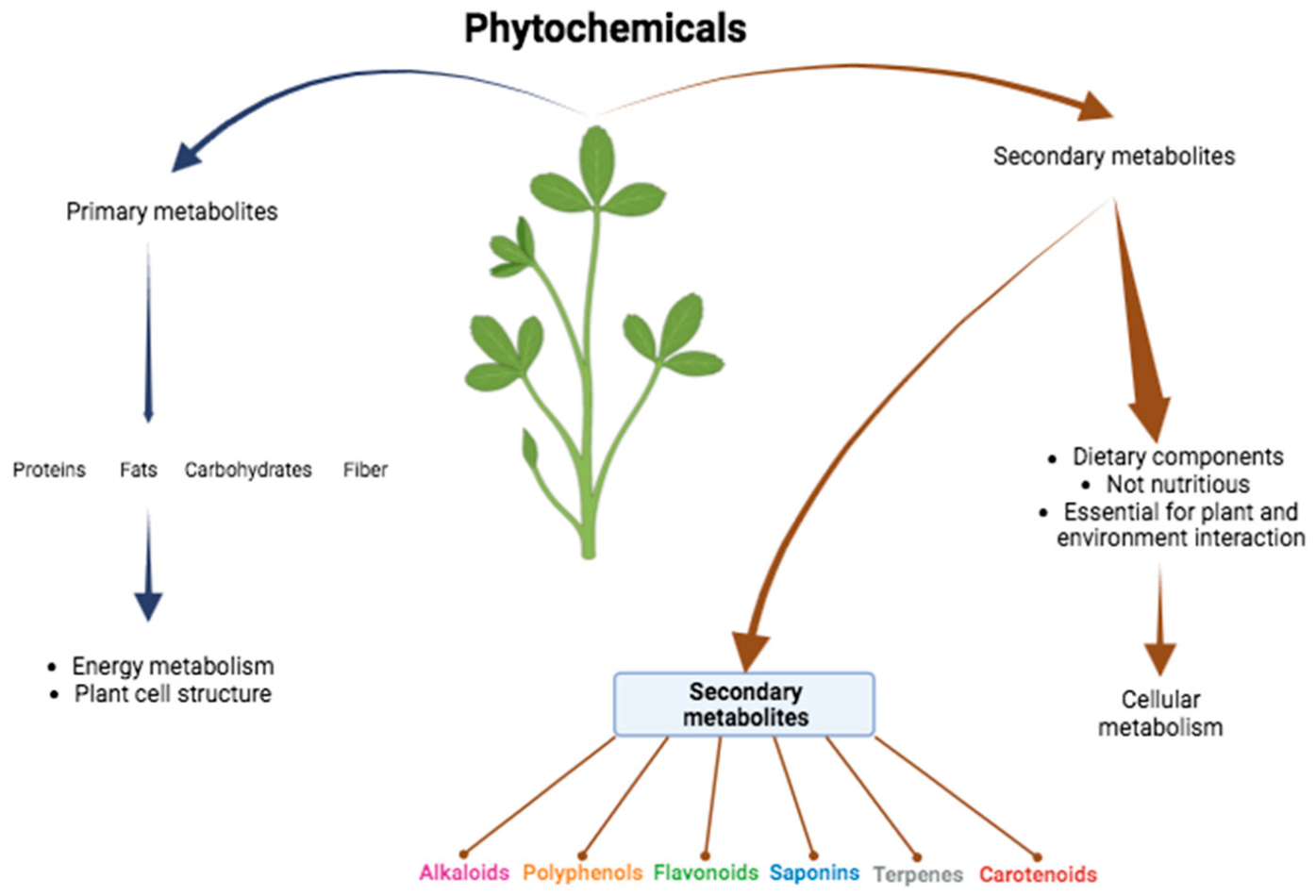
Figure 2: Phytochemicals – Primary metabolites support energy production and structural roles, while secondary metabolites are involved in plant defense and specialized cellular functions.
3.1 Leading Compounds: Cardenolides (Cardiac Glycosides)
Calotropis gigantea is especially known for its cardenolides, a class of highly active steroidal compounds. These substances are characterized by a five-membered lactone ring linked to a steroid structure. Cardenolides are primarily responsible for both the plant’s medicinal properties and its potential toxicity [12, 17].
Mechanism of Action:
Cardenolides exert their effects by blocking the Sodium-Potassium ATPase (Na?/K?-ATPase) enzyme, which plays a key role in maintaining ion balance within cells. Inhibiting this enzyme causes sodium to build up inside the cell, which then triggers an increase in calcium levels. In heart muscle cells, this rise in calcium enhances the strength of contractions, which explains their use in treating heart failure. In cancer cells, this ion imbalance initiates a series of reactions that result in programmed cell death (apoptosis) [25, 60].
Important Identified Cardenolides:
Several cardenolides have been isolated from C. gigantea, including Calotropin, Uscharin, Calotoxin, Calactin, and Gigantin [59]. While they share a common structural framework, each compound has unique chemical features and levels of biological activity.
3.2 The Supporting Cast: Additional Bioactive Compounds
Although cardenolides receive the most focus, the overall effects of the plant arise from a combination of various chemical groups working together.
Flavonoids: These polyphenolic compounds are widely recognized for their antioxidant capabilities. C. gigantea contains flavonols such as Quercetin, Rutin, and Kaempferol [14]. They act by neutralizing free radicals—unstable molecules that can cause cellular damage and contribute to aging and diseases. Their presence largely accounts for the plant’s anti-inflammatory and liver-protective (hepatoprotective) properties [20].
Triterpenoids and Steroids: These large molecules are derived from a 30-carbon precursor. The plant contains notable triterpenoids like β-amyrin, α-amyrin, and lupeol, along with phytosterols including stigmasterol and β-sitosterol [15, 22]. These compounds are known for their significant anti-inflammatory, anti-ulcer, and liver-protective effects.
Alkaloids: These nitrogen-based organic compounds often have strong physiological impacts. Alkaloids such as Calotropamine and Giganteine, found in the roots and latex, are thought to contribute to the plant’s pain-relieving and insect-repellent properties [13, 19].
Proteolytic Enzymes: The fresh latex of C. gigantea is rich in powerful protein-breaking enzymes known collectively as calotropain. Calotropain has demonstrated notable anti-inflammatory, clot-dissolving (fibrinolytic), and wound-cleaning (debridement) effects, making it a crucial factor in the traditional use of the plant for healing wounds [17].
3.3 Extraction and Analysis
Researchers employ several techniques to isolate and characterize these compounds. The process usually starts with solvent extraction—using solvents like methanol, ethanol, or chloroform—to obtain a crude extract. This extract is then analyzed using various chromatography methods, including Thin Layer Chromatography (TLC), High-Performance Liquid Chromatography (HPLC), and Gas Chromatography-Mass Spectrometry (GC-MS), which help separate and identify the individual chemical components [19]. To confirm the exact structures of newly discovered compounds, advanced spectroscopic techniques such as Nuclear Magnetic Resonance (NMR) and Mass Spectrometry are used [20].
4. Scientific Validation of Traditional Wisdom: Pharmacological Activities
For centuries, healers have used Calotropis gigantea based on empirical observation. Today, modern science is systematically testing these traditional claims in controlled laboratory settings and providing evidence for its wide range of therapeutic actions.
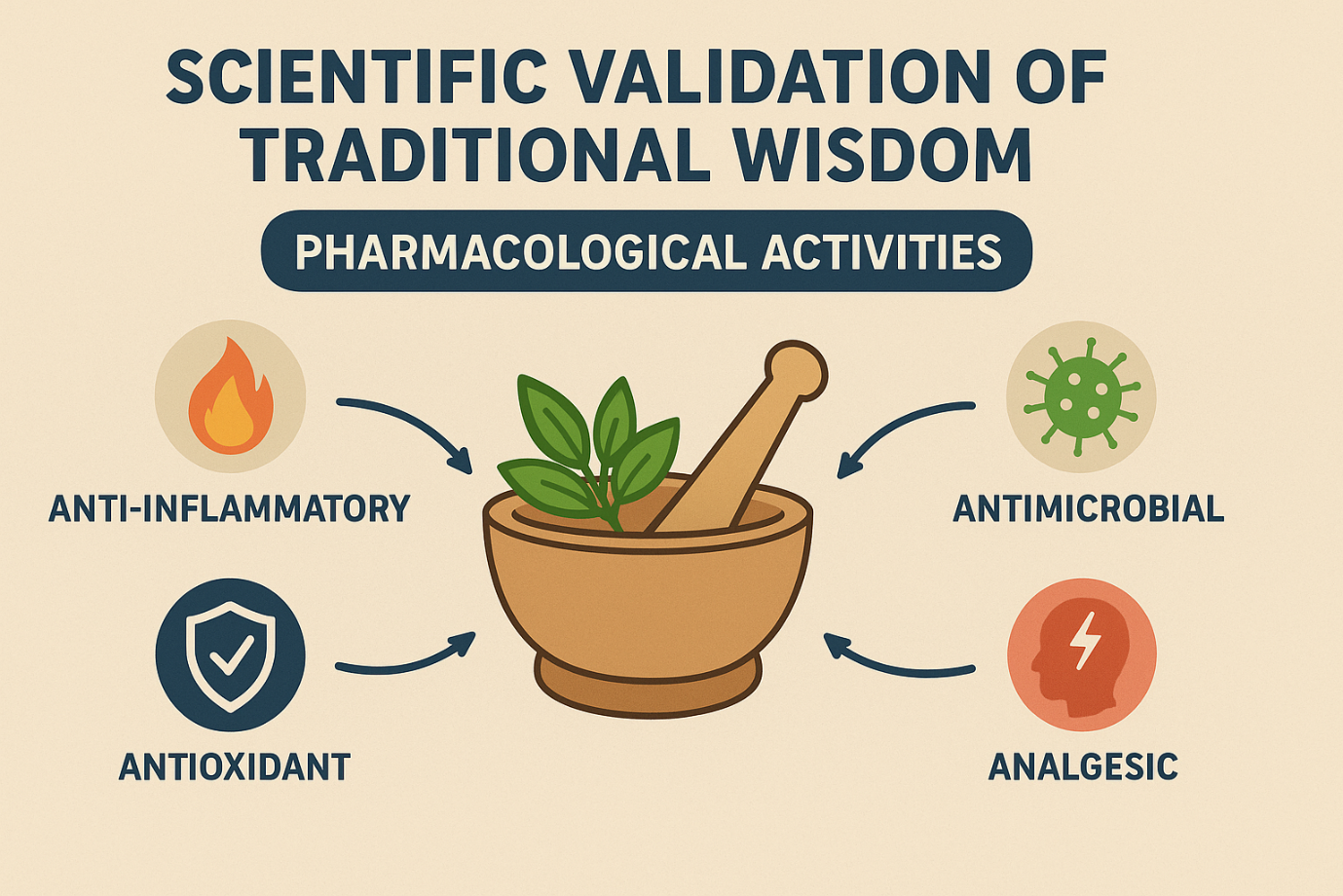
Fig 3: Scientific validation of traditional wisdom: Linking medicinal plants with modern pharmacological activities for evidence-based healthcare.
4.1 Anticancer and Cytotoxic Properties
This is arguably the most intriguing and extensively studied aspect of the plant.
Traditional Use: While ancient records do not explicitly mention the plant as a cancer remedy, it was traditionally employed to treat external swellings, tumors, and stubborn skin ailments, which may have included certain types of skin cancers.
Modern Research: Various laboratory experiments have revealed that extracts derived from the plant’s latex, roots, and leaves possess strong cytotoxic activity against several human cancer cell types, including breast (MCF-7), liver (HepG2), cervical (HeLa), and colon cancers [23, 24]. Studies on animals have also shown that these extracts can notably decrease tumor size and enhance survival [26].
Mechanism: The anticancer activity is primarily linked to cardenolides, which induce apoptosis (programmed cell death) in cancer cells by disrupting mitochondrial functions, elevating reactive oxygen species (ROS), and activating critical cell death proteins such as caspases [25, 61].
Key Compounds: Calotropin and uscharin are often identified as the most potent anticancer cardenolides present in the plant [24].
4.2 Anti-inflammatory and Analgesic (Pain-Relieving) Activity
The plant is a well-known traditional remedy for pain and inflammation.
Traditional Context: It has been used to treat arthritis, joint pain, swelling, and toothaches [4].
Modern Evidence: Animal studies, such as the carrageenan-induced paw edema model in rats, have shown that extracts of the leaves and flowers can significantly reduce acute inflammation, with an efficacy comparable to standard drugs like indomethacin [25, 27]. The latex and leaf extracts have also demonstrated significant central and peripheral analgesic activity in hot plate and acetic acid-induced writhing tests in mice [26, 30, 31].
Mechanism of Action: The anti-inflammatory effect is attributed to flavonoids and triterpenoids, which inhibit the production of pro-inflammatory mediators like prostaglandins and nitric oxide by blocking enzymes like Cyclooxygenase (COX) and Lipoxygenase (LOX) [25, 28, 29].
Key Molecules: Quercetin, rutin, β-amyrin, and lupeol are the primary anti-inflammatory agents.
4.3 Antimicrobial and Antifungal Activity
The plant’s ability to fight infections is another of its traditionally valued properties.
Traditional Context: The latex was applied to infected wounds, boils, and fungal skin infections like ringworm.
Modern Evidence: Laboratory studies have confirmed that various extracts of C. gigantea possess broad-spectrum antimicrobial activity. They have been shown to inhibit the growth of pathogenic Gram-positive bacteria (e.g., Staphylococcus aureus), Gram-negative bacteria (e.g., Escherichia coli, Pseudomonas aeruginosa), and pathogenic fungi like Candida albicans and Aspergillus niger [27, 32, 33, 63].
Key Molecules: The antimicrobial effects are thought to be due to a combination of alkaloids, flavonoids, and phenolic compounds.
4.4 Antioxidant Activity
Oxidative stress caused by free radicals is linked to many chronic illnesses.
Modern Evidence: Extracts from the plant’s leaves and flowers have shown strong antioxidant properties in several chemical tests, including the DPPH and ABTS radical scavenging assays [28]. Their ability to neutralize free radicals is often similar to that of well-known antioxidants like ascorbic acid (Vitamin C) [34, 35].
Key Molecules: The impressive antioxidant effects are mainly attributed to the plant’s high levels of phenolic compounds and flavonoids [28]
4.5 Hepatoprotective (Liver-Protecting) Activity
The liver, as the main organ for detoxification, is vulnerable to damage caused by toxins.
Modern Evidence: Animal experiments where liver injury was chemically induced using substances like carbon tetrachloride (CCl?) demonstrated that pretreatment with C. gigantea leaf extracts provided significant liver protection. These extracts helped restore elevated liver enzyme levels (ALT, AST, ALP) to normal and maintained the liver’s healthy cellular structure [29, 36].
Mechanism of Action: This protective effect is mainly due to the antioxidant and free-radical-neutralizing actions of the plant’s flavonoids, which help prevent the initial chemical damage to liver cells.
4.6 Wound Healing Activity
This is one of the most common and well-documented traditional uses of the plant.
Traditional Context: The fresh latex is applied directly to cuts, scrapes, and chronic ulcers to promote healing and prevent infection.
Modern Evidence: Animal studies using excision and incision wound models have scientifically validated this use. Treatment with the latex extract was shown to significantly accelerate wound contraction, reduce the time for epithelialization (skin regrowth), and increase the tensile strength of the healed skin [37, 68].
Mechanism of Action: The wound-healing effect is a multi-faceted process involving the antimicrobial properties of the latex, the anti-inflammatory action of its triterpenoids, and the debriding (cleaning) action of the proteolytic enzyme calotropain.
4.7 Other Scientifically Validated Activities
Anthelmintic Activity: Aqueous and alcoholic extracts of the roots have demonstrated significant activity against parasitic worms in laboratory models, providing support for its use as a traditional deworming agent [30, 38].
Antidiabetic Activity: Ethanolic extracts of the leaves have been shown to significantly reduce blood glucose levels in streptozotocin-induced diabetic rats, suggesting potential for managing diabetes [39, 64]. The mechanism may involve enhanced insulin secretion or reduced glucose absorption.
Antifertility Activity: Some studies have shown that the latex extract can cause a reversible arrest of sperm production in male rats, indicating its potential for development as a male contraceptive agent [41].
5. Toxicology and Safety Profile: Handling with Care
While the therapeutic potential of Calotropis gigantea is vast, it is overshadowed by its significant toxicity. Every part of the plant is considered poisonous, especially the latex and seeds. Responsible use requires a thorough understanding of its risks.
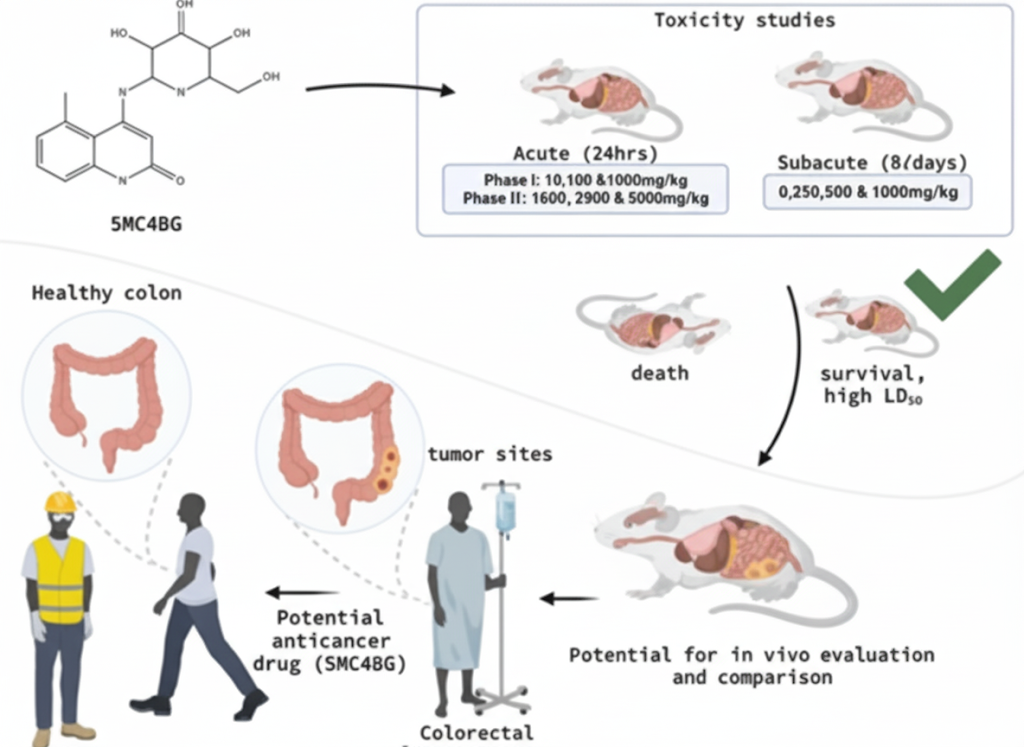
Fig 4: Calotropis gigantea: Powerful yet poisonous – handle with care.
5.1 Mechanism of Toxicity
The primary cause of toxicity is the high concentration of cardenolides. The same mechanism that provides therapeutic effects—inhibition of the Na?/K?-ATPase pump—becomes life-threatening at high doses. In the heart, severe inhibition of this pump leads to an overload of intracellular calcium, causing cardiac arrhythmias (irregular heartbeat), bradycardia (slow heart rate), heart block, and ultimately, cardiac arrest [39].
5.2 Symptoms of Poisoning
Accidental ingestion of the plant or its latex can lead to a range of severe symptoms, including:
Gastrointestinal: Nausea, vomiting, abdominal pain, and severe diarrhea.
Cardiovascular: Irregular pulse, palpitations, and changes in blood pressure.
Neurological: Drowsiness, confusion, headache, and in severe cases, convulsions.
Dermal/Ocular: The latex is highly irritating and can cause severe inflammation, blistering of the skin, and serious eye injury (keratoconjunctivitis) if it comes into contact with the eyes [47].
5.3 Lethal Dose and Reported Cases
The exact lethal dose in humans remains uncertain; however, medical literature includes reports of deaths resulting from both accidental consumption and deliberate poisoning [39, 48]. Animal studies have established the LD?? of the latex, demonstrating its significant acute toxicity [25, 65].
5.4 Safe Usage and Contraindications
Due to its toxicity, self-medication with Calotropis gigantea is extremely dangerous and strongly discouraged. It should only be used under the guidance of a qualified traditional medicine practitioner or physician. It is absolutely contraindicated for pregnant or breastfeeding women, children, and individuals with pre-existing heart conditions.
6. FUTURE PERSPECTIVES AND CONCLUSION
6.1 The Path from Plant to Pill
The journey from a traditional herbal remedy to a modern, FDA-approved drug is long and arduous. Calotropis gigantea is currently in the preclinical stage of this journey. While its compounds have shown immense promise in lab and animal studies, they must now undergo rigorous human clinical trials to establish their safety and efficacy.
6.2 Modern Approaches to Harnessing Its Power
Nanotechnology: One of the most exciting future directions is the use of nanotechnology to deliver the plant’s potent anticancer compounds. By encapsulating cardenolides in nanoparticles, it may be possible to target them directly to tumor cells, maximizing their effectiveness while minimizing their toxic side effects on healthy tissues [29].
Bio-formulations: Developing standardized extracts and formulations with precise concentrations of active compounds is essential for consistent and safe dosing. This will be a key step in moving the plant from the realm of traditional medicine to modern phytotherapy [56].
6.3 A Final Reflection
Calotropis gigantea stands as a powerful testament to the complexity of nature. It is a plant that can both heal and harm, a source of potential life-saving drugs and a potent poison. Its deep roots in ancient medicine have provided a roadmap for modern scientists, who are now validating its traditional uses with the tools of modern chemistry and pharmacology.
The future of Calotropis gigantea in medicine depends on our ability to navigate its dual nature with wisdom and respect. Through careful scientific exploration, we can learn to isolate its benefits, control its risks, and potentially develop new therapies for some of our most challenging diseases, like cancer. The story of the Crown Flower is far from over; it is a story of ancient knowledge meeting future innovation, reminding us that the natural world still holds countless secrets waiting to be unlocked.
REFERENCES


Lokesh Vyas, Arya Patil*, Dr. Sonali Uppalwar, The Crown Flower: A Comprehensive Exploration of the Healing Powers, Hidden Dangers, and Future Potential of Calotropis gigantea, Int. J. of Pharm. Sci., 2025, Vol 3, Issue 10, 1840-1852 https://doi.org/10.5281/zenodo.17375223
 10.5281/zenodo.17375223