

We use cookies to ensure our website works properly and to personalise your experience. Cookies policy
Department of Pharmacy, Institute of Technology and Management, GIDA, Gorakhpur
Nyctanthes arbor-tristis (Oleaceae) is a legendary plant with significant medicinal properties in Ayurveda. This plant's main therapeutic uses include anti-helminthic, anti-pyretic, and antimicrobial properties, as well as its usage as a laxative, in rheumatism, skin diseases, and sedative. Vitally, the natives grow it in their home gardens to pass on its curative properties to future generations. The current analysis includes an ethno pharmacological evaluation that focuses on chemical ingredients, pharmacological activities, and toxicology in order to identify therapeutic potential and gaps that require further research. Nyctanthes arbor-tristis is mostly used in local and traditional medicine, particularly in India, to treat intermittent fevers, arthritis, and intractable sciatica. Crude extracts and isolated chemicals from the plant have been proven to be pharmacologically active against inflammation, malaria, viral infection, leishmaniosis, and as an immunostimulant. The plant is utilized in Ayurveda for a number of pharmacological effects, including anticancer, antiparasitic, antimalarial, immunostimulant, hepatoprotective, antiviral, anti-diabetic, and anti-allergy properties
Nyctanthes arbor-tristis L. (Oleaceae) is a shrub or small tree with silky white hairs and young, sharply quadrangular branches. The leaves are opposite, ovate, with an acute or acuminate apex, rough with short stiff hairs, an entire edge or a few large prominent teeth, and a rounded or slightly cuneate base, with the main nerves visible beneath. The inflorescence is axillary, single, or in terminal short trichotomous cymes. The blooms have a nice aroma and a five- to eight-lobed white corolla with an orange-red core. They grow in clusters of two to seven, with individual flowers opening at sunset and closing at dawn. Fruits are in capsules, orbicular, and compressed. Seeds are orbicular and flat [1]. Nyctanthes arbor-tristis is a plant that has numerous biological and pharmacological properties [2]. It is also called Parijatha (Sanskrit), Harsingar (Hindi), and Night Jasmine (English). According to Hindu mythology, it is a sacred tree, one of the five trees in heaven that emerged from the ocean during Samundra Manthan. It is indigenous to India and grows wild in sub Himalayan regions and central Indian forests. It is a terrestrial woody perennial with a life range of 5 to 20 years. It blooms from September to November and loses its leaves between March and May. It is often a little tree that grows to 10m tall, has grey bark, and has intensely scented flowers that bloom at night and fall off before dawn. As a result, throughout the day, the plant loses all of its brightness and is referred to as the "tree of sadness". The blooms are produced in clusters of two to seven, with individual petals opening at dark and closing at morning; their corolla is white with an orange center. Flowers are used to pray in temples [3]. The plant has been traditionally used to treat a variety of diseases, with scientific research supporting this information. There was a need for a comprehensive examination of the gaps in scientific investigations in terms of phytochemical profile, pharmacological or toxicological studies that linked them to traditional claims. The current evaluation attempts to compile all known information concluding the plant's medicinal utility and the gaps that require scientific intervention. An earlier compilation focused exclusively on the plant's chemical composition and its medicinal actions. This review attempts to guide academics who want to study the plant further. Furthermore, the review will help practitioners imagine a holistic strategy that combines traditional and modern treatment [4].
Classification of Nyctanthes arbor-tristis L. [5]
|
Kingdom |
Plant |
|
Order |
Lamiales |
|
Family |
Oleaceae |
|
Genus |
Nyctanthus |
|
Species |
Arbortristis |
Vernacular Names [6-7]
|
English |
Night jasmine, coral jasmine |
|
Hindi |
Harsingar |
|
Kannada |
Parijata, harashingar |
|
Odia |
Shingadahar, harashingar, gangaseuli, jharasephali |
|
Tamil |
Pavilamalligai, manja-pu, pavazahamalligai |
|
Telagu |
Pagadammali, swetasarasa, paghada, karchia, karuchiya |
|
Malayalam |
Pavilamalli, parijatam, pavizhamalli, parijatakam |
|
Marathi |
Khurasli, Parijataka, Purijat |
Morphology of the plant (leaves, flowers, seeds, etc.).
|
Plant parts |
Morphological Features |
|
Stem |
Coarse and rough, grayish-brown bark; branches spreading with a drooping habit. |
|
Leaves |
Simple, opposite, ovate to broad-lanceolate; 6–12 cm in length, 2–6 cm in width; rough upper surface, smooth or slightly hairy underside |
|
Flowers |
Small, tubular, fragrant; white petals with an orange-red tube; borne in clusters (cymes); nocturnal bloom |
|
Fruits |
Flattened, broadly two-lobed capsule; 2 cm in diameter; each lobe contains one seed. |
|
Seeds |
Flat, disc-like, brownish; smooth and shiny surface; approximately 1–2 cm in diameter. |
|
Roots |
Taproot system; used in traditional medicine for therapeutic properties. |
|
Height |
Small shrub or tree, grows 2–10 meters tall |
Habitat and geographical distribution.
|
Aspect |
Details |
|
Preferred Environment |
Thrives in tropical and subtropical climates; grows well in open spaces, gardens, and forest edges |
|
Soil |
Loamy or sandy soils; adaptable to various soil types. |
|
Light Requirements |
Requires partial to full sunlight |
|
Native Range |
South Asia, primarily India and Nepal |
|
Widely Found In |
Pakistan, Bangladesh, Sri Lanka, Thailand, Myanmar, Indonesia, Malaysia |
|
Introduced Regions |
Tropical regions worldwide, including parts of Africa and the Caribbean |
|
Ecological Importance |
Provides habitat for pollinators like bees and butterflies; cultivated for ornamental and medicinal use. |
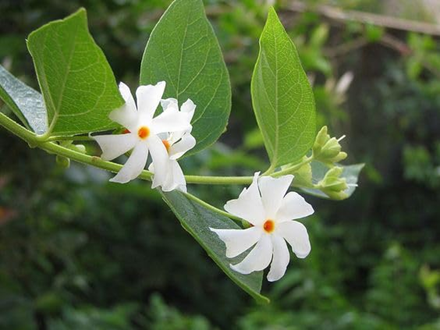
Fig.1. Flower of Nyctanthes arbor-tristis.
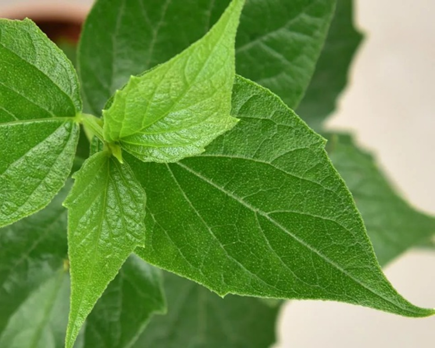
Fig.2. Leaf of Nyctanthes arbor-tristis.
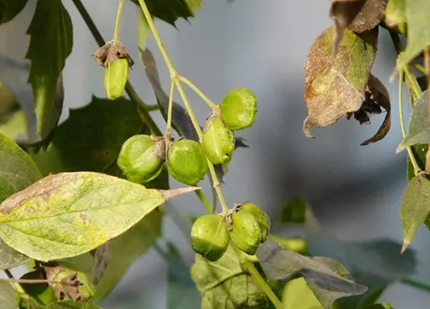
Fig.3. Seeds of Nyctanthes arbor-tristis.
Phytochemical Composition
Chemical constituents of Nyctanthes arbor-tristis.
|
Chemical Compound |
Plant Part |
Reference |
|
D-mannitol |
Leaves |
[9, 10, 11] |
|
β- sitosterole |
Leaves |
[9, 10, 11] |
|
Astragaline |
Leaves |
[9, 10, 11] |
|
Nicotiflorin |
Leaves |
[9, 10, 11] |
|
Oleanolic acid |
Leaves |
[9, 10, 11] |
|
Nyctanthic acid |
Leaves |
[9, 10, 11] |
|
Tannic acid |
Leaves |
[9, 10, 11] |
|
Methyl salicylate |
Leaves |
[9, 10, 11] |
|
Volatile oil |
Leaves |
[9, 10, 11] |
|
Friedeline |
Leaves |
[9, 10, 11] |
|
Lupeol |
Leaves |
[9, 10, 11] |
|
Mannitol |
Leaves |
[9, 10, 11] |
|
Glucose |
Leaves |
[9, 10, 11] |
|
Diterpenoid nycanthin |
Flower |
[15] |
|
Flavonoids |
Flower |
[15] |
|
Anthocyanins |
Flower |
[15] |
|
Essential oil |
Flower |
[15] |
|
β-monogentiobioside |
Flower |
[15] |
|
β-digentiobioside |
Flower |
[15] |
|
Arbortristoside A & B |
Seed |
[15] |
|
Glycerides |
Seed |
[15] |
|
Lignoceric acid |
Seed |
[15] |
|
Stearic acid |
Seed |
[15] |
|
Myristic acids |
Seed |
[15] |
|
3-4 secotriterpene acid |
Seed |
[15] |
|
D-glucose |
Seed |
[9, 15] |
|
D-mannose |
Seed |
[9, 15] |
|
Iridoid |
Bark |
[16, 17] |
|
Phenylpropanoid |
Bark |
[16, 17] |
|
Glycoside-naringenin-4’-0-βglucapyranosyl-α-xylopyranoside |
Stem |
[18] |
|
β-sitosterol |
Stem |
[18] |
Structures of different phytochemicals of Nyctanthes arbor-tristis Linn.
|
NAME OF COMPOUND |
STRUCTURE |
MOLECULAR WEIGHT |
PLANT PART |
|||||||||||||
|
D-mannitol |
|
182.17 g/mol. |
Leaves |
|||||||||||||
|
β-sitosterole |
|
414.72 g/mol. |
Leaves |
|||||||||||||
|
Astragaline |
|
414.7067 g/mol
|
Leaves |
|||||||||||||
|
Glucose |
|
180.156 g/mol |
Leaves |
|||||||||||||
|
β-monogentiobioside |
|
510.49 g/mol |
Flower |
|||||||||||||
|
Arbortristoside A |
|
566.56 g/mol |
Seed |
|||||||||||||
|
Stearic acid |
|
284.48 g/mol |
Seed |
|||||||||||||
|
Iridoid |
|
566.5 g/mol |
Bark |
|||||||||||||
|
Tannic acid |
|
1701.19 g/mol |
Leaves |
The significance of discovered chemicals in therapeutic applications.
LEAVES
Nyctanthes arbor-tristis leaves contain D-mannitol, β-sitosterole, Flavanol glycosides, Astragaline, Nicotiflorin, Oleanolic acid, Nyctanthic acid, tannic acid, ascorbic acid, methyl salicylate, an amorphous glycoside, an amorphous resin, trace of volatile oil, carotene, friedeline, lupeol, mannitol, glucose, fructose, iridoid glycosides, benzoic acid derivative of kae [8,9,10]. All of the main phytoconstituents are utilized in Ayurvedic medicine and have been documented to treat sciatica, arthritis, fevers, and other painful illnesses, as well as to act as a laxative [11].
FLOWER
Mannitol is abundantly found in the flower of Nyctanthes arbor-tristis. The flower contains a modified diterpenoid nycanthin, flavonoids, anthocyanins, and an essential oil akin to jasmine [12].Flowers contain nyctanthin, d-mannitol, tannin, glucose, carotenoid, and glycosides such as β-monogentiobioside ester of α-crocetin (or crocin-3), β-monogentiobioside -β-D monoglucoside ester of α-crocetin, β-digentiobioside ester of α-crocetin (or crocin-1), and 4hydroxy hexahydrobenzofuran-7-one. These compounds are being studied for antileishmanial properties [13].
SEED
The seed of Nyctanthes arbor-tristis contains 15% pale yellow brown oil, nyctanthic acid, nyctoside A, b-sitosterol, arbortristoside A & B, glycerides of linoleic oleic, lignoceric, stearic, palmitic, and myristic acids, 3-4 secotriterpene acid, and a water soluble polysaccharide composed of Dglucose and D mannose that is used as an immunostimulant and hepatoprotective [14].
BARK
The bark of Nyctanthes arbor-tristis includes glycosides and alkaloids. The iridoid and phenylpropanoid glycosides found in plant bark. The stem of Nyctanthes arbor-tristis includes glycoside naringenin-4'-0-β-glucapyranosyl-αxylopyranoside and β-sitosterol[15, 16].
Uses of Nyctanthes arbor-tristis Linn.
Flowers: The flowers are used as stomachic, carminative, astringent to bowel, antibilious, expectorant, hair tonic and in the treatment of piles and various skin diseases and in the treatment of ophthalmic purposes. The bright orange corolla tubes of the flowers contain a coloring substance nyctanthin, which is identical with ?-Crocetin from Saffron. The corolla tubes were formerly used for dyeing silk, sometimes together with Safflower or turmeric.
Stems: Traditionally the powdered stem bark is given in rheumatic joint pain, in treatment of malaria and also used as an expectorant. The bark is used for the treatment of snakebite and bronchitis. The stem bark pounded with Zingiber officinale and Piper longum is boiled in water and the resultant liquid is taken for two days for the treatment of malaria. The resulting paste on mixing with Arjuna bark is rubbed on the body to treat internal injury and for joint broken bones.
Leaves: The leaves of Nyctanthes arbor-tristis Linn are used extensively in Ayurvedic medicine for the treatment of various diseases such as sciatica, chronic fever, rheumatism, and internal worm infections, and as a laxative, diaphoretic and diuretic. Leaves are used in cough reduction. Leaf juice is mixed in honey and given thrice daily for the treatment of cough. Paste of leaves is given with honey for the treatment of fever, high blood pressure and diabetes. Juice of the leaves is used as digestives, antidote to reptile venoms, mild bitter tonic, laxative, diaphoretic and diuretic. Leaves are also used in the enlargement of spleen. The leaf juice is used to treat loss of appetite, piles, liver disorders, biliary disorders, intestinal worms, chronic fever, obstinate sciatica, rheumatism and fever with rigors. The extracted juice of leaves acts as a cholagogue, laxative and mild bitter tonic. It is given with little sugar to children as a remedy for intestinal ailments
Seeds: The seeds are used as anthelmintic and in alopecia. It is antibilious and an expectorant, and is also useful in bilious fevers. The powdered seeds are used to cure scurfy affections of scalp, piles and skin diseases.
Pharmacological Activity of Nyctanthes arbor-tristis Linn.
Anti-inflammatory and Analgesic Activity
A water-soluble ethanolic extract of NAT leaves was utilized in a study to test its antiinflammatory effects. NAT prevented acute inflammatory edoema in rats' hind paws caused by many phlogistic agents, including carrageenin, formalin, histamine, 5-hydroxytryptamine, and hyaluronidase.Turpentine oil was found to be beneficial in decreasing acute inflammatory edema in rats' knee joints. [19].
Anticancer activity
In 2001, researchers released the first investigation on the anticancer efficacy of N. arbortristis, discovering that petroleum ether, chloroform, and ethyl acetate extracts of the flowers had significant cytotoxic activity. In Swiss albino rats, a methanolic extract of stem bark was found to be significantly more effective than 5 fluorouracil against Dalton's ascitic lymphoma. The cytotoxicity of ethanolic, methanolic, and aqueous leaf extracts on T-cell leukaemia cells rises with time and dosage. At all doses and time points, the extracts significantly reduced normal cell toxicity [20].
Antiparasitic activity
A crude 50 percent ethanolic extract of leaves was discovered to exhibit trypanocidal activity at a concentration of 1000 Og/mL. In vivo experiments showed that at dosages of 300 and 1000 mg/kg, i.p., the extract had antitrypanosomal actions and substantially extended the life time of Trypanosoma evansi infected mice. However, it has been observed that once the extract therapy is stopped, the parasitaemia rises, resulting in the death of the experimental animals [21].
Anti-Diabetic Activity
In comparison to diabetic controls, chloroform and ethanolic leaf and flower extracts significantly increased superoxide dismutase (SOD) and catalase (CAT) levels while significantly decreasing liver lacto peroxidase (LPO), serum SGPT, SGOT, alkaline phosphatase, cholesterol, and triglyceride levels. When diabetic rats treated with streptozotocin-nicotinamide were given an ethanol extract of the stem bark, it showed strong anti-diabetic effects. The extract decreases blood glucose levels in a dose-dependent manner.[22].
Immunostimulant activity
Oral administration of an ethanolic extract of NAT at doses of 50, 100, 150, and 200 mg/kg significantly increased circulating antibody titres when challenged with SRCs and heat-killed Salmonella antigens. Chronic therapy increased the total WBC count while greatly improving the DTH response. The extract was discovered to have 21 immune-bioactive compounds. [23].
Hepatoprotective activity
The antihepatotoxic effectiveness of aqueous extracts of Nyctanthes arbor-tristis leaves and seeds against CCl4-induced hepatotoxicity was discovered [24].Hepatic illnesses have become serious impediments to medicine in the twenty-first century. Hepatic tissue has a great ability for regeneration, and the damage is usually significant before it becomes visible. Hepatic diseases emerge when hepatocyte regeneration cannot keep up with damage, resulting in hepatocellular failure [25].
Antioxidant activity
In a live organism, free radicals are produced as a result of regular metabolic activity. Antioxidants function as free radical scavengers, protecting the body from pathological disorders such as ischemia, anaemia, asthma, rheumatoid arthritis, inflammation, neurodegeneration, Parkinson's disease, mongolism, the aging process, and maybe dementia. Previous research established NAT's antioxidant activity utilizing the DPPH test, free radical scavenging activity, reducing power assay, and total antioxidant capacity. The plant was shown to have a considerable level of antioxidant activity. [26].
Anti-Allergy Activity
Pretreatment with a water-soluble component of an alcoholic extract of NA leaves prevented asphyxia in guinea pigs exposed to histamine aerosols. Arbortistoside A and C have been demonstrated to have anti-allergic properties in NA [27].
Sedative Effects
The hot infusion of N. arbo-tristis flowers may include sedative effects. Various concentrations of hot floral infusion were produced and administered orally. Two hours after treatment, the sedative potential was determined. The injection produced a small dose-dependent conscious sedation effect in male rats, but not in female rats. Even after subchronic therapy, the infusion was well tolerated in terms of overt toxic symptoms, liver or kidney function, and there were no obvious signs of reliance [28].
Anti-arthritic activity
Arthritis is a degenerative disorder that causes joint pain and eventually leads to bone and joint degradation. Cytokines play a significant role in the development of rheumatoid arthritis. Previously, it was demonstrated that abnormal tumor necrosis factor (TNF-) expression caused crippling arthritis in experimental mice. In collagen-induced arthritis (CIA), the absence of interleukin 1 (IL-1) reduced arthritis progression significantly. Mice lacking the interleukin-6 (IL-6) gene were resistant to antigen-and collagen-induced arthritis. These investigations have revealed that pro-inflammatory cytokines (TNF-, IL-1, and IL-6) play a role in rheumatoid arthritis and may serve as therapeutic targets. [29]
CNS depressant action
The leaves, flowers, seeds, and barks of NAT (600 mg/kg) were found to significantly and dose-dependently prolong sleep onset and duration, as well as cause a decrease in dopamine and an increase in serotonin levels, implying that the CNS depressant activity of the ethanol extracts of seeds, leaves, and flowers is caused by a decrease in dopamine [30].
Anti-Leishmanial Activity
N. arbortristis' anti-leishmanial activity has been linked to iridoid glucosides, arbortristosides A, B, and C, as well as 6-b-hydroxyloganin.Arbortristosides A, B, C, and 6-beta hydroxyloganin were found to be anti-leishmanial in macrophage cultures and hamster test systems, respectively [31].
Mechanism of Action
Toxicity of Nyctanthes arbor-tristis
Although the herb has been used traditionally for many decades, toxicity tests have been conducted to support scientific research using extracts and isolated compounds. In a preliminary brine shrimp lethality study [32], petroleum ether, chloroform, and ethyl acetate extracts from the flower were found to have LD50s of 14.80, 12.62, and 12.79, respectively, when compared to 4.53 ppm of gallic acid. [33] While investigating the anti-inflammatory action of the water soluble component of the ethanolic extract of leaves, it was shown that in albino rats, a dose of 2.0 g/kg caused no mortality, whereas 32 g/kg caused 75% mortality. The probit log dose response curve revealed an LD50 of 16 g/kg. While investigating the plant's immunomodulatory action, [34] discovered that an aqueous extract of the leaves might counteract the immunotoxic effect of chemical pesticides in Malathion-exposed mice, whether treated or untreated. Working on the flowers, [35] discovered that the LD50 of an ethanolic extract from the orange tubular calyx of the flower was 1500 mg/kg. In a comparable acute toxicity investigation, the ethanol extract of leaves, seeds, and flowers was determined to be safe at a dose of 2g/kg when administered intraperitoneally in rats [36].
Aside from crude extracts, arbortristoside-A isolated from seeds had an LD50 of 500mg/kg and caused 100% death in mice when administered intraperitoneally. The compound was shown to reduce locomotor activity in mice [37]. Cytotoxicity experiments on HEK 293 and murine macrophages revealed that iridoid glucosides at 4 and 100mM demonstrated 90-95% and 50-71% viability, respectively, and are safe for human administration [38]. Summarizing the data on toxicity research, it can be noticed that only preliminary investigations have been undertaken, focused on acute studies.Once biological activity is verified, thorough safety studies involving many organs become necessary, and these studies are absent for the extracts or active fractions in this plant.
CONCLUSION
Plants possess a diverse set of pharmacological qualities that may be therapeutically advantageous to population health and well-being. So far, all pharmacological research has been preliminary, such as anticancer activity, antiparasitic activity, antimalarial activity, immunostimulant activity, hepatoprotective activity, anti-inflammatory activity, antiviral activity, anti-diabetic activity, anti-allergy activity, anti-histaminenic and anti-tryptaminergic activity, anti-aggressive activity, anti-filarial activity, anti-leishmanial activity, antioxidant activity, and anti-arthritic activity. In this research, the bioactive molecule must be identified and described, as well as the molecular mechanism of action. Thus, additional clinical research is urgently needed.
REFERENCES


Vishwajeet Rao, Dr. Suprabha Devi, Therapeutic Potential and Pharmacological Insights of Nyctanthes arbor-tristis Linn: A Comprehensive Review, Vol 3, Issue 6, 543-554. https://doi.org/10.5281/zenodo.15589920
 10.5281/zenodo.15589920