
Fabtech College of Pharmacy.
Guava (Psidium guajava) is a tropical natural product eminent for its flavor and wholesome esteem, but its takes off have critical restorative properties that have been utilized in different conventional hones. This article analyzes the assorted wellbeing benefits related with guava clears out, counting their antioxidant, antimicrobial, anti-inflammatory, and antidiabetic impacts. Furthermore, the utilized as of guava takes off in treating stomach related issues, respiratory sicknesses, and skin conditions is talked about. The discoveries emphasize the significance of guava takes off as a characteristic cure and their potential part in cutting-edge home-grown medication. By joining conventional information with modern investigate, guava takes off can be recognized as a profitable asset in advancing wellbeing and well-being.
Guava (Psidium guajava) is a tropical natural product that has captured the consideration of wellbeing devotees and culinary specialists alike. Whereas the natural product is celebrated for its delightful taste and noteworthy wholesome profile, the takes off of the guava tree are regularly neglected however hold a treasure trove of benefits and applications. Wealthy in bioactive compounds, guava clears out have been utilized in conventional medication for centuries, respected for their restorative properties that contribute to stomach related wellbeing, antimicrobial movement, and irritation diminishment In expansion to their therapeutic employments, guava clears out discover their way into culinary hones,teas and different dishes, contributing interesting smells and wellbeing benefits. [1]
Synonyms: Psidii guajavae folium
Common Name: Guava, Lemmon guava, Mpera (Kiswahili), Mubera (Kiruyu), Mupeera (Luganda)
Biological Source: The guava tree is believed to have originated in the Caribbean, Mexico, and Central America before spreading to tropical and subtropical regions of the Americas, Australia, and Asia. Guava trees are currently grown in a number of nations, including Mexico, Brazil, China, Nigeria, and the Philippines.
Particular Chemical Alpha-pinene, limonene, beta-pinine, isopropyl alcohol, menthol, terpenel acetate, caryophyllene, longicyclene, and beta bisaboline are among the compounds found in leaves that contain essential oil. Guava leaves also contain olinoleic acid [5]. The leaves contain a significant percentage of caryophyllene (about 21.3%) and lemonel (42.1%). There are numerous volatile chemicals in guava leaves[1]
Phytoconstituents in Plant:
1) Leaves
2) Bark
3) Seed
1) Leaves:
Vitamins C and B, calcium, potassium, sulfur, sodium, iron, boron, magnesium, and manganese are all abundant in guava leaves. The higher levels of magnesium, salt, sulfur, and manganese make it a great option for animal feed and human nutrition to help fight micronutrient shortages. Guava leaves contain 9.73% protein on a dry weight basis. The building blocks of cells are proteins, which are large macromolecules, composed of amino acids. 2. Copanene, farnesene, humulene, selinene, cardinene, curcumene, menthol, terpenyl acetate, isopropyl alcohol, longicyclene, caryophyllene, bisabolene, cineol, caryophyllene oxide, and limonene are the main components of the essential oil present in leaves.Oleanolic acid, flavonoids, and saponins were extracted from the leaves. Other acids that have been identified include sitosterol, ursolic, crategolic, guayavolic, and nerolidiol. Along with a number of other fixed components, fat, cellulose, tannin, chlorophyll, and mineral salts, the leaves are also abundant in triterpenic acids and flavonoids, such as avicularin and its powerful antibacterial 3-1-4-pyranoside, fixed oil (6%), resin (3.15%), and tannin (8.5%).[2]
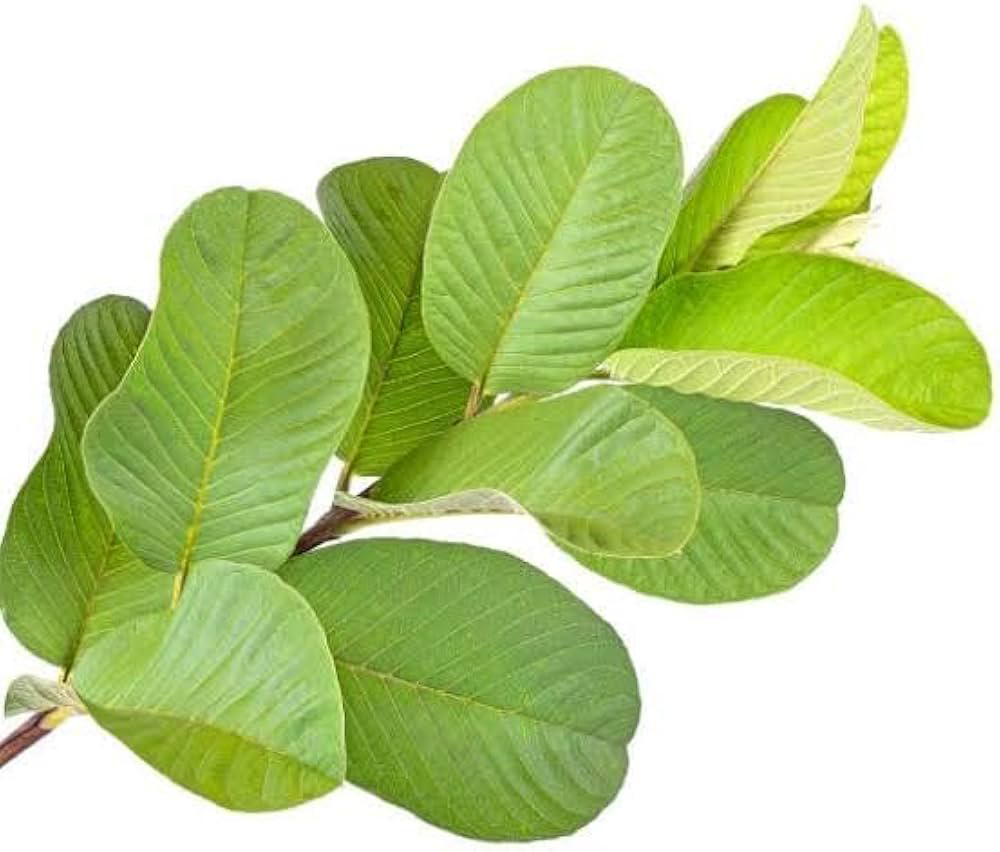
Figure 1: Guava leaves
2) Bark:
It contains resin, calcium oxalate crystals, and 12–30% tannin. Roots contain tannins, leukocyanidins, sterols, gallic acid, sugars, and salts.
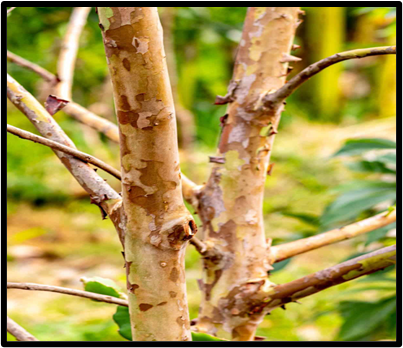
Figure 2: Guava Barks
3) Seed:
The seed Quercetin-3-O-d- (2"-O-galloyl-glucoside)-4'-O-vinylpropionate, 14% oil by dry weight, 15% proteins, and 13% starch are some of the phenolic and flavonoid components they contain. There are certain isolated compounds that are cytotoxic. Carotenoids, phenolic compounds, and glycosides.
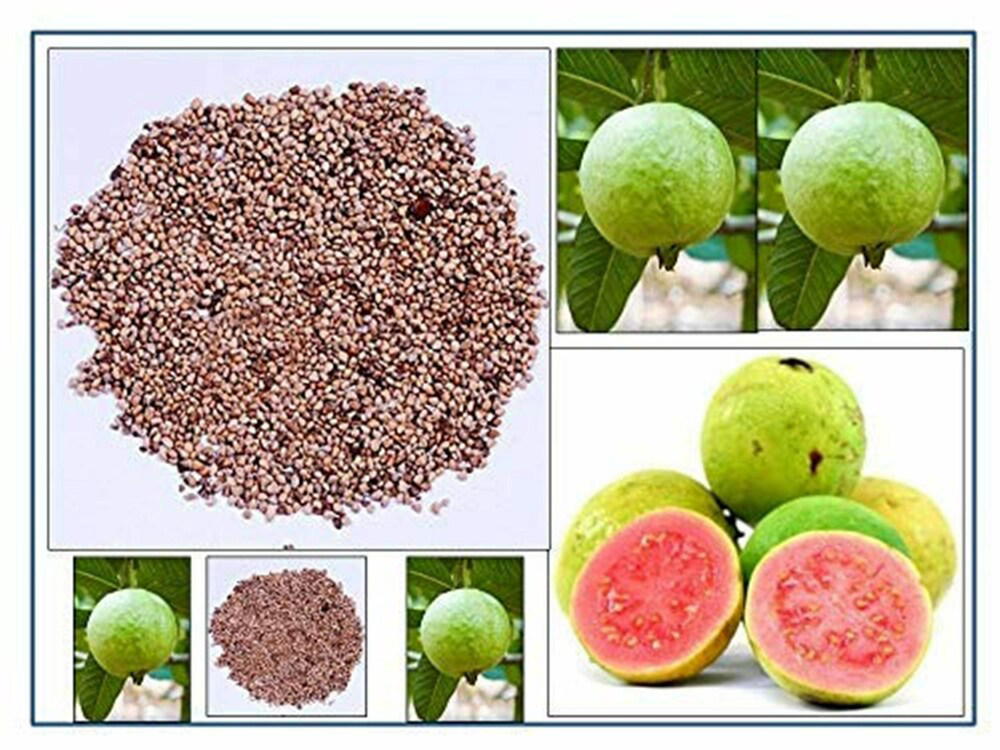
Figure 3: Guava Seeds
Chemical Composition:
Guava plants contain many important compounds such as lycopene, xanthine, lutein, vitamins, minerals, tannins, saponins, enzymes, alkaloids, glycosides, protein, sesquiterpenoids, alcohol, triterpenoids, acids, steroids, and flavonoids. Phenolic compounds in guava leaf extracts vary depending on the drying method, extraction techniques, and leaf maturity.
Guava leaves contain high amounts of essential oils and Penta-o-galloyl-beta-D-glucose (PGG), (-)-epigallocatechin gallate (EGCG), and allyl gallates such as isoamyl gallate (IG) and n-octyl gallate. These compounds are tannins and polyphenols. Guava leaves are a rich source of beta-caryophyllene.[3]
1) Health Benefits of Psidium Guajava Linn:
Guava leaves are laden with bioactive compounds, including flavonoids, phenolic compounds, and tannins, contributing to their therapeutic properties
1) Antimicrobial Properties- Guava leaves exhibit antimicrobial activity against a range of bacteria and fungi, making them useful in treating infections. A study published in the Journal of Medicinal Plants Research found that guava leaf extracts possess significant antibacterial properties against pathogens like Escherichia coli and Staphylococcus aureus[4]
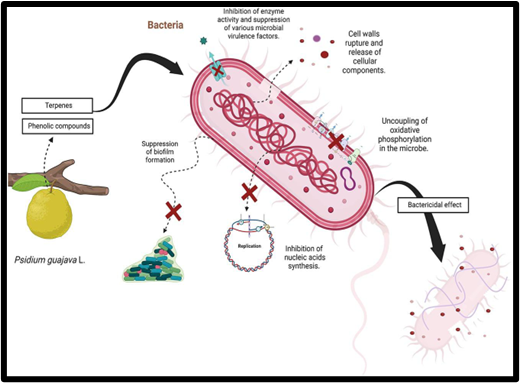
Figure 4: Antimicrobial activity of Psidium Guajava Linn.
2) Digestive Health:
Psidium Guajava leaves are often used in traditional medicine to alleviate gastrointestinal issues, including diarrhea and dysentery.
The astringent properties of the leaves can help reduce inflammation in the intestines and improve digestion.
3) Anti-diarrheal:
Psidium Guajava clears out plays hostile to- bacterial and against – diarrheal action. The plant has been broadly assessed for pharmacological improvement of its extricate and the result appear activity against diarrhea. Loose bowels are one of the most common and well recognized wellbeing issue and a worldwide issue. It is assessed that around 2.2 million individuals kick the bucket every year by loose bowels, most of them are children or infants This action is clarified by spasmolytic, anti-bacteria, anti-amoebic impact and phytochemical such as flavonoids and tannins have been reported to display against- diarrheal movement by denaturating proteins there by creating protein- tannate intuitive that diminishes penetrability of the intestinal mucosa.[5]
4) Anti-inflammatory Effects:
The provocative responses ordinarily happens when cell and body tissue are hurt by normal compounds, chemical compound or physical challenges, for case, microorganisms, damage, harms or warm. Macrophages play an vital parts against diverse combustible diseases and in responses where they discharges pro-inflammatory go between and proteins, counting interleukin- 6 (IL-6), tumor rot figure- a(TNF-a), cyclooxygenase-2(COX-2), and inducible nitric oxides synthase(iNOS). Guava extricate in ethyl acetic acid derivation has the potential to devastate the antigens. It can halt the discharge of the beta- hexosaminidase with histamine into RBL-2H3 cell. Because of this the appearance of TNF- alpha and intra leukin -4 mRNA stops .[6]
5) Antacid and Ulcer Protectant activity:
The soluble nature of guava clears out gives superior reaction against hyperacidity. It has moreover been found that, in most towns guava tea is arranged by including 10 to 12 no. of youthful new guava takes off bubbled in water and it is utilized to drink to get freed of sharpness still nowadays. The methanolic extricate alloted the greatest ulcer recuperating and stomach settling agent property in-vitro. [7]
6) Antihypertensive and Hyperlipidemia activity:
Guava is valuable for the treatment of hyperlipidemia, heart illness and hypertension. It moreover contains small sum of potassium which can makes a difference to unwind blood vessels and controlling blood weight. Assist more guava has a tall concentration of pectin which causes a diminishment in blood lipids by deferring assimilation of the nourishments and subsequently diminish the chance of cardiovascular ailment.
Higher potassiums and filaments in natural product appears the noteworthy diminishment in blood weight and blood lipids by expending guava natural product on every day premise. A few ponders relegated that the gallic corrosive, catechins, epicatechins, rutin, naringenin and kaempferol in the clears out are mindful for the hindrance of chemical pancreatic cholesterol esterase appearing in lower cholesterol in blood. [8]
7) Anti-Cancer Properties :
Guavas are a great source of lycopene, an antioxidant that is crucial for cancer prevention and treatment. Out of all of them, breast and prostate cancer respond the best. Red flesh guavas contain more lycopene than the other varieties. It decreased prostate-specific antigen (PSA) blood levels and tumor growth in a xenograft mice tumor model. 31 An aqueous extract of Psidium guajava leaves inhibited the cancer cell line DU-145 in a dose-dependent manner. At 1.0 mg/ml, the extract reduced the viability of PCa DU-145 (androgen-independent PCa cells) to 36.1% and 3.6%, respectively, following 48 and 72 hours of incubation. The growth of human oral epidermal carcinoma and murine leukemia was effectively slowed by the essential oil extracted from Psidium guajava leaves.[9]
8) Gastrointestinal problems:
Numerous gastrointestinal disorders have been demonstrated to be fought off by the quercetin and flavonoid content of guava leaves. The leaf of Psidium guajava is one plant that is commonly employed as a well-liked treatment for a number of gastrointestinal issues. Fruits and leaves are alkaline, which inhibits the growth of dangerous bacteria that cause gastroenteritis. Because it inhibits the growth of bacteria and helps to bind loose stools by releasing excess mucus from the colon, guava helps treat diarrhea. [8]
9) Laxatives:
Leaves and fruits they contain sufficient amount of fiber that makes the base for the treatment of constipation. Guava leaves are specially rich in fiber which are crucial for treatment and prevention of constipation and hemorrhoids. 100 gm of guava fruit contains near by 36 gm of dietary fibers. The guava fruit is richest source of dieatery fibers and ascorbic acid which is high in comparision to other natural fruits.[10]
10) Guava for cold and cough :
Guava leaves specially more effective in treatment of cold and cough. Guava leaves are rich in source of iron and asorbic acid which decrease lungs congestion as well as mucous formation and at the same time it keeps the respiratory tract pathogen free. Vitamine c show rich amount in guava which had been found to very effective in treatment of cough and cold related with bacteria or virus.[11]
11) Oral Cavity issues :
Dental plaques is the primary cause of period on it is as plaques when left unattained without any care eventually leads to gingivilis and period on it is. A few of the common pathogens are responsible for periodonitis are aggregatibacter actinomyce temcomitans, porphyromonas gingivilis ,fusobacterium bickering.Guava has wealthy in concentration of quercetin which has been appeared to display extraordinary antibacterial movement against such pathogens.[12]
12) Wound Healing Activity :
Guava leaves have a remarkable history of healing human wounds. In India, a homemade paste prepared from ground guava leaves and a small bit of water was applied to the surface of wounds to heal them. Tannins and flavonoids have a quicker impact and are highly helpful in wound healing. Methanolic extracts of guava leaves exhibit rapid action when administered twice daily to the wound's surface.
13) Blood Sugar Regulation :
Some research indicates that guava leaves may help regulate blood sugar levels, making them beneficial for individuals with diabetes. A study in the Journal of Clinical Biochemistry and Nutrition suggests that guava leaf extract may enhance insulin sensitivity and lower blood glucose levels.
14) Weight Management: Guava leaves are believed to aid in weight loss by reducing blood sugar increases by blocking the absorption of carbohydrates.
15) Respiratory Health: Guava leaf tea helps reduce airway irritation and is frequently used as a treatment for coughs and other respiratory conditions.
2) Culinary Uses of Psidium Guajava:
Guava leaves are not just limited to medicinal uses; they can also be incorporated into culinary practices.
Tea:
The health benefits of guava leaf tea have made it a popular beverage. Fresh or dried leaves can be steeped in boiling water to make it. The tea has a mellow, earthy flavor and is high in antioxidants.
Flavoring Agent -
Guava leaves are utilized in several cultures to add a distinct flavor and scent to a variety of foods. For a unique flavor profile, add leaves to soups, stews, and even grilled meats.
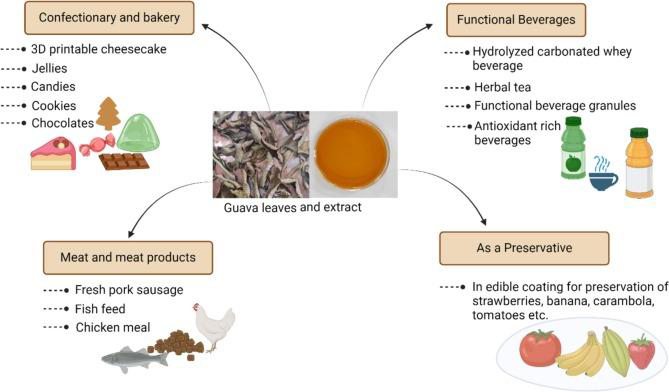
Figure 5: Culinary Uses of Psidium Guajava
3. Natural Remedies of Psidium Guajava
Skin Care:
Guava leaves include antibacterial and anti-inflammatory qualities that make them beneficial for skincare. Acne and other skin irritations can be treated by using guava leaf extracts or infusions topically.
CONCLUSION:
Psidium Guajava takes off; frequently ignored in favor of their natural product are a powerhouse of wellbeing benefits and down to earth employments. From their parts in conventional pharmaceutical to their culinary applications and natural commitments, guava clears out outline the significance of utilizing all parts of a plant. As inquire about proceeds, the potential of guava clears out may see indeed broader acknowledgment and utilize in wellbeing and wellness.
REFERENCES



Fardin Mulani*, Nilesh Dhavare, Dr. Sanjay Bais, Therapeutic Potential of Psidium Guajava Leaves: A Comprehensive Review, Int. J. of Pharm. Sci., 2025, Vol 3, Issue 12, 954-961 https://doi.org/10.5281/zenodo.17830709
 10.5281/zenodo.17830709
