
Shri Goraksha College of Pharmacy and Research Center, Khamgaon, Maharashtra, 431151
Activated charcoal is widely used in the management of acute poisoning due to its broad-spectrum adsorptive capacity; however, poor palatability, unpleasant mouthfeel, and gastrointestinal discomfort often limit patient compliance. The present study was aimed at developing and evaluating an activated charcoal–osmotic laxative oral suspension enriched with natural flavoring and gastroprotective agents to improve palatability, gastrointestinal tolerance, and patient acceptability. The formulation was designed to combine effective toxin adsorption with enhanced gastrointestinal transit, thereby facilitating the elimination of adsorbed toxins without compromising therapeutic efficacy. The developed suspension was evaluated for various physicochemical and performance parameters, including appearance, pH, viscosity, sedimentation behavior, redispersibility, microbial stability, and in vitro adsorption efficiency. Palatability and overall acceptability were also assessed. The evaluation results demonstrated that the formulation exhibited satisfactory physical stability, acceptable physicochemical characteristics, and improved taste and mouthfeel compared to conventional activated charcoal preparations. The findings of the study suggest that modification of activated charcoal suspensions with suitable excipients can significantly enhance patient compliance and gastrointestinal tolerance, making the formulation a promising oral dosage form for the effective management of acute poisoning.
Acute poisoning is one of the major medical emergencies where delayed hospital intervention may be fatal (40). The first step in management is to prevent the passage of toxins into the systemic circulation and the development of related complications (3). Since oral ingestion is the most common route of poisoning, removal of toxic substances from the gastrointestinal tract remains an essential step in early management (3). Activated charcoal has been widely favored because of its broad-spectrum adsorption capacity and effectiveness in binding a wide range of drugs and chemicals (1).
Activated charcoal binds and traps poisonous substances in the gastrointestinal tract, thereby limiting their systemic absorption (6). Its extremely large surface area and highly porous nature are responsible for its strong adsorption capacity (6). However, poor patient acceptance remains a challenge due to its unpleasant taste, gritty texture, and gastrointestinal adverse effects such as nausea, vomiting, and constipation, which may reduce patient compliance (14).
To enhance the effectiveness of charcoal therapy, patients are commonly administered sorbitol, an osmotic laxative (9). Sorbitol accelerates intestinal transit, promoting faster elimination of the charcoal–toxin complex and reducing the possibility of toxin reabsorption (10). Charcoal–sorbitol combinations are used in various oral overdoses, including analgesics, sedatives, hypnotics, antidepressants, antiepileptic drugs, and selected cardiovascular and antipsychotic agents (2). However, this therapy is not recommended in cases involving corrosives, hydrocarbons, heavy metals, or alcohols (2).
Improving patient compliance requires making the formulation more palatable and gastrointestinal-friendly (33). Ginger is known to reduce nausea and provide gastroprotective effects, while menthol contributes a cooling sensation and pleasant flavor to oral formulations (16). Use of a suspension dosage form ensures uniform particle distribution, ease of administration, and flexible dosing (38).
Hence, the present research aims to prepare and evaluate an activated charcoal–osmotic laxative (sorbitol) suspension containing ginger and menthol to improve palatability and gastrointestinal tolerance while maintaining effective toxin adsorption and elimination.
2. INGREDIENTS
2.1 Activated Charcoal
Role in the Formulation
Activated charcoal serves as the primary active component in the formulation. Its main role is to adsorb toxic substances present in the gastrointestinal tract following oral poisoning. By binding toxins on its extensive surface, activated charcoal prevents their absorption into the systemic circulation and facilitates their elimination from the body (6).
Specifications
Activated charcoal used for pharmaceutical purposes is a fine, black, odorless, and tasteless powder obtained from carbonaceous materials such as coconut shells or wood, processed under controlled conditions to create a highly porous structure (55). It possesses a very large surface area, typically ranging from 500 to 1500 m²/g, which is responsible for its high adsorption capacity (6). Pharmaceutical-grade activated charcoal should comply with pharmacopeial standards regarding purity, particle size, adsorption efficiency, and absence of harmful contaminants (55).
Mechanism of Action
Activated charcoal acts through physical adsorption. Toxic substances adhere to the surface of charcoal particles via weak intermolecular forces, thereby remaining bound within the gastrointestinal tract and reducing systemic absorption (1). It may also interrupt enterohepatic recirculation of certain drugs and toxins, thereby enhancing their elimination (8).
Advantages
Uses
Activated charcoal is widely used in the management of acute oral poisoning involving drugs such as analgesics, sedatives, antidepressants, antiepileptics, and certain pesticides (2). It is also used in cases of drug overdose and accidental ingestion of toxic substances (40). Beyond toxicology, activated charcoal is applied in gastrointestinal disorders such as flatulence and diarrhea (41), and as a decolorizing and purifying agent in pharmaceutical and chemical industries (39).
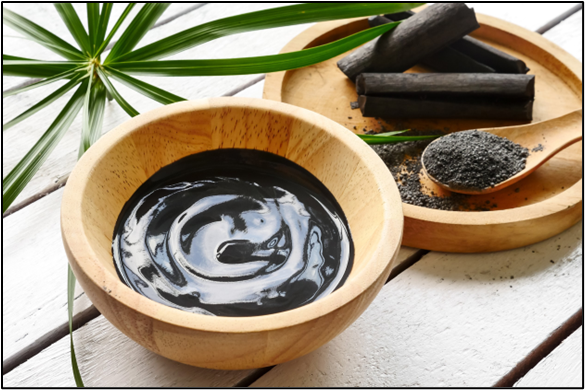
Fig no-1. Activated Charcoal
2.2 Sorbitol
Role in the Formulation
Sorbitol is incorporated in the formulation as an osmotic laxative. Its primary role is to accelerate gastrointestinal transit, thereby facilitating rapid elimination of the activated charcoal–toxin complex and improving detoxification efficiency (9). It also helps prevent constipation commonly associated with activated charcoal therapy (11). Sorbitol further contributes mild sweetness, which improves the palatability of the suspension (36).
Specifications
Sorbitol is a polyhydric alcohol (sugar alcohol) chemically known as D-glucitol (52). Pharmaceutical-grade sorbitol is available as a white, odorless crystalline powder or as a clear, colorless, viscous aqueous solution, commonly at a concentration of 70% w/v (37). It is freely soluble in water and exhibits good chemical stability (37). Sorbitol used in pharmaceutical formulations must comply with pharmacopeial standards regarding purity, clarity, pH, and microbial limits (50).
Mechanism of Action
Sorbitol exerts an osmotic effect in the intestinal lumen by drawing water into the gastrointestinal tract, increasing stool volume and softening fecal matter (10). This increased osmotic pressure stimulates peristalsis and promotes bowel movement, leading to faster elimination of intestinal contents, including the charcoal–toxin complex (10).
Advantages
Uses
Sorbitol is widely used as an osmotic laxative for the treatment of constipation and bowel evacuation (10). In toxicology, it is commonly co-administered with activated charcoal to promote rapid gastrointestinal clearance of toxins (9). Additionally, sorbitol is used as a sweetening agent, humectant, and stabilizer in pharmaceutical formulations (37).
Fig no-2.Sorbitol
2.3 Ginger Extract
Role in the Formulation
Ginger extract is incorporated in the formulation to improve gastrointestinal tolerance and patient comfort during activated charcoal therapy Behaviour primary role is to reduce nausea, vomiting, and abdominal discomfort commonly associated with charcoal administration, thereby enhancing patient compliance (16).
Source and Specifications
Ginger extract is obtained from the rhizomes of Zingiber officinale (family: Zingiberaceae) (18). It is commonly prepared by aqueous or hydroalcoholic extraction methods (24). The extract appears as a yellowish-brown to dark brown liquid or semi-solid mass with a characteristic aromatic odor and pungent taste (24). Pharmaceutical-grade ginger extract should be free from contaminants and standardized for active constituents such as gingerols and shogaols (51).
Active Constituents
The major bioactive components of ginger include:
Mechanism of Action
Ginger exerts antiemetic activity by modulating gastrointestinal motility and inhibiting serotonin (5-HT?) receptors in the gastrointestinal tract (21). It also enhances gastric emptying and reduces intestinal spasms, thereby relieving nausea and abdominal discomfort (19).
Advantages
Uses
Ginger extract is widely used in the management of nausea, vomiting, indigestion, flatulence, and motion sickness (16). It is also employed as a flavoring and therapeutic agent in herbal and pharmaceutical formulations (49).
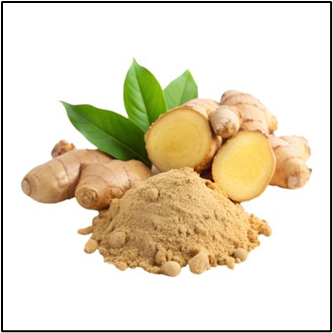
Fig no-3.Ginger Extract
2.4 Menthol
Role in the Formulation
Menthol is incorporated into the formulation as a flavoring and sensory modifier to improve palatability and patient acceptability of the activated charcoal suspension (27). It provides a cooling sensation in the oral cavity, effectively masking the unpleasant taste and gritty mouthfeel of activated charcoal (33). Menthol also contributes to gastrointestinal comfort through its mild antispasmodic action (29).
Source and Specifications
Menthol is a naturally occurring cyclic monoterpene alcohol obtained from the essential oil of peppermint (Mentha piperita) and other Mentha species (31). It appears as colorless or white crystalline solids with a characteristic peppermint odor and cooling taste (27). Pharmaceutical-grade menthol should comply with pharmacopeial standards regarding purity, melting point, and absence of impurities (50).
Mechanism of Action
Menthol produces a cooling sensation by activating cold-sensitive TRPM8 receptors in the oral and gastrointestinal mucosa, which contributes to reduced discomfort and nausea (30). In addition, menthol exhibits smooth muscle relaxant activity in the gastrointestinal tract, helping to relieve spasms and improve formulation tolerance (26).
Advantages
Uses
Menthol is widely used as a flavoring agent in oral pharmaceutical preparations such as syrups, suspensions, lozenges, and mouthwashes (36). Therapeutically, it is used to relieve minor gastrointestinal discomfort, nausea, and flatulence (26). It is also commonly employed in topical formulations for its cooling and analgesic properties (31).
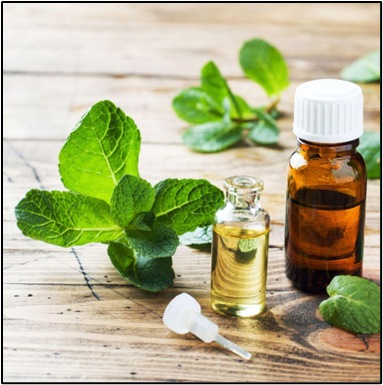
Fig no-4.Menthol
2.5 Acacia (Gum Arabic)
Role / Function
Specifications
Advantages
Uses
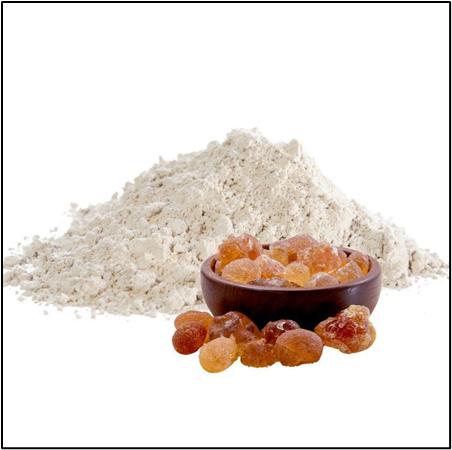
Fig no-5.Acacia (Gum Arabic)
2.6 Methyl Paraben
Role / Function
Specifications
Advantages
Uses
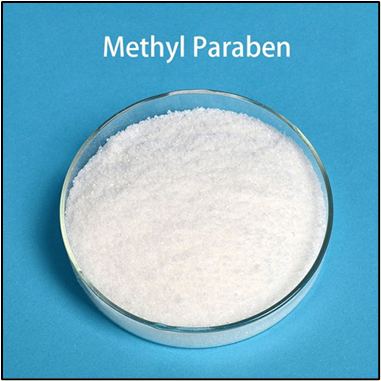
Fig no-6.Methyl Paraben
2.7 Purified Water
Role in the Formulation
Purified water is used as the vehicle in the formulation. It serves as the medium for dispersing activated charcoal and dissolving other excipients, thereby enabling the formation of a uniform and physically stable oral suspension suitable for administration (37).
Specifications
Purified water is colorless, odorless, and tasteless, and is obtained by appropriate purification methods such as distillation, deionization, or reverse osmosis (52). Pharmaceutical-grade purified water must comply with pharmacopeial standards with respect to conductivity, total organic carbon, pH, and microbial limits to ensure safety and suitability for oral formulations (50).
3. TYPES OF POISONING MANAGED.
3.1 Drug and Pharmaceutical Poisoning
Activated charcoal is most widely used in the management of acute drug and pharmaceutical poisoning (2). Many orally ingested drugs remain in the gastrointestinal tract for a significant period before complete absorption into the systemic circulation (1). When administered early, activated charcoal adsorbs drug molecules onto its large porous surface, thereby preventing or reducing their absorption through the gastrointestinal mucosa and decreasing systemic toxicity and clinical severity of poisoning (6).
Activated charcoal is effective against a wide range of drugs, including analgesics such as paracetamol, antipyretics, sedatives, hypnotics, antidepressants, antipsychotics, antiepileptics, and certain cardiovascular drugs (2). In cases of overdose involving sustained-release or enteric-coated formulations, activated charcoal remains particularly useful because it can adsorb the drug as it is gradually released within the gastrointestinal tract (8).
The addition of an osmotic laxative enhances the effectiveness of charcoal therapy by accelerating intestinal transit and promoting faster elimination of the charcoal–drug complex (9). This reduces the risk of drug desorption and reabsorption from the intestine, thereby improving detoxification efficiency and clinical outcomes in acute pharmaceutical poisoning (10).
3.2. Pesticide and Insecticide Poisoning
Activated charcoal is useful in the management of acute pesticide and insecticide poisoning, particularly when the toxic substance has been ingested orally and is adsorbable in nature (41). Many pesticides and insecticides are organic compounds that remain in the gastrointestinal tract for a variable period before absorption, allowing activated charcoal to bind them effectively when administered early (40).
Activated charcoal has shown benefit in poisoning caused by organophosphates, carbamates, and certain chlorinated hydrocarbon insecticides (41). By adsorbing these toxic substances within the gastrointestinal tract, charcoal reduces their systemic absorption and limits toxic effects on the nervous system and other vital organs (40). The effectiveness of charcoal therapy depends on factors such as the type of pesticide involved, the time elapsed before administration, and the quantity ingested (2).
The inclusion of an osmotic laxative further enhances detoxification by increasing bowel motility and reducing intestinal transit time (9). This promotes rapid elimination of the charcoal–toxin complex and minimizes the possibility of toxin reabsorption (10). Thus, activated charcoal combined with an osmotic laxative serves as an important supportive measure in the early management of pesticide and insecticide poisoning, alongside standard medical treatment (41).
3.3. Alkaloid and Plant Toxin Poisoning
Activated charcoal is effective in the management of poisoning caused by alkaloids and plant-derived toxins when the substances are ingested orally and are adsorbable in nature (40). Many plant toxins and alkaloids possess complex organic structures that can be efficiently adsorbed onto the large surface area of activated charcoal, thereby reducing their absorption from the gastrointestinal tract (2).
Poisoning due to substances such as atropine, nicotine, digitalis-like compounds, and other naturally occurring alkaloids can be managed using activated charcoal therapy (42). When administered early, activated charcoal binds these toxic compounds within the stomach and intestines, preventing their entry into systemic circulation and reducing the severity of toxic effects (41).
The presence of an osmotic laxative further enhances treatment effectiveness by accelerating gastrointestinal transit and promoting rapid elimination of the charcoal–toxin complex (9). This reduces the duration of toxin contact with the intestinal mucosa and minimizes the risk of reabsorption (10). Therefore, activated charcoal combined with an osmotic laxative plays an important role in the supportive management of alkaloid and plant toxin poisoning (40).
4. Method of Preparation(100ml).
Step 1: Preparation of Acacia Mucilage
Acacia (3 g) was accurately weighed and dispersed gradually in 20 mL of purified water with continuous stirring to obtain a smooth, lump-free mucilage. The mucilage was allowed to stand for sufficient time to ensure complete hydration and swelling of acacia .
Step 2: Wetting and Dispersion of Activated Charcoal
Activated charcoal (10 g) was taken separately and levigated with 15 mL of sorbitol solution (70%) to ensure proper wetting of charcoal particles and to prevent floating.
Step 3: Formation of Primary Suspension
The wetted activated charcoal was slowly incorporated into the hydrated acacia mucilage with continuous stirring to obtain a uniform primary suspension.
Step 4: Preparation and Addition of Preservative Solution
Methyl paraben (0.18 g) was dissolved in 5 mL of warm purified water, allowed to cool, and then added to the primary suspension with continuous stirring to ensure uniform distribution of the preservative.
Step 5: Addition of Flavoring and Palatability Enhancers
Menthol (0.05 g) was dissolved in 5 mL of warm purified water, and ginger extract (1 mL) was measured accurately. Both were added gradually to the suspension with continuous stirring to improve palatability and patient acceptability.
Step 6: Volume Adjustment and Final Mixing
The remaining 15 mL of sorbitol solution (70%) was added, and the final volume was adjusted to 100 mL using the remaining purified water (30 mL). The formulation was mixed thoroughly to ensure uniformity of the suspension.
Step 7: Packaging and Storage
The prepared suspension was transferred into a clean, dry, amber-colored container, labeled with “Shake well before use,” and stored at room temperature to protect it from light and maintain stability.
5. EVALUATION OF FORMULATED SUSPENSION
5.1 Physical Appearance
|
Parameter |
Observation |
|
1.Colour |
Black |
|
2.Odour |
Pleasant |
|
3.Taste |
Slightly sweet with cooling sensation |
|
4.Texture |
Smooth and uniform |
|
5.Grittiness |
Absent |
5.2 pH Determination
|
Sr. No. |
pH Reading |
|
1. |
6.7 |
|
2. |
6.8 |
|
3. |
6.9 |
|
Mean ± SD |
6.8 ± 0.1 |
5.3 Flow Behavior (Velocity Measurement)
|
Trial No. |
Time taken (t) in seconds |
|
1. |
2.8 |
|
2. |
2.9 |
|
3. |
3.0 |
Average time (t?) = (2.8+2.9+3.0) = 2.9S
3
Calculation: v = d/t
v = (10cm)/(2.9s)
v = 3.44 cm/s
5.4 Sedimentation Volume
Sedimentation Volume (F) = Vu / Vo
|
Time (hrs) |
Volume of Sediment (Vu) (mL) |
Initial Volume (Vo) (mL) |
F Value |
|
0 |
100 |
100 |
1.00 |
|
1 |
92 |
100 |
0.92 |
|
2 |
90 |
100 |
0.90 |
|
4 |
88 |
100 |
0.88 |
|
24 |
85 |
100 |
0.85 |
5.5 Stability Studies
|
Storage Condition |
Time Interval |
Appearance |
pH |
Redispersibility |
|
Room temperature |
0 days |
No change |
6.8 |
Good |
|
7 days |
No change |
6.8 |
Good |
|
|
14 days |
No change |
6.7 |
Good |
|
|
30 days |
No change |
6.7 |
Good |
Overall Evaluation
The formulated activated charcoal suspension exhibited acceptable physical appearance, suitable pH, satisfactory flow behavior expressed in terms of velocity (cm/sec), controlled sedimentation, and good redispersibility. Stability studies further confirmed that the formulation remained physically stable without significant changes in evaluated parameters during the study period.
6. RESULTS AND DISCUSSION
Overall Results
The formulated activated charcoal suspension was evaluated for physical appearance, pH, flow behavior expressed as velocity (cm/sec), sedimentation volume, and stability. The suspension exhibited a uniform black colour with a smooth and homogeneous texture and was free from grittiness, aggregation, or phase separation, indicating effective dispersion of activated charcoal particles. The pH of the formulation was found to be within the range of 6.7 to 6.8 and remained consistent throughout the study period, reflecting good compatibility of formulation components and suitability for oral administration. The flow behavior of the suspension, measured by the distance–time method, showed an initial velocity of 3.44 cm/sec, which indicated satisfactory flow characteristics. A slight reduction in velocity was observed during the stability study; however, the values remained within acceptable limits, demonstrating consistent flow behavior over time. Sedimentation studies revealed controlled settling of particles with a sedimentation volume of 0.85 after 24 hours, suggesting effective suspension stability. Furthermore, the sediment formed was easily redispersed upon gentle shaking, indicating good redispersibility of the formulation. Stability studies conducted at room temperature for 30 days showed no significant changes in physical appearance, pH, sedimentation behavior, redispersibility, or velocity, confirming that the formulated suspension remained physically stable during the storage period.
Overall Discussion
The results obtained from the evaluation studies demonstrate that the formulated activated charcoal suspension possesses acceptable physicochemical and stability characteristics required for an oral suspension dosage form. The uniform black colour, smooth texture, and absence of grittiness or phase separation indicate effective dispersion of activated charcoal particles within the formulation. These findings suggest that the method of preparation and selection of excipients were appropriate and contributed to the formation of a physically uniform and aesthetically acceptable product.
The pH of the formulation remained within the range of 6.7 to 6.8 throughout the study period, which is close to neutral and suitable for oral administration. Maintenance of a stable pH during storage reflects good compatibility between the drug and excipients and indicates that no significant chemical degradation or interaction occurred during the stability period. A stable pH is particularly important for oral suspensions, as variations in pH may affect drug stability, patient comfort, and overall product quality.
Flow behavior of the suspension was assessed using velocity expressed in cm/sec by the distance–time method, serving as an indirect indicator of viscosity and pourability. The initial velocity value demonstrated satisfactory flow characteristics, ensuring ease of pouring and uniform dosing. Although a slight decrease in velocity was observed during the stability study, the values remained within acceptable limits, which may be attributed to minor structural rearrangements or settling behavior of suspended particles over time. Importantly, these changes did not adversely affect the usability of the formulation.
Sedimentation studies revealed controlled settling of activated charcoal particles with a sedimentation volume of 0.85 after 24 hours. Controlled sedimentation is a desirable characteristic of pharmaceutical suspensions, as it indicates that particles settle slowly and form a loose sediment rather than a compact cake. The effectiveness of acacia as a suspending agent was evident in maintaining particle dispersion and minimizing rapid settling, thereby contributing to the physical stability of the formulation.
Redispersibility studies further supported the stability of the suspension, as the sediment was easily redispersed with minimal shaking. Easy redispersion ensures dose uniformity upon administration and enhances patient compliance by eliminating the need for vigorous shaking. The presence of a loose and non-caking sediment indicates good formulation design and effective particle stabilization.
Stability studies conducted at room temperature over a period of 30 days showed no significant changes in physical appearance, pH, sedimentation behavior, redispersibility, or velocity. These observations confirm that the formulation remained physically stable during storage and retained its functional characteristics. Overall, the evaluation and stability data collectively indicate that the formulated activated charcoal suspension is stable, well-designed, and suitable for oral administration.
7. CONCLUSION
The present study successfully formulated an activated charcoal suspension using acacia as a suspending agent and sorbitol as a wetting and palatability-enhancing agent. The method of preparation resulted in a smooth, uniform, and physically stable suspension with acceptable aesthetic characteristics. Evaluation studies confirmed that the formulation possessed a near-neutral pH suitable for oral administration and satisfactory flow behavior when expressed as velocity in cm/sec, ensuring ease of pouring and uniform dosing. Sedimentation and redispersibility studies demonstrated controlled settling with easy redispersion, indicating effective suspension stability. Stability studies conducted over a period of 30 days showed no significant changes in physical appearance, pH, flow behavior, or sedimentation characteristics. Overall, the formulated activated charcoal suspension was found to be stable, acceptable, and suitable for oral use in the management of poisoning.
REFERENCES

Nakul Palkar, Rohini Pandit, Lalsing Padvi, Komal More, D. K. Vir, To Develop and Evaluate an Activated Charcoal–Osmotic Laxative (Sorbitol) Suspension Containing Ginger and Menthol for Improved Palatability, Gastrointestinal Tolerance, And Patient Compliance in the Management of Acute Poisoning., Int. J. of Pharm. Sci., 2026, Vol 4, Issue 4, 2422-2435. https://doi.org/10.5281/zenodo.19595296
 10.5281/zenodo.19595296
