View Article

Abstract

This research explores the formulation and evaluation of a single-layer herbal soap designed to promote enhanced skin health by leveraging the therapeutic benefits of natural plant extracts. The soap was prepared using a blend of coconut oil, glycerin, and selected herbal ingredients such as neem, tulsi, and aloe vera, chosen for their established antibacterial, anti-inflammatory, and moisturizing properties. The formulation process involved precise saponification, careful incorporation of herbal powders, and the addition of essential oils for fragrance and added skin benefits. Comprehensive physicochemical analyses including pH, moisture content, foaming index were conducted to assess the quality and efficacy of the final product. Results indicated that the herbal soap exhibited satisfactory cleansing, lathering activity, making it suitable for daily use and various skin types. The study underscores the potential of single-layer herbal soaps as a natural, eco-friendly alternative to conventional synthetic products, offering both skin protection and environmental sustainability.

Keywords

herbal soap, single-layer, saponification, skin health, antimicrobial, natural ingredients.

Introduction

Benefits of Herbal single layer Soap:

Herbal Detain Soap is typically marketed as a natural skin care product that combines herbal extracts with cleansing agents and tan removing and skin whiting While the exact benefits may vary depending on the ingredients used, here are some commonly claimed advantages

 Ingredients

  • Usually made with plant-based extracts like coffee, vitamin E , aloe vera, and coconut oil.
  • Gentle on the skin, especially for sensitive skin types.

1. Brighter Skin Tone.

Why: Herbal ingredients like coffee, coconut oil, aloe vera help reduce sun-induced tanning and dullness.

2. Reduced Tan & Pigmentation

Why: Natural exfoliants and antioxidants in the soap help lighten hyperpigmentation over time.

 3. Clearer, Healthier skin

Why: Ingredients help fight acne-causing bacteria and unclog pores.

HERBAL SINGLE LAYER SOAP

Soap is a emulsifying and cleansing agent that is usually made by treating fat (vegetables or animal oil) or fatty acid with an alkali such as sodium or potassium hydroxide, This process is called as saponification. Soap are substance that when dissolved in water posses the ability to remove the dirt from surfaces such as human skin, textiles and other solids. Soap is a salt of fatty acid. Herbal soap refers to a type of soap formulated with natural ingredients derived from herbs, botanical extracts and essential oils. Herbal soap are made using natural herbs and ingredients that are healthier and beneficial for the skin and are less likely to cause any damaging effect. The use of plant extracts in soap making has been practiced for centuries, and it is still prevalent today. Unlike conventional soaps that may contain synthetic fragrances and harsh chemicals, these variants prioritize natural and plant –based ingredients known for their beneficial properties. They are valued for their potential to soothe, nourish, and rejuvenate the skin, making them popular choices in natural skincare routines. These are gentle on skin and likely to have any side effects. Mostly skin infections are caused by fungi, staphylococcusaureus and streptococcus species. Herbal soap has been used traditionally for treating several epidermal dysfunctions such as eczema, psoriasis and acne and helps to boost immune response in tissue of affected area.,Herbal single layer soaps are gaining popularity among consumers due to their natural and gentle properties. It is free from harsh chemicals and synthetic fragrances, making it suitable for sensitive skin types. The anti- inflammatory and anti-oxidants properties of herbal soap aid in soothing irritation, healing wounds and combating skin conditions. Additionally, it contains aroma therapeutic benefits, promoting relaxation and stress relief during bathing. With its holistic approach to skincare, herbal soap is versatile and widely used in daily cleansing routines, spa treatments and natural skincare regimens. Herbal single layer soap consist of two different layers of soap in a single layer bar. The double layer allows to have maximum effects within a single layer bar of soap. The layers are specified for detanning, scrubbing, cleansing and moisturizing the skin leaving it soft and hydrated. The upper layer gives scrubbing effect along with ingredients that offers depigmentation. The lower layer allows cleansing of upper layer of skin and moisturizes the skin.

TANNING 

UVA radiation is what makes people tan. UVA rays penetrate to the lower layers of the epidermis, where they trigger cells called melanocytes to produce melanin. A major determinant of human skin color is the presence and balance of different types of melanin in the epidermis. Baseline skin color depends on the level of constitutive pigmentation that is low in white skinned peoples (skin types I–IV) and high in dark skinned peoples Ultraviolet irradiation from the sun is by far the most common and important factor. It is our purpose to investigate the extent to which this environmental factor, i.e., sunlight, can influence the skin color.
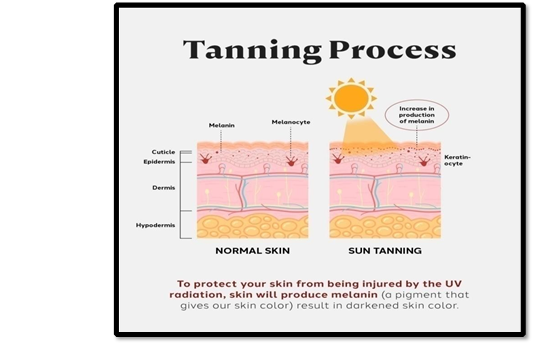
Fig.No.1. Tanning process

ANATOMY AND PHYSIOLOGY OF SKIN 

Skin is the largest organ in the body. Human skin, in human anatomy, the covering or integument,  of the body’s surface that both provides protection and receives sensory stimuli from the external environment. It covers the body's entire external surface, serving as a firstorder barrier against pathogens, UV light, and chemicals, and provides a mechanical barrier to injury. It also regulates temperature and amount of water released into the environment. Skin is very important for all health care professionals to have basic information about the structure and function of human skin. Skin is also called cutaneous membrane. In adults the skin has a surface area ranging from1.2 to2.2 mm. Skin has two types, hair -bearing skin that covers much of the body and hairless skin as that of palms of Hands and so les of feet. Skin is the most exposed part of the body to the sunlight, environmental pollution and also used for protection against the pathogen.

Fig.No.2. Structure of Skin

The skin is made up of 3 layers. Each layer has certain functions:

  1. Epidermis
  2. Dermis 
  3. Subcutaneous fat layer (hypodermis)

BENEFITS OF HERBAL SINGLE LAYER SOAP

  1. Nourishing – Herbal soaps contain the goodness of nature, and this makes them nourishing for skin. Its offers comfort, healing and stress relief as well.
  2. Therapeutic – Therapeutic because of properties such as relief from tension and the healing power of herbal soaps, the benefits are there in plenty for those seeking to rejuvenate the mind , body, and spirit.
  3. Aromatic – Herbal soaps have an aroma which makes them extra special. It has a selection of exclusive elements and is devoid of artificial color and fragrance. Moreover, chemicals soaps have animal fat and lack the essential oils from plant extract which gives a natural and pleasing aroma. 
  4. Relief from skin disease – Handmade herbal soaps have therapeutic benefits in addition. Those with sensitive skin or conditions such as psoriasis or eczema can taka aid from natural handmade soaps. Glycerin soap also protects the skin which is sensitive and delicate, and when herbal soaps are used , you can be sure that the glycerin content is high absorbing water in the air and ensuring the skin remains soft and healthy.
  5. Skin – The body’s outermost layer, human skin acts as the body’s first line of defense against a range of infections. The skin is constantly exposed to a range of stimuli because it interacts with the environment. As a result, The skin is prone to injury. When badly damaged skin tries to heal, scar tissue emerges, which is typically decolorized and depigmented. Chemical soaps, on the other hand, are known to promote skin irritation and dryness. Natural ingredients cosmetics are becoming more popular among consumers as a healthier, organic and ecologically responsible option.
  6. Tanning – UVA radiation is what makes people tan. UVA rays penetrate to the lower layers of the epidermis, where they trigger cells called melanocytes to produce melanin. A major determinants of human skin color is the presence and balance of different types of melanin in the epidermis. Baseline skin color depends on the levels of constitutive pigmentation that is low in white skinned peoples and high in dark skinned people Ultraviolet irradiation from the sun is by far the most common and important factor. It is our purpose to investigate the extent to which this environmental factor i.e. sunlight, can influence the skin color.
  7. Exfoliation – Some herbal soaps can help fade stretch marks, hyperpigmentations, and dark spots by exfoliating and removing dead skin cells.
  8. Soothing and calming – Certain herbs and botanical extract found in herbal oaps like lavender or chamomile, having soothing and calming properties. They can help relieves skin irritation, inflammation, or itchiness.
  9. Environmentally friendly – Often produced using sustainable and eco-friendly practices. They are typically biodegradable and do not contribute to water pollution like some conventional soap.
  10. Antioxidant properties – Some contain plant extract rich in antioxidants ,such as green tea, chamomile, or aloe vera. These antioxidants can help to protect the skin fron the damage caused by free radicals, which contribute to premature aging.

It's important to choose a soap that suits your skin type and preferences to maximize its benefits and minimize any potential drawbacks.

ADVANTAGES OF HERBAL SINGLE LAYER SOAP

  1. Natural ingredients – Herbal soap are typically made from natural plant based ingredients such as herbs, essential oils, and botanical extract. These natural ingredients are often gentle on the skin and may help to soothe and nourish the skin without causing irritation and dryness.
  2. Hypoallergenic – Herbal soap are often hypoallergenic, meaning they are less likely to cause allergic reaction compared to synthetic soaps that may contain harsh chemicals and artificial fragrances.
  3. Aromatherapy benefits – Many herbal soaps contain essential oils, which can provide aromatherapy benefits. These essential oils may help to relax the mind, uplift the mood and provide a sense of well-being during the bathing process. 
  4. Cleansing – soaps helps to remove the dirt, oil and germs from the skin, making it an effective cleanser.
  5. Hygiene – Regular use of soap can help maintain good personal hygiene and reduce the risk of infection.
  6. Variety – There are many different types of soaps available, catering to various skin types and preferences.
  7. Accessibility – Soap is widely available and relatively affordable, making it accessible to a large population. 

DISADVANTAGES OF HERBAL SINGLE LAYER SOAP

  1. Drying – Some types of soap can be drying to the skin, especially for individuals with sensitive or dry skin.
  2. Allergies – Certain ingredients in soap can cause allergic reaction in some people.
  3. Environmental impact – The production and disposal of some soaps can have environmental consequences, such as water pollution.
  4. pH imbalance – some soaps can disrupt the natural pH balance of the skin, leading to irritation or skin problems for some individuals.

MATERIAL PROFILE:

Coffee Seeds

Description – It is the dried ripe seed of Coffea Arabica Linne or Coffea liberica Hiern was deprived of most of the seed coat. The separated seeds or beans are green in color. They are roasted by which the color and odor is affected. The main constituents of coffee beans are caffeine, tannin, fixed oil, and protein. It contain 2-3 % caffeine, 3-5% tannins, 13% proteins, 10-15% fixed oils, chlorogenic or caffeotannic acid and sugar in the form of dextrin, glucose, etc. In the seeds, caffeine is present as a salt of chlorogenic acid.

Uses –  exfoliator ,anti-ageing ,treat acne.

Aloe vera

Description - Aloes is the dried juices of the leaves of Aloe barbadensis miller, known as Curacao aloes, or of Aloe perryi baker, known as Socotrine aloes or of aloe forex miller and hybrids of the species with Aloes Africanamiller and Aloe spicata bakers, known as cape aloes. They have sharp, pinkish spines along their edges and are the source of the colourless gel found in many commercial and medicinal products.  Aloe vera contains more than 75 different compounds, including vitamins (vitamin A, C, E, and B12), enzymes (i.e., amylase, catalase, and peroxidase), minerals (i.e., zinc, copper, selenium, and calcium), sugars.

Uses - Aloe vera is a medicinal plant with antioxidant and antibacterial properties. Aloe vera benefits can include reducing dental plaque, accelerating wound healing, preventing wrinkles, and managing blood sugar.

Coconut oil

Description – It is a fixed oil obtained by expression from thoroughly dried kennels of the cocusnucifera.

  • Colour – It is a white, semisolid fat
  • Odour – Characteristic and pleasant. 
  • Taste – Bland  
  • Solubility – Insoluble in water and alcohol. Soluble in Chloroform either and carbon tetra chloride. It has lowest level of unsaturated fatty acid and hence cost of hydrogenation is very less.
  • Extra features – Two types of Copra are made in India, milling type and edible type. Milling copra is used to extract oil while edible copra is used as dry fruit. Coconut oil contains 65-68% fat, 15-20% carbohydrates, 9.0% protein, 4-9 % crude fibres. Carbohydrates contain glucose, fructose, raffinose. Copra oil contains Trimyristine, trilaurin, tripalmetin, tristearin, and many other glycerides

Uses - Coconut oil soaps acts as an excellent moisturizer for your skin. It removes dead skin cells and dirt away from the body. Coconut oil has been used to treat and remove acne scars for several centuries in our Indian and Global Medicine. Coconut oil is rich in anti-oxidants giving your skin a younger and firmer appearance.

VITAMIN E-CAPSULE:

Biological Name:- Alpha-tocopherol

Active constituents:- The active compounds of vitamin E capsule is (alpha, beta, gamma and delta) tocopherol. (alpha, beta, gamma and delta) tocotrienols.

Medicinal uses:- Vitamin E is a natural moisturizer can help to keep skin soft and moist. It may help to reduce skin damage from sun exposure. It also reduces the appearance of scars and wrinkle. It also gives brightening and soothing effect. It may improve the skin texture and reduces hyperpigmentation.

Formulation Batches:

Table No.1:  formulation table

SR. NO.

INGREDIENTS

QUANTITY

CATEGORY


F1

F2

F3


1

Soap Base

50gm

50gm

50gm

Surfactant

2

Coffee powder

1.5gm

2.5gm

3gm

Detaning  and exfoliant

3

Coconut oil

1ml

2ml

2.5ml

Moisturizing agent preservative

4

Aloe vera

1.5gm

3gm

4gm

Anti-bacterial

5

Vitamin E

0.5ml

1ml

1.5ml

Antioxidant

METHOD OF PREPARATION

  • Weigh and cut glycerin soap base into pieces
  • Weigh other ingredients and prepare coarse powder.
  • Melt soap base using double boiler method.
  • Add all ingredients carefully to the melted soap base.
  • Mix all ingredients thoroughly.
  • Pour the mixture into molds.
  • Let it sit until solidified

Fig.No.3.  Melting and mixing ingredients.          Fig.No.4. Pouring layer.

EVALUATION PARAMETERS

Prepared formulations of  Herbal Single layer soap were subjected to the following parameters.
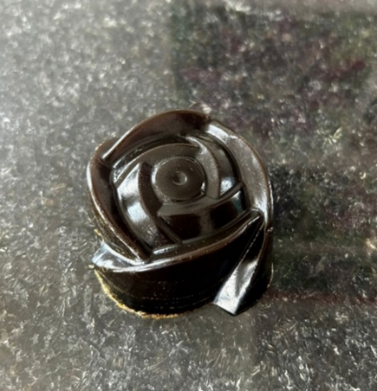
  1. Determination of clarity, color, and odor - Color and clarity were checked against a white background by naked eyes and odor was checked by smelling.

Fig.No.5. Determination of clarity, color and odor.
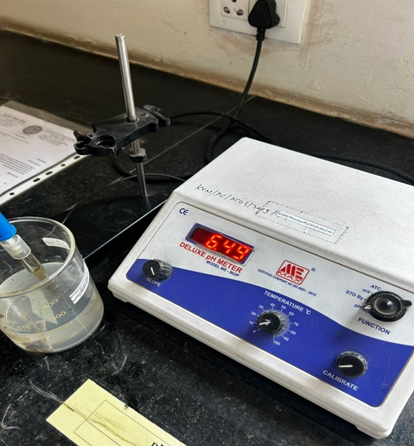
  1. pH - The pH of the prepared soap was assessed by touching a pH strip to the freshly formulated soap and conjointly by dissolving 1 g in 10 ml water with the help of digital pH meter.

Fig.No.6. pH test

  1. Determination of percentage free alkali - About 5 g of sample was added to 50 ml of neutralized alcohol and was boiled for 30 min under reflux on a water bath, then cooled and to it 1 ml of phenolphthalein solution was added. It was then titrated immediately with 0.1 N HCL.
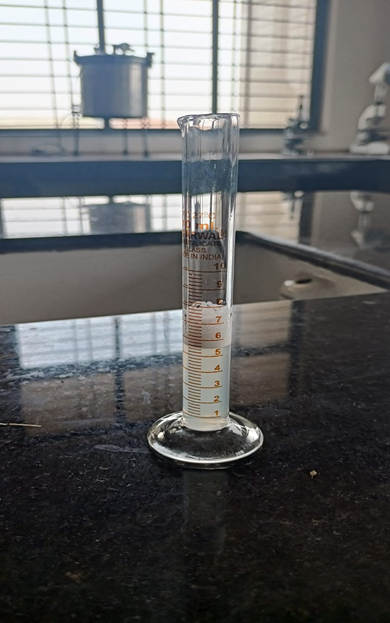
  2. Foam height - 0.5 g of sample of soap was dispersed in 25 ml distilled water. Then, transferred it into 100 ml measuring cylinder and the volume was made up to 50 ml with water. Twenty-five strokes were given and allowed to stand till aqueous volume measured up to 50 ml and the foam height above the aqueous volume was measured.
  3. Foam retention - About 1% soap solution was prepared and from this, 25 ml was taken in a 100 ml measuring cylinder. The cylinder was covered with hand and shaken for 10 min. The volume of foam at 1 min intervals for 4 min was recorded.

Fig:7. foam test

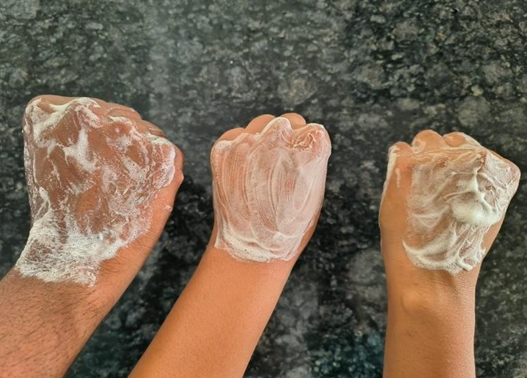
  1. Irritability - The Irritation test can be used to determine if a material or chemical will cause local irritation in the skin, mucosal, or ocular tissues. In this test, were taken 3 volunteers and they were allowed to apply formulated soap on skin to determine irritation action.

Fig.No.8. Irritability test

 RESULT AND DISCUSSION

Table.No.2. Evaluation parameter

SR.  NO.

TESTS


RESULTS


F1

F2

F3

1.

Color

Dark brown

Dark brown

Dark brown.

2.

Odor

No odour

Pleasant and coffee fragrance

Pleasant and coffee fragrance

3.

Appearance

Sticky

Good

Good

4.

Size

6cm x 2.7cm and 6.5cm x 2cm

6cm x 2.7cm and

6.5cm x 2cm

6cm x 2.7cm and

6.5cm x 2cm

5.

Shape

Circular in shape.

Circular in shape.

Circular in shape.

6.

Texture

Rigid

Smooth

Smooth

7.

pH

7.45

6.49

6.59

8.

Foam height

5cm

5cm

7cm

9.

Foam retention

2min

2min

3min

CONCLUSION      

pH, appearance , odour, foaming index, foam retention time which exhibited satisfactory result. From the results obtained the third batch that is F3 batch showed satisfactory results. Herbal Detain Soap is typically marketed as a natural skin care product that combines herbal extracts with cleansing agents and tan removing and skin whiting While the exact benefits may vary depending on the ingredients used, here are some commonly claimed advantages Ingredients: Usually made with plant-based extracts like coffee, vitamin E , aloe vera, and coconut oil. Gentle on the skin, especially for sensitive skin types.

RESULT

pH, appearance , odour, foaming index, foam retention time which exhibited satisfactory result. From the results obtained the third batch that is F3 batch showed satisfactory results.  The herbal soap satisfies all the condition with all parameter test

FUTURE PROSPECTIVE : In future other ingredient like rice, turmeric can be use. The herbal bilayer soap can also can be prepared.

REFERENCES

  1. A.Attaullah, A.Govindarajulu, A Review On Formulation Of Herbal Soap Against Acne Causing Bacteria,Asian Journal Of Biological And Life Sciences, Vol 10, Issue 3, Dec,2021
  2. A.Ghanwat, S.Wayzod,A Review On Formulation And Evaluation Of Herbal Soap,Current Trends In Pharmacy And Pharmaceutical Chemistry, 2(2), 2020, 21-26
  3. A.Majumdar, B.Thakkar, A ReviewOn Herbal Soap- Trends, Benefits And Preparation, Acta Scientific NUTRITIONAL HEALTH, Volume 7 Issue 9 September 2023, 10-15 (ISSN:2582-1423)
  4. Afsar, Z., Khanam, S.,. Formulation and comparative evaluation of polyherbal preparations for their disinfectant effects, 1 (1), 54-65.(2018).
  5. Amit, J., Subodh, D., Potential of herbs as cosmaceuticals. International Journal of Research in Ayurveda and Pharmacy (IJRAP), 1(1), 71-77.(2010).
  6. B.Saurav, Prof.B.Gorakh,A Review On Herbal Soap,Journal Of Emerging Technologies And Innovative Research,Vol.9, Issue 12,Dec.2022 Combination Of Three Natural Plant Extracts And Development Of A Herbal Soap,Pharmaceutical Sciences Asia,48(6), 523-534,2021
  7. Dhanasekaran, M. International research journal of pharmacy. 7(2), 31-35.(2016).
  8. J.P.Rajput,A Review On Herbal Soap,World Journal Of Biology Pharmacy And Health Sciences,Volume16(03), 188–193,2023
  9. Joshi, M. G., Kamat, D. V,. Evaluation of herbal handwash formulation.7 (5), 413-
  10. K.Ruckmani, R.Krishnamoorthy, CFormulation Of Herbal Bath Soap From Vitex Negundo Leaf Extract,Journal Of Chemical And Pharmaceutical Sciences, Issue 2: Oct.2014
  11. Kapoor, V. P. . Herbal cosmetics for skin and hair care.4(4). 306-315.(2005).
  12. Kumar, K. P., Bhowmik, D., Traditional Indian Herbal Plants Tulsi and Its Medicinal Importance. Research Journal of Pharmacognosy and Phytochemistry, 2(2), 93101.(2010).
  13. N.Wijayawardhana, D.Cooray, B.Jayasuriya,A Review On Antimicrobial Activity Of A
  14. Niharika, A., Aquicio, J. M.,  Antifungal properties of neem (Azadirachta indica) leaves extract to treat hair dandruff. E-ISRJ, 2, 244-52.(2010).
  15. R.B.Saudagar, M.H.Sisodiya,A Review On Herbal Cosmetics, World Journal Of Pharmaceutical Research, Vol 7, Issue 7, 573-591,Issn 2277– 7105
  16. R.K.Ahire, R.M.Ahire,A Review On: Herbal Soap,International Journal For Multidisciplinary Research,Vol 5,Issue 6, Nov.2023
  17. R.M.Chandira, A Review On Formulation And Evaluation Of Herbal Soap By Using Melt And Pour Method,Indian Journal Of Natural Sciences,Vol.13,Issue 72,June,2022,ISSN: 0976 – 0997
  18. S.K.Sharma, S.Singh ,A Review On Antimicrobial Herbal Soap Formulation, Journal Of Pharmaceutical Research International, 32(36): 82-88, 2020.
  19. Shivanand, P., Nilam, M., . Herbs play an important role in the field of cosmetics. International Journal of PharmTech Research, 2(1), 632-639.(2010).
  20. Y.D.Pardeshi, V.R.Patel, A Review On Formulation And Evaluation Of A Herbal Soap From tridaxprocumbens, International Journal Of Pharmaceutical Sciences, Vol 2, Issue 1, 214-227, 2024

Reference

  1. A.Attaullah, A.Govindarajulu, A Review On Formulation Of Herbal Soap Against Acne Causing Bacteria,Asian Journal Of Biological And Life Sciences, Vol 10, Issue 3, Dec,2021
  2. A.Ghanwat, S.Wayzod,A Review On Formulation And Evaluation Of Herbal Soap,Current Trends In Pharmacy And Pharmaceutical Chemistry, 2(2), 2020, 21-26
  3. A.Majumdar, B.Thakkar, A ReviewOn Herbal Soap- Trends, Benefits And Preparation, Acta Scientific NUTRITIONAL HEALTH, Volume 7 Issue 9 September 2023, 10-15 (ISSN:2582-1423)
  4. Afsar, Z., Khanam, S.,. Formulation and comparative evaluation of polyherbal preparations for their disinfectant effects, 1 (1), 54-65.(2018).
  5. Amit, J., Subodh, D., Potential of herbs as cosmaceuticals. International Journal of Research in Ayurveda and Pharmacy (IJRAP), 1(1), 71-77.(2010).
  6. B.Saurav, Prof.B.Gorakh,A Review On Herbal Soap,Journal Of Emerging Technologies And Innovative Research,Vol.9, Issue 12,Dec.2022 Combination Of Three Natural Plant Extracts And Development Of A Herbal Soap,Pharmaceutical Sciences Asia,48(6), 523-534,2021
  7. Dhanasekaran, M. International research journal of pharmacy. 7(2), 31-35.(2016).
  8. J.P.Rajput,A Review On Herbal Soap,World Journal Of Biology Pharmacy And Health Sciences,Volume16(03), 188–193,2023
  9. Joshi, M. G., Kamat, D. V,. Evaluation of herbal handwash formulation.7 (5), 413-
  10. K.Ruckmani, R.Krishnamoorthy, CFormulation Of Herbal Bath Soap From Vitex Negundo Leaf Extract,Journal Of Chemical And Pharmaceutical Sciences, Issue 2: Oct.2014
  11. Kapoor, V. P. . Herbal cosmetics for skin and hair care.4(4). 306-315.(2005).
  12. Kumar, K. P., Bhowmik, D., Traditional Indian Herbal Plants Tulsi and Its Medicinal Importance. Research Journal of Pharmacognosy and Phytochemistry, 2(2), 93101.(2010).
  13. N.Wijayawardhana, D.Cooray, B.Jayasuriya,A Review On Antimicrobial Activity Of A
  14. Niharika, A., Aquicio, J. M.,  Antifungal properties of neem (Azadirachta indica) leaves extract to treat hair dandruff. E-ISRJ, 2, 244-52.(2010).
  15. R.B.Saudagar, M.H.Sisodiya,A Review On Herbal Cosmetics, World Journal Of Pharmaceutical Research, Vol 7, Issue 7, 573-591,Issn 2277– 7105
  16. R.K.Ahire, R.M.Ahire,A Review On: Herbal Soap,International Journal For Multidisciplinary Research,Vol 5,Issue 6, Nov.2023
  17. R.M.Chandira, A Review On Formulation And Evaluation Of Herbal Soap By Using Melt And Pour Method,Indian Journal Of Natural Sciences,Vol.13,Issue 72,June,2022,ISSN: 0976 – 0997
  18. S.K.Sharma, S.Singh ,A Review On Antimicrobial Herbal Soap Formulation, Journal Of Pharmaceutical Research International, 32(36): 82-88, 2020.
  19. Shivanand, P., Nilam, M., . Herbs play an important role in the field of cosmetics. International Journal of PharmTech Research, 2(1), 632-639.(2010).
  20. Y.D.Pardeshi, V.R.Patel, A Review On Formulation And Evaluation Of A Herbal Soap From tridaxprocumbens, International Journal Of Pharmaceutical Sciences, Vol 2, Issue 1, 214-227, 2024

Photo
Vishakha Nagare
Corresponding author

Department of Pharmaceutics, Krantiveer Vasantrao Narayanrao Naik Shikshan Prasarak Sanstha's Institute of Pharmaceutical Education and Research, Nashik, Maharashtra, India 422002

Photo
Pratiksha Marathe
Co-author

Department of Pharmacognosy, Krantiveer Vasantrao Narayanrao Naik Shikshan Prasarak Sanstha's Institute of Pharmaceutical Education and Research, Nashik, Maharashtra, India 422002

Photo
Aniket Vinchu
Co-author

Department of Pharmaceutics, Krantiveer Vasantrao Narayanrao Naik Shikshan Prasarak Sanstha's Institute of Pharmaceutical Education and Research, Nashik, Maharashtra, India 422002

Photo
Amol Pawar
Co-author

Department of Pharmaceutics, Krantiveer Vasantrao Narayanrao Naik Shikshan Prasarak Sanstha's Institute of Pharmaceutical Education and Research, Nashik, Maharashtra, India 422002

Photo
Dr. Avinash Darekar
Co-author

Department of Pharmaceutics, Krantiveer Vasantrao Narayanrao Naik Shikshan Prasarak Sanstha's Institute of Pharmaceutical Education and Research, Nashik, Maharashtra, India 422002

Vishakha Nagare, Pratiksha Marathe, Aniket Vinchu, Amol Pawar, Dr. Avinash Darekar, Formulation and Evaluation of a Single-Layer Herbal Soap: Harnessing Nature for Enhanced Skin Health, Int. J. of Pharm. Sci., 2025, Vol 3, Issue 7, 589-598. https://doi.org/10.5281/zenodo.15805163

More related articles
Digital Technologies in Cosmetic Science...
Chandani Kamble, Mahima Magadum, ...
TRANSVERSE MYELITIS : A Rare Case Report...
Vankodoth sireesha, Tadikonda Rama Rao, Y. Pravarsha, Sumaya Suma...
Regulatory Role of Inflammatory and Pro-Inflammato...
S. Vignesh, Parthasarathi V., Manikandan K., Hemalatha S., Vibhan...
Characterization of Melittin from Honey Bee Venom using Analytical Methods...
Nandita Tangale, Dr. Preeti Sable, Dr. Shushama Vaishnav, Dr. Praveen Wakte, ...
Cyclodextrin-Based Inclusion Complex as a Solubility Enhancement Technique: A Co...
Walale Vaibhav, Patwekar Shailesh, Pooja Dhaigude, Geeta More, ...
From Folk Remedy to Future Pharmacy: Emerging Insights into Synedrella nodiflora...
Vrushabh Patil, Trupti Haral, Gitanjali Gadpayle, Monika Ghodke, Adesh Tandale , Ramling Mali , ...
Related Articles
Polyherbal Facewash Formulations: A Comprehensive Review...
Sonawane Divya, Jangam Sampada, Deshmukh Aarti, Wankhede Sagar, ...
Digital Technologies in Cosmetic Science...
Chandani Kamble, Mahima Magadum, ...
More related articles
Digital Technologies in Cosmetic Science...
Chandani Kamble, Mahima Magadum, ...
TRANSVERSE MYELITIS : A Rare Case Report...
Vankodoth sireesha, Tadikonda Rama Rao, Y. Pravarsha, Sumaya Sumaya , Kompalli Varun, ...
Regulatory Role of Inflammatory and Pro-Inflammatory Cytokines in Rheumatoid Art...
S. Vignesh, Parthasarathi V., Manikandan K., Hemalatha S., Vibhanshu Raj, Dr. Srinivasan R., Dr. Raj...
Digital Technologies in Cosmetic Science...
Chandani Kamble, Mahima Magadum, ...
TRANSVERSE MYELITIS : A Rare Case Report...
Vankodoth sireesha, Tadikonda Rama Rao, Y. Pravarsha, Sumaya Sumaya , Kompalli Varun, ...
Regulatory Role of Inflammatory and Pro-Inflammatory Cytokines in Rheumatoid Art...
S. Vignesh, Parthasarathi V., Manikandan K., Hemalatha S., Vibhanshu Raj, Dr. Srinivasan R., Dr. Raj...