View Article

Abstract

The aim of this study is to know about the herbal extract used in the treatment of acne which is the common problem in adults. There are many compounds present in the herbal form which are commonly used in treatment of acne like aloe vera, honey, turmeric, neem, rice, beetroot, tea tree oil, clove oil and many more. Individual herbal extract has their own specific properties which play an important role in the treatment of acne. Aloe vera properties has been known from reports about its moisturising, antiacne, antibacterial, smoother skin properties and help removing acne scars. According to reports, tea tree oil and clove oil contain antiviral, anti-inflammatory, antioxidant, and anti-acne qualities.

Keywords

Aloe vera, Honey, Turmeric, Neem, Rice, Beetroot, Tea Tree Oil, Clove Oil, Antiacne, Herbal

Introduction

1.1 Skin:

Skin is the largest organ of the body because it covers about 15% of the total body weight of an adult. It has various functions like body temperature regulation, protects the body from external factors it can be physical, chemical or biological and prevents the excessive absorption of water in body

1.2 Layers of skin:

1.2.1 Epidermis layer: the epidermis layer of skin is the outermost layer of skin. It basically provides protection against external factors like heat, water, insects, etc. It acts like a waterproof barrier to the body which prevents excessive absorption of water.
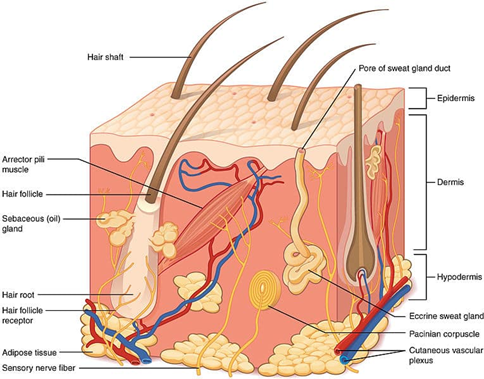


1.2.2 Dermis layer: the dermis layer is present beneath the epidermis layer of the skin. Dermis layer consists of tough connective tissue, sweat glands and hair follicles.

1.2.3 Hypodermis layer: the hypodermis layer of the skin is the innermost layer of the skin. It is also known as subcutaneous layer thus this layer consists of fats.

2.Acne vulgaris:

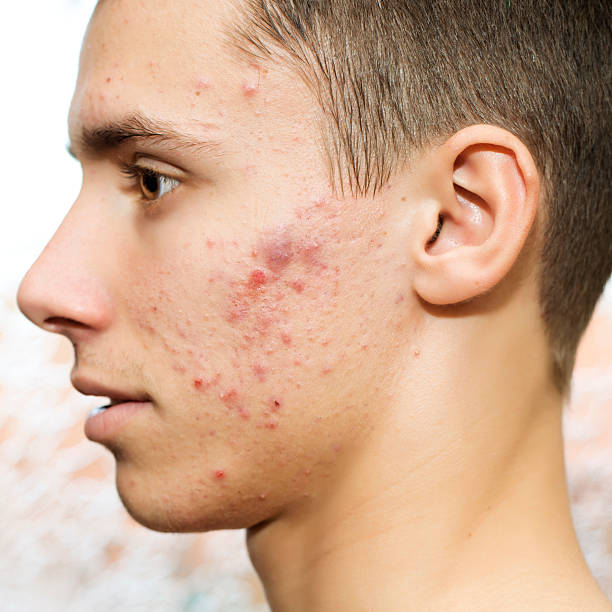
 Acne vulgaris or acne is a human skin condition, is characterized by seborrhea, or scaly, red skin, blackheads, and Pimples, scarring, big papules (nodules), whiteheads (comedones), and pinheads (papules). Skin area with thick sebaceous follicles, such as the chest, back, and face is more affected by acne. It can be Inflammatory and non-inflammatory types of acne both possible. Increase stimulation in Androgen causes lesions because it changes the pilosebaceous units. In both women and men, acne typically occurs by an increase in androgen levels, such as testosterone, mainly during puberty. With age, acne tends to diminish and eventually go away.


2.1 Epidemiology:

About 9.4% of the population is affected by acne which was reported in 2010. It mainly affects people during their teenage years or sometimes at adulthood this commonly occur during the time of puberty because of hormonal imbalance its reported about 90%. 20% of people suffer from moderate to severe conditions of acne which leads to lowering self confidence in an individual. Females are more affected by the acne as compared to males, in females its about 9.8% and in males its 9.0%. Acne as skin condition is common in people, about 90% of population is suffering from acne.

2.2 Etiology:

Acne basically occurs due to the blockage of follicles, over production of keratin, a tough protein leads to blockage of follicles and cause acne. Excessive androgen production, sebaceous glands are enlarged and sebum production is increased. Blackheads may occur due to the enlargement of sebum. The blockage leads to the failure of cells to shed normally and results in acne.
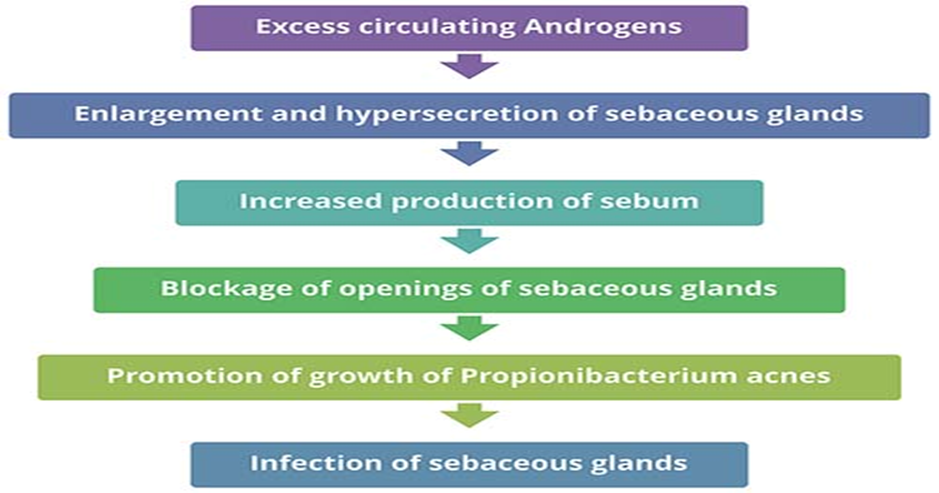


There are various factors by which the acne occurs, some of them are mentioned below -
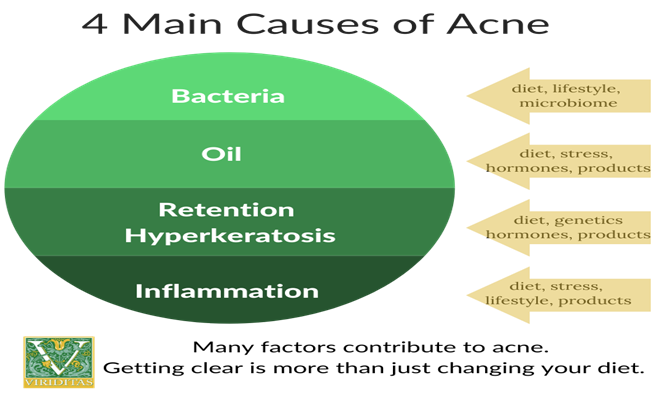
  • Environmental factors: Excessive humidity, dust, dirt, chemicals, over sweating, etc. are involved in cause of acne.
  • Drugs:  drugs which increases oil production like Phenytoin, Isoniazid, Phenobarbital, Lithium, Ethionamide, Steroids, Azathioprine, Quinine and Rifampin causes acne.
  • Hormonal: hormonal imbalance lead to the main cause of acne. Menstrual cycle and puberty also cause acne. At the time of puberty, the androgen  level increase which leads to the follicular gland enlargement and increase the sebum production.
  • Psychological: according to studies there has been reported that increased stress level can cause acne. Sleep cycle and proper sleep also play an important role in the cause of acne. Rest is important for the body less the rest more the stress, thus results in acne.
  • Infectious: an anaerobic bacterium species known as Propionibacterium acnes(P. acnes) which is commonly responsible for acne.


2.3 Pathogenesis:

Acne is brought on by bacterial growth and inflammation in the pilosebaceous units. The body's hormone levels change the pilosebaceous gland's function, which causes acne. Stronger intracellular adhesions and less shedding are the outcomes of follicular epithelial cells' abnormal differentiation. As a result, microcomedones or hyperkeratotic plugs form that develop into open or closed, non-inflammatory comedones. The primary cause of acne is androgens, which trigger the creation of sebum. Generation that alters the skin's normal composition and causes comedones to grow flora is associated with the production of androgen related.

Herbal ingredients used in management of acne vulgaris:

Aloe-vera:
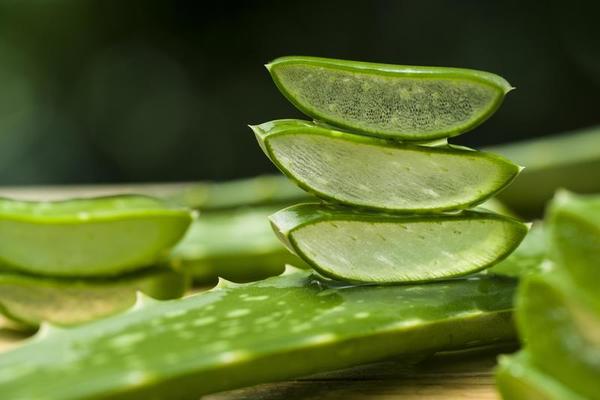


Synonyms: Aloe, Aloe Indica

Biological name: Aloe Barbadensis

Biological Source: Dried Juice of the leaves of Aloe barbadensis Miller (curacao aloes), Aloe perryi Baker (socotrine aloes).

Family: Liliaceae

Chemical constituent:

  •  

Uses:

  • Aloe vera can also be used to moisturize and soften skin.
  • Aloe vera has the ability to reduce facial pigmentation and dark patches

Properties:

  • Antibacterial Activity
  • Anti-inflammatory
  • Antiacne

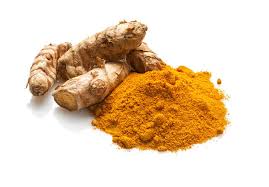
Turmeric:


Synonyms:Indian saffron, haldi

Biological name: curcuma longa

Biological source: dried rhizomes of curcuma longa.

Family: zingiberaceae

Chemical constituents:

  • Curcumin
  • Curcuminoids

Uses:

  • Commonly used as a spices.
  • Used as colouring agent.
  • Used in various medications.

Properties:

  • Antioxidant
  • Antimicrobial
  • Anti-inflammatory
  • Anti-septic

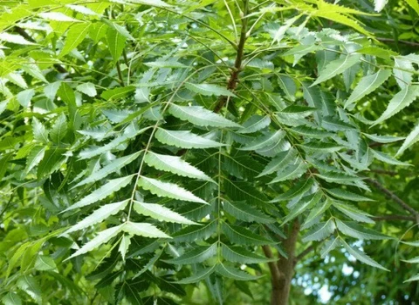
Neem:


Synonyms: Holy tree, Indian lilac, margosa

Biological name: Azadirachta indica

Biological source: aerial parts of the plant, azadirachta indica. These includes leaves, bark and seed.

Family: meliaceae

Chemical constituents:

  • Nimbin
  • Quercetin

Uses:

  • Reduce acne.
  • Reduce bacterial growth.
  • Used in preparation of dental products and hair products.

Properties:

  • Anti-fungal
  • Anti-microbial
  • Anti- inflammatory
  • Anti-acne
  • Anti-ulcer

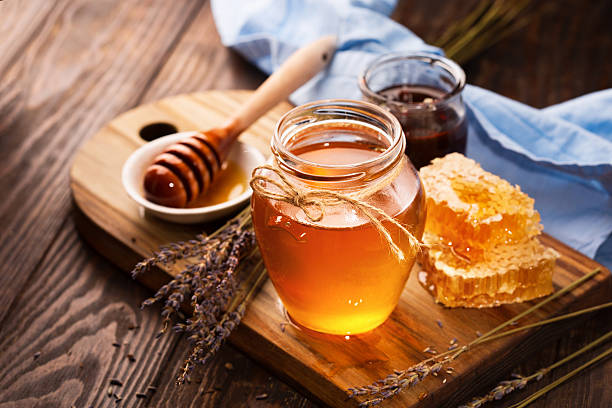
Honey:


Synonyms: madhu, mel

Biological name:

Biological source: a sweet secretion made by various species of bees, such as apis mellifera, apis indica and apis dorsata. The bees collect nectar  from flowers and convert it into honey through enzymatic action.

Family: Apidae

Chemical constituents:

  • Maltose
  • Glucose

Uses:

  • Improve skin appearance
  • Provide hydration to skin
  • Nourish skin

Properties:

  • Anti-bacterial
  • Antioxidant

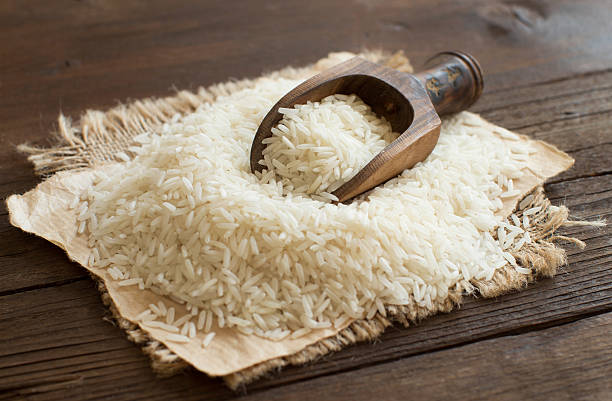
Rice:


Synonyms: Asian rice, Indian rice.

Biological name: Oryza sativa

Biological source: dried plant of Oryza sativa

Family: poaceae

Chemical constituent:

  • Starch
  • Protein
  • Lipids(fats)
  • Dietary fibre
  • Vitamin & minerals

Uses:

  • Exfoliating
  • Skin brightening
  • Moisturizing
  • Anti-aging

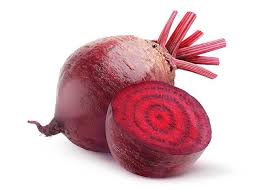
Beetroot:


Synonyms: beet, garden beet, sugar beet, swiss chard, mangold

Biological name: beta vulgaris

Biological source: the fresh root of the beta vulgaris plant.

Family: amaranthaceae

Chemical constituents:

  • Betalains
  • Flavonoids
  • Polyphenols
  • Vitamin C

Uses:

  • Used to reduce pigmentation and blemishes.
  • Provides hydration and nourishment to the skin.
  • Fights acne and controls oily skin
  • Helps to reduce dark circles and puffiness.
  • Boosts blood circulation for natural glow.

Properties:

  • Antioxidant
  • Anti-inflammatory
  • Anti-acne
  • Anti-aging
  • Skin-rejuvenation

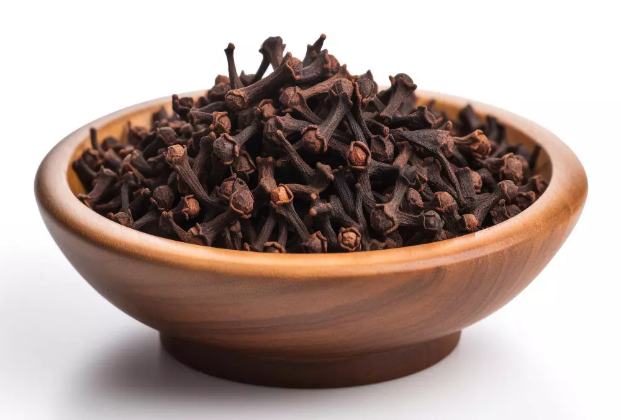
Clove:


Synonyms: Caryophyllum, Clove Flower, Clove bud, Lavang

Biological Source: It consists Dried flower buds of Eugenia Caryophyllus

Family: Myrtaceae

Chemical Constituents:

  • Volatile oil
  • Eugenol
  • Acetyl Eugenol
  • Tannin

Uses:

  • Commonly used as spice.
  • Used in beverages.
  • Used in dental products.
  • Helps to relief pain due to presence of eugenol.

Properties:

  • Anti-microbial Properties
  • Antioxidant Properties
  • Anti-inflammatory
  • Anti -viral activity

Tea tree oil:


Synonym: Paperbark tree

Biological name:melaleuca alternifolia

Biological Source: Extract from dried leaves and terminal branches of Melaleuca alternifolia

Family: Myrtaceae

Chemical Constituents:

  • Terpinene-4-ol
  • Gamma-Terpinene
  • A-Terpinene Terpinolene

Uses:

  • Used in fungal infections.
  • Helps in reducing itching , redness and dryness.
  • Act as anti-septic for minor wounds

Properties:

  • Anti-acne
  • Antiviral
  • Anti-bacterial
  • Anti-fungal

CONCLUSION

The study investigated the herbal extract used in the treatment of acne vulgaris. There are various properties in different herbal extracts like antioxidants, anti-inflammatory, antimicrobial, anti-acne, anti-fungal, anti-bacterial etc in herbal product aloe vera, turmeric, neem, beetroot, honey, rice, clove, tea tree oil, these all properties are present in extracts, thus involves in the treatment of acne. Acne leaves marks known as pigmentation can also be treated at the same time. Extracts with antioxidant properties are responsible for reducing the pigmentation.

REFERENCES

  1. Yogita Sharma, Sandeep Sharma, Richa Ohri(2024). Formulation and Evaluation of Herbal Antiacne Cream. Journal of Advancement in Pharmacognosy Volume 4 Issue 2,24 pp 34-47.
  2. Rohini Lal, Dipali Pagire(2023). Antiacne Herbal Cream. International Journal for Research in Applied Science & Engineering Technology (IJRASET)Volume 11 Issue V May 2023 pp 2191-2199.
  3. Chandrashekhar B. Badwaik, Updesh B. Lade, Tikesh Agarwal, Prachi Barsagade, Madhuri Nandgave, Nilam Gaddamwar(2022).Formulation and Evaluation of Herbal Face Cream.International Journal of Pharmaceutical Research and Applications Volume 7, Issue 1 Jan-Feb 2022, pp: 955-960.
  4. Mahendran Sekar and Fouzia Hanim Abdul Halim(2017).Formulation and Evaluation of Natural Anti-Acne Cream Containing Syzygium samarangense Fruits Extract.Annual Research & Review in Biology17(3): 1-7, 2017; Article no.ARRB.36467 pp 1-7.
  5. G.Sailakshmi, Naga Subrahmanyam S, P. D. Neelima, Suvarna Jyothi Navuduri(2025). Beetroot in Modern Herbal Cosmetology: Multifunctional Face Packs for Healthy, Glowing Skin.Sailakshmi G, et al., Int Jou of Zoo, Env and Lif Sci, Vol.2, Iss.3, 2025: pp11-15.
  6. P.A.M. Sucharitha, K. Padmasree, K. Kiran Kumar Reddy, G. Sneha Latha Reddy, K. Manoj Kumar, S. Kalapana, S. Nelson Kumar(2025). Preparation and Evaluation of Poly Herbal Anti-Acne Cream. International Journal of Pharmacognosy and Chemistry pp 5-8.
  7. AK Mohiuddin(2019). A Comprehensive Review of Acne Vulgaris.Journal of Clinical PharmacyVol: 1, Issu: 1 pp 17-45.
  8. Manoj A. Suva, Ankita M. Patel, Neeraj Sharma, Chandrayee Bhattacharya, Ravi K. Mangi(2014). A Brief Review on Acne Vulgaris: Pathogenesis, Diagnosis and Treatment.Research & Reviews: Journal of Pharmacology Volume 4, Issue 3 pp 1-12.
  9. Eskandar Moghimipour , Amir Siahpoosh, Reza Yaghoobi, Alireza Malayeri, Fatemeh Faramarzi(2012). Clinical trial of a herbal topical cream in treatment of Acne vulgaris.American Jounral of PharmTech Research. 2012; 2(2) pp 263-271.
  10. Tiana Milanda, Ade Zuhrotun, Ulya Nabila, Vesara A. Gathera, Arif S.W Kusuma(2021).Antibacterial Activity of Red yeast rice Extract against Propionibacterium acnes ATCC 11827 and Methicilin-Resistant Staphylococcus aureusClinical Pharmacy Research Volume 6 No. 2 August 2021 pp 83-92.
  11. Elin Julianti *, Kasturi K. Rajah and Irda Fidrianny(2017).Antibacterial Activity of Ethanolic Extract of Cinnamon Bark, Honey,

Reference

  1. Yogita Sharma, Sandeep Sharma, Richa Ohri(2024). Formulation and Evaluation of Herbal Antiacne Cream. Journal of Advancement in Pharmacognosy Volume 4 Issue 2,24 pp 34-47.
  2. Rohini Lal, Dipali Pagire(2023). Antiacne Herbal Cream. International Journal for Research in Applied Science & Engineering Technology (IJRASET)Volume 11 Issue V May 2023 pp 2191-2199.
  3. Chandrashekhar B. Badwaik, Updesh B. Lade, Tikesh Agarwal, Prachi Barsagade, Madhuri Nandgave, Nilam Gaddamwar(2022).Formulation and Evaluation of Herbal Face Cream.International Journal of Pharmaceutical Research and Applications Volume 7, Issue 1 Jan-Feb 2022, pp: 955-960.
  4. Mahendran Sekar and Fouzia Hanim Abdul Halim(2017).Formulation and Evaluation of Natural Anti-Acne Cream Containing Syzygium samarangense Fruits Extract.Annual Research & Review in Biology17(3): 1-7, 2017; Article no.ARRB.36467 pp 1-7.
  5. G.Sailakshmi, Naga Subrahmanyam S, P. D. Neelima, Suvarna Jyothi Navuduri(2025). Beetroot in Modern Herbal Cosmetology: Multifunctional Face Packs for Healthy, Glowing Skin.Sailakshmi G, et al., Int Jou of Zoo, Env and Lif Sci, Vol.2, Iss.3, 2025: pp11-15.
  6. P.A.M. Sucharitha, K. Padmasree, K. Kiran Kumar Reddy, G. Sneha Latha Reddy, K. Manoj Kumar, S. Kalapana, S. Nelson Kumar(2025). Preparation and Evaluation of Poly Herbal Anti-Acne Cream. International Journal of Pharmacognosy and Chemistry pp 5-8.
  7. AK Mohiuddin(2019). A Comprehensive Review of Acne Vulgaris.Journal of Clinical PharmacyVol: 1, Issu: 1 pp 17-45.
  8. Manoj A. Suva, Ankita M. Patel, Neeraj Sharma, Chandrayee Bhattacharya, Ravi K. Mangi(2014). A Brief Review on Acne Vulgaris: Pathogenesis, Diagnosis and Treatment.Research & Reviews: Journal of Pharmacology Volume 4, Issue 3 pp 1-12.
  9. Eskandar Moghimipour , Amir Siahpoosh, Reza Yaghoobi, Alireza Malayeri, Fatemeh Faramarzi(2012). Clinical trial of a herbal topical cream in treatment of Acne vulgaris.American Jounral of PharmTech Research. 2012; 2(2) pp 263-271.
  10. Tiana Milanda, Ade Zuhrotun, Ulya Nabila, Vesara A. Gathera, Arif S.W Kusuma(2021).Antibacterial Activity of Red yeast rice Extract against Propionibacterium acnes ATCC 11827 and Methicilin-Resistant Staphylococcus aureusClinical Pharmacy Research Volume 6 No. 2 August 2021 pp 83-92.
  11. Elin Julianti *, Kasturi K. Rajah and Irda Fidrianny(2017).Antibacterial Activity of Ethanolic Extract of Cinnamon Bark, Honey,

Photo
Bhoomika Sahu
Corresponding author

Rungta Institute of Pharmaceutical Sciences, Kohka Bhilai, 490024

Photo
Praveen Kumar Sahu
Co-author

Rungta Institute of Pharmaceutical Sciences & Research, Bhilai

Photo
Dr. Gyanesh Kumar Sahu
Co-author

Rungta Institute of Pharmaceutical Sciences & Research, Bhilai.

Photo
Dr. Chanchal Deep Kaur
Co-author

Rungta Institute of Pharmaceutical Sciences, Bhilai

Bhoomika Sahu, Praveen Kumar Sahu, Dr. Gyanesh Kumar Sahu, Dr. Chanchal Deep Kaur, Topical Herbal Agent for Management of Acne: A Comprehensive Review of Ingredients, Int. J. of Pharm. Sci., 2026, Vol 4, Issue 4, 183-190 https://doi.org/10.5281/zenodo.19383416

More related articles
Overview of Regulatory Guidelines for Stability st...
Parag Mangilal Lalwani , R. B. Darade, ...
Evolution of AI in Pharmacy Operations, Pharmaceut...
D. Hemanth Mani Kamal, A. Venkateswara Rao, D. Lavanya, D. Baby, ...
Bryophyllum Pinnatum Leaf Extract In Treatment Of ...
Sidra Choudhary , Vedanti Bhoir , Riya Bhoir, Chanchal Bhoir, ...
Targeting Alzheimer's Disease: A Comprehensive Review of Current Drug Targets, ...
C. Rejitha, A.Hari Nandhini, R. Thelshath, Rajaganapathy Kaliyaperumal, S. Latha, ...
Development and Characterization of The Celecoxib Matrix Tablet...
Prashil Dhumale, Ab Ahesan Ab Faruk, Shyamkumar Dabhade, Vaishnavi Gole, Dipali Doifode, ...
UV Spectophotometric Method Development & Validation in Bulk Drugs and In Tablet...
Pavan Kumar, A. Naga Akshay Kumar, D. Pooja, S. k. Mastan Valli, Y. Yamini, ...
Related Articles
Enhance Penetration Of Diclofenac Gel With Using Hemp Seed Oil As A Penetration ...
Raj Kumar, Vipin Kumar Sharma, Raghav Dixit , Madhav Mohan, ...
Practical View Of Shushkamuladyam Tail Liniment Preparation...
Dilipchandra Yadav, Anjana Hansraj yadav, ...
Phytosome: Unlocking the Therapeutic Potential of Herbal Phytoconstituents...
Rahana Raveendran, Aswathi D, Kavya Raveendran, Aiswariya A, Aswathi P, ...
Formulation And Evaluation Of Herbal Shampoo With Goat Milk...
Prasad Rodge, Mayur Bagul, Nilesh Bagal, Utkarsh Bhamare, Utkarsha Chaudhari, ...
More related articles
Evolution of AI in Pharmacy Operations, Pharmaceutical Manufacturing and ADR Sur...
D. Hemanth Mani Kamal, A. Venkateswara Rao, D. Lavanya, D. Baby, ...
Bryophyllum Pinnatum Leaf Extract In Treatment Of Kidney Stones...
Sidra Choudhary , Vedanti Bhoir , Riya Bhoir, Chanchal Bhoir, ...
Evolution of AI in Pharmacy Operations, Pharmaceutical Manufacturing and ADR Sur...
D. Hemanth Mani Kamal, A. Venkateswara Rao, D. Lavanya, D. Baby, ...
Bryophyllum Pinnatum Leaf Extract In Treatment Of Kidney Stones...
Sidra Choudhary , Vedanti Bhoir , Riya Bhoir, Chanchal Bhoir, ...