View Article

Abstract

A simple, precise, accurate, and economical zero-order derivative UV spectrophotometric method was developed and validated for the quantitative estimation of Dapagliflozin in bulk drug and tablet dosage form. Methanol was selected as the solvent based on solubility studies. Background: Type 2 Diabetes Mellitus is a chronic metabolic disorder that requires effective therapeutic management and strict quality control of antidiabetic medications. Dapagliflozin, a sodium-glucose co-transporter-2 (SGLT2) inhibitor, is widely used in the treatment of this condition. Reliable analytical methods are essential for the quantitative estimation in pharmaceutical formulations. Methods: Methanol was selected as the solvent based on solubility studies. The maximum absorption wavelength (?max) was found to be 224 nm after scanning in the UV range of 200-400 nm. Beer-Lambert’s law was obeyed in the concentration range of 2-10 µg/mL. The method was validated for linearity, accuracy, precision, robustness, ruggedness, limit of detection (LOD), and limit of quantification (LOQ). Results: The calibration curve showed excellent linearity with a regression equation of Y = 0.085X + 0.002 and a correlation coefficient (r²) of 0.999. Accuracy studies showed recoveries between 99.2% and 100.1%, while precision studies demonstrated %RSD values below 2%. The LOD and LOQ indicated the good sensitivity. Assay of tablet formulations showed drug content within 99.5-100.3%. Conclusion: The developed method is simple, rapid, accurate and suitable for quality control analysis of dapagliflozin in pharmaceutical dosage forms.

Keywords

Dapagliflozin, Zero order, UV spectrophotometry, Method Development and Validation, Pharmaceutical Analysis.

Introduction

Analytical chemistry plays a fundamental role in pharmaceutical sciences and serves as a critical component for ensuring that medications are safe, potent, and maintain superior quality standards. Each pharmaceutical product, spanning from initial development phases through final patient administration, requires thorough examination through analytical procedures [1]. The effectiveness of any medication relies heavily on the precision and dependability of these analytical evaluations [2]. Quality assurance within the pharmaceutical sector relies on analytical methodologies to guarantee that medications comply with established requirements [3]. These evaluations verify that pharmaceutical products are safe for consumption, possess appropriate concentrations of active components, and retain their potency throughout their designated storage period. In the absence of validated and reliable analytical procedures, maintaining uniformity and trustworthiness in pharmaceutical products becomes unattainable [4].

1.1 Role of Analytical Chemistry in the Pharmaceutical Industry:

Analytical chemistry is essential for connecting pharmaceutical research with clinical applications during drug discovery analytical tools are used to identify chemical compounds and study their physical properties during formulation [5]. It will make sure that the final product is stable and effective analytical testing checks that each batch of the pharmaceutical product meets predetermined quality standards throughout manufacturing & performing degradation studies, stability tests and impurity analyses to make sure that the product quality stays high [6].

1.2 UV-Visible Spectrophotometry in Pharmaceutical Analysis:

Due to its ease-of-use dependability and low cost uv-visible spectrophotometry is a common method for analyzing drugs this method works by having molecules absorb ultraviolet or visible light which causes electronic transitions within the compound many pharmaceutical compounds have chromophores that absorb ultraviolet radiation which makes this method good for determining how much of a drug is present [7,8,9].
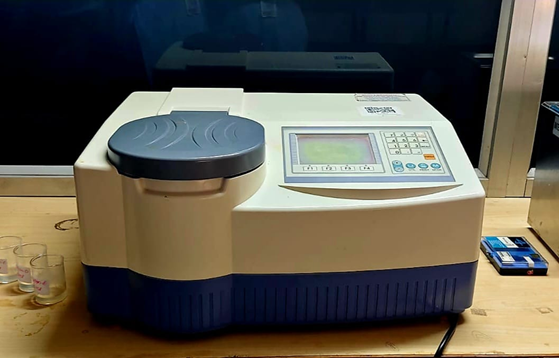
Fig 1: UV-Visible Spectrophotometry

1.3 Beer-Lambert law:

The basis of quantitative analysis in UV spectrophotometry is the Beer-Lambert Law. This law explains that the absorbance of a solution is directly related to the concentration of the absorbing compound when the path length and molar absorptivity remain constant [10]. Under these conditions, an increase in concentration results in a proportional increase in absorbance [11]. However, this relationship is valid only within a certain concentration range. At higher concentrations, deviations may appear because of molecular interactions or instrumental limitations [12]. Therefore, it is essential to determine an appropriate concentration range where linearity is maintained [13,14].

1.3.1 Selection of Wavelength:

In UV spectrophotometric analysis, choosing the correct wavelength is very important for accurate measurements. The wavelength corresponding to the maximum absorbance is always known as λmax which provides higher sensitive and reliable results. To determine λmax, the analyte solution is scanned across the ultraviolet region, producing a spectrum with characteristic peaks. The highest peak in the spectrum is selected for analysis because it gives stronger absorbance signals and improves the precision of the measurement [15].

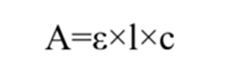
The relationship between absorbance and concentration follows the Beer-Lambert law.
Where:

             A = Absorbance

             ε = Molar Absorptivity

            l = Path length of the cuvette (cm)

            c = Concentration of the solution (mol/L)

1.3.2 Zero-Order UV Spectrophotometric Method:

Zero-order UV spectrophotometry is a simple analytical technique in which the absorbance of a compound is measured directly at its wavelength of maximum absorption (λmax). Within a suitable concentration range, absorbance shows a linear relationship with concentration, allowing calibration curves to be constructed for quantitative determination. The method offers advantages such as simple operation, rapid analysis, minimal sample preparation, and in a low cost [16].

1.4 Drug Background:

Dapagliflozin is an orally administered antidiabetic drug belonging to the sodium-glucose co-transporter-2 (SGLT2) inhibitor class. It is commonly used in the management of Type 2 Diabetes Mellitus [17]. The drug lowers blood glucose levels by inhibiting glucose reabsorption in the kidneys, thereby increasing glucose excretion through urine.
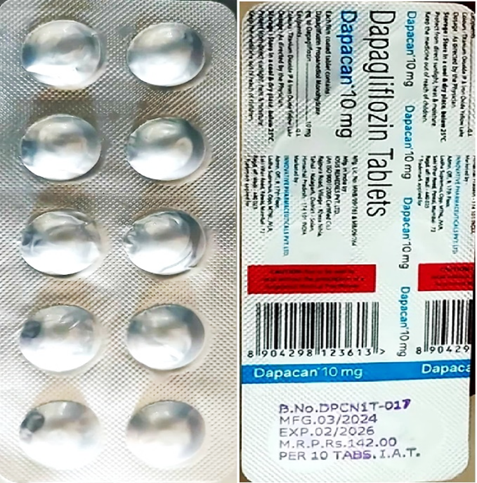
Fig 2: Tablet form of Dapagliflozin Drug

    1. Literature Review:

Several analytical methods, including HPLC, LC-MS, and spectrophotometric techniques, have been reported for the determination of dapagliflozin in pharmaceutical formulations [18]. Although chromatographic methods provide high sensitivity and selectivity, they require sophisticated instrumentation and higher operational costs [19]. Spectrophotometric methods provide a simpler and more economical approach for routine pharmaceutical analysis [20].

1.6 Objectives and Scientific Significance:

The primary goal of this study is to design and validate a simple, precise and dependable zero-order UV spectrophotometric method for the quantitative determination of dapagliflozin in both bulk form and tablet dosage forms. The specific objectives of the study include:

  • To establish an efficient and economical UV spectrophotometric method for the analysis of dapagliflozin.
  • To perform validation of the developed method following ICH guidelines by assessing key parameters such as linearity, Accuracy, Precision, and robustness.
  • To apply the validated method for the estimation of dapagliflozin in commercially available tablet formulations.
  • To evaluate the suitability of the method for routine use in pharmaceutical quality control laboratories.
  1. DRUG PROFILE:

Table 1: Drug Profile of Dapagliflozin [21].
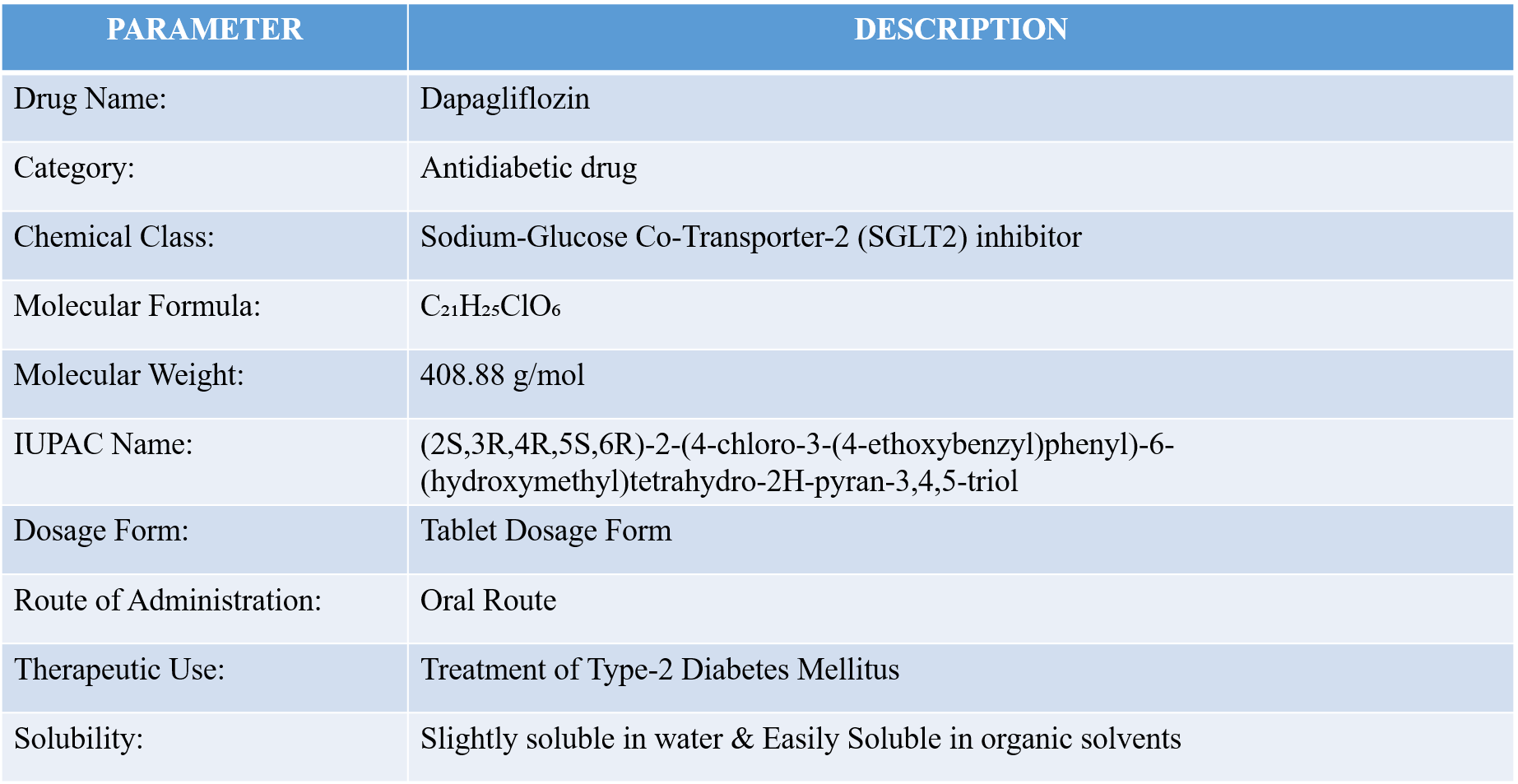
Dapagliflozin is an orally administered antidiabetic medication that belongs to the sodium-glucose co-transporter-2 (SGLT2) inhibitor class. It is widely prescribed for the treatment of Type 2 Diabetes Mellitus (T2DM) and offers an effective therapeutic option for regulating blood glucose levels through a mechanism that does not rely on insulin activity [22]. This drug produces its pharmacological effect by selectively inhibiting SGLT2 transporters present in the proximal renal tubules of the kidneys. Under normal physiological conditions, these transport proteins are responsible for reabsorbing nearly 90% of the glucose filtered by the glomerulus back into the systemic circulation. By blocking this transporter, dapagliflozin reduces glucose reabsorption and increases its elimination through urine, leading to a significant decrease in circulating plasma glucose levels [23].
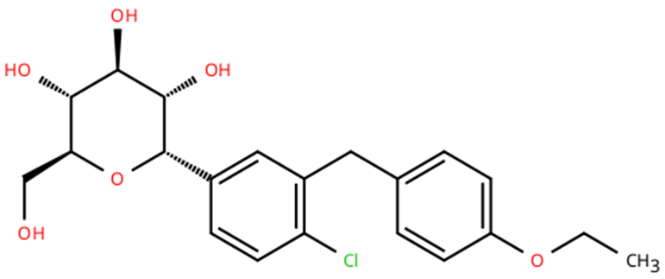
Fig 3: Chemical structure of Dapagliflozin

Beyond its primary Antihyperglycemic action, dapagliflozin has demonstrated additional therapeutic benefits. Clinical studies have shown that it will contribute to modest body-weight reduction, improvement in blood pressure, and protective effects on cardiovascular and renal functions. Because of these advantages dapagliflozin is also utilized in the management of heart failure and certain cases of chronic kidney disease. Chemically, dapagliflozin contains aromatic rings and conjugated functional groups that absorb ultraviolet radiation, making it suitable for UV spectrophotometric analysis [24].

3. MATERIALS AND METHODS:

3.1 Materials:

3.1.1 Drug:

The active pharmaceutical ingredient (API) of Dapagliflozin used in this study was provided as a gift sample by a reputed pharmaceutical company. The received sample was used directly for the experimental work without carrying out any additional purification procedures [25].

3.1.2 Chemicals and Reagents:

Analytical grade methanol, along with distilled water, was utilized during the entire experiment for preparing the required solutions and for performing necessary dilutions.
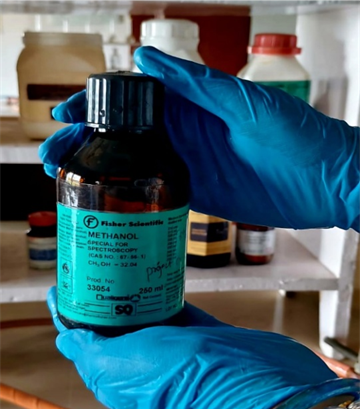
Fig 4: Methanol [Solvent used]

3.2 Instruments:

The experimental analysis was carried out using the following instruments:
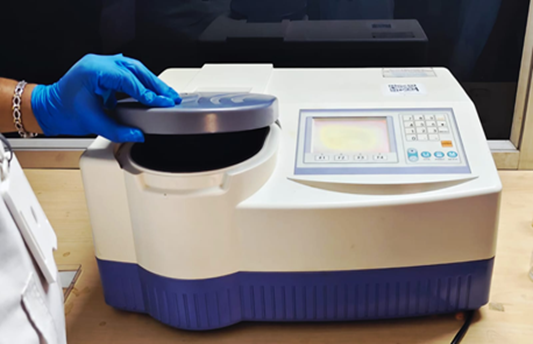
  • UV-Visible spectrophotometer [For absorbance value].

Fig 5: UV-Visible spectrophotometer

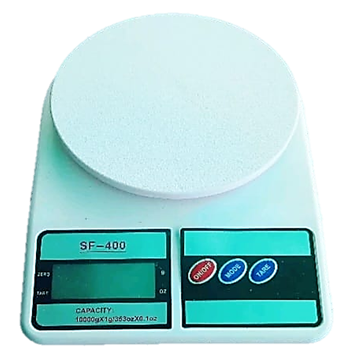
  • Analytical balance [For precise weighing of the drug sample].

Fig 6: Analytical balance

  • Sonicator [To facilitate proper dissolution of the drug in solvent].

Fig 7: Sonicator

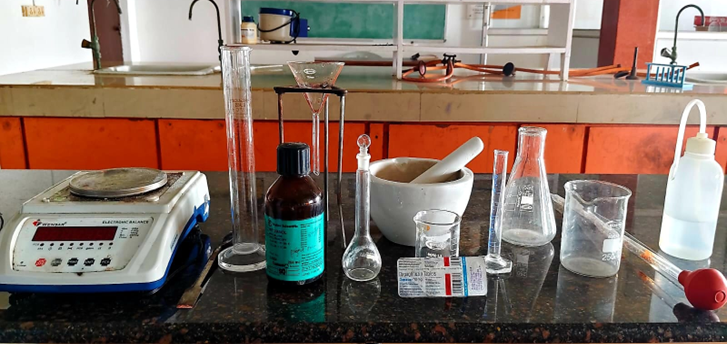
  • Standard laboratory volumetric glassware, including volumetric flasks, pipettes, and beakers are used for the preparation and dilution of solutions.

Fig 8: Standard laboratory glassware

  • Before conducting the analytical procedure, all instruments were properly calibrated to maintain measurement accuracy and to ensure the reliability and reproducibility of the obtained results.

4. METHOD DEVELOPMENT:

4.1 Solvent Selection:

Different solvents were evaluated to determine the solubility behavior of dapagliflozin. During the solubility assessment, the drug demonstrated high solubility in methanol compared with other tested solvents. Therefore, methanol was selected as the solvent for further analytical procedures [26].
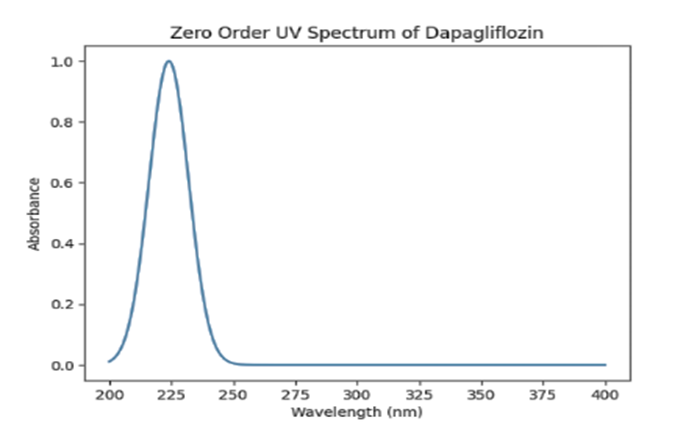
Graph 1: Zero-order UV Spectra of Dapagliflozin

4.2 Determination of Maximum Wavelength (λmax):

A standard stock solution of dapagliflozin with a concentration of 100 µg/mL was prepared using methanol. This solution was scanned in the UV spectrophotometer across the wavelength range of 200-400 nm, with methanol serving as the blank. The spectrum obtained showed the highest absorbance at 224 nm, which was considered the maximum wavelength (λmax) for dapagliflozin [27].

  • Stock solution (100 µg/mL) prepared in methanol
  • Scanned between 200 - 400 nm
  • λmax observed at 224 nm

4.3 Preparation of Standard Stock Solution:

An accurately weighed 10 mg quantity of dapagliflozin was transferred into a 100 mL volumetric flask. Methanol was added to dissolve the drug completely [28]. The final volume was made up to the mark with the same solvent. This procedure produced a stock solution with a concentration of 100 µg/mL.
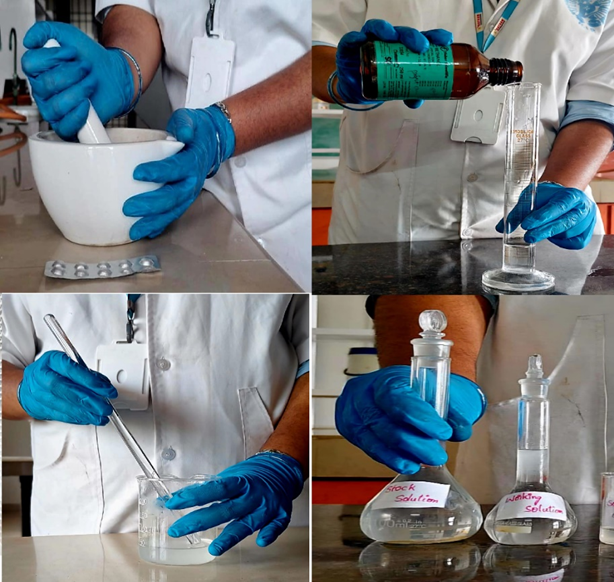
Fig 9: Preparation of Standard Stock Solution

4.4 Preparation of Working Standard Solutions:

Aliquots were withdrawn from the prepared stock solution and transferred into a series of 10 mL volumetric flasks. Each flask was then diluted with methanol to obtain working solutions with concentrations of 2, 4, 6, 8, 10, and 12 µg/mL. The absorbance values of these solutions were measured at 224 nm, using methanol as the blank solution.
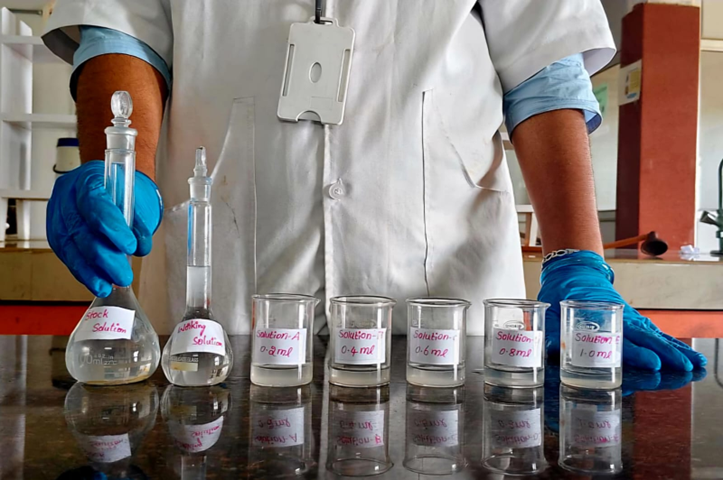
Fig 10: Preparation of Working Standard Solutions

Table 2: Working Standard Solutions

Sr. No.

Concentration

Stock Solution

Solvent added

Final Dilution

1.

2 µg/mL

0.2 mL

9.8 mL

10 mL

2.

4 µg/mL

0.4 mL

9.6 mL

10 mL

3.

6 µg/mL

0.6 mL

9.4 mL

10 mL

4.

8 µg/mL

0.8 mL

9.2 mL

10 mL

5.

10 µg/mL

1.0 mL

9.0 mL

10 mL

Measurement:

  • Each solution is scanned using a UV-Visible spectrophotometer [29].
  • Measure absorbance at 224 nm [30].
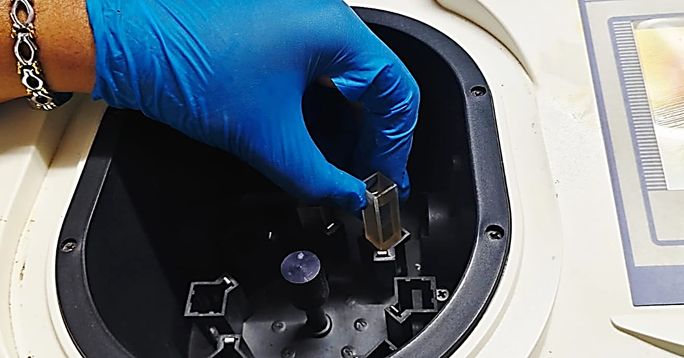
  • Methanol is used as a blank .

Fig 11: UV-Visible spectrophotometer - Blank

4.5 Calibration Curve:

A calibration graph was constructed by plotting the measured absorbance values against their corresponding concentrations. The results showed that the method obeyed Beer - Lambert’s law within the concentration range of 2-12 µg/mL [31]. The regression equation derived from the calibration plot was:

Y = 0.085X + 0.002

The correlation coefficient (r²) was found to be approximately 0.999, indicating a strong linear relationship between concentration and absorbance, and confirming the reliability of the analytical method [32].

5. METHOD VALIDATION:

The developed UV spectrophotometric method was validated in accordance with ICH Q2 (R1) guidelines for analytical method validation. The validation parameters evaluated included linearity, accuracy, precision, robustness, ruggedness, limit of detection (LOD), limit of quantification (LOQ), and assay of tablet formulation [33].

5.1 Linearity:

Linearity was evaluated by preparing a series of standard solutions in the concentration range of 2-12 µg/mL. Aliquots were withdrawn from the standard stock solution and diluted with methanol to obtain concentrations of 2, 4, 6, 8, 10, and 12 µg/mL [34]. The absorbance of each solution was measured at 224 nm against methanol as a blank [35 v]. A calibration curve was constructed by plotting absorbance versus concentration. The regression equation and correlation coefficient (r²) were calculated to assess the linearity of the method [36].

5.2 Accuracy:

The accuracy of the method was determined by recovery studies using the standard addition method. Pre-analyzed tablet sample solutions were spiked with known quantities of standard drug at three levels: 80%, 100%, and 120%. Each level was prepared in triplicate and analyzed at 224 nm [37]. The percentage recovery was calculated using the following formula:

The mean percentage recovery and % relative standard deviation (%RSD) were calculated to evaluate the accuracy of the method [38].

5.3 Precision:

Precision of the method was evaluated in terms of intra-day precision (repeatability) and inter-day precision (intermediate precision) [39].

5.3.1 Intra-day Precision:

Three different concentrations (4, 6, and 8 µg/mL) were prepared and analyzed three times [40]. The absorbance was measured at 224 nm [41]. The mean, standard deviation (SD), and percentage relative standard deviation (%RSD) were calculated [42].

5.3.2 Inter-day Precision:

A selected concentration (6 µg/mL) was analyzed on three consecutive days under the same experimental conditions [43]. The absorbance values were recorded, and the mean, SD, and %RSD were calculated to assess inter-day precision [44].

5.4 Robustness:

Robustness of the method was evaluated by introducing small deliberate changes in analytical conditions [45]. The wavelength was varied by ±2 nm (222 nm and 226 nm) from the optimized wavelength of 224 nm [46, 47]. The absorbance of a standard solution (6 µg/mL) was measured under each condition, and %RSD was calculated to determine the effect of these variations [48].

5.5 Ruggedness:

Ruggedness was determined by performing the analysis under similar experimental conditions by two different analysts [49]. A standard solution (6 µg/mL) was prepared and analyzed independently by each analyst. The absorbance values were recorded, and %RSD was calculated to evaluate the ruggedness of the method [50].

5.6 Limit of Detection (LOD):

The limit of detection (LOD) was calculated using the following formula:

Where:

             σ = Standard deviation of the response

             S = Slope of the calibration curve [51]

5.7 Limit of Quantification (LOQ):

The limit of quantification (LOQ) was calculated using the following formula:
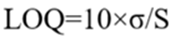
Where:

             σ = Standard deviation of the response

             S = Slope of the calibration curve [52]

5.8 Assay of Tablet Formulation:

Twenty tablets were weighed and powdered. A quantity of powder equivalent to 10 mg of dapagliflozin was accurately weighed and transferred into a 100 mL volumetric flask. The drug was dissolved in methanol, sonicated for complete extraction, filtered, and diluted appropriately [53]. The absorbance of the resulting solution was measured at 224 nm, and the percentage assay was calculated using the calibration curve [54].

6. RESULTS:
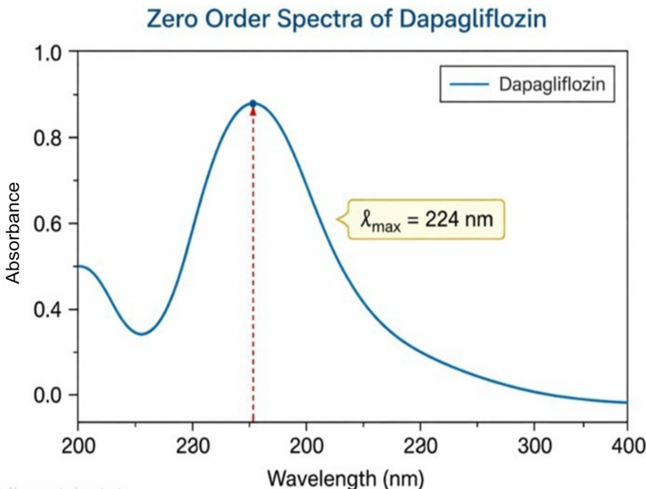
Graph 2: Zero-order UV Spectra of Dapagliflozin

6.1 Linearity:          

Table 3: Linearity of Dapagliflozin

Sr. No.

Concentration (µg/mL)

Absorbance

1.

2

0.17

2.

4

0.34

3.

6

0.51

4.

8

0.68

5.

10

0.85

The calibration curve in the range of 2-10 µg/mL showed a strong linear relationship between concentration and absorbance with an r² value of 0.999. This confirms excellent absorbance of Beer-Lambert’s law. Since the value exceeds the general acceptance criterion (r² ≥ 0.995), the method demonstrates superior linear performance and is suitable for quantitative analysis.
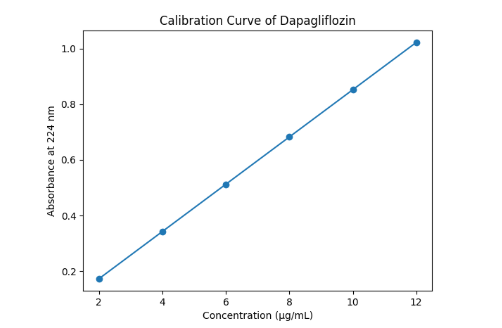
Graph 3: Calibration curve of Dapagliflozin

6.2 Accuracy:

Table 4: Recovery of Dapagliflozin

Sr. No.

Level

% Recovery

1.

80%

99.2%

2.

100%

100.1%

3.

120%

99.8%

Recovery studies at 80%, 100%, and 120% levels showed percentage recoveries between 99.2% and 100.1%. These values fall within the ICH acceptable range of 98-102%, indicating high accuracy and absence of interference from excipients. The results confirm the reliability of the method.

6.2.1 Intra-Day Precision:

Table 5: Intra-day Precision Data of Dapagliflozin

Sr. No:

Concentration (µg/mL)

Absorbance 1

Absorbance 2

Absorbance 3

Mean

%RSD

1.

4

0.338

0.341

0.339

0.339

0.44

2.

6

0.509

0.512

0.511

0.511

0.29

3.

8

0.679

0.681

0.683

0.681

0.30

The intra-day precision study showed %RSD values of 0.44%, 0.29%, and 0.30% for 4, 6, and 8 µg/mL, respectively. All values are below 2%, demonstrating excellent repeatability and analytical consistency.

6.2.2 Inter-Day Precision:

Table 6: Inter-day Precision Data of Dapagliflozin

Sr. No.

Day

Absorbance (6 µg/mL)

1.

Day 1

0.510

2.

Day 2

0.514

3.

Day 3

0.508

Small deliberate changes in wavelength (±2 nm) produced %RSD values below 1%, indicating that minor variations in experimental conditions do not significantly affect the results. This confirms that the method is robust and reliable.

6.3 Robustness:

Table 7: Robustness Study of Dapagliflozin

Sr. No.

Condition

Absorbance

%RSD

1.

224 nm (normal)

0.511

2.

222 nm (-2 nm)

0.507

0.78

3.

226 nm (+2 nm)

0.514

0.65

No significant variation was observed. Hence, this method is robust.

6.4 Ruggedness:

Table 8: Ruggedness Study of Dapagliflozin

Sr. No.

Analyst

Absorbance (6 µg/mL)

1.

Analyst I

0.509

2.

Analyst II

0.513

Analysis performed by two different analysts showed a %RSD of 0.55%, demonstrating consistency irrespective of operator variation. The method is therefore rugged and suitable for routine laboratory use.

6.5 LOD and LOQ:

  • LOD ≈ 0.25 µg/mL
  • LOQ ≈ 0.75 µg/mL

The LOD and LOQ were found to be approximately 0.25 µg/mL and 0.75 µg/mL, respectively, indicating good sensitivity. The method is capable of detecting and quantifying low concentrations effectively, making it appropriate for quality control applications.

6.6 Assay of Tablet Formulation:

Table 9: Assay of Dapagliflozin Tablets

Sr. No.

Absorbance

Amount Found

(mg)

% Assay

1

0.846

9.96

99.6

2

0.851

10.02

100.2

3

0.849

9.99

99.9

The percentage assay of marketed tablets ranged from 99.5% to 100.3% with a mean value of 99.9 ± 0.30. These results fall within the Indian Pharmacopoeia limits, that is, (95-105%), which confirms accurate drug content and uniformity. The method is therefore suitable for the routine assay of Dapagliflozin tablet formulations.

7. SUMMARY & DISCUSSION:

The present study was carried out to develop and validate a simple zero-order UV-Visible spectrophotometric method for the estimation of Dapagliflozin in bulk and tablet dosage form [55]. Methanol was selected as the solvent based on solubility studies, and the drug showed maximum absorbance at 224 nm. Beer-Lambert’s law was obeyed in the concentration range of 2-10 µg/mL with a regression equation of Y = 0.085X + 0.002 and a correlation coefficient (r²) of 0.999, showing excellent linearity [56]. The method was validated as per ICH guidelines [57]. Accuracy studies showed percentage recovery between 99.2% and 100.1%. Intra-day precision revealed %RSD values of 0.44%, 0.29% and 0.30%, while inter-day precision showed a %RSD of 0.59%. Robustness tests under ±2 nm & wavelength variation produced %RSD values below 1%, and ruggedness evaluated between two analysts showed %RSD of 0.55%. The LOD and LOQ were found to be 0.25 µg/mL and 0.75 µg/mL, respectively [58]. The assay of marketed tablets showed a drug content ranging from 99.5% to 100.3%, with a mean value of 99.9 ± 0.30%, which is within Indian Pharmacopoeia limits [59].

The developed zero-order UV spectrophotometric method demonstrated excellent analytical performance across all validation parameters [60]. The high correlation coefficient (0.999) confirms a strong linear relationship between concentration and absorbance, indicating adherence to Beer-Lambert’s law. Recovery values close to 100% (99.2-100.1%) show the method is accurate and free from interference by tablet excipients [61]. The very low %RSD values observed in intra-day (≤0.44%) and inter-day precision (0.59%) studies confirm the method’s repeatability and reproducibility [62]. These values are well within the acceptable ICH limit of less than 2%, highlighting the method’s reliability. Robustness showed negligible variation even after slight wavelength changes, and ruggedness results confirmed consistency between analysts, proving the method’s practical applicability in routine laboratory conditions.

The low LOD (0.25 µg/mL) and LOQ (0.75 µg/mL) indicate good sensitivity, allowing detection and quantification of small drug concentrations [63]. The assay results (99.5-100.3%) further validate the accuracy and suitability of the method for tablet analysis. Overall, the findings demonstrate that the developed method performs comparably to more sophisticated analytical techniques while remaining simple and cost-effective [64].

8. CONCLUSION:

The developed zero-order UV spectrophotometric method for Dapagliflozin is accurate, precise, robust, and suitable for routine quality control analysis of bulk and tablet dosage forms. The present study successfully developed and validated a simple and economical UV spectrophotometric method for the estimation of Dapagliflozin in bulk and tablet dosage forms. The method showed excellent linearity (r² = 0.999), high accuracy (99.2-100.1% recovery), and strong precision (%RSD < 1%). The low LOD and LOQ values confirmed good sensitivity, and the assay results (99.9 ± 0.30%) were within pharmacopeial limits.

Therefore, the developed method is suitable for routine quality control analysis of Dapagliflozin in pharmaceutical formulations and can be effectively used in academic and industrial laboratories.

  1. AUTHOR CONTRIBUTIONS:

Mohammed Farheen played the main role in this research by conceptualizing the experimental study, designing the methodology, conducting the majority of the experimental work with team, analyzing and interpreting the data and drafting as well as critically revising the manuscript.

Prathapam Mokshitha, Surabhi Lalita Vyshnavi, Pinni Saikeerthi, and Reddy Praveena contributed to the experimental work under supervision, including assistance in processing  tableted drug, Pure form from pharmaceutical company, performing laboratory procedures and supporting data collection and preliminary analysis.

Chejarla Shakina served as the project guide and provided overall supervision and guidance throughout the study.

All authors contributed to reviewing the manuscript and approved the final version for publication.

  1.  FUNDING:

“This research received no external funding”.

  1. INSTITUTIONAL REVIEW BOARD STATEMENT:

The present study involved UV Spectrophotometer Method development & Validation of Dapagliflozin work using tableted drug and pure form that is API and did not involve human participants or animal subjects. Therefore, ethical approval from an Institutional Review Board (IRB) was not required for this research.

  1. INFORMED CONSENT STATEMENT:

Not applicable. The study did not involve human participants or personal data requiring informed consent.

  1. DATA AVAILABILITY STATEMENT:

The data supporting the findings of this study are available from the corresponding author upon reasonable request.

  1. ACKNOWLEDGMENTS:

The authors express their sincere gratitude to the management and Principal of Rathnam Institute of Pharmacy, Pidathapolur, Nellore for providing laboratory facilities, equipment and Institutional support of Machinery to carry out this research work. The authors also acknowledge the guidance and supervision provided during the completion of this academic research project.

  1. CONFLICTS OF INTEREST:

The authors declare no conflict of interest regarding the publication of this research work.

  1. Abbreviations:

SGLT2 - Sodium-glucose co-transporter-2

LOD - Limit of Detection

LOQ - Limit of Quantification

RSD - Relative Standard Deviation

REFERENCES

  1. Singh, B. K., Rajpoot, A. K., Trivedi, N., Verma, H., Kumar, A., Singh, N., Tamta, N., & Sharma, N. (2025). A Comprehensive Approach to Method Development and Validation for Simultaneous Quantification of Dapagliflozin, Vildagliptin, and Metformin in Tablet Formulation using HPLC. Research Journal of Pharmacy and Technology, 3473–3479. https://doi.org/10.52711/0974-360X.2025.00500
  2. Popaniya, H. S., Dangar, D. K., & Tank, C. J. (2024). A Concise Review Based on Analytical Methods for Estimation of Dapagliflozin and Linagliptin in Pharmaceutical Dosage Form. Asian Journal of Pharmaceutical Analysis, 275–282. https://doi.org/10.52711/2231-5675.2024.00049
  3. J. Vyas, A. K., Khandala, C., Desai, D. U., Dudhrejiya, A. V., Patel, A. B., Patel, A. I., Shah, S. R., & Sheth, D. B. (2025). A Highly Validated RP-HPLC Method Development and Validation for Simultaneous Estimation of Vildagliptin and Dapagliflozin in Synthetic Mixture. Eurasian Journal of Science and Technology, (Online First). https://doi.org/10.48309/ejst.2025.512085.1225
  4. Patel, D. V. (2025). “A REVIEW ON ANALYTICAL METHOD DEVELOPMENT AND VALIDATION OF DAPAGLIFLOZIN: A COMPREHENSIVE REVIEW.” Journal of Population Therapeutics & Clinical Pharmacology, 1–10. https://doi.org/10.53555/rrykrb89
  5. Anitha, A. P., Balasubramanian, S., Ramalingam, A. G., Samuel Kennady, S. R., Ganamurali, N., Dhanasekaran, D., & Sabarathinam, S. (2022). An Exploration of the Experience of Dapagliflozin in Clinical Practice. Future Science OA, 8(8), FSO816. https://doi.org/10.2144/fsoa-2022-0038
  6. Chaudhari, U., Sahu, J. K., & Dande, P. R. (2023). Analytical Method Development, Validation, and Forced DegradationStudy of Dapagliflozin by RP-HPLC. Drug Metabolism and Bioanalysis Letters, 16(2), 140–152. https://doi.org/10.2174/2949681016666230823091112
  7. Devda, S., & Kotadiya, R. (2026). Analytical Strategies for Fixed-Dose Combination Containing Teneligliptin, Dapagliflozin, and Metformin: A Review. Critical Reviews in Analytical Chemistry, 1–28. https://doi.org/10.1080/10408347.2026.2623483
  8. Saemathong, J. (2023). Analyzing Two Laser Thermal Energy Calculation Equations: A Comparison of Beer-Lambert’s Law and Light Transport Equation. Engineered Science. https://doi.org/10.30919/es912
  9. Biscaino, P. T., Christ, A. P., Librelotto, D. R. N., Rolim, C. M. B., & Adams, A. I. H. (2021). Assay of empagliflozin tablets by a stability-indicating micellar electrokinetic chromatography method and cytotoxicity study of degraded samples. Brazilian Journal of Pharmaceutical Sciences, 57, e18903. https://doi.org/10.1590/s2175-97902020000418903
  10. Alsaidan, O. A., Zafar, A., Mohanty, D., Yasir, M., Mujtaba, M. A., & Khalid, M. (2026). Dapagliflozin Loaded Bilosomes Gel for Transdermal Delivery: Formulation, Optimization, Physicochemical Characterization, and In Vivo Evaluation. AAPS PharmSciTech, 27(3), 140. https://doi.org/10.1208/s12249-026-03390-x
  11. Ritesh, Chaurasia, H., & Singh, R. (2022). Design, optimization, characterization of dapagliflozin loaded nlc using box-behnken design. International Journal of Health Sciences, 7690–7711. https://doi.org/10.53730/ijhs.v6nS3.7932
  12. Chettupalli, A. K., Kar, N. R., Iswariya, V. T., Panigrahy, U. P., Singh, L. P., Roy, H., Urs, D., V, M., Mandadi, S. R., Haque, M. A., Rana, R., & Emran, T. B. (2025). Development and optimization of dapagliflozin oral nano-bilosomes using response surface method: In vitro evaluation, in vivo evaluation. Nanotheranostics, 9(1), 1–19. https://doi.org/10.7150/ntno.99271
  13. Attimarad, M., Nair, A. B., Sreeharsha, N., Al-Dhubiab, B. E., Venugopala, K. N., & Shinu, P. (2021). Development and Validation of Green UV Derivative Spectrophotometric Methods for Simultaneous Determination Metformin and Remogliflozin from Formulation: Evaluation of Greenness. International Journal of Environmental Research and Public Health, 18(2), 448. https://doi.org/10.3390/ijerph18020448
  14. Ahmad, A. S. H. M., & Deore, S. S. (2025). Development and Validation of HPLC Method for Metformin and Canagliflozin in Bulk and Pharmaceutical Dosage Form Using the QbD Approach. Drug Metabolism and Bioanalysis Letters, 18(2), 180–194. https://doi.org/10.2174/0118723128365462250312061951
  15. S. M. Rathod, C. M. Aakhunji, & N. C. Patel. (2025). DEVELOPMENT AND VALIDATION OF LC-MS/MS METHOD FOR DETECTION AND CHARACTERISATION OF FORCED DEGRADATION PRODUCTS OF DAPAGLIFLOZIN PROPANEDIOL MONOHYDRATE AND VILDAGLIPTIN: GREENNESS ASSESSMENT USING AGREE. RASAYAN Journal of Chemistry, 18(03), 1354–1361. https://doi.org/10.31788/RJC.2025.1839276
  16. Hassib, S. T., Taha, E. A., Elkady, E. F., & Barakat, G. H. (2019). Development and Validation of Spectrophotometric Methods for the Determination of Canagliflozin or Gliclazide and Metformin in the Presence of Metformin Impurity (1-Cyanoguanidine). Journal of AOAC INTERNATIONAL, 102(4), 1112–1124. https://doi.org/10.5740/jaoacint.18-0234
  17. Rao R, N., C, A., Basha S, F., Reddy L, S. S., K, S., Reddy B, A., T, V., B, C., J, K., & D, M. (2026). Development and Validation of UV-Spectrophotometric Techniques Using Zero-order, Derivative, and AUC Approaches to Determine Dapagliflozin in Plasma. Oriental Journal Of Chemistry, 1(42), 171. https://doi.org/10.13005/ojc/420118
  18. Unnisa, A., Chettupalli, A. K., Al Hagbani, T., Khalid, M., Jandrajupalli, S. B., Chandolu, S., & Hussain, T. (2022). Development of Dapagliflozin Solid Lipid Nanoparticles as a Novel Carrier for Oral Delivery: Statistical Design, Optimization, In-Vitro and In-Vivo Characterization, and Evaluation. Pharmaceuticals, 15(5), 568. https://doi.org/10.3390/ph15050568
  19. Ameeduzzafar, El-Bagory, I., Alruwaili, N. K., Elkomy, M. H., Ahmad, J., Afzal, M., Ahmad, N., Elmowafy, M., Alharbi, K. S., & Md Shoaib Alam. (2019). Development of novel dapagliflozin loaded solid self-nanoemulsifying oral delivery system: Physiochemical characterization and in vivo antidiabetic activity. Journal of Drug Delivery Science and Technology, 54, 101279. https://doi.org/10.1016/j.jddst.2019.101279
  20. Zafar, A. (2020). Development of Oral Lipid Based Nano-formulation of Dapagliflozin: Optimization, in vitro Characterization and ex vivo Intestinal Permeation Study. Journal of Oleo Science, 69(11), 1389–1401. https://doi.org/10.5650/jos.ess20162
  21. Ganesh Tiwari*, V. M. (2025). Development of UV Spectroscopic Method of Dapagliflozin with Some Validation Parameter. https://doi.org/10.5281/ZENODO.15317978
  22. Fawzy, M. G., Hassan, W. E., Mostafa, A. A., & Sayed, R. A. (2022). Different approaches for the assessment of greenness of spectrophotometric methodologies utilized for resolving the spectral overlap of newly approved binary hypoglycemic pharmaceutical mixture. Spectrochimica Acta Part A: Molecular and Biomolecular Spectroscopy, 272, 120998. https://doi.org/10.1016/j.saa.2022.120998
  23. Vadla, S., Putta, V., Nadipudi, S., Bilakanti, S., & Kudumula, N. (2023). Estimation Method for Dapagliflozin in Bulk and Marketed Dosage Form: Development and Validation by UV-Spectroscopy. International Journal of Pharmaceutical And Phytopharmacological Research, 13(4), 1–6. https://doi.org/10.51847/eyofcLxcp9
  24. Mante, G. V., Gupta, K. R., & Hemke, A. T. (2017). Estimation of Dapagliflozin from its Tablet Formulation by UV-Spectrophotometry. Pharmaceutical Methods, 8(2), 102–107. https://doi.org/10.5530/phm.2017.8.16
  25. Karanam, S. R., Poojitha, N., Vasudha, D., Rao, Y. S., & Rao, K. V. P. (2025). Estimation of Sotagliflozin in Tablet Dosage Form Using UV-Spectrophotometric and RP-HPLC Techniques: A Comparative Study. Journal of Applied Spectroscopy, 92(3), 629–636. https://doi.org/10.1007/s10812-025-01953-7
  26. Khalifa, M. K. A., Dawaba, A. M., Dawaba, H. M., Al-Najjar, A. H., Elzaitony, A. S., Fouad, F. A., Soliman, M. M., & Nasr, Z. A. (2023). Fabrication, optimization, and eco-friendly micellar HPLC determination of Alogliptin/Dapagliflozin pullulan-based sublingual films for therapeutic efficacy improvement in diabetic rats. Journal of Drug Delivery Science and Technology, 82, 104257. https://doi.org/10.1016/j.jddst.2023.104257
  27. Bodiwala, K. B., Shah, J., Sureja, D. K., Dhameliya, T. M., & Khadela, A. (2022). Generation of predictive models for oxidative degradation kinetics of dapagliflozin with the applications of DOE and stability indicating HPLC method. International Journal of Chemical Kinetics, 54(12), 712–725. https://doi.org/10.1002/kin.21608
  28. Al-Senani, G. M., Al-Qahtani, S. D., Mahgoub, S. M., Ahmed, H. A., & Mohamed, M. A. (2025). Green and sustainable RP-UPLC and UV strategies for determination of metformin and dapagliflozin: Evaluation of environmental impact and whiteness. Reviews in Analytical Chemistry, 44(1), 20250091. https://doi.org/10.1515/revac-2025-0091
  29. Haque, S. M., Umar, Y., Abu-Judeh, A., Aldhafeeri, T. N., Sarief, A., & Rahman, H. (2024). Greener High-Performance Liquid Chromatography—Supported with Computational Studies to Determine Empagliflozin: Box–Behnken Design and Taguchi Model for Optimization. Arabian Journal for Science and Engineering, 49(7), 9667–9689. https://doi.org/10.1007/s13369-024-09023-4
  30. Ninama, H., & Koradia, S. K. (2025). Greenness assessment and stability-indicating HPTLC method for the concurrent analysis of dapagliflozin propanediol monohydrate and bisoprolol fumarate in a novel combined oral formulation. Discover Chemistry, 2(1), 267. https://doi.org/10.1007/s44371-025-00348-z
  31. Barot, K., Thakkar, V., Tandel, D., Patel, G., Parmar, R., & Patel, K. (2025). HPLC and HPTLC methods for simultaneous quantification of Metformin hydrochloride, Vildagliptin and Dapagliflozin propanediol with comparative evaluation by greenness and whiteness assessment tools. Green Analytical Chemistry, 13, 100249. https://doi.org/10.1016/j.greeac.2025.100249
  32. Abdelrahman, A. E., Maher, H. M., & Alzoman, N. Z. (2020). HPTLC Method for the Determination of Metformin Hydrochloride, Saxagliptin Hydrochloride, and Dapagliflozin in Pharmaceuticals. Current Analytical Chemistry, 16(5), 609–619. https://doi.org/10.2174/1573407215666190131123029
  33. Ahmed, H. M., Omar, M. A., Batakoushy, H. A., & Hamid, M. A. A. (2020). HPTLC-densitometric analysis of selected antidiabetic drugs in presence of their degradation products. Microchemical Journal, 154, 104560. https://doi.org/10.1016/j.microc.2019.104560
  34. Shubhangee, G., Kute, A. A., Siddique, M. U. M., Amol, B., Bisen, S. A., Thomas, A. B., Hussain, A., Danishuddin, & Altamimi, M. A. (2025). HSPiP and quality by design-assisted optimized analytical method validation for linagliptin and dapagliflozin using HPTLC. Journal of Analytical Science and Technology, 16(1), 35. https://doi.org/10.1186/s40543-025-00508-x
  35. De Meira, R. Z. C., Maciel, A. B., Murakami, F. S., De Oliveira, P. R., & Bernardi, L. S. (2017). In Vitro Dissolution Profile of Dapagliflozin: Development, Method Validation, and Analysis of Commercial Tablets. International Journal of Analytical Chemistry, 2017, 1–6. https://doi.org/10.1155/2017/2951529
  36. Abdulwahab, S., Ali, E. E., Hassan, W. S., & Azab, S. M. (2021). Mathematically assisted UV-spectrophotometry as a greener alternative to HPLC-UV for quality control analysis of free-drug combinations. Microchemical Journal, 170, 106638. https://doi.org/10.1016/j.microc.2021.106638
  37. Akula Prudhvi Sai Krishna*. (2026). METHOD DEVELOPMENT AND METHOD VALIDATION OF EMPAGLIFLOZIN AND METFORMIN BY RP-HPLC. https://doi.org/10.5281/ZENODO.18095188
  38. Sen, D. B., Jatu, S., Maheshwari, R. A., Zanwar, A. S., Velmurugan, R., & Sen, A. K. (2023). New Eco-friendly UV-spectroscopic Methods for Simultaneous Assessment of Dapagliflozin, Saxagliptin and Metformin in Ternary Mixture. Indian Journal of Pharmaceutical Education and Research, 57(2), 559–569. https://doi.org/10.5530/ijper.57.2.69
  39. Lotfy, H. M., Mohamed, D., & Elshahed, M. S. (2019). Novel univariate spectrophotometric determination of the recently released solid dosage form comprising dapagliflozin and saxagliptin via factorized response spectra: Assessment of the average content and dosage unit uniformity of tablets. Spectrochimica Acta Part A: Molecular and Biomolecular Spectroscopy, 222, 117120. https://doi.org/10.1016/j.saa.2019.05.025
  40. Kant, R., Bodla, R. B., Kapoor, G., & Bhutani, R. (2019). Optimization of a single HPLC-PDA method for quantifying Metformin, Gliclazide, Pioglitazone, Dapagliflozin, Empagliflozin, Saxagliptin, Linagliptin and Teneligliptin using central composite design. Bioorganic Chemistry, 91, 103111. https://doi.org/10.1016/j.bioorg.2019.103111
  41. Gupta, M., Sumaiya, S., Ali, S., Naved, T., Sharma, A., Ahmad, A., Sikander, M., & Sarwat, M. (2023). Pharmacognostical and Phytochemical Evaluation of a Unani Polyherbal Formulation: Dawa ul Kurkum by HPTLC. Separations, 10(2), 89. https://doi.org/10.3390/separations10020089
  42. Agarwal, B., Gandhi, S., & M arathwada Mitramandal’s College of Pharmacy, Thergaon, Pune - 411 033, Maharashtra, India. (2018). POTENTIAL OF RP-HPLC-DAD-MS FOR THE QUALITATIVE AND QUANTITATIVE ANALYSIS OF DAPAGLIFLOZIN IN TABLETS AND DEGRADANTS. INDIAN DRUGS, 55(11), 45–49. https://doi.org/10.53879/id.55.11.11493
  43. Jani, S., Shukla, R., Patel, P., Mehta, B., & Detholia, K. (2022). Quantitative estimation of sitagliptin and dapagliflozin propanediol monohydrate in synthetic mixture using 1 order derivative spectroscopy simultaneous spectrophotometric analysis. International Journal of Pharmaceutical Chemistry and Analysis, 9(1), 28–34. https://doi.org/10.18231/j.ijpca.2022.005
  44. Derakhshan, M. S., Sohrabi, M. R., & Davallo, M. (2021). Rapid simultaneous quantitative determination of linagliptin and empagliflozin as antidiabetic drugs using spectrophotometric method based on fuzzy systems and radial basis function neural network in tablet formulation and biological sample. Optik, 248, 168079. https://doi.org/10.1016/j.ijleo.2021.168079
  45. Kavana D C & Naveen Kumar G S. (2025). Recent Progress in Analytical Method Development and Validation of Dapagliflozin: Review Article. Journal of Pharma Insights and Research, 3(2), 090–097. https://doi.org/10.69613/046d6z97
  46. Abdel-Gawad, S. A., Arab, H. H., & Hassan, S. A. (2022). Signal processing techniques for the spectrophotometric quantitation of binary mixture of dapagliflozin and saxagliptin: A comparative study. Tropical Journal of Pharmaceutical Research, 20(7), 1489–1496. https://doi.org/10.4314/tjpr.v20i7.23
  47. Abbas, N. S., Mohamed, Y. A. S., Derayea, S. M., Omar, M. A., & Saleh, G. A. (2021). Simple TLC–spectrodensitometric method for studying lipophilicity and quantitative analysis of hypoglycemic drugs in their binary mixture. Biomedical Chromatography, 35(11), e5154. https://doi.org/10.1002/bmc.5154
  48. Bueno, L., Joanna Wittckind Manoel, Mariana Koetz, Amélia Teresinha Henriques, Martin Steppe, Vendruscolo Piton, Y., Arbo, M., Garcia, S. C., & Elfrides Eva Scherman Schapoval. (2024). Simultaneous analysis of dapagliflozin and its three related impurities by stability-indicating UPLC method and in vitro toxicity evaluation. Drug Analytical Research, 6(2), 27–37. https://doi.org/10.22456/2527-2616.128661
  49. Attimarad, M., Islam, M. M., Shafi, S., David, M., Rahman, A., & Ii Plaza Molina, E. (2023). Smart eco-friendly mathematically manipulated UV spectroscopic methods to resolve severely overlapped spectra of a binary mixture of dapagliflozin with sitagliptin and vildagliptin. Microchemical Journal, 190, 108700. https://doi.org/10.1016/j.microc.2023.108700
  50. Attimarad, M., Nair, A. B., Nagaraja, S., Aldhubiab, B. E., Venugopala, K. N., & Pottathil, S. (2023). Smart UV Derivative Spectrophotometric Methods for Simultaneous Determination of Metformin and Remogliflozin: Development, Validation and Application to the Formulation. Indian Journal of Pharmaceutical Education and Research, 55(1s), s293–s302. https://doi.org/10.5530/ijper.55.1s.62
  51. Elnadi, S., Abdalsabour, S., Abdalghany, M. F., & Trabik, Y. A. (2022). Stability indicating RP-HPLC and spectrophotometric methods for determination of gliflozins in their mixture with metformin. Journal of the Iranian Chemical Society, 19(5), 1723–1735. https://doi.org/10.1007/s13738-021-02411-9
  52. Hiteksha, D., & Chotali?Ya, U. (2023). Stability Indicating RP-HPLC Method Development and Validation for Simultaneous Estimation of Dapagliflozin Propanediol Monohydrate and Teneligliptin Hydrobromide Hydrate in Synthetic Mixture. Journal of the Turkish Chemical Society Section A: Chemistry, 10(4), 1025–1034. https://doi.org/10.18596/jotcsa.1288000
  53. Jigna Bhatt*, R. S. (2025). Synergistic Detection and Quantification of Gliclazide and Dapagliflozin Propanediole Monohydrate from Tablet Dosage Form by Derivative Spectroscopy Method. https://doi.org/10.5281/ZENODO.16933910
  54. Commoner, B., & Lipkin, D. (1949). The Application of the Beer-Lambert Law to Optically Anisotropic Systems. Science, 110(2845), 41–43. https://doi.org/10.1126/science.110.2845.41.b
  55. Abbas, N. S., Derayea, S. M., Omar, M. A., & Saleh, G. A. (2020). TLC-spectrodensitometric method for simultaneous determination of dapagliflozin and rosuvastatin in rabbit plasma: Stability indicating assay and kinetic studies. RSC Advances, 10(67), 40795–40805. https://doi.org/10.1039/D0RA05628F
  56. Ghotale, R., Sonvane, S., Satpute, K., Birajdar, M., Shetkar, B., Lohiya, G., & Shivnechari, P. (2025). To Develop and Validate RP-HPLC Analytical Technique for the Solid Dosage Forms of Dapagliflozin and Metformin Hydrochloride. Research Journal of Pharmacy and Technology, 3273–3277. https://doi.org/10.52711/0974-360X.2025.00472
  57. Kazi, M., Alqahtani, A. A., Alsaadi, B. S., Alkholief, M., & Alanazi, F. K. (2019). UHPLC Method Development for Determining Sitagliptin and Dapagliflozin in Lipid-Based Self-Nanoemulsifying Systems as Combined Dose in Commercial Products and its Application to Pharmacokinetic Study of Dapagliflozin in Rats. Pharmaceutical Chemistry Journal, 53(1), 79–87. https://doi.org/10.1007/s11094-019-01959-4
  58. Elhassan, M. M., Mahmoud, A. M., Hegazy, M. A., & Mowaka, S. (2023). Univariate and Multivariate Determination of Dapagliflozin and Saxagliptin in Bulk and Dosage Form. Journal of AOAC International, 106(3), 794–803. https://doi.org/10.1093/jaoacint/qsac143
  59. C. Parambil, A. (2025). UV DERIVATIVE SPECTROPHOTOMETRIC ANALYSIS FOR CONCURRENT ESTIMATION OF DAPAGLIFLOZIN PROPANEDIOL MONOHYDRATE, VILDAGLIPTIN AND METFORMIN HYDROCHLORIDE IN COMBINED PHARMACEUTICAL FORMULATION. Indian Drugs, 62(11), 44–52. https://doi.org/10.53879/id.62.11.15658
  60. Vadla, S., Putta, V., Nadipudi, S., Bilakanti, S., & Kudumula, N. (2023). UV-Spectrophotometric Method Development and Validation for Quantifying Dapagliflozin in Bulk and Pharmaceutical Formulations. Pharmaceutical Sciences and Drug Design, 3(1), 31–38. https://doi.org/10.51847/r8kjhgT7Qr
  61. Hassib, S. T., Taha, E. A., Elkady, E. F., & Barakat, G. H. (2019). Validated Liquid Chromatographic Method for the Determination of (Canagliflozin, Dapagliflozin or Empagliflozin) and Metformin in the Presence of (1-Cyanoguanidine). Journal of Chromatographic Science, 57(8), 697–707. https://doi.org/10.1093/chromsci/bmz042
  62. Sen, A. K., Khatariya, S. B., Sen, D. B., Zanwar, A. S., Maheshwar, R. A., & Velmurugan, R. (2023). Various innovative UV spectroscopic methodologies for concurrent estimation of dapagliflozin and vildagliptin in combined tablet. Journal of Applied Pharmaceutical Science. https://doi.org/10.7324/JAPS.2023.151424
  63. Habeeb, M. R., Morshedy, S. M., Daabees, H. G., & Elonsy, S. M. (2024). Whiteness and greenness assessments of a sensitive HPLC method with fluorimetric detection for dapagliflozin quantitation in human plasma: Application to a healthy human volunteer. Archiv Der Pharmazie, 357(10), e2400313. https://doi.org/10.1002/ardp.202400313
  64. Bhardwaj, S., Gauniya, P., . C., . R., Semalty, A., Gupta, M., Sagdeo, A., & Semalty, M. (2026). β-Cyclodextrin/Chitosan Microparticles for Sustained Release of Dapagliflozin. Micro and Nanosystems, 18. https://doi.org/10.2174/0118764029410663251128190121

Reference

  1. Singh, B. K., Rajpoot, A. K., Trivedi, N., Verma, H., Kumar, A., Singh, N., Tamta, N., & Sharma, N. (2025). A Comprehensive Approach to Method Development and Validation for Simultaneous Quantification of Dapagliflozin, Vildagliptin, and Metformin in Tablet Formulation using HPLC. Research Journal of Pharmacy and Technology, 3473–3479. https://doi.org/10.52711/0974-360X.2025.00500
  2. Popaniya, H. S., Dangar, D. K., & Tank, C. J. (2024). A Concise Review Based on Analytical Methods for Estimation of Dapagliflozin and Linagliptin in Pharmaceutical Dosage Form. Asian Journal of Pharmaceutical Analysis, 275–282. https://doi.org/10.52711/2231-5675.2024.00049
  3. J. Vyas, A. K., Khandala, C., Desai, D. U., Dudhrejiya, A. V., Patel, A. B., Patel, A. I., Shah, S. R., & Sheth, D. B. (2025). A Highly Validated RP-HPLC Method Development and Validation for Simultaneous Estimation of Vildagliptin and Dapagliflozin in Synthetic Mixture. Eurasian Journal of Science and Technology, (Online First). https://doi.org/10.48309/ejst.2025.512085.1225
  4. Patel, D. V. (2025). “A REVIEW ON ANALYTICAL METHOD DEVELOPMENT AND VALIDATION OF DAPAGLIFLOZIN: A COMPREHENSIVE REVIEW.” Journal of Population Therapeutics & Clinical Pharmacology, 1–10. https://doi.org/10.53555/rrykrb89
  5. Anitha, A. P., Balasubramanian, S., Ramalingam, A. G., Samuel Kennady, S. R., Ganamurali, N., Dhanasekaran, D., & Sabarathinam, S. (2022). An Exploration of the Experience of Dapagliflozin in Clinical Practice. Future Science OA, 8(8), FSO816. https://doi.org/10.2144/fsoa-2022-0038
  6. Chaudhari, U., Sahu, J. K., & Dande, P. R. (2023). Analytical Method Development, Validation, and Forced DegradationStudy of Dapagliflozin by RP-HPLC. Drug Metabolism and Bioanalysis Letters, 16(2), 140–152. https://doi.org/10.2174/2949681016666230823091112
  7. Devda, S., & Kotadiya, R. (2026). Analytical Strategies for Fixed-Dose Combination Containing Teneligliptin, Dapagliflozin, and Metformin: A Review. Critical Reviews in Analytical Chemistry, 1–28. https://doi.org/10.1080/10408347.2026.2623483
  8. Saemathong, J. (2023). Analyzing Two Laser Thermal Energy Calculation Equations: A Comparison of Beer-Lambert’s Law and Light Transport Equation. Engineered Science. https://doi.org/10.30919/es912
  9. Biscaino, P. T., Christ, A. P., Librelotto, D. R. N., Rolim, C. M. B., & Adams, A. I. H. (2021). Assay of empagliflozin tablets by a stability-indicating micellar electrokinetic chromatography method and cytotoxicity study of degraded samples. Brazilian Journal of Pharmaceutical Sciences, 57, e18903. https://doi.org/10.1590/s2175-97902020000418903
  10. Alsaidan, O. A., Zafar, A., Mohanty, D., Yasir, M., Mujtaba, M. A., & Khalid, M. (2026). Dapagliflozin Loaded Bilosomes Gel for Transdermal Delivery: Formulation, Optimization, Physicochemical Characterization, and In Vivo Evaluation. AAPS PharmSciTech, 27(3), 140. https://doi.org/10.1208/s12249-026-03390-x
  11. Ritesh, Chaurasia, H., & Singh, R. (2022). Design, optimization, characterization of dapagliflozin loaded nlc using box-behnken design. International Journal of Health Sciences, 7690–7711. https://doi.org/10.53730/ijhs.v6nS3.7932
  12. Chettupalli, A. K., Kar, N. R., Iswariya, V. T., Panigrahy, U. P., Singh, L. P., Roy, H., Urs, D., V, M., Mandadi, S. R., Haque, M. A., Rana, R., & Emran, T. B. (2025). Development and optimization of dapagliflozin oral nano-bilosomes using response surface method: In vitro evaluation, in vivo evaluation. Nanotheranostics, 9(1), 1–19. https://doi.org/10.7150/ntno.99271
  13. Attimarad, M., Nair, A. B., Sreeharsha, N., Al-Dhubiab, B. E., Venugopala, K. N., & Shinu, P. (2021). Development and Validation of Green UV Derivative Spectrophotometric Methods for Simultaneous Determination Metformin and Remogliflozin from Formulation: Evaluation of Greenness. International Journal of Environmental Research and Public Health, 18(2), 448. https://doi.org/10.3390/ijerph18020448
  14. Ahmad, A. S. H. M., & Deore, S. S. (2025). Development and Validation of HPLC Method for Metformin and Canagliflozin in Bulk and Pharmaceutical Dosage Form Using the QbD Approach. Drug Metabolism and Bioanalysis Letters, 18(2), 180–194. https://doi.org/10.2174/0118723128365462250312061951
  15. S. M. Rathod, C. M. Aakhunji, & N. C. Patel. (2025). DEVELOPMENT AND VALIDATION OF LC-MS/MS METHOD FOR DETECTION AND CHARACTERISATION OF FORCED DEGRADATION PRODUCTS OF DAPAGLIFLOZIN PROPANEDIOL MONOHYDRATE AND VILDAGLIPTIN: GREENNESS ASSESSMENT USING AGREE. RASAYAN Journal of Chemistry, 18(03), 1354–1361. https://doi.org/10.31788/RJC.2025.1839276
  16. Hassib, S. T., Taha, E. A., Elkady, E. F., & Barakat, G. H. (2019). Development and Validation of Spectrophotometric Methods for the Determination of Canagliflozin or Gliclazide and Metformin in the Presence of Metformin Impurity (1-Cyanoguanidine). Journal of AOAC INTERNATIONAL, 102(4), 1112–1124. https://doi.org/10.5740/jaoacint.18-0234
  17. Rao R, N., C, A., Basha S, F., Reddy L, S. S., K, S., Reddy B, A., T, V., B, C., J, K., & D, M. (2026). Development and Validation of UV-Spectrophotometric Techniques Using Zero-order, Derivative, and AUC Approaches to Determine Dapagliflozin in Plasma. Oriental Journal Of Chemistry, 1(42), 171. https://doi.org/10.13005/ojc/420118
  18. Unnisa, A., Chettupalli, A. K., Al Hagbani, T., Khalid, M., Jandrajupalli, S. B., Chandolu, S., & Hussain, T. (2022). Development of Dapagliflozin Solid Lipid Nanoparticles as a Novel Carrier for Oral Delivery: Statistical Design, Optimization, In-Vitro and In-Vivo Characterization, and Evaluation. Pharmaceuticals, 15(5), 568. https://doi.org/10.3390/ph15050568
  19. Ameeduzzafar, El-Bagory, I., Alruwaili, N. K., Elkomy, M. H., Ahmad, J., Afzal, M., Ahmad, N., Elmowafy, M., Alharbi, K. S., & Md Shoaib Alam. (2019). Development of novel dapagliflozin loaded solid self-nanoemulsifying oral delivery system: Physiochemical characterization and in vivo antidiabetic activity. Journal of Drug Delivery Science and Technology, 54, 101279. https://doi.org/10.1016/j.jddst.2019.101279
  20. Zafar, A. (2020). Development of Oral Lipid Based Nano-formulation of Dapagliflozin: Optimization, in vitro Characterization and ex vivo Intestinal Permeation Study. Journal of Oleo Science, 69(11), 1389–1401. https://doi.org/10.5650/jos.ess20162
  21. Ganesh Tiwari*, V. M. (2025). Development of UV Spectroscopic Method of Dapagliflozin with Some Validation Parameter. https://doi.org/10.5281/ZENODO.15317978
  22. Fawzy, M. G., Hassan, W. E., Mostafa, A. A., & Sayed, R. A. (2022). Different approaches for the assessment of greenness of spectrophotometric methodologies utilized for resolving the spectral overlap of newly approved binary hypoglycemic pharmaceutical mixture. Spectrochimica Acta Part A: Molecular and Biomolecular Spectroscopy, 272, 120998. https://doi.org/10.1016/j.saa.2022.120998
  23. Vadla, S., Putta, V., Nadipudi, S., Bilakanti, S., & Kudumula, N. (2023). Estimation Method for Dapagliflozin in Bulk and Marketed Dosage Form: Development and Validation by UV-Spectroscopy. International Journal of Pharmaceutical And Phytopharmacological Research, 13(4), 1–6. https://doi.org/10.51847/eyofcLxcp9
  24. Mante, G. V., Gupta, K. R., & Hemke, A. T. (2017). Estimation of Dapagliflozin from its Tablet Formulation by UV-Spectrophotometry. Pharmaceutical Methods, 8(2), 102–107. https://doi.org/10.5530/phm.2017.8.16
  25. Karanam, S. R., Poojitha, N., Vasudha, D., Rao, Y. S., & Rao, K. V. P. (2025). Estimation of Sotagliflozin in Tablet Dosage Form Using UV-Spectrophotometric and RP-HPLC Techniques: A Comparative Study. Journal of Applied Spectroscopy, 92(3), 629–636. https://doi.org/10.1007/s10812-025-01953-7
  26. Khalifa, M. K. A., Dawaba, A. M., Dawaba, H. M., Al-Najjar, A. H., Elzaitony, A. S., Fouad, F. A., Soliman, M. M., & Nasr, Z. A. (2023). Fabrication, optimization, and eco-friendly micellar HPLC determination of Alogliptin/Dapagliflozin pullulan-based sublingual films for therapeutic efficacy improvement in diabetic rats. Journal of Drug Delivery Science and Technology, 82, 104257. https://doi.org/10.1016/j.jddst.2023.104257
  27. Bodiwala, K. B., Shah, J., Sureja, D. K., Dhameliya, T. M., & Khadela, A. (2022). Generation of predictive models for oxidative degradation kinetics of dapagliflozin with the applications of DOE and stability indicating HPLC method. International Journal of Chemical Kinetics, 54(12), 712–725. https://doi.org/10.1002/kin.21608
  28. Al-Senani, G. M., Al-Qahtani, S. D., Mahgoub, S. M., Ahmed, H. A., & Mohamed, M. A. (2025). Green and sustainable RP-UPLC and UV strategies for determination of metformin and dapagliflozin: Evaluation of environmental impact and whiteness. Reviews in Analytical Chemistry, 44(1), 20250091. https://doi.org/10.1515/revac-2025-0091
  29. Haque, S. M., Umar, Y., Abu-Judeh, A., Aldhafeeri, T. N., Sarief, A., & Rahman, H. (2024). Greener High-Performance Liquid Chromatography—Supported with Computational Studies to Determine Empagliflozin: Box–Behnken Design and Taguchi Model for Optimization. Arabian Journal for Science and Engineering, 49(7), 9667–9689. https://doi.org/10.1007/s13369-024-09023-4
  30. Ninama, H., & Koradia, S. K. (2025). Greenness assessment and stability-indicating HPTLC method for the concurrent analysis of dapagliflozin propanediol monohydrate and bisoprolol fumarate in a novel combined oral formulation. Discover Chemistry, 2(1), 267. https://doi.org/10.1007/s44371-025-00348-z
  31. Barot, K., Thakkar, V., Tandel, D., Patel, G., Parmar, R., & Patel, K. (2025). HPLC and HPTLC methods for simultaneous quantification of Metformin hydrochloride, Vildagliptin and Dapagliflozin propanediol with comparative evaluation by greenness and whiteness assessment tools. Green Analytical Chemistry, 13, 100249. https://doi.org/10.1016/j.greeac.2025.100249
  32. Abdelrahman, A. E., Maher, H. M., & Alzoman, N. Z. (2020). HPTLC Method for the Determination of Metformin Hydrochloride, Saxagliptin Hydrochloride, and Dapagliflozin in Pharmaceuticals. Current Analytical Chemistry, 16(5), 609–619. https://doi.org/10.2174/1573407215666190131123029
  33. Ahmed, H. M., Omar, M. A., Batakoushy, H. A., & Hamid, M. A. A. (2020). HPTLC-densitometric analysis of selected antidiabetic drugs in presence of their degradation products. Microchemical Journal, 154, 104560. https://doi.org/10.1016/j.microc.2019.104560
  34. Shubhangee, G., Kute, A. A., Siddique, M. U. M., Amol, B., Bisen, S. A., Thomas, A. B., Hussain, A., Danishuddin, & Altamimi, M. A. (2025). HSPiP and quality by design-assisted optimized analytical method validation for linagliptin and dapagliflozin using HPTLC. Journal of Analytical Science and Technology, 16(1), 35. https://doi.org/10.1186/s40543-025-00508-x
  35. De Meira, R. Z. C., Maciel, A. B., Murakami, F. S., De Oliveira, P. R., & Bernardi, L. S. (2017). In Vitro Dissolution Profile of Dapagliflozin: Development, Method Validation, and Analysis of Commercial Tablets. International Journal of Analytical Chemistry, 2017, 1–6. https://doi.org/10.1155/2017/2951529
  36. Abdulwahab, S., Ali, E. E., Hassan, W. S., & Azab, S. M. (2021). Mathematically assisted UV-spectrophotometry as a greener alternative to HPLC-UV for quality control analysis of free-drug combinations. Microchemical Journal, 170, 106638. https://doi.org/10.1016/j.microc.2021.106638
  37. Akula Prudhvi Sai Krishna*. (2026). METHOD DEVELOPMENT AND METHOD VALIDATION OF EMPAGLIFLOZIN AND METFORMIN BY RP-HPLC. https://doi.org/10.5281/ZENODO.18095188
  38. Sen, D. B., Jatu, S., Maheshwari, R. A., Zanwar, A. S., Velmurugan, R., & Sen, A. K. (2023). New Eco-friendly UV-spectroscopic Methods for Simultaneous Assessment of Dapagliflozin, Saxagliptin and Metformin in Ternary Mixture. Indian Journal of Pharmaceutical Education and Research, 57(2), 559–569. https://doi.org/10.5530/ijper.57.2.69
  39. Lotfy, H. M., Mohamed, D., & Elshahed, M. S. (2019). Novel univariate spectrophotometric determination of the recently released solid dosage form comprising dapagliflozin and saxagliptin via factorized response spectra: Assessment of the average content and dosage unit uniformity of tablets. Spectrochimica Acta Part A: Molecular and Biomolecular Spectroscopy, 222, 117120. https://doi.org/10.1016/j.saa.2019.05.025
  40. Kant, R., Bodla, R. B., Kapoor, G., & Bhutani, R. (2019). Optimization of a single HPLC-PDA method for quantifying Metformin, Gliclazide, Pioglitazone, Dapagliflozin, Empagliflozin, Saxagliptin, Linagliptin and Teneligliptin using central composite design. Bioorganic Chemistry, 91, 103111. https://doi.org/10.1016/j.bioorg.2019.103111
  41. Gupta, M., Sumaiya, S., Ali, S., Naved, T., Sharma, A., Ahmad, A., Sikander, M., & Sarwat, M. (2023). Pharmacognostical and Phytochemical Evaluation of a Unani Polyherbal Formulation: Dawa ul Kurkum by HPTLC. Separations, 10(2), 89. https://doi.org/10.3390/separations10020089
  42. Agarwal, B., Gandhi, S., & M arathwada Mitramandal’s College of Pharmacy, Thergaon, Pune - 411 033, Maharashtra, India. (2018). POTENTIAL OF RP-HPLC-DAD-MS FOR THE QUALITATIVE AND QUANTITATIVE ANALYSIS OF DAPAGLIFLOZIN IN TABLETS AND DEGRADANTS. INDIAN DRUGS, 55(11), 45–49. https://doi.org/10.53879/id.55.11.11493
  43. Jani, S., Shukla, R., Patel, P., Mehta, B., & Detholia, K. (2022). Quantitative estimation of sitagliptin and dapagliflozin propanediol monohydrate in synthetic mixture using 1 order derivative spectroscopy simultaneous spectrophotometric analysis. International Journal of Pharmaceutical Chemistry and Analysis, 9(1), 28–34. https://doi.org/10.18231/j.ijpca.2022.005
  44. Derakhshan, M. S., Sohrabi, M. R., & Davallo, M. (2021). Rapid simultaneous quantitative determination of linagliptin and empagliflozin as antidiabetic drugs using spectrophotometric method based on fuzzy systems and radial basis function neural network in tablet formulation and biological sample. Optik, 248, 168079. https://doi.org/10.1016/j.ijleo.2021.168079
  45. Kavana D C & Naveen Kumar G S. (2025). Recent Progress in Analytical Method Development and Validation of Dapagliflozin: Review Article. Journal of Pharma Insights and Research, 3(2), 090–097. https://doi.org/10.69613/046d6z97
  46. Abdel-Gawad, S. A., Arab, H. H., & Hassan, S. A. (2022). Signal processing techniques for the spectrophotometric quantitation of binary mixture of dapagliflozin and saxagliptin: A comparative study. Tropical Journal of Pharmaceutical Research, 20(7), 1489–1496. https://doi.org/10.4314/tjpr.v20i7.23
  47. Abbas, N. S., Mohamed, Y. A. S., Derayea, S. M., Omar, M. A., & Saleh, G. A. (2021). Simple TLC–spectrodensitometric method for studying lipophilicity and quantitative analysis of hypoglycemic drugs in their binary mixture. Biomedical Chromatography, 35(11), e5154. https://doi.org/10.1002/bmc.5154
  48. Bueno, L., Joanna Wittckind Manoel, Mariana Koetz, Amélia Teresinha Henriques, Martin Steppe, Vendruscolo Piton, Y., Arbo, M., Garcia, S. C., & Elfrides Eva Scherman Schapoval. (2024). Simultaneous analysis of dapagliflozin and its three related impurities by stability-indicating UPLC method and in vitro toxicity evaluation. Drug Analytical Research, 6(2), 27–37. https://doi.org/10.22456/2527-2616.128661
  49. Attimarad, M., Islam, M. M., Shafi, S., David, M., Rahman, A., & Ii Plaza Molina, E. (2023). Smart eco-friendly mathematically manipulated UV spectroscopic methods to resolve severely overlapped spectra of a binary mixture of dapagliflozin with sitagliptin and vildagliptin. Microchemical Journal, 190, 108700. https://doi.org/10.1016/j.microc.2023.108700
  50. Attimarad, M., Nair, A. B., Nagaraja, S., Aldhubiab, B. E., Venugopala, K. N., & Pottathil, S. (2023). Smart UV Derivative Spectrophotometric Methods for Simultaneous Determination of Metformin and Remogliflozin: Development, Validation and Application to the Formulation. Indian Journal of Pharmaceutical Education and Research, 55(1s), s293–s302. https://doi.org/10.5530/ijper.55.1s.62
  51. Elnadi, S., Abdalsabour, S., Abdalghany, M. F., & Trabik, Y. A. (2022). Stability indicating RP-HPLC and spectrophotometric methods for determination of gliflozins in their mixture with metformin. Journal of the Iranian Chemical Society, 19(5), 1723–1735. https://doi.org/10.1007/s13738-021-02411-9
  52. Hiteksha, D., & Chotali?Ya, U. (2023). Stability Indicating RP-HPLC Method Development and Validation for Simultaneous Estimation of Dapagliflozin Propanediol Monohydrate and Teneligliptin Hydrobromide Hydrate in Synthetic Mixture. Journal of the Turkish Chemical Society Section A: Chemistry, 10(4), 1025–1034. https://doi.org/10.18596/jotcsa.1288000
  53. Jigna Bhatt*, R. S. (2025). Synergistic Detection and Quantification of Gliclazide and Dapagliflozin Propanediole Monohydrate from Tablet Dosage Form by Derivative Spectroscopy Method. https://doi.org/10.5281/ZENODO.16933910
  54. Commoner, B., & Lipkin, D. (1949). The Application of the Beer-Lambert Law to Optically Anisotropic Systems. Science, 110(2845), 41–43. https://doi.org/10.1126/science.110.2845.41.b
  55. Abbas, N. S., Derayea, S. M., Omar, M. A., & Saleh, G. A. (2020). TLC-spectrodensitometric method for simultaneous determination of dapagliflozin and rosuvastatin in rabbit plasma: Stability indicating assay and kinetic studies. RSC Advances, 10(67), 40795–40805. https://doi.org/10.1039/D0RA05628F
  56. Ghotale, R., Sonvane, S., Satpute, K., Birajdar, M., Shetkar, B., Lohiya, G., & Shivnechari, P. (2025). To Develop and Validate RP-HPLC Analytical Technique for the Solid Dosage Forms of Dapagliflozin and Metformin Hydrochloride. Research Journal of Pharmacy and Technology, 3273–3277. https://doi.org/10.52711/0974-360X.2025.00472
  57. Kazi, M., Alqahtani, A. A., Alsaadi, B. S., Alkholief, M., & Alanazi, F. K. (2019). UHPLC Method Development for Determining Sitagliptin and Dapagliflozin in Lipid-Based Self-Nanoemulsifying Systems as Combined Dose in Commercial Products and its Application to Pharmacokinetic Study of Dapagliflozin in Rats. Pharmaceutical Chemistry Journal, 53(1), 79–87. https://doi.org/10.1007/s11094-019-01959-4
  58. Elhassan, M. M., Mahmoud, A. M., Hegazy, M. A., & Mowaka, S. (2023). Univariate and Multivariate Determination of Dapagliflozin and Saxagliptin in Bulk and Dosage Form. Journal of AOAC International, 106(3), 794–803. https://doi.org/10.1093/jaoacint/qsac143
  59. C. Parambil, A. (2025). UV DERIVATIVE SPECTROPHOTOMETRIC ANALYSIS FOR CONCURRENT ESTIMATION OF DAPAGLIFLOZIN PROPANEDIOL MONOHYDRATE, VILDAGLIPTIN AND METFORMIN HYDROCHLORIDE IN COMBINED PHARMACEUTICAL FORMULATION. Indian Drugs, 62(11), 44–52. https://doi.org/10.53879/id.62.11.15658
  60. Vadla, S., Putta, V., Nadipudi, S., Bilakanti, S., & Kudumula, N. (2023). UV-Spectrophotometric Method Development and Validation for Quantifying Dapagliflozin in Bulk and Pharmaceutical Formulations. Pharmaceutical Sciences and Drug Design, 3(1), 31–38. https://doi.org/10.51847/r8kjhgT7Qr
  61. Hassib, S. T., Taha, E. A., Elkady, E. F., & Barakat, G. H. (2019). Validated Liquid Chromatographic Method for the Determination of (Canagliflozin, Dapagliflozin or Empagliflozin) and Metformin in the Presence of (1-Cyanoguanidine). Journal of Chromatographic Science, 57(8), 697–707. https://doi.org/10.1093/chromsci/bmz042
  62. Sen, A. K., Khatariya, S. B., Sen, D. B., Zanwar, A. S., Maheshwar, R. A., & Velmurugan, R. (2023). Various innovative UV spectroscopic methodologies for concurrent estimation of dapagliflozin and vildagliptin in combined tablet. Journal of Applied Pharmaceutical Science. https://doi.org/10.7324/JAPS.2023.151424
  63. Habeeb, M. R., Morshedy, S. M., Daabees, H. G., & Elonsy, S. M. (2024). Whiteness and greenness assessments of a sensitive HPLC method with fluorimetric detection for dapagliflozin quantitation in human plasma: Application to a healthy human volunteer. Archiv Der Pharmazie, 357(10), e2400313. https://doi.org/10.1002/ardp.202400313
  64. Bhardwaj, S., Gauniya, P., . C., . R., Semalty, A., Gupta, M., Sagdeo, A., & Semalty, M. (2026). β-Cyclodextrin/Chitosan Microparticles for Sustained Release of Dapagliflozin. Micro and Nanosystems, 18. https://doi.org/10.2174/0118764029410663251128190121

Photo
Mohammed Farheen
Corresponding author

Department of Pharmaceutical Analysis, Rathnam Institute of Pharmacy, Pidathapolur, Nellore, India

Photo
Prathapam Mokshitha
Co-author

Department of Pharmaceutical Analysis, Rathnam Institute of Pharmacy, Pidathapolur, Nellore, India

Photo
Surabhi Lalitha Vyshnavi
Co-author

Department of Pharmaceutical Analysis, Rathnam Institute of Pharmacy, Pidathapolur, Nellore, India

Photo
Pinni Saikeerthi
Co-author

Department of Pharmaceutical Analysis, Rathnam Institute of Pharmacy, Pidathapolur, Nellore, India

Photo
Sakereddy Praveena
Co-author

Department of Pharmaceutical Analysis, Rathnam Institute of Pharmacy, Pidathapolur, Nellore, India

Photo
Ch. Sakhinamma
Co-author

Rathnam Institute of Pharmacy, Pidathapolur, Nellore, India

Photo
M Suchitra
Co-author

Rathnam Institute of Pharmacy, Pidathapolur, Nellore, India

Photo
Yadala Prapurna Chandra
Co-author

Rathnam Institute of Pharmacy, Pidathapolur, Nellore, India

Mohammed Farheen, Prathapam Mokshitha, Surabhi Lalitha Vyshnavi, Pinni Saikeerthi, Sakereddy Praveena, Ch. Sakhinamma, M Suchitra, Yadala Prapurna Chandra, Zero Order UV Spectrophotometric Method Development and Validation of Dapagliflozin, Int. J. of Pharm. Sci., 2026, Vol 4, Issue 4, 2390-2409. https://doi.org/10.5281/zenodo.19594725

More related articles
Niosomes: Application Of Nanotechnology In Cancer ...
Divya M sonvane, Gauri s salunke , Rakesh c thakare, Prasad s Bor...
Development and Antifungal Assessment of a Tridax ...
Kabita Banik, Muskan Hassan, Dr. Monika N., Haemachandra Sai, Rah...
Formulation And Evaluation of Herbal Mouthwash of ...
Abhijit Hon, Vaishnavi Kendre, Sakshi Desai, Amol Mohan, Rohini W...
Formulation And Evaluation Of Fast Guard Joint Pain Relief Herbal Patches ...
Poonam C. Rahangdale, Laxmi D. Chikhlondhe, Laxmi Y. Bisen, Khushbu O. Biranwar, Neha K. Bijewar, Pu...
Photodynamic Therapy: A Safe And Effective Treatment Option For Bladder Cancer ...
Pranali V. Ghate, Akshaykumar A. Kedar, Jaya P. Ambhore, Vaibhav S. Adhao, Harshal M. Naik, Aditya V...
Integrated In Silico, In Vitro, and In Vivo Approaches for Elucidating Herb–Dr...
Dr. Mohammed Shakir Ghouse, Shaikh Mohd Mujtaba, Meer Hameed Ali, Dr. Shaikh Mehmood Dawood, Siddiqu...
Related Articles
A Holistic Review on Vitex Negundo: “Traditional Uses, Active Constituents and...
Akanksha Kamble, Priyanshu Pakhale, Chaitanya Durge, Dr. Swati Gaikwad, ...
Formulation And Evaluation of Herbal Body Wash Solution ...
Tanuja Kadam , Bahaisti Patel, Sakshi Labhade , Rutuja Shirode , Shubham Bodkhe , Roshni Sayyad, Ka...
Green Synthesis And Biological Evaluation Of A, B - Unsaturated Carbonyl Compoun...
Shaikh Sabiya khalil , Md.Rayees Ahmad, Vishweshwar Dharashive, Dachawar Saiprasad, Shaikh Ghafurunn...
Insights into immune thrombocytopenic purpura: a rare hematological disorder ...
Dhanya Dharman , Ahalya U, Praveena R Prasad, Shaiju S Dharan, ...
Niosomes: Application Of Nanotechnology In Cancer Treatment...
Divya M sonvane, Gauri s salunke , Rakesh c thakare, Prasad s Borade, Ashok jagdale, , ...
More related articles
Niosomes: Application Of Nanotechnology In Cancer Treatment...
Divya M sonvane, Gauri s salunke , Rakesh c thakare, Prasad s Borade, Ashok jagdale, , ...
Development and Antifungal Assessment of a Tridax procumbens Linn Herbal Cream: ...
Kabita Banik, Muskan Hassan, Dr. Monika N., Haemachandra Sai, Rahul Velagala, Dr. Sailaja Gunnam, Dr...
Formulation And Evaluation of Herbal Mouthwash of Piper Betle ...
Abhijit Hon, Vaishnavi Kendre, Sakshi Desai, Amol Mohan, Rohini Wagh, Aditya Gangurde, ...
Niosomes: Application Of Nanotechnology In Cancer Treatment...
Divya M sonvane, Gauri s salunke , Rakesh c thakare, Prasad s Borade, Ashok jagdale, , ...
Development and Antifungal Assessment of a Tridax procumbens Linn Herbal Cream: ...
Kabita Banik, Muskan Hassan, Dr. Monika N., Haemachandra Sai, Rahul Velagala, Dr. Sailaja Gunnam, Dr...
Formulation And Evaluation of Herbal Mouthwash of Piper Betle ...
Abhijit Hon, Vaishnavi Kendre, Sakshi Desai, Amol Mohan, Rohini Wagh, Aditya Gangurde, ...