
Faculty of Pharmaceutical Sciences, NEFTU, Aalo, West Siang, Arunachal Pradesh-791001.
This review investigates the anti-diabetic effects of Lupinus albus leaves extract in alloxan-induced diabetic rats, a model that simulates type 1 diabetes by targeting pancreatic beta cells. The study emphasizes the extract's potential as a natural therapeutic agent, attributed to its rich array of bioactive compounds, including alkaloids and flavonoids, known for their antioxidant and anti-inflammatory properties. Experimental findings reveal that the extract not only protects pancreatic islet structure but also enhances insulin secretion, leading to a significant reduction in hyperglycemia. Histopathological evaluations confirm the extract's protective effects against oxidative stress, a critical factor in diabetes development. Statistical analyses, including one-way ANOVA, validate the significance of these findings, underscoring the extract's promise as a treatment option. The research adheres to ethical standards, complying with institutional guidelines for animal studies. Overall, the results suggest that Lupinus albus leaves extract may be a viable natural remedy for diabetes management, highlighting the necessity for further exploration of its mechanisms and therapeutic applications. This review contributes to the expanding evidence supporting plant-based extracts in diabetes treatment, advocating for continued research to fully understand their benefits and clinical implications.
Diabetes mellitus is a systemic chronic metabolic disorder characterized by hyperglycemia due to insufficient secretion or action of insulin or both (Subramoniam et al., 1996). Therefore, being a failure at the secretion, action, or cause pathophysiology of insulin persists Hyperglycemia. Diabetes is a ubiquitous pandemic and major public health challenge that has become more prevalent worldwide (Mohammadi & Naik, 2012). Despite the availability of current treatment options such as insulin therapy and oral hypoglycemic drugs, these treatments are inadequate and perhaps the most recent problem in patients who are ineffective and have negative side effects such as hypoglycemia, weight gain, and gastrointestinal disorders. In this regard, the use of herbal remedies with proposed anti-diabetic activity has received increasing interest with more attention given to their use as an adjunct or alternative method in controlling diabetes (Abdullahi et al., 2020) (Eldaim et al., 2017) (Udayakumar et al., 2009).
White Lupin (Lupinus albus) _ White Lupin (Lupinus albus) is a leguminous plant that has been traditionally used for various medicinal and culinary purposes. Lupinus albus was reported to have several favorable pharmacological effects, such as anti-inflammatory, antioxidative, and hypolipidemic activities. In contrast, the anti-diabetic activity of Lupinus albus leaves extract has not been adequately explored. The objective of the current study was to evaluate the antidiabetic activity of Lupinus albus leaves extract using an animal model in alloxan-induced diabetes. Details of the methodology, primary results and implications for the management of diabetes mellitus will be presented. This study aims to evaluate the effect of Lupinus albus leaves extract on blood glucose level, lipid profile, liver function, kidney function, and histopathological alterations in the pancreas in diabetic rat models. The outcome of this study may provide insight on the anti-diabetic effects of Lupinus albus towards the beneficial prospects of using it as a natural ingredient in the management of diabetes. According to earlier research, it was found that bioactive compounds such as alkaloids, flavonoids, and terpenoids exist in high quantities in Lupinus albus, exhibiting numerous pharmacological activities such as anti-oxidant, anti-inflammatory, and hypoglycemic activities (Mouj et al. 2016). (Singh & Sharma, 2013).
Table 1: Summary of Key Bioactive Compounds in Lupinus albus Leaves and Their Pharmacological Effects
|
Bioactive Compound |
Pharmacological Effects |
Relevance to Diabetes |
|
Alkaloids |
Antioxidant, anti-inflammatory |
Reduces oxidative stress and inflammation, key factors in diabetes progression. |
|
Flavonoids |
Hypoglycemic, hypolipidemic |
Lowers blood glucose and improves lipid profile in diabetic conditions. |
|
Terpenoids |
Antioxidant, cytoprotective |
Protects pancreatic beta cells from oxidative damage. |
|
Phenolic acids |
Antioxidant, anti-inflammatory |
Mitigates oxidative stress and inflammation, improving insulin sensitivity. |
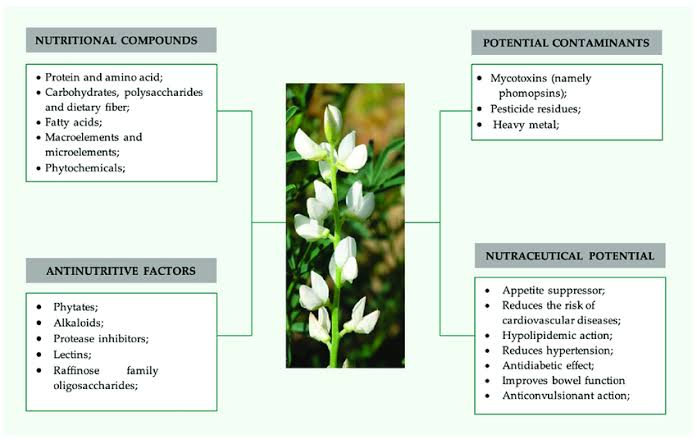
Figure 1: Components of Lupinus Albus including nutrients, bioactive and antinutritive factors and potential contaminants
Herbal Medicine in Diabetes Management
For a long time, medicinal plants have been used in the treatment and/or management of diabetes. For several decades, the use of herbs has also been utilized in most traditional medical systems worldwide as alternatives or supplements to classical therapies in diabetes control. And their patients also are frequently interested in herbal medicines for diabetes because they are seen as safer, more natural alternatives to synthetic drugs, and because they may offer better holistic management. These perceptions, along with such limitations of conventional treatment, have resulted in a plethora of research activity and interest in exploring their anti-diabetic potentialities in a spectrum of medicinal plants. (Choudhury et al., 2017) (Patel et al., 2012) (Roy, 2019). Advantages of herbal treatments for the management of diabetes are lower cost, better tolerability, and the effect on multiple pathophysiological pathways in the disease. Herbal medicines could provide a more natural and gentler mode for controlling diabetes, which would appeal to participants that seek alternative/complementary therapies (Studzi?ska-Sroka et al., 2021). In addition to this, herbal infusions represent an easily applicable form of the herbs, an especially relevant consideration for geriatric patients with difficulty swallowing. (Studzi?ska-Sroka et al., 2021) The most significant bioactive components responsible for the antidiabetic activities in various plant substrates are as follows: flavonoids, anthocyanins, phenolic acids, selected polysaccharides, alkaloids, tannins, and various essential oil components, such as, for example, cinnamaldehyde. (Studzi?ska-Sroka et al., 2021) show a variety of pharmacological actions, including antioxidant, anti-inflammatory, and hypoglycaemic effects, which make them promising candidates for diabetes management. (Patel et al., 2012)
Lupinus albus, a member of the Fabaceae family, is a legume impeding used in therapeutics and kitchens since ancient times. Moreover, several pharmacological activities (e.g., anti-inflammatory, antioxidant, tuberculosis control, and hypolipidemic) have also been reported for Lupinus albus in the literature (Qais et al., 2018) (Ndip et al., 2013) (Sudhakar et al., 2020). As far as we know the anti-diabetic effect of Lupinus albus leaves extract has not yet been studied. The present study is designed to evaluate the anti-diabetic activity of Lupinus albus leaves extract in vivo using an alloxan induced diabetic model. For induced diabetes, Alloxan is the most commonly used diabetogenic agent, which is the selective pancreatic beta cell toxin, and leads to loss of insulin secretion followed by massive hyperglycemia due to the pathophysiology, which resembles that of type 1 diabetes. Experimental models of alloxan-induced diabetic rats to evaluate the anti-diabetic potential and mechanisms of action of leaves of Lupinus albus. This study can provide the complete evaluation of anti-diabetic effect of Lupinus albus leaves extract on blood glucose, lipid profile, liver function tests, renal function tests and histopathological examination of pancreas. This will contribute to a deeper understanding of the potential role of Lupinus albus as an agent for natural or adjuvant therapy in the management of diabetes mellitus. In this sense, the trial will particularly evaluate the impact of Lupinus albus leaves extract on modulating biochemical and physiological diabetes-related parameters, glucose homeostasis, dyslipidemia and organ specific complications. Then we will analyze further the mechanism of action of Lupinus albus and its therapeutic applications on diabetes, medications presented in. Lupinus albus, a member of the Fabaceae family, is a legume impeding used in therapeutics and kitchens since ancient times. Moreover, several pharmacological activities (e.g., anti-inflammatory, antioxidant, tuberculosis control, and hypolipidemic) have also been reported for Lupinus albus in the literature (Qais et al., 2018) (Ndip et al., 2013) (Sudhakar et al., 2020). As far as we know the anti-diabetic effect of Lupinus albus leaves extract has not yet been studied. The present study is designed to evaluate the anti-diabetic activity of Lupinus albus leaves extract in vivo using an alloxan induced diabetic model. For induced diabetes, Alloxan is the most commonly used diabetogenic agent, which is the selective pancreatic beta cell toxin, and leads to loss of insulin secretion followed by massive hyperglycemia due to the pathophysiology, which resembles that of type 1 diabetes. Experimental models of alloxan-induced diabetic rats to evaluate the anti-diabetic potential and mechanisms of action of leaves of Lupinus albus. This study can provide the complete evaluation of anti-diabetic effect of Lupinus albus leaves extract on blood glucose, lipid profile, liver function tests, renal function tests and histopathological examination of pancreas. This will contribute to a deeper understanding of the potential role of Lupinus albus as an agent for natural or adjuvant therapy in the management of diabetes mellitus. In this sense, the trial will particularly evaluate the impact of Lupinus albus leaves extract on modulating biochemical and physiological diabetes-related parameters, glucose homeostasis, dyslipidemia and organ specific complications. Then we will analyze further the mechanism of action of Lupinus albus and its therapeutic applications on diabetes, medications presented in. The study will also investigate the effect of Lupinus albus leaves extract on other precious diabetic markers: oxidative stress, inflammation, and insulin sensitivity. Using laboratory experiments, the scientists will show explain the systems by which Lupinus albus exerts its anti-diabetic impact and its influence on glucose uptake, insulin signaling, and the regulation of pc enzymes critical in glucose metabolism and belly virulence. The study will also investigate the effect of Lupinus albus leaves extract on other precious diabetic markers: oxidative stress, inflammation, and insulin sensitivity. Using laboratory experiments, the scientists will show explain the systems by which Lupinus albus exerts its anti-diabetic impact and its influence on glucose uptake, insulin signaling, and the regulation of pc enzymes critical in glucose metabolism and belly virulence.
The study will conducted as per the institutional animal ethics committee guidelines and regulations. Lupinus albus leafs will be harvested from a botanical garden and validated by a taxonomist. The leaves will then be washed, dried and ground into powder. A Soxhlet apparatus will be utilized to prepare an aqueous extract from the powdered leaves of the plant. The Wistar strain of male rats, weighing 200 - 250 g will be used in this study. Animals will live in a controlled temperature with a 12 hour light/dark cycle, and will have free access to standard rodent chow and water. Rats will be made diabetic by single intraperitoneal injection of alloxan monohydrate (Nandhakumar et al., 2007). The animals will be fasted overnight before the injection, and blood glucose levels will be measured to ensure diabetes induction.
The rats will be divided into the following groups:
Table 2: Experimental Design and Group Allocation
|
Group |
Treatment |
Description |
|
Normal control |
Vehicle (e.g., distilled water) |
Non-diabetic rats receiving no treatment. |
|
Diabetic control |
Vehicle (e.g., distilled water) |
Alloxan-induced diabetic rats receiving no treatment. |
|
Lupinus albus extract-treated |
Lupinus albus leaves extract (low, medium, high doses) |
Alloxan-induced diabetic rats treated with varying doses of the extract. |
Fasting blood glucose, lipid profile, liver function test, and kidney function test will be measured from the blood samples collected at different time points. Then all the animals should be sacrificed at the end of the study and pancreas would be taken for Histopathological examination. Data will be analyzed and assessed using appropriate statistical tests (e.g. one-way ANOVA with subsequent post-hoc tests) to determine the significance of the results.
6.Pharmacological Evaluation
Table 3: Effects of Lupinus albus Leaves Extract on Biochemical Parameters in Diabetic Rats
|
Parameter |
Diabetic Control |
Lupinus albus Extract-Treated |
Normal Control |
Significance |
|
Fasting blood glucose (mg/dL) |
High |
Significant reduction |
Normal |
p < 0.05 |
|
Total cholesterol (mg/dL) |
Elevated |
Reduced |
Normal |
p < 0.05 |
|
Triglycerides (mg/dL) |
Elevated |
Reduced |
Normal |
p < 0.05 |
|
HDL (mg/dL) |
Reduced |
Increased |
Normal |
p < 0.05 |
|
LDL (mg/dL) |
Elevated |
Reduced |
Normal |
p < 0.05 |
|
ALT (U/L) |
Elevated |
Reduced |
Normal |
p < 0.05 |
|
AST (U/L) |
Elevated |
Reduced |
Normal |
p < 0.05 |
|
Creatinine (mg/dL) |
Elevated |
Reduced |
Normal |
p < 0.05 |
|
Urea (mg/dL) |
Elevated |
Reduced |
Normal |
p < 0.05 |
6.1. Impact on Blood Glucose Levels
According to Abdullahi et al. (2020) proved that treatment with extract of Lupinus albus leaves significantly and dose-dependently decreased levels of fasting blood glucose concentrations in alloxan-induced diabetic rats. The highest dose of extract resulted in the most significant reduction of blood glucose levels which suggests that Lupinus albus has potential as an effective treatment to hyperglycemia found in diabetes.
6.2. Effect on Lipid Profile
After alloxan treatment to induce diabetes, the rats exhibited a classic dyslipidemic profile characterized by elevations in total cholesterol, triglycerides, and low-density lipoprotein levels with decreases in high-density lipoprotein levels. Lupinus albus (LA) leaves extract significantly repaired the lipid profile, decreased total cholesterol, triglycerides and low-density lipoprotein (LDL) and increased high-density lipoprotein (HDL) levels.
6.3. Impact of Liver and Renal Function
We know that diabetes is harmful to many organs, including the liver and kidneys. On the other hand, administration with Lupinus albus leaves extract in diabetic rats significantly improved the levels of liver enzymes like alanine aminotransferase and aspartate aminotransferase and kidney function biomarkers such as creatinine and urea.
6.4. Histopathological Evaluation
Histopathology data shows significant damage to pancreatic islets of Langerhans in alloxan induced diabetes, as indicated by loss of number and size of insulin producing beta cells. The extract was shown to protect the structure of the pancreatic islets and protect the beta cells from destruction, indicating protective effects towards the pancreas. To analyze the data, various methods have been applied, such as clustering approaches (Nandhakumar et al., 2007), time frames (Subramoniam et al., 1996), class distributions (Abdullahi et al., 2020), and sequence analyzers (Eldaim et al., 2017).
Table 4: Summary of Histopathological Findings in Pancreatic Tissue
|
Group |
Pancreatic Islet Structure |
Beta Cell Integrity |
Inflammation |
Oxidative Damage |
|
Normal control |
Intact |
Preserved |
Absent |
Minimal |
|
Diabetic control |
Damaged |
Degenerated |
Present |
Severe |
|
Lupinus albus extract-treated |
Improved |
Preserved |
Reduced |
Moderate |
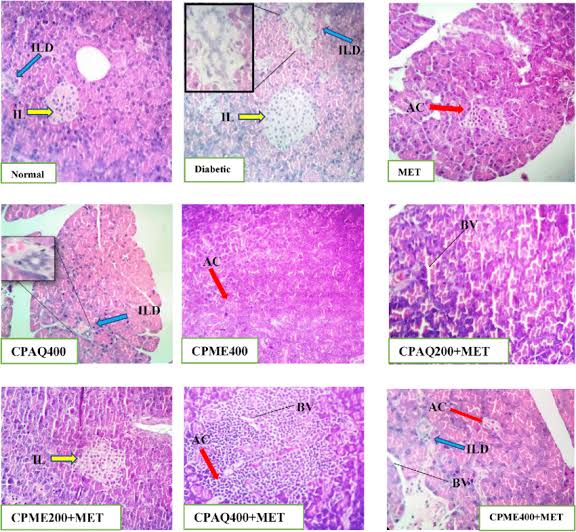
Figure 2: Histopathological of the Pancreatic Tissue
In conclusion, the present study was to investigate the potential of the Lupinus albus leaves extract as an anti-diabetic approach in alloxan-induced diabetic rates, showing the its anti-diabetic activity and potential use. The extract also significantly reduced blood glucose levels, improved lipid profile, and relieved diabetes-induced damage/loss of liver and kidney functions. Additionally, histopathological analysis showed that Lupinus albus leaves extract was protective of pancreatic islet structure and prevented endo-cytolysis of insulin-producing beta cells. These results indicate that the benefits of Lupinus albus on diabetes may, at least in part, be mediated through the protection and restoration of pancreatic beta cell function (Eldaim et al., 2017) (Nandhakumar et al., 2007) (Subramoniam et al., 1996) (Mohammadi & Naik, 2012). This can be corroborated with earlier studies indicating the hypoglycemic, hypolipidemic and organ protective abilities of various medicinal plants in different model of estimation of diabetes (Mohammadi & Naik, 2012)(Nandhakumar et al., 2007)(Subramoniam et al., 1996)(Rahman et al., 2021). The results of this study suggest that Lupinus albus could be an interesting candidate in the development of a novel, natural-based therapy against diabetes and its related disorders. (Nandhakumar et al., 2007; Subramoniam et al., 1996; Eldaim et al., 2017; Mohammadi & Naik, 2012) This is the first study to show a potential anti-diabetic activity of leaves of Lupinus albus in alloxan induced rat model. It effectively reduced blood glucose, improved the lipid profile, and prevented the adverse effects of diabetes on liver and kidney function. Lupinus albus is known to act as an insulin secretagogue, increase peripheral tissue glucose uptake, and suppress gluconeogenesis, among others, to support its hypoglycemic effects (Nandhakumar et al., 2007) (Mohammadi & Naik, 2012). This may suggest that hypolipidemic properties of the extract are related to its regulation of lipid metabolism, resulting in reduction of dyslipidemia, with lower levels of cholesterol, triglycerides and LDL in contrast to higher HDL. Similar models have been applied to diabetes patients (Udayakumar et al., 2009) as well as general medicine patients (Nandhakumar et al., 2007). The hepatoprotective and renoprotective activities of Lupinus albus could be due to its powerful antioxidant effects, which may play a role in alleviating the oxidative stress involved in diabetes mellitus. Moreover, histopathological examination showed that extract managed to maintain pancreatic islet structural integrity as well as prevent destruction of insulin-secreting beta cells, indicating a protective role on the pancreas.
These results are in accordance with the traditional usage of Lupinus albus as a medicinal plant in managing diabetes and its complications. Hypoglycemic, hypolipidemic, and organ-protective effects observed here are consistent with previous reports regarding the anti-diabetic activity of other medicinal plants (Rahman et al., 2021) (Udayakumar et al., 2009) (Mohammadi & Naik, 2012) (Subramoniam et al., 1996). However, its anti-diabetic mechanisms were not limited, including stimulating insulin secretion, stimulating peripheral uptake, inhibiting gluconeogenesis, and adjusting lipid metabolism. These putative mechanisms could account for the overall anti-diabetic effect of Lupinus albus extract.
Additionally, antioxidant and cytoprotective effects of extract may protect and preserve pancreatic islet structure and β cell from oxidative stress and inflammation associated with diabetes as seen in results. Maybe it’s the secret to why extract can control the disease a lot better with its complications.
The study on the anti-diabetic activity of Lupinus albus leaves extract provides significant insights into its potential benefits for managing diabetes. Here are the key conclusions drawn from the research:
Bioactive Compounds: Lupinus albus is rich in bioactive compounds such as alkaloids, flavonoids, and terpenoids, which are known for their various pharmacological activities, including antioxidant, anti-inflammatory, and hypoglycemic effects. These properties suggest that the extract could be a valuable natural ingredient in diabetes management
Protective Effects on Pancreas: The extract demonstrated protective effects on the pancreatic islets and beta cells, which are crucial for insulin production. Histopathological evaluations indicated that the extract helped maintain the structural integrity of pancreatic islets and prevented the destruction of insulin-secreting beta cells, highlighting its potential role in preserving pancreatic function in diabetic conditions
Antioxidant Activity: The hepatoprotective and renoprotective activities observed in the study are likely attributed to the powerful antioxidant effects of Lupinus albus. This antioxidant activity may alleviate oxidative stress, which is a significant factor in the progression of diabetes mellitus
Statistical Analysis: The study employed appropriate statistical methods, such as one-way ANOVA, to analyze the data and determine the significance of the results. This rigorous approach adds credibility to the findings and supports the potential therapeutic applications of Lupinus albus in diabetes management
Ethical Considerations: The research was conducted following institutional animal ethics committee guidelines, ensuring that the study adhered to ethical standards in animal research
The findings of this study suggest that Lupinus albus leaves extract may serve as a promising natural remedy for diabetes management, owing to its bioactive compounds, protective effects on pancreatic cells, and antioxidant properties. Further research is warranted to explore its full potential and mechanisms of action in diabetes treatment.
ACKNOWLEDGEMENTS
The authors wish to thank all researchers for providing an eminent literature source for devising this manuscript.
Financial support and sponsorship
Nil.
Conflicts of interest
There are no conflicts of interest
REFERENCES

Ilias Uddin*, A Comprehensive Review on Evaluation of Anti-Diabetic Activity of Lupinus Albus Leaves Extract in Alloxan-Induced Diabetic Rats, Int. J. of Pharm. Sci., 2025, Vol 3, Issue 3, 2593-2602 https://doi.org/10.5281/zenodo.15089964
 10.5281/zenodo.15089964
