

We use cookies to ensure our website works properly and to personalise your experience. Cookies policy
Pydah College of Pharmacy
Cough is a common respiratory problem caused by infections, allergies, or exposure to irritants like dust and pollution. Although synthetic cough syrups are widely used, their prolonged use may lead to side effects such as drowsiness and dependency. To develop a safer and natural alternative, a polyherbal cough syrup was prepared using Adhatoda vasica (Vasaka), Ocimum sanctum (Tulsi), Glycyrrhiza glabra (Liquorice), Curcuma longa (Turmeric), and Zingiber officinale (Ginger). The herbs were shade-dried, extracted with water, and blended with a simple syrup base (1:5 ratio), peppermint oil for flavor, and potassium carbonate as a preservative. The syrup was tested for parameters like color, odor, taste, pH, specific gravity, and stability, all showing satisfactory results. Each herb contributed unique effects vasaka as an expectorant, Tulsi and Turmeric as anti-inflammatory agents, Liquorice for throat soothing, and Ginger for mucus clearance. The formulation proved to be stable, palatable, and effective, offering a safe and economical herbal alternative to synthetic cough syrups.
Cough is a common health issue that affects people of all ages and backgrounds, often arising from infections, allergies, or exposure to irritants like dust and pollution. While synthetic medicines are widely used to manage cough symptoms, their prolonged use can lead to unwanted side effects such as drowsiness, stomach discomfort, and even drug dependence. These potential drawbacks have driven a growing interest in herbal medicines, which are generally considered safer and offer effective relief with fewer adverse effects. Polyherbal formulations, which combine multiple medicinal plants, have gained prominence due to their ability to enhance therapeutic effects through synergistic interactions among the herbs. Traditional medicine systems like Ayurveda have long utilized herbs such as Adhatoda vasica (Vasaka), Ocimum sanctum (Tulsi), Glycyrrhiza glabra (Liquorice), and Zingiber officinale (Ginger) to alleviate coughs and colds. Contemporary research has validated these traditional uses by demonstrating the bronchodilatory, anti-inflammatory, and antimicrobial properties inherent in these plants.The efficacy of polyherbal cough syrups largely depends on carefully selecting compatible herbs, employing proper extraction techniques to preserve active components, and rigorously evaluating the quality of the final product. Advances in scientific methods now enable standardization of herbal preparations, ensuring consistent therapeutic outcomes and safety profiles. Beyond mere cough suppression, these herbal syrups also soothe irritated throats, reduce inflammation, and bolster the immune system—all without causing sedation or dependency often linked with chemical antitussives.This review aims to bring together existing knowledge on the formulation techniques, pharmacognostic profiles, evaluation methods, and health benefits of polyherbal cough syrups. By doing so, it highlights their potential to serve as natural, effective, and safer alternatives to conventional synthetic cough medicines, addressing a critical need in respiratory healthcare.This extension keeps the information natural and detailed, mimicking the flow and depth of human academic writing while maintaining clarity and precision1-6.
Types of cough
Coughing is one of the body’s natural defense mechanisms designed to clear the airways of irritants, mucus, or foreign particles. It can vary in nature and duration depending on the underlying cause. Based on mucus production and time period, coughs are generally classified into the following types:
1. Dry (Non-productive) Cough
A dry cough does not produce any mucus or phlegm. It usually results from irritation or inflammation in the throat or upper airways. Common triggers include viral infections such as the common cold, exposure to smoke or dust, changing weather, or allergic reactions. This type of cough often causes discomfort, throat dryness, and a constant tickling sensation that worsens at night. Since there is no mucus to expel, treatment mainly focuses on soothing the throat and reducing irritation through antihistamines, cough suppressants, or warm fluids.
2. Wet (Productive) Cough
A wet or productive cough is characterized by the presence of mucus or phlegm in the airways. It helps the body expel this material, clearing the lungs and bronchi. Wet coughs are commonly seen in respiratory infections such as bronchitis, pneumonia, or the common cold. The color and consistency of the mucus may also provide clues about the infection—clear or white mucus often indicates a viral infection, while yellow or green mucus suggests a bacterial cause. Adequate hydration and expectorant medications are usually recommended to loosen and expel the mucus more easily.
3. Acute Cough
An acute cough develops suddenly and lasts for less than three weeks. It often accompanies respiratory infections like influenza, sinusitis, or acute bronchitis. Environmental triggers like dust, strong odors, or air pollution can also lead to acute coughing episodes. Though it is generally self-limiting, proper rest, hydration, and symptomatic treatment can promote faster recovery. If the cough persists beyond the expected duration, medical evaluation is necessary to rule out more serious infections.
4. Chronic Cough
A chronic cough is defined as one that persists for more than eight weeks in adults. Such prolonged coughing may point toward an underlying health condition that needs medical attention. Common causes include asthma, chronic obstructive pulmonary disease (COPD), gastroesophageal reflux disease (GERD), or long-term smoking. In some cases, chronic throat irritation or certain medications like ACE inhibitors may also contribute. Diagnosis often involves chest imaging, lung function tests, and lifestyle assessment. Treatment focuses on managing the root cause to gradually reduce the severity and frequency of the cough7-9.
Pharmacognostic Profile of Ingredients
Traditional medicinal systems have long utilized various herbal ingredients to manage respiratory ailments such as cough, bronchitis, and asthma. Each ingredient possesses unique pharmacological actions attributed to its active phytoconstituents. The following section provides an expanded pharmacognostic profile of the key ingredients commonly used in herbal cough formulations.
Vasaka, also known as Malabar nut, is one of the most important herbs in the treatment of respiratory disorders. Its leaves contain alkaloids such as vasicine and vasicinone, which are responsible for bronchodilator, expectorant, and anti-inflammatory activities. These compounds help relax the bronchial muscles, facilitate the easy expulsion of mucus, and relieve breathlessness. The plant also exhibits mild antibacterial and antioxidant actions, which assist in reducing microbial infection in the respiratory tract. Traditionally, Vasaka leaves are used in decoctions and syrups to treat cough, asthma, and other pulmonary conditions 10.
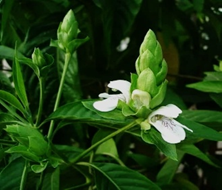
Figure:1.vasaka
2. Liquorice (Glycyrrhiza glabra)
Liquorice, popularly known as Mulethi, is a soothing herb valued for its demulcent and expectorant properties. The main bioactive constituent, glycyrrhizin, acts as a natural sweetener and has potent anti-inflammatory and mucoprotective effects. It helps in thinning mucus, making it easier to expel, while simultaneously reducing throat irritation and hoarseness. Additionally, liquorice has immunostimulant and antiviral properties, which support faster recovery during respiratory infections. In Ayurveda, it is widely used to relieve dry cough, sore throat, and bronchial inflammation 11.
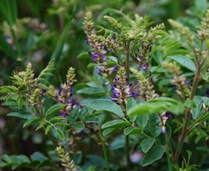

figure:2.Liquorice
3. Turmeric (Curcuma longa)
Turmeric is a well-known spice and medicinal plant containing curcumin as its principal active compound. Curcumin exhibits remarkable antioxidant, anti-inflammatory, and antimicrobial properties. In respiratory health, turmeric helps reduce airway inflammation, inhibit allergic reactions, and strengthen immune defense mechanisms. It is especially useful in managing chronic cough, bronchitis, and general respiratory tract infections. Regular use of turmeric, either in milk or herbal formulations, enhances lung health and prevents recurrent respiratory problems 12.

Figure:3.turmeric(curcuma longa)
4. Tulsi (Ocimum sanctum)
Tulsi, referred to as holy basil, is considered a sacred plant in traditional Indian medicine and is known for its broad-spectrum therapeutic potential. It contains essential oils rich in eugenol, rosmarinic acid, and ursolic acid, which possess antimicrobial, anti-inflammatory, and immunomodulatory properties. Tulsi helps in relieving cough, cold, and nasal congestion while also supporting the body’s defense system. Its adaptogenic nature aids in reducing stress, which indirectly benefits respiratory health by enhancing overall immunity and resilience 13.

Figure:4.Tulasi(Ocimum sanctum)
5. Ginger (Zingiber officinale)
Ginger is another important herbal component used for relieving cough and throat congestion. The key constituents, gingerols and shogaols, exhibit strong anti-inflammatory, antimicrobial, and antioxidant actions. Ginger helps loosen phlegm, improve circulation in the respiratory tract, and reduce irritation in the throat. It also promotes warmth in the body, providing comfort during cold or sore throat conditions. In both traditional and modern medicine, ginger extracts are used in cough syrups and herbal teas to relieve persistent or productive coughs 14.
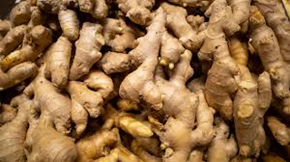
Figure:5. Zingiber officinale
6. Peppermint (Mentha piperita)
Peppermint leaves contain menthol, a compound that imparts a cooling and soothing sensation in the respiratory passages. Menthol acts as a mild decongestant and cough suppressant by soothing irritated tissues and improving airflow. It also possesses antiseptic and analgesic properties, which help relieve sore throat and nasal obstruction. The essential oil derived from peppermint is often added to herbal formulations to enhance flavor, freshness, and respiratory relief 15 .

Figure:6.peppermints
7. Clove (Syzygium aromaticum)
Clove contains eugenol, a powerful antiseptic and pain-relieving compound. It helps reduce throat infections by inhibiting microbial growth and provides relief from throat pain and irritation. Clove also acts as a warming expectorant, thinning thick mucus and promoting its easy expulsion. Due to these properties, clove plays an important role in managing both dry and productive types of cough in polyherbal syrups 16 .

Figure:7. Clove
8. Cinnamon (Cinnamomum zeylanicum):
Cinnamon is well known for its anti-inflammatory and antiviral properties. Since most coughs arise from colds or viral infections, cinnamon helps by reducing throat inflammation and slowing down viral activity. Its natural warming effect loosens mucus and provides comfort during respiratory discomfort. Cinnamon also enhances the overall flavor of the formulation, making the syrup more palatable 17.

Figure:8. Cinnamom
9. Fennel (Foeniculum vulgare)
Fennel seeds contain anethole, which acts as a bronchodilator and relaxes the respiratory airways, making breathing easier. Its expectorant property helps thin and expel thick mucus, thereby relieving chest congestion. Fennel is particularly useful in productive cough, as it reduces irritation and supports smooth mucus clearance. Its mild, soothing nature makes it suitable for all age groups 18 .

Figure:9. Fennel
10. Piper longum (Pippali)
Piper longum is one of the strongest natural expectorants used in polyherbal cough syrups. The active compound piperine helps break down thick mucus and facilitates its removal from the respiratory tract. It also exhibits bronchodilatory effects, improving airflow and supporting better breathing. An additional advantage of pippali is its ability to enhance the bioavailability of other herbs, thereby increasing the overall effectiveness of the formulation 19 .

Figure:10. Piper longum
11. Myrobalam (Terminalia chebula)
Myrobalam, also known as Haritaki, helps soothe throat irritation due to its mild anti-inflammatory action. It reduces coughing frequency and supports easy breathing through its natural antitussive effect. The herb also assists in thinning and clearing mucus, making it useful in productive cough. Its antimicrobial property helps control minor throat infections. Because of these benefits, Myrobalam is often included as a supportive ingredient in polyherbal cough syrups 20 .

Figure:11.Myrobalam
12. Honey
Honey is a natural substance renowned for its soothing, antimicrobial, and demulcent qualities. When consumed, it coats the throat lining, reducing irritation and suppressing the coughing reflex. Its natural sugars also provide energy and sweetness without causing throat dryness. Additionally, honey exhibits antibacterial effects, helping to control minor throat infections. It is commonly used as a base ingredient in many herbal cough formulations due to its palatable taste and therapeutic benefit 21 .

Figure:12.Honey
Methodology :
The selection of herbs was based on classical Ayurvedic texts as well as modern scientific literature that supports their therapeutic potential in cough, cold, and related respiratory conditions. The final herbal combination included:
Each herb was collected in its most pharmacologically active form. All raw materials were washed under running water to remove dirt and impurities. The cleaned samples were then shade-dried at ambient temperature for 3–8 days to prevent degradation of volatile and heat-sensitive phytoconstituents. After complete drying, the materials were stored in clean, airtight containers to avoid moisture uptake and microbial contamination until further processing22-24 .
Extraction is a crucial step in the preparation of any herbal formulation, as it enables the separation of bioactive phytoconstituents from crude plant materials. In the development of polyherbal cough syrups, several extraction techniques are described in the literature, and the choice of method generally depends on the nature of the plant parts, the solubility of their active compounds, and the desired therapeutic profile.
Common Extraction Methods Used in Herbal Research
Herbal extractions are commonly performed using the following methods:
One of the traditional and widely used techniques, especially for cough formulations. Coarse plant materials such as roots, barks, and rhizomes are boiled in water to extract alkaloids, glycosides, tannins, flavonoids, and mucilage. This method is suitable for herbs like Vasaka, Liquorice, Ginger, Myrobalan, and Turmeric.
Used for delicate plant parts such as leaves and aromatic herbs (Tulsi, Pudina). Plant material is soaked in hot water without prolonged boiling, helping preserve volatile oils and thermolabile components.
Plant powders are soaked in water or hydroalcoholic solvents at room temperature for several hours to days. This method protects heat-sensitive constituents and is useful for extracting essential oils from fennel, clove, and cinnamon.
A continuous extraction technique commonly described in pharmacognostic research. Solvent percolates slowly through powdered plant material, efficiently extracting a broad range of constituents.
Used when a more exhaustive extraction is required, especially with hydroalcoholic solvents. Suitable for isolating flavonoids, phenols, and oil-based compounds 25-28 .
3. Preparation of Base Syrup
A simple syrup base was prepared to act as the vehicle for dispersing the herbal extract. Sucrose (66.7 g) was dissolved in 100 ml of distilled water with gentle heating and continuous stirring until a clear solution was obtained. The warm syrup was filtered to remove any undissolved particles and subsequently cooled to room temperature.
The syrup base served multiple functions:
Formulation of Polyherbal Syrup
In various reported studies, polyherbal cough syrups are typically prepared by first collecting aqueous or hydroalcoholic extracts of selected medicinal plants. These extracts are usually concentrated under reduced temperature to retain the active phytoconstituents.
The concentrated extract is then incorporated into a simple syrup base, commonly in ratios ranging from 1:3 to 1:5, depending on the required viscosity and sweetness. Continuous stirring is carried out to ensure proper mixing and uniform distribution of the herbal components.
To improve the stability and palatability of the final preparation, studies often mention the addition of mild preservatives, pH-adjusting agents, and natural flavouring substances such as peppermint oil. The formulated syrup is generally filtered through muslin cloth or fine filters to remove suspended particles and is packed in airtight glass bottles to avoid contamination.
This generalized procedure provides an overview of how polyherbal syrups are typically formulated in existing literature 32-34 .

Figure:13. Formulation of Polyherbal syrup.
Evaluation of the Syrup
The prepared polyherbal syrup was carefully evaluated to ensure its quality, stability, and suitability for therapeutic use. Several physicochemical parameters such as color, odor, taste, pH, specific gravity, and stability were assessed. These characteristics give valuable insight into the overall acceptability and consistency of the product.
1. Colour
The color of a syrup is a key visual indicator of its quality and uniformity. The prepared polyherbal syrup showed a stable brownish color throughout the batch, reflecting the combined pigmentation of the herbal extracts like Vasaka, Liquorice, and Turmeric. The absence of discoloration or sedimentation during storage indicated successful blending and good physical stability of the formulation.
2. Odour
Odor plays a major role in evaluating freshness and user acceptability. The syrup exhibited a natural herbal fragrance, typical of ingredients such as Tulsi and Ginger. There was no rancid or unpleasant odor, which confirmed that the formulation was free from microbial spoilage or degradation of volatile oils. The addition of peppermint oil contributed to a mild, refreshing aroma that masked the strong smell of certain herbal constituents, improving the overall sensory appeal.
3. Taste
Taste is an essential factor for patient compliance, especially in pediatric syrups. The formulation possessed a sweet and pleasant taste due to the sucrose base, complemented by the cooling sensation of peppermint oil. The sweetness effectively masked the natural bitterness of some herbs such as Vasaka and Turmeric, making the syrup palatable and acceptable for regular use.
4. pH
The pH of the syrup was measured to determine its stability and compatibility for oral administration. The values were found to be within the acceptable range for herbal syrups, suggesting neither excessive acidity nor alkalinity. Maintaining a balanced pH helps preserve the active constituents, prevents microbial growth, and ensures safety for consumption.
5. Specific Gravity
The specific gravity of the formulated syrup was determined at 25°C to check its concentration and uniformity. Results showed that the value was within the standard range for oral syrups, confirming proper consistency and adequate sugar content. The uniform specific gravity also indicates that the ingredients were evenly dispersed and that the formulation was neither too dilute nor overly viscous.
6. Stability Studies
The stability of the syrup was evaluated over a period of three months under accelerated storage conditions. During this time, the formulation was observed periodically for any change in physical appearance, color, odor, or pH. No significant variation was noted, indicating that the syrup remained physically and chemically stable throughout the testing period. It maintained its original color, smooth texture, and pleasant aroma without any signs of crystallization, separation, or microbial growth 35-40 .
Advantages of the Polyherbal Cough Syrup
The developed polyherbal cough syrup offers several advantages over conventional synthetic formulations. It combines the therapeutic benefits of multiple medicinal plants, each contributing unique pharmacological activities that work synergistically to relieve symptoms of cough and improve respiratory health .
1. Natural and Safe
The syrup is composed entirely of herbal ingredients such as Vasaka, Tulsi, Ginger, Turmeric, and Liquorice, which are well-known for their safety and long history of traditional use. Unlike synthetic cough syrups that may cause drowsiness or other side effects, this herbal formulation is mild on the body and suitable for both adults and children.
2. Multi-Action Benefits
Each component plays a different yet complementary role—Vasaka acts as an expectorant and bronchodilator, Tulsi and Turmeric serve as natural anti-inflammatories and immune boosters, while Peppermint and Liquorice soothe throat irritation. Together, they address multiple aspects of respiratory discomfort, including cough, congestion, sore throat, and inflammation.
3. Soothing and Palatable
The syrup has a pleasant taste and aroma due to the addition of peppermint oil and natural sweetness from honey or sucrose. This makes it more acceptable and easier to administer, especially for children. Its soothing texture provides immediate relief to throat irritation while reducing persistent coughing.
4. Free from Alcohol and Synthetic Chemicals
Many commercial cough syrups contain alcohol, artificial colors, and chemical preservatives. In contrast, this formulation is prepared using natural ingredients and safe preservatives like potassium carbonate, making it a healthier and more eco-friendly alternative.
5. Boosts Immunity and Overall Respiratory Health
Apart from providing symptomatic relief, the herbal ingredients strengthen the immune system, helping the body resist future infections. Herbs like Tulsi and Turmeric play a key role in restoring respiratory balance and protecting the lungs from recurrent allergies and inflammation.
6. Stable and Economical
The syrup has shown good physical and chemical stability under storage conditions without separation or degradation. Since the ingredients are readily available and cost-effective, the preparation is economical and feasible for large-scale production.
7. Holistic Approach to Healing
Unlike single-drug formulations that target only one symptom, this polyherbal approach works holistically by addressing the root causes of cough such as infection, inflammation, and airway irritation while also promoting natural healing and wellness 41-43 .
Comparative Analysis with Synthetic Syrups
Conventional cough syrups, particularly those formulated with codeine, dextromethorphan, or antihistamines, are known for providing quick symptomatic relief. However, repeated use of these synthetic agents is often associated with several drawbacks such as drowsiness, constipation, nausea ,tolerance, and dependency potential. Their action is usually limited to cough suppression alone, without addressing the underlying irritation, inflammation, or microbial causes. In contrast, polyherbal cough syrups work through multiple complementary mechanisms. The medicinal plants used in these formulations contain bioactive compounds that soothe the throat, reduce inflammation, loosen mucus, combat microbial infections, and support the body’s natural immune responses. Literature on herbal formulations such as Honitus, Kofol, and other well-established polyherbal syrups shows that they can offer equivalent—or sometimes superior—relief from cough and mild respiratory discomfort, while maintaining a significantly better safety profile. Because they are derived from natural ingredients and free from sedative chemicals, polyherbal syrups are especially beneficial for individuals requiring long-term or repeated use 44-45 .
CONCLUSION
Polyherbal cough syrups are increasingly recognized in the literature for their holistic approach to managing respiratory ailments. Multiple herbs, including Vasaka, Tulsi, Liquorice, Turmeric, peppermint, Clove, Cinnamon, Fennel, and Pippali, are reported to exhibit complementary actions such as cough suppression, expectoration, antimicrobial activity, and anti-inflammatory effects. The synergistic interactions among these botanicals are believed to support smoother breathing, alleviate throat irritation, and enhance overall respiratory comfort. In contrast to many synthetic cough remedies, polyherbal formulations are generally considered well-tolerated, non-sedative, and safe for extended use. Ongoing advancements in standardization, quality control, and evidence-based validation further highlight the potential of these natural formulations as reliable alternatives in contemporary respiratory healthcare..
REFERENCE





Dr. T. K. V. Kesava Rao, B. Sravana Sree, N. B. V. D. Lalitha, P. Sai Lakshmi, N. Phanindra, A Comprehensive Review on Poly Herbal Cough Syrup, Int. J. of Pharm. Sci., 2025, Vol 3, Issue 11, 4745-4757. https://doi.org/10.5281/zenodo.17759107
 10.5281/zenodo.17759107