
View Article

Abstract

Perfume has been in life of humans since ancient times. Today’s era has led to the formation of different fragrant as per the people’s perception. Various type of perfume are categorized based on the ratio of fragrant oil content to solvent. The methodology employed in this study is experimental an consist of two phases: perfume formulation, evaluation, and final product development. Perfume is basically a cosmetic product applied to human body for an amusing scent or the feeling of freshness. It evokes a surge of events in human immune system which results with allergic symptoms. Evaluation test were performed such as Hedonic test, Sensory test, Spot test, Skin irritation test.

Keywords

Perfume, Floral sources, Fragrance ingredients, Evaluation

Introduction

The word Perfume is originated from the Latin word “Perfumare” which means “To Smoke through”. Perfume is composed of aromatic compounds, fragrant essential oils, solvents and fixatives, used to provide the animal, food objects, and the human body an engaging scent, mainly in the form of liquid, some of the fragrance ingredients used in the perfumes to give pleasant scent to human’s body cause allergic reaction called Fragrance Allergen.4 Perfume can be defined as substance that emit and diffuse a pleasant and fragrance odor. They consist of manmade mixtures of aromatic chemicals and essential oils. Until 19th century perfume were usually composed of natural aromatic oil.14 Since the perfumes are also produce in the form of synthetic organic substances, the substance having fragrance and present in plants are called Plant Perfumes. Essential oils can be derived from plants and spices, or they can be synthetic. The solvent, usually consisting of 98% ethanol, and 2% water, is the liquid that dissolves the perfume oil.1

Floral perfume: Floral perfume is a fragrance family centered around the scent of blooming flowers. It captures the softness, elegance and romance associated with petals and blossoms, often featuring notes such as rose, jasmine and lily of the valley. Floral perfume is a fragrance made primarily from the scents of flowers such as rose, jasmine, lily ,tuberose. It is one of the most popular and timeless perfume families because it smells fresh, soft, romantic and elegant.

Floral perfumes can be:

  • Light and fresh- like a single flower in bloom
  • Sweet and romantic- blended with fruity or powdery notes Rich and intense- combined with spices, woods, or  musk.
  • Rich and intense- combined with spices, woods, or  musk.

Perfume are categorized into four group, They are discussed below:
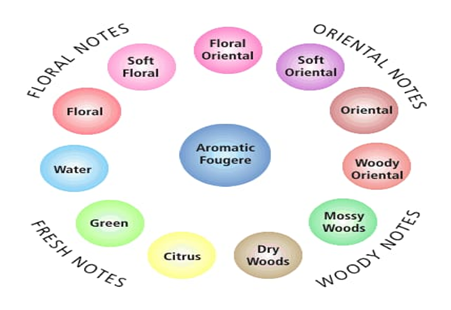
  1. Floral- Floral, Floral Oriental, Soft Floral.
  2. Oriental- Oriental, Soft Oriental, Wood
  3. Woody- Wood, Mossy Woods, Dry Woods.
  4. Fresh- Citrus, Green, Water

Figure- 1: Floral Notes

Classification: Perfume are classified into:
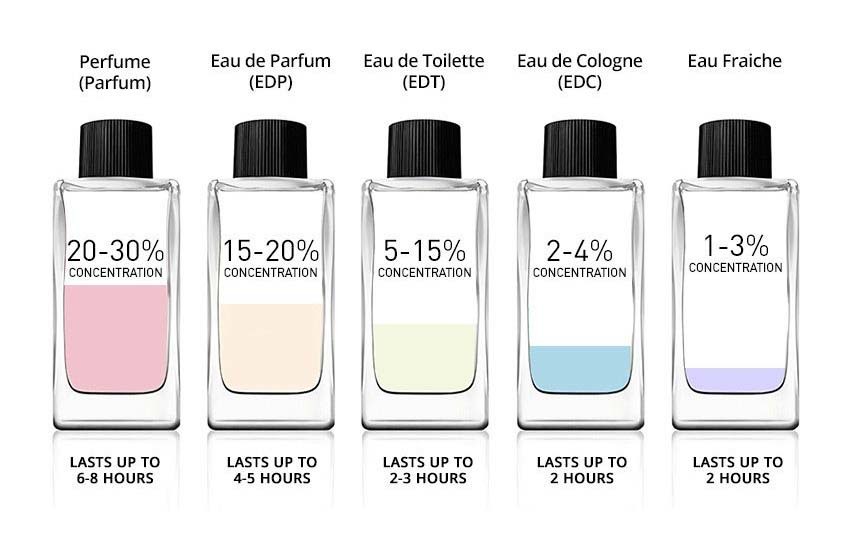
  1. Parfum (20-30% of perfume)
  2. Eau de Parfum (15-20% of perfume)
  3. Eau de Toilette (5-15% of perfume)
  4. Eau de Cologne (2-4% -f perfume)
  5. Eau de Fraiche (1-35 0f perfume)

Figure-2: Classification of perfume(based on concentration)

 Notes: Perfume has basically three sets of notes which are used for making the   harmonies scent  accord. They are top notes, middle notes and base notes.
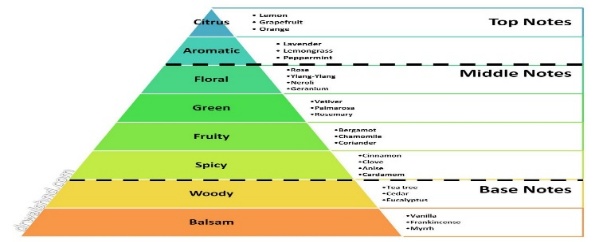
  1. Top Notes- These are the initial, fleeting scent that creates the first impression of a perfume.   Flowers like; citrus blossoms, lavender, and neroli often contribute to top notes.
  2. Middle Notes- These are the heart and soul of a perfume development after the top notes fade. Flowers such as rose, jasmine, and lily of the valley are frequent used for the middle notes.
  3. Base Notes- These are the long-lasting scent that provide depth and warmth and solidify. Flowers like; patchouli, ylang-ylang, tuberose can contribute to base notes.

Figure-3: Basic notes of perfume

Rose: Rose is a popularly known as “king of flower” due to its beauty. It is good for skin because it’s extracts and oils offer moisturizing ,soothing and anti-inflammatory benefits, which can reduce redness, hydrates dry skin and protect against environment damage due to their anti-oxidant properties.

Botanical name- Rosa

Famliy – Rosaceae

Genus - Rosa
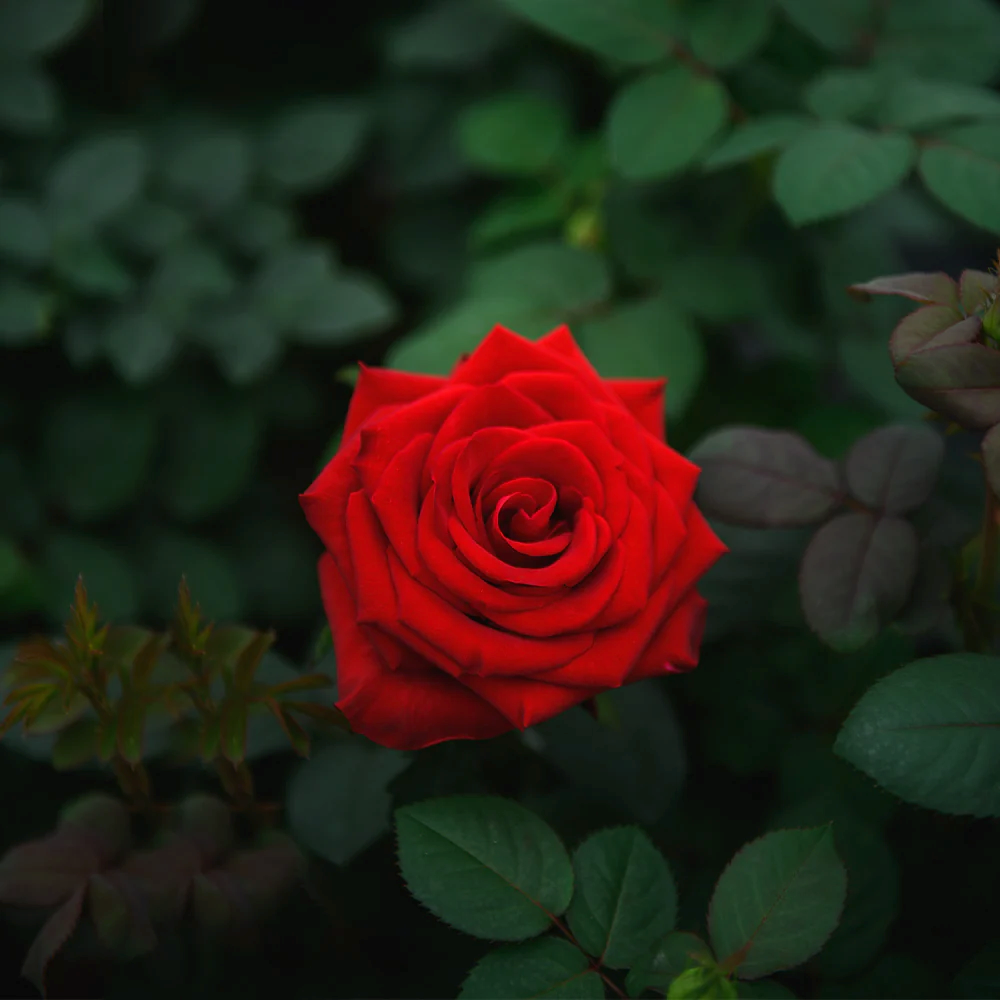
Figure-1.1: Rose

Jasmine: It blooms at night and fall by morning. Common jasmine is a climbing shrub that can grow up to 8 meters tall. The leaves are made up of 7 to 9 smaller ‘leaflets’, which are long, pointed and oval-shaped. The fruits are small black berries.

Botanical name - Jasminum

Family – Oliaceae

Genus - jasminum
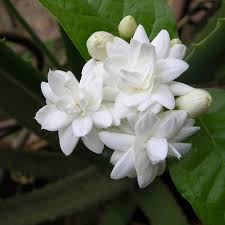
Figure-1.2: Jasmine

 Night Jasmine: Night jasmine has two common name depending on the plant. Queen of             plant, Ladies of the night, or Night-blooming jessamine if is refers to the plant Cestrum nocturnum.it is fast growing, evergreen shrub renowned for its intensely fragrant, small white-green flowers that open only at night. Release a very strong, romantic scent at night, often attracting moths.

Botanical name – Cestrum nocturnum

Genus – Cestrum

Family - Solanaceae
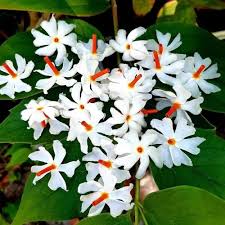
Figure-1.3: Night Jasmine

Tuberose: Tuberose are highly fragrant, bulbous perennial plants prized foe their intense,            sweet-smelling white flowers that bloom on tall spikes in late summer. Plant bulbs 2-4 inches deep and 6-8 inches apart in spring (after frost) in zones 8-10. It is also used for decorative purpose such as bouquets, garlands.

Botanical name – Polianthes tuberosa

Family – Asparagaceae

Genus - Polianthes
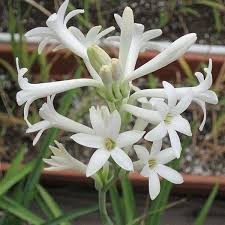
Figure-1.4: Tuberose

Lavender: It is famous for calming and rich essential oil content (linalool, linalyl acetate). Lavender flower has diverse uses, including aroma therapy for relaxation and sleep, as a natural skin ingredients to treat conditions like; acne and burns due to its anti-inflammatory and anti-septic properties.

Botanical name – Lavandula angustifolia

Genus – Lavandula

Family – Lamiaceae
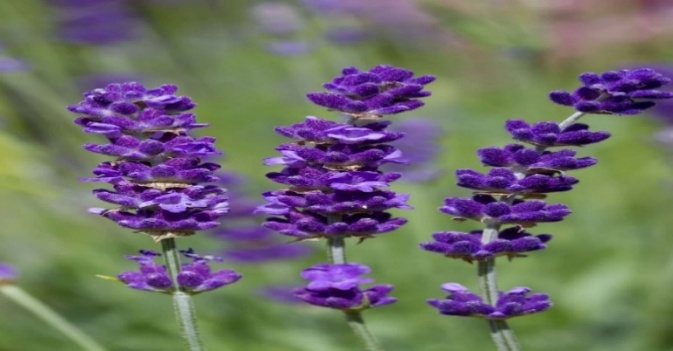
Figure-1.5: Lavender

Lily: These are white flowers represent purity and fertility. In some cases, they also symbolize rebirth. It is used indoor air purification aesthetic value for home décor and bouquets, promoting relaxation and sleep.

Botanical name – Lilium

Genus – Lilium

Family – Liliaceae
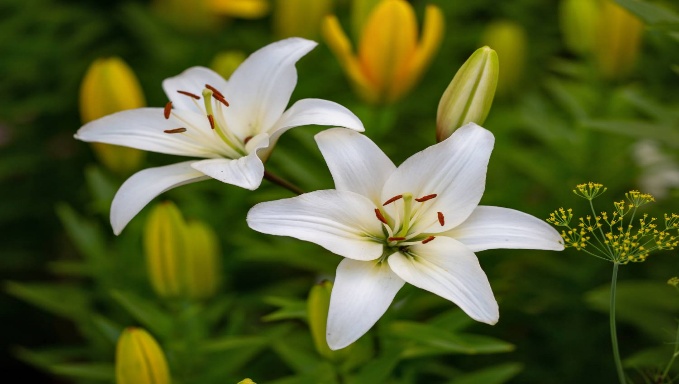
Figure-1.6: Lily

Almond oil(sweet oil): Carrier oil rich in faty acid;nourishin and lightly aromatic used in skincare and perfumes. Seeds of Prunus dulcis,give oil as in which is golden yellow,odorless,chemically 40-5-% fixed oils.205 proteins,mucilage,emulsion,2.5-4% ammygdalins. These oils are also referred to as nourishing and moisturizing oils, also working as a vehicle for this formulation.

Botanical name – Purnus dulcis

Genus – Prunus

Family - Rosaceae
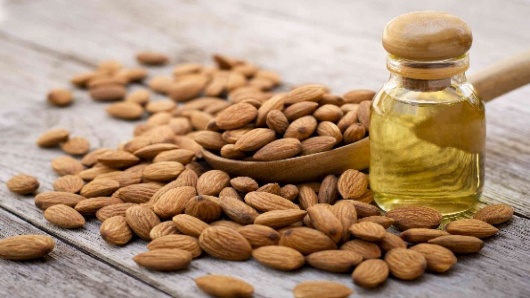
Figure-1.7 :Almond oil

Jojoba oil: Liquid wax extracted from seeds: very stable and commonly used as carrier oil in perfumes due to long self life. Liquid wax extracted from seeds; very stable and commonly used as carrier oil in perfumes due to long self life. Jojoba oil  is a unique liquid wax from the seeds of the Simmondsia desert shrub.

Botanical name – Simmondsia chinensis

Family – Simmondsiaceae

Genus - Simmondsia
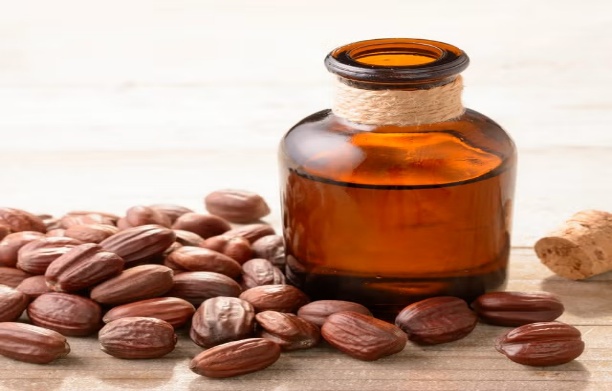
Figure-1.8: Jojoba oil

Sandalwood oil: Aromatic heartwood oil with warm,woody fragrance: premium fixative in perfume formulations. Anxiety and promotes a calming effects. Sandalwod oil is a prized essential oil,extracted from the heartwood of Santalum trees (especially S.album), known for its disinctive sweet,woody aroma and pale yellow color, used for millennia in perfume, cosmetic, aromatherapy (for stress releif, meditation).

Botanical name – Santalum Album Linn

Genus -Santalum

Family - Santalaceae
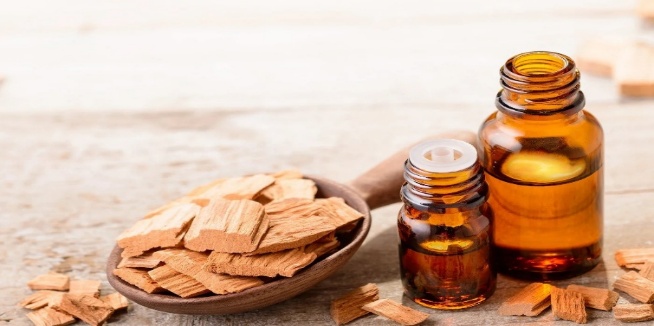
Figure-1.9: Sandalwood oil

Method:

Step 1: Firstly the petals of all flowers are selected for formulation of perfume.

Step 2: Allow them to dry for few days.

Step 3: Preparation of extract by solvent extraction process.

Step 4: Powder dry petals was added in solvent in a flask and stopped.

Step 5: In order to completely extract all oil in the petals, the content was allowed to stand for 38-40 hours. After which the extract was decanted into the beaker.

Step 6: Ethanol was added to dissolved the extract.

Step 7: The mixture was added transferred to separating funnel and allowed to come in equilibrium, which separate into two layers.

Step 8: The lower ethanol layer extract and upper hhexane layer were carefully separated.   

Step 9: Collected into two separate into beaker and placed in a water bath at 60 degree. This was done to remove excess ethanol leaving only the natural essential oil.  

CONCLUSION:

This review indicates the importance of flowers as sources of aromatic compound for the preparation of local perfumes, and their role to improve the livehood of growers. This is an attempt to explore the possibility of perfume manufacturing using flowers. The flowers essential oil was successfully extracted from dry prtals of flowers using solvent extraction. Although solvent extraction method gives higher result. The essential oil was used successfully in perfume formulation by using fixating and different solvent as ingredients. Almond oil has its therapeutic value and is used as a vehicle here. Essential oils are always used in dilute form due to ths chances of high toxicity and allergic reactions. The fliral perfume blends harmonious noted of rose, jasmine, lavender, and  lily to create a captivating, uplifting fragrance. With its balanced composition and natural ingredients,this scent is perfect foe everyday wear, evoking feelings of serenity and joy.

REFERENCES

  1. Bhosale, D. P. (2025). Industrial Application of Flowers: Perfume, Dye,and Essential Oils. Indonesian Journal of Cosmetics.
  2. Dhandge, P. D. (2024). Formulation and evaluation of perfume from locally available flowers. GSC Biological and Pharmaceutical Sciences, eISSN: 2581-3250.
  3. Hatwar, P. (2024). Formulation and Evaluation of Solid Perfume. World Journal of Pharmaceutical Research, 1338-1360.
  4. Kumar, M. (2020). Review on perfume and present status of its associated allergens. Journal of cosmetic dermatology, 392.
  5. Mahajan, V. K. (2022). Perfumes and associated allergens: A brief review . CosmoDerma.
  6. Pal, R. S. (2021). Herbal Solid Perfume: ATurkish Voncept-Based Synthesis and Quality Valuation. World Journal of Environment Biosciences , ISSN:2277-8047.
  7. Putri, T. (2023). Formulation and evaluation of Eau De Parfume (EDP) Floral Aroma Characteristics. Indonesian Journal of Cosmetics.
  8. Rashmi, R. (2025). The Beauty of Blossom: An Overview of the Composition, Functions, and Regulation of Volatile Compounds in Flowers. Flavour and Fragrance Journal.
  9. S.Benam, R. Y. (2024). Formulation of Solid Perfume from locally available Chrysanthemum X Morifolium (Garden chrysanthemum) and theobroma oil. International Journal Of innovation and Industrial Revolution (IJIREV), EISSN: 2637-0972.
  10. Vainstein, A. (2001). Floral Fragrance. New Inroads into an Old Commodity. American Society of Plant Biologists.
  11. Abebe, T. G. (2021). Extraction and Characterization of Aromatic Essential Oils for Natural Perfume Formulation. International Research Journal of Science and Humanities.
  12. Khosh-Khui, M. (2014). Biotechnology of Scented Roses: A Review. International Journal of Horrrticultural Science and Technology.
  13. Malkar, R. S. (2020). Development of Green and Clean Processes for Perfumes and Flavors Using Heterogeneous Chemical Catalysis. Benthan Science Publishers.
  14. Musale, Y. J. (2023). Formulation and Evaluation of Eau De Perfume (EDP) Floral Aroma Characteristics. Indonesian Journal of Cosmetics.
  15. S, A. (2018). Voyage of Fragrance and Fashion. Journal of Textile Science and Engineering.
  16. S.Benam, R. Y. (2024). Formulation of Solid Perfume from locally available Chrysanthemum X Morifolium (Garden chrysanthemum) and theobroma oil. International Journal Of innovation and Industrial Revolution (IJIREV), EISSN: 2637-0972.
  17. Tamboli, P. M. (2021). Extraction and Formulation of Perfume from Plants: A Review. Journal of Emerging Technologies and Innovative Research (JETIR), ISSN: 2349-5162.
  18. Tamboli, P. M. (2021). Extraction and Formulation of Perfume from Plants: A Review. Journal of Emerging Technologies and Innovative Rsearch (JETIR).
  19. Vainstein, A. (2001). Floral Fragrance. New Inroads into an Old Commodity. American Society of Plant Biologists.
  20.  Kumar, M. (2020). Review on perfume and present status of its associated allergens. Journal of cosmetic dermatology, 392.
  21. S.Benam, R. Y. (2024). Formulation of Solid Perfume from locally available Chrysanthemum X Morifolium (Garden chrysanthemum) and theobroma oil. International Journal Of innovation and Industrial Revolution (IJIREV), EISSN: 2637-0972.
  22. Jack, C. and Raymond, P.W. (2010). Constituents of Essential Oils. Journal of chemical Constituents, 3 200-205.
  23. David, R. L. (2004). CEC handbook of Chemistry and Physics, 85th edition. CRC Press, ISBSN: 0-8493-0485-7, 1-3.

Reference

  1. Bhosale, D. P. (2025). Industrial Application of Flowers: Perfume, Dye,and Essential Oils. Indonesian Journal of Cosmetics.
  2. Dhandge, P. D. (2024). Formulation and evaluation of perfume from locally available flowers. GSC Biological and Pharmaceutical Sciences, eISSN: 2581-3250.
  3. Hatwar, P. (2024). Formulation and Evaluation of Solid Perfume. World Journal of Pharmaceutical Research, 1338-1360.
  4. Kumar, M. (2020). Review on perfume and present status of its associated allergens. Journal of cosmetic dermatology, 392.
  5. Mahajan, V. K. (2022). Perfumes and associated allergens: A brief review . CosmoDerma.
  6. Pal, R. S. (2021). Herbal Solid Perfume: ATurkish Voncept-Based Synthesis and Quality Valuation. World Journal of Environment Biosciences , ISSN:2277-8047.
  7. Putri, T. (2023). Formulation and evaluation of Eau De Parfume (EDP) Floral Aroma Characteristics. Indonesian Journal of Cosmetics.
  8. Rashmi, R. (2025). The Beauty of Blossom: An Overview of the Composition, Functions, and Regulation of Volatile Compounds in Flowers. Flavour and Fragrance Journal.
  9. S.Benam, R. Y. (2024). Formulation of Solid Perfume from locally available Chrysanthemum X Morifolium (Garden chrysanthemum) and theobroma oil. International Journal Of innovation and Industrial Revolution (IJIREV), EISSN: 2637-0972.
  10. Vainstein, A. (2001). Floral Fragrance. New Inroads into an Old Commodity. American Society of Plant Biologists.
  11. Abebe, T. G. (2021). Extraction and Characterization of Aromatic Essential Oils for Natural Perfume Formulation. International Research Journal of Science and Humanities.
  12. Khosh-Khui, M. (2014). Biotechnology of Scented Roses: A Review. International Journal of Horrrticultural Science and Technology.
  13. Malkar, R. S. (2020). Development of Green and Clean Processes for Perfumes and Flavors Using Heterogeneous Chemical Catalysis. Benthan Science Publishers.
  14. Musale, Y. J. (2023). Formulation and Evaluation of Eau De Perfume (EDP) Floral Aroma Characteristics. Indonesian Journal of Cosmetics.
  15. S, A. (2018). Voyage of Fragrance and Fashion. Journal of Textile Science and Engineering.
  16. S.Benam, R. Y. (2024). Formulation of Solid Perfume from locally available Chrysanthemum X Morifolium (Garden chrysanthemum) and theobroma oil. International Journal Of innovation and Industrial Revolution (IJIREV), EISSN: 2637-0972.
  17. Tamboli, P. M. (2021). Extraction and Formulation of Perfume from Plants: A Review. Journal of Emerging Technologies and Innovative Research (JETIR), ISSN: 2349-5162.
  18. Tamboli, P. M. (2021). Extraction and Formulation of Perfume from Plants: A Review. Journal of Emerging Technologies and Innovative Rsearch (JETIR).
  19. Vainstein, A. (2001). Floral Fragrance. New Inroads into an Old Commodity. American Society of Plant Biologists.
  20.  Kumar, M. (2020). Review on perfume and present status of its associated allergens. Journal of cosmetic dermatology, 392.
  21. S.Benam, R. Y. (2024). Formulation of Solid Perfume from locally available Chrysanthemum X Morifolium (Garden chrysanthemum) and theobroma oil. International Journal Of innovation and Industrial Revolution (IJIREV), EISSN: 2637-0972.
  22. Jack, C. and Raymond, P.W. (2010). Constituents of Essential Oils. Journal of chemical Constituents, 3 200-205.
  23. David, R. L. (2004). CEC handbook of Chemistry and Physics, 85th edition. CRC Press, ISBSN: 0-8493-0485-7, 1-3.

Photo
Shweta Ram
Corresponding author

Rungta Institute of Pharmaceutical Sciences, Bhilai.

Photo
Khushbu Sahu
Co-author

Rungta Institute of Pharmaceutical Sciences, Bhilai.

Photo
Charu Tamrakar
Co-author

Rungta Institute of Pharmaceutical Sciences, Bhilai.

Photo
Suchita Wamankar
Co-author

Rungta Institute of Pharmaceutical Sciences, Bhilai.

Photo
Dr. Gyanesh Kumar Sahu
Co-author

Rungta Institute of Pharmaceutical Sciences, Bhilai.

Khushbu Sahu, Charu Tamrakar, Shweta Ram*, Suchita Wamankar, Dr. Gyanesh Kumar Sahu, A Review On: Natural Floral Extracts in Perfume Development, Int. J. of Pharm. Sci., 2026, Vol 4, Issue 4, 514-520. https://doi.org/10.5281/zenodo.19410174

More related articles
Knowledge, Attitude and Practice Towards Human Pap...
Dr. Vidyut Jyoti Das, Dr. Rupali Baruah, ...
Therapeutic Horizons: Reviewing the Role of Cannab...
Shruti Kshirsagar , Shivshankar Ambhore, Nikhil Burkul, Mayuri Ja...
Review on phytochemical and Pharmacological Invest...
Kokate Rohit, Kharbe Vitthal, Kirtankar Tejaswini, Lashkar Priti,...
Formulation And Evaluation Of Benzocaine Transferosomes Containing Gel For Local...
Rutuja Patil, Pranjal Chaugule , Dr.Nilesh Chougule , ...
Artificial Intelligence in The Pharmaceutical Industry: Applications, Challenges...
Dr. M. J. Patil, Kapil Pawar, Aniket Jambhale, Rohit Kamble, Sakshi Kamble, Manthan Kage, ...
Related Articles
Review On: Molecular Docking of Coumarin...
Pournima Bhalekar, Dr. Sonali Banpure, Dr. Pramod Ingale, Arya Desai, Pranit Ghode, ...
Pharmacovigilance Challenges in Community Pharmacy ...
Saroj Kumari, Priya Sharma, Rizul Kumar, ...
A Review On Nanoparticles...
Sarika Jha, Arti kori, Shivanand M. Patil, ...
More related articles
Therapeutic Horizons: Reviewing the Role of Cannabis in Modern Medicine...
Shruti Kshirsagar , Shivshankar Ambhore, Nikhil Burkul, Mayuri Jagtap, ...
Review on phytochemical and Pharmacological Investigation of Syzygium Guineense ...
Kokate Rohit, Kharbe Vitthal, Kirtankar Tejaswini, Lashkar Priti, Sumit S. Bodkhe, ...
Therapeutic Horizons: Reviewing the Role of Cannabis in Modern Medicine...
Shruti Kshirsagar , Shivshankar Ambhore, Nikhil Burkul, Mayuri Jagtap, ...
Review on phytochemical and Pharmacological Investigation of Syzygium Guineense ...
Kokate Rohit, Kharbe Vitthal, Kirtankar Tejaswini, Lashkar Priti, Sumit S. Bodkhe, ...