

We use cookies to ensure our website works properly and to personalise your experience. Cookies policy
Ideal Institute of Pharmacy, Posheri, Wada, Palghar, Maharashtra, India.
Traditional medical professionals frequently utilize Curcuma longa L., a member of the ginger family (Zingiberaceae), to cure a variety of illnesses. Compared to other nations, Indian turmeric is highly popular because of its high curcumin content. Curcuma longa rhizomes are often referred to as turmeric or haldi. Turmeric is made up of fat soluble, polyphenolic pigments called curcuminoids, the most common of which is curcumin (deferulolyl methane), which gives Indian curries their yellow hue. Other curcuminoids include demethoxy curcumin and bisdemethoxy curcumin Many volatile oils like atlantone, turmerone and zingiberene of therapeutic nature are present in turmeric. Its antioxidants are used to bring down inflammation. The anti-cancer properties of turmeric are linked to its anti-inflammatory nature. There was justified research focus on its neuro-protective, antioxidant, anti-inflammatory, anticancer, hepato-protective and cardio-protective activities.
Ayurvedic medical textbooks like Char-aka Samhita, Susrutha Samhita, Vaagbhada Samhita, and Haritha Samhithas explained that turmeric is used for medical preparations. Due to its yellow colour, turmeric is known as a Golden spice and is used for culinary, food colouring, and medicinal purposes (Rathaur et al., 2012). Rhizomes are commonly used in Ayurveda and Chinese medicine (Sharifi-Rad et al., 2020) [1]. Additionally, studies have demonstrated the hepato- and cardioprotective, hypoglycaemic, anti-amyloidogenic, anti-fungal, parasiticidal, and antioxidant properties of turmeric extracts or the active curcuminoids. as well as chemoresistance as well as radio-resistance Cur-cumin may be one of the most promising substances for the creation of Alzheimer's disease treatments, according to recent in vitro and in vivo research as well as clinical trials conducted in China and the USA .[2]
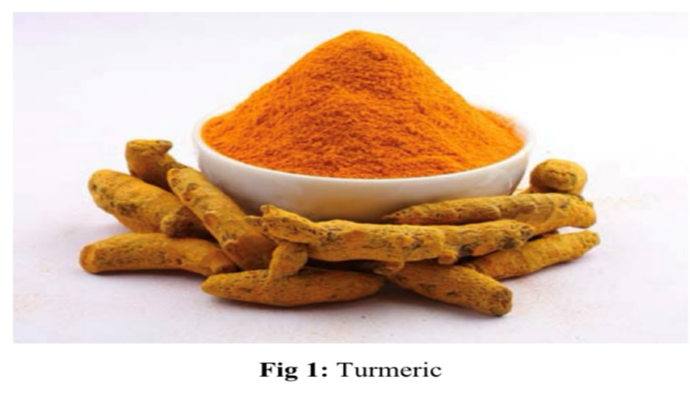
Despite curcumin's possible medicinal advantages used as an antioxidant and anti-inflammatory mechanisms, curcumin's therapeutic uses are restricted due to its low bioavailability, which is caused by the low oral absorbability, poor water solubility, and quick rate of metabolism. To address these shortcomings, a variety of methods have been carried out, including the nano-encapsulation of curcumin, the use of an adjuvant that impedes its structural alteration and glucuronidation. This study's objective is to give a brief summary of the curcumin's possible biological actions and its present created derivatives, and to provide an overview of their medicinal impacts on a few of the most serious illnesses that affect people.[3]
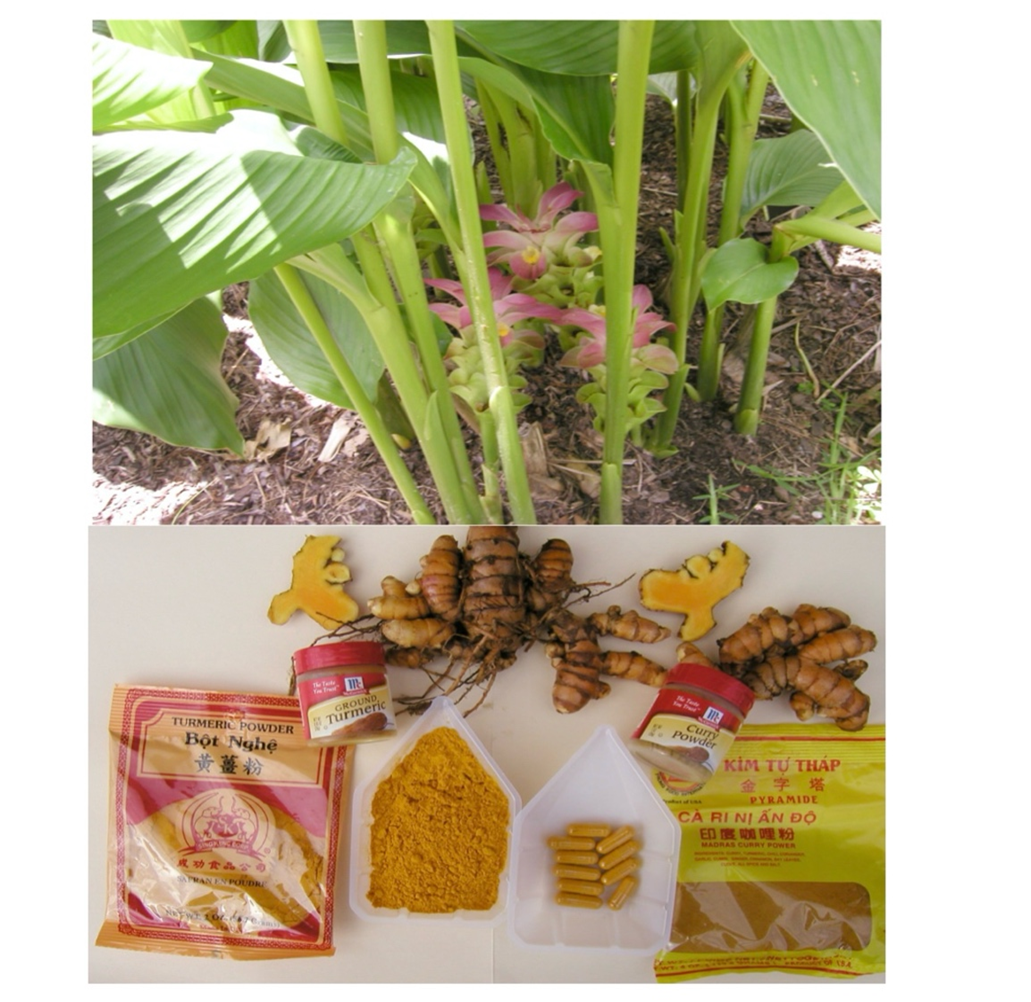
Fig. (1). Curcuma longa is primarily cultivated for turmeric rhizomes and their products (The upper picture shows the plants cultivated at the SFA Mast Arboretum, Stephen F. Austin State University in Nacogdoches, Texas, USA and the lower picture shows rhizomes and ground turmeric as well as curry powder. Photos by S.Y. L1)[2]


TAXONOMICAL CLASSIFICATION
Photochemistry
Turmeric's phytochemistry includes the following: minerals (3.5%), carbohydrates (69.4%), fat (5.1%), protein (6.3%), and moisture (13.1%). Sabinene (0.6%), borneol (0.5%), a-phellandrene (1%), cineol (1%), sesquiterpines (53%), zingiberene (25%), and other compounds are present in the essential oil that is produced by steam distilling turmeric rhizomes. (3–4%) curcumin (diferuloylmethane). Both volatile and nonvolatile compounds can be found in turmeric. Turmeric, zingiberene, curlone, and ar-turmerone are volatile substances. Among the nonvolatile elements are the curcuminoids. An oleoresin, turmeric is made up of a heavy yellow-brown fraction and a light volatile oil fraction. There are numerous curcuminoids in it, both monoterpenoids and sesquiterpenoids.[5] Curcumin demethoxycurcumin, bisdemethoxycurcumin, zingiberene, curcumenol, curcumol, eugenol, tetrahydrocurcumin, triethylcurcumin, turmerin, turmerones, and turmeronols are just a few of the many phytochemicals found in turmeric (Chattopadhyay, et al., 2004). Curcumin, which accounts for 2–5% of turmeric, is its most potent ingredient. The phytochemical curcumin, which gives turmeric its yellow hue, is now known to be the primary cause of the majority of its medicinal benefits (Fig. 3). Being hydrophobic, curcumin is freely soluble in oils, ethanol, dimethylsulfoxide, acetone, and chloroform but insoluble in water. Vanillin is produced by oxidizing curcumin. Around 420 nm is its maximum absorption wavelength (Abas et al., 2005).[6]
Curcumin, dimethoxy curcumin, and other compounds are found in turmeric (Khanna, 1999). There are acidic polysaccharides like utonan A, B, C, and D. Longa also contains other chemical substances like cholesterol, fatty acids, beta-sitosterol, stigmasterol, campesterol, and metallic elements. (Dhawan and Srimal, 1973). Cyclocurcumin is a highly active ingredient in turmeric (Rajagopal et al., 2020). There are 200 chemical molecules in turmeric.
Of these, sixteen molecules are non-lethal, non-carcinogenic, and non-mutagenic. These include zedoarondiol, ar-turmerone, 3-hydroxy-1,10-bisaboladien-9-one, 1,3,5,11-bisabolatetraene, and bisacurone (A, B, and C). Of the remaining 184 substances, 136 were mutagenic, 64 were hepatotoxic, and
According to Balaji and Chempakam (2010), 153 were carcinogenic.[7]
Methods for extracting curcumin
The first and most important step in extracting curcumin from plant materials is extraction. According to Zhang et al. (2019), all extraction techniques were created with the same goals in mind: (a) recovering specific compounds from plant materials; (b) improving the extraction process's selectivity; (c) increasing extraction efficiency; and (d) offering a reliable and repeatable method.
Standard extraction techniques, like solvent extraction, maceration, or Soxhlet extraction, are frequently employed in the extraction of curcumin from plants. These techniques are straightforward, but they are typically are time-consuming, non-selective, and occasionally degrade heat-sensitive compounds (Zhang and colleagues, 2019).[8]
Contemporary extraction techniques like extraction of CO? at subcritical and supercritical temperatures, microwave-Pressurized liquid extraction and assisted extraction useThe hydro-distillation process requires two to three hours of half-time approach (4–8 hours).
The goal of applying contemporary extraction techniques is to greater amounts of the main bioactive substances in oil of turmeric. The best yield of turmeric oil using the extraction method described circumstances, in addition to the utilization of contemporary extraction approach.[9]
Conventional Methods: Soxhlet Extraction and HD LPSE. Approximately 0.050 kg of dried turmeric was used to create the HD extract (volatile oil); the procedure took three hours and thirty minutes, and the test was repeated. Using 0.001 kg of turmeric and a refrigerated shaker (Incubadora Refrigerada Orbital, model MA 420, Marconi, Piracicaba, Brazil) set to 30°C and 168 rpm for six hours, the LPSE extracts were produced. isopropyl alcohol (PA, Merck, lot K30929034) and ethanol (PA, Merck, lots K30916283 231 and K30655783 222). 229) were utilized, and two solid-to-solvent ratios—1:10 and 1:100—were used.[10]
Comparative Evaluation of Sustainable Extraction Techniques
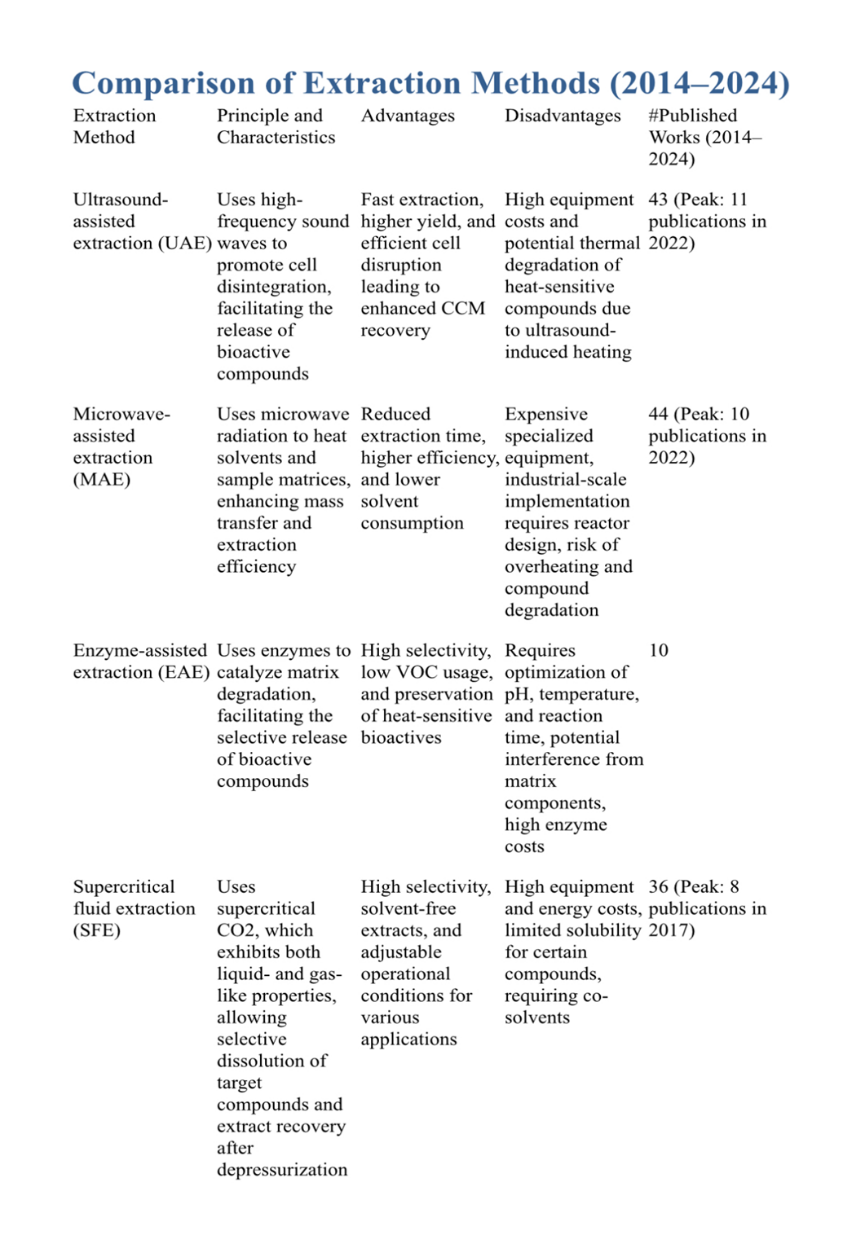
Research on environmentally friendly extraction techniques for CCM has shown clear trends over the last ten years (2014–2024), with MAE and UAE showing the highest levels of interest, followed by SFE and EAE. With 44 and 43 publications, respectively, MAE and UAE stand out among these techniques, demonstrating their significant applicability in sectors like food processing and pharmaceuticals. Their adoption is probably fueled by their benefits, which include quicker extraction, increased efficiency, and lower solvent consumption. High equipment costs and difficulties with heat-sensitive compounds, however, continue to be major drawbacks. With 36 citations, SFE also shows a high level of research interest, especially because of its solvent-free final products and selectivity, which make it perfect for high-purity applications. Its extensive use, however, might have been limited by its high energy consumption and equipment costs. However, with only 10 citations, EAE is still the least studied, indicating a possible area for further research. EAE has drawbacks like complicated process optimization and enzyme costs, despite its benefits, which include high selectivity, low VOC usage, and preservation of heat-sensitive bioactives. However, EAE may become more popular as sustainability becomes a more pressing issue, particularly if the cost of producing enzymes drops. In the near future, UAE and MAE are anticipated to maintain their dominance, especially as improvements in equipment design reduce costs and lessen overheating problems. Resolving the cost-related issues with SFE may increase its uptake in specific applications. EAE may become more popular as a viable substitute for selective curcuminoid extraction as a result of developments in enzymatic technology and cost-cutting measures.[11]
The key traits, benefits, and drawbacks of these unconventional (green) extraction methods are compiled in Table ,which also provides a comparative analysis based on research trends. We suggest the following articles for readers who want to learn more about this subject: Rahman et al. [98]; Taco et al. [99]; Christodoulou et al. [100]; Monton et al. [96, 97]; Chen et al. [95]; Yang et al. [94].[11]
MEDICINAL AND PHARMACOLOGICAL PROPERTIES OF TURMERIC
Anti-inflammatory properties
Properties that reduce inflammation
In cases of acute inflammation, oral curcumin treatment proved to be just as successful as cortisone or phenylbutazone. Curcuma longa taken orally dramatically decreased inflammatory swelling . The work of C. longa Its capacity to prevent the production of inflammatory prostaglandins may be the source of its anti-inflammatory qualities.
From arachidonic acid and the role of neutrophils in inflammatory conditions. Additionally, curcuminoids inhibit phospholipases, COX, and LOX. thromboxane, nitric oxide elastase, hyaluronidase, collagenase, leukotrienes, prostaglandins, interleukin-12, TNF, monocyte chemoattractant protein-1, and interferon inducible protein. By blocking the lipoxygenase pathway, they also prevent the production of prostaglandins and leukotrienes. An RCT examined how 480 mg of curcumin and 20 mg of quercetin (per capsule) affected 43 kidney transplant recipients' delayed graft rejection (DGR) patients. Two out of 14 participants in the control group out of 39 who finished the study had DGR as opposed to zero. In either group receiving treatment. Seventy-one percent of the subjects in the low-dose treatment group and forty-three percent of the subjects in the control group experienced early function (significantly reduced serum creatinine 48 hours post-transplant). Since there was very little quercetin in the compound, curcumin's anti-inflammatory and antioxidant properties are assumed to be primarily responsible for the benefit.[12]
Curcumin may be useful as a treatment for a number of inflammatory diseases. It inhibits oxidative stress, oxidation processes, and inflammatory mediators. Our analysis indicates that it has no detrimental effects on humans or animals. One of the main causes of inflammation is oxidative stress, which curcumin can prevent. Curcumin is a strong anti-inflammatory that works by controlling signaling pathways like NF-B, MAPK, AP-1, JAK/STAT, and others to prevent the production of pro-inflammatory mediators. Curcumin has the potential to reduce inflammation, alleviate symptoms, and aid in the treatment of a number of conditions, including depression, atherosclerosis, psoriasis, arthritis, and IBD. Since then, research on curcumin preparation, structural modification, and drug combination therapy have all contributed to improving its pharmacokinetics and anti-inflammatory qualities.[13]
Anti-diabetic properties
In a study by Lekshmi and colleagues, the extracts of turmeric were examined for their inhibition of the turmeric rhizome and the enzymes α-glucosidase and α-amylase High potential for inhibiting glycation reactions and glucosidase activities was demonstrated by the extracts. Turmeric extracts in ethyl acetate, methanol, and water reduced α-glucosidase activity in dose-dependent manners with IC50 values of 0.4, 3.1, and 12.6 μg/mL in a dependent manner.The ethyl acetate, methanol, and water extracts' respective amylase inhibitory potentials were μg/mL is 71.6, 90.3, and 498.3. The α-glucosidase and α-amylase enzymes were inhibited by the standard glucosidase-inhibiting drug acarbose under experimental conditions, with IC50 values of 17.1 and 290.6 μg/mL, respectively. The extract with the highest potential to inhibit α-glucosidase and α-amylase was turmeric ethyl acetate.
Both the methanol and ethyl acetate extracts had a significantly (p < 0.05) higher glucose inhibitory potential than acarbose. Additionally, the extracts demonstrated efficacy in scavenging free radicals and preventing ACE activity, LDL, and cellular oxidations. This study demonstrated the high anti-diabetic, antioxidant, and antihypertensive properties of turmeric rhizome, indicating its potential as a source of therapeutic and preventive agents for the treatment of diabetes and related conditions.[14]
Antioxidant
Curcumin is a potent antioxidant as well. Free radicals are chemicals that harm cell membranes, alter DNA, and even kill cells. Antioxidants scavenge these molecules. Antioxidants have the ability to combat free radicals and may lessen or even stop some of the harm they cause. Furthermore, cur-cumin decreases the concentrations of two enzymes in the body that produces inflammation. Additionally, it prevents platelets from aggregating to create blood clots. [15]
Anticancer
Additionally, turmeric prevents the release of angiogenic factors that are stored in the extracellular matrix.
Leukaemia, melanoma, and cancers of the breast, lung, colon, kidney, ovaries, and liver are among the many animal and human cell lines that curcumin kills. It seems to work through both independent (mitochondrial) and caspase-dependent mechanisms that are connected to p53's presence or absence. Some evidence has shown that curcumin acts on the proteasome in two phases: at lower doses, it activates, and at higher doses, it inhibits. Depending on the dosage, curcumin may cause either apoptosis or survival because proteasome inhibition causes apoptosis and proteasome stimulation causes cell survival. Furthermore, the type of cell death may also be impacted by turmeric at varying dosages: Higher doses result in less ATP, necrotic cell death, and reactive oxygen species production, while lower doses cause oxidative stress and apoptosis.[16]
Chronic obstructive pulmonary disease (COPD)
Chronic obstructive pulmonary disease (COPD) is characterised by a persistent inflammation of the respiratory system, particularly in the lungs and airways. Long-term exposure to harmful gases and particles, like smoke or air pollutants, is what causes COPD. Preclinical research using animal models demonstrates that curcumin's anti-inflammatory properties can lessen oxidative stress and respiratory inflammation brought on by exposure to soot or other air pollutants. By blocking the PPARγ/NF-κB signaling pathway in the respiratory mucosa, curcumin also lessens allergic asthma and prevents COPD.[17]
Antimicrobial
Numerous bacteria, harmful fungi, and parasites have been demonstrated to be inhibited in their growth by turmeric. Diets supplemented with 1% turmeric reduced intestinal lesions and improved weight gain in a study of chicks infected with Eimera maxima. In a different animal study, guinea pigs' dermatophytes and pathogenic fungi were inhibited seven days after turmeric oil was applied topically.Additionally, curcumin has been shown to exhibit moderate activity against Leishmania major organisms and Plasmodium falciparum.[18]
Numerous studies have been carried out to determine Curcuma longa's antimicrobial potential. Its strong antimicrobial potency has been confirmed by numerous tests of its antimicrobial activities against a wide variety of microorganisms, both in vitro and in vivo. Curcuma longa has a strong and wide-ranging antibacterial effect. Both Gram-positive and Gram-negative bacteria, such as Helicobacter pylori, Pseudomonas aeruginosa, Escherichia coli, and Staphylococcus aureus, have been demonstrated to be susceptible to its effects. The curcumin component in particular seems to damage bacterial cell walls and obstruct the production of bacterial proteins and DNA, which ultimately results in the death of bacterial cells. Furthermore, Curcuma longa has demonstrated promise in the fight against bacterial strains that are resistant to multiple drugs, suggesting that it could be used as a substitute for traditional antibiotics.[19]
Hepatoprotective
Rhizome powder combined with amla juice is used to treat jaundice. Jaundice is cured by combining corriliyum (Anjana) with haridra, red ochre (Gairika), and amalaki (Emblica officinalis). The most prevalent antioxidant found in Curcuma longa rhizome extract, curcumin, has been shown to promote the death of injured hepatocytes; this may be the protective mechanism through which curcumin inhibits effects of inflammation and liver fibrogenesis. When taken orally in doses of 250 mg/kg and 500 mg/kg, the ethanolic extract of Curcuma longa rhizomes demonstrated a significant hepatoprotective effect that was dose-dependent. The flavonoid curcumin and several volatile oils, such as tumerone, atlantone, and zingiberene, are the primary components of the ethanolic extract of Curcuma longa rhizomes. Turmeric and curcumin may have hepatoprotective effects through direct antioxidant and free radical scavenging mechanisms, as well as through indirectly raising glutathione levels to support hepatic detoxification. Curcuma longa's volatile oils and curcumin have strong anti-inflammatory properties.[20]
Cardioprotective
Curcumin and adriamycin-induced cardio toxicity Adriamycin is a powerful medication used to treat a variety of cancers. However, adriamycin's clinical dosage in the treatment of cancer is limited due to the cardio toxicity it causes. While antioxidant compounds have been demonstrated to have some protective effects, it is well known that oxidative stress plays a significant role in the mechanism of adriamycin-induced cardio toxicity.[21]
Numerous studies have thoroughly examined curcumin's anti-cancer properties in both human and animal subjects. Numerous carcinogens have been shown to have their carcinogenic activity suppressed by curcumin in leukaemia and cancers of the colon, duodenum, oesophagus, stomach, liver, breast, oral cavity, and prostate. Furthermore, prior research has demonstrated that curcumin's anti-inflammatory properties may lead to positive results in the management of inflammatory bowel disease, postoperative inflammation, and rheumatoid arthritis.[22]
Health benefits
Activities for Healing Wounds
The curcumin ethosomal greatly restored key elements of restoration of wounds, including re-epithelization, collagen production, neovascularization, and formation of granulation tissue. Additionally, it possibly prevented the burn from spreading bacterial species, such as Pseudomonas As the most common bacteria among 14 days of experimental isolation therapy. It effectively combats wounds. infection and encourages burn wound healing harm to rats. The elements that contribute to growth take part in the process of wound healing, which is triggered by curcumin. The ways in which wounds work Curcumin's therapeutic benefits include: localization by immunohistochemistry of Growth factor-β1 transformation revealed an rise in wounds treated with curcumin as in contrast to untreated injuries and adjusting collagen and lowering reactive species of oxygen.[23]
Depression and anxiety
Anxiety and depression are the two ways that depression shows up. The impact of oral curcumin on mental disorders has been the subject of numerous clinical investigations. In these studies, curcumin was regularly administered orally at doses between 500 and 1000 mg, either by itself (Sahebkar et al. 2013), in combination with BioPerine (Rahmani et al. 2016), or even in combination with common antipsychotics like fluoxetine, venlafaxine, or escitalopram. Due to the shorter administration period (30 days compared to 5-8 weeks in other studies), the only trial that was excluded was one that found curcumin treatment decreased anxiety but not despair (Nieman et al. 2012). Since the monoamine depletion theory has dominated the pathophysiology of depression in recent decades, other theories have surfaced.
According to Fried et al. (2020), this hypothesis was prompted by the similarities between "sickness behaviour" and depression symptoms like anorexia, decreased locomotor activity, and cognitive disturbances that are present in both conditions. Additionally, some studies have found a positive correlation between these depression symptoms and C-reactive protein levels (CRP).[24]
Skin disease
Since ancient times, curcumin has been used to treat skin conditions. Turmeric is used to make cream and soap because it is used to treat skin conditions in India. Turmeric is used extensively in Ayurveda, the traditional Indian medical system, as a simple remedy for eye infections as well as for burns, bites, and acne (Hatcher et al., 2008; Akpolat et al., 2010). According to current research, curcumin may be useful in treating a number of skin conditions, including dermatitis, psoriasis, and scleroderma. Curcumin is mentioned as a treatment for psoriasis, a chronic skin condition marked by hyper-proliferation and aberrant keratinocyte differentiation (Prasad et al., 2014). By scavenging free radicals and lowering inflammation through cytokines and nuclear factor-KB inhibition, curcumin can protect skin (Thangapazham et al., 2007). Curcumin reduced psoriasis-like inflammation by lowering cytokines like IL-1β and IL-6, according to a study done on mice (Sun et al., 2013).[25]
COGNITIVE DECLINE AND AGE
Two possible causes of accelerated age-related cognitive decline are aberrant redox signaling and chronic systemic inflammation. Sedentary behaviour and obesity are two lifestyle factors that exacerbate the severe and protracted inflammation that has been linked to aging. According to studies, people who are overweight or obese have a 35% and 74% increased risk of dementia, respectively. Adipocytes are endocrine organs that secrete pro-inflammatory proteins in addition to being locations for storing energy. Increased inflammation is the result of adipocyte function being impaired by obesity. Pro-inflammatory protein levels have also been found to be up-regulated in sedentary individuals, which exacerbates inflammation in obese and sedentary individuals.. Aging and persistent systemic inflammation raise phagocytic components, which alter synaptic and neuronal plasticity. Inflammation brought on by aging also speeds up microglial aging, which heightens the hyperactive response. Extensive synaptic remodeling and the stimulation of the release of neurotoxic molecules such as ROS, pro-inflammatory factors, and proteinases that hasten neuronal damage are the outcomes of microglia hyper-activation. Because they contain a lot of inflammatory enzymes, the basal ganglia, hippocampal, and MPUS—the centers of cognition and memory—are more vulnerable to neuroinflammation.[26]
Gastro-protective effect
Curcumin further reduces the expression of TNFα and IL-1β by suppressing STAT3 pathways. By inhibiting the c-Jun N-terminal protein kinase (JNK) and p38MAPK pathways, it can also alleviate colitis brought on by dextran sulfate sodium (DSS) by lowering myeloperoxidase activity, colon damage, oxidative stress, inflammatory response, and apoptotic cell death.[27]
Female Reproductive system and Curcumin
The uterus, vagina, external genitalia, mammary glands, and paired ovaries and oviducts make up the female reproductive system. For the main purposes of ovulation, sperm fertilization of an ovum, and pregnancy, all of these structures have developed structurally and physiologically. In this area, Madhavi et al. assessed the potential for toxicity in the reproductive system of mice after oral exposure to the organophosphate pesticide chlorpyrifos (CPF). The results showed that while curcumin restored FSH and lactoperoxidase levels to higher levels, restoring fertility in mice, CPF administration increased lipid peroxidation and decreased FSH hormone levels in mice, resulting in inappropriate ovulation and infertility. While curcumin treatment resulted in normal architecture of the graffian follicle and germinal epithelium in mice, CPF also causes histopathological alteration through degeneration of the germinal epithelium and graffian follicle.[28]
Clinical studies
Current Status of Curcumin's Clinical Use and the future
Since numerous studies have demonstrated the potential benefits of curcumin in these domains, future research must concentrate on the clinical use of curcumin in diabetes, cardiovascular disease, and neurodegenerative disease. Up to an 8 gm dosage for three months, curcumin, a diet-derived substance, has no serious toxicity aside from mild gastrointestinal side effects. In clinical applications, it is essential to increase curcumin's bioavailability because it is currently low.[29]
Curcumin was used in certain studies. in conjunction with additional agents, and as a result of Consequently, it was impossible to evaluate the precise effects of curcumin. The effect of turmeric, which is known to contribute to tumorigenesis, on nitric oxide levels was evaluated in a study that included 50 patients with chronic myeloid leukemia. Consequently, it was found that turmeric lowers nitric oxide levels more than imatinib. It is unknown, though, if that effect was due to curcumin or another ingredient in turmeric because turmeric was used in the study rather than curcumin. The combination of curcumin and isoflavone decreased PSA levels in men with a PSA level greater than 10 in a study conducted on men without detectable prostate cancer. Although it is difficult to determine whether curcumin or isoflavone was responsible for the antiandrogenic effect, these results suggested that these substances might have one.[30]
Curcumin was found to increase body weight, increase the number of apoptotic cells, and improve p53 expression in colorectal cancer cells when taken at a dose of 360 mg three times a day. cancer patients prior to surgery and following diagnosis. Nevertheless, the health benefits associated with elevated p53 expression still must be researched. At a dose of 4 g daily, curcumin was also demonstrated to decrease the development of aberrant crypt foci (ACF), the precursor of colorectal polyps, in smokers, indicating a Curcumin may have a chemopreventive effect on cancer. A recent study showed that after taking 2.35 g daily for 14 days before a colonic resection or biopsy, curcuminoids were found in the majority of patients' urine, mucosa, and colonic tissue, with few adverse effects noted. Two separate trials were recently conducted to assess the effectiveness of curcumin and gemcitabine together in treating advanced pancreatic cancer. When combined with gemcitabine, 8 g of curcumin per day was found to be safe and well-tolerated by Kanai et al.[31]
Side effects
Carcinogenesis
According to Dance-Barnes et al. (2009), curcumin may increase the production of ROS and encourage lung cancer in mice.
A significant part of carcinogenesis is played by curcumin doses, which raise ROS cell levels (Ahsan and Hadi, 1998; Fang et al., 2005; Lopez-Lazaro, 2008).[32]
Synergistic Effect
Curcumin, the main active ingredient in turmeric, has synergistic effects and can intensify the effects of other medications.
compounds. Indeed, curcumin has been shown to have synergistic effects when combined with anti-inflammatory drugs (Nandal et al., 2009), antibiotics (norfloxacin) (Pavithra et al., 2009), and specific cytotoxic medications, in conjunction with chemotherapy (Aggarwal et al., 2005; Kamat et al., 2007; Kunnumakkara et al., 2007; Lin et al., 2007), or when other polyphenol derivatives are present in dietary supplies (Strimpakos and Sharma, 2008). In comparison to curcumin or paclitaxel used alone, curcumin significantly reduced the metastasis of breast and lung cancer when given in combination with paclitaxel (Taxol) (Aggarwal et al., 2005).[32]
Upsetting the stomach
When taken in excess, the same compounds in turmeric that promote digestive health can cause irritation. Due to severe digestive problems, some participants in studies investigating the use of turmeric as a cancer treatment were forced to withdraw. The stomach produces more gastric acid when it is stimulated by turmeric. Some people's digestion may benefit from this, but others may suffer negative consequences.[33]
Blood-thinning characteristics
Additionally, turmeric's purifying qualities may make bleeding easier. It is unclear why this is the case. The way turmeric works in your blood may be related to other proposed benefits, like decreased blood pressure and cholesterol.
Turmeric should not be taken in large quantities by people who are taking blood thinners like warfarin (Coumadin).[33]
Liver toxicity
Long-term use of curcumin may cause liver toxicity. Therefore, turmeric products are probably best avoided by those who have liver disease, drink too much, or take prescription medications that the liver metabolizes. Curcumin was pharmacologically safe at doses up to 10 g/day, according to human clinical trials. In a phase 1 human trial, 25 participants took up to 8000 mg of curcumin daily for three months without experiencing any toxicity.[34]
Limitations
Over the past thirty years, curcumin's bioavailability has been thoroughly investigated. Curcumin has a limited systemic bioavailability due to its poor absorption, rapid metabolization, and rapid excretion, according to several studies. This is due to curcumin's poor water solubility (about 11 ng/mL) and susceptibility to degradation, especially in alkaline environments. When curcumin is taken orally, only a small amount is eliminated through the feces.[35]
CONCLUSION
Turmeric is a golden spice derived from the rhizome of the plant C. longa. Turmeric has long been used as a spice, flavoring agent, and colorant. Traditionally, the spice has been used to treat numerous human ailments. Turmeric is a rich source of numerous biologically active constituents such as polyphenols, sesquiterpenes, diterpenes, triterpenoids, sterols, and alkaloids. Modern science has delineated the molecular basis for the pharmacological properties of turmeric against human diseases, and some clinical trials have unequivocally demonstrated the safety and efficacy of turmeric in human subjects. The absence of any significant toxicity associated with this spice has made it superior to other medications. The existing human studies, in addition to in vitro and in vivo animal studies provide a logical basis for further investigation of this spice for the prevention and treatment of human diseases.
REFERENCES


Sweenal Chauhan, Sonali Uppalwar, A Review: Taxonomy, Phytochemistry, Pharmacology and Health Benefits of Turmeric, Int. J. of Pharm. Sci., 2025, Vol 3, Issue 12, 2315-2328. https://doi.org/10.5281/zenodo.17922350
 10.5281/zenodo.17922350