

We use cookies to ensure our website works properly and to personalise your experience. Cookies policy
Chilkur Balaji College Of Pharmacy, Aziz Nagar, Hyderabad, Telangana, 500075
Acute Brewery Syndrome (ABS), also known as auto-brewery syndrome, is a rare metabolic disorder characterized by the endogenous production of ethanol through microbial fermentation of carbohydrates in the gastrointestinal tract and other sites. The condition leads to symptoms of alcohol intoxication without external alcohol consumption, often presenting with dizziness, cognitive impairment, mood disturbances, and gastrointestinal discomfort. Historically first reported in 1948, ABS has been documented in both adults and children, with higher prevalence in individuals with comorbidities such as diabetes, obesity, and Crohn’s disease. The pathophysiology is primarily linked to dysbiosis, with yeast species such as Saccharomyces cerevisiae and Candida albicans being the most implicated, alongside certain bacterial strains. Diagnosis is challenging and requires exclusion of alternative causes, with glucose challenge testing serving as a confirmatory tool. Treatment involves antifungal or antibiotic therapy guided by culture and sensitivity, alongside dietary modifications to reduce carbohydrate intake. Despite its rarity, ABS may be underdiagnosed, and greater clinical awareness is needed to prevent complications such as non-alcoholic steatohepatitis, nutritional deficiencies, and psychosocial consequences.
It is a condition in which ethanol is produced by endogenous fermentation by fungi/bacteria in the GI system, renal system. Auto brewery syndrome is also known as “gut fermentation”/ “endogenous ethanol fermentation”/ “drunkenness disease” [1].
It is characterized by fermentation of ingested carbohydrates in the GI tract. It is a rare medical condition in which high quantities of ethanol are produced through fermentation with in digestive system [2]. This condition makes a person feel drunk even without drinking alcohol [3].
History:
Acute brewery syndrome has seen in historical times i.e., several times in several decades back, even though it was rare. It was first reported in 1948, that humans produce endogenous alcohol in their GI tract. It was first reported in 5 years old boy causing autonomous alcohol production. Several studies in Japanese literatures also had evidence of ABS. It is popularly known as [Iveitei – sho] a case was documented in 1972, involving 2 patients another who showed symptoms without even drinking [5].
Signs and symptoms:
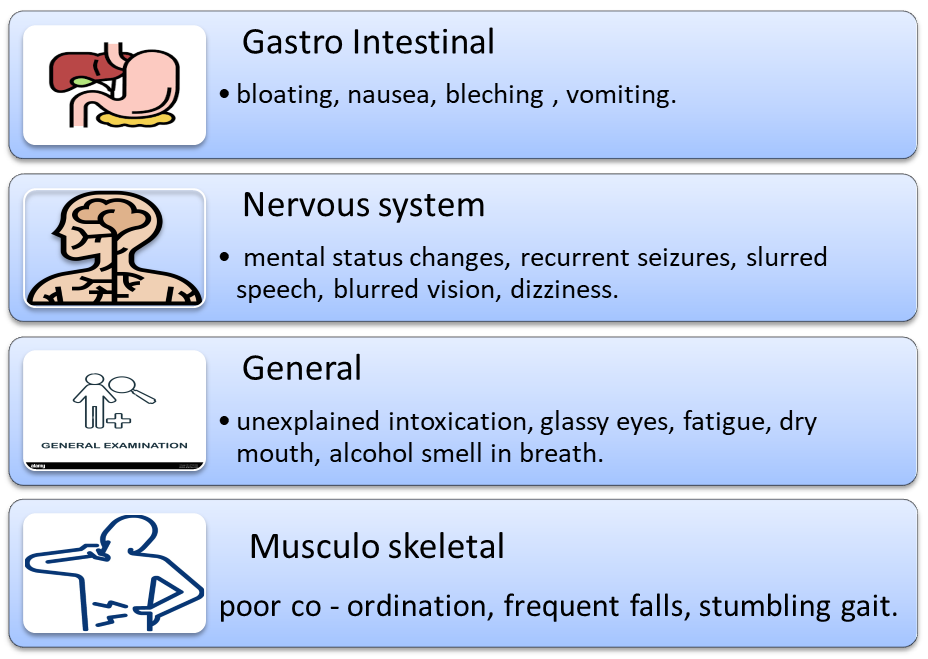
Fig.1 Signs and Symptoms of Acute Brewery Syndrome [3], [4], [5].
Epidemiology:
Auto-brewery syndrome can happen to otherwise healthy people, although it is more common in patients with co-morbid conditions such diabetes, obesity, and Crohn's disease. Numerous yeast strains that ferment and uncommon bacterium strains are recognized as pathogens. Even though auto-brewery syndrome is not frequently identified, it is most likely underdiagnosed. Two occurrences of auto-brewery syndrome—one in the urinary bladder and one in the oral cavity have been reported, which is even more uncommon [6].
Etiology:
Auto-brewery syndrome is a condition where ethanol is produced from carbohydrates by intestinal bacteria. That has the potential to make you drunk without alcohol. The type of yeast when auto-brewery syndrome occurs, Saccharomyces cerevisiae and Candida albicans are the most frequently implicated microorganisms. S. boulardii, Candida glabrata, Candida albicans, Candida kefyr, Candida parapsilosis, Enterococcus faecium, Escherichia faecalis, and Citrobacter freundii are among the other organisms implicated. Because auto-brewery syndrome is a more complex condition, it is oversimplified to assume that a single strain is its only cause [7].
Pathophysiology:
In gastrointestinal and systemic disorders, a deterioration of the gut microbiota, known as "dysbiosis," is frequently found and is characterized by alterations in its composition and function.
The two most frequently reported bacteria implicated are Saccharomyces cerevisiae and Candida albicans, which have been found in feces and intestinal secretions and are capable of anaerobically converting carbohydrates to endogenous ethanol and carbon dioxide.
Other bacteria and microorganisms have also been linked, including Enterococcus faecalis and Klebsiella pneumoniae, as well as Candida glabrata, Candida intermedia, Candida krusei, Candida parapsilosis, and Candida kefyr.
Since Saccharomyces cerevisiae and Candida albicans are generally acidophilic, they thrive in an acidic environment with a pH range of 4 to 6. Thus, a favorable environment is created by the stomach's hypoacidity, the predigestion of carbohydrates, the backflow of duodenal contents into the stomach, and the stagnation of substrate in the intestine. In fact, compared to the controls, the stomach juice of those who had cimetidine or antacids had higher ethanol levels. In recent times, it has been observed that the synthesis of ethanol in vitro by Candida albicans in blood is influenced by various factors such as temperature, duration, glucose (or carbohydrate) concentration, medium pH, and endogenous variations in medium composition over time.
Thus, microbial ethanol production could skew results and lead to incorrect interpretations, whether it occurs in vitro following sample collection or in situ in corpses prior to autopsy. Given that the stomach and small intestine absorb ethanol to a large extent, colonization of these intestinal segments appears to have significant consequences.
In one instance, oral Candida albicans colonization led to the first description of ABS; however, the majority of cases were caused by Streptococcus and Klebsiella pneumoniae bacteria from periodontal disease lesions, both of which showed greater ethanol-producing capacity than fungus [8].
Risk Factors:
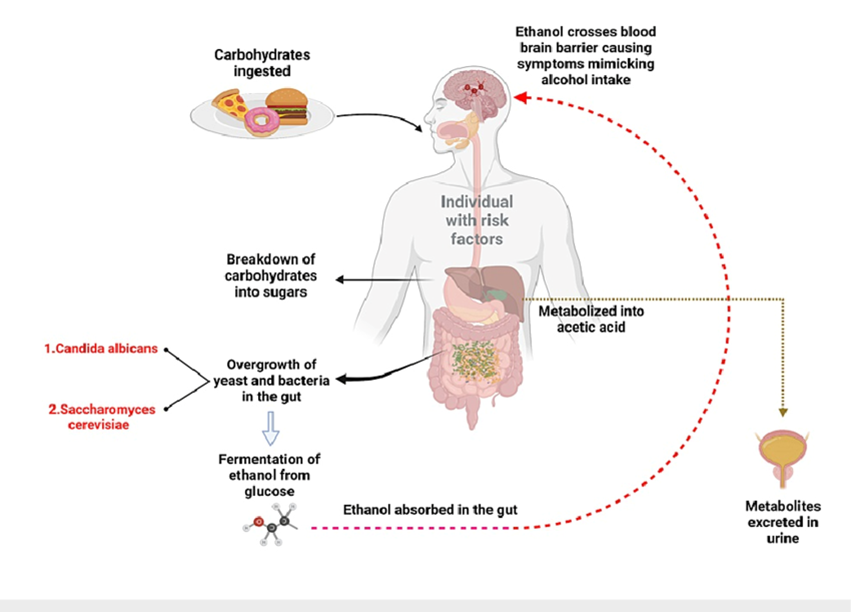
Fig. 2 Pathophysiology of Acute Brewery Syndrome
Complications:
While endogenous ethanol generation has been shown to have a psychological influence, there are other issues, such as the involvement of specific gut bacteria in the production of endogenous alcohol, which can then be linked to the development of nonalcoholic steatohepatitis (NASH). It was discovered that vitamin B6 was most impacted by this disease. This phenomenon was also discovered to influence minerals like magnesium and zinc. While there is some evidence to support this theory, there is also evidence in the literature linking ABS to sudden infant death syndrome (SIDS) [11].
Diagnostic tests:
Auto-brewery syndrome diagnosis can be difficult and time-consuming because it frequently requires excluding other potential explanations for the symptoms. To establish whether the condition is present and how severe it is, medical professionals may employ a variety of methods. They might turn to lab analysis, breathalyzer readings, and medical histories. Following a glucose challenge test, elevated blood or breath ethanol levels serve as the confirming test for this syndrome [12].
Treatment:
Pharmacological treatment
Prescribe drug therapy based on culture and sensitivity results for the identified yeast or bacteria. Most patients require a course of one or more of the azoles or polyenes. Rare or resistant microbes require an echinocandin or an antibiotic [13].
Antifungal drugs and other medications to help treat auto brewery syndrome include:
|
Drug |
Dose |
Side Effects |
|
Fluconazole |
100 mg/day per oral for 2 weeks. |
Headache, diarrhea, nausea, or upset, stomach, dizziness, stomach, pain, changes in the way, food tastes [15]. |
|
Nystatin |
500,000 IU TID per oral for 10 days. |
Fast heart rate, trouble breathing or severe skin, reactions, mouth, irritation, skin rash [16]. |
|
Micafungin |
150 mg/day IV for 6 weeks |
Pale or yellow skin, dark color urine, fever, confusion, or weakness, liver problems, kidney problems, swelling, rapid weight gain [17]. |
|
Amphotericin B |
40 mg/day IV for 5 hours or 5 days [14]. |
Pale skin, easy, bruising, blood in stools, lightheadedness, seizures, jaundice, build of fluid in lungs [18]. |
Non pharmacological: The doctor would counsel the patient to stay away from processed meals and carbs in order to aid with some of the symptoms of auto-brewery syndrome. To feel satiated for longer, those who restrict their carbohydrate intake can also eat extra protein [15].
CONCLUSION
Acute Brewery Syndrome is a rare but clinically significant condition in which endogenous ethanol is produced through microbial fermentation of carbohydrates in the gastrointestinal tract. Although uncommon, it can lead to episodes of unexplained intoxication, social and legal issues, and long-term complications such as liver dysfunction and nutrient deficiencies. Diagnosis is often challenging and requires careful exclusion of other causes, with glucose challenge testing serving as a confirmatory method. Early recognition, appropriate antifungal or antibiotic therapy, and strict dietary modification are essential to prevent recurrence and improve quality of life.
REFERENCES

Tripuramallu Rajithasree, Potti Jessica, Pendyala Keerthana, R. Sakshi, Golla Akhila, Chandrasekhara Rao Baaru, A Review on Acute Brewery Syndrome, Int. J. of Pharm. Sci., 2025, Vol 3, Issue 12, 1684-1688. https://doi.org/10.5281/zenodo.17869278
 10.5281/zenodo.17869278