
PRES’s College of Pharmacy, Chincholi-Mohu, Sinnar, Nashik.
Herbal face toners are skincare products made with natural ingredients that help clean, refresh, and keep the skin's pH balanced, while causing fewer side effects than synthetic products. As more people become aware of the benefits of herbal cosmetics, there has been a rise in demand for safe, effective, and eco-friendly skincare options. These toners use traditional herbs like Aloe vera, Cucumber, Papaya, Tulsi, Lemon grass, Peppermint, and Rose water, which have properties such as astringent, soothing, antioxidant, and antimicrobial effects. These natural ingredients help close pores, reduce excess oil, and rejuvenate the skin, leading to a clearer and more glowing complexion.The review focuses on the formulation and testing of herbal face toners, looking at factors like pH, stability, appearance, and how well they work with the skin. Since herbal ingredients are biocompatible and less likely to cause allergies, they offer a safer choice compared to chemical-based toners. The study also explains how herbal toners work, their benefits, and their advantages for skin health. Overall, herbal face toners are a promising way to take care of the skin using gentle, natural, and effective formulas.
The word "cosmetic" comes from the Greek term "kosm?tikos," which means "having the power to arrange, beautify, and adorn." The health and look of the skin and hair are affected by many factors like lifestyle, daily habits, weather, and how well you take care of yourself. In summer, too much heat and sun can lead to dry skin, sunburn, wrinkles, dark spots, and breakouts. In winter, cold weather can make the skin get infected, crack, cause hair loss, and become itchy.1
Skin problems can happen to people of all ages and are often caused by contact with harmful chemicals, pollution, germs, and sometimes a lack of proper nutrition.
For a long time, Ayurveda has used natural herbs and plant-based products to improve beauty, protect the skin, and keep the body healthy.2,3 According to official definitions, cosmetic products are substances or mixtures meant to be used on the body to clean, beautify, make someone more attractive, or change how they look. These can be rubbed, poured, sprinkled, or sprayed onto the skin or parts of the body to achieve desired effects.4
Herbal cosmetics are made using active plant chemicals that come from various plants. These compounds help the skin work better and provide important nutrients to keep skin and the body healthy. Unlike man-made products, herbal cosmetics use natural herbs and their extracts, which are known for their pleasant smell, good healing properties, and fewer side effects.5 Because these products are easy to find, safe, effective, and eco-friendly, they have become very popular.The growing interest in cosmeceuticals, which combine skin care and medical benefits, has also led to more use of herbal ingredients in skincare products.6
Cosmetic products, including herbal ones, are used for several reasons like:
Benefits of herbal cosmetics include:
HERBAL FACE TONER
A face toner is a water-based product that contains herbal ingredients intended to clean the skin, balance its pH, shrink pores, and give it a fresh look.
Toners help remove any leftover dirt or pollutants that might still be on the skin after washing, which helps prevent skin looking tired and aging. Because of their antioxidant and hydrating qualities, toners also help revitalize the skin and provide a natural glow.
Types of toners:
1) Skin Fresheners or Bracers:
These are the gentlest type of toner, usually containing water and humectants like glycerin. These are good for normal, dry, or sensitive skin. Example: Rose water.
2) Skin Tonics:
These are slightly stronger and may include water, humectants, and up to 20% alcohol. They help in tightening pores and are suitable for oily skin. Example: Orange flower water.
3) Acid Toners:
These are strong exfoliating toners that contain acids like alpha hydroxy acids (AHAs) or beta hydroxy acids (BHAs), such as glycolic, lactic, or salicylic acid. These help in skin renewal and improve the texture.
4) Astringents:
These are the strongest toners and generally have a high amount of alcohol (20-60%), along with water, antiseptic agents, and humectants. Although they can effectively remove excess oil and deeply clean the skin, the high alcohol content can remove natural oils, leading to dryness, irritation, and possible skin damage. Therefore, astringents should be used carefully, especially on sensitive or dry skin types.9-11
Advantages of skin toner:
Disadvantages of skin toner:
Directions for use:
For best results and improved skin renewal, use the toner twice a day—once in the morning and once in the evening.12
Application techniques for toner:
1) Cotton Pad Method:
Dampen a cotton pad with toner and gently sweep it over the face and neck. No rinsing is needed.
2) Spritz Method:
Spray the toner directly onto the face and neck, then lightly pat dry with clean hands. This method is best for sensitive or dry skin.
3) Gauze Method:
Soak a piece of sterile gauze in toner and gently move it over the face and neck. This method is effective for deep cleaning and exfoliating pores.
4) Sweep and Pat Method:
Apply toner to a cotton pad, sweep it upward across the face, and gently pat to enhance absorption and hydration.
5) Tap and Glow Method:
Soak a cotton pad with toner, gently tap it on your face and neck, and let it absorb naturally to boost your glow and help your skin retain moisture.
USAGE RECOMMENDATIONS
INGREDIENTS
The scientific name for cucumber is Cucumis sativus, and it belongs to the Cucurbitaceae family. It is a climbing plant that is commonly grown for its edible fruit. Cucumber is high in water and essential nutrients, making it a popular ingredient in skincare products like toners, creams, and masks.
Active Components and Properties
Cucumber has a variety of active compounds such as vitamins, minerals, amino acids, carbohydrates, flavonoids, tannins, and cucurbitacins. It is mostly water, around 95%, which gives it a hydrating and cooling effect on the skin.14
Vitamins
Cucumber is a good source of vitamins A, C, and K, as well as several B vitamins like niacin and thiamine. Vitamin C is a powerful antioxidant that helps in making collagen and brightening the skin, while vitamin A helps in skin cell repair and renewal.
Minerals
Cucumber contains minerals such as potassium, magnesium, calcium, phosphorus, and silica, which are important for keeping the skin healthy and elastic. These minerals help in balancing the skin's natural moisture and give it a revitalized look.
Cosmetic and Medicinal Importance
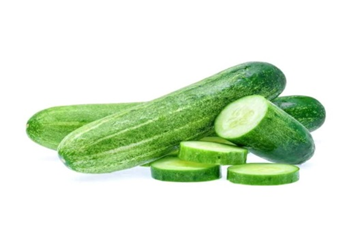
Figure.1 Cucumber
The scientific name for Aloe Vera is Aloe barbadensis Miller. It is part of the Asphodelaceae family, which was previously classified under Liliaceae. This plant is a shrub-like or tree-like, long-lasting, drought-tolerant, and fleshy plant with a light green color.
Active Ingredients and Properties:
Aloe Vera contains around 75 active compounds, including vitamins, enzymes, minerals, sugars, lignin, saponins, salicylic acids, and amino acids. These components give it a variety of health and beauty benefits.
Vitamins:
Aloe Vera is rich in vitamins A (beta-carotene), C, and E, which are strong antioxidants that help protect the skin from damage caused by free radicals. It also has vitamin B12, folic acid, and choline, which assist in skin nourishment and healing.
Minerals:
It contains essential minerals like calcium, chromium, copper, selenium, magnesium, manganese, potassium, sodium, and zinc. These minerals are important for the body's enzyme functions, metabolism, and protecting the skin from oxidative damage. Because of its calming, hydrating, anti-inflammatory, and healing qualities, Aloe Vera is often used in skin toners and is suitable for all skin types.16
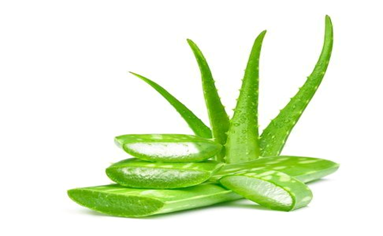
Figure: 2 Aloe Vera
Rose water is made by steam distilling rose petals. It is a natural, fragrant water extract commonly used in beauty and skincare products. It has been traditionally used in cosmetics and food for its pleasant scent and health benefits.
Medicinal and Cosmetic Importance:
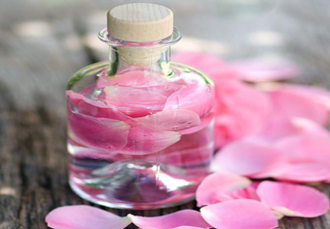
Figure: 3 Rose Water
Honey is a natural mixture made up of carbohydrates, proteins, amino acids, vitamins, minerals, enzymes, and antioxidants. It has strong humectant and antimicrobial properties, making it a valuable ingredient in herbal cosmetics.
Biochemical Composition:
Honey contains enzymes like invertase, glucose oxidase, catalase, and acid phosphorylase, along with around eighteen free amino acids, with proline being the most common. It also includes various organic acids such as acetic, citric, lactic, and gluconic acids, contributing to its mild acidity and refreshing effects on the skin.
Vitamins and Minerals:
Honey is rich in vitamins B2, B4, B5, B6, B11, and C, and also has minerals like calcium, iron, zinc, potassium, phosphorus, magnesium, selenium, chromium, and manganese. These nutrients help nourish the skin and support cell repair.
Antioxidant Activity:
The main antioxidant compounds in honey are flavonoids, such as pinocembrin, which are found in bee propolis. Darker types of honey tend to have stronger antioxidant properties, protecting the skin from oxidative stress and aging. In face toners, honey functions as a natural humectant, antioxidant, and antibacterial agent, promoting soft, hydrated, and clear skin.18
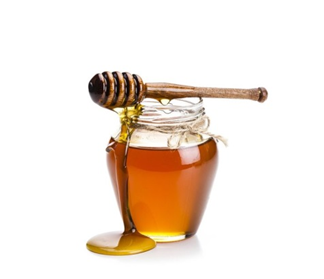
Figure 4: Honey
PREPARATION OF EXTRACT:
1) Aloe Vera Gel Extract
The central fleshy part of Aloe Vera leaves was carefully removed and washed with water. This pulp was then treated with 0.1 N sodium hydroxide (NaOH) to neutralize acidity and ensure stability. The treated pulp was blended to create a juice, which was then filtered under vacuum to achieve clarity. The filtered liquid was mixed with Carbopol 934 to form a smooth gel without any lumps. The prepared Aloe Vera gel was stored in airtight containers in a dark room to prevent light damage and maintain its stability.
2) Cucumber Extract
Cucumis sativus (cucumber) extract was made by peeling, washing, and finely chopping fresh cucumbers. The chopped pieces were blended into a uniform paste using a grinder. This paste was filtered through a muslin cloth to extract the juice. The juice was then freeze-dried at -70°C to produce a solid, dried cucumber extract. The final extract was stored in a refrigerator until it was ready for use in formulations or evaluations.19
Excipients Used in Herbal Face Toner Formulation:
Steps for Preparation of Herbal Face Toner:
EVALUATION OF HERBAL TONER
The herbal toner can be tested initially to check its physical and chemical properties, as well as how well it performs. The following tests were carried out:
The pH was checked using a digital pH meter. Around 20 mg of the gel was mixed with some distilled water, and the pH was measured. This helped ensure that the product had a pH that is safe for the skin and won't cause irritation.
To see how easily the gel spreads, 500 mg of the gel was placed between two glass slides. A weight of 100 grams was put on top for 5 minutes. After removing the weight, extra gel was taken off. Then, a 20 gram weight was applied, and the time taken for the slide to move a certain distance was noted. This helped measure how evenly and smoothly the gel applies.
The gel's uniformity was checked by looking at it and feeling it. It was made sure there were no clumps, lumps, or air bubbles, ensuring a smooth texture.
The gel's look was evaluated by observing its color, clarity, and consistency. Factors like transparency, uniformity, and how it stays stable were considered visually.
A small amount of the gel was applied on the skin to check how it feels. It looked at whether the product felt moisturizing, slippery, or left a residue, which tells about user comfort and how it feels on the skin.
This test looked at the type of residue left after applying the gel. It was checked whether the residue was oily or watery in nature.21
The gel was washed off with running water and minimal rubbing. This test checked if the product came off easily without leaving a sticky or residue.
A small amount of the gel was placed on the skin behind the ear. After 24 hours, the area was checked for redness, irritation, or any allergic reaction. This was done three times. If there was no reaction, it meant the product was non-irritating.
A small amount of the gel was applied on a 1 cm² area on the back of the hand. The area was checked regularly for 24 hours for any signs of redness, swelling, or irritation.
To see how stable the formulation was, the samples were stored at room temperature for 20 days. Parameters like consistency, pH, and appearance were checked at regular intervals. No major changes were noticed, which means the product is stable.
This test checked how easily the gel could be squeezed out from the container. The gel was placed into collapsible aluminum tubes, and the weight needed to push out a 0.5 cm ribbon of gel in 10 seconds was measured. This helps ensure that the product is easy to use and dispenses smoothly.
To check how the gel spreads out, it was placed in an agar medium. A well was made in the center, and a small amount of the gel was put in. The time it took for the gel to spread through the agar was recorded. This helps understand how the active ingredients are released from the product.22
CONCLUSION
This review discusses the importance and benefits of using herbal toners.Skin toners are skincare products that help clean, balance pH, hydrate, refresh, soothe the skin, and sometimes help with removing dirt or oil. Some chemical ingredients in toners can cause skin problems like redness or irritation. Therefore, it's better to use a chemical-free toner with herbal extracts instead. The designed toner uses extracts from neem, amala, aloe vera, and fenugreek alongside other necessary ingredients.
REFERENCES

Dr. Dheeraj Chechare, Sakshi Warungse, Sakshi Kapadi, Nikita Rayate, Sneha Thorat, A Review on Herbal Face Toner, Int. J. of Pharm. Sci., 2025, Vol 3, Issue 11, 82-90. https://doi.org/10.5281/zenodo.17501347
 10.5281/zenodo.17501347
