
1Mauli College of Pharmacy, Udgir
2Vilasrao Deshmukh Foundation, School of Pharmacy, Latur
Perfumes are unique intersection of traditional knowledge and fragrance technology derived from natural essential oils, aromatic herbs used in aromatherapy and ethnomedicines. This review explores types of perfumes based on fragrance notes, fragrance concentration and fragrance families, their properties, uses and marketed herbal perfumes with their qualities.
All cultures are known to place great importance on artificial body odour, suggesting a deep-seated psychological awareness that human bodies should smell and perfumes have been used since the earliest times of recorded history (Stoddart 1986). Fragrances have been used for at least 5000 years and all traditional scents are found in modern perfumes. (1) A perfume (Latin, perfumare for smoke through) is essentially a cosmetic product to be used on the human body for its pleasing scent to mask body odor and have a feeling of freshness. A perfume that usually consists of a few to hundreds of fragrance materials remains a major source of contact allergy from them. Cosmetics and personal care products such as personal perfume(s), deodorant, aftershave lotion/gel, eau de cologne, and eau de toilette with the highest ever concentrations of fragrances remain the major source of contact sensitivity from fragrances. The adverse effects associated with the use of perfumes are both allergic and irritant contact dermatitis, pigmented contact dermatitis, phototoxicity and photoallergy, and contact urticaria. Systemic toxicity may also occur following inhalation and ingestion of fragrance(s) causing respiratory illness, headache, and attacks of migraine. However, allergic contact dermatitis and pigmented contact dermatitis remain by far the commonest cutaneous adverse effects. (2) The use of fragrance is ubiquitous and is a global human phenomenon. Over the course of time, countless numbers of flavors and fragrances have found their way into everyday life, notably into foods, beverages and confectionery items; into personal care products (soaps, toothpastes, mouthwashes, deodorants, bath lotions and shampoos), perfumes, and other cosmetics as well as pharmaceutical formulations. Fragrances play a particularly important role in increasing the attractiveness of cosmetics. Pleasant smells influence the comfortability and the effect of the products and also impact significantly on the overall evaluation of cosmetics. the volatile nature of essential oils makes them likely to be useful as fragrances but does not preclude other functions for them in cosmetics. Essential oils have seen a revival in popularity in the last few years. They are widely used in the cosmetic industries as a fragrance and active components. (3)
Essential oils used in perfumery -
Essential oils as well as their isolated compounds are widely used in cosmetic products as they offer a variety of benefits. Their biological activities range from analgesic, antiseptic, antimicrobial, carminative, diuretic, spasmolytic to hyperaemic and stimulatory. The main reason for their usage in cosmetics is their pleasant aroma. Neroli essential oil is extracted from the flower of Citrus aurantium var. amara L., also known as bitter orange. It is an extremely expensive essential oil since for the production of 1kg of oil, 850 kg of bitter orange flowers are necessary. The citrus tree produces three different kinds of essential oils. Neroli essential oil is steam-distilled from the flower, petitgrain oil is produced from the leaves and orange oil comes from the orange peel. Neroli is a pale yellow to coffee brown essential oil with a sweet, fresh and floral odour. Peppermint oil is commonly used as a fragrance in soaps, cosmetics and as spice since it possesses a fresh, minty and cooling effect due to menthol. Added to bitter tasting capsules, peppermint is able to mask the bitterness when orally applied. Rosemary essential oil is produced by steam distillation from the flowering tips of the plant yielding a colourless to pale yellow liquid with a strong, warm, woody, balsamic aroma. The main chemical compounds in rosemary essential oil are eucalyptol (19.4%) and α-pinene (14.7%). Camphor (9.5%), bornyl acetate (9.1%), camphene (6.9%), β-pinene (6.7%), β-myrcene (5.8%), limonene (5.2%) and borneol (5.0%) are also found in the oil [54]. Due to its stimulating effects, it is widely used in aromatherapy. (4)
Advantages of perfume
Enhances Mood: The appropriate scent can make you feel happier, bring back happy memories, and even make you feel better overall. Boosts Confidence: Scents that you enjoy can help you feel more confident and better about yourself, which will make you feel more at ease in social and professional situations. Attractiveness: Wearing perfume can enhance your physical appeal. Scent may create a lasting impression and is a major factor in human attraction. Benefits of Aromatherapy: Essential oils found in many perfumes have healing qualities that can ease tension, stimulate the senses, or quiet the mind. Personal Expression: You can show off your individuality and sense of style with perfume. It can be a subdued approach to highlight your own tastes and personality.
Uses of perfume Personal
Fragrance: The main purpose of perfume is to intensify the wearer's aroma and leave them feeling clean and pleasant.
Aromatherapy: Essential oil-based perfumes can be used therapeutically to help lower stress, elevate mood, and encourage relaxation.
Improving Mood: Some smells have the power to uplift, soothe, and even aid in the reduction of anxiety or despair. Wearing a favorite smell can help you feel more confident in social and professional situations, which will make interactions more relaxed and pleasurable.
Developing a Signature aroma: A lot of people use perfume to develop a distinctive aroma that comes to be linked with them and leaves a lasting impression.
Important Occasions: To add an extra touch of elegance to important occasions like weddings, parties, or other noteworthy events, perfumes are frequently utilized.
Physical Characteristics of Perfume
Perfume formulation process –
1. Mixing and Blending
The perfume formulation process begins with the blending of essential oils, aroma compounds, and other fragrance materials in precise proportions. The goal is to achieve a balanced scent profile that is harmonious, elegant, and appealing. During this phase, essential oils, which are the heart of the fragrance, are combined with aroma compounds to enhance or modify their scent characteristics. These components are mixed in an alcohol base (typically ethyl alcohol) to aid in the dispersion of the fragrance and its evaporation. Once the oils and compounds are blended, the mixture is allowed to "mature" over time, which allows the various ingredients to interact and bond. This maturation period, often referred to as "aging," can vary from a few days to several months, depending on the complexity of the fragrance and the desired end result. This stage enhances the depth and richness of the perfume, allowing the notes to unfold over time and develop a more balanced, well-rounded. scent. The maturation process is especially important in perfumes with complex compositions, as it allows volatile top notes to settle and base notes to fully integrate.
2. Dilution and Adjustments
Once the perfume mixture has matured, the next step is dilution, where the concentration of fragrance oils is adjusted to meet the desired intensity. This step involves adding either alcohol or water to the fragrance blend, depending on the perfume type. The dilution process ensures that the perfume has the right balance of strength and subtlety, allowing the scent to be long-lasting yet not overpowering. The concentration of the perfume is critical, as it determines its classification (e.g., Parfum, Eau de Parfum, Eau de Toilette). For instance, more concentrated perfumes (Parfum) require less dilution, while lighter formulations (Eau de Toilette) require higher dilution with alcohol. Adjustments may also be made to refine the scent, such as altering the ratio of specific notes to enhance particular fragrance characteristics or fixatives to increase longevity.
3. Filtration
After the fragrance has matured and the dilution process is complete, the perfume is filtered to remove any impurities or undissolved particles. These impurities could arise from the raw materials, such as plant residues, or from the blending process itself. Filtration is a crucial step to ensure that the final product is clear, smooth, and free from any particulates that could affect the visual appearance and texture of the perfume. This step ensures that the perfume is both aesthetically pleasing and high-quality. The filtration process also helps in improving the clarity and purity of the fragrance, ensuring that the scent remains fresh and consistent from the first application to the last. A high-quality fragrance must be free from sediment or cloudiness, and filtration is essential to achieve this goal. (6)
Classification of Perfumes -
1. Based on Fragrance Concentration
2. Based on Fragrance Notes
3. Based on Fragrance Families.
1. Classification Based on Fragrance Concentration
Perfumes are made of a mixture of essential oils and alcohol. The concentration of oils in the perfume determines how long the scent will last and how intense it will be. Perfumes can be classified into five main categories based on concentration:
Perfume, also known as extrait de parfum or pure perfume, has the highest concentration of essential oils. This concentration typically ranges between 20% and 30%. Due to this high concentration, perfume lasts the longest, usually around 6-8 hours or more on the skin. The scent is strong and intense, which makes it more expensive than other types.
Eau de Parfum has a concentration of essential oils between 15% and 20%. It is slightly lighter than perfume but still offers a long-lasting fragrance for about 4-6 hours. Eau de Parfum is one of the most popular fragrances because it balances strength and affordability.
Eau de Toilette has a fragrance concentration of 5% to 15%. It is lighter than perfume and Eau de Parfum, making it a good choice for daytime wear. The scent usually lasts for about 2-4 hours. EDT is widely used because it is affordable and refreshing.
Eau de Cologne has a low concentration of essential oils, typically around 2% to 4%. It provides a lighter fragrance that usually lasts for about 1-2 hours. EDC is often used as a refreshing splash or for quick reapplication throughout the day. It is more common for men’s fragrances.
Eau Fraîche is the lightest fragrance type, containing about 1% to 3% essential oils. It is similar to Eau de Cologne but with a much lower alcohol content, making it more water-based. This light fragrance typically lasts less than an hour and is perfect for people who prefer a subtle scent.
2. Classification Based on Fragrance Notes
Every perfume is made up of different layers of scents called fragrance notes. These notes are categorized into three types, and together they create the full scent of the perfume.
The top notes are the initial scents you smell when you first apply the perfume. They are usually light, and fresh, and evaporate quickly, typically lasting for the first 15-30 minutes. Common top notes include citrus, light florals, and fruity scents.
Once the top notes fade, the heart notes or middle notes start to emerge. These form the core of the fragrance and last for several hours. Heart notes are often more balanced and include floral, spicy, and herbal scents like lavender, rose, or jasmine.
The base notes are the final layer of the fragrance that appears after the heart notes evaporate. These notes are usually rich, deep, and long-lasting, and they can last for several hours to an entire day. Common base notes include woody, musky, or earthy scents like sandalwood, vanilla, or amber.
3. Classification Based on Fragrance Families
Fragrance families are categories of scents that share similar characteristics. Perfumes are often classified based on these families to help people understand the type of fragrance they are buying. The four main fragrance families are:
Popular Floral Notes:
Oriental Fragrances are warm, rich, and exotic. They often include spicy, sweet, and slightly musky notes. Oriental perfumes are more intense and are usually best suited for evening wear. These fragrances often include ingredients like vanilla, amber, and spices such as cinnamon and clove.
Popular Oriental Notes:
Woody Fragrances are characterized by their warm, earthy, and sophisticated scents. They are often composed of wood-based notes such as sandalwood, cedarwood, and vetiver. Woody perfumes are usually more suitable for men, though many unisex fragrances also fall into this category.
Popular Woody Notes:
Fresh Fragrances are light, clean, and often associated with citrus or oceanic notes. These scents are energizing and are perfect for daytime wear. Fresh fragrances include notes like lemon, bergamot, and marine elements, making them ideal for people who prefer a subtle and refreshing scent.
Popular Fresh Notes:
Subcategories of Fragrance Families
In addition to the four main fragrance families, there are subcategories that further refine how perfumes are classified. These subcategories combine elements of the main families to create unique scent profiles.
Floral Oriental
This subcategory combines the sweetness of floral notes with the warmth of oriental fragrances. These perfumes are rich and sensual, including notes like rose, jasmine, and vanilla.
Woody Oriental
Woody oriental perfumes blend the depth of woody scents with the richness of oriental fragrances. These scents are often warm and intense, ideal for colder weather or evening wear.
Fresh Floral
Fresh floral perfumes combine light, airy floral notes with the refreshing elements of citrus or aquatic scents. These perfumes are perfect for spring or summer and are often bright and invigorating.
Citrus Woody
Citrus woody fragrances mix the zestiness of citrus with the depth of woody notes. These perfumes are crisp yet warm, making them versatile for day-to-day wear.
Natural vs Synthetic Perfumes
Perfumes can also be classified based on their ingredients. There are two main types of ingredients used in perfume-making:
Natural Perfumes
Natural Perfumes are made using only natural ingredients derived from plants, flowers, fruits, and other organic sources. These perfumes tend to have a more subtle and earthy fragrance. However, natural perfumes are often more expensive due to the complex process of extracting essential oils.
Synthetic Perfumes
Synthetic perfumes are made using chemical compounds that mimic natural scents. These perfumes are more affordable and can offer a wider range of fragrances. Synthetic ingredients also allow perfumers to create scents that may not be possible with natural ingredients alone.
Niche vs Designer Perfumes
Perfumes can also be classified based on the brand or creator:
Designer Perfumes
Designer Perfumes are created by well-known fashion houses or luxury brands like Chanel, Dior, and Gucci. These perfumes are mass-produced and tend to follow popular trends. Designer fragrances often have a broader appeal and are widely available.
Niche Perfumes
Niche perfumes are created by smaller, independent perfume houses that focus on unique, artistic, or unconventional scents. These perfumes are often made in smaller quantities and are targeted toward perfume enthusiasts who seek out rare or complex fragrances. (7)
Marketed Herbal Perfumes –
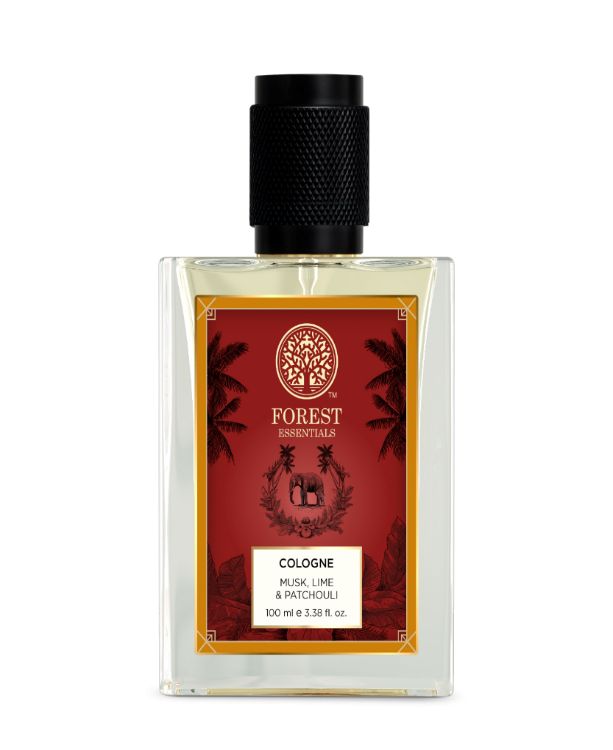
Fig. 1. Cologne - Musk, Lime & Patchouli
This Cologne promises a complete sensorial experience where ancient rituals meet a modern, elegant vibe. The perfect fusion of piquant Lime, grounding Patchouli and warm, sensual Musk. Packed with skin-nourishing ingredients that revitalise and hydrate, leaving the skin cool, smooth, and energised. A sophisticated scent that lasts long and energises the senses. Enriched with skin-nourishing ingredients that soothe, hydrate and refresh the skin. It contains Vitamin E, an antioxidant that nourishes, moisturises and protects the skin.
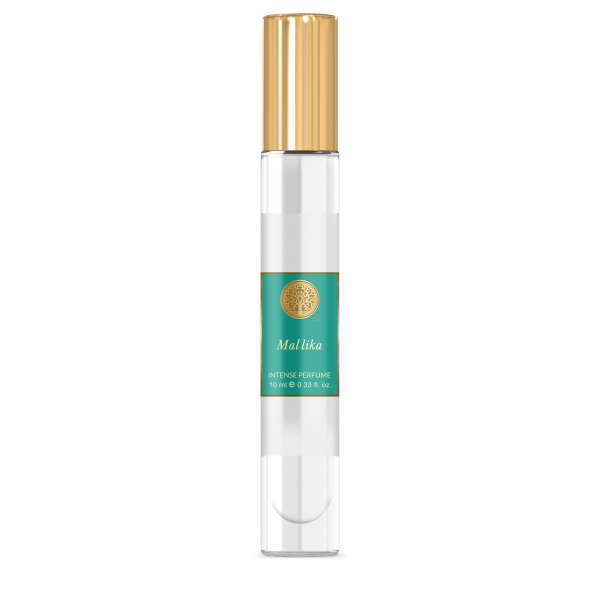
Fig. 2. Perfume Mallika - Jasmine, Oudh & Sandalwood
Indulge in the allure of our Forest Essentials Mallika Intense Perfume. Meticulously crafted from the finest Jasmine flowers, gently plucked at dawn, this exquisite blend captivates the senses. Infused with Oudh and the earthy essence of Sandalwood, the Mallika Perfume presents an intoxicating fragrance that lingers throughout the day. A captivating blend with woody & sensual undertones. Made using the traditional Ayurvedic method with Alcohol Denat, derived from Pure Grain. Contains pure essential oils that leave the skin scented for long hours.
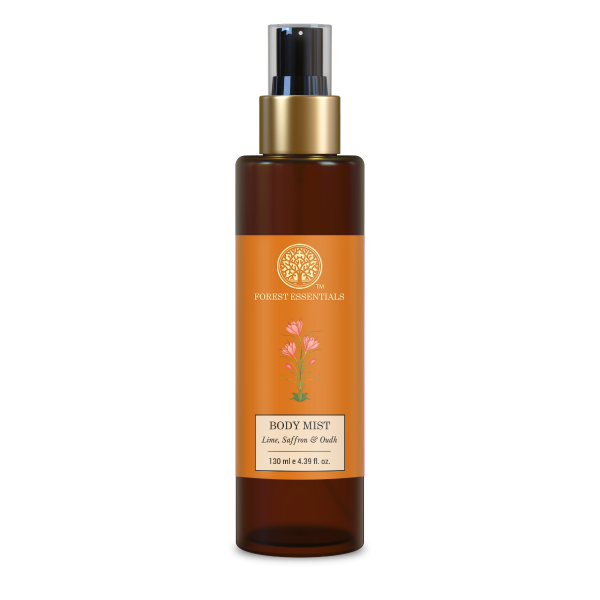
Fig. 3. Body Mist Lime Saffron & Oudh
A revitalizing fusion of the citrus notes of Lime, spicy undertones of Saffron, and the woody essence of Oudh. This hydrating body mist refreshes the skin while lending a subtle fragrance, that uplifts and invigorates the senses. Prepared with pure essential oils & floral waters, and fermented Pure Grain Alcohol made with Ayurvedic techniques. Leaves the skin delicately scented with a long-lasting fragrance. Contains Aloe Vera juice that keeps the skin refreshed & hydrated for long hours.
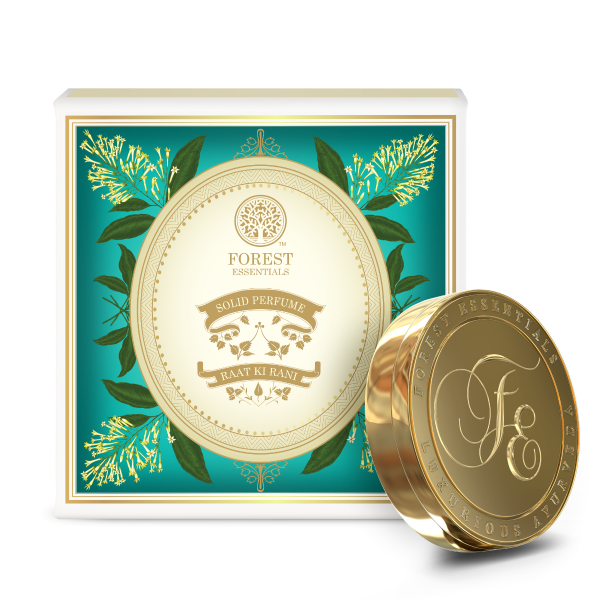
Fig. 4. Solid Perfume Raat Ki Rani
This exquisite Forest Essentials Solid Perfume Raat Ki Raani or ‘Queen of the Night’ leaves an intoxicating fragrance. This 100% natural perfume is infused with Mango and Mahua butters, and is absolutely alcohol free. Cased in an easy to use, solid formulation, it can be easily applied anywhere, anytime. It has a soft, yet invigorating floral scent. Free from chemicals, parabens and petrochemicals. Eco-friendly packaging. Travel friendly.
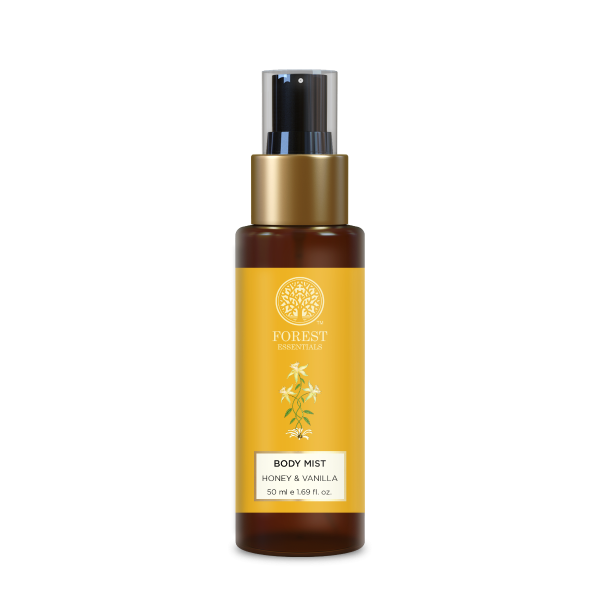
Fig. 5. Body Mist Honey & Vanilla
REFERENCES

Alok Giri*, Shital Kamble, A Review on Herbal Perfumes, Uses and Products Available in Market, Int. J. of Pharm. Sci., 2025, Vol 3, Issue 12, 278-286. https://doi.org/10.5281/zenodo.17787163
 10.5281/zenodo.17787163
