
Rungta Institute of Pharmaceutical Sciences, Bhilai
In RA, a chronic inflammatory disease, key inflammatory mediators like TNF-? become sequentially activated over time, driving the disease's pathogenesis. The?prime aim of the present study is to prepare a well-designed and validated new poly-herbal tablet formulation with optimal concentration, which can manifest synergistic anti-inflammatory activity based on the biological advantages offered by Moringa oleifera (MO), Tinospora cordifolia (TC) and Azadirachta indica (AI). These selected medicinal plants are highly respected through a long historical and scientific tradition for their potent immunomodulatory and antiinflammatory activities, which undoubtedly play an?important role in their therapeutic effectiveness in inflammation-related complaints. Pre-formulation experiments were conducted to evaluate physicochemical compatibility after hydroalcoholic extracts of each plant were produced and submitted to phytochemical screening.The optimized poly-herbal blend was formulated into tablets using suitable pharmaceutical excipients and evaluated for post-formulation parameters including hardness, friability, weight variation, and disintegration time.
Inflammation plays a critical role as a natural bodily reaction, acting as the initial protective framework that shields the body from threats such as pathogens, tissue injury, and environmental stressors. Despite the fact that acute inflammation is Chronic inflammation is necessary for the process of healing and recovery, but it can also contribute to the development of diverse health conditions, such as cancer, cardiovascular disease, and disorders linked to the immune system. Inflammation is defined by physiological reactions Factors such as immune cells, blood vessel interactions, and molecular signaling pathways contribute to the development of various conditions, including malignancies, cardiovascular disorders, and autoimmune illnesses. An array of physiological reactions is what defines inflammation. Anytime cells are harmed by internal or external stimuli, an inflammatory reaction is set off. Proinflammatory cytokines, chemokines, and other signaling molecules are released as a result of this response. This reaction seeks to remove injured cells, stop the original cause of harm, and start the healing process.The phenomenon of pain, therefore, covers both pathophysiological and psychological components that are often challenging to interpret. The term "suffering," which is often used in connection with "pain," refers to a broad variety of severe and unpleasant subjective emotions that may have physical or psychological roots and suggests the conscious enduring of pain or distress. The International Association for the Study of Pain offers the most thorough definition of pain, which is "an unpleasant sensation and an emotional experience associated with a real or potential damage to tissue, or equivalent of such damage." [1].

Figure .1 Inflammation in the Body
Inflammation, which involves altered membranes, denaturation of proteins, and increased vascular permeability, is linked to pain. Heat or burn, microbial infiltration, and tissue injury all cause inflammation 1. Stress brought on by inflammation is manifested in the injured or damaged area as pain, redness, edema, heat, and loss of function. Nowadays, the majority of pharmaceuticals are made from naturally occurring medicinal plants. Many secondary metabolites and phytochemical components found in medicinal plants are used to treat recently discovered illnesses. Sometimes synthetic medications are ineffective and have negative side effects. The necessity to find novel medications for newly emerging diseases is met by plant-derived medications.Therefore, medications made from plants may provide an alternate treatment for inflammation. Phytochemical screening offers effective protection and therapy for a range of illnesses.[2,3]
Process of inflammation
Types of inflammation: acute and chronic.
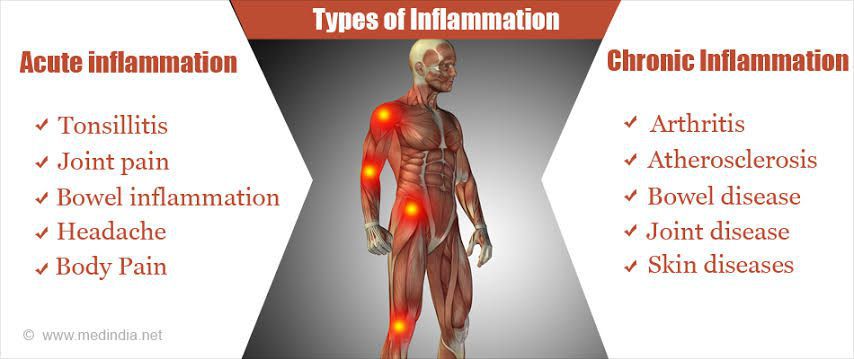
Figure.2 Types of inflammation
Acute inflammation –
Starting immediately (rapid onset) and gets worse very quickly. Although the signs and symptoms are only noticeable for a few days, they might occasionally last for several weeks. Acute bronchitis, an infected ingrown toenail, a cold or flu-related sore throat, a cut or scratch on the skin, exercise (particularly vigorous exercise), acute appendicitis, acute dermatitis, acute tonsillitis, acute infective meningitis, and acute sinusitis are a few examples.[4] The first stage of acute inflammation is a brief series of tissue reactions to injury that lasts anywhere from a few minutes to a few days. It is typified by the concentration of neutrophilic leukocytes and the exudation of fluid and plasma proteins. Increased vascular permeability, capillary infiltration, and leukocyte emigration are linked to it.The classical symptoms of redness, heat, edema and pain are associated with acute inflammation.
Chronic inflammation –
Continue for a few months or perhaps years. One of the main causes is an autoimmune response to a self-antigen. a persistent, mild, long-term irritation. Chronic inflammation is caused by a number of diseases and conditions, including Crohn's disease, rheumatoid arthritis, ulcerative colitis, asthma, chronic peptic ulcers, TB, chronic sinusitis, chronic active hepatitis, and chronic periodontitis.[5] Anti-inflammatory medications are those that lessen inflammation.The most widely used anti-inflammatory medications are NSAIDs, such as non-steroidal anti-inflammatory medications. They primarily cause the activity by blocking the cycloxygenase enzyme (COX).
Chronic inflammation is of longer period (days to years) as a result of the initiating stimulus's persistence, disruption of the natural healing process, recurrent episodes of acute inflammation, or low-grade smoldering brought on by the immune response mediators' ongoing production. It is characterized by an increase in macrophages and lymphocytes, along with vascular growth and scarring.[6]
Management of inflammation
More medications are made for treating inflammation in the human body than any other class of medications. By inhibiting or changing the chemical signals connected to the inflammatory response, anti-inflammatory drugs prevent or interfere with inflammation.
A] Non-steroidal anti –inflammatory drugs
Non-steroidal anti-inflammatory drugs (NSAIDs), including ibuprofen, aspirin, and indomethacin, work by suppressing both cyclooxygenase (COX-1 and -2). Meloxicam and the antibiotics (like Celecoxib) are examples of selective COX-2 inhibitors. Rheumatoid arthritis and mild to moderate pain are the two main conditions for which NSAIDs are recommended. Additional indications include dental treatments, osteoarthritis, soft-tissue injuries, renal colic, and postoperative discomfort. These medications' The main mechanism of action is believed to be the repression of the COX enzymes (COX-1 and COX-2), which subsequently converts AA to PGs.[7]
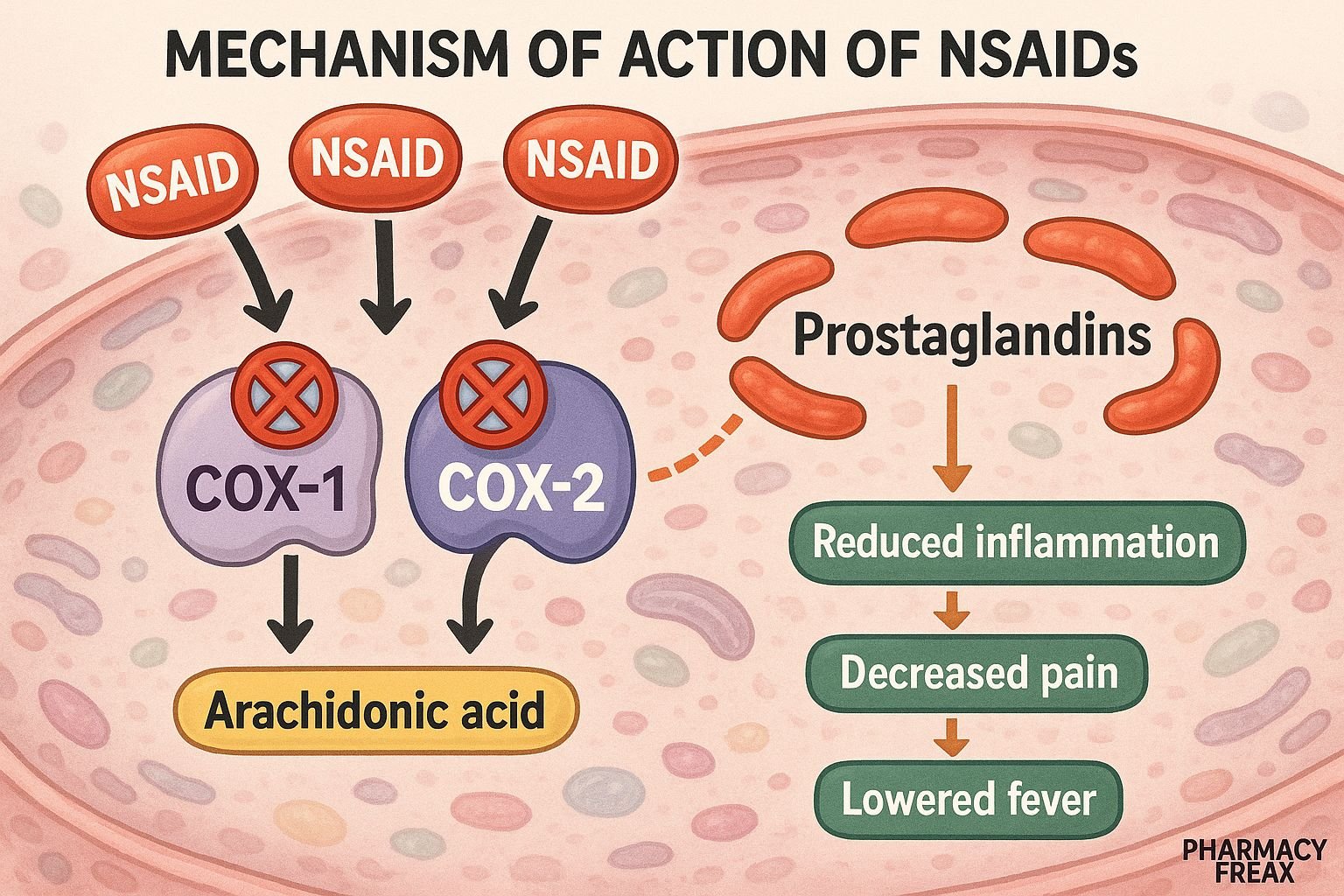
Figure 3 MOA OF NSAID
B] Glucocorticoids
The best anti-inflammatory medications for Glucocorticoids, sometimes referred to as corticosteroids or steroids, are involved in a number of immunological and inflammatory diseases, including rheumatoid arthritis, asthma, inflammatory bowel disease, and other autoimmune disorders. By binding to cortisol receptors, glucocorticoids can cause a variety of physiologic effects. Glucocorticoids suppress inflammation by a number of methods, one of which may be the reduction of cytokine-induced gene expression. Proinflammatory cytokines are inhibited by glucocorticoids. By suppressing PLA2, In addition to inhibiting the expression of the COX-2 and iNOS genes, they also stop the inflammatory mediators PGs, TXs, LTs, and NO from being produced. They also alter how inflammatory cells including lymphocytes, monocytes, macrophages, and eosinophils are recruited and activated.[8]
|
Cortisol |

Figure 4 MOA OF GLUCOCORTICOID
ANTI INFLAMMATORY
Any medication, substance, or technique that suppresses inflammation by reducing the redness, swelling, fever, and discomfort of an inflammatory response, and loss of function is referred to as anti-inflammatory. Anti-inflammatory medications are substances that prevent the formation or activity of inflammatory mediators such prostaglandins, histamines, and cytokines. Unlike opioids, which block pain by acting These drugs reduce pain on the central nervous system by obstructing inflammatory pathways.Common anti-inflammatory treatments include monoclonal antibodies, corticosteroids, antileukotrienes, and nonsteroidal anti-inflammatory drugs (NSAIDs).
Anti-Inflammatory Mechanism Of Medicinal Plants
Medicinal plants' anti-inflammatory actions encompass a variety of routes and components that assist regulate and modulate the inflammatory response. Here are some examples of common mechanisms:
Inhibition of lipoxygenase
Lipoxygenase is used in production of leukotrienes from arachidonic acid which are pro-inflammatory mediators. Through different parts of plants by inhibiting lipoxygenase inflammation is inhibited [9].
Inhibition of Nos
Many plant’s flavonoids inhibit the production of nitric oxides. Nitric oxides are free radicles that involved in formation of inflammation by cytokines activated macrophages. These are also called pro-inflammatory mediators [10].
Inhibition of cyclooxygenase
Numerous substances produced from herbs prevent prostaglandin production by inhibiting the enzymes cyclooxygenase 1 and cyclooxygenase 2. Prostaglandins are mediators of inflammation. PGE2, PGI2, PGD2, and PGF2 are the four different forms of prostaglandins [11]. Pain, redness, and swelling are the traditional signs of inflammation that prostaglandins contribute to. Increased blood flow, permeability, and vasodilation are the causes of redness and edema. Prostaglandins' effects on sensory neurons and central sites cause pain.
The suppression of phospholipase
Membrane lipid phospholipase facilitates the release of arachidonic acid. Arachidonic acid, a precursor of eicosanoids, is used to make prostaglandins. Inhibiting phospholipase is crucial for controlling inflammation.
Pro-inflammatory cytokine inhibition
A number of plant components lower inflammation by inhibiting pro-inflammatory cytokines. Immune cells, particularly T-cells and macrophages, produce signaling chemicals called pro-inflammatory cytokines. Inflammation is encouraged by pro-inflammatory cytokines that regulate T and cell death, such as IL-1beta and IL-6.NF-alpha: regulates numerous signaling pathways to govern the apoptotic process.
[12].
The anti-inflammatory properties of medicinal herbs
Many traditional medical systems have long used medicinal herbs because of their anti-inflammatory properties. These plants have bioactive chemicals that can aid in the relief of inflammation and related symptoms.
MORINGA OLEIFERA
Figure 5. Moringa Oleifera Leaves
Moringa oleifera, a tropical tree species native to Pakistan, India, Bangladesh, and Afghanistan, is cultivated for its nutrient-rich foliage, pods, and seeds. A recent scientific investigation focused on analyzing the anti-inflammatory effects and underlying mechanisms of bioactive compounds extracted from this plant. Studies suggest that phytochemicals such as polyphenols and flavonoids—key constituents of M. oleifera—have been traditionally utilized in medicinal practices. Researchers hypothesize that these compounds' anti-inflammatory benefits may stem from:
Moringa is the only genus in the Moringaceae family of flowering plants .The most well-known and widespread of its species is Moringa oleifera Lam (Moringa pterygosperma G.), which is found in Afghanistan, Bangladesh, India, and Pakistan. Even the driest and roughest soils were found to be intolerant of it. People all throughout the world, particularly in northern Cameroon, eat the young leaves, seed pods, and mature seeds as vegetables [39]. It is primarily cultivated in subtropical and tropical climates. Humans have traditionally utilized all portions of M. oleifera, sometimes known as the "horseradish tree" or "drumstick tree," for both medicinal and nutritional purposes. The plant's therapeutic abilities earned it the nicknames "wonder tree" and "mother's best friend" at times. [13].
Table 1: Taxonomic classification of Moringa oleifera [14]
|
S.N. |
Kingdom
|
Plantae |
|
1 |
Subkingdom |
Tracheobionta |
|
2 |
Super division |
Spermatophyta |
|
3 |
Division |
Magnoliophyta |
|
4 |
Class |
Magnoliopsida |
|
5 |
Subclass |
Dilleniidae |
|
6 |
Order |
Capparales |
|
7 |
Family |
Moringaceae |
|
8 |
Genus |
Moringa |
|
9 |
Species |
Oleifera |
Major phytoconstituents:
Quercetin, kaempferol, chlorogenic acid, niazimicin, glucosinolates / isothiocyanates, vitamins and minerals
Pharmacological Uses
Recent pharmacological research have discovered a number of pharmacological actions, including antibacterial , antifungal , anti-inflammatory , antioxidant , anticancer [15], fertility , wound healing, and other pharmacological activities mentioned below (Table 2).
Pharmacological activities of main Phytoconstituents.
|
Class/Compound |
Structure |
Therapeutic Activity |
Reference |
|
Polyphenol/Ellagic acid |
|
inhibits bacterial and viral infections and has antioxidant properties.
|
16 |
|
Phenol/Ferulic acid |
|
promising outcomes as an anti-inflammatory, anti-tumor, antioxidant, antithrombotic, and anti-arrhythmic agent.
|
17 |
|
Phenol/Gallic acid |
|
antioxidant, anti-inflammatory, and anti-neoplastic
|
18 |
|
Glucosinolates/Glucomoringin |
|
pain-relieving, anti-inflammatory, antioxidant, and antihypertensive
|
19 |
Moringa Oleifera's Anti-Inflammatory Properties
The leaves, seeds, flowers, and roots of M. oleifera showed strong anti-inflammatory effects. The isolated Moringa compound (4-[2-o-Acetyl-alpha-l-rhamnoslyloxy) benzyl] thiocyanate was demonstrated to have nitric oxide inhibitory activity and to be efficacious in Raw264.7 cell lines . TNF-α production was reduced by aurnatiamide acetate and 1,3-dibenzylurea, two compounds obtained from M. oleifera roots [20]. Tannins, phenols, alkaloids, flavonoids, carotenoids, β-sitosterol, vanillin, and moringin are among the active substances that have anti-inflammatory qualities.
AZADIRACHTA INDICA
The neem tree, which is found in tropical and semitropical regions including Bangladesh, India, Pakistan, and Nepal, is a member of the Meliaceae family. The tree reaches a height of 20 to 23 meters due to its rapid growth. The diameter of its straight trunk is between four and five feet. Five to fifteen leaflets make up each complex, imparipinnate leaf. In June and August, its green drupes develop into vivid yellow fruits.
Figure 6. Azadirachta Indica Leaves
Table 3: Taxonomic position of Azadirachtaindica (neem).
|
S.N. |
Kingdom |
Plantae |
|
1 |
Order |
Rutales |
|
2 |
Suborder |
Rutinae |
|
3 |
Family |
Meliaceae |
|
4 |
SubFamily |
Melioideae |
|
5 |
Tribe |
Melieae |
|
6 |
Genus |
Azadirachta |
|
7 |
Species |
indica |
Mechanism of Action of Active Compounds
A member of the Meliaceae family, neem (Azadirachta indica) has therapeutic uses for both illness prevention and treatment. However, it is still unclear what precise molecular mechanism prevents disease. Azadirachta indica is believed to have a medicinal function because of its high concentration of antioxidants and other advantageous active compounds, including salannin, quercetin, nimbolinin, nimbin, nimbidin, nimbidol, and azadirachtin. One possible way that Azadirachta indica works is as follows. Neem (Azadirachta indica) plant parts have antibacterial qualities by preventing microbial growth and the ability to break down cell walls. A complex tetranortriterpenoid limonoid, which is present in insects, is the primary ingredient in seeds that has antifeedant and toxic effects on Azadirachtin. [21].
The Anti-Inflammatory Properties of Neem
Plants or the substances they contain are used as anti-inflammatory drugs in medicine. Using the cotton pellet granuloma assay, a study discovered that a 200 mg/kg, p.o. concentration of A. indica leaf extract dramatically decreased inflammation in rats. Further research indicates that while neem leaf extract has a significant anti-inflammatory effect, dexamethasone is more effective [22]. Additionally, research indicates that nimbidin inhibits neutrophil and macrophage inflammatory responses . Previous research has indicated that oil seeds possess antipyretic and anti-inflammatory properties, while bark and leaf extracts have anti-inflammatory and immunomodulatory properties.
TINOSPORA CORDIFOLIA
Tinospora cordifolia (Willd.) Miers, a prominent medicinal plant in the Menispermaceae family, is also known as guduchi . It can be found all over India, from the Himalayas to the southern part of the Indian peninsula. Due to its anti-inflammatory, immunomodulatory, anti-allergic, anti-diabetic, and other qualities, it has been classified as "Rasayana" . The Ayurvedic Pharmacopoeia of India lists just the stem as acceptable for use in medicine, yet the entire plant is used medicinally. The reason for this is that the stems contain more alkaloids than the leaves.The local reaction of living mammalian tissues to any type of damage is inflammation. The body uses it as a defense mechanism to stop or slow the spread of harmful substances. It is categorized as either acute or chronic based on the host's ability to defend itself and the length of the reaction. Acute inflammation is characterized by the accumulation of fluid and plasma, the activation of platelets intravascularly, and the presence of polymorphonuclear neutrophils as inflammatory cells. In the early stages of inflammation caused by carrageenan, histamine, 5-hydroxytryptamine, and bradykinin are the first mediators that can be identified; in the later stages of inflammation, prostaglandins can be found.[23]

Figure 7.Tinospora cordifolia stem
Table 4: Taxonomic position of Tinospora Cordifolia
|
S.N |
Parameter |
Discription |
|
1 |
Kingdom |
Plantae |
|
2 |
Order |
Ranunculales |
|
3 |
Family |
Menispermaceae |
|
4 |
Genus |
Tinospora |
|
5 |
Species |
T.cordifolia |
Tinospora cordifolia's pharmacological potential
Antipyretic and anti-inflammatory: Fever and inflammation are frequently treated with nonsteroidal anti-inflammatory medications (NSAIDs). To mitigate the adverse effects of these synthetic medications, herbal remedies have been developed. The Tinospora cordifolia plant is widely used because of its numerous medicinal qualities. In addition to its analgesic and antipyretic qualities, it may help reduce fever and inflammation. Anti-inflammatory action was measured using rats' paw edema models induced by histamine and carrageenan, whereas ante-pyretic activity was measured using the Brewer's model of pyrexia caused by yeast. Tinospora cordifolia stem aqueous extract was administered to the animals at doses of 1.25, 2.5, and 5 grams per kilogram. It was demonstrated that the strong antipyretic and anti-inflammatory qualities of Tinospora cordifolia aqueous extract were equivalent to those of the widely prescribed drugs paracetamol and diclofenac sodium, respectively.[24]
Table 5. Active constituents of T. cordifolia plant[25,26]
|
Compound |
Active constituents |
Parts of plant |
Activity |
|
Alkaloids |
Tetrahydropalmatine, Magnoflorine, Choline, Tinosporin, Isocolumbin, Berberine, and Palmatine |
Stem and Root |
Anti-inflammatory activity
|
|
Glycosides |
Syringin, Cordioside, Palmatosides C, F, and Tinocordifolioside
|
Stem |
Anti-inflammatory activity
|
|
Steroids |
βSitosterol, Ecolysterone, Makisterone A, Giloinsterol |
Aerial Part and Stem |
Anti – bacterial activity
|
|
Diterpenoid lactones |
Tinosporides, Jateorine, Columbin, Tinosporin |
Whole Plant |
Anti-Cancer activity
|
|
Sesquiterpenoid |
Tinocordifolin |
Stem |
Anti-inflammatory activity
|
|
Aliphatic Compounds |
Octacosanol, Heptacosanol |
Whole Plant |
Antioxidant activity
|
Anti-inflammatory Activities:
The method's capacity to lower inflammation in vitro in both acute and subacute models. According to the study, swelling arthritis and arthritis in humans are caused by Guduchi. In any situation involving joint inflammation, the anti-inflammatory activity of dried Guduchi leaves was more beneficial and efficient than acetylsalicylic acid. The anti-inflammatory properties of guduchi have been observed in both acute and subacute forms of inflammation. .
“CONVENTIONAL EXTRACTION METHODS OF HERBAL BIOACTIVE”
Plant extracts have been widely used in traditional medicine, food flavorings, food preservatives, and tastes. Furthermore, these extracts are increasingly being used to treat common and chronic illnesses. Plants include a variety of active compounds, including alkaloids, steroids, tannins, glycosides, volatile and fixed oils, resins, phenols, and flavonoids. The plant's beneficial medicinal properties are a result of the combination of these active compounds . Pre-extraction and extraction techniques, which are crucial stages in the synthesis of useful bioactive compounds from plant components, are where the research of medicinal plants starts. Traditional methods like maceration and Soxhlet extraction are more likely to be used in small-scale or SME companies. Advanced extraction techniques are being used to process medicinal plants. Advanced extraction techniques are being used to process medicinal plants. Among these methods are ultrasound-assisted extraction (UAE), microwave-assisted extraction (MAE), and supercritical fluid extraction (SFE). These cutting-edge methods aim to generate a greater return at a reduced expense [27]. Standardized extraction methods for crude pharmaceuticals can be successful in eliminating inert compounds and obtaining the essential curative components by employing a unique and particular solvent known as menstruum. A successful extraction procedure has been achieved using menstruum, which is a good liquid solvent. The inert and insoluble drug substance that remains after extraction is referred to as Marc . More effective and hygienic ways to extract natural products from "natural" sources are being researched, especially in the case of aromatic and medicinal plants (AMP), whose essential oils (EOs) have been demonstrated to have significant biological qualities.The rise in microorganisms that are resistant to traditional medications has increased the demand for these additional biological activities derived from natural items . This study's primary focus was on analytical procedures, which covered plant extract extraction methods as well as the identification and analysis of bioactive compounds using a range of methodologies, such as chromatographic techniques and particular detection technologies[28].
Maceration Extraction Method
Nowadays, research on medicinal herbs often uses the wine-making process of maceration. Plant materials, either in powder or coarse particle form, are macerated by heating them at room temperature for at least three days after soaking them in an appropriate solvent in a closed-mouth container. The soluble phytochemicals are released when the cell walls of the plant sample rupture and the soaking sample turns mushy. After three days, the mixture is either filtered or pulverized. Heat is transferred by convection and conduction in this traditional method. The type of material that is extracted from the sample is solely determined by the solvent used in this process. [29]
Maceration: In this method, the powdered Tinospora cordifolia is put in a container with the selected solvent (such as ethanol, methanol, etc.) and left to stand, often stirring, until the soluble matter dissolves, for at least three days (or up to seven days). Following the maceration process, the mixture is filtered through an appropriate filter to separate Advanced extraction techniques are being used to process medicinal plants. Among these methods are ultrasound-assisted extraction (UAE), microwave-assisted extraction (MAE), and supercritical fluid extraction (SFE). These cutting-edge methods aim to generate a greater return at a reduced expense. Maceration was previously used in wine-making techniques and has become extensively used in plant extraction studies. The plant materials (coarse or powdered) were soaked for at least three days at room temperature in solvents such as methanol, acetone, or ethanol, with regular agitation. Diffusion and osmosis are the foundations of the maceration process. This procedure helps the softened plant's cell wall release phytochemicals. After three days, the mixture was filtered. Vongsak et al. (2013) macerated 70% ethanol (1:40, w/v) with dried powdered Moringa leaves for 72 hours at room temperature, shaking occasionally . After filtering the extract, the marc (extraction residue) was extracted once more using the same solvent and technique until the extraction was complete. This maceration technique yielded the highest extract yield (40.50%, w/w), with maximum total phenolic levels of 13.23 g CAE/100 g extract and total flavonoid contents of 6.20 g IQE/100 g extract, respectively. At effective dosages, this extract shows a significant DPPH scavenging action with an IC50 of 62.94 g/mL. The maceration technique requires a longer extraction time in order to achieve a high yield of total phenolic content. Although maceration is a traditional method, it is simple and easy to handle [30]. A high yield of crude extract can be produced by improving extraction efficiency using the right kind and strength of solvent. Additionally, a large volume of solvent utilized in the extraction process necessitates waste control.
Figure 8. Maceration extraction of herbs
Obtaining extracts:
An aqueous extract was made by mixing 3 grams of powdered Moringa oleifera leaves with 30 milliliters of distilled water.
Aqueous methanol extract: 3 g of powdered Moringa oleifera leaves were added to 15 ml of distilled water and 15 ml of methanol to create an aqueous methanol extract.
30 milliliters of acetone were mixed with 3 grams of powdered Moringa oleifera leaves to create the acetone extract.
Chloroform extract: 30 milliliters of chloroform were mixed with three grams of moringa powder.
Extracts were tested for the presence of alkaloids as per the method given by Evans, 1997 [31] and Wagner, 1993. Tests for the presence of tannins, saponins, flavonoids, and glycosides were done by following standard methods as per the method described by Harborne, 1998 , and Kokate, 2005 .
PHYTOCHEMICAL SCREENING OF HERBAL EXTRACT
PHYTOCHEMICAL SCREENING OF Moringa Oliefera Leaves (Munga)
Standard phytochemical methods were used to examine the presence of several phytoconstituents in the extracts of powdered Moringa oleifera leaves, such as tannin, phenolic compounds, alkaloids, flavonoids, and saponins. Moringa oleifera leaf extracts were subjected to both qualitative and quantitative phytochemical studies. The powdered samples were examined for the presence of bioactive substances, such as alkaloids, flavonoids, saponins, and phenols, glycosides, lignin, and tannins. [32]. using standard methods outlined by Mayuri.
Test for Alkaloids
Mayer’s Test: Two milliliters of each extract were mixed with two to three drops of Mayer’s reagent (1.36 g mercuric iodide in 60 ml of water with 5 g of potassium iodide in 20 ml of water) as directed. A white or creamy precipitate meant the test was successful.
Wagner's Test :Two milliliters of each extract were mixed with 0.2 milliliters of diluted HCl solution. Next, 1.27 grams of iodine, 2 grams of potassium iodide, and 100 milliliters of distilled water were added as Wagner's reagent. The test proved positive, as evidenced by the reddish-brown precipitate.
Tannins test
Ferric chloride test: mix two milliliters of each extract with a few drops of a 5% ferric chloride solution. The appearance of tannins was indicated by the blue coloration that developed.
Saponin Test
In the foam test, five milliliters of each extract are heated in a test tube after being shaken briskly with five milliliters of distilled water. The test was deemed successful when stable foam developed. [33]
Flavonoids test
For the lead acetate test, mix one milliliter of each extract with one milliliter of a solution containing 10% lead acetate. When yellow precipitate appeared, the test was considered successful.
Glycosides test
Keller-Killiani test: Two milliliters of each extract were dissolved in glacial acetic acid before a 5% ferric chloride solution was added. The contents were transferred to a test tube containing two milliliters of concentrated sulfuric acid after being heated and cooled. The faint green tint of the top layer indicated the presence of glycoside.
PHYTOCHEMICAL SCREENING OF Azadirachta Indica Leaves (Neem)
Plants generate substances called phytochemicals that help them fight off bacteria, fungi, viruses, inflammation, and animal and insect exhaustion. The name is derived from the Greek word phyton, which means "plant" and is thought to provide health benefits (Webb, 2013). Phytochemicals are substances that come from plants (Breslin, 2017). Among other natural sources, phytochemicals can be found in vegetables, cereals, roots, leaves, and medicinal plants. They fall into two categories: primary and secondary compounds. Proteins, carbohydrates, and chlorophyll are examples of primary compounds; flavonoids, alkaloids, sterols, terpenoids, saponins, tannins, and volatile oils are examples of secondary compounds.Motalab (2011).
Test for Alkaloids:
0.2 ml of diluted HCL solution was combined with 2 ml of each extract. Next, 1 milliliter of Wagner's reagent (100 milliliters of distilled water, 1.27 grams of iodine, and 2 grams of potassium iodide) was added. Reddish-brown precipitate confirms a positive test result. [34]
Test for Tannins:
A few drops of a 5% ferric chloride solution were combined with two milliliters of each extract. The presence of tannins is indicated by the formation's blue color.
Test for Saponins:
5 ml of each extract was heated in a test tube after being forcefully agitated with 5 ml of distilled water. The test was considered successful when stable foam formed.
Test for Flavonoids:
Each extract was combined with one milliliter of a 10% lead acetate solution. Yellow precipitate formation signified a positive test result.
Test for Glycosides:
A 5% ferric chloride solution was added after 2 milliliters of each extract had been dissolved in glacial acetic acid. The contents were moved to a test tube with two milliliters of concentrated sulfuric acid after being heated and cooled. The upper layer turns pale green, signifying the presence of glycoside.
Test for Steroids
Concentrated H2SO4 was added sidewise to a mixture of crude extract and 2 milliliters of chloroform. The presence of steroids is indicated by the bottom chloroform layer turning red. Crude extract was combined with two milliliters of chloroform for an additional test. Next, two milliliters of strong acetic acid and H2SO4 were added to the mixture. The emergence of a greenish hue signifies the existence of steroids.
PHYTOCHEMICAL SCREENING OF Tionospora Cordifolia Stem(Giloy)
Several studies have examined the anti-inflammatory properties of giloy (T. cordifolia, which grows on Azadirachta indica) in its decoction, alcohol extract, and water extract . It has been demonstrated that the plant's water extract has greater potency than the other extract. [35] As a result, a comparison between the anti-inflammatory properties of samples produced routinely and those found in the Guduchi Ghana market has been suggested.
Test for alkaloids
Dragendorff’s test:
A few milligrams of the extract sample were taken and dissolved in five milliliters of water. Next, an acid reaction was created by adding 2M hydrochloric acid. One milliliter of the Dragendorff's reagent (potassium bismuth iodine solutions) was added to this combination. When alkaloids were found in sample extracts, an orange-red precipitate was generated.
Wagner’s test:
In the test tube, add a few drops of Wagner's reagent (iodine potassium iodide solution) after acidifying the plant extract sample with 1.5% v/v hydrochloric acid. It produced reddish-brown precipitates, a sign that alkaloids are present.
Mayer’s test:
In the test tube, two to three drops of Mayer's reagent (potassium mercuric iodine solution) were added to two milliliters of plant extract sample. A dull, whitish precipitate would form if the sample contained alkaloids.
Test for glycosides
Legal’s test: An extract sample was taken and dissolved in pyridine, then sodium nitroprusside solution was added. Make this solution completely alkaline. The presence of glycosides produced a pink-red color.
Baljet’s test: Taken a plant extract sample in the test tube and added sodium picrate solution. The presence of glycosides produced a yellow to orange color.
Borntrager’s test: The test solution of plant extract was added to a few ml of dilute sulphuric acid solution. This solution was filtered. Then chloroform and ether were added to the filtrate and shaken well. In this solution ammonia was added and separated the organic layer. The organic layer showed pink, red, or violet color due to the presence of glycosides. [36]
Test of saponins
a) 1 ml of alcoholic sample extract was taken and diluted with 20 ml of distilled water. This solution was shaken for 15 min in a graduated cylinder. If saponins are present in the extracts, they generate a foam layer of 1 cm.
Test for flavonoids
Shinoda test:
The alcoholic extract was placed in a test tube, and five to ten drops of hydrochloric acid were added. Next, tiny bits of magnesium were put into tubes. A reddish-pink or brown hue suggested the presence of flavonoids.
Alkaline reagent test:
The plant extract sample was mixed with 2 ml of 2% NaOH solution. It produced a yellow color. In this solution, 2 drops of diluted acids were added. If flavonoids were present in the extracts, the yellow color changed into colorless.
Test for tannins
Taken the sample of plant extracts in the test tube and added ferric chloride solution. If tannin was present in the sample, a dark blue or greenish-black color appeared. Taken the sample extracts and added potassium cyanide. It produced a deep red color, which indicates the presence of tannins. Potassium dichromate was added to sample extracts. Yellow precipitate was formed, indicating the presence of tannins.
HERBAL TABLET FORMULATION AND THEIR IMPACT ON CHRONIC DISEASE MANAGEMENT
Herbal medicine has been used for decades in both industrialized and developing countries, making it the oldest kind of therapy. Following scientific validation of herbal therapy, the basis for modern pharmaceuticals such as Quinine, digitoxin, morphine, and aspirin were developed. Herbal medicine is described by the World Health Organization (WHO) as a method that uses herbs, herbal materials, herbal preparations, and completed herbal products as active components that include plant parts, other plant materials, or mixes. To create these herbs, plant parts like leaves, stems, flowers, roots, and seeds are utilized. The active components of herbal medications are phytochemicals, which include different classes such as alkaloids, terpenoids, glycosides, tannins, saponins, and flavonoids. Herbal formulations: A herbal formulation is a dosage form that includes one or more processed herbs in predetermined amounts to impart specific nutritional, cosmetic, and/or other properties that are meant to be used to identify, treat, or lessen illnesses in humans or animals. [37]
Herbal Tablets
Herbal tablets are solid dosage form made up of herbal extract, granule is blended with excipients such as starch, tragacanth and compressed to form a defined size and shape.
Advantages
Rheumatoid arthritis (RA)
The chronic inflammatory systemic illness known as rheumatoid arthritis (RA) mostly affects joints, but it can also cause a range of extra-articular symptoms. 1–1.5% of individuals worldwide suffer from RA, the most common autoimmune illness .The early symptoms of the illness were found to be linked to the joint injury.
The age of onset is usually around the 30s with the peak in the 50th decade of life. RA with disease onset at ages below 65 years is called Young-Onset RA (YORA) while RA starting at ages over 65 is called Late-Onset RA (LORA). Gender differences decrease in the older age group, while the prevalence rises with age. [38].
Symmetrical peripheral inflammatory polyarthritis, which is associated with extra-articular symptoms and causes joint damage . It is linked to a variety of environmental and lifestyle factors as well as its genesis .
comprehensible. Active RA is characterized by joint destruction, swelling, and synovitis, which are the results of complex autoimmune processes that involve components of the adaptive and innate immune systems. When a person is prone, the interplay of environment and genes results in a loss of tolerance of self-proteins that contain a citrulline residue. The enzyme peptidyl arginine deiminase converts arginine to citrulline post-translationally to create these proteins .
Rheumatoid arthritis and other autoimmune illnesses may be caused by prostaglandin E2, which promotes the production of interleukin-4 and lowers the development of interleukin-1, interleukin-2, and TNF-α.

Figure 9. Rheumatoid arthritis
The most popular drugs for treating symptoms are NSAIDs. NSAIDs are potent analgesics and anti-inflammatory medications that can block prostaglandin synthesis at the cyclooxygenase (COX) enzyme level [138]. NSAIDs are also linked to a number of gastrointestinal problems, including mild to severe dyspeptic symptoms, the emergence of gastric or duodenal ulcers, bleeding or perforation, and other incidents that could result in hospitalization or death. According to research, between 60 and 90 percent of arthritis patients who are dissatisfied are inclined to treat pain and associated conditions using complementary and alternative medicine (CAM) [140]. These days, more people are using complementary and alternative therapies like acupuncture and medicinal plants.
Rheumatoid factor (RF) and anti-citrullinated protein antibodies (ACPA) are the autoantibody systems that are most commonly used to classify or diagnose RA.
ANTI-INFLAMMATORY ACTIVITY OF POLYHERBAL FORMULATIONS
The reason non-steroidal anti-inflammatory medicines (NSAIDs) are frequently used to treat inflammation is because they block the cyclooxygenase-2 (COX-2) enzyme, which stops prostaglandins such prostaglandin E-2 from being synthesized. NSAID use, however, can have a number of negative consequences, including nephrotoxicity, cardiotoxicity, hepatotoxicity, intestinal hemorrhage, and stomach ulcers. It can also lead to dependence and be financially impractical and difficult to obtain.
The activation and increased activity of COX-2 enzymes, inducible nitric oxide synthase (iNOS), and pyrogenic cytokines including TNF-α, interleukin-1 (IL-1), and interleukin (IL-6) are among the factors that lead to the upregulation of inflammatory mediators.
Therefore, in an in vivo assay, it must alter the effects of inflammation brought on by carrageenan in order to be deemed an anti-inflammatory drug. This must reduce common symptoms such tissue dysfunction, redness, edema, pyrexia, and algesia. The results of the experiments demonstrate the anti-inflammatory qualities of the polyherbal medicines being studied; some of these treatments are used to treat wounds and diabetes. To examine the anti-inflammatory qualities of Phytexponent, a polyherbal treatment for pain and inflammation, carrageenan-induced paw oedema mice were employed.[39]

Figure 10. Poly herbal tablets
CONCLUSION
According to the study, a recently developed polyherbal tablet formulation containing Moringa oleifera, Tinospora cordifolia, and Azadirachta indica demonstrated a strong synergistic anti-inflammatory effect. The strong anti-inflammatory and immunomodulatory phytoconstituents found in each of these medicinal plants increased their combined therapeutic efficacy compared to their individual use. The bioactive substances in the chosen herbs, such as flavonoids, terpenoids, alkaloids, and phenolic components, work together to inhibit inflammatory pathways such cyclooxygenase activity, oxidative stress, and immune cell activation. This may be the cause of the observed synergism.For the treatment of chronic inflammatory diseases such as rheumatoid arthritis, this polyherbal tablet formulation offers a safe, effective, and promising alternative to traditional synthetic anti-inflammatory drugs.
To confirm its therapeutic potential and ensure its long-term safety and efficacy, more in vivo studies and clinical evaluations are needed.
The present review emphasizes the importance of medicinal plants in the management of inflammatory disorders. Inflammation is a complex physiological response that plays a significant role in the development of chronic diseases such as rheumatoid arthritis. Although conventional anti-inflammatory drugs are widely used, their long-term administration may lead to various adverse effects. Therefore, there is increasing interest in exploring plant-based therapeutic alternatives. Medicinal plants contain a variety of bioactive phytochemicals such as flavonoids, alkaloids, tannins, and phenolic compounds that possess significant anti-inflammatory and antioxidant properties. Among these plants, Moringa oleifera has been widely reported for its therapeutic potential due to the presence of diverse bioactive constituents. Several studies have demonstrated that herbal extracts can effectively reduce inflammatory responses by modulating inflammatory mediators. Hence, herbal and polyherbal formulations may provide a promising and safer approach for the management of inflammatory conditions.
REFERENCES

Vaishali Sahu, Shweta Ram, Dr. Gyanesh Kumar Sahu, Suchita Wamankar, A Review on “Synergistic Anti-Inflammatory Activity of Moringa oleifera, Tinospora cordifolia, and Azadirachta indica, Int. J. of Pharm. Sci., 2026, Vol 4, Issue 3, 2262-2281. https://doi.org/10.5281/zenodo.19132209
 10.5281/zenodo.19132209
