Aceclidine (ophthalmic solution) is a newly approved prescription eye drop developed to treat presbyopia, an age-related condition that makes it harder to see nearby objects clearly. It is the first and only U.S. medication formulated with aceclidine, a selective muscarinic acetylcholine receptor agonist that works by gently constricting the pupil. This creates a subtle “pinhole effect” that improves near vision while maintaining clear distance vision. Unlike older therapies such as pilocarpine, aceclidine primarily targets the iris sphincter muscle without significantly influencing the ciliary muscle, helping to reduce side effects like eye strain or blurred distance vision. A once-daily dose of Aceclidine can enhance near vision for up to 10 hours and is supplied in preservative-free, single-use vials. Its localized absorption within the eye ensures a rapid onset of action and minimal systemic exposure. Aceclidine is expected to become available in the United States in October 2025, providing an effective, non-invasive treatment option for people affected by presbyopia.
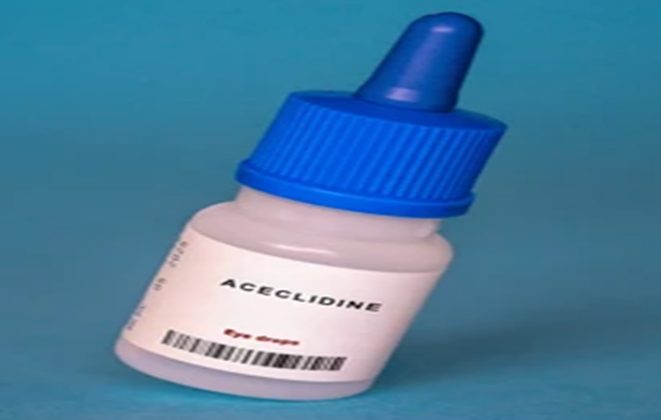
ACECLIDINE (ophthalmic solution) is a newly approved prescription eye drop for the treatment of presbyopia (Fig1)-a common, age-related condition that makes it harder to see objects up close. [1] It is the first and only eye drop in the United States to use aceclidine, a novel type of medication developed specifically for this purpose.
ACECLIDINE works by gently reducing pupil size, creating a subtle “pinhole effect” that sharpens near vision while preserving clear distance vision. A single daily dose provides rapid improvement in near vision that can last for up to 10 hours.
The drops are preservative-free, supplied in single-use vials, and applied directly to the eye once a day. [2] ACECLIDINE is expected to become available in the U.S. beginning October 2025, with broader distribution anticipated by the end of the year.
ACECLIDINE is designed for individuals experiencing presbyopia, a natural part of aging in which the lens of the eye becomes less flexible, making it difficult to focus on nearby objects. This condition typically begins around age 40 and gradually progresses over time. Common symptoms include blurred near vision, eye strain, and headaches. Presbyopia can be diagnosed by an eye care professional and managed through reading glasses, bifocals, contact lenses, surgical procedures, or newer pharmacologic options such as ACECLIDINE.
FIG 01: ACECLIDINE eye drops
MECHANISM OF ACTION:
Aceclidine is a selective muscarinic acetylcholine receptor agonist primarily used as an ophthalmic agent.[3] It works by selectively binding to muscarinic receptors on the iris sphincter muscle, causing gentle pupillary constriction while producing minimal stimulation of the ciliary muscle.
Unlike non-selective miotic agents such as pilocarpine, aceclidine’s receptor selectivity results in a marked reduction in pupil size without triggering significant accommodation or myopic shift. This helps minimize side effects such as lens thickening, accommodative spasm, or visual discomfort.
In the treatment of presbyopia, aceclidine’s targeted mechanism creates a small, stable pupil that produces a “pinhole effect,” increasing the depth of focus and improving near vision while preserving distance clarity.[4] Its limited action on the ciliary muscle provides a favourable safety profile, reducing the risk of retinal or vitreous traction and minimizing accommodative disturbances compared with other cholinergic agonists.
PHARMACOKINETICS:
When administered ophthalmically, aceclidine is primarily absorbed through the conjunctival and corneal tissues, allowing for a rapid onset of action due to efficient local uptake. Because its therapeutic effect is largely confined to the eye, systemic metabolism is limited, resulting in minimal systemic exposure.
Following ocular administration, aceclidine’s distribution remains localized, with a low risk of systemic accumulation. [5] While detailed excretion pathways have not been fully characterized, evidence suggests that-similar to other topical miotic agents-aceclidine exhibits minimal systemic bioavailability and is likely eliminated through local ocular routes and normal metabolic processes.
COMPOSITION OF DRUG:
This ophthalmic solution contains 1.75% aceclidine hydrochloride (equivalent to 1.44% aceclidine).
The chemical names of aceclidine hydrochloride are:
3-Acetoxyquinuclidine hydrochloride
3-Quinuclidinyl acetate hydrochloride
Its molecular weight is 205.68 g/mol, and its molecular formula is C?H??NO?·HCl.
Each 1 mL of ACECLIDINE contains 1.75% (17.82 mg) aceclidine hydrochloride as the active ingredient.
The inactive ingredients in the ophthalmic solution include polysorbate 80, mannitol, Hypromellose, edetate disodium dihydrate, sodium citrate dihydrate, and water for injection.
Hydrochloric acid and/or sodium hydroxide may be used to adjust the pH to between 4.5 and 5.5, if necessary.
ACECLIDINE is preservative-free and contains no antimicrobial agents.
CHEMISTRY:
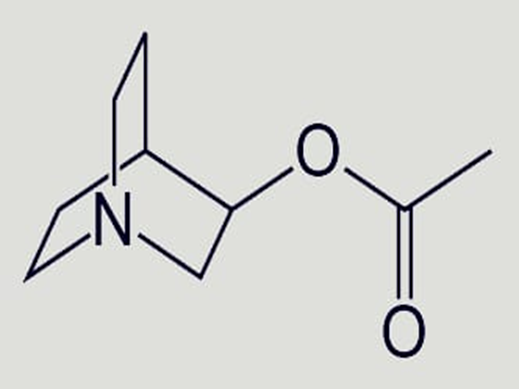
Aceclidine is an organic compound structurally related to quinuclidine, and is also known by the alternative name 3-acetoxyquinuclidine. Its protonated form has a pKa of 9.3.
Chemical structure of aceclidine
3D structure of aceclidine
CHEMICAL AND PHYSICAL DATA:
Chemical formula: C?H??NO?
Molar mass: 169.22 g/mol
IUPAC name: 1-Azabicyclo [2.2.2] oct-3-yl acetate (also known as 3-Quinuclidinyl acetate)
DIAGNOSIS AND TREATMENT: -
DIAGNOSIS:
Presbyopia can be diagnosed by an eye care professional through a comprehensive and painless eye examination that evaluates how well your eyes focus at different distances.
CORRECTIVE LENS:
Reading Glasses: Designed to bend light and compensate for the eye’s reduced focusing ability, improving near vision.
Bifocal or Varifocal Lenses: Provide multiple focusing powers within one lens to aid both near and distance vision.
Contact Lenses: [6] Modern multifocal contact lenses allow the eyes to naturally focus at varying distances for clear vision up close and far away.
SURGICAL OPTIONS:
Surgical treatments such as LASIK, refractive lens exchange, or conductive keratoplasty may be considered to correct presbyopia and reduce dependence on glasses or contact lenses.
LIFESTYLE ADJUSTMENTS:
Symptoms can also be managed by making simple changes, such as using larger print materials, increasing font sizes on digital devices, and improving lighting for reading and close-up tasks.
ADVERSE REACTIONS:
The most commonly reported side effects were instillation site irritation (20%), dim vision (16%), and headache (13%).
Additional adverse reactions occurring in more than 5% of participants included conjunctival hyperaemia (8%) and ocular hyperaemia (7%).
Most adverse reactions were mild, temporary, and resolved without treatment.
SIDE EFFECTS:
Eye redness or irritation.
Headache.
Slight dimming of vision in low light (because the pupil becomes smaller.
Mild burning or stinging right after putting the drops in eye.
Temporary blurry vision.
Less common but serious side effects(rare):
Retinal detachment or tears-more likely if have existing retinal problems.
Severe allergic reactions-such as swelling, rash or difficulty breathing.
If you experience sudden flashes of light, a curtain-like shadow in your vision or severe eye pain, stop using the drops and seek immediate medical help.
CLINICAL TRIALS:
The CLARITY [7] clinical trial program consisted of three randomized, double-masked, controlled Phase 3 studies designed to evaluate the safety and efficacy of aceclidine for the treatment of presbyopia.
CLARITY-1 and CLARITY-2 [8] assessed the efficacy and safety of aceclidine 1.44% in 466 participants who received once-daily dosing for 42 days, while CLARITY-3 examined the long-term safety of the formulation over six months in 217 patients.[9] Across CLARITY-1 and CLARITY-2, all primary and secondary endpoints were met, showing consistent improvement in near vision. [10] The formulation was well tolerated, and no serious treatment-related adverse events were reported in any of the studies.
Regulatory approval was primarily supported by two pivotal Phase 3 trials:
These studies enrolled 466 adults aged 45–75 years with a refractive range of –4.00 to +1.00 D sphere, astigmatism up to 2.00 D, and a spherical equivalent no more myopic than –4.00 D. Participants who had undergone refractive surgery and/or were pseudophakic were also included.
In CLARITY-1 (N=366), participants were randomly assigned to receive aceclidine or brimonidine once daily for 42 days, while in CLARITY-2 (N=153), they received either aceclidine or vehicle control.
The primary endpoint was the proportion of participants who gained three or more lines of distance-corrected near visual acuity (DCNVA) at 40 cm, without losing one or more lines (≥5 letters) of distance-corrected distance visual acuity (DCDVA) at 4 meters, measured at Day 1, Hour 3.
RESULTS:
In CLARITY-1, 65% of patients treated with aceclidine achieved the primary endpoint, compared with 12% of those receiving brimonidine (P < .01).
In CLARITY-2, 71% of the aceclidine group met the endpoint versus 8% of the vehicle control group (P < .01).
Both studies demonstrated that aceclidine improved near vision within 30 minutes, with effects lasting up to 10 hours after dosing.
PATHOPHYSIOLOGY OF ACECLIDINE:
ACECLIDINE (Aceclidine ophthalmic solution 1.44%) acts as a direct-acting muscarinic receptor agonist, primarily stimulating M3 receptors located on the iris sphincter and ciliary muscles of the eye.[11] Activation of these receptors leads to contraction of the iris sphincter muscle (miosis), resulting in a pinhole effect that increases the depth of focus and reduces the size of the pupil, thereby improving near vision in patients with presbyopia (age-related blurry near vision).
Additionally, aceclidine induces moderate contraction of the ciliary muscle, which enhances the accommodative ability of the lens, allowing the eye to better focus on near objects. [12] Unlike stronger miotic agents such as pilocarpine, aceclidine achieves this effect with minimal impact on distance vision and fewer adverse effects such as headaches or dim vision in low light.
The pharmacological action of [13] Aceclidine results in a temporary pseudo-accommodation, improving near visual acuity without permanently altering the ocular anatomy or refractive state. [14] This mechanism allows ACECLIDINE to restore functional near vision by improving depth of field and enhancing accommodative performance, offering patients a non-surgical, reversible solution to manage presbyopia.
PRESBYOPIA:
Presbyopia is [15] an age-related physiological condition characterized by the gradual loss of the eye’s ability to focus on near objects (Fig 2). [16] It is an almost universal aspect of the aging process, typically becoming noticeable between the ages of 40 and 50, and affecting nearly all individuals by their mid-50s.
The underlying pathophysiology involves the progressive loss of elasticity of the crystalline lens and reduced contractility of the ciliary muscle.[17] As people age, the crystalline lens becomes more compact and rigid due to protein cross-linking, lens sclerosis, and reduced water content, making it less capable of changing shape (accommodating) to focus on near objects. Additionally, structural and biomechanical changes in the ciliary body and zonular fibres contribute to the decline in accommodative function.
Consequently, [18] light rays from near objects are focused behind the retina, leading to blurry near vision, while distance vision typically remains unaffected. Adults over age 50 lose, on average, 1.5 lines of near vision every six years. [19] Symptoms progress gradually, though many individuals experience a noticeable and sudden difficulty with near tasks in their mid-40s-such as reading fine print, using digital devices, or performing close-up work.
Traditionally, [20] presbyopia has been managed with optical corrections, including over-the-counter reading glasses, prescription bifocals, trifocals, or multifocal contact lenses. However, these solutions only compensate for the loss of accommodation rather than addressing the underlying physiological changes.[21] Recent pharmacological advancements, such as miotic agents like Aceclidine (ACECLIDINE Eye Drops), provide a novel, non-invasive approach to temporarily improve near vision through pupillary modulation.
FIG 02: Presbyopia
ACECLIDINE INDICATION AND IMPORTANT SAFETY INFORMATION INDICATION:
ACECLIDINE is a prescription [22] ophthalmic solution containing Aceclidine 1.44%, indicated for the treatment of age-related blurry near vision (presbyopia) in adults. By inducing controlled pupillary constriction (miosis), ACECLIDINE enhances the depth of focus and improves near visual acuity without significantly affecting distance vision.
Important Safety Information:
Allergy Warning: Do not use ACECLIDINE if you are allergic to Aceclidine or any of the ingredients in the formulation.
Avoid Contamination: To help prevent eye injury or contamination, do not allow the vial tip to touch the eye, fingers, or any other surface. Discard the vial immediately after single use (Fig 3).
Contact Lens Use: Remove contact lenses before applying ACECLIDINE. Contact lenses may be reinserted 10 minutes after administration.
Use with Other Eye Medications: If using more than one topical ophthalmic medication, administer each at least 5 minutes apart to ensure proper absorption.
Vision Precautions: Temporary dimness, reduced night vision, or blurred vision may occur after using ACECLIDINE. Do not drive, operate machinery, or perform hazardous tasks until your vision has fully cleared.
Seek Immediate Medical Attention: If you experience sudden onset of flashing lights, floaters, partial loss of vision, or severe eye pain, discontinue use and contact your healthcare provider immediately.
FIG 03: ACECLIDINE eye drop vials
VIZZ AN ACECLIDINE BASED EYE DROPS:
VIZZ-It is the first and ACECLIDINE based eye drops approved by U.S (FDA) in the treatment of presbyopia. It is a NON-surgical solution to treat the presbyopia which includes ACECLIDINE as a major component that makes it clear to see near objects.
FDA APPROVAL:
SAN DIEGO, July 31, 2025 (GLOBE NEWSWIRE) — LENZ Therapeutics, Inc. (Nasdaq: LENZ), [23] announced that the U.S. Food and Drug Administration (FDA) has approved VIZZ (aceclidine ophthalmic solution) 1.44%, marking it as the first and only FDA-approved aceclidine-based eye drop for the treatment of presbyopia in adults.
Product samples are expected to reach the U.S. market by October 2025, with broad commercial availability anticipated by mid–Q4 2025. LENZ will begin direct sales and marketing activities to eye care professionals immediately.
“The FDA approval of VIZZ (Fig 04) is a defining moment for [24] LENZ and represents a major advancement in treatment options for the 128 million adults in the United States affected by blurry near vision,” said Eef Schimmelpennink, President and Chief Executive Officer of LENZ Therapeutics. “We are excited to launch the first and only once-daily eye drop that provides proven near-vision improvement lasting up to 10 hours. This achievement reflects the dedication of our team, our clinical partners, and the many participants who made this milestone possible.”
VIZZ is powered by aceclidine, a pupil-selective miotic with a unique mechanism of action that primarily targets the iris sphincter muscle while minimizing stimulation of the ciliary muscle. By gently constricting the pupil, VIZZ produces a “pinhole effect”, enhancing near vision and depth of focus without inducing a myopic shift
FIG 04: FDA approval
Aceclidine, the active ingredient in VIZZ, is a new chemical entity in the United States, and this approval marks a global first for aceclidine-based therapy in the treatment of presbyopia.
The FDA approval of VIZZ, developed by California-based LENZ Therapeutics, introduces a once-daily prescription eye drop that can temporarily improve age-related blurry near vision for up to 10 hours—offering a convenient, non-invasive alternative for individuals with presbyopia.
“This FDA approval [25] represents a paradigm shift in how we manage presbyopia,” said Dr. Marc Bloomenstein, OD, FAAO, of Schwartz Laser Eye Care Centre in Scottsdale, Arizona. “VIZZ provides optometrists and ophthalmologists with an exciting new option—an effective, once-daily treatment that could quickly become a standard of care for patients seeking clear near visionwithout compromising distance clarity.”
Benefits and Key Information of ACECLIDINE (Ophthalmic Solution):
Aceclidine is a fast-acting,[26] long-lasting, and non-invasive treatment for age-related blurry near vision (presbyopia). Within 20–30 minutes of application, it enhances near vision by gently constricting the pupil through a selective muscarinic receptor agonist mechanism, creating a natural “pinhole effect” that improves focus without compromising distance vision.
The effects typically last for 8–10 hours, providing sustained visual clarity throughout the day. ACECLIDINE is supplied in preservative-free, single-use vials for once-daily topical administration offering a convenient alternative to reading glasses or surgical interventions.
TABLE 1: Benefits of ACECLIDINE
Parameter / Benefit
Details
What It Means for You
Fast-acting near vision improvement
Noticeable effect within 20–30 minutes after application
Enables clear reading and near vision soon after use
Long-lasting effect
Improves near vision for up to 8–10 hours
Sustained daily visual clarity without frequent dosing
Mechanism of action
Selective muscarinic receptor agonist that gently constricts the pupil to create a “pinhole effect”
Enhances near vision while maintaining clear distance vision
Non-invasive, glasses-free solution
Topical once-daily eye drops, preservative-free, supplied in single-use vials
A modern, convenient alternative to reading glasses or surgery
Well-tolerated safety profile
Minimal systemic absorption; low risk of accommodation or blurred distance vision
Reduced risk of eye strain, headaches, or visual discomfort
Onset of action
Begins working within 30 minutes of instillation
Rapid improvement for daily activities like reading or phone use
Duration of action
Clinical trials show efficacy lasting up to 10 hours
Consistent performance through the workday
Possible side effects
Mild, transient eye irritation, redness, or headache in some users
Generally short-lived and self-resolving
Recommended use
Once daily, one drop in each eye as directed by an eye care professional
Easy to incorporate into your morning routine
Clinical evidence
Proven efficacy in CLARITY 1–3 trials with consistent improvement in near vision
Scientifically validated and FDA-approved treatment for presbyopia
Clinical trials (CLARITY 1–3) have demonstrated [27] its proven efficacy and safety, with minimal systemic absorption and a well-tolerated safety profile. Mild, transient side effects such as slight eye irritation, redness, or headache may occur but are generally short-lived (Table 1).
Overall, [28] Aceclidine provides a modern, glasses-free solution that restores near vision, enhances daily visual function, and fits easily into a patient’s routine with one drop per eye, once daily as directed by an eye care professional.
DOSING AND ADMINISTRSATION:
The recommended dosing regimen for Aceclidine is carefully designed to ensure optimal therapeutic efficacy and patient safety.
Dosage Regimen: Instill one drop in each eye, wait approximately 2 minutes, then instill a second drop in each eye. This full sequence should be performed once daily using the same single-dose vial.
Initial Response: Improvement in near vision is typically noticeable within 30 minutes of administration.
Duration of Effect: The enhanced near vision generally lasts for up to 10 hours, supporting clear vision throughout daily activities such as reading, computer use, and work-related tasks.
Dosage Form: ACECLIDINE is supplied as a 1.44% ophthalmic solution (equivalent to 1.75% aceclidine hydrochloride) in a 0.4 mL single-dose vial.
Administration Instructions:
Contact Lenses: Remove contact lenses prior to instillation and wait for 10 minutes to reinsert them.
Use with Other Ophthalmic Products: When using additional topical eye medications, allow at least 5 minutes between applications to ensure proper absorption.
Aseptic Technique: To prevent contamination or eye injury, avoid touching the vial tip to the eye, fingers, or any surface. Discard the single-use vial and any remaining solution immediately after use.
Storage Conditions: Store ACECLIDINE under refrigeration at 2°C to 8°C (36°F to 46°F). [29] Once a pouch is opened or vials are removed from refrigeration, they may be kept at room temperature (up to 25°C/77°F) but must be used within 30 days.
Drug interactions and contraindications:
Drug interactions:Because Aceclidine is a topically administered muscarinic receptor agonist with minimal systemic absorption, systemic drug interactions are uncommon. However, the following interactions should be considered:
Anticholinergic Agents: Concurrent use of anticholinergic medications (e.g., atropine, scopolamine, ipratropium, certain antihistamines, tricyclic antidepressants) may antagonize the miotic and accommodative effects of Aceclidine, reducing its therapeutic efficacy.
Other Miotic or Cholinergic Agents: Coadministration with other miotic eye drops or cholinergic agonists (e.g., pilocarpine, carbachol) may produce additive cholinergic effects, leading to excessive miosis, blurred vision, or ocular discomfort.
Beta-Blockers and Other Ocular Hypotensive: No direct interaction have been established; however, [30] caution is advised when Aceclidine is used concomitantly with topical beta-blockers, carbonic anhydrase inhibitors, or prostaglandin analogues, as combined use may alter aqueous humour dynamics and intraocular pressure.
Systemic Cholinesterase Inhibitors: Use with systemic agents such as donepezil, rivastigmine, or pyridostigmine may enhance cholinergic activity, potentially increasing the risk of ocular irritation or accommodative spasm.
Mydriatic Agents: Simultaneous use with mydriatic drugs (e.g., phenylephrine, tropicamide) may antagonize the miosis induced by Aceclidine, resulting in reduced near vision improvement.
Multiple Ophthalmic Products: When other topical ophthalmic medications are required, they should be administered at least 5 minutes apart to prevent dilution or washout of Aceclidine.
Contraindications:
Hypersensitivity: Contraindicated in patients with known hypersensitivity to Aceclidine or any component of the formulation.
Iritis or Uveitis: Should not be used in patients with active intraocular inflammation (e.g., iritis, uveitis), as miosis may exacerbate symptoms.
Narrow or Acute Angle-Closure Glaucoma: Contraindicated in patients with angle-closure or narrow anterior chamber angles, where pupillary constriction may precipitate an acute attack.
Severe Ocular Surface Disease: Avoid use in patients with significant corneal compromise or severe dry eye that may increase risk of irritation.
Recent Ocular Surgery or Trauma:[31] Use is contraindicated in patients with recent intraocular surgery, ocular trauma, or lens instability where pupil constriction could interfere with recovery or worsen visual distortion.
CONCLUSION:
ACECLIDINE (ophthalmic solution) represents a significant advancement in the management of presbyopia, offering a safe, effective, and non-invasive alternative to corrective lenses or surgery. Through its selective activation of muscarinic receptors in the iris sphincter muscle, ACECLIDINE achieves precise pupil constriction that enhances near vision via the “pinhole effect” while preserving clear distance vision. Its once-daily, preservative-free formulation provides convenience, rapid onset, and long-lasting benefits with minimal systemic absorption and reduced risk of adverse effects compared to older miotic agents like pilocarpine. As the first U.S.-approved therapy to utilize aceclidine for presbyopia, ACECLIDINE introduces a new era of pharmacologic vision correction, offering patients improved quality of life and visual performance without compromising comfort or safety.
Aceclidine (Ophthalmic Solution) represents a significant advancement in the pharmacological management of presbyopia, offering adults a non-invasive, convenient, and effective alternative to reading glasses or surgical correction. By selectively stimulating muscarinic receptors in the iris sphincter and ciliary muscles, Aceclidine produces a controlled, physiologic miosis that enhances depth of focus and restores near vision clarity-while maintaining good distance vision and minimizing visual side effects.
Clinical studies, including the CLARITY trial series, have demonstrated rapid onset (within 30 minutes), sustained efficacy (up to 10 hours), and a favourable safety profile, with most adverse effects being mild and transient. The single-use, preservative-free formulation further enhances patient safety and compliance, making ACECLIDINE a practical choice for daily use.
In summary, ACECLIDINE provides a modern, scientifically validated solution that effectively addresses the visual challenges of presbyopia. Its fast action, long duration, and excellent tolerability make it an important option for adults seeking to regain functional near vision without dependence on corrective lenses.
REFERENCE
SAN DIEGO-GlobeNewswire. LENZ Therapeutics Announces US FDA Approval of ACECLIDINE for the Treatment of Presbyopia. News release. July 31, 2025. Accessed August1,2025.https://www.globenewswire.com/newsrelease/2025/07/31/3125400/0/en/LENZ-Therapeutics-Announces-US-FDA-Approval-of-ACECLIDINE-for-the-Treatment-of-Presbyopia.html.
SAN DIEGO- (BUSSINESS WIRE), Dan chevallard. Lenz Therapeutics. LENZ Therapeutics Announces Positive Topline Data from Phase 3 CLARITY Presbyopia Trials. News release. April 3, 2024 7:00am EDT. Accessed August 1, 2025.LENZ Therapeutics. https://ir.lenz-tx.com/news-events/press-releases/detail/11/lenz-therapeutics-announces-positive-topline-data-from-phase-3-clarity-presbyopia-trials.
SAN DIEGO, CA -LENZ Therapeutics announces commercial product availability of ACECLIDINE in the United States. News release. LENZ Therapeutics. September 30, 2025. https://www.multivu.com/lenz-therapeutics/9355851-en-lenz-therapeutics-ACECLIDINE-presbyopia-treatment.
Lomas Santa Fe Drive, Suite 300, Solana beach LENZ Therapeutics ACECLIDINE. Package insert. Lenz Therapeutics; 2025. Accessed September 30, 2025. https://www.ACECLIDINE.com/full-prescribing-information.pdf.
Donenfeld ED. Clinical considerations for topical presbyopia drop therapies. Presented at: International Society of Presbyopia Conference 2020; November 11, 2020; Virtual.
Verhoeven RS, Burke, J, Schiffman, R. Nonclinical pharmacokinetics and pharmacodynamics of Brimochol, a combination product for the treatment of presbyopia. Presented at: Association for Research in Vision and Ophthalmology 2022 Annual Meeting; May 1-4, 2022; Denver, CO. https://iovs.arvojournals.org/article.aspx?articleid=2780074.
Holland E, Karpecki P, Fingeret M, et al. Efficacy and safety of CSF-1 (0.4% pilocarpine hydrochloride) in presbyopia: pooled results of the NEAR phase 3 randomized, clinical trials. Clin Ther. 2024;46(2):104-113. doi:10.1016/ j. clinthera.2023.12.005.
Dan chevallard, SAN DIEGO-LENZ Therapeutics announces positive topline data from phase 3 CLARITY presbyopia trials. News release. LENZ Therapeutics. April 3, 2024. Accessed June 27, 2025. https://ir.lenz-tx.com/news-events/press-releases/detail/11/lenz-therapeutics-announces-positive-topline-data-from-phase-3-clarity-presbyopia-trials.
Kubo C, Suzuki R. Involvement of prejunctional alpha 2-adrenoceptor in bovine ciliary muscle movement. J Ocul Pharmacol. 1992;8(3):225-231. doi:10.1089/jop.1992.8.225.
SAN DIEGO-LENZ Therapeutics-LENZ Therapeutics, Inc. "ACECLIDINE (aceclidine ophthalmic solution) 1.44%, for topical ophthalmic use" (PDF). Highlights of Prescribing Information. U.S. Food and Drug Administration.
Shannon HE, Hart JC, Bymaster FP, Calligaro DO, DeLapp NW, Mitch CH, et al. (August 1999). "Muscarinic receptor agonists, like dopamine receptor antagonist antipsychotics, inhibit conditioned avoidance response in rats". The Journal of Pharmacology and Experimental Therapeutics. 290 (2): 901–907. doi:10.1016/S0022-3565(24)34979-1. PMID 10411607.
Paul A (7 August 2025). "Bye bye, bifocals? New eye drops can fix farsightedness". Popular Science.
Lieberman TW, Leopold IH (September 1967). "The use of aceclidine in the treatment of glaucoma. Its effect on intraocular pressure and facility of aqueous humor outflow as compared to that of pilocarpine". American Journal of Ophthalmology. 64 (3): 405–415. doi:10.1016/0002-9394(67)92004-1. PMID 6036300.
Fechner PU, Teichmann KD, Weyrauch W (January 1975). "Accommodative effects of aceclidine in the treatment of glaucoma". American Journal of Ophthalmology. 79 (1): 104–106. doi:10.1016/0002-9394(75)90464-X. PMID 1110190.
Maul EA, Maul EJ (2016). "Medical Treatment: First-Line Agents, Monotherapy, and Combination Therapy". Pearls of Glaucoma Management. pp. 227–242. doi:10.1007/978-3-662-49042-6_24. ISBN 978-3-662-49040-2.
Sambhara D, Aref AA (January 2014). "Glaucoma management: relative value and place in therapy of available drug treatments". Therapeutic Advances in Chronic Disease. 5 (1): 30–43. doi:10.1177/2040622313511286. PMC 3871276. PMID 24381726.
Sambhara D, Aref AA (January 2014. "Glaucoma management: Clinical trial number NCT05656027 for "A Multi-Center, Double-Masked Phase 3 Evaluation of the Safety and Efficacy of LNZ101 for the Treatment of Presbyopia" at ClinicalTrials.gov
SAN DIEGO (April 3 2024) press release-Clinical trial number NCT05728944 for "A Multi-Center, Double-Masked Phase 3 Evaluation of the Safety and Efficacy of LNZ101 for the Treatment of Presbyopia" at ClinicalTrials.gov
Puckey M (ed.).6 August 2025 "ACECLIDINE (aceclidine): Uses, Dosage, Side Effects, Warnings". Drugs.com.
Mullard A (August 2025). "FDA grants first US approval for decades-old eye drug". Nature Reviews. Drug Discovery. doi:10.1038/d41573-025-00138-3. PMID 40775091.
Butterfield M (8 August 2025). "No more reading glasses? New FDA-approved eye drops can fix your near vision - National". Global News.
Grzybowski A, Markeviciute A, Zemaitiene R (2020). "A Review of Pharmacological Presbyopia Treatment". Asia-Pacific Journal of Ophthalmology. 9 (3). Philadelphia, Pa.: 226–233. doi:10.1097/APO.0000000000000297. PMC 7299227. PMID 32511122.
Agrahari V, Mandal A, Agrahari V, Trinh HM, Joseph M, Ray A, et al. (December 2016). "A comprehensive insight on ocular pharmacokinetics". Drug Delivery and Translational Research. 6 (6): 735–754. doi:10.1007/s13346-016-0339-2. PMC 5319401. PMID 27798766.
Grzybowski A, Kapitanovaite L, Zemaitiene R (2024). "An updated systematic review of pharmacological treatments for presbyopia". Advances in Ophthalmology Practice and Research. 4 (4): 220–225. doi:10.1016 /j. aopr.2024.09.001. PMC 11541684. PMID 39512930.
Aggarwal VK, Emme I, Fulford SY (February 2003). "Correlation between pK(a) and reactivity of quinuclidine-based catalysts in the Baylis-Hillman reaction: discovery of quinuclidine as optimum catalyst leading to substantial enhancement of scope". The Journal of Organic Chemistry. 68 (3): 692–700. doi:10.1021/jo026671s. PMID 12558387.
Romano JH (August 1970). "Double-blind cross-over comparison of aceclidine and pilocarpine in open-angle glaucoma". The British Journal of Ophthalmology. 54 (8): 510–521. doi:10.1136/bjo.54.8.510. PMC 1207904. PMID 4917903.
Mashkovskii MD, Zaitseva KA (1960). "[On the pharmacology of 3-acetoxyquinuclidine (aceclidine)]" [On the pharmacology of 3-acetoxyquinuclidine (aceclidine)]. Farmakologiia I Toksikologiia [Pharmacology and toxicology] (in Russian). 23: 398–406. PMID 13767763.
Darrow J.J., Avorn J., Kesselheim A. S. FDA approval and regulation of pharmaceuticals, (1983-2018). JAMA. 2020; 323:164–176.
DiMasi J.A., Grabowski H.G., Hansen R. W. Innovation in the pharmaceutical industry: New estimates of R&D costs. J. Health Econ. (2016); 47:20–33.
Meythaler H, Ruppert W (April 1971). "[The myopic and miotic effect of pilocarpin and glaucostat]". Albrecht von Graefes Archiv für Klinische und Experimentelle Ophthalmologie. 181 (3): 234–245. doi:10.1007/BF02390254. PMID 5314009.
Ringdahl B, Ehler FJ, Jenden DJ (May 1982). "Muscarinic activity and receptor binding of the enantiomers of aceclidine and its methiodide". Molecular Pharmacology. 21 (3): 594–599. doi:10.1016/S0026-895X (25)14912-2. PMID 6125875.
Bethesda, Rockville pike, MD 20894 National library of medicine LENZ Therapeutics, inc (September 2024) Clinical trial number NCT05753189 for "Phase 3 Safety Study for the Treatment of Presbyopia Subjects" at ClinicalTrials.gov
Reference
SAN DIEGO-GlobeNewswire. LENZ Therapeutics Announces US FDA Approval of ACECLIDINE for the Treatment of Presbyopia. News release. July 31, 2025. Accessed August1,2025.https://www.globenewswire.com/newsrelease/2025/07/31/3125400/0/en/LENZ-Therapeutics-Announces-US-FDA-Approval-of-ACECLIDINE-for-the-Treatment-of-Presbyopia.html.
SAN DIEGO- (BUSSINESS WIRE), Dan chevallard. Lenz Therapeutics. LENZ Therapeutics Announces Positive Topline Data from Phase 3 CLARITY Presbyopia Trials. News release. April 3, 2024 7:00am EDT. Accessed August 1, 2025.LENZ Therapeutics. https://ir.lenz-tx.com/news-events/press-releases/detail/11/lenz-therapeutics-announces-positive-topline-data-from-phase-3-clarity-presbyopia-trials.
SAN DIEGO, CA -LENZ Therapeutics announces commercial product availability of ACECLIDINE in the United States. News release. LENZ Therapeutics. September 30, 2025. https://www.multivu.com/lenz-therapeutics/9355851-en-lenz-therapeutics-ACECLIDINE-presbyopia-treatment.
Lomas Santa Fe Drive, Suite 300, Solana beach LENZ Therapeutics ACECLIDINE. Package insert. Lenz Therapeutics; 2025. Accessed September 30, 2025. https://www.ACECLIDINE.com/full-prescribing-information.pdf.
Donenfeld ED. Clinical considerations for topical presbyopia drop therapies. Presented at: International Society of Presbyopia Conference 2020; November 11, 2020; Virtual.
Verhoeven RS, Burke, J, Schiffman, R. Nonclinical pharmacokinetics and pharmacodynamics of Brimochol, a combination product for the treatment of presbyopia. Presented at: Association for Research in Vision and Ophthalmology 2022 Annual Meeting; May 1-4, 2022; Denver, CO. https://iovs.arvojournals.org/article.aspx?articleid=2780074.
Holland E, Karpecki P, Fingeret M, et al. Efficacy and safety of CSF-1 (0.4% pilocarpine hydrochloride) in presbyopia: pooled results of the NEAR phase 3 randomized, clinical trials. Clin Ther. 2024;46(2):104-113. doi:10.1016/ j. clinthera.2023.12.005.
Dan chevallard, SAN DIEGO-LENZ Therapeutics announces positive topline data from phase 3 CLARITY presbyopia trials. News release. LENZ Therapeutics. April 3, 2024. Accessed June 27, 2025. https://ir.lenz-tx.com/news-events/press-releases/detail/11/lenz-therapeutics-announces-positive-topline-data-from-phase-3-clarity-presbyopia-trials.
Kubo C, Suzuki R. Involvement of prejunctional alpha 2-adrenoceptor in bovine ciliary muscle movement. J Ocul Pharmacol. 1992;8(3):225-231. doi:10.1089/jop.1992.8.225.
SAN DIEGO-LENZ Therapeutics-LENZ Therapeutics, Inc. "ACECLIDINE (aceclidine ophthalmic solution) 1.44%, for topical ophthalmic use" (PDF). Highlights of Prescribing Information. U.S. Food and Drug Administration.
Shannon HE, Hart JC, Bymaster FP, Calligaro DO, DeLapp NW, Mitch CH, et al. (August 1999). "Muscarinic receptor agonists, like dopamine receptor antagonist antipsychotics, inhibit conditioned avoidance response in rats". The Journal of Pharmacology and Experimental Therapeutics. 290 (2): 901–907. doi:10.1016/S0022-3565(24)34979-1. PMID 10411607.
Paul A (7 August 2025). "Bye bye, bifocals? New eye drops can fix farsightedness". Popular Science.
Lieberman TW, Leopold IH (September 1967). "The use of aceclidine in the treatment of glaucoma. Its effect on intraocular pressure and facility of aqueous humor outflow as compared to that of pilocarpine". American Journal of Ophthalmology. 64 (3): 405–415. doi:10.1016/0002-9394(67)92004-1. PMID 6036300.
Fechner PU, Teichmann KD, Weyrauch W (January 1975). "Accommodative effects of aceclidine in the treatment of glaucoma". American Journal of Ophthalmology. 79 (1): 104–106. doi:10.1016/0002-9394(75)90464-X. PMID 1110190.
Maul EA, Maul EJ (2016). "Medical Treatment: First-Line Agents, Monotherapy, and Combination Therapy". Pearls of Glaucoma Management. pp. 227–242. doi:10.1007/978-3-662-49042-6_24. ISBN 978-3-662-49040-2.
Sambhara D, Aref AA (January 2014). "Glaucoma management: relative value and place in therapy of available drug treatments". Therapeutic Advances in Chronic Disease. 5 (1): 30–43. doi:10.1177/2040622313511286. PMC 3871276. PMID 24381726.
Sambhara D, Aref AA (January 2014. "Glaucoma management: Clinical trial number NCT05656027 for "A Multi-Center, Double-Masked Phase 3 Evaluation of the Safety and Efficacy of LNZ101 for the Treatment of Presbyopia" at ClinicalTrials.gov
SAN DIEGO (April 3 2024) press release-Clinical trial number NCT05728944 for "A Multi-Center, Double-Masked Phase 3 Evaluation of the Safety and Efficacy of LNZ101 for the Treatment of Presbyopia" at ClinicalTrials.gov
Puckey M (ed.).6 August 2025 "ACECLIDINE (aceclidine): Uses, Dosage, Side Effects, Warnings". Drugs.com.
Mullard A (August 2025). "FDA grants first US approval for decades-old eye drug". Nature Reviews. Drug Discovery. doi:10.1038/d41573-025-00138-3. PMID 40775091.
Butterfield M (8 August 2025). "No more reading glasses? New FDA-approved eye drops can fix your near vision - National". Global News.
Grzybowski A, Markeviciute A, Zemaitiene R (2020). "A Review of Pharmacological Presbyopia Treatment". Asia-Pacific Journal of Ophthalmology. 9 (3). Philadelphia, Pa.: 226–233. doi:10.1097/APO.0000000000000297. PMC 7299227. PMID 32511122.
Agrahari V, Mandal A, Agrahari V, Trinh HM, Joseph M, Ray A, et al. (December 2016). "A comprehensive insight on ocular pharmacokinetics". Drug Delivery and Translational Research. 6 (6): 735–754. doi:10.1007/s13346-016-0339-2. PMC 5319401. PMID 27798766.
Grzybowski A, Kapitanovaite L, Zemaitiene R (2024). "An updated systematic review of pharmacological treatments for presbyopia". Advances in Ophthalmology Practice and Research. 4 (4): 220–225. doi:10.1016 /j. aopr.2024.09.001. PMC 11541684. PMID 39512930.
Aggarwal VK, Emme I, Fulford SY (February 2003). "Correlation between pK(a) and reactivity of quinuclidine-based catalysts in the Baylis-Hillman reaction: discovery of quinuclidine as optimum catalyst leading to substantial enhancement of scope". The Journal of Organic Chemistry. 68 (3): 692–700. doi:10.1021/jo026671s. PMID 12558387.
Romano JH (August 1970). "Double-blind cross-over comparison of aceclidine and pilocarpine in open-angle glaucoma". The British Journal of Ophthalmology. 54 (8): 510–521. doi:10.1136/bjo.54.8.510. PMC 1207904. PMID 4917903.
Mashkovskii MD, Zaitseva KA (1960). "[On the pharmacology of 3-acetoxyquinuclidine (aceclidine)]" [On the pharmacology of 3-acetoxyquinuclidine (aceclidine)]. Farmakologiia I Toksikologiia [Pharmacology and toxicology] (in Russian). 23: 398–406. PMID 13767763.
Darrow J.J., Avorn J., Kesselheim A. S. FDA approval and regulation of pharmaceuticals, (1983-2018). JAMA. 2020; 323:164–176.
DiMasi J.A., Grabowski H.G., Hansen R. W. Innovation in the pharmaceutical industry: New estimates of R&D costs. J. Health Econ. (2016); 47:20–33.
Meythaler H, Ruppert W (April 1971). "[The myopic and miotic effect of pilocarpin and glaucostat]". Albrecht von Graefes Archiv für Klinische und Experimentelle Ophthalmologie. 181 (3): 234–245. doi:10.1007/BF02390254. PMID 5314009.
Ringdahl B, Ehler FJ, Jenden DJ (May 1982). "Muscarinic activity and receptor binding of the enantiomers of aceclidine and its methiodide". Molecular Pharmacology. 21 (3): 594–599. doi:10.1016/S0026-895X (25)14912-2. PMID 6125875.
Bethesda, Rockville pike, MD 20894 National library of medicine LENZ Therapeutics, inc (September 2024) Clinical trial number NCT05753189 for "Phase 3 Safety Study for the Treatment of Presbyopia Subjects" at ClinicalTrials.gov
P. Ujwala Rama Chandra
Corresponding author
Assistant Professor, Department of Pharmaceutical Analysis, Pydah College Of Pharmacy, Patavala, Kakinada-Yanam Road, Kakinada, E.Gt, Andhra Pradesh
N. Kavya Pranathi
Co-author
B Pharmacy, Pydah College Of Pharmacy, Patavala, Kakinada-Yanam Road, Kakinada, E.Gt, Andhra Pradesh
M. Susmitha
Co-author
B Pharmacy, Pydah College Of Pharmacy, Patavala, Kakinada-Yanam Road, Kakinada, E.Gt, Andhra Pradesh
N. Jyothsna Sri
Co-author
B Pharmacy, Pydah College Of Pharmacy, Patavala, Kakinada-Yanam Road, Kakinada, E.Gt, Andhra Pradesh
N. Jyoshna
Co-author
B Pharmacy, Pydah College Of Pharmacy, Patavala, Kakinada-Yanam Road, Kakinada, E.Gt, Andhra Pradesh
M. Venkata Naga Prasad
Co-author
B Pharmacy, Pydah College Of Pharmacy, Patavala, Kakinada-Yanam Road, Kakinada, E.Gt, Andhra Pradesh
N. Srivani
Co-author
B Pharmacy, Pydah College Of Pharmacy, Patavala, Kakinada-Yanam Road, Kakinada, E.Gt, Andhra Pradesh
P. Ujwala Rama Chandra, N. Kavya Pranathi, M. Susmitha, N. Jyothsna Sri, N. Jyoshna, M. Venkata Naga Prasad, N. Srivani, Aceclidine: A Non-Surgical Solution for Presbyopia, Int. J. of Pharm. Sci., 2025, Vol 3, Issue 11, 2647-2662. https://doi.org/10.5281/zenodo.17640672











 10.5281/zenodo.17640672