

We use cookies to ensure our website works properly and to personalise your experience. Cookies policy
St. John Institute of Pharmacy and Research, Palghar
Diabetes mellitus, which is often considered a multifunctional metabolic disorder that is mainly characterised by chronic hyperglycaemia, has become one of the most common global health issues of the 21st century. Despite there is already the availability of synthetic hypoglycaemic agents and various insulin therapies, they have resulted in adverse effects, high cost and limited accessibility in the developing regions. This has led to an extensive use of plant-based therapy for the control of insulin levels. Among these various plants, the genus Musa or commonly referred to as the banana a plant that is extensively used for its medicinal values but also for its therapeutic versatility. Traditionally, various parts of the plant have been used for the treatment and management of the metabolic disorder commonly diabetes. This review mainly provides a comprehensive exploration of the banana leaf and its chemical components in the prevention and treatment of diabetes mellitus. Also, the mechanistic insights underlying the antidiabetic potential of banana, mainly the enhancement of insulin sensitivity, regulation of lipid metabolism, and modulation of glucose transport, have been reviewed. Furthermore, the role of antioxidants and polyphenols present in the banana leaf, which is a key component in restoring the pancreatic ?-cell integrity and maintaining glucose homeostasis. However, despite such promising data, human clinical trials and investigations remain sparse, and the optimisation, toxicity studies, and dosage potentials are still lacking. This review concludes by identifying the critical research gaps for future perspectives that mainly help bridge the gaps of traditional knowledge with pharmacology, urging the development of a banana leaf-derived nutraceutical and formulation as an affordable, eco-friendly and sustainable alternative for diabetic management.
Diabetes mellitus, also known as type 2 diabetes, is characterised by elevated blood glucose levels in the body. This is mainly caused by the defects in insulin secretion, insulin action or both. The conventional therapy that is used in the treatment of diabetes is limited and often expensive, and is associated with a number of side effects. Hence, there is a considerable interest in the herbal or plant-based extracts. The banana plant is widely cultivated across many regions, and it's not only cultivated for the fruit but for its other parts, which include the peel, leaf, flower and pseudo stem. Among these, the use of banana leaf is less studied in the antidiabetic context compared to the peel and the flower.
Species and the cultivation region-
The banana plant is rich in bioactive components across its different parts, including the peel, leaf, stem, flower, etc. The genus Musa comprises several species and hybrids, mainly it is categorised into two groups- Musa acuminate and Musa balbisiana.1 The Musa acuminate is the primary species for the sweet banana and has many hybrids also. It is mostly cultivated in Southeast Asia. This is the most cultivated species globally. The Musa Balbisiana mainly contributes to the starchy variety and is used in hybridisation to produce disease-resistant cultivations. The Musa ornate, which is mainly cultivated for its ornamental value and has attractive flowers. The Musa Troglodytarum, commonly known as the fe’l banana, are mostly native to the Pacific islands and has mainly red to orange fruit and a high level of β-carotene content.2
Bananas are cultivated mainly in the tropical and subtropical regions. The leading producers of the plant are –
India- the largest producer with significant cultivation in the states like Kerala, Tamil Nadu and Maharashtra.
China- China is the major producer, mainly in the southern provinces.
Africa- Uganda, Tanzania and Ghana have substantial banana cultivation, often focusing on the cooking bananas.
Central America – Costa Rica and Honduras are the significant exporters of various varieties of the plant banana.
Bananas thrive mainly in well-drained soils that have high organic matter content and a humid tropical climate. The temperature ranges from 26 to 30. They are mainly grown in altitudes below 1000 meters, as higher altitudes affect the fruit development, as they have cooler temperatures and reduced humidity.3
Phytochemistry –
The genus Musa is rich in various bioactive components, which include mainly the peel, fruit, flower, leaf and the pseudo stem. The banana peel, leaves and other parts contain the flavonoids, alkaloids, tannins, sterols like the b- β-sitosterol, stigmasterol, fatty acids, etc. These compounds are known to exhibit their antioxidant property.4 The leaf and the peel were mainly found to contain phytol, octadecatrienoic acid, hexadecanoic acid and in the leaf extracts, vitamin E, octadecenamide. Dietary fibres, starch, and short-chain fatty acids are also key components. The key phytochemicals mainly consist of-
Alkaloids- these are present in the various parts and have their potential pharmacological activities, which include the antimicrobial and the antidiabetic effects.
Flavonoids- these compounds exhibit anti-inflammatory, antioxidant and anticancer properties. These are abundantly found in the peel and the pulp of the bananas.5
Phenolic compounds- mainly found in the peel and the pulp. Phenols mainly contribute to the antioxidant property and are linked with various health benefits.
Anthocyanins – these are mainly responsible for the red and purple hue in some of the banana varieties. They have a high anti-inflammatory property.6
Carotenoids- mainly include the β-carotene, which are the precursors to vitamin A and are mostly found in higher concentrations in the fe’I banana variety.
Tannins –mostly present in the peel of the banana, they mainly possess antimicrobial properties.
Chemistry of diabetes-
Diabetes is mainly termed as a chronic metabolic disorder. There are mainly different categories of diabetes that affect the human population.
Chemistry of the banana phytochemicals in diabetes –
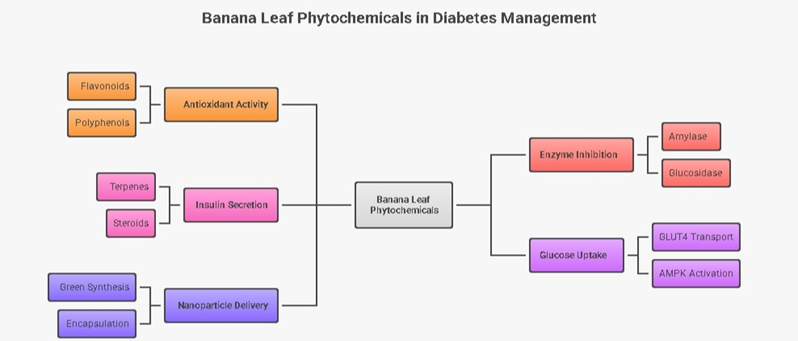
Banana leaves are rich in secondary metabolites that mainly exhibit antioxidants, anti-inflammatory and diabetic properties.
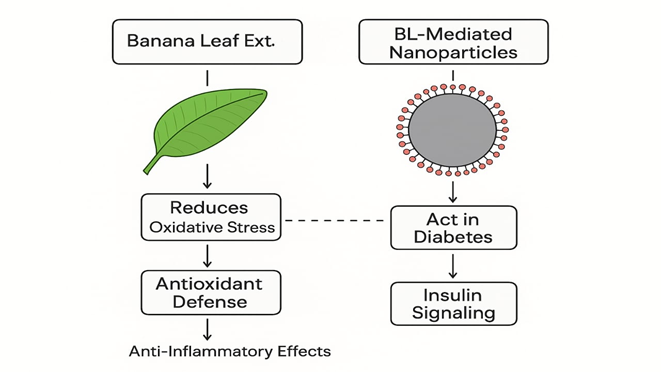
Diabetes mellitus is associated with high levels of oxidative stress. The flavonoids and the polyphenols, which are mainly present in the banana they mainly neutralise the reactive oxygen species, and they effectively help in the prevention of lipid peroxidation in pancreatic tissues.10 The quercetin and the catechin group directly donate the free hydrogen atoms to the free radicals. 7
These enzymes play a key role in carbohydrate digestion. Inhibiting them slows the glucose release into the bloodstream. Some flavonoids present in the banana leaf bind to the active sites of these enzymes and help to reduce the postprandial glucose spike.8
Polyphenol compounds in the banana leaves are said to enhance the secretion of insulin, and they help in an effective way to preserve the pancreatic β-cells structure. The terpenes and the steroid group present in the banana help to activate the ATP-sensitive potassium channels, promoting the insulin release. Often the phenolic compounds are said to prevent the B-cells apoptosis by lowering the nitric acid and inflammatory cytokine production.9
Banana leaf extracts have proven to improve glucose uptake in the peripheral tissues, especially in the liver and the muscles. They upregulate the GLUT4 transport in the cell membrane. Activation of the AMPK monophosphate-activated protein kinase, which is said to enhance the cellular glucose uptake.10
Nanoparticle-derived banana leaf in diabetes mellitus-
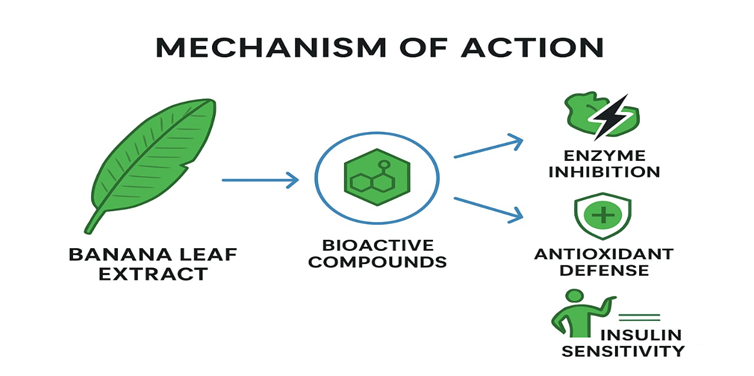
Nanoparticles are often used to improve the delivery and the efficacy of plant bio-activated by mainly-
For plants such as banana, encapsulation in or use in green synthesis of nanoparticles can help in the targeted and the amplification of the antidiabetic activity.
Preparation of the banana-derived nanoparticles-
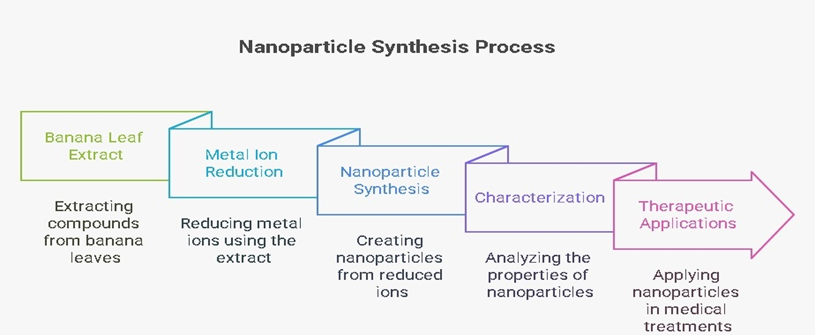
Aqueous or hydrochloric extracts from the banana pulp contain polyphenols and the flavonoids that are said to reduce the metal ions.11 These polyphenols donate the electrons to metal ions, which causes nucleation and the growth of the metal nanoparticles. The phytochemical molecules they adsorbed on the surface of these nanoparticles. The reported nanoparticles made in this way include silver, iron oxides and composites.12
Polymeric nanoparticles, lipid nanoparticles and solid nanoparticles encapsulate isolated bioactives from banana pulp. These carriers protect the labile phytochemicals and improve the intestinal absorption, and also act as a functionalized targeting. While the nanoparticles based on the banana leaf are limited.13
Types of nanoparticles –
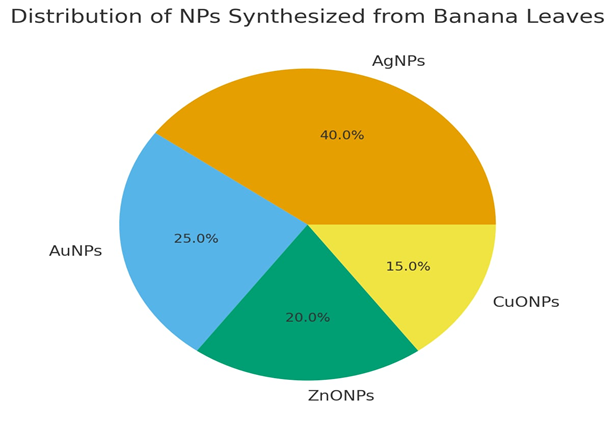
Action of banana nanoparticles on the diabetic chemistry-
The nanoparticles, which are prepared from the banana phytochemicals, can influence the diabetic related chemistry at multiple levels-
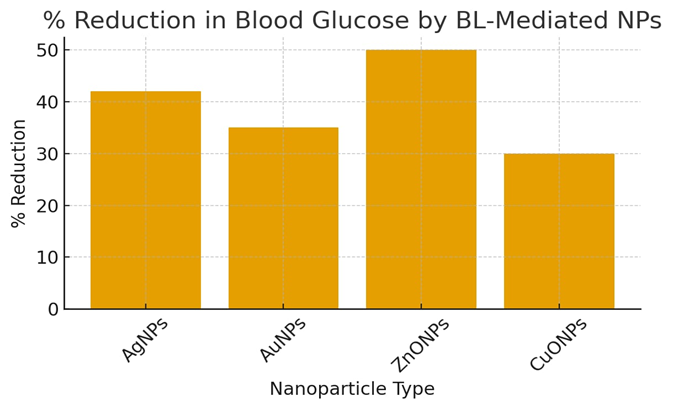
The nanoparticle formulations or the surface adsorbed flavonoids that are said to mainly inhibit the intestinal amylase and the β-glucosidase, mainly slow the carbohydrate digestion and thus effectively reduce the postprandial glycaemia. There are several nanoparticles that are synthesised by the banana pulp that have shown significant enzyme–inhibition activity. 17
The encapsulated sterols and the saponins can be delivered more effectively to the targeted tissues, which enhances the GLUT-4 translocation and the cellular glucose uptake. The Musa species has shown significant delivery in the required doses.18
The phytochemical-capped nanoparticles frequently show a higher antioxidant capacity than the extract alone. Lower ROS limits the B-cell damage and which in turn prevents the oxidative pathways that lead to diabetic complications.19
Some of the nanoparticles have proven to demonstrate antiglycation activity, which is that they reduce the formation of fructosamine intermediates. This indirectly led to the prevention of long-term protein crosslinking and damage to the cells.
The nanoparticles from the banana peel powder have a higher surface area and fermentability. Early work suggests that the changed SCFA production and the microbiome composition can be effectively used to improve insulin sensitivity.20
Toxicity and challenges due to Nanoparticles-
The main chemical pathways in diabetes-
Effects of diabetes on the body chemistry-
|
Body system |
Effect of diabetes |
|
Blood |
Chronic hyperglycaemia, increased HbA1c |
|
Kidney |
Hyperfiltration, glycation of nephron proteins |
|
Eyes |
Microvascular damage, retinopathy |
|
Liver |
Enhanced gluconeogenesis |
Some of the key chemical reactions in diabetes are –
In chronic hyperglycaemia, there is an excess of circulating glucose that reacts with the non-enzymatic free amino group of proteins, lipids or nucleic acids.
This is a reversible reaction forming an unstable aldimine.
The Schiff base undergoes the rearrangement into a more stable compound that is the Amadori product.27
Through oxidation, dehydration and cross-link formation, the AGEs are the products formed. These AGEs bind to the receptor on the endothelial, immune and nerve cells that cause inflammation, oxidative stress and vascular complications.28
Especially in type-1 diabetes, there is an insulin deficiency and the increased lipolysis that eventually causes the excess free fatty acids to reach the liver.29 The free fatty acids undergo β-oxidation. When the oxaloacetate is diverted for gluconeogenesis, the TCA cycle shows the accumulation of Acetyl CoA. 30
Under the hyperglycaemic conditions, there is an excess of intracellular glucose that is converted through the polyol pathway, especially in the tissues that mainly do not require insulin for uptake.31 In this, the glucose is firstly converted to sorbitol with the help of the enzyme aldose reductase using NADPH. Then, further, the sorbitol gets converted to fructose by the enzyme sorbitol dehydrogenase. This causes the accumulation of sorbitol, which eventually causes osmotic stress and neuropathy.32
Preclinical evidence- in vitro and in vivo studies –
The growing literature demonstrates the antidiabetic effects of the plant-mediated nanoparticles through the direct study specifically using the banana leaf-derived nanoparticles for diabetes.
The animal models of diabetes have been used to test plant-mediated nanoparticles. The reports indicate that the biosynthesised AgNPs can lower the fasting blood glucose, improve the glucose tolerance and reduce the oxidative markers and also help in the improvement of the histopathology of the pancreas, liver and the kidney in the treatment of the animals. The dose, particle size and the treatment duration critically influence the outcomes and the safety profile of the formulation made in the effective treatment of diabetes mellitus.33
The in vitro capacities mainly evaluate the antioxidant capacity of the enzyme inhibition, cytotoxicity in the mammalian cell lines and the glucose uptake assays in the adipocytes or the muscle cell lines. Banana extract nanoparticles have shown antioxidant and enzyme–inhibitory activity, supporting the potential antidiabetic activity.
The comparison between the plant-mediated nanoparticles and the parent extracts or the conventional drugs suggests that the nanoparticles may produce amplified effects at lower doses, likely due to the improved stability, bioavailability and the targeted interactions. However, the comparison study is mostly limited.
Safety, Toxicity and The Biocompatibility Considerations-
Safety is considered a concern for translating nanoparticle therapies to the clinics. The toxicity depends upon the particle composition, size of the particles, their dose, administration, route and the surface chemistry. Some of the key issues that are mainly highlighted include-
Delivery routes and the pharmacokinetics-
The potential delivery route for the antidiabetic nanoparticle mainly includes the oral which is mainly to modulate the intestinal enzymes and for the systemic absorption. The parenteral, mainly the subcutaneous and the intravenous, for the targeted delivery and the topical or the transdermal for the localised effects.37 Mainly, the oral delivery faces many challenges, such as the stability in the gastric pH and the first pass metabolism strategies like the enteric coating, polymer encapsulation, and mucoadhesive formulation that can help to improve the intestinal stability and the absorption.38 The pharmacokinetic profiling of the plant-derived nanoparticle requires measurement of the distribution, metabolism, excretion and absorption and also the biotransformation of the serum proteins and the enzymes.39
Future directions and the research perspective
Challenges and limitations-
Despite the promising pre-clinical evidence, the nanoparticles are said to face several challenges. The various challenges are divided into the scientific limitation, technical limitation and the regulatory limitation.
CONCLUSION
The banana leaf-mediated nanoparticles represent a rare intersection where traditional knowledge meets the edge-cutting nanotechnology, which is said to offer a sustainable and promising frontier in the management of diabetes. The phytochemical-rich coatings, versatile metal core and the eco-friendly synthesis of the nanoparticles enable the antioxidant, anti-inflammatory and the insulin-sensitising actions that mostly the conventional therapies fail to provide. However, this study from the laboratory to the clinics demands rigorous exploration, standardisation, manufacturing, safety studies, toxicology studies and the careful formulation approach. By involving strategic research, ethical oversight and innovation, the banana leaf nanoparticle has the potential to transform a common agricultural byproduct into an accessible antidiabetic therapy. This article has provided a thorough view of the effective use of the banana leaf nanoparticle in the anti-diabetic action. These mostly challenge the existing conventional therapies that are said to have more side effects. This traditional incorporated method can be used to give a futuristic direction to the herbal industry, which is mainly known for its lack of side effects and long-term therapy. This emerging field stands poised to reshape both nanomedicine and sustainable healthcare for the future.
REFERENCES


Aftab Khan, Sejal Dsilva, Advances in Musa Leaf Phyto-Nanotechnology: A Comprehensive Review of Antidiabetic Potential, Int. J. of Pharm. Sci., 2025, Vol 3, Issue 12, 4141-4153. https://doi.org/10.5281/zenodo.18097293
 10.5281/zenodo.18097293