
Amrutvahini Institute of Pharmacy, Sangamner, Ahilyanagar, Maharashtra, India 414001
This Article Aims to Provide & over-view of Three-dimensional (3D) Printing has emerged as a transformative technology in pharmaceutical formulation development, enabling precise fabrication of patient specific dosage forms with tailored drug release profiles. Analytical approaches play a vital role in optimizing this technology by ensuring product quality, performance, & regulatory compliance. This review highlights key analytical techniques applied at different stages of 3D printing workflow, including pre-formulation characterization, in process monitoring, & post production quality assessment. Advanced process analytical technologies (PAT) & real time monitoring tools further enhanced reproducibility & control. This article emphasizes the critical role of analytical methodology in harnessing the full potential of 3D printing for developing innovative, effective, and patient centre drug delivery systems. 3D printing technology offering unprecedented precision, personalization & versatility in producing printed dosage forms. Advanced tools such as spectroscopy, thermal analysis, & micro-imaging are being integrated to monitor pre, in-process, & post-printing parameters. By bridging additive manufacturing with innovative analytics, the pathway is emerging towards adaptive quality control & data-driven formulation design. The main part of the review focuses on the analytical methods used for the evaluation of qualitative aspects of printed dosage forms, e.g. Solid-state properties, as well as for quantification of the active pharmaceutical ingredients (API) in the printed dosage forms, with an emphasis on Spectroscopic method Finally, view on the future of printed dosage forms.
What is 3D Printing:
3D Printing means the process which involves the formation of Three-dimensional solid objects from a computerized or digital (ordinal) files [1]. The process of Spraying or the laying down of additives continues unless successive layers Create an object. The thinly sliced horizontal cross-sections of the eventual object have been seen in every layer.
Terminology Related to 3D Printing (Drug Products:
The drug product in which the finished dosage forms like capsule, tablet, solution, emulsion, suspension, etc.) containing active pharmaceutical ingredients. 3D printing can fabricate other regulated products materials, which have well defined quality purpose & regulation [2].
Drug Development can be defined as an approach through which systems, technology, & formulation can be developed which helps to explicitly in drug transportation within the biological fluid & Successive desired biological effects [3,4]. With the increased development of science and technologies in the pharmaceutical field they have been new concepts in the design of drugs, manufacturing technology, processes, and for the better understandings which helps to achieve a high quality of dosage forms [5]. Within the last few decades, the development of drug product has been under study & numerous novel dosage forms and they technological process has been developed [6]. Noticeably in most of the cases special consideration was given for the physical-chemical properties of APIs and regulatory requirements during each stage of product development [7]. Now days different ethnic background, food habits, different circadian cycles, an inter-individual difference of patients propagates creates some enormous challenges for pharmaceutical scientists to deliver uniformity in medicine. They personalization of medicine is in hike for the last few years [8]. Over the years, scientists are stressing to optimize treatments according to the pharmacogenetics of the populations and individual pharmacokinetic profiles [9]. In the field of customized medicine 3DP technology is emerging out to the blockbuster in personalized medicine. Scientists are developing 3D printing technology as powerful tool for designing novel formulations and disease modelling [10]. Computer based drug design along with 3D printing technology quickens manufacturing of personalized pharmaceutical drug products [11]. Using inkjet printing, in which the semi-liquid binding solution was mixed with power bed to produces adhesive particles. The 3D printing pharmaceutical formulations are successfully prepared in recent years [12]. For obtaining the desired shape & size of the formulation, optimization of tools & techniques is pre-requisite. The first 3D printed drug that was approved by FDA (August 2015) is SPRITAM (Levetiracetam) [13]. In pharmaceutical applications, 3D printing allows for the design of dosage form that are not only functional but also highly personalized addressing individual patient needs & therapeutic requirements. A key driver for adopting 3D printing in pharmaceutical manufacturing is the growing demand for personalized medicine. Traditional drug formulations are generally manufactured in fixed doses, which may not be optimal for all patient populations. Inter individual variability in genetics, metabolism, age, weight, & disease states often necessary dose adjustment that are not readily available in standard commercial products. 3D printing enables the on-demand production of dosage forms with tailored drug quantity, release profiles, & physical characterisation, aligning with the principle of individualized therapy [14].
This customization is particularly beneficial for special populations such the paediatrics & geriatrics, where swallowing difficulties & variable dosing needs are common. For instance, flexible dosage forms like mini tablets, chewable tablets, Oro-dispersible films can be easily fabricated using 3D printing technology [15]. 3D printing supports the creation of complex and multi-functional dosage forms that are difficult or impossible to produce with conventional methods. This include polypills containing multiple active pharmaceutical ingredients (API) with compart mentalized release profiles, as well as devices engineered for site-specific or timed drug release [16]. The efficiency and flexibility of 3D printing also enhance the early stages of drug development. Traditional pharmaceutical manufacturing often requires extensive formulation trials and re-tooling which are time-consuming and resource intensive. In contrast, 3D printing allows researchers to rapidly prototype and rate dosage designs with minimal material wastage and reduced lead times [17]. This accelerated development process is especially valuable in clinical settings, compassionate use programs or market where demand for customized treatments is high but commercial incentives may be limited. Another significant advantage of 3D printing is its alignment with on demand & decentralized manufacturing models. As healthcare systems move toward localized treatment solutions & precision healthcare, 3D printing offers the potential for point-of-care drug manufacturing in hospitals, pharmacy, or even home settings [18]. This decentralized could mitigate supply chain disruptions, reduce storage needs & enable real time customization based on current patient data. Moreover, 3D printing opens avenues for integrating digital health technology into pharmaceutical care. Coupled with electronic health records, wearable sensors, & pharmacogenomic information, 3D printers could theoretically adjust dosage forms based on real time patient monitoring ushering in an era of smart medicine where therapy dynamically responds to physiological feedback [19].
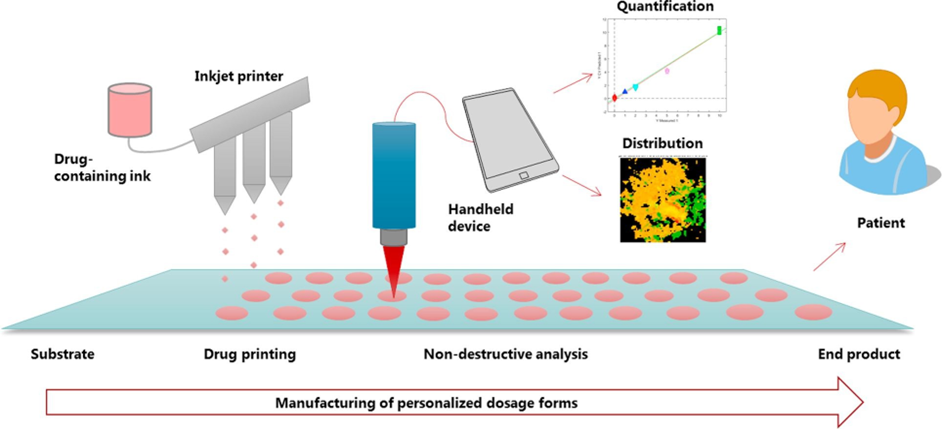
Figure 1: 3D Printing Technology in Formulation Development & Dosage Forms.
Ongoing advancements in formulation science, material engineering, & regulatory policy are gradually addressing these limitations. As more data emerge regarding the stability, safety & efficacy of 3D printed dosage forms it is anticipated that the adoption of this technology will expand across the pharmaceutical value chain from research & development to manufacturing and Personalized delivery [20]. The referred to as additive manufacturing technique because of the process involved in its fabrication which generally includes deposition of material layer by layer till the end product is formed they formulation development & Dosage forms. In this technique solid 3D object is fabricated by deposition of multiple layers over layers of the required material (drug). The technique has capability to fabricate most of the typical dimensions, preparation of which was not possible by traditional methods. In first step of the 3DP structure is planned on digital 3D file using computer aided design (CAD) software which makes it easier to prepare complex designs. After preparation of digital file suitable 3D printer is used according to object requirements. Basically, there are four different technique which was adapted by pharma industry for preparing 3DP products such as fused deposition modelling (FDM), Stereolithography (SLA), selective laser sintering (SLS), & Zip dose [21]. In this review the focus has been done on certain 3DP technology that are suited for pharmaceutical designing suitability in the development of dosage forms. The broad regulatory acceptance & demonstration of technological viability in commercial production. They also focus on Analytical Methods or Aspects in 3DP for formulation Development & Printed Dosage Forms.
A. ADVANTAGES
B. DISADVANTAGES
HISTORY OF 3D DRUG PRINTING TECHNOLOGY
3D Printing posed as a possible platform for personalized medicine in the 1990s. There are major achievements in 3D printed medical devices, FDA centre for device & Radiological Health (CDRH) has reviewed & cleared 3DP medical devices. In 1989, Scott Crump, field the patent on another 3D printing technology. Fused deposition modelling, where extruded polymer filaments heated into semi-liquid state were extruded through a heated nozzle & deposited into a build platform layer by layer to harden [28,29].
Table 1: Historical Development of the 3D Printing Technology [30].
|
Table 1: The Evolution of 3D Printing Technology |
|
|
Years |
Major Development |
|
1980 |
Dr. Hideo Kodama filed first patent for RP technology. |
|
1984 |
Stereo-Lithography apparatus (SLS) was invented by Charles Hull. |
|
1986 |
Carl Deckard invented apparatus for producing parts by selective sintering. |
|
1989 |
Patent was granted to Carl Deckard for SLA. |
|
1990 |
Fused Deposition Modelling (FDM). |
|
1992 |
First SLA machine was produced using 3D system. |
|
1993 |
3D printing patent was granted to E.M. Sachs. |
|
1996 |
Clinical application of biomaterials for tissue regeneration. |
|
1999 |
Luke Massella received first 3D printed bladder which was an amalgamation of 3D printed bio-materials & his own cells. |
|
2000 |
MCP technologies introduced the SLM technology. |
|
2002 |
Miniature functional kidney was fabricated. |
|
2003 |
Term organ printing was coined. |
|
2004 |
Dr. Bowyer conceived the RepRap concept of an open-source, self-replicating 3D Printer. |
|
2005 |
First colour 3D printer was introduced by Z Corp. |
|
2007 |
Selective layer customization & on-demand manufacturing of industrial parts. |
|
2009 |
Organovo, Inc., announced the release of data on the first fully bio-printed blood vessels. |
|
2011 |
3D printing was applied in gold & silver world’s first 3D printed robotic air craft was introduced. |
|
2012 |
Extrusion based bioprinting for artificial liver 3DP prosthetic jaw was implanted. |
|
2013 |
Solid Concepts produced 3D Printed metal gun. |
|
2014 |
Implementation of multi-arm bioprinter to integrate tissue fabrication with printed vasculature. |
|
2015 |
First 3D printed pill was approved by US FDA Organovo announced the release of data on the first fully bioprinter kidney. |
WORKING OF 3D PRINTER
The basic process involves 3D prototyping of layer-by-layer fabrication to drug excipients to formulate into the desired dosage forms. It begins with making a virtual design is for instance CAD (computer aided design) file. This CAD file is created using a 3D modelling application or with 3D scanner (to copy an existing object). The 3D scanner can make the 3D digital copy of an object [31]. The Process OR working of the 3D Printer are specifically first in Design digitally in 3D dimensional with Computer Aided design software then conversion of the design to a machine readable, next process as raw material processing and then finally printing these layer by layer produced the desired product. After these removable & post processing the printing products may require drying sintering, polishing or other post processing steps. The 3D printer by taking design from computer, cut into thin layers, then printing those layers one by one using materials like resin. Each layer sticks to previous one until the full object is built. Then finally object may need little cleaning or finishing. The shortly Process of 3D drug printing in (Design, Slice, Print, Fuse, Layers, Finish product) [32].
3D DRUG PRINTING TECHNIQUES IN PHARMACEUTICAL FORMULATION & DOSAGE FORMS
There are numerous varieties of manufacturing practices intricate in 3D printing, which are grounded on digitally organized depositing of materials (layer-by-layer) to create free form geometries.
[1] THERMAL INK-JET PRINTING
The thermal inkjet printing, the aqueous ink fluid is transformed to vapours state through heat, expands to push the ink drop out of nozzle [33]. It is used in the preparation of drug-loaded bio-degradable microspheres, drug-loaded liposomes, patterning microelectrode arrays coating, loading drug eluting stents [34,35]. Thermal inkjet printing (TIJP) is an advanced technique used in pharmaceutical formulation development & printed dosage forms. It works by rapidly heating a resister to generate a vapour bubble which ejects precise micro-droplets of drug solution or suspension into a substrate such as polymer films, tablets, or patches. This method enables accurate dose control & rapid prototyping & personalized medicine by adjusting drug quantity & combinations. TIJP is applied in Oro-dispersible films, surface-modified tablet & microdosing. It is also an efficient & practical method of producing films of biologics without compressing activity [36].
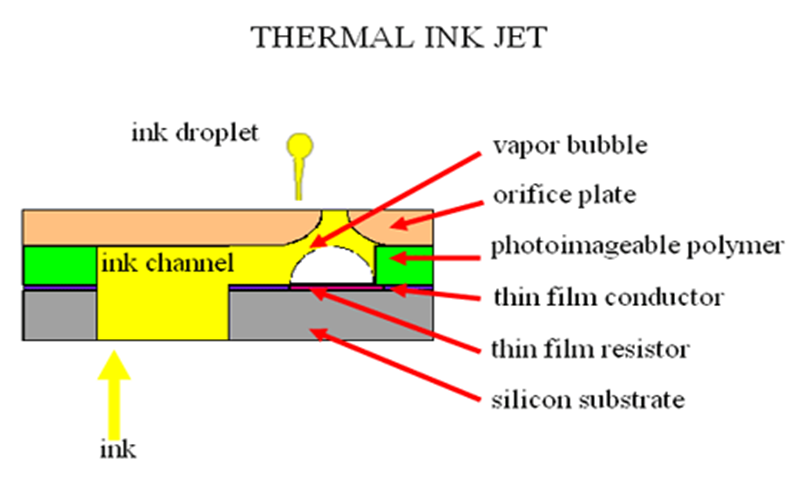
Figure 2: Thermal ink-jet Printing.
Table 2: Some of the drug prepared by Thermal ink-jet Printing.
|
No. |
Drug |
Dosage Form |
Application |
|
1 |
Prednisolone |
Tablet |
Anti-inflammatory Immunosuppressant |
|
2 |
Folic acid |
Nano Suspension |
Anaemia |
|
3 |
Salbutamol Sulphate |
Solution |
Bronchodilators |
|
4 |
Carbamazepine |
Co-crystals |
Anti-epileptic drug |
|
5 |
Felodipine |
Solid dispersion |
Anti-hypertensive drug |
[2] INKJET PRINTING
Inkjet printing is also called as ‘mask-less’ or ‘tool-less’ approach because the formation of desired structure mainly depends upon the movement of inkjet nozzles or movement of the substrate for an accurate & reproducible formation. In this technique, the ink is deposited onto substrate either in the form of continuous inkjet printing (CIJ) or Drop on Demand (DOD) printing, hence it provides high-resolution printing capability [37]. Advantages of inkjet printing is that it has low processing cost, rapid processing rates, generation of minimal waste, it gives CAD information in direct Write manner & its process material over large areas with minimal contamination [38].
Table 3: Some of the drug prepared by Ink-jet Printing.
|
No. |
Drug |
Dosage Form |
Application |
|
1 |
Polyvinyl-Pyrrolidone (PVP) |
Micro needle |
Excipients |
|
2 |
Insulin |
Micro needle |
Anti-diabetic |
|
3 |
5-flurouracil, curcumin, cisplatin |
Micro needle |
Anti-cancer |
|
4 |
Paclitaxel |
Micro particles |
Anti-cancer |
|
5 |
Caffeine |
Tablet, Capsule |
CNS stimulants |
|
6 |
Lysozyme & Rio-nuclease-A |
Film |
NSAIDs |
|
7 |
Rifampicin |
Implant & Nanoparticles |
Antibiotic |
[3] FUSED DEPOSITION MODELLING
Fused deposition modelling (FDM) is commonly used method in 3D printing the materials are softer or melt by heat to create objects during printing [39]. Fused deposition modelling 3D printing helps in manufacturing delayed release print lets without an outer enteric coating & also provides personalised medicines doses. The 3DP indicates some limitations for system like lack of suitable polymers [40]. Slow & ten incomplete drug Release, because of the drug remain trapped in the polymers, miscibility of drug & additives with the polymers used was not evaluated [41].
Limitations – FDM 3D Printing indicates several limitations of the system.
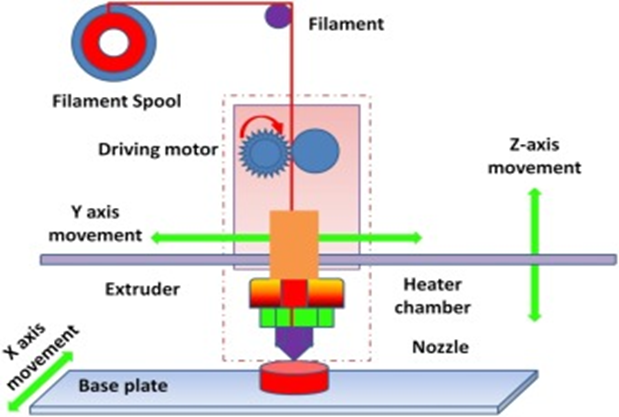
Figure 3: Fused Deposition Modelling (FDM)
Table 4: Some of the Drug prepared by Fused Deposition Modelling (FDM)
|
No |
Drug |
Dosage Form |
Application |
|
1 |
Metformin, Glimepiride |
Tablet |
Anti-diabetic |
|
2 |
Theophylline |
Tablet, Capsule |
Lung disease |
|
3 |
Diclofenac |
Controlled release tablet |
Ulcerative colitis |
|
4 |
Prednisolone |
Extended-Release tablet |
Immunosuppressant |
|
5 |
Gentamicin Sulphate, Methotrexate |
General device |
Antibiotic & Anticancer |
[4] EXTRUSION 3D PRINTING
This method the material is extruded from the automated nozzle into the substrate without any higher support material. It is only utilized to fabricate tablet containing Guaifenesin act as expectorating. The components that can be extruded are molten polymers, suspensions, semisolids, pastes [42,43].
Table 5: Some of the drug prepared by Extrusion 3D Printing
|
No |
Drug |
Dosage Form |
Application |
|
1 |
Captopril |
Tablet |
Anti-hypertensive |
|
2 |
Dexamethasone |
Drug encapsulated film of PLGA & PVA |
Arthritis |
|
3 |
Atenolol |
Polypill (multi active solid dosage form) |
Angina |
|
4 |
Pravastatin |
Polypill |
Cardio-vascular disease |
[5] ZIP-DOSE PRINTING
Zip dose is the world’s initial & only FDA-Approved, commercial-scale 3DP in current therapeutic areas for pharmaceutical manufacturing areas. It has distinctive digitally coded layering & zero compression practices, used for tablet formulation with large dosage & prompt dis integration. Hence it helps in overwhelming difficulty in swallowing [44]. Spritam-R (anti-epilepsy drug) is an oral dispersible tablet, that the marketed by
Pharmaceuticals based on powder bed fusion by layer-by-layer production system. In which it consists of the active ingredient, excipients & binder liquid to produce matrix tablet [45]. The first step, powder blending material thin layer are spread on conveyor belts. Then, they move to print fluid areas, where fluids are sprayed. The overall interaction of printing fluid & powder blend results makes thin layer of dosage form then this process is repeated several times & makes powder layer by layer. During each cycle end drying step is conducted to solidify the wet until doses at control temperature, relative humidity, & time. This technology liquid binder is sprayed into powder and makes uniform solid dosage form that reason that technology also called binder jetting 3D printing technology, also here wetting powder binds horizontally & vertically & makes layer by layer 3D structure that reason. The part of 3D printing. Finish Dosage forms are collected & unbound powder are removed by using air. The finished solid dosage form is like towel tablet [46].
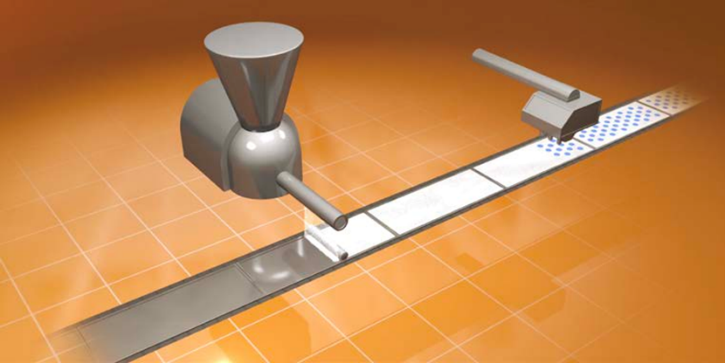
Figure 4: Zip-Dose Technology Machine Process
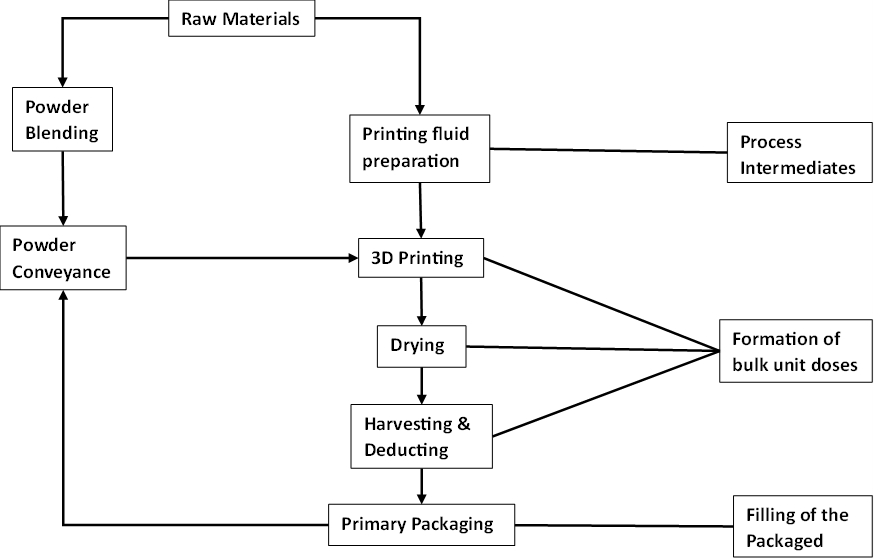
Hot melt extrusion (HME) is the method of melting polymer & drug at elevated temperature & the pressure is employed in the instrument sequentially for blending [47]. It is continuous manufacturing technique that involves feeding, heating, mixing & shaping [48]. In recent years, it has proved that hot melt extrusion capable to optimize the solubility & bioavailability of moderately soluble drugs [49].
Table 6: Some of drug prepared by HME
|
No |
Drugs |
Dosage Forms |
Applications |
|
1 |
Isoniazid |
Compartmentalized shells |
Tuberculosis infections |
|
2 |
Indomethacin |
Subcutaneous Rods |
NSAIDs |
|
3 |
Ethylene vinyl acetate (EVA) copolymers |
T-shaped prototype of intrauterine system |
Hot melt adhesion |
[7] POWDER BED 3D PRINTING
The technique powder jetting or power bed is used to spread thin layers of power & simultaneously applying liquid binder drops with the help of inkjet printers. The ink (binders & APIs binder solution) is sprinkled over a powder bed in 3D fashion to make the final product in the layer-by-layer fashion [50]. The adaption of this technique into pharmaceutical manufacturing is easier than other techniques as powder & binder solution are widely used in the pharmaceutical industry.
[8] STEREO-LITHOGRAPHY 3D PRINTING
This technique involves the curing of photosensitive materials (photo polymerization to produce 3D object. Scanning focused UV laser over the top of a photopolymerisable liquid is a layer-by-layer fashion, SLA employs a digital mirroring device to initiate a chemical reaction in the photopolymer which causes the gelation of the exposed area. This process is repeated layer after layer to build the entire part of the object. This occurs as unreacted functional groups on the solidified structure in the first layer polymerises with the illuminated resin in the next layer insuring adhesion and therefore layer formation is done. Post printing processing is usually required to further curve the final product to improve its mechanical integrity and to polish or remove the attached supports to the fabricated objects [51]. This technique however possesses a health hazard in the form of potential carcinogenic resins. This is very slow process in SLA printers are composed of an UV light beam. The form a laser which transfer the energy into a liquid photopolymerisable resin. The UV light beam is aided by baffles, axis X and Y to transverse the surface of the liquid resin in order to accurately represent the 3D model previously designed. When layer solidifies the lifting platform descends its position to the night of a new layer of a liquid resin, again beginning the procedure until manufacturing of 3D product is finished in a layer-by-layer way. Here thickness of the cured layers depends upon the energy of the UV light to which resin exposed. The resin should be FDA approved for a human use with ability to solidify upon exposure to laser beam [52].
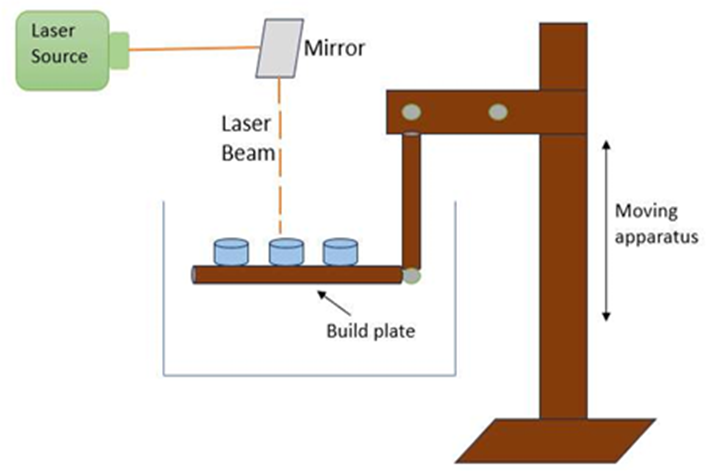
Figure 5: 3DP of Stereo-Lithography
[9] SELECTIVE LASER SINTERING
Selective leaser sintering (SLS) act as a way in the powder bed to bind. The leaser is designed to draw a specific pattern on the surface of the powdered bed during the printing process, thus creating a 3D structure. For example, Paracetamol is an Oro-dispersible tablet prepared by the manner. It currently used for industrial manufacturing of plastic, metallic and ceramic objects [53].
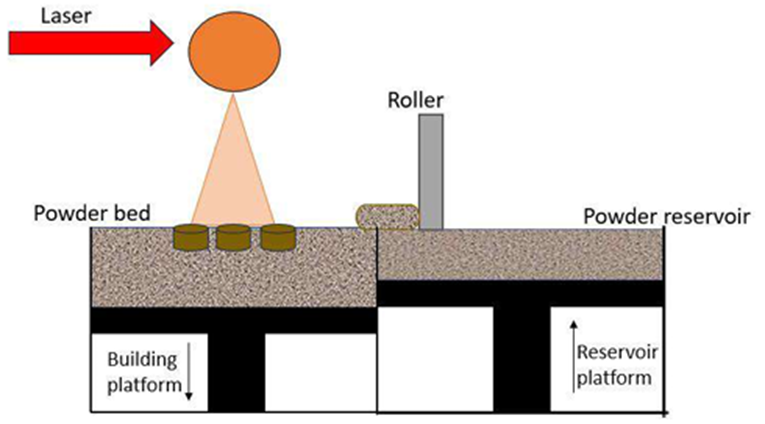
Figure 6: 3DP of Selective Laser Sintering
SLS Technology was invented by Carl Deckard & Joe Beaman in 1984 [54]. It is one of the latest & most advanced technology for the preparation of solid dosage forms. In this process, 3D objects are built by the fusion of powder particles which are selectively heated by the laser. SLS is manufacturing process involving a laser to selectively sinter the powder particles layer by layer to form the 3D object. The SLS printer consists of powder bed, powder reservoir & roller with a laser source. The powder containing drug & polymer is loaded in the powder reservoir & is spread evenly on the powder bed from the powder reservoir by the roller. Depending on the design of the object in the CAD file. The laser is directed to draw a specific defined pattern on the surface of the power bed & sinters the powder particles. After the first layer of the object is sintered the powder bed moves downwards & the powder reservoir moves upwards so that another layer of these a
Powder can be distributed on top of the first layer & hence printing the object layer by layer which can be recovered from the powder bed once it cools down [55]. The pharmaceutical grade polymers commonly used in SLS are polyethylene glycol, Kolli-coat IR, Kolli-don VA 64, polyvinyl alcohol, ethyl cellulose, hydroxymethyl cellulose [54]. In the pharmaceutical field SLS 3D printing has been recently used to prepare orally disintegrating tablets & immediate release tablet drug delivery lattice structures & drug delivery devices [56].
|
NO |
3DP TECHNOLOGY USED |
FORMULATIONS |
API |
Ref. |
|
1 |
Semi-Solid Extrusion (SSE) |
Bi-layered tablets |
Guaifenesin |
[57] |
|
Multi-active tablets |
Nifedipine & Captopril |
[58] |
||
|
2 |
Stereo-Lithography (SLA) |
Hydrogels |
Ibuprofen |
[59] |
|
Facial mask |
Salicylic acid |
[60] |
||
|
3 |
Selective layer sintering (SLS) |
Tablets |
Paracetamol |
[61] |
|
Drug Delivery Device |
Progesterone |
[62] |
||
|
4 |
Fused Deposition Modelling (FDM) |
Caplets |
Caffeine |
[63] |
|
Tablets |
Hydrochlorothiazide |
[64] |
||
|
Oral Films |
Aripiprazole |
[65] |
||
|
5 |
Binder Jet Printing (BJP) |
Tabular devices |
Methylene blue |
[66] |
|
Cubic tabular devices |
Pseudoephedrine |
[67] |
||
|
tablets |
Chlorpheniramine maleate |
[68] |
||
|
Oro-dispersible tablets |
Levetiracetam |
[69] |
||
|
6 |
Inkjet 3D Printing |
Implant |
Levofloxacin |
[70] |
|
7 |
3D Printing Machine |
Multi-drug implant |
Rifampicin & isoniazid |
[71] |
|
8 |
Inkjet 3D Printing |
Nanosuspension |
Folic acid |
[72] |
|
9 |
Thermal inkjet printing |
solution |
Salbutamol sulphate |
[73] |
|
10 |
Inkjet 3D printing |
Nanoparticle |
Rifampicin |
[74] |
Challenges of 3DP In Formulation Development: Despite the implicit advantages of 3DP technology in formulation development & the technical difficulties & complications imparting applications of 3DP are the availability of excipients, development of printing software & instruments, optimizing the mechanical properties of products & the regulatory landscape. Relatively limited availability of excipients is the major hindrance for designing specialized dosage forms. Non-toxic, biodegradable, biocompatible & stable excipients are highly essential to the wide application of 3DP in formulation development. Further with the increment of the more complex structure of dosage form, continuous updating of modelling & slicing software intended to design & inform its production must be required. The mechanical equipment, operating procedures and control system need to be updated and optimized to prevent clogging or promote product uniformity. At present 3D printers used in pharmaceutical formulation preparation do not meet good manufacturing practices (GMP) standards & thus need to be validation to ensure the product meets the required safety standards. Analytical Approaches the physicochemical parameters such as the viscosity & surface tension of the adhesives fineness of the nozzle influence the performance of the products. Further the quality control parameters of the dosage forms are to be ensured to make the prepared formulations reproducible. In additions post-printing processes such as drying methods, drying time, the drying temperature may also affect the appearance and quality of the products which are most important for 3D printing technologies based on DOP, FDM, & SSE. The essential to ameliorate the mechanical behaviour of products by optimizing printing outfits such as computer control programs, refining of adhesive nozzles & optimizing printing process parameters. In terms of regulation many questions are surroundings how 3D printed pharmaceuticals can be monitored & evaluated for quality [75].
3D PRINTING IN PHARMACEUTICAL DOSAGE FORMS
[A] ORAL DOSAGE FORMS
Oral dosage forms belong to the most common dosage forms & include dosage forms that are swallowed & dosage forms that are placed in the oral cavity. Solid oral dosage forms for human use listed in the European pharmacopoeia include powders, granules, capsules, tablets, medicated chewing gums & Oro-mucosal preparations such as films & lozenges. Oral dosage forms identified from the literature tablets, pellets & minitablets, capsules, & films. Furthermore, dosage forms with a specific feature are described separately such as gastro-retentive dosage forms (GRDF) chewable dosage forms and other very specialized dosage forms including dental devices. In general, for oral dosage forms, 3D printing is mainly applied in order to individualize the dose of drugs to influence the drug release behaviour, or in some cases to promote patient adherence. The 3D printing techniques used for this purpose showed high variability. However, some trends were detectable such as the use of solvent-free techniques for Oro-dispersible forms and MEX methods for extended release peroral tablets. The excipients used for oral dosage forms are often classical excipients that are also used with established production methods. An exception from this was the printing of capsule shells for which mainly poly (VINYL ALCOHOL) was used an excipient as opposed to traditional capsules typically made from gelatine.
[1] TABLETS
Tablets are solid dosage forms containing a single dose often derived from powders or granules via compression but also other techniques as mol-ding or extrusion can be used. Tablets often have a cylindrical shape with either flat or convex end surfaces. Several characteristics regarding the disintegration & drug release behaviour as well as other properties or methods of administration may be used to differentiate among different types of tablets. The distinguishes between immediate-release & modified release the latter group is further divided into prolonged release (often also referred to as extended release) delayed release & pulsatile release for the purpose of this review the following categories will be distinguished: Oro-dispersible tablets (ODT), immediate release (IR) tablets, extended release (ER) tablets, and delayed-release tablets. Delayed-release tablets for this purpose are defined as tablets in which the onset of release has been modified. This group included gastro-resistant tablets. The differentiation between IR & ER tablets was based on the recommendations on dissolution testing [76]. Which specifies a typical acceptance criterion for IR tablets f 80% release within 45 min for the first test level. In additions the ph. Eur. Describes an IR dosage form as one that is not deliberately modified by a special formulation design & manufacturing method [77]. It also mentions that for solid dosage forms the dissolution profile of the active ingredient essentially depends on the intrinsic properties. This means that even comparatively slow release can be classified as immediate release dosage forms if they contain for example, active ingredients that possess low dissolution speed.
[2] PELLETS & MINITABLETS
While pellets & minitablets describes different dosage forms & their conventional production is very different, they will be described together in this review due to their similar dimensions and the resulting requirements & challenges. The related manuscripts are also listed together in the supplementary materials A & B shows two examples of dosage forms belonging to this category. The 3D printing of pellets & minitablets is an alternative, additive manufacturing method. The size of the dosage forms is challenges for
The process depending on the additive manufacturing technique chosen. Sizes of less than 2 mm, for example, which are required for unimpeded passage through the pylorus even in the fed stomach state with given mechanical stability pose challenges for some printing methods [78].
[3] CAPSULES
Capsules are single-dose solid pharmaceutical dosage forms which are usually intended for oral administration. The distinguishes between hard & soft capsules. Traditionally, capsule shells for hard capsules are usually manufactured industrially using the dipping pin process. The animal product gelatine is mainly used but vegan & vegetarian alternatives such as Hypromellose and pullulan are also used [79]. Soft capsules are formed and filled in single production step. PVA & PLA based filaments not only promise a certain potential for the printing of dosage forms for humans in addition to their already established application in technical 3D printing but could also be used for the production of veterinary medicines.
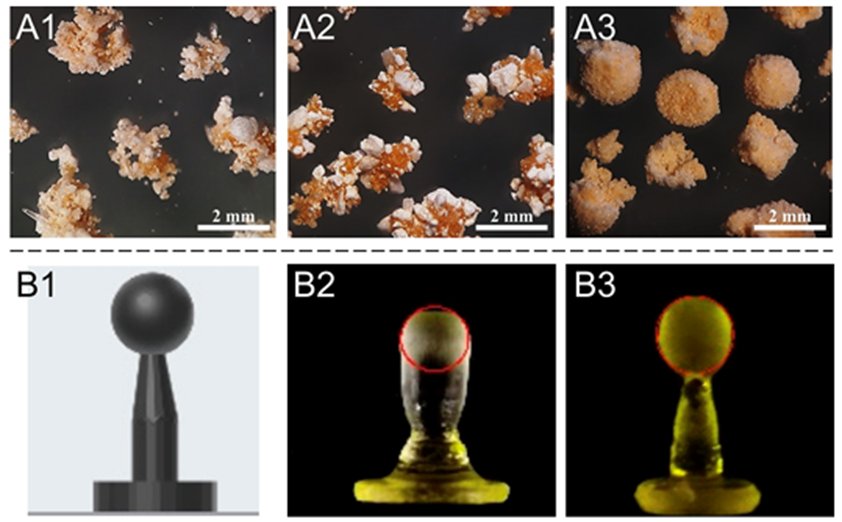
Figure 7: 3D Printed Pellets & Capsules
[B] PARENTERAL DOSAGE FORMS
Defines parenteral as sterile preparations designed to be administered via injection, infusion, or implantation & distinguishes between injections, infusions, concentrates for injections or infusions, powders for injections or infusions, gels for injection, implants & intravitreal preparations. Parenteral dosage forms include liquid, semi-solid & solid dosage forms. For the 3D printing applications solid dosage forms are relevant even though during the printing process often semi-solid states are necessary.
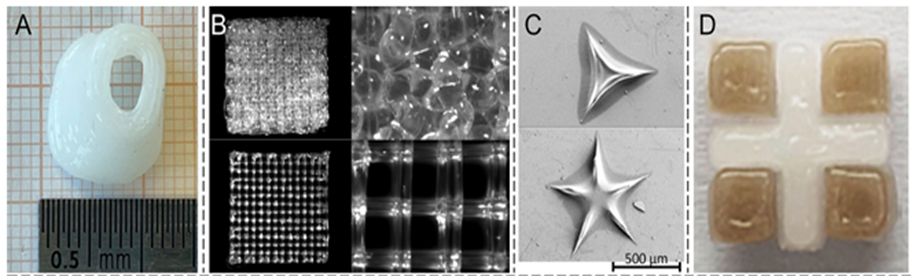
Figure 8: 3D Printed Parenteral Dosage Forms
ANALYTICAL ASPECTS OF [3D PRINTING FOR FORMULATION DEVELOPMENT & DOSAGE FORMS]
[A] PRE-FORMULATION ANALYTICAL APPROACHES
Pre-formulations studies aim to evaluate the compatibility, stability, & printability of APIs & excipients before printing. Pre-formulation is the first step in the drug development process. It involves the systematic evaluation of the physicochemical & biopharmaceutical properties of a drug candidate (API) & excipients to design a stable, effective, & manufacturable dosage forms. Analytical approaches in pre-formulation help identify potential formulation challenges early & guide the development strategy. (Key Analysis: Solubility Studies, pKa Determination, Partition Coefficient (Log P/Log D), hygroscopicity, Polymorphism & Crystallinity, Particle size & Morphology etc. [80].
[1] THERMAL ANALYSIS: Differential Scanning Calorimetry (DSC): Evaluates melting point, glass transition temperature, and crystallinity. Determines suitable printing temperatures & polymer selection. Thermogravimetric Analysis (TGA): Monitors thermal stability & decomposition temperatures to prevent API degradation during printing.
[2] SPECTROSCOPIC TECHNIQUES: Fourier Transform Infrared Spectroscopy (FTIR): Detects interactions between APIs & excipients. Raman Spectroscopy: Maps API distribution in polymer blends at microscopic levels. Near-Infrared (NIR) Spectroscopy: Allows rapid evaluation of content uniformity & excipient distribution.
[3] CRYSTALLINITY & MORPHOLOGY: X-Ray Diffraction (XRD): Determines crystalline versus amorphous state of APIs. Scanning Electron Microscopy (SEM): Analyse particle size, shape & surface morphology.
[4] RHEOLOGY & PRINTABILITY ASSESSMENT: Rheological studies assess Viscosity, Flow Behaviour, & Filament Extrusion Properties for FDM & SSE. Ensures optimal printing fidelity, prevents nozzle clogging, & maintains layer uniformity. Critical for FDM & SSE techniques to ensure layer deposition accuracy.
Table 7: Pre-Formulation Analytical Techniques
|
TECHNIQUE |
PURPOSE |
APPLICABLE 3DP METHODS |
|
DSC |
Thermal behaviour, melting. |
FDM, SSE |
|
TGA |
Thermal stability |
FDM, SSE |
|
FTIR |
API-excipient compatibility |
FDM, SSE, SLA |
|
RAMAN/NIR |
API distribution |
FDM, SSE, BJ |
|
XRD |
Crystallinity Analysis |
All 3D Methods |
|
SEM |
Particle morphology |
All 3D Methods |
|
RHEOLOGY |
Flow behaviour & printability |
FDM, SSE |
[B] IN-PROCESS ANALYTICAL APPROACHES
In-Process analytical monitor real-time printing quality & minimize batch variability & Maintain Consistency & detect defects.
[1] REAL-TIME MONITORING TECHNIQUES: Process Analytical Technology (PAT) the Integrates sensors for temperature extrusion pressure, & layer deposition monitoring. NIR & Raman Spectroscopy the allows non-destructive, in-line monitoring of API content & uniformity across printed layers. Optical/imaging systems the detect structural defects, layer misalignment, or void formation during printing.
[2] RHEOLOGY & FLOW MONITORING: Continuous monitoring of filament extrusion or semi-solid flow ensures print precision. Essential for preventing defects like layer gaps, uneven dosing, or nozzle clogging.
Table 8: In-Process Analytical Techniques
|
TECHNIQUES |
PURPOSE |
APPLICABLE 3DP METHODS |
|
NIR/Raman |
Content Uniformity, API Mapping |
FDM, SSE, BJ |
|
PAT |
Temperature, extrusion, layer control |
All 3DP Methods |
|
Imaging/Optical |
Detect Layer Defects |
FDM, SSE, SLA |
|
Rheology |
Flow Monitoring |
FDM, SSE |
[C] POST-PRINTING ANALYTICAL APPROACHES
Post-printing analytics assess final product quality, structural integrity, & drug release. These techniques assess safety, & performance.
[1] DRUG CONTENT & ASSAY: High-Performance Liquid Chromatography (HPLC) UV-Visible Spectroscopy, LC-MS the evaluates API concentration, uniformity, & purity. Ensures accurate dosing, which is critical for personalized medicine applications.
[2] DRUG RELEASE & DISSOLUTION STUDIES: Conducted using USP dissolution apparatus to characterize immediate, sustained, or multi-phase release profiles. Confirms that the printed dosage form meets intended pharmacokinetic objectives.
[3] MECHANICAL PROPERTIES ASSESSMENT: Hardness, Friability, tensile strength measurements ensure tablets withstand handling, transport, & packaging. Layer adhesion & porosity can significantly impact dosing form durability.
[4] MORPHOLOGY & MICROSTRUCTURE: SEM & optical microscopy examine surface topography, porosity, & inter layer adhesion, which influence drug release kinetics.
[5] STABILITY STUDIES: Accelerated & long-term stability testing monitors moisture uptake, API degradation, & polymorphic changes to ensure shelf-life & product reliability.
Table 9: Post-Printing Analytical Techniques
|
TECHNIQUES |
PURPOSE |
APPLICABLE 3DP METHODS |
|
HPLC/ UV/ LC-MS |
API Content, purity |
All 3DP Methods |
|
Dissolution Testing |
Drug Release Kinetics |
All 3DP Methods |
|
Hardness/ Friability/ Tensile |
Mechanical Stability |
FDM, SSE, SLA |
|
SEM/ Microscopy |
Surface morphology, porosity |
FDM, SSE, SLA |
|
Stability Studies |
Long term quality & shelf-life |
All 3DP Methods |
Challenges & Future Perspectives: Limited standardization for different 3DP techniques. Need for non-destructive, real-time analytical methods. Integration with machine learning for predictive monitoring. Regulatory adaptation, FDA/EMA guidelines evolving for 3D printed pharmaceuticals. Scalability, this the High costs, & complex material compatibility remain barriers [81, 82, 83, 84, 85].
APPLICATION OF 3DP TECHNOLOGY
[1] Unique Dosage Forms: The primary 3D printing technologies used for pharmaceutical production are inkjet based or inkjet powder-based 3D printing. These technologies offer the ability to create limitless dosage forms that are likely to challenge conventional drug fabrication 3D printers have already been used to produce many novel dosage forms, such as microcapsules hyaluronan-based synthetic extracellular matrices antibiotic printed micropatterns, mesoporous bioactive glass scaffolds, nano suspensions, & multilayered drug delivery devices [86].
[2] Personalized Drug Dosing: Increasing the efficacy of drugs & at the same time reducing the chances of adverse reaction should be the aim of drug development, which can be achieved by using 3D printing to fabricate personalized medications [87]. Preparation of entirely new formulation is another vital potential of 3D printing for instance fabrications of pills that have a blend of more than one active pharmaceutical ingredient or dispensed as multi-reservoir printed tablets. Hence patients suffering from more than one disease can get their formulation ready in one multi-dose form at the healthcare point itself, thereby providing personalized & accurate dose to the patient with better or best compliance [88].
[3] Healthcare Sector: Tools can be prepared for surgery & are made to measure the patient’s body.
[4] Drug Testing: Ability to fabricate complex geometries to achieve various drugs releasing kinetics.
[5] Medical Application: The use of 3D printing to produce bones, ears, exoskeleton, windpipes, jawbones, eye glasses, cell cultures, stem cells, blood vessels, vascular networks, tissues & organs as well as novel dosage forms & drug delivery devices. It is also used in dentistry to make dental device.
[6] Pharmaceutical Applications: Pharmaceutical application for 3D printing expanding rapidly & are expected to revolutionize health care. 3D printing technology are already being used in pharmaceutical research & fabrication. Advantages of 3D printing includes precise control of droplets size & dose, high reproducibility & the ability to produce dosage forms with complex drug release profiles. 3D printing technology makes complex drug manufacturing process more standardised simpler & more viable. 3D printing technology is also valuable tool in the development of personalised medicines. 3D printing technologies allows drug dosage forms release profiles & dispensing to be customized for each patient. 3D printing lead of drugs actually manufactured by precision drug dispensing. The drug themselves could be tailored to meet various precise specifications & address the unique needs of individuals taking them. Applications of 3D printing technology in pharmaceutical manufacturing could have potential benefits.
[7] Analytical Assessment: Analytical applications in 3D printing the encompass pre-printing, in-process & post-printing evaluations to ensure the safety, efficacy, & consistency of printed dosage forms. Pre-printing analysis involves drug-excipient compatibility studies using Fourier Transform Infrared Spectroscopy (FTIR) & Differential Scanning Calorimetry (DSC) to detect possible chemical interactions. Thermal stability assessments via thermogravimetric analysis (TGA) for heat-based processes like Fused Deposition Modelling (FDM) & particle characterization through scanning electron microscopy (SEM) & laser diffraction for optimal flow and printability. In-process monitoring uses Optical Coherence Tomography (OCT) and machine vision systems to verify layer quality and detect defects infrared thermal imaging to control temperature & prevent API degradation & Rheo-Metry to ensure consistent viscosity in semi-solid extrusion (SSE) formulations. Post-printing evaluation includes 3D optical profilometry & SEM for dimensional accuracy mechanical strength testing using hardness & friability analyse in drug content and uniformity analysis via High-Performance Liquid Chromatography (HPLC) or UV-Visible Spectroscopy & dissolution/disintegration studies using USP apparatus to profile drug release stability studies conducted under ICH guidelines utilize HPLC, DSC, & X-Ray Diffraction (XRD) to assess long-term & accelerated stability while moisture sensitivity is evaluated using Dynamic vapor sorption (DVS). Furthermore, integration of Near-Infrared (NIR) spectroscopy within process analytical technology (PAT) frameworks enables real-time API quantification [89].
[8] Cost Efficiency: The most important benefits offered by 3D printing is the ability to produce items cheaply. Conventional method of drug manufacturing the less cost effective then 3D printing technology because conventional methods use lots of process for manufacturing (mixing, milling, dry or wet granulation, compression or moulding etc.)
[9] 3D Printed Dosage Forms & Drug Delivery Devices: In pharmaceutical industry various techniques have been used & the 3D printing is one of them in pharmaceutical research & fabrication due to the precise control of droplets size & dose. High reproducibility & ability to produce dosage forms with complex drug-release profiles. Complex drug manufacturing methods can also be standardized through use of 3D printing to make them simpler & more viable. 3D printing technology could be very important in the development of personalized medicine [90].
CONCLUSION
3D Printing Technology in pharmaceutical formulation development & printed dosage forms offers a transformative approach to drug manufacturing, enabling precise, customizable, & On-Demand production. Techniques such as fused deposition modelling (FDM), Stereolithography (SLA), selective laser sintering (SLS), semi-solid extrusion (SSE), & binder jetting (BJ) allow for the fabrication of complex geometries, tailored dosages, & controlled-release profiles. This technology supports drug by adjusting drug combinations, strengths, & release kinetics to patient-specific needs. It streamlines prototyping, accelerates formulation development, & reduces material waste. Regulatory-compliant integration of analytical & quality control measures & consistency. The paving the way for next-generation pharmaceutical manufacturing. Analytical approaches are crucial in applying 3D printing technology to pharmaceutical formulation development & printed dosage forms the ensuring product quality, safety, & efficacy. Pre-printing analyses such as FTIR, DSC, TGA, & SEM assess compatibility, stability, & material characteristics. In-process monitoring with OCT, machine vision, infrared imaging, real-time process control. Post-printing evaluations including 3D profilometry, HPLC, UV-Visible dissolution & stability studies. Confirm dosage accuracy, release behaviour & shelf life. Integrated with process Analytical Technology (PAT) these approaches enable reproducible personalized & regulatory-Compliant 3D-printed drugs. Advancing patient-centre pharmaceutical manufacturing.
REFERENCES




Kawchat Sanket, Dere Omkar, Desai Sanket, Shinde Dushant, Analytical Approaches in 3D Printing Technology for Pharmaceutical Formulation Development & Printed Dosage Forms, Int. J. of Pharm. Sci., 2025, Vol 3, Issue 9, 518-540. https://doi.org/10.5281/zenodo.17054479
 10.5281/zenodo.17054479
