A Review on the Formulation, Evaluation, and Mechanistic Insights of a Polyherbal Toothpaste Containing Hylocereus spp. (Dragon Fruit) for the Adjunctive Management of Oral Submucous Fibrosis.
Oral Submucous Fibrosis (OSMF) is a potentially malignant disorder characterized by inflammation, progressive fibrosis, and burning sensation of the oral mucosa, primarily caused by areca nut chewing. Current treatments are often invasive and palliative. This review proposes the development of a novel polyherbal toothpaste formulated with a synergistic blend of botanicals, including Hylocereus spp. (Dragon Fruit) pulp, Phyllanthus emblica (Amla) extract, Vachellia nilotica (Babool) bark extract, Sapindus mukorossi (Reetha) extract, Honey, Mentha spicata (Spearmint) oil, and Cinnamomum verum (Cinnamon) oil. The pharmacognostic profile of each ingredient reveals a rich source of bioactive compounds—betalains, flavonoids, tannins, saponins, and essential oils—with documented antioxidant, anti-inflammatory, anti-fibrotic, and healing properties. The proposed Mechanism of Action (MoA) involves a multi-targeted approach: neutralizing arecoline-induced reactive oxygen species (ROS), suppressing the NF-?B mediated inflammatory cascade, and modulating the TGF-?/Smad pathway to inhibit collagen deposition. The toothpaste base is designed with excipients like Xanthan gum to ensure stability and mucosal adhesion. This review details the formulation strategy, a comprehensive set of evaluation parameters (physicochemical, stability, in-vitro biological activity), and the significant advantages of this natural, preventive, and therapeutic intervention over conventional therapies. The formulation promises a safe, effective, and patient-compliant strategy for managing OSMF.
Oral Submucous Fibrosis (OSMF) is a chronic, debilitating condition predominantly affecting populations in South and Southeast Asia. It is characterized by a juxta-epithelial inflammatory reaction followed by fibro-elastic transformation of the lamina propria and deeper connective tissues, leading to stiffness, blanching, trismus, and a burning sensation [1]. The primary etiological agent is the areca nut, with its main alkaloid, arecoline, inducing oxidative stress, chronic inflammation, and dysregulated collagen metabolism [2]. Current management ranges from antioxidants and intralesional steroid injections to surgical intervention, all of which have limitations regarding efficacy, side effects, cost, and recurrence [3].The shift towards natural products for managing complex chronic conditions is gaining momentum due to their multi-targeted action and favorable safety profile. A toothpaste offers an ideal delivery system for topical application in the oral cavity, allowing for prolonged contact with the affected mucosa and ease of use, thereby improving patient compliance. This review explores a scientifically designed polyherbal toothpaste that leverages the synergistic pharmacognostic properties of Dragon Fruit, Amla, Babool, Reetha, Honey, Spearmint oil, and Cinnamon oil to address the core pathological pathways of OSMF.
Benefits of the Polyherbal Formulation:
The proposed formulation is not merely a cleaning agent but a dedicated therapeutic system. Its benefits are multifaceted:·
Multi-Targeted Therapy: Simultaneously counters oxidative stress, inflammation, and fibrosis.
Symptomatic Relief: Aims to reduce the burning sensation and improve mouth opening.
Preventive Action: Regular use may prevent disease progression in high-risk individuals.
Mucosal Healing and Protection: Promotes tissue integrity and protects against further insult.
Improved Oral Hygiene: Maintains overall oral health while treating a specific condition.
High Safety and Biocompatibility: Derived from natural sources, minimizing risk of adverse effects.
Enhanced Patient Compliance: The familiar toothpaste dosage form encourages regular use.
Pharmacognosy of Key Ingredients.
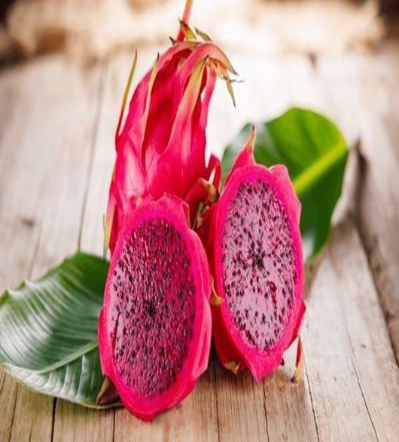
Hylocereus spp. (Dragon Fruit) Pulp
Botanical Source: Fruit of cactus species Hylocereus undatus (white flesh) or H. polyrhizus (red flesh).
Key Phytoconstituents: Betalains (betacyanin and betaxanthin), hydroxycinnamates, flavonoids, and Vitamin C [4].
Pharmacological Role: Potent antioxidant (free radical scavenging), anti-inflammatory (inhibits COX-2 and NF-κB), and potential anti-fibrotic agent [5].
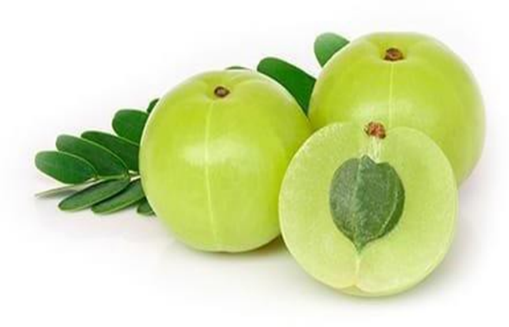
Phyllanthus emblica (Amla) Extract
Botanical Source: Fruit of the Phyllanthus emblica tree.
Key Phytoconstituents: High concentration of Vitamin C, tannins (emblicanin A & B, punigluconin), flavonoids, and gallic acid [6].
Pharmacological Role: Powerful rejuvenating antioxidant, immunomodulator, anti-inflammatory, and wound healing promoter. It helps in collagen stabilization and tissue repair [7].
Vachellia nilotica (Babool) Bark Extract
Botanical Source: Bark of the Vachellia nilotica tree.
Pharmacological Role: Strong astringent, anti-inflammatory, and antioxidant properties. It helps in wound contraction and epithelialization, making it valuable for managing ulcerations and inflamed mucosa in OSMF [9].
Sapindus mukorossi (Reetha) Extract
Botanical Source: Fruit of the Sapindus mukorossi tree.
Pharmacological Role: Natural, mild surfactant and foaming agent. It possesses antimicrobial and anti-inflammatory properties, helping to clean the oral cavity without the irritation associated with synthetic surfactants like SLS.
Pharmacological Role: Demulcent, humectant, and natural preservative. It has well-documented wound healing, anti- inflammatory, and antimicrobial activities, which soothe the burning mucosa and prevent secondary infections [12].
Mentha spicata (Spearmint) Oil
Botanical Source: Essential oil from the leaves of Mentha spicata.
Key Phytoconstituents: L-carvone, limonene, and 1,8-cineole [13].
Pharmacological Role: Provides a pleasant flavor and cooling sensation, offering immediate symptomatic relief from burning. It also exhibits antimicrobial and anti-inflammatory properties.
Cinnamomum verum (Cinnamon) Oil
Botanical Source: Essential oil from the bark of Cinnamomum verum.
Key Phytoconstituents: Cinnamaldehyde, eugenol, and linalool [14].
Pharmacological Role: Potent antimicrobial and antioxidant agent. Its warming property can stimulate local blood circulation, potentially aiding in the healing process of the fibrosed tissue.
Advantages of the Proposed Formulation:
Synergistic, Polyherbal Approach: Offers a broader therapeutic coverage than single ingredient formulations.
Holistic Pathogenesis Targeting: Addresses all key pathological features—oxidative stress, inflammation, and fibrosis.·
Superior Safety Profile: Uses GRAS (Generally Recognized As Safe) ingredients, minimizing risks of long-term use.
Symptom Management: The cooling Spearmint and warming Cinnamon oils provide immediate symptomatic relief.
Natural Excipients: Reetha as a natural foaming agent and Xanthan gum as a natural thickener enhance biocompatibility.
Cost-Effectiveness and Accessibility: Utilizes readily available herbal materials, making it a viable option for large-scale production and use.
Mechanism of Action (MoA) of the Polyherbal Toothpaste in OSMF:
The MoA is a synergistic interplay of the constituents targeting the OSMF pathogenesis cascade:
Counteracting Oxidative Stress: Arecoline generates ROS. Dragon fruit (betalains, Vitamin C), Amla (Vitamin C, tannins), and Babool (flavonoids) are potent direct free radical scavengers. They also activate the Nrf2/ARE pathway, upregulating endogenous antioxidant enzymes like glutathione, providing a robust defense against oxidative damage [5, 7, 9].
Suppressing Chronic Inflammation: ROS and arecoline activate the NF-κB pathway, leading to the release of TNF-α, IL-6, and COX-2/PGE2. Dragon fruit betalains and Amla tannins inhibit NF-κB activation [5, 7]. Babool tannins and Cinnamon oil (eugenol) inhibit COX-2 and LOX enzymes, reducing prostaglandin and leukotriene synthesis [9, 14] This collective action significantly reduces inflammation and the associated burning sensation.
Inhibiting Fibrogenesis: TGF-β is the master regulator of fibrosis. The phytoconstituents, particularly from Dragon fruit and Amla, have been shown to downregulate TGF-β1 expression and inhibit the phosphorylation of Smad2/3 proteins [5, 15]. This prevents the transcription of pro-fibrotic genes, reducing the production of collagen types I and III by fibroblasts and myofibroblasts.
The formulation may also help restore the balance between Matrix Metalloproteinases (MMPs) and their Tissue Inhibitors (TIMPs), facilitating the breakdown of existing excess collagen.
Promoting Healing and Protection: Honey and Babool extract promote wound healing by enhancing epithelialization and collagen maturation [9, 12]. The humectant property of Honey and Glycerin keeps the mucosa moisturized, reducing discomfort.
Relevance in Oral Health and OSMF:
Dragon fruit's role in oral care and OSMF (Oral Submucous Fibrosis) includes:
Antioxidant action: Helps reduce oxidative stress implicated in fibrosis progression.
Anti-inflammatory effect: Reduces burning sensation and mucosal inflammation.
Wound-healing support: Promotes epithelial regeneration and soft tissue repair.
Natural colorant and flavor: Enhances patient compliance in oral .
Antibacterial activity: Inhibits cariogenic bacteria (e.g., S. mutans, formulations. Lactobacillus).
Toothpaste Formulation Process:
Ingredients Used:
Dragon fruit extract
Mild abrasive
Humectants
Binding agent
Sweetening agent
Foaming agent/surfactant
Flavoring agent
Preservative Solvent
Base Gargles
Preparation Method:
Collection and Preparation of Dragon Fruit Extract.
Step 1: Fresh and ripe Hylocereus undatus (dragon fruit) was collected from a local market.
Step 2: The outer peel was removed, and the pulp was separated.
Step 3: The pulp was blended into a smooth puree using a blender.
Step 4: The pulp was filtered through muslin cloth to obtain a clear extract.
Step 5: The extract was concentrated using a water bath at 40-50°C to obtain a semi-solid form and stored in an airtight container for formulation.[19]
REFERENCES
Warnakulasuriya, S., et al. (2010). Oral submucous fibrosis: a review of the current concepts in pathogenesis and management. Oral Diseases, 16(8), 717-726.
Tilakaratne, W. M., et al. (2006). Oral submucous fibrosis: review on aetiology and pathogenesis. Oral Oncology, 42(6), 561-568.
Kerr, A. R., et al. (2011. A systematic review of medical interventions for oral submucous fibrosis. Journal of Oral Pathology & Medicine, 40(7), 521-527.
Tenore, G. C., et al. (2012). Antioxidant and antimicrobial properties of red pitaya (Hylocereus polyrhizus) fruit. Journal of Food Science, 77(6), C598-C604.
Esatbeyoglu, T., et al. (2015). Betanin--A food colorant with biological activity. Molecular Nutrition & Food Research, 59(1), 36-47.
Goyal, A., et al. (2021). Phyllanthus emblica (Amla): A comprehensive review on its phytochemistry, pharmacology, and ethnomedicinal uses. Journal of Ethnopharmacology, 274, 114074.
Baliga, M. S., & Dsouza, J. J. (2011). Amla (Emblica officinalis Gaertn), a wonder berry in the treatment and prevention of cancer. European Journal of Cancer Prevention, 20(3), 225- 239.
Ali, A., et al. (2012). Acacia nilotica: A plant of multipurpose medicinal uses. Journal of Medicinal Plants Research, 6(9), 1492-1496.
Kalaivani, T., & Mathew, L. (2010). Free radical scavenging activity from leaves of Acacia nilotica (L.) Wild. ex Delile, an Indian medicinal tree. Food and Chemical Toxicology, 48(1), 298-305.
Upadhyay, A., & Singh, D. K. (2012). Pharmacological effects of Sapindus mukorossi. Reviews in Environmental Science and Bio/Technology, 11(1), 31-39.
Molan, P. C. (1999). The role of honey in the management of wounds. Journal of Wound Care, 8(8), 415-418.
Mandal, M. D., & Mandal, S. (2011). Honey: its medicinal property and antibacterial activity. Asian Pacific Journal of Tropical Biomedicine, 1(2), 154-160.
McKay, D. L., & Blumberg, J. B. (2006). A review of the bioactivity and potential health benefits of peppermint tea (Mentha piperita L.). Phytotherapy Research, 20(8), 619-633.
Rao, P. V., & Gan, S. H. (2014). Cinnamon: A multifaceted medicinal plant. Evidence-Based Complementary and Alternative Medicine, 2014, 642942.
Li, H., et al. (2019). Betanin attenuates carbon tetrachloride (CCl4)-induced liver fibrosis in rats by regulating the TGF-β1/Smad3 signaling pathway. Journal of Agricultural and Food Chemistry, 67(40), 11114-11123.
Priyal G. 1, Maji Jose 2, Shruti Nayak 3, Vidya Pai 4, Sudeendra Prabhu, Evaluation of efficacy of different tooth paste formulations in reducing the oral microbial load - An in vivo study, Biomedicine: 2021; 41(2) Supplementary issue: 465-4712.
Jinfeng He, Yalan Deng, Fangzhi Zhu, Ting Zhong, Nanyu Luo, Lei Lei, Li Cheng, and Tao Hu, The Efficacy and Safety of a Herbal Toothpaste in Reducing Gingivitis: A Double-Blind, Randomized, Placebo-Controlled, Parallel Allocation Clinical Trial Hindawi Evidence-Based Complementary and Alternative Medicine Volume 20193.
Chandrashekar Janakiram 1, Ramanarayanan Venkitachalam 2, Paul Fontelo 3, Timothy J. lafolla and Bruce A. Dye Effectiveness of herbal oral care products in reducing dental plaque & gingivitis -a systematic review and meta-analysis, Janakiram et al. BMC Complementary Medicine and Therapies (2020)
Formulation and Evaluation Study on Herbal Toothpaste: A Review." IJNRD.IJNRD.
"HERBAL TOOTHPASTE: AN OVERVIEW." (Review)ResearchGate.
"Green dentistry: Organic toothpaste formulations. A literature review." PubMed / National Library of MedicinePubMed.
Comparative Effectiveness of Herbal and Conventional Toothpaste."(Systematic review)Lippincott Journals.
Effectiveness of herbal oral care products in reducing dental plaque."PMC PMCAsk anything.
Antifungal and antibacterial activities of polyherbal toothpaste.” PMC
Reference
Warnakulasuriya, S., et al. (2010). Oral submucous fibrosis: a review of the current concepts in pathogenesis and management. Oral Diseases, 16(8), 717-726.
Tilakaratne, W. M., et al. (2006). Oral submucous fibrosis: review on aetiology and pathogenesis. Oral Oncology, 42(6), 561-568.
Kerr, A. R., et al. (2011. A systematic review of medical interventions for oral submucous fibrosis. Journal of Oral Pathology & Medicine, 40(7), 521-527.
Tenore, G. C., et al. (2012). Antioxidant and antimicrobial properties of red pitaya (Hylocereus polyrhizus) fruit. Journal of Food Science, 77(6), C598-C604.
Esatbeyoglu, T., et al. (2015). Betanin--A food colorant with biological activity. Molecular Nutrition & Food Research, 59(1), 36-47.
Goyal, A., et al. (2021). Phyllanthus emblica (Amla): A comprehensive review on its phytochemistry, pharmacology, and ethnomedicinal uses. Journal of Ethnopharmacology, 274, 114074.
Baliga, M. S., & Dsouza, J. J. (2011). Amla (Emblica officinalis Gaertn), a wonder berry in the treatment and prevention of cancer. European Journal of Cancer Prevention, 20(3), 225- 239.
Ali, A., et al. (2012). Acacia nilotica: A plant of multipurpose medicinal uses. Journal of Medicinal Plants Research, 6(9), 1492-1496.
Kalaivani, T., & Mathew, L. (2010). Free radical scavenging activity from leaves of Acacia nilotica (L.) Wild. ex Delile, an Indian medicinal tree. Food and Chemical Toxicology, 48(1), 298-305.
Upadhyay, A., & Singh, D. K. (2012). Pharmacological effects of Sapindus mukorossi. Reviews in Environmental Science and Bio/Technology, 11(1), 31-39.
Molan, P. C. (1999). The role of honey in the management of wounds. Journal of Wound Care, 8(8), 415-418.
Mandal, M. D., & Mandal, S. (2011). Honey: its medicinal property and antibacterial activity. Asian Pacific Journal of Tropical Biomedicine, 1(2), 154-160.
McKay, D. L., & Blumberg, J. B. (2006). A review of the bioactivity and potential health benefits of peppermint tea (Mentha piperita L.). Phytotherapy Research, 20(8), 619-633.
Rao, P. V., & Gan, S. H. (2014). Cinnamon: A multifaceted medicinal plant. Evidence-Based Complementary and Alternative Medicine, 2014, 642942.
Li, H., et al. (2019). Betanin attenuates carbon tetrachloride (CCl4)-induced liver fibrosis in rats by regulating the TGF-β1/Smad3 signaling pathway. Journal of Agricultural and Food Chemistry, 67(40), 11114-11123.
Priyal G. 1, Maji Jose 2, Shruti Nayak 3, Vidya Pai 4, Sudeendra Prabhu, Evaluation of efficacy of different tooth paste formulations in reducing the oral microbial load - An in vivo study, Biomedicine: 2021; 41(2) Supplementary issue: 465-4712.
Jinfeng He, Yalan Deng, Fangzhi Zhu, Ting Zhong, Nanyu Luo, Lei Lei, Li Cheng, and Tao Hu, The Efficacy and Safety of a Herbal Toothpaste in Reducing Gingivitis: A Double-Blind, Randomized, Placebo-Controlled, Parallel Allocation Clinical Trial Hindawi Evidence-Based Complementary and Alternative Medicine Volume 20193.
Chandrashekar Janakiram 1, Ramanarayanan Venkitachalam 2, Paul Fontelo 3, Timothy J. lafolla and Bruce A. Dye Effectiveness of herbal oral care products in reducing dental plaque & gingivitis -a systematic review and meta-analysis, Janakiram et al. BMC Complementary Medicine and Therapies (2020)
Formulation and Evaluation Study on Herbal Toothpaste: A Review." IJNRD.IJNRD.
"HERBAL TOOTHPASTE: AN OVERVIEW." (Review)ResearchGate.
"Green dentistry: Organic toothpaste formulations. A literature review." PubMed / National Library of MedicinePubMed.
Comparative Effectiveness of Herbal and Conventional Toothpaste."(Systematic review)Lippincott Journals.
Effectiveness of herbal oral care products in reducing dental plaque."PMC PMCAsk anything.
Antifungal and antibacterial activities of polyherbal toothpaste.” PMC
Vivek Ghadage
Corresponding author
Mrs. Saraswati Wani College of Pharmacy, Ganegaon, Rahuri Factory 413706
Vivek Ghadage, Akshata Khandare, Priti Bombale, Suraj Gholap, A Review on the Formulation, Evaluation, and Mechanistic Insights of a Polyherbal Toothpaste Containing Hylocereus spp. (Dragon Fruit) for the Adjunctive Management of Oral Submucous Fibrosis., Int. J. of Pharm. Sci., 2025, Vol 3, Issue 10, 818-822. https://doi.org/10.5281/zenodo.17302929




 10.5281/zenodo.17302929