We use cookies to make sure that our website works properly, as well as some ‘optional’ cookies to personalise content and advertising, provide social media features and analyse how people use our site. Further information can be found in our Cookies policy
Dragon fruit, commonly referred to as pitaya, is a tropical fruit derived from climbing cactus species of the family Cactaceae. It is widely cultivated in regions such as Southeast Asia, Central and South America, and has recently gained importance in India due to its adaptability and growing commercial demand. The fruit is easily recognized by its vibrant pink or yellow outer skin with scale-like projections and its soft, seed-studded pulp, which may be white or red in color. From a nutritional perspective, dragon fruit is considered a low-calorie food rich in dietary fiber, vitamins (notably vitamin C and B-complex), essential minerals, and bioactive compounds with antioxidant properties. These constituents contribute to its potential role in promoting overall health, including supporting digestion, reducing oxidative stress, and exhibiting anti-inflammatory effects. Lately, dragon fruit has attracted significant interest in the fields of pharmacognosy and nutraceuticals. Both the pulp and its by-products, such as the peel, are being investigated for their potential therapeutic applications. Its incorporation into functional foods and health-related formulations highlights its value beyond basic nutrition. Thus, dragon fruit represents a promising natural resource with both nutritional and medicinal significance.
Grows well in warm climates with moderate rainfall
Prefers well-drained sandy or loamy soils
Optimal soil pH: 5.5–7.0
Requires support structures for climbing
Propagation is mainly done through stem cuttings
Ensures fast growth and better yield
Macroscopical Characters
Habit
Perennial, fast-growing climbing cactus
Shows epiphytic nature
Stem
Green, fleshy, and succulent
Triangular or quadrangular shape
Wavy margins present
Contains areoles with small spines
Aerial roots help in climbing and anchorage
Performs photosynthesis (no true leaves)
Leaves
Leaves are absent
Stem takes over photosynthetic function
Flowers
Large, solitary, white or cream-colored
Highly fragrant and attractive
Nocturnal (bloom at night)
Bisexual in nature
Pollinated by insects and bats
Fruit
Fleshy berry, oval to oblong
Weight ranges from 200–600 g
Bright pink or red outer skin
Covered with green scale-like structures
Pulp is soft, juicy (white or red)
Contains many edible black seeds
Seeds
Small, black, and glossy
Rich in dietary fiber and essential fatty acids
Microscopical Characters
Thick cuticle present
Multilayered epidermis
Presence of mucilage cells
Parenchymatous cortex observed
Vascular bundles arranged in a ring
Calcium oxalate crystals present
Anatomical Structure of Peel
Peel consists of three layers:
Epicarp (outer layer)
Mesocarp (middle layer)
Endocarp (inner layer)
Microscopic Features
Mucilage tracts contain gel-like substance
Responsible for slippery texture
Vascular bundles (xylem and phloem) transport water and nutrients
Stomata present mainly on bracts
Help in gas exchange with environment
Chemical Constituents:
Betalains (betacyanins and betaxanthins) – natural pigments with antioxidant activity
Flavonoids – contribute to antioxidant and anti-inflammatory properties
Phenolic compounds – responsible for free radical scavenging activity
Alkaloids – present in small amounts with potential biological activity
Saponins – known for antimicrobial and surface-active properties
Tannins – exhibit astringent and antimicrobial effects
Terpenoids – involved in various pharmacological activities
Dietary fiber – supports digestive health
Vitamins (e.g., Vitamin C) – provide antioxidant benefits
Minerals (iron, calcium, phosphorus) – essential for body functions
AIM:
To perform systematic extraction of bioactive compounds from dragon fruit peel using various organic solvents, followed by the evaluation of their phytochemical profile and antimicrobial activity using standardized laboratory methods.
INSTRUMENTS and APPARATUS:
Hot Air Oven
Laminar Air Flow
BOD Incubator
Glassware (beakers, conical flasks, test tubes, glass rod , measuring cylinder, petridish)
Spatula
Muslin Cloth
Wattman Filter Paper
Aluminium Foil
CHEMICALS (Reagents Used):
Ethanol- It was employed as the extraction solvent to isolate bioactive constituents from the dragon peel.
Acetone- It was used for the extraction of the phytochemical compounds from the peel.
Chloroform- It was also utilized as extraction solvent for the isolation of phytochemical constituents from the peel material.
METHODOLOGY:
1. Collection of Plant Material
Dragon fruit was collected from a local market
Washed thoroughly with clean water to remove dirt and impurities
Identification was done based on morphological characteristics
2. Preparation of Peel Powder
Peels were washed with tap water followed by distilled water
Shade-dried at room temperature for several days
Dried peels were ground into coarse powder
Powder stored in an airtight container for further use
3. Extraction of Peel
A known quantity of peel powder was taken
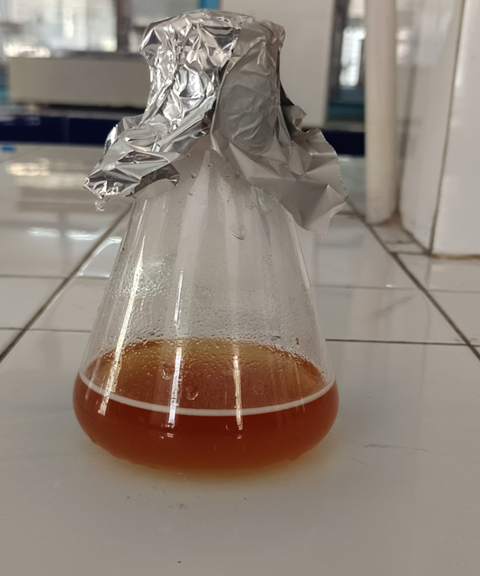
Extracted using ethanol, acetone, and chloroform
Mixture kept at room temperature for 5 days with occasional stirring
Filtered initially using muslin cloth
Residue was re-extracted for 24 hours to ensure maximum extraction
Final filtration done using Whatman filter paper
Extract collected and stored for further analysis
4. Phytochemical Evaluation
Extracts were screened for major phytochemicals
Includes alkaloids, flavonoids, saponins, and steroids
These compounds are associated with therapeutic and antimicrobial properties
The results suggest that ethanol is a more effective solvent for extracting bioactive constituents from dragon fruit peel
ANTIMICROBIAL EVALUATION:
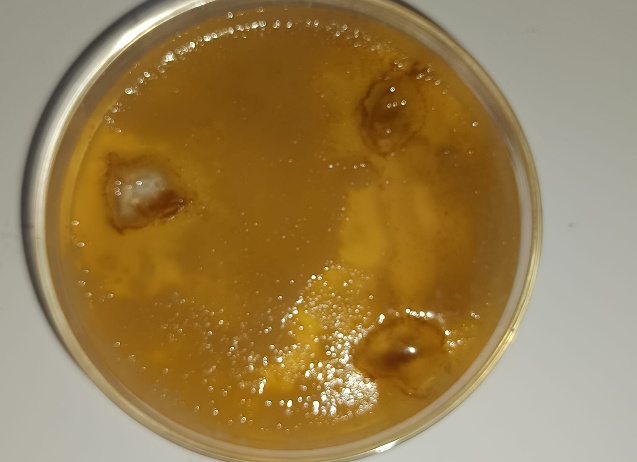
Antimicrobial activity was assessed using the agar well diffusion method
All extracts showed inhibitory effects against the tested microorganisms
Ethanolic extract exhibited the highest antimicrobial activity with larger zones of inhibition
Acetone and chloroform extracts showed comparatively lower activity
Activity was observed against both bacterial and fungal strains, indicating broad-spectrum potential
An increase in extract concentration resulted in larger zones of inhibition
The findings indicate a concentration-dependent antimicrobial effect of the peel extracts
DISCUSSION
The results of the present study demonstrate that dragon fruit peel is a rich source of bioactive compounds with notable antimicrobial properties. The presence of key phytoconstituents such as alkaloids, flavonoids, saponins, and steroids contributes to its biological activity. Among the different extracts, the ethanolic extract showed superior effectiveness, indicating its higher efficiency in extracting active compounds. The observed antimicrobial activity against both bacterial and fungal strains suggests that the peel extract possesses broad-spectrum potential. These findings support its possible application in the development of natural antimicrobial agents and wound-healing formulations. However, further investigations, including minimum inhibitory concentration (MIC) studies, toxicity evaluation, and in vivo analysis, are required to establish its safety and clinical effectiveness.
RESULT
The study confirms that dragon fruit peel obtained from Hylocereus polyrhizus contains significant phytochemical constituents and exhibits appreciable antimicrobial activity. The results highlight its potential as a natural source of therapeutic agents for pharmaceutical applications.
CONCLUSION
The present study demonstrates that dragon fruit peel contains important phytoconstituents such as alkaloids, flavonoids, saponins, and steroids, which are known for their significant biological and therapeutic properties. Extraction using organic solvents like ethanol, acetone, and chloroform effectively isolated these bioactive compounds, contributing to the observed antimicrobial activity. Phytochemical screening confirmed the presence of these secondary metabolites, which play a key role in inhibiting microbial growth.
The antimicrobial evaluation, carried out using the agar well diffusion method, showed clear zones of inhibition against selected bacterial and fungal strains, indicating effective activity. Among the solvents, ethanol and acetone extracts exhibited comparatively higher antimicrobial potential. Overall, the results suggest that dragon fruit peel, often considered an agricultural waste, can serve as a valuable natural source of antimicrobial agents and may have potential applications in the development of therapeutic formulations for managing microbial infections.
REFERENCES
Singh A, Ramteke V, Yamini, Sahu K. Revealing the health benefits: A comprehensive look at the nutritive and medicinal value of dragon fruit: A review. Plant Archives. 2024;24(1):897–902.
Liana, Rizal, Widowati W, Akbar FK, Fachrial E, Ehrich LIN. Antioxidant and anti-hyaluronidase activities of dragon fruit peel extract and kaempferol-3-O-rutinoside. Jurnal Kedokteran Brawijaya. 2019;30(4):247–252.
Chatterjee D, Mansuri S, Poonia N, Kesharwani P, Lather V, Pandita D. Therapeutic potential of various functional components present within dragon fruit: A review. Hybrid Advances. 2024;6:100185.
Lourith N, Kanlayavattanakul M. Antioxidant and stability of dragon fruit peel colour. Agro Food Industry Hi-Tech. 2013;24(3):56–58.
Luu TTH, Le TL, Huynh N, Quintela-Alonso P. Dragon fruit: A review of health benefits and nutrients and its sustainable development under climate changes in Vietnam. Czech Journal of Food Sciences. 2021;39(2):71–94.
Manihuruk FM, Suryani A, Hutapea R. Characterization of red dragon fruit (Hylocereus polyrhizus) peel as a source of natural colorant. IOP Conference Series: Materials Science and Engineering. 2017;206:012035.
Purilla S, Venkata Prasanna S, Naveen R, Ramya D, Haritha C. A review on plant profile and pharmacological activities of Hylocereus undatus fruit. International Journal of Research in Ayurveda and Pharmacy. 2021;12(3):103–105.
Phongtongpasuk S, Poadang S, Yongvanich N. Environmental-friendly method for synthesis of silver nanoparticles from dragon fruit peel extract and their antibacterial activities. Energy Procedia. 2016;89:239–247.
Sari NP, Nur S, Rehman A. Phytochemical screening, total phenolic and flavonoid contents, and antioxidant activity of red dragon fruit peel extract. Pharmacognosy Journal. 2021;13(5):1079–1085.
Suryaningsih S, Muslim B, Djali M. The antioxidant activity of roselle and dragon fruit peel functional drink in free radical inhibition. Journal of Physics: Conference Series. 2021;1836(1):012069.
Suparno, et al. Effect of various red dragon fruit (Hylocereus polyrhizus) and yellow pumpkin (Cucurbita moschata) combinations and carrageenan proportion on the quality of the jam. Nutr Clínica Dietética Hosp. 2022;42(4).
Ginting I, Andry M. Pemanfaatan ekstrak etanol kulit buah naga merah (Hylocereus polyrhizus) dalam sediaan krim lulur sebagai pelembab alami kulit. Journal of Pharmaceutical Sciences. 2023.
Winahyu DA, et al. Uji aktivitas antioksidan pada ekstrak kulit buah naga merah (Hylocereus polyrhizus) dengan metode DPPH. Journal Analisis Farmasi. 2019;4(2):117–121.
Anggraini S, Ginting M. Formulasi lipstik dari sari buah naga merah (Hylocereus polyrhizus) dan kunyit (Curcuma longa L.). Jurnal Dunia Farmasi. 2019;1:114–122.
Arribas-Lorenzo G, Morales FJ. Analysis, distribution, and dietary exposure of glyoxal and methylglyoxal in cookies. Journal of Agricultural and Food Chemistry. 2010;58:2966–2972.
Ning X, et al. Cookies fortified with purple passion fruit epicarp flour. Cereal Chemistry. 2021;98:328–336.
Rouf AUA, Wardhany D, Mukti RH, Sari AR. Article review: Commodity of dragon fruit (Hylocereus polyrhizus). In: Sumantyo J, et al., editors. ICOSIA 2022 Proceedings. Atlantis Press; 2023. p. 577–583.
Madane P, Das AK, Nanda PK, Bandyopadhyay S, Jagtap P, Shewalkar A, et al. Dragon fruit peel as antioxidant dietary fibre on quality and lipid oxidation of chicken nuggets. Journal of Food Science and Technology. 2020;57(4):1449–1461.
Maulida S, Harahap NR, Handayani LS. The effect of adding red dragon fruit peel extract in feed to increase color brightness in guppy fish. BIO Web of Conferences. 2025;156:03016.
Fatimi HA, Ramadhana IHA, Purnama MF. Dragon fruit peels waste as cosmetic: An overview. Jurnal Farmasimed. 2025;7(2):210–219.
Peedell C. Concise Clinical Oncology. Philadelphia: Elsevier Butterworth Heinemann; 2005. p. 3–5.
Utomo SB, Syukri Y, Redjeki T. Phytochemical screening and polyphenolic antioxidant activity of methanolic extract of white dragon fruit. Indonesian Journal of Pharmacy. 2012;23(1):60–64.
Padmavathy K, Sivakumari K, Karthika S, Rajesh S, Ashok K. Phytochemical profiling and anticancer activity of dragon fruit extracts against HepG-2 cells. International Journal of Pharmaceutical Sciences and Research. 2021;12(5):2770–2778.
Hendra R, Masdeatresa L, Almurdani M, Abdulah R, Haryani Y. Antifungal activity of red dragon peel (Hylocereus polyrhizus). IOP Conference Series: Materials Science and Engineering. 2020;833:012014.
Faridah A, Holinesti R, Azhar M, Cahyani N, Syukri D. Optimization of recipe on the production of natural jam from dragon fruit peel. Pakistan Journal of Nutrition. 2020;19(4):212–216.
Reference
Singh A, Ramteke V, Yamini, Sahu K. Revealing the health benefits: A comprehensive look at the nutritive and medicinal value of dragon fruit: A review. Plant Archives. 2024;24(1):897–902.
Liana, Rizal, Widowati W, Akbar FK, Fachrial E, Ehrich LIN. Antioxidant and anti-hyaluronidase activities of dragon fruit peel extract and kaempferol-3-O-rutinoside. Jurnal Kedokteran Brawijaya. 2019;30(4):247–252.
Chatterjee D, Mansuri S, Poonia N, Kesharwani P, Lather V, Pandita D. Therapeutic potential of various functional components present within dragon fruit: A review. Hybrid Advances. 2024;6:100185.
Lourith N, Kanlayavattanakul M. Antioxidant and stability of dragon fruit peel colour. Agro Food Industry Hi-Tech. 2013;24(3):56–58.
Luu TTH, Le TL, Huynh N, Quintela-Alonso P. Dragon fruit: A review of health benefits and nutrients and its sustainable development under climate changes in Vietnam. Czech Journal of Food Sciences. 2021;39(2):71–94.
Manihuruk FM, Suryani A, Hutapea R. Characterization of red dragon fruit (Hylocereus polyrhizus) peel as a source of natural colorant. IOP Conference Series: Materials Science and Engineering. 2017;206:012035.
Purilla S, Venkata Prasanna S, Naveen R, Ramya D, Haritha C. A review on plant profile and pharmacological activities of Hylocereus undatus fruit. International Journal of Research in Ayurveda and Pharmacy. 2021;12(3):103–105.
Phongtongpasuk S, Poadang S, Yongvanich N. Environmental-friendly method for synthesis of silver nanoparticles from dragon fruit peel extract and their antibacterial activities. Energy Procedia. 2016;89:239–247.
Sari NP, Nur S, Rehman A. Phytochemical screening, total phenolic and flavonoid contents, and antioxidant activity of red dragon fruit peel extract. Pharmacognosy Journal. 2021;13(5):1079–1085.
Suryaningsih S, Muslim B, Djali M. The antioxidant activity of roselle and dragon fruit peel functional drink in free radical inhibition. Journal of Physics: Conference Series. 2021;1836(1):012069.
Suparno, et al. Effect of various red dragon fruit (Hylocereus polyrhizus) and yellow pumpkin (Cucurbita moschata) combinations and carrageenan proportion on the quality of the jam. Nutr Clínica Dietética Hosp. 2022;42(4).
Ginting I, Andry M. Pemanfaatan ekstrak etanol kulit buah naga merah (Hylocereus polyrhizus) dalam sediaan krim lulur sebagai pelembab alami kulit. Journal of Pharmaceutical Sciences. 2023.
Winahyu DA, et al. Uji aktivitas antioksidan pada ekstrak kulit buah naga merah (Hylocereus polyrhizus) dengan metode DPPH. Journal Analisis Farmasi. 2019;4(2):117–121.
Anggraini S, Ginting M. Formulasi lipstik dari sari buah naga merah (Hylocereus polyrhizus) dan kunyit (Curcuma longa L.). Jurnal Dunia Farmasi. 2019;1:114–122.
Arribas-Lorenzo G, Morales FJ. Analysis, distribution, and dietary exposure of glyoxal and methylglyoxal in cookies. Journal of Agricultural and Food Chemistry. 2010;58:2966–2972.
Ning X, et al. Cookies fortified with purple passion fruit epicarp flour. Cereal Chemistry. 2021;98:328–336.
Rouf AUA, Wardhany D, Mukti RH, Sari AR. Article review: Commodity of dragon fruit (Hylocereus polyrhizus). In: Sumantyo J, et al., editors. ICOSIA 2022 Proceedings. Atlantis Press; 2023. p. 577–583.
Madane P, Das AK, Nanda PK, Bandyopadhyay S, Jagtap P, Shewalkar A, et al. Dragon fruit peel as antioxidant dietary fibre on quality and lipid oxidation of chicken nuggets. Journal of Food Science and Technology. 2020;57(4):1449–1461.
Maulida S, Harahap NR, Handayani LS. The effect of adding red dragon fruit peel extract in feed to increase color brightness in guppy fish. BIO Web of Conferences. 2025;156:03016.
Fatimi HA, Ramadhana IHA, Purnama MF. Dragon fruit peels waste as cosmetic: An overview. Jurnal Farmasimed. 2025;7(2):210–219.
Peedell C. Concise Clinical Oncology. Philadelphia: Elsevier Butterworth Heinemann; 2005. p. 3–5.
Utomo SB, Syukri Y, Redjeki T. Phytochemical screening and polyphenolic antioxidant activity of methanolic extract of white dragon fruit. Indonesian Journal of Pharmacy. 2012;23(1):60–64.
Padmavathy K, Sivakumari K, Karthika S, Rajesh S, Ashok K. Phytochemical profiling and anticancer activity of dragon fruit extracts against HepG-2 cells. International Journal of Pharmaceutical Sciences and Research. 2021;12(5):2770–2778.
Hendra R, Masdeatresa L, Almurdani M, Abdulah R, Haryani Y. Antifungal activity of red dragon peel (Hylocereus polyrhizus). IOP Conference Series: Materials Science and Engineering. 2020;833:012014.
Faridah A, Holinesti R, Azhar M, Cahyani N, Syukri D. Optimization of recipe on the production of natural jam from dragon fruit peel. Pakistan Journal of Nutrition. 2020;19(4):212–216.
T. Madhavi Latha
Corresponding author
Assistant Professor (M. Pharm) Department of Pharmaceutical Analysis in Sri Venkateswara College of Pharmacy (Autonomous), RVS Nagar, Chittoor 517127, Andhra Pradesh, India.
Bachelor of Pharmacy in Sri Venkateswara College of Pharmacy (Autonomous), RVS Nagar, Chittoor 517127, Andhra Pradesh, India.
Sai Bindu Priya
Co-author
Bachelor of Pharmacy in Sri Venkateswara College of Pharmacy (Autonomous), RVS Nagar, Chittoor 517127, Andhra Pradesh, India.
R. Chahnitha
Co-author
Bachelor of pharmacy in Sri Venkateswara College of Pharmacy (Autonomous), RVS Nagar, Chittoor 517127, Andhra Pradesh, India.
MD Mosahid Raja
Co-author
Bachelor of pharmacy in Sri Venkateswara College of Pharmacy (Autonomous), RVS Nagar, Chittoor 517127, Andhra Pradesh, India.
Ritesh Kumar
Co-author
Bachelor of pharmacy in Sri Venkateswara College of Pharmacy (Autonomous), RVS Nagar, Chittoor 517127, Andhra Pradesh, India.
S. Naveena, Sai Bindhu Priya, R. Chahnitha, MD Mosahid Raja, Ritesh Kumar, T. Madhavi Latha, Anti-Microbial Activity of Dragon Fruit Peel Using Different Solvents., Int. J. of Pharm. Sci., 2026, Vol 4, Issue 3, 4123-4129, https://doi.org/10.5281/zenodo.19356391


 10.5281/zenodo.19356391
