View Article

  • Antifungal Properties of Argemone Mexicana Leaves; A Scientific Review

  • Department Of Pharmacy, Institute of Technology & Management, GIDA, Gorakhpur, (273209) Uttar Pradesh

Abstract

As a traditional medicine, Argemone Mexicana has been extensively used in Ayurveda, Siddha, Unani, and Homeopathic treatments for many diseases. It is also reported to have antimicrobial properties, wound healing property, larvicidal and chemo sterilant activity, nematocidal and allelopathic potential, antimalarial, antibacterial and antifungal, molluscicide, anticancer, hepatoprotective, anti-HIV and neuropharmacological activity. Poppy plants belong to the Papaveraceous family, which contains 42 genera and approximately 730 species of flowering plants, all of which have significant ethnopharmacological uses. The species is renowned for producing a wide range of chemical compounds, including long-chain aliphatic alcohols, terpenoids, steroids, polysaccharides, carboxylic acids, flavonoids, and other phenolic compounds

Keywords

Mexicana, Skin disease, Jaundice, Antifungal, Biological activity, Toxicity, Safety

Introduction

Antifungal refers to any substance, drug, or compound that kills or inhibits the growth of fungi. These agents are used to treat fungal infections (mycoses) that affect humans, animals, or plants. Fungi are eukaryotic organisms found in nearly every environment, with only a limited subset contributing to human disease. These pathogenic fungi can cause infections ranging from mild cutaneous conditions to invasive, life-threatening diseases such as cryptococcal meningitis. Antifungal agents serve as a critical therapeutic class for managing these infections. Understanding the pharmacologic characteristics of antifungal medications including spectrum of activity, mechanism of action, and pharmacokinetics is essential for effective treatment selection. By protecting the body from external agents, preventing sunburn, and controlling body temperature, skin serves as a barrier for internal organs. Nevertheless, microorganisms can occasionally infiltrate the body and disrupt the skin's protective qualities, resulting in skin infections or illnesses [1]. Skin disorders can be caused by bacteria, viruses, parasites, and fungi; fungal infections are more serious because they affect the skin's third layer [2], and fungi affect keratin tissue, which includes skin, nails, and hair [3]. Fungi cause subcutaneous infections in the skin, and in recent years, fungal skin infections have become more common, particularly in people with weakened immune systems [4]. A number of well-known serious skin illnesses (Table 1). Trichophyton species are the primary cause of tinea pedis, tinea facies, tinea magnum, tinea cruris (Jock-itch), and tinea barbae [5,6].

Table 1: The occurrence of Tinea infection in various body parts [7-12].

Tinea Infection

Affected Locations


Tinea pedis

Feet

Tinea facies

Face

Tinea magnum

Hands

Tinea corporis

Trunk

Tinea capitis

Scalp

PLANT PROFILE: A. MEXICANA

There are countless plants on this verdant planet that are regarded as wild or undesirable because they have no economic worth. Even so, these plants have adapted effectively to hostile environments without any extra care. However, every living thing that nature made has value; nothing is worthless. Therefore, the Argemone Mexicana has something valuable in its genetic makeup as well. However, to continuously detect scientifically, we need to have keen eyes and a strong desire. Manifold of the plants that were once thought to be worthless or undesirable also contain a number of crucial components [13]. Medicinal herbs are commonly employed to treat several infectious diseases, metabolic problems, and cancer. Mexicana Argemone L. frequently found in Maharashtra, India, and many other nations and places. In India, it grows in the temperate region as a weed in waste lands, cultivating fields and road sides [14]. The Indian medical system known as Ayurveda has been in use for over 2000 years. Certain drugs have a relatively poor response to certain illnesses, such as HIV and tuberculosis. Therefore, Ayurvedic formulations are typically prepared to alleviate these conditions. Roots, stems, leaves, blossoms, and fruits are used to prepare the formulation. We can treat a variety of infections brought on by bacteria, fungi, viruses, parasites, etc. by employing these Ayurvedic formulations [15]. Argemone Mexicana is an annual herb, growing up to 120 to 150cm with a slightly branched and extremely spiny. It releases a yellow juice when cut. It has yellow flowers, fruit is numerous, nearly spherical about 1mm in diameter [16].
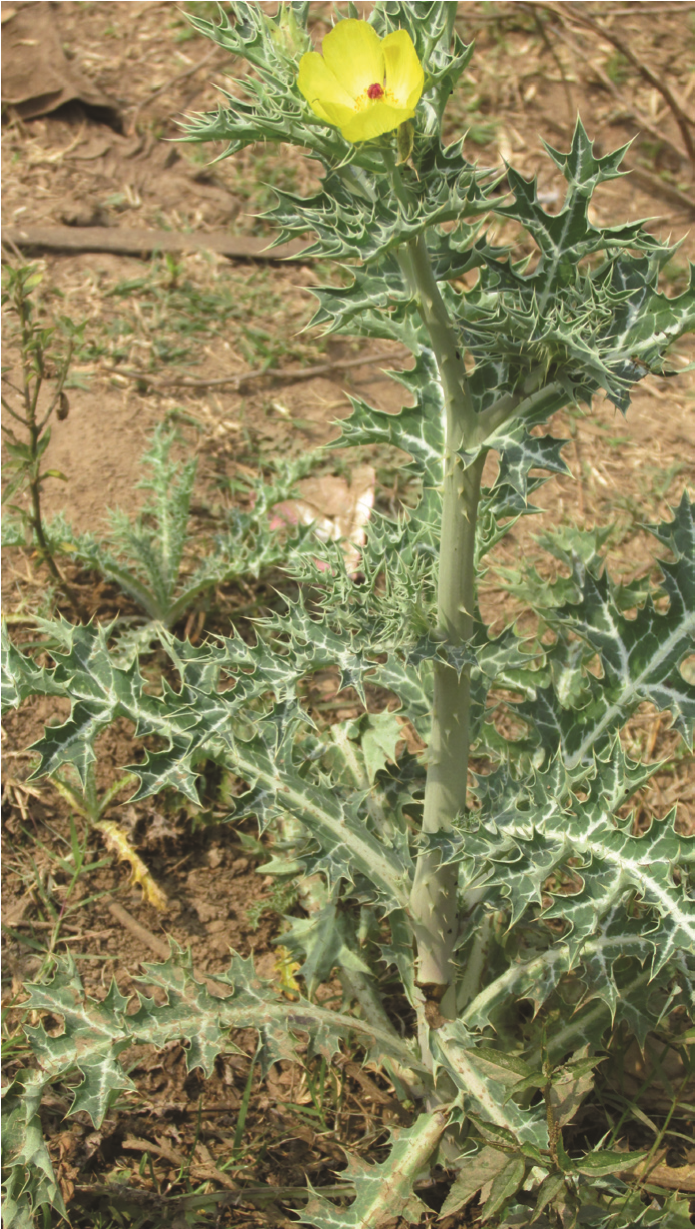


(Fig. no.1: A. Mexicana)

Argemone Mexicana is considered an important medicinal plant in India. Different part of this plant is use in chronic skin disease and also use as expectorant, demulcent and diuretic, the seeds and Asthma, ulcers, diarrhoea, and other intestinal disorders are treated with seed oil. Additionally, the human body uses leaves and seeds to maintain appropriate blood circulation and cholesterol levels. These plant parts have antivenom properties. These plants' flowers have expectorant properties and are used to treat coughs; their seeds are used as laxatives and purgatives; and their latex has antibacterial properties and is used to treat conjunctivitis [17].

  1. Scientific Classification

Rank

Description

Kingdom

Plantae

Division

Magnoliophyte

Class

Magnoliopsida

Order

Papaver ales

Family

Papaveraceae

Genus

Argemone

Species

  1. mexicana Linn
  1. Common Names

Language/Region

Name

English

Mexican poppy, Prickly poppy

Hindi

?????????, ???? ?? ???????(Satya nashi, Katai, Bhadbhanda)

Sanskrit

Svarnalata

Tamil

Kodiyattu

Bengali

Shivakanta

Marathi

Pival Dhatri

3.Botanical Description:

  • Type: Annual herb
  • Height: Up to 1.5 meters
  • Stem: Erect, branched, and covered with sharp prickles
  • Leaves: Sessile, lobed, bluish-green with white veins and prickly margins
  • Flowers: Bright yellow, solitary, and large (3–5 cm in diameter)
  • Fruits: Capsule, oblong, prickly, containing numerous small black seeds
  • Seeds: Resemble mustard seeds but are toxic

4. Habitat and Distribution:

  • Native: Mexico and West Indies
  • Naturalized in: India, Africa, and tropical America
  • Habitat: Grows wild on wastelands, roadsides, and dry regions
  • Climate: Thrives in warm and arid climates [18].

5. Biological source:

It consists of dried whole plant of Argemone Mexicana.

Uses: Argemone Mexicana has Antimicrobial, Antifungal action against the bacterial and   fungi strain i.e. Staphylococcus aureus and Candida albicans.

HISTORICAL BACKGROUND:

Inadvertently, Argemone Mexicana has being marketed as a spectacular plant through seeds. Aside from this, a portion of gens or tribes used to cultivate this plant which is essentially for cultural purpose. The plant is still very uncommon, and it is anticipated that it will eventually pose a significant threat to arable or cultivable land. The occurrence of special is extremely successive at the locales of development and it is also favoured for any new landscape's landscaping. The plant's seeds are dispersed efficiently through specific soil, yield, and product pace [19].

MORPHOLOGY: A. MEXICANA

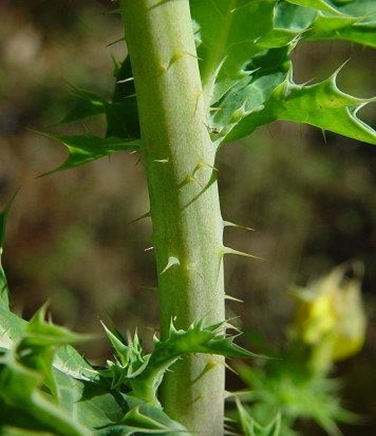
Stem: Argemone Mexican stems are cylindrical, straight, herbaceous (not woody), and branching.[20] There are a few long yellowish spines and very short hairs all around the pale greenish stem [21]. 
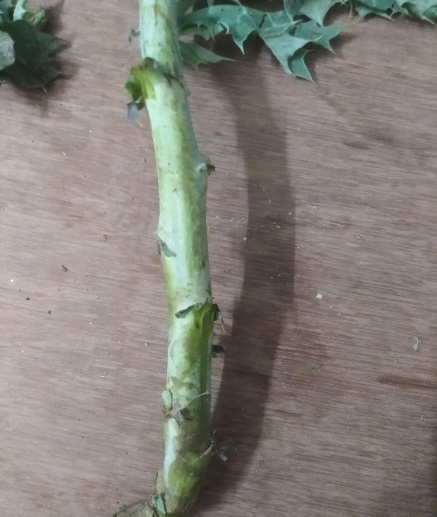


(Fig. no.2: A. Mexicana’s stem)26


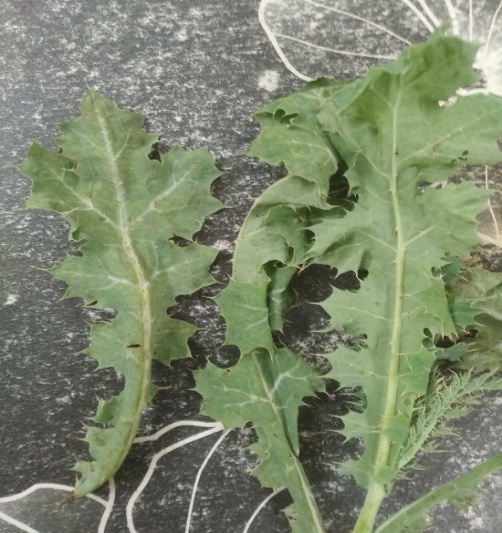
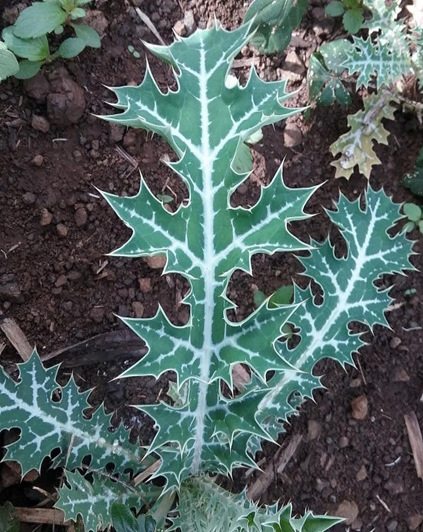
Leaves: The leaves are thick, tough, blue-green, alternating, and stocklist, leaf base measures 3 to 8 cm in width and 6 to 20 cm in length [22]. It has also been stated that leaves and seeds can help the human body maintain regular blood circulation and cholesterol levels [23]. Cough, wounds, ulcers, warts, cold sores, cutaneous disorders, skin conditions, itches, etc. can all benefit from the leaves [24]. The leaf has a smooth upper surface with a midrib and a few spines on the underside. Many spines are present on the leaf's margins [25]. Terpenoids and Flavonoids chemical constituent are present in leaves.

   + 
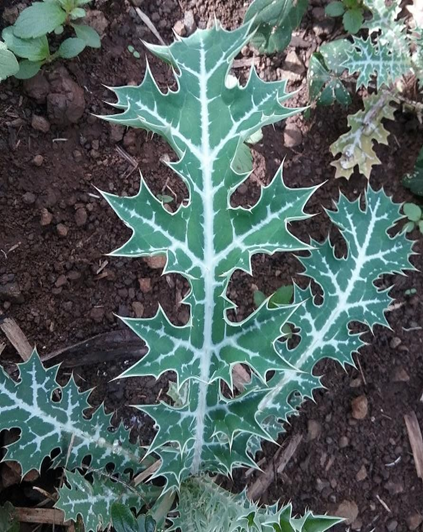


(Fig. no. 3: A. Mexicana’s Leaves)27


Flowers: The flowers are enormous, measuring 4–7 cm in diameter. Five to six spherical, bright yellow petals are present [28]. Chemical Constituents are present in A. Mexicana’s Flower (Terpenoids, Amino acid, Flavonoids present in Flowers).
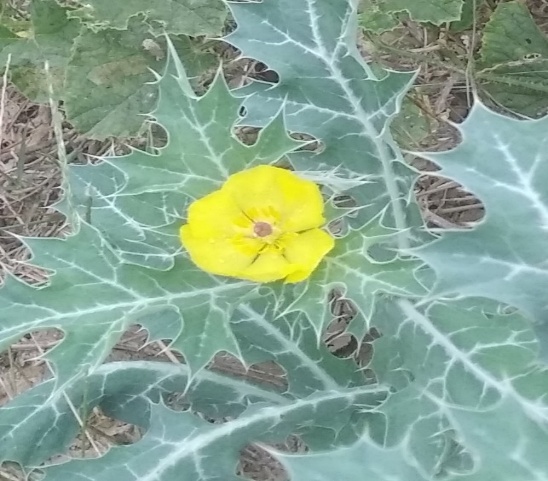


(Fig. no. 4: A. Mexicana’s Flower)

Fruits: Fruits are oval-shaped capsules that measure 5 centimetres in length and 2 cm in diameter. Rough, golden spines cover it. These fruits open from their apex when they are mature. It has several seeds and is divided into five compartments [29]. Alkaloids are present in A. Mexicana’s Fruits
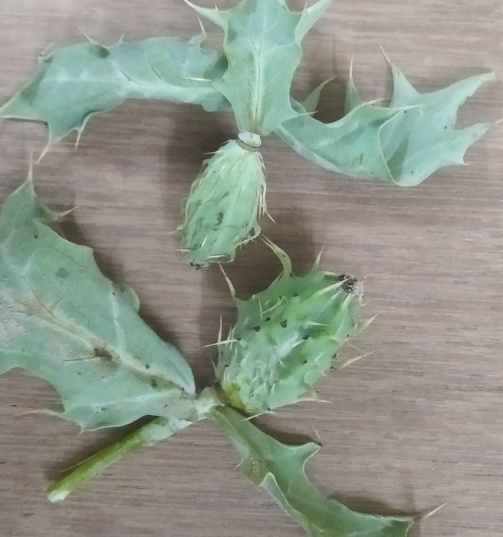
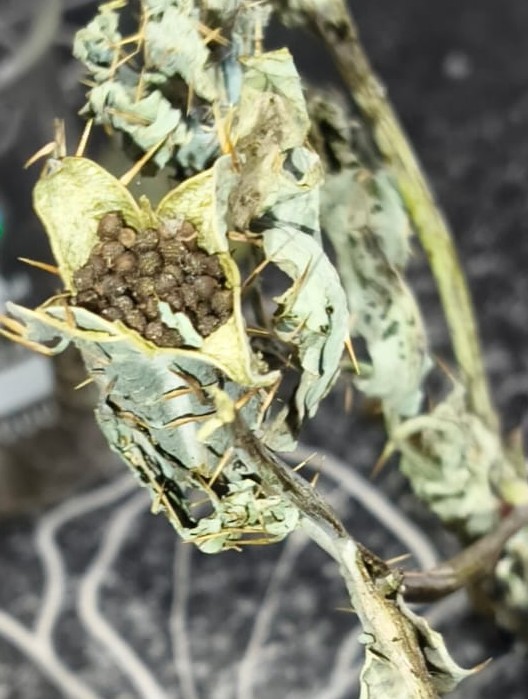


(Fig.no. 5: A. Mexicana’s Fruits)


Seeds: Spinney shells that are about 1.5 inches long are where the seeds are grown. The capsule have about three to five holes that let the seeds spread but a lot of seeds can stay inside the capsule for weeks until the plant is disturbed by wind or an animal [30]. Alkaloids, Long chain Alcohols, Flavonoids, Phenolic and Aromatic acid, Miscellaneous C. constituent present in seeds.
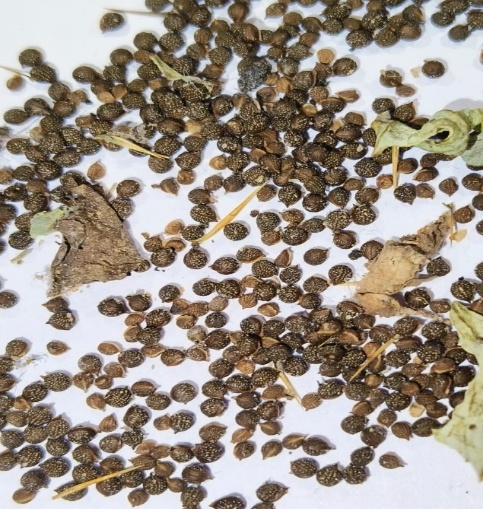


(Fig. no. 6: A. Mexicana’s Seeds)31


Whole plant contain:

 Berberine, Protopine, Pancorin, Argentine, Allocryptopine, Coptisine, Oxyberberin, Protionamide [32]. Alkaloids and flavonoids also present in whole plant.

Phytochemical Constituents:


Phytoconstituent

Phytochemical

Alkaloids

Sanguinarine

Berberine

Protopine

Dihydrosanguinarine Allocryptopine

Flavonoids

Quercetin

Kaempferol


Sterols

β-Sitosterol

Fatty acids

Palmitic,

Oleic,

Linoleic acids (in seed oil)

Others

Tannins,

Phenols,

Glycosides


PHARMACOLOGICAL ACTIVITIES:

Antibacterial activity:

Researchers have discovered that plants possess antimicrobial properties. In the study of pharmacology, research on plants as sources of antibiotics has opened a new era [33]. An evaluation of the antibiotic properties of Argemone Mexicana L. and its effectiveness against pathogenic bacteria (e. coli) and fungi (C. albicans) was conducted in this study. Flowers, berries, and leaves were extracted using three solvents: methanol, ethanol, and chloroform. Antibacterial and antifungal experiments were then performed using agar disc diffusion and tube dilution [34].

Antifungal activity:

A fungal infection (mycosis) is a disease caused by a pathogenic organism called fungi. Fungi are eukaryotic organisms that live in nearly every environment. The skin's protective qualities can sometimes be compromised by microorganisms, resulting in skin infections and illnesses.[35] Bacteria, viruses, parasites, and fungi can cause skin disorders; fungal infections are more serious since they affect the third layer of the skin.[36] In A. Mexicana’s leaves present Antifungal activity and fungi affect keratin tissue, which includes skin, nails, and hair.[37] Trichophyton species are the primary cause of tinea pedis, tinea facies, tinea magnum, tinea cruris (Jock-itch), and tinea barbae [38- 39].

Anticancer activity:

This plants and their separated components have been found to possess significant anticancer properties. Alkaloids are the most common chemical constituents in plants. Alkaloids from Argemone Mexicana have been widely researched for their cytotoxic activities in HONE-1, NUGC, A-549, HT-29, and HL-60 cancer cell lines. The six alkaloids found in A. mexicana inhibit the proliferation of tumour cells, including 13-oxoprotopin, 8-ethyl dihydro sanguinarine, dehydrocorybulbine, jatrorrhizine, and 8-berberine, were obtained from the aerial part of A. mexicana in one study, and their cytotoxicity was tested on a cell line that is derived from a human colon cancer patient. The stem and leaves of Argemone Mexicana (Satya nashi) can be used to treat cancer, as they have anticancer properties [40-41].

Anti-inflammatory activity:

These days, it is known that a lot of long-term illnesses are caused by inflammation that doesn't go away. The anti-inflammatory properties of many medicinal plants make them a good alternative for fighting pain and inflammation [42]. It has also been said that A. mexicana leaf powder can significantly reduce inflammation in rats. This effect may be caused by chemical components of the leaf extract, including isorhamnetin-3-O-glucopyranoside, -amyrin, cysteine, and phenylalanine [43].

Anti-ulcer activity:

The plant A. mexicana has been employed in traditional medicine to treat ulcers and related conditions. In everyday life, millions of people suffer from peptic ulcer disease due to its widespread prevalence. Gastric ulcers are those that develop in the stomach, whereas duodenal ulcers are those that develop in the duodenum. The methanolic and aqueous extracts of A. mexicana were administered orally to rats for the prevention of duodenal ulcers caused by cysteamine hydrochloride. There is evidence that ethanol leaf extracts of A. Mexicana can reduce the gastric pH, volume, and acidity of the stomach. Helicobacter pylori infection, excessive use of nonsteroidal anti-inflammatory medications, smoking, dietary habits, alcohol consumption, and both mental and physical stress play a role [44-45-46].

Antiasthma activity:

The word "asthma" comes from a Greek word that means "breathless." Asthma is a chronic inflammatory condition of the respiratory system caused by excessive airway narrowing in response to viruses, allergens, and physical activity. A common symptom is chest tightness, wheezing, coughing, and/or dyspnoea, which can last for a short period of time or persist for years at a time. The presence of incendiary cells in the aircraft route, including as eosinophils, macrophages, pole cells, epithelial cells, and activated lymphocytes, is a characteristic of asthma. Numerous cytokines, adhesion molecules, and other mediators are produced by these cells. It has been generally observed that the ethanol extricate from the stem of Argemone Mexicana is effective against asthma [47-48].

Antimicrobial activity:

The aerial and root components of Argemone mexicana were collected, cleaned with clean water, and dried in the air. Argemone Mexicana’s antibacterial activity was examined at different doses using agar well diffusion. The study involved seven microorganisms, including four bacteria and three fungi. Ampicillin and ketoconazole, two common antibiotics, served as positive controls, while 75% methanol served as a negative control [49].

Medicinal uses/important of A. Mexicana:

Leaves:

Black pepper and leaves are combined to treat diabetes. A leaf decoction is used to treat fungal infections, ulcers, and malarial fever.[50] It has also been suggested that leaves and seeds may help maintain normal blood circulation and cholesterol levels in humans, these plant components have anti-venom characteristics as well. The leaves' aqueous extract has been noted for its anti-inflammatory effects. Itching, warts, cold sores, warty skin, coughs, wounds, and other skin conditions can be treated with the leaves. [51-52-53-54]

Roots:

This root is used to treat skin diseases, leprosy, inflammations, and chronic skin conditions. It is also used as an anthelmintic.[55] It is used as antibacterial, cytotoxicity; wound healing, inflammation, leprosy, antioxidant and antifungal agent. It can be used to treat vesicular calculus, purities and menorrhagia, all forms of poisoning, constipation, flatulence, and colic. A maceration of the roots can also be used to treat hepatobiliary problems and vaginal discharge. [56-57-58-59-60-61-62]

Seeds:

Seed oil is purgative and used to treat skin problems. In Mexico, the seeds have been used to treat snake poisoning.[63] Dysentery, ulcers, asthma, and other intestinal afflictions are treated with the seeds and seed oil. In India, the smoke of the seeds is used to relieve toothache. The fresh yellow, milky seed extract includes protein-dissolving chemicals beneficial in the treatment of diuretics, anti-inflammatory, malarial fever, leprosy, scorpion bite, warts, cold sores, wound healing, skin illnesses, itching, jaundice, and an antidote to many poisons. [64-65-66] There are three main properties of the seeds: demulcent, emetic expectorant, and laxative. While its latex is used to treat conjunctivitis. These seeds contain the alkaloids Berberine, Protopine, Protopine hydrochloride, Sanguinarine, and Dihydrosanguinarine, which are capable of improving circulation while simultaneously having psychedelic effects. Its infusion can be used as a sedative for children, but it should be taken with caution as its oil is strong purgative. Snake poison can also be treated with the seed in small amounts. Seeds and seed oil are used to treat dysentery, ulcers, asthma, and other intestinal affections. Latex is used to treat conjunctivitis, and seeds are purgatives and laxatives. [67-68-69-70] The pharmacological effects of Berberine on circulation can be improved in small doses, and it is also hallucinogenic. Other properties of Berberine include spasmolytic, antibacterial, and to some extent antifungal and antiprotozoal effects.[71]

Juice/Latex:

The latex of A. mexicana is applied topically to the area of the boil to treat it. Plant juice is applied to a scorpion sting. The plant's juice is used as a treatment for scorpion bite.[72] Dropsy, jaundice, skin conditions, leprosy, blisters, indolent ulcers, conjunctivitis, inflammations, burning sensations, and malarial fever can all benefit from the latex.[73] Rheumatic pain is relieved by massaging latex over the body, while eye infections are treated with a thin liquid.[74]

Flowers:

Flowers are found to be expectorant and used to treatment in a cough. [75] A.  mexicana was tested for antioxidant potential using 1, 1-diphenyl-2-picrylhydrazyl radical (DPPH) free radical scavenging assay and showed good correlation with the total phenolic (23.5mg GAE/gdw) and the number of flavonoids (34.5 mg QE/gdw). A. mexicana flowers showed the most radical scavenging effect (IC50=23.75μg/ml). As a result of these results, A. Mexicana has the potential to be used as a medicine to treat free radical-induced diseases.[76]

Whole plant:

A. Mexicana’s whole plant is effective against guinea-worm infestations, a purgative, and a diuretic. It is widely used to treat venereal sores, photophobia, scorpion bites, and leucorrhoea. The whole plant is also used to treat dental problems.[77] Leprosy, malaria, jaundice, rheumatism, pain, inflammation, skin diseases, fever, piles, warts, dysentery, tumours, and worm infestations can all be treated with the whole plant, roots, leaves, stem, and flowers and also useful for wound healing. It is also used in treating skin diseases and leukoderma.[78] The plant showed significant effects on the healing of duodenal ulcers caused by cysteamine hydrochloride.[79]

Plant’s oil:

The oil is useful in indolent ulcers, wounds, leprosy, skin diseases, constipation, flatulence, colic and rheumatology.[80] The economic useful of A. Mexicana acc. To the medical system (Unani, Ayurveda, Ethnobotany (Folk and Traditional), Western, Homeopathy, and Chinese).

Toxicity and safety evaluation:

In recent years, clinical pharmacologists have become increasingly concerned about the safety and efficacy of herbal therapies used for self-medication. Healthcare professionals, including physicians, nurses, chemists, and social workers frequently have a poor awareness of the toxicology and pharmacology related with the most widely prescribed herbal remedies for their patients. Different portions of plants are preferred for treating specific ailments, and traditional Mexican medicine recognises a wide range of healing procedures.[81] Toxicity, the alkaloid Sanguinarine isolated from seeds of A. mexicana was examined for its hepatotoxic potential in rats. Argemone Mexicana can target the liver, lungs, kidney and heart. Safety, A phytotherapy derived from Argemone Mexicana has been determined to be safe and well-tolerated in humans. The leaves of Argemone Mexicana were shown to be non-toxic in rat studies. Argemone Mexicana is importance of various traditional medicinal system, including Ayurveda, Siddha, Unani, and Homeopathy.

CONCLUSION

The therapeutic properties of Argemone Mexicana are widely recognized in traditional medicine, making it an important medicinal herb. Furthermore, scientific research has demonstrated its pharmacological efficacy. This plant holds potential for the creation of new medications that do not produce adverse effects. Argemone Mexicana plants must also be conserved and used appropriately. Numerous studies have been conducted on different parts of A. mexicana and proved that the plant can be exploited for the development of new drugs.

REFERENCES

  1. Imtiaz N., Niazi M.B., Fasim F., Khan B.A., Bano S.A., Shah G., Badshah M., Menaa F., Uzair B. Fabrication of an Original Transparent PVA/Gelatine Hydrogel: In Vitro Antimicrobial Activity against Skin Pathogens. Int. J. Plym. Sci. 2019; 2019:1–11. Doi: 10.1155/2019/7651810. [DOI] [Google Scholar]
  2. Shields B.E., Rosenbach M., Brown-Joel Z., Berger A.P., Ford B.A., Wanat K.A.  Angioinvasive fungal infections impacting the skin: Background, epidemiology, and clinical presentation. JAAD. 2019; 80:869–880. Doi: 10.1016/j.jaad.2018.04.059. [DOI] [PubMed] [Google Scholar
  3. Rai M., Ingle A.P., Pandit R., Paral Ikar P., Gupta I., Ana sane N., Dolenc-Volcy M. In: Nanotechnology for the Treatment of Fungal Infections on Human Skin. Clinical Microbiology Diagnosis, Treatment and prophylaxis of Infections the Microbiology of Skin, Soft Tissue, Bone and Joint Infections. Kon K., Rai M., editors. Volume 2. Elsevier; Amsterdam, The Netherlands: 2017. pp. 169–184. [Google Scholar]
  4. Bengamin F., Gago S., Oladele R.O., Denning D.W. Global and multi-national prevalence of fungal diseases—Estimate precision. J. Fungi. 2017; 3:57. Doi: 10.3390/jof3040057. [DOI] [PMC free article] [PubMed] [Google Scholar]
  5. Wijesuriya N., Yu Z., Tang H., Zhang P. Antifungal photodynamic inactivation against dermatophyte Trichophyton rubrum us-ing nanoparticle-based hybrid photosensitizers. Photo diagnosis Photo Dyn. Ther. 2018; 23:202–208. Doi: 10.1016/j.pdpdt.2018.06.019. [DOI] [PubMed] [Google Scholar]
  6. Gulyas U., Okay O. Self-healing poly (acrylic acid) hydrogels with shape memory behaviour of high mechanical strength. Macromolecules. 2014; 47:6889–6899. Doi: 10.1021/ma5015116. [DOI] [Google Scholar]
  7. Glynn M., Jo W., Minowa K., Sanada H., Neji Shima H., Matsuki H., Okamura H., Pillai R., Mutter L. Efinaconazole: Developmental and reproductive toxicity potential of a novel antifungal azole. Repro’d. Toxically. 2015; 52:18–25. Doi: 10.1016/j.reprotox.2014.12.007. [DOI] [PubMed] [Google Scholar]
  8. Lakshmi C.V., Bangoura G.M., Kumar V.S. Clinical efficacy of topical terbinafine versus topical luliconazole in treatment of tinea corporis/tinea cruris patients. J. Pharm. Res. Int. 2013;24:1001–1014. Doi: 10.9734/BJPR/2013/4348. [DOI] [Google Scholar]
  9. Elissa A., Roués Z., Salem N.A., Mabrouk S., Ben Salem Y., Salah K.B., Aouni M., Farhat F., Chemi R., Harzallah-Skhiri F., et al. Chemical composition of 8 eucalyptus species’ essential oils and the evaluation of their antibacterial, antifungal and antiviral activities. BMC Complement. Altern Med. 2012;12:1–5. Doi: 10.1186/1472-6882-12-81. [DOI] [PMC free article] [PubMed] [Google Scholar]
  10. Gupta A.K., Foley K.A., Versteeg S.G. New antifungal agents and new formulations against dermatophytes. Micropathological. 2017;182:127–141. Doi: 10.1007/s11046-016-0045-0. [DOI] [PubMed] [Google Scholar]
  11. Baptista E.B., Zimmermann-Franco D.C., Lata liza A.A., Raposo N.R. Chemical composition and antifungal activity of essential oil from Eucalyptus smithii against dermatophytes. Rev. Soc. Bras. Med. Trop. 2015; 48:746–752. Doi: 10.1590/0037-8682-0188-2015. [DOI] [PubMed] [Google Scholar]
  12. Black A.T. Dermatological Drugs, Topical Agents, and Cosmetics. Side Eff. Drugs Annu. 2015; 37:175–184. [Google Scholar]
  13. Afroz Alam and Adnan A. Khan*, Argemone Mexicana L. Weed with a variety of pharmacological and therapeutic uses, Annals of phytomedicine: An international journal, 9(1): 218233, 2020.
  14. Siddiqui IA, Shaukat SS, Khan GH, Zaki MJ. Evaluation of Argemone mexicana for control of root-infecting fungi in potato. J Phytopathology 2002; 150:321-9.
  15. Nilesh v. more1,2 and Arun S. Kharat, Antifungal and Anticancer potential of Argemone      Mexicana L. 2016 Dec 3(4):28.
  16. ArgemoneMexicana.GeneralDescription. https://www.vetmeduni.ac.at/fileadmin/v/antimalarial-plantsbf/Monograph_Argemone_mexicana.pdf
  17. Goutam Brahmachari*, Dilip Guaira, Rajiv Roy, Argemone Mexicana: chemical and pharmacological aspects#, Brazilian Journal of pharmacognosy 23(3):559-575
  18. Goutam Brahmachari et al., “Argemone Mexicana: Chemical and Pharmacological Aspects,” Brazilian Journal of Pharmacognosy, 23(3):559–575 (2013).
  19. Afroz Alam and Adnan A. Khan*, Argemone Mexicana L. Weed with versatile medicinal and pharmacological application, Annals of phytomedicine: An international journal: 9(1): 218233,2020
  20. Mexican Prickly Poppy: Biology And Control.https://edis.ifas.ufl.edu/publication/AG311
  21. Plantinvasivekruger Papaveraceae Argemone Mexicana L.

http://publish.plantnet-project.org/project/plantinvasivekruger/collection/collection/synthese/details/ARGME

  1. Plantinvasivekruger Papaveraceae Argemone Mexicana L. http://publish.plantnet-project.org/project/plantinvasivekruger/collection/collection/synthese/details/ARGME
  2. Albuquerque UP, Monteiro JM, Ramose MA, Amorim ELC. Medicinal and magic plants from a public market in north eastern Brazil. J Ethnopharmacology 2007; 110:76-91.
  3. Annamalai A, Sardar Sathy Ajith Singh R, Guruvayurappan C and Berlin Grace VM. Analysis of phytochemical constituents and antimicrobial activity of some medicinal plants in Tamil Nadu, India. Global J Biotechnology Biochem  2010;5(2):120-8
  4. Mexican Prickly Poppy; Biology And Control. https://edis.ifas.ufl.edu/publication/AG311
  5. Argemone Mexicana  http://www.missouriplants.com/Argemone_mexicana_page.html
  6. Argemone Mexicana L. Species. https://portal.wiktrop.org/species/show/29
  7. Plantinvasivekruger Papaveraceae Argemone Mexicana L. http://publish.plantnet-project.org/project/plantinvasivekruger/collection/synthesis/detailed/ARGME
  8. Plantinvasivekruger Papaveraceae Argemone Mexicana L. http://publish.plantnet-project.org /project/plantinvasivekruger/collection/collection/synthesis/detailed/ARGME
  9. Mexican Prickly Poppy: Control and Biology.
    https://edis.ifas.ufl.edu/publication/AG311
  10. https://portal.wiktrop.org/files-api/api/get/raw/img//Argemone%20mexicana/83.JPG
  11. ArgemoneMexicanaGeneralDescription. https://www.vetmeduni.ac.at/fileadmin/v/antimalarial-plantsbf/Monograph_Argemone_mexicana.pdf
  12. Charles Lekhya Priya and Kokati Venkata Bhaskara Rao, ETHANOBOTANICAL AND CURRENT ETHANOPHARMACOLOGICAL ASPECTS OF ARGEMONE MEXICANA LINN: AN OVERVIEW. IJPSR (2012), Vol. 3, Issue 07.
  13. Orozco-Nunnelly DA, Pruet J, Rios-Ibarra CP, Boc angel Gamarra EL, Lefeber T, et al. (2023) Correction: Characterizing the cytotoxic effects and several antimicrobial phytocompounds of Argemone mexicana. PLOS ONE 18(6): e0287803. https://doi.org/10.1371/journal.pone.028780
  14. Imtiaz N., Niazi M.B., Fasim F., Khan B.A., Bano S.A., Shah G., Badshah M., Menaa F., Uzair B. Fabrication of an Original Transparent PVA/Gelatine Hydrogel: In Vitro Antimicrobial Activity against Skin Pathogens. Int. J. Plym. Sci. 2019; 2019:1–11. Doi: 10.1155/2019/7651810. [DOI] [Google Scholar]
  15. Shields B.E., Rosenbach M., Brown-Joel Z., Berger A.P., Ford B.A., Wanat K.A.  Angioinvasive fungal infections impacting the skin: Background, epidemiology, and clinical presentation. JAAD. 2019; 80:869–880. doi: 10.1016/j.jaad.2018.04.059. [DOI] [PubMed] [Google Scholar
  16. Rai M., Ingle A.P., Pandit R., Paral Ikar P., Gupta I., Ana sane N., Dolenc-Volcy M. In: Nanotechnology for the Treatment of Fungal Infections on Human Skin. Clinical Microbiology Diagnosis, Treatment and prophylaxis of Infections the Microbiology of Skin, Soft Tissue, Bone and Joint Infections. Kon K., Rai M., editors. Volume 2. Elsevier; Amsterdam, The Netherlands: 2017. pp. 169–184. [Google Scholar]
  17. Wijesuriya N., Yu Z., Tang H., Zhang P. Antifungal photodynamic inactivation against dermatophyte Trichophyton rubrum us-ing nanoparticle-based hybrid photosensitizers. Photo diagnosis Photo Dyn. Ther. 2018;23:202–208. Doi: 10.1016/j.pdpdt.2018.06.019. [DOI] [PubMed] [Google Scholar]
  18. Gulyas U., Okay O. Self-healing poly (acrylic acid) hydrogels with shape memory behaviour of high mechanical strength. Macromolecules. 2014; 47:6889–6899. Doi: 10.1021/ma5015116. [DOI] [Google Scholar]
  19. Ranjana Pathak, Anjana Goel* and S.C Tripathi, Medicinal property and Ethnopharmacological Activity of Argemone Mexican: An Overview, ISSSN: 1583-6258, vol 25, Issue 3,2021, page 1615-1641.
  20. Araujo M. G. S., Silva A. L. L., Silva-Junior E. F. Santos Junior P. F. S. Santos M. S.  Bernardo T. H. L, Bastos M. L. A, Alexandre-Moreira M. S. Araújo-Júnior J. X. and Veríssimo R. C. S. S. Evaluation of antimicrobial and cytotoxic potential of Argemone mexicana L. 2015, 7(12):482-489, ISSN: 0975-7384; CODEN(USA): JCPRC5.
  21. Rohit Singh, Neelesh Chaubey, Rajeev Kumar Mishra, Evaluation of Anti-Asthmatic Activity of Ethanolic Extract of Argemone mexicana Stems. 2021; 7(1): 39-44
  22. Goutam Brahmachari*, Dilip Guaira, Rajiv Roy, Argemone Mexicana: chemical and pharmacological aspects#, Brazilian Journal of pharmacognosy 23(3):559-575. 2013
  23. Ranjana Pathak, Anjana Goel* and S.C Tripathi, Medicinal property and Ethnopharmacological Activity Of Argemone Mexican: An Overview, ISSSN: 1583-6258, vol 25, Issue 3,2021, page 1615-1641
  24. Vilas N. Deshmukh, Evaluation of Anti-Inflammatory Activity of Argemone mexicana Linn. Root Extract. Human Journals Research Article December 2017 Vol.:11, Issue:1.
  25. Oluwafemi Ayodeji Idowu, Rotimi Olusanya Arise. Ameliorative and Safety Characteristics of Argemone mexicana in Indomethacin-Induced Peptic Ulcer. 2024; Pharmaceutical Fronts. Issue 03 · Volume 06· September 2024DOI: 10.1055/s-014-60299
  26. Ricardo Gobato, Desire Francine Gobat Federigo, Aleksander Gobato, Molecular geometry of alkaloids presents in seeds of mexicana prickly poppy.
  27. J.K. Yamamoto-Furusho, Y. Gutiérrez-Grobe. J.G. López-Gómez F. Bosques-Padilla, J.L. Rocha-Ramírez, Mexican Consensus on Ulcerative Colitis Working Group. The Mexican consensus on the diagnosis and treatment of ulcerative colitis. Revista de Gastroenterology de México. 2018
  28. S. Ayesha Husna* and Dr. V. Jayashankar Reddy, A Review on Argemone Mexicana. International Journal of Pharmacological Research, ISSN: 2277-3312. 2017;7(09):170-174.
  29. Albuquerque UP, Monteiro JM, Ramose MA, Amorim ELC. Medicinal and magic plants from a public market in north eastern Brazil. J Ethnopharmacology 2007; 110:76-91.
  30. Makhija IK, Khamar D. Anti-snake venom properties of medicinal plants. J Der Pharmacia Letter 2010; 2:399-411.
  31. Minu V, Harsh V, Ravikant T, Paridhi J, Noopur S. Medicinal plants of Chhattisgarh with anti-snake venom property. Int J Curr Pharm Rev Res 2012; 3:1-10
  32. Annamalai A, Sardar Satyajit Singh R, Guruvayurappan C and Berlin Grace VM. Analysis of phytochemical constituents and antimicrobial activity of some medicinal plants in Tamil Nadu, India. Global J Biotech Nol Biochem 2010;5(2):120-8. 
  33. Rekha Sharan Appa, Vidyasagar G.M*, Plant profile, phytochemistry and pharmacology of Argemone Mexican Linn. A review Inc. J pharm vol 6, issue 7,45-53 review article.
  34. Osho and T Adetunji. Antimicrobial activity of essential oil of Argemone mexicana. J of Med Plants Res 2010;4(1):019–022.
  35. Mohana DC, Satish S, Raveesha KA. Antibacterial evaluation of some plant extracts against some human pathogenic bacteria. J Advan Boil Res 2008;2(3-4):49-55.
  36. Santosh Kumar Singh, Vidya Dhar Pandey, Aradhana Singh, Chandan Singh. Antibacterial activity of seed extracts of Argemone mexicana on some pathogenic bacterial strains. Afra J Biotech Nol 2009;8(24):7077-81.
  37. Satish Kumar Verma, Santosh Kumar Singh, Abhishek Mathur and Shiv Sharan Singh. In vitro cytotoxicity of Argemone mexicana against different human cancer cell lines. Int J Chem Environ Pharm Res 2010;1(1):37-9.
  38. Shyam Prasad G, Dhanapal R. Antibacterial and antifungal activity of methanolic extract of Argemone mexicana leaves. Int J of Phytopharmacology 2010;1(2):64-7.
  39. Perumal P, Sekar V, Rajesh V, Gandhi Mathi S, Sampathkumar R, Shuja Nazimudin KH. In vitro antioxidant activity of Argemone mexicana roots. Int J Pharm Tech Res

       2010;2(2):1477-82.

  1. Shahidur Rahman Md, Faizes Saleh in Md, Abu Hena Mostofa Jamal Md, Azana Parvin, Khairul Alam Md. Antibacterial activity of Argemone mexicana against water borne microbes. Res J Med Plant 2011;5(5):621-6.
  2. Bhattacharjee I, Chatterjee SK, Chatterjee S, Chandra G. Antibacterial potentiality of Argemone mexicana solvent extracts against some pathogenic bacteria. J Mem Inst Oswaldo Cruz 2006;101(6):645-8.
  3. Das GK, Murthy PN. Evaluation of Argemone mexicana leaves for wound healing activity. J Nat Prod Plant Resor 2010;1(1):46-56.
  4. Presti AB, Mishra A. Interesting medico-botanical claims by Kloud’s of Naagar district of Orissa. J Plant Sci Res 2005;27(182):16-23.
  5. Alagesaboopathi C: ethnomedicinal plants and their utilization by villagers in Kumara Giri hills of Salem district of Tamil Nadu, India. Afra J Trait Complementary Altern Med 2009; 6:222-7.  
  6. Bose BC, Vijayvargiya R, Saifi AQ, Sharma SK. Chemical and pharmacological studies on Argemone mexicana. J Pharm Sci 1963; 52:1172-75.
  7. Savithramma N, Sulochana Ch, Rao KN. Ethnobotanical survey of plants used to treat asthma in Andhra Pradesh, India. J Ethnopharmacology 2007; 113:54-61.
  8. Agra MF, Silva KN, Basílio IJLD, de Freitas PF, Barbosa-Filho JM. Survey of medicinal plants used in the region Northeast of Brazil. J Rev Bras Pharmacognosy 2008; 18:472-508.
  9. Rekha Sharan Appa, Vidyasagar G.M*, Plant profile, phytochemistry and pharmacology of Argemone Mexican Linn. A review Inje pharm vol 6, issue 7,45-53 review article.
  10. Makhija IK, Khamar D. Anti-snake venom properties of medicinal plants. J Der Pharmacia Letter 2010; 2:399-411.
  11. Rekha Sharan Appa, Vidyasagar G.M*, Plant profile, phytochemistry and pharmacology of Argemone Mexican Linn. A review Int.J pharm vol 6, issue 7,45-53 review article.
  12. Annamalai A, Sardar Sathy Ajith Singh R, Guruvayurappan C and Berlin Grace VM. Analysis of phytochemical constituents and antimicrobial activity of some medicinal plants in Tamil Nadu, India. Global J Biotechnol Biochem 2010;5(2):120-8. 
  13. Annamalai A, Sardar Sathy Ajith Singh R, Guruvayurappan C and Berlin Grace VM. Analysis of phytochemical constituents and antimicrobial activity of some medicinal plants in Tamil Nadu, India. Global J Biotechnol Biochem 2010;5(2):120-8. 
  14. Raut Smita, Raut Sangeeta, Sen Sudip Kumar, Sat Pathy Soumya and Patnaik Deepak. An ethnobotanical survey of medicinal plants in Semiliguda of Koraput district, Odissa, India. J Botany Res Int 2012;5(4):97-107
  15. Brahmachari G, Roy R, Mandal LC, Ghosh PP, Gorai D. A new long-chain alkane diol from the flowers of Argemone mexicana. J Chem Res 2010; 11:656-7
  16. Sharma RA, Ankita Yadav, Richa Bharadwaj. DPPH free radical scavenging activity of phenolic compounds in Argemone mexicana. Int J Pharm Pharma Sci 2013;5(3):683-6. 
  17. Ganesan G. Traditional oral care medicinal plants survey of Tamil Nadu. J Nat Prod Resor 2008; 7:166-72. 
  18. Chaudhari Rai HN, Pal DC and Tarafdar CR. Less known uses of some plants from the tribal areas of Orissa. J Bull botanical survey of India 1985; 17:132-6.
  19. Prabhat K Das, Sujit Pillai, Durga Kar, Debashish Pradhan, Sabuj Sahoo. Pharmacological efficacy of Argemone mexicana plant extract, against cysteamine-induced duodenal ulceration in rats. Indian J Med Sci 2011;65(3):92-9.
  20. Annamalai A, Sardar Sathy Ajith Singh R, Guruvayurappan C and Berlin Grace VM. Analysis of phytochemical constituents and antimicrobial activity of some medicinal plants in Tamil Nadu, India. Global J Biotechnol Biochem 2010;5(2):120-8. 
  21. Perla Patricia Ochoa- Garcia, Jaime Sanchez- Salas, Ricarda Trejo-Calzada. Morphometry and Mineral Content in the seed and oil of two species of Argemone Mexicana Linn (Papaveraceae) in the Central of the Chihuahuan Desert. 2024. Python (0031-9457)93(2). 

Reference

  1. Imtiaz N., Niazi M.B., Fasim F., Khan B.A., Bano S.A., Shah G., Badshah M., Menaa F., Uzair B. Fabrication of an Original Transparent PVA/Gelatine Hydrogel: In Vitro Antimicrobial Activity against Skin Pathogens. Int. J. Plym. Sci. 2019; 2019:1–11. Doi: 10.1155/2019/7651810. [DOI] [Google Scholar]
  2. Shields B.E., Rosenbach M., Brown-Joel Z., Berger A.P., Ford B.A., Wanat K.A.  Angioinvasive fungal infections impacting the skin: Background, epidemiology, and clinical presentation. JAAD. 2019; 80:869–880. Doi: 10.1016/j.jaad.2018.04.059. [DOI] [PubMed] [Google Scholar
  3. Rai M., Ingle A.P., Pandit R., Paral Ikar P., Gupta I., Ana sane N., Dolenc-Volcy M. In: Nanotechnology for the Treatment of Fungal Infections on Human Skin. Clinical Microbiology Diagnosis, Treatment and prophylaxis of Infections the Microbiology of Skin, Soft Tissue, Bone and Joint Infections. Kon K., Rai M., editors. Volume 2. Elsevier; Amsterdam, The Netherlands: 2017. pp. 169–184. [Google Scholar]
  4. Bengamin F., Gago S., Oladele R.O., Denning D.W. Global and multi-national prevalence of fungal diseases—Estimate precision. J. Fungi. 2017; 3:57. Doi: 10.3390/jof3040057. [DOI] [PMC free article] [PubMed] [Google Scholar]
  5. Wijesuriya N., Yu Z., Tang H., Zhang P. Antifungal photodynamic inactivation against dermatophyte Trichophyton rubrum us-ing nanoparticle-based hybrid photosensitizers. Photo diagnosis Photo Dyn. Ther. 2018; 23:202–208. Doi: 10.1016/j.pdpdt.2018.06.019. [DOI] [PubMed] [Google Scholar]
  6. Gulyas U., Okay O. Self-healing poly (acrylic acid) hydrogels with shape memory behaviour of high mechanical strength. Macromolecules. 2014; 47:6889–6899. Doi: 10.1021/ma5015116. [DOI] [Google Scholar]
  7. Glynn M., Jo W., Minowa K., Sanada H., Neji Shima H., Matsuki H., Okamura H., Pillai R., Mutter L. Efinaconazole: Developmental and reproductive toxicity potential of a novel antifungal azole. Repro’d. Toxically. 2015; 52:18–25. Doi: 10.1016/j.reprotox.2014.12.007. [DOI] [PubMed] [Google Scholar]
  8. Lakshmi C.V., Bangoura G.M., Kumar V.S. Clinical efficacy of topical terbinafine versus topical luliconazole in treatment of tinea corporis/tinea cruris patients. J. Pharm. Res. Int. 2013;24:1001–1014. Doi: 10.9734/BJPR/2013/4348. [DOI] [Google Scholar]
  9. Elissa A., Roués Z., Salem N.A., Mabrouk S., Ben Salem Y., Salah K.B., Aouni M., Farhat F., Chemi R., Harzallah-Skhiri F., et al. Chemical composition of 8 eucalyptus species’ essential oils and the evaluation of their antibacterial, antifungal and antiviral activities. BMC Complement. Altern Med. 2012;12:1–5. Doi: 10.1186/1472-6882-12-81. [DOI] [PMC free article] [PubMed] [Google Scholar]
  10. Gupta A.K., Foley K.A., Versteeg S.G. New antifungal agents and new formulations against dermatophytes. Micropathological. 2017;182:127–141. Doi: 10.1007/s11046-016-0045-0. [DOI] [PubMed] [Google Scholar]
  11. Baptista E.B., Zimmermann-Franco D.C., Lata liza A.A., Raposo N.R. Chemical composition and antifungal activity of essential oil from Eucalyptus smithii against dermatophytes. Rev. Soc. Bras. Med. Trop. 2015; 48:746–752. Doi: 10.1590/0037-8682-0188-2015. [DOI] [PubMed] [Google Scholar]
  12. Black A.T. Dermatological Drugs, Topical Agents, and Cosmetics. Side Eff. Drugs Annu. 2015; 37:175–184. [Google Scholar]
  13. Afroz Alam and Adnan A. Khan*, Argemone Mexicana L. Weed with a variety of pharmacological and therapeutic uses, Annals of phytomedicine: An international journal, 9(1): 218233, 2020.
  14. Siddiqui IA, Shaukat SS, Khan GH, Zaki MJ. Evaluation of Argemone mexicana for control of root-infecting fungi in potato. J Phytopathology 2002; 150:321-9.
  15. Nilesh v. more1,2 and Arun S. Kharat, Antifungal and Anticancer potential of Argemone      Mexicana L. 2016 Dec 3(4):28.
  16. ArgemoneMexicana.GeneralDescription. https://www.vetmeduni.ac.at/fileadmin/v/antimalarial-plantsbf/Monograph_Argemone_mexicana.pdf
  17. Goutam Brahmachari*, Dilip Guaira, Rajiv Roy, Argemone Mexicana: chemical and pharmacological aspects#, Brazilian Journal of pharmacognosy 23(3):559-575
  18. Goutam Brahmachari et al., “Argemone Mexicana: Chemical and Pharmacological Aspects,” Brazilian Journal of Pharmacognosy, 23(3):559–575 (2013).
  19. Afroz Alam and Adnan A. Khan*, Argemone Mexicana L. Weed with versatile medicinal and pharmacological application, Annals of phytomedicine: An international journal: 9(1): 218233,2020
  20. Mexican Prickly Poppy: Biology And Control.https://edis.ifas.ufl.edu/publication/AG311
  21. Plantinvasivekruger Papaveraceae Argemone Mexicana L.

http://publish.plantnet-project.org/project/plantinvasivekruger/collection/collection/synthese/details/ARGME

  1. Plantinvasivekruger Papaveraceae Argemone Mexicana L. http://publish.plantnet-project.org/project/plantinvasivekruger/collection/collection/synthese/details/ARGME
  2. Albuquerque UP, Monteiro JM, Ramose MA, Amorim ELC. Medicinal and magic plants from a public market in north eastern Brazil. J Ethnopharmacology 2007; 110:76-91.
  3. Annamalai A, Sardar Sathy Ajith Singh R, Guruvayurappan C and Berlin Grace VM. Analysis of phytochemical constituents and antimicrobial activity of some medicinal plants in Tamil Nadu, India. Global J Biotechnology Biochem  2010;5(2):120-8
  4. Mexican Prickly Poppy; Biology And Control. https://edis.ifas.ufl.edu/publication/AG311
  5. Argemone Mexicana  http://www.missouriplants.com/Argemone_mexicana_page.html
  6. Argemone Mexicana L. Species. https://portal.wiktrop.org/species/show/29
  7. Plantinvasivekruger Papaveraceae Argemone Mexicana L. http://publish.plantnet-project.org/project/plantinvasivekruger/collection/synthesis/detailed/ARGME
  8. Plantinvasivekruger Papaveraceae Argemone Mexicana L. http://publish.plantnet-project.org /project/plantinvasivekruger/collection/collection/synthesis/detailed/ARGME
  9. Mexican Prickly Poppy: Control and Biology.
    https://edis.ifas.ufl.edu/publication/AG311
  10. https://portal.wiktrop.org/files-api/api/get/raw/img//Argemone%20mexicana/83.JPG
  11. ArgemoneMexicanaGeneralDescription. https://www.vetmeduni.ac.at/fileadmin/v/antimalarial-plantsbf/Monograph_Argemone_mexicana.pdf
  12. Charles Lekhya Priya and Kokati Venkata Bhaskara Rao, ETHANOBOTANICAL AND CURRENT ETHANOPHARMACOLOGICAL ASPECTS OF ARGEMONE MEXICANA LINN: AN OVERVIEW. IJPSR (2012), Vol. 3, Issue 07.
  13. Orozco-Nunnelly DA, Pruet J, Rios-Ibarra CP, Boc angel Gamarra EL, Lefeber T, et al. (2023) Correction: Characterizing the cytotoxic effects and several antimicrobial phytocompounds of Argemone mexicana. PLOS ONE 18(6): e0287803. https://doi.org/10.1371/journal.pone.028780
  14. Imtiaz N., Niazi M.B., Fasim F., Khan B.A., Bano S.A., Shah G., Badshah M., Menaa F., Uzair B. Fabrication of an Original Transparent PVA/Gelatine Hydrogel: In Vitro Antimicrobial Activity against Skin Pathogens. Int. J. Plym. Sci. 2019; 2019:1–11. Doi: 10.1155/2019/7651810. [DOI] [Google Scholar]
  15. Shields B.E., Rosenbach M., Brown-Joel Z., Berger A.P., Ford B.A., Wanat K.A.  Angioinvasive fungal infections impacting the skin: Background, epidemiology, and clinical presentation. JAAD. 2019; 80:869–880. doi: 10.1016/j.jaad.2018.04.059. [DOI] [PubMed] [Google Scholar
  16. Rai M., Ingle A.P., Pandit R., Paral Ikar P., Gupta I., Ana sane N., Dolenc-Volcy M. In: Nanotechnology for the Treatment of Fungal Infections on Human Skin. Clinical Microbiology Diagnosis, Treatment and prophylaxis of Infections the Microbiology of Skin, Soft Tissue, Bone and Joint Infections. Kon K., Rai M., editors. Volume 2. Elsevier; Amsterdam, The Netherlands: 2017. pp. 169–184. [Google Scholar]
  17. Wijesuriya N., Yu Z., Tang H., Zhang P. Antifungal photodynamic inactivation against dermatophyte Trichophyton rubrum us-ing nanoparticle-based hybrid photosensitizers. Photo diagnosis Photo Dyn. Ther. 2018;23:202–208. Doi: 10.1016/j.pdpdt.2018.06.019. [DOI] [PubMed] [Google Scholar]
  18. Gulyas U., Okay O. Self-healing poly (acrylic acid) hydrogels with shape memory behaviour of high mechanical strength. Macromolecules. 2014; 47:6889–6899. Doi: 10.1021/ma5015116. [DOI] [Google Scholar]
  19. Ranjana Pathak, Anjana Goel* and S.C Tripathi, Medicinal property and Ethnopharmacological Activity of Argemone Mexican: An Overview, ISSSN: 1583-6258, vol 25, Issue 3,2021, page 1615-1641.
  20. Araujo M. G. S., Silva A. L. L., Silva-Junior E. F. Santos Junior P. F. S. Santos M. S.  Bernardo T. H. L, Bastos M. L. A, Alexandre-Moreira M. S. Araújo-Júnior J. X. and Veríssimo R. C. S. S. Evaluation of antimicrobial and cytotoxic potential of Argemone mexicana L. 2015, 7(12):482-489, ISSN: 0975-7384; CODEN(USA): JCPRC5.
  21. Rohit Singh, Neelesh Chaubey, Rajeev Kumar Mishra, Evaluation of Anti-Asthmatic Activity of Ethanolic Extract of Argemone mexicana Stems. 2021; 7(1): 39-44
  22. Goutam Brahmachari*, Dilip Guaira, Rajiv Roy, Argemone Mexicana: chemical and pharmacological aspects#, Brazilian Journal of pharmacognosy 23(3):559-575. 2013
  23. Ranjana Pathak, Anjana Goel* and S.C Tripathi, Medicinal property and Ethnopharmacological Activity Of Argemone Mexican: An Overview, ISSSN: 1583-6258, vol 25, Issue 3,2021, page 1615-1641
  24. Vilas N. Deshmukh, Evaluation of Anti-Inflammatory Activity of Argemone mexicana Linn. Root Extract. Human Journals Research Article December 2017 Vol.:11, Issue:1.
  25. Oluwafemi Ayodeji Idowu, Rotimi Olusanya Arise. Ameliorative and Safety Characteristics of Argemone mexicana in Indomethacin-Induced Peptic Ulcer. 2024; Pharmaceutical Fronts. Issue 03 · Volume 06· September 2024DOI: 10.1055/s-014-60299
  26. Ricardo Gobato, Desire Francine Gobat Federigo, Aleksander Gobato, Molecular geometry of alkaloids presents in seeds of mexicana prickly poppy.
  27. J.K. Yamamoto-Furusho, Y. Gutiérrez-Grobe. J.G. López-Gómez F. Bosques-Padilla, J.L. Rocha-Ramírez, Mexican Consensus on Ulcerative Colitis Working Group. The Mexican consensus on the diagnosis and treatment of ulcerative colitis. Revista de Gastroenterology de México. 2018
  28. S. Ayesha Husna* and Dr. V. Jayashankar Reddy, A Review on Argemone Mexicana. International Journal of Pharmacological Research, ISSN: 2277-3312. 2017;7(09):170-174.
  29. Albuquerque UP, Monteiro JM, Ramose MA, Amorim ELC. Medicinal and magic plants from a public market in north eastern Brazil. J Ethnopharmacology 2007; 110:76-91.
  30. Makhija IK, Khamar D. Anti-snake venom properties of medicinal plants. J Der Pharmacia Letter 2010; 2:399-411.
  31. Minu V, Harsh V, Ravikant T, Paridhi J, Noopur S. Medicinal plants of Chhattisgarh with anti-snake venom property. Int J Curr Pharm Rev Res 2012; 3:1-10
  32. Annamalai A, Sardar Satyajit Singh R, Guruvayurappan C and Berlin Grace VM. Analysis of phytochemical constituents and antimicrobial activity of some medicinal plants in Tamil Nadu, India. Global J Biotech Nol Biochem 2010;5(2):120-8. 
  33. Rekha Sharan Appa, Vidyasagar G.M*, Plant profile, phytochemistry and pharmacology of Argemone Mexican Linn. A review Inc. J pharm vol 6, issue 7,45-53 review article.
  34. Osho and T Adetunji. Antimicrobial activity of essential oil of Argemone mexicana. J of Med Plants Res 2010;4(1):019–022.
  35. Mohana DC, Satish S, Raveesha KA. Antibacterial evaluation of some plant extracts against some human pathogenic bacteria. J Advan Boil Res 2008;2(3-4):49-55.
  36. Santosh Kumar Singh, Vidya Dhar Pandey, Aradhana Singh, Chandan Singh. Antibacterial activity of seed extracts of Argemone mexicana on some pathogenic bacterial strains. Afra J Biotech Nol 2009;8(24):7077-81.
  37. Satish Kumar Verma, Santosh Kumar Singh, Abhishek Mathur and Shiv Sharan Singh. In vitro cytotoxicity of Argemone mexicana against different human cancer cell lines. Int J Chem Environ Pharm Res 2010;1(1):37-9.
  38. Shyam Prasad G, Dhanapal R. Antibacterial and antifungal activity of methanolic extract of Argemone mexicana leaves. Int J of Phytopharmacology 2010;1(2):64-7.
  39. Perumal P, Sekar V, Rajesh V, Gandhi Mathi S, Sampathkumar R, Shuja Nazimudin KH. In vitro antioxidant activity of Argemone mexicana roots. Int J Pharm Tech Res

       2010;2(2):1477-82.

  1. Shahidur Rahman Md, Faizes Saleh in Md, Abu Hena Mostofa Jamal Md, Azana Parvin, Khairul Alam Md. Antibacterial activity of Argemone mexicana against water borne microbes. Res J Med Plant 2011;5(5):621-6.
  2. Bhattacharjee I, Chatterjee SK, Chatterjee S, Chandra G. Antibacterial potentiality of Argemone mexicana solvent extracts against some pathogenic bacteria. J Mem Inst Oswaldo Cruz 2006;101(6):645-8.
  3. Das GK, Murthy PN. Evaluation of Argemone mexicana leaves for wound healing activity. J Nat Prod Plant Resor 2010;1(1):46-56.
  4. Presti AB, Mishra A. Interesting medico-botanical claims by Kloud’s of Naagar district of Orissa. J Plant Sci Res 2005;27(182):16-23.
  5. Alagesaboopathi C: ethnomedicinal plants and their utilization by villagers in Kumara Giri hills of Salem district of Tamil Nadu, India. Afra J Trait Complementary Altern Med 2009; 6:222-7.  
  6. Bose BC, Vijayvargiya R, Saifi AQ, Sharma SK. Chemical and pharmacological studies on Argemone mexicana. J Pharm Sci 1963; 52:1172-75.
  7. Savithramma N, Sulochana Ch, Rao KN. Ethnobotanical survey of plants used to treat asthma in Andhra Pradesh, India. J Ethnopharmacology 2007; 113:54-61.
  8. Agra MF, Silva KN, Basílio IJLD, de Freitas PF, Barbosa-Filho JM. Survey of medicinal plants used in the region Northeast of Brazil. J Rev Bras Pharmacognosy 2008; 18:472-508.
  9. Rekha Sharan Appa, Vidyasagar G.M*, Plant profile, phytochemistry and pharmacology of Argemone Mexican Linn. A review Inje pharm vol 6, issue 7,45-53 review article.
  10. Makhija IK, Khamar D. Anti-snake venom properties of medicinal plants. J Der Pharmacia Letter 2010; 2:399-411.
  11. Rekha Sharan Appa, Vidyasagar G.M*, Plant profile, phytochemistry and pharmacology of Argemone Mexican Linn. A review Int.J pharm vol 6, issue 7,45-53 review article.
  12. Annamalai A, Sardar Sathy Ajith Singh R, Guruvayurappan C and Berlin Grace VM. Analysis of phytochemical constituents and antimicrobial activity of some medicinal plants in Tamil Nadu, India. Global J Biotechnol Biochem 2010;5(2):120-8. 
  13. Annamalai A, Sardar Sathy Ajith Singh R, Guruvayurappan C and Berlin Grace VM. Analysis of phytochemical constituents and antimicrobial activity of some medicinal plants in Tamil Nadu, India. Global J Biotechnol Biochem 2010;5(2):120-8. 
  14. Raut Smita, Raut Sangeeta, Sen Sudip Kumar, Sat Pathy Soumya and Patnaik Deepak. An ethnobotanical survey of medicinal plants in Semiliguda of Koraput district, Odissa, India. J Botany Res Int 2012;5(4):97-107
  15. Brahmachari G, Roy R, Mandal LC, Ghosh PP, Gorai D. A new long-chain alkane diol from the flowers of Argemone mexicana. J Chem Res 2010; 11:656-7
  16. Sharma RA, Ankita Yadav, Richa Bharadwaj. DPPH free radical scavenging activity of phenolic compounds in Argemone mexicana. Int J Pharm Pharma Sci 2013;5(3):683-6. 
  17. Ganesan G. Traditional oral care medicinal plants survey of Tamil Nadu. J Nat Prod Resor 2008; 7:166-72. 
  18. Chaudhari Rai HN, Pal DC and Tarafdar CR. Less known uses of some plants from the tribal areas of Orissa. J Bull botanical survey of India 1985; 17:132-6.
  19. Prabhat K Das, Sujit Pillai, Durga Kar, Debashish Pradhan, Sabuj Sahoo. Pharmacological efficacy of Argemone mexicana plant extract, against cysteamine-induced duodenal ulceration in rats. Indian J Med Sci 2011;65(3):92-9.
  20. Annamalai A, Sardar Sathy Ajith Singh R, Guruvayurappan C and Berlin Grace VM. Analysis of phytochemical constituents and antimicrobial activity of some medicinal plants in Tamil Nadu, India. Global J Biotechnol Biochem 2010;5(2):120-8. 
  21. Perla Patricia Ochoa- Garcia, Jaime Sanchez- Salas, Ricarda Trejo-Calzada. Morphometry and Mineral Content in the seed and oil of two species of Argemone Mexicana Linn (Papaveraceae) in the Central of the Chihuahuan Desert. 2024. Python (0031-9457)93(2). 

Photo
Pranjal Srivastav
Corresponding author

Department Of Pharmacy, Institute of Technology and Management, GIDA, Gorakhpur, Uttar pradesh, INDIA

Photo
Dr. Jyoti Yadav
Co-author

Department Of Pharmacy, Institute of Technology and Management, GIDA, Gorakhpur, Uttar pradesh, INDIA

Pranjal Srivastav, Dr. Jyoti Yadav, Antifungal Properties of Argemone Mexicana Leaves; A Scientific Review, Int. J. of Pharm. Sci., 2026, Vol 4, Issue 3, 1116-1129. https://doi.org/10.5281/zenodo.18954670

More related articles
Brief Review on Mouth Dissolving Film...
Prachi Mandave , Nikita Dhore, Shrawasti Ramteke, Mayuri Balpande...
Car-NK Cells In Cancer Therapy: Unleashing the Nex...
Subrahmanya Pradeep P., Yuktha S. K., Ranjan K., Ramdas Bhat, ...
Retrospective Study Of Adverse Reaction In Paediat...
Shreyas Bururte , S. M. Pore, I. B. Deshmukh, A. S. , F. M. , ...
Related Articles
Comprehensive Review on Emulgel as a Novel Approach for Skin Disease...
Jagtap Bhakti, Jadhav Ashwini, Supekar Amol, Gangurde Hemant, ...
An Integrated Outline of Wound Healing Diseases, Stages, and Treatment Technique...
Gayatri Pujari, Tanvi Pokale, Sanika Mali, Shruti Patil, Samruddhi Patil, Dr. C. M. Jangme, ...
Formulation, Development and Evaluation of Resveratol Nanostructured Lipid Carri...
Mayur Bhad, Vikas Shinde, Shubham Adhav, Pankaj Mahajan, ...
Advances in Orodispersible Films: Transforming Drug Delivery for Pediatric and G...
Dolly Chaudhari, Rajnandini Patil, Yogesh Chaudhari, ...
Brief Review on Mouth Dissolving Film...
Prachi Mandave , Nikita Dhore, Shrawasti Ramteke, Mayuri Balpande, ...
More related articles
Brief Review on Mouth Dissolving Film...
Prachi Mandave , Nikita Dhore, Shrawasti Ramteke, Mayuri Balpande, ...
Car-NK Cells In Cancer Therapy: Unleashing the Next Generation of Immunotherapeu...
Subrahmanya Pradeep P., Yuktha S. K., Ranjan K., Ramdas Bhat, ...
Retrospective Study Of Adverse Reaction In Paediatric Patients...
Shreyas Bururte , S. M. Pore, I. B. Deshmukh, A. S. , F. M. , ...
Brief Review on Mouth Dissolving Film...
Prachi Mandave , Nikita Dhore, Shrawasti Ramteke, Mayuri Balpande, ...
Car-NK Cells In Cancer Therapy: Unleashing the Next Generation of Immunotherapeu...
Subrahmanya Pradeep P., Yuktha S. K., Ranjan K., Ramdas Bhat, ...
Retrospective Study Of Adverse Reaction In Paediatric Patients...
Shreyas Bururte , S. M. Pore, I. B. Deshmukh, A. S. , F. M. , ...