
Vidya Bharti College of Pharmacy, Amravati
Reactive oxygen species (ROS) are important in causing many diseases, such as certain cancers, heart problems, and brain-related conditions. When there is too much ROS, it causes oxidative stress, which can damage cells and lead to disease. Bilirubin, which is a natural byproduct of breaking down heme, has strong antioxidant properties, making it a good option for treating these conditions. Bilirubin plays a major role in various diseases, including heart issues, brain disorders, and inflammation. Because of its strong antioxidant abilities, bilirubin is a promising treatment, and recent developments in nanotechnology have made it easier to deliver and use bilirubin effectively for diseases related to ROS. This abstract looks into the potential of bilirubin-based nanomedicine in preventing damage caused by ROS. When bilirubin is placed inside nanocarriers, it becomes more stable, easier for the body to use, and can be targeted specifically to the affected tissues. Bilirubin is a naturally occurring antioxidant that is made when heme breaks down and has shown great promise in reducing the harmful effects of ROS. The development of nanomedicine has become a promising approach to improve treatment effectiveness and allow for more targeted drug delivery. This review explores the use of bilirubin nanomedicine as a new treatment for disorders caused by ROS. The article discusses various biocompatible nanoparticles, like polymeric nanoparticles and liposomes. Bilirubin has been enclosed in lipid nanoparticles to improve its ability to work in the body and to keep it stable. Additionally, ligands can be used to specifically deliver bilirubin to nanoparticles through surface changes. These nanoparticles can then target the cells or tissues affected by oxidative stress. By attaching bilirubin to nanoparticles, its stability, how well it is taken up by cells, and how it is released in response to ROS or other signals are all improved.
Reactive oxygen species (ROS) play a role in many diseases, such as inflammation, neurodegeneration, and heart problems, making them a big issue in today's healthcare. [1] These harmful substances, including free radicals and other oxygen-based molecules, can damage cells and their functions. Bilirubin, which is naturally produced when heme breaks down, acts as a strong antioxidant that can effectively reduce oxidative stress. [2] Recent advances in nanomedicine have made it possible to use bilirubin's healing abilities in a controlled and targeted way.[3] By putting bilirubin into nanocarriers, scientists can improve its stability and deliver it directly to the affected areas, overcoming the challenges of its delivery.[4]
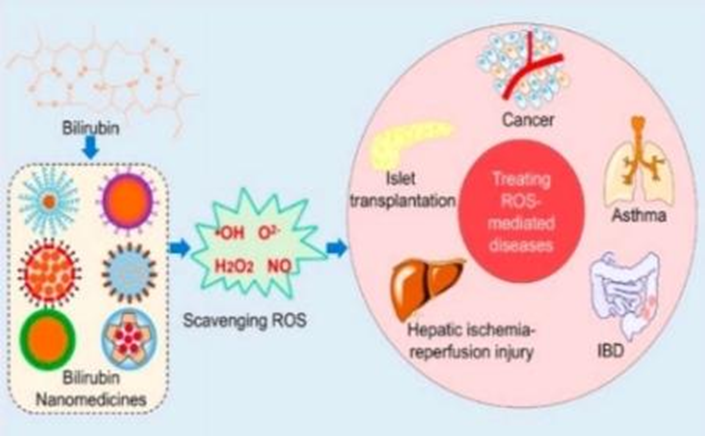
Fig.no 1 : Bilirubin Nanomedicines for Treatment Of ROS.
This comes together because bilirubin has a natural ability to grab free radicals, control inflammation, and protect against oxidative stress. Using nanotechnology helps by letting this natural antioxidant be released in a controlled and steady way at the site of disease [5] ,which offers a smart solution to the challenges in how bilirubin works in the body.
Graphic abstract :
In both lab and animal studies, bilirubin-derived nanoparticles (BRNPs) have shown promising uses for treatment and diagnosis.
These nanoparticles can help with many diseases by acting as antioxidants, changing the immune system, affecting metabolism, and stopping the growth of harmful cells.Bilirubin is a common yellow pigment that comes from hemoglobin.It does not dissolve in water but can dissolve in solvents like chloroform, benzene, alkali, and other organic substances.

Molecular Formula - (C33H36N4O6) [7,8]
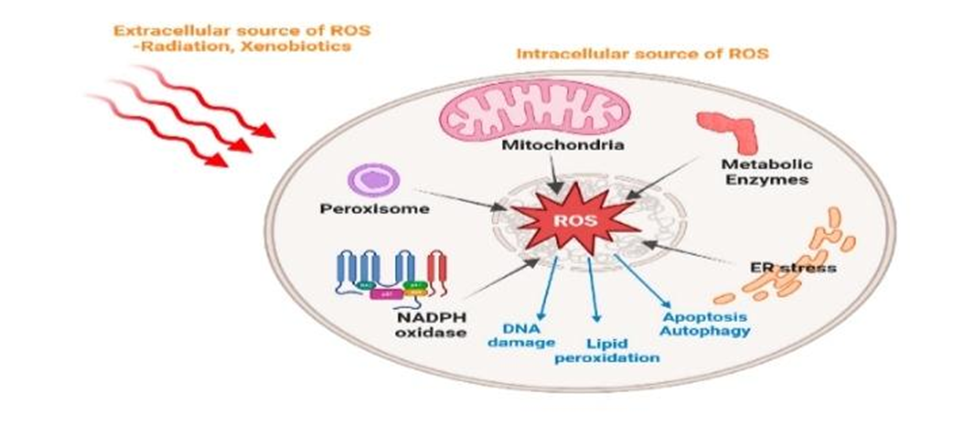
Reactive oxygen species (ROS) are byproducts that are constantly created during normal cellular metabolism. These are highly reactive molecules that play an important role in various physiological functions, like cell signaling and supporting the immune system. However, when there is too much ROS, it can lead to oxidative stress, which can negatively affect how cells function. This oxidative stress contributes to the development of a range of diseases. Neurodegenerative disorders, cardiovascular diseases, cancer, and inflammatory conditions have all been linked to damage caused by ROS.
A major focus of current research in nanomedicine is finding better ways to reduce the harmful effects of ROS and keep the body's internal balance.
Nanotechnology has become a promising approach for delivering medicines because of its unique properties and flexibility. For treating diseases caused by ROS, nanomedicines which include many types of nano-sized formulations have several advantages. Among these, bilirubin-based nanomedicines are gaining a lot of interest due to their natural antioxidant abilities and potential therapeutic uses.
Bilirubin is a yellow pigment that comes from the breakdown of heme.
It has been known for a long time to help in detoxifying ROS. Its strong antioxidant and anti-inflammatory properties make it a good candidate for developing nanomedications that target ROS-related damage. The level of ROS in living organisms depends on the body's own antioxidant defenses. This determines whether ROS act as harmful molecules or as signaling molecules. Because of this, there has been a lot of interest in studying how to control ROS levels. Research is especially focused on antioxidant treatments, particularly those that involve ROS-elevation agents such as photosensitizers (PSs) and ROS scavengers.
ROS regulation research has advanced significantly and gives clear explanations for both the normal and abnormal roles of ROS in the body.
In the past few decades, nanoscience and nanotechnology have been increasingly used in ROS-regulating studies, which has helped the field grow rapidly. Using nanoscience and nanotechnology in ROS research has greatly contributed to the progress in this area. Most non-therapeutic approaches or nanomedications related to ROS demonstrate the application of nanotechnology.
These ROS-based nanotherapeutic methods or nanomedicines, which are designed to control the growth of ROS, rely on the natural physical and chemical properties of nanomaterials.
These include their ideal sizes, usually between 10 and 100 nanometers, a wide range of surface options, and a large surface area. Using nanomaterials in ROS-regulating therapy provides several benefits, such as better stability and compatibility of ROS-regulating agents, improved drug accumulation, and better drug absorption in the body.
Bilirubin :
A yellow substance known as bilirubin is made when red blood cells break down. The liver helps process this substance before it is removed from the body, usually through bile and the bloodstream. When there is too much bilirubin, it can be a sign of a condition like jaundice, which makes the skin and eyes appear yellow. [9] Jaundice is quite common in newborns, affecting up to 60% of healthy babies during their first week. High levels of bilirubin can be harmful to the brain, and if not treated, may lead to problems with brain development.[10]
Scientists have also looked into the possible health benefits of bilirubin, especially as a natural antioxidant.
It may help in treating diseases caused by harmful substances called reactive oxygen species (ROS). [11] Research has shown that using bilirubin in the form of nanomedicine can improve how well the body absorbs and uses it. This approach helps control inflammation and removes ROS, [12] which can offer health benefits. Nanocarriers allow for targeted delivery of bilirubin, helping it stay in the body longer and reducing any unwanted side effects. Overall, bilirubin plays an important role in the body and may have useful applications in treating conditions related to ROS.[13]
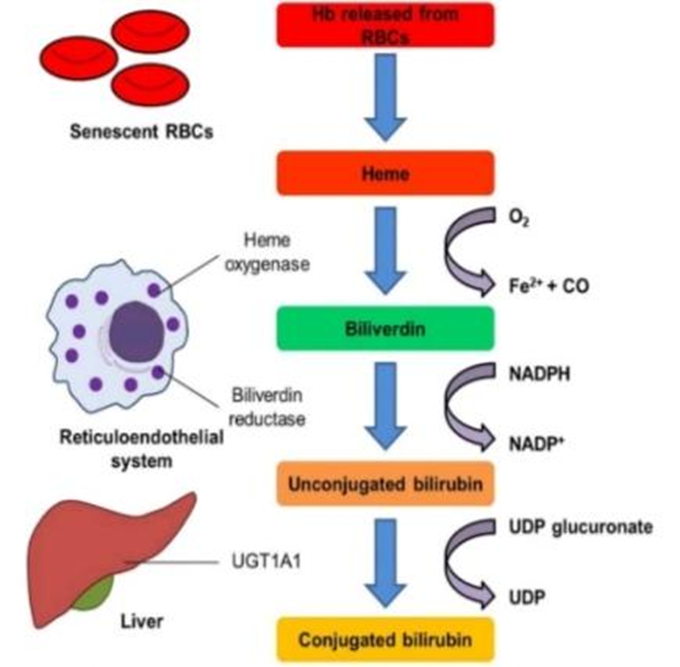
Fig.no 2 : Schematic Representation of Bilirubin Metabolism.
Reactive Oxygen Species :
Oxygen free radicals, also known as reactive oxygen species (ROS), are highly reactive molecules that contain oxygen. These molecules are naturally produced as byproducts of normal cell metabolism. They play an important role in keeping cells balanced and helping them communicate with each other. However, when the levels of these radicals get too high, they can overwhelm the body's natural antioxidants, which are meant to neutralize them. This can lead to damage to important molecules like proteins, fats, and DNA, a condition known as oxidative stress. This stress has been linked to the development of various diseases [14] Examples of ROS include superoxide, hydrogen peroxide, hydroxyl radicals, peroxynitrite, singlet oxygen, and others [15].
These substances are involved in redox signaling, a process that helps regulate many bodily functions.
They are also key players in processes like programmed cell death (apoptosis), cell growth, and the body's immune response [16].
The field of "ROS biology and medicine" focuses on understanding how these reactive molecules and their related species function in both healthy and diseased states.
It also looks into oxidative stress and develops strategies to reduce the harmful effects of ROS through the use of antioxidants [17].
Recent research has emphasized the importance of understanding the specific roles that different types of ROS play in both normal cellular functions and disease conditions [18].
This detailed knowledge is essential for better understanding the biological effects of ROS and for developing targeted therapeutic treatments [19].
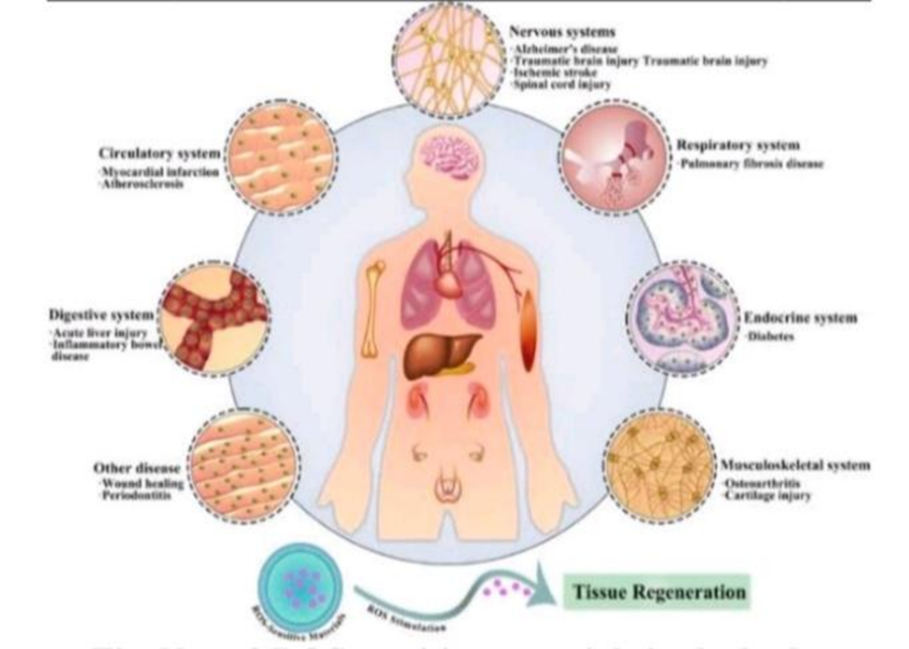
Fig.no 3 : ROS Sensitive Material in Body.
Varieties Of ROS :
Some examples of Reactive Oxygen Species are as follows:
1 . Superoxide Anion :
This is a negatively charged type of oxygen molecule. It forms when an extra electron is added to a molecule of oxygen (O2). [20]
2 . Hydrogen peroxide :
This is a molecule that contains two hydroxyl groups, making it highly reactive. [21]
3 . Hydroxyl radical :
This is a very reactive molecule. It is formed when hydrogen peroxide is broken down through a process called the Fenton reaction.[22]
4 . Singlet oxygen :
This is a special form of oxygen that is highly reactive and can damage biological molecules.[23]
5 . Peroxynitrite :
This molecule is created when nitric oxide (NO) reacts with superoxide. It is a type of reactive nitrogen species.[23]
6 . Hypochlorous acid :
This is a strong oxidizing agent. It forms when hydrogen peroxide reacts with chloride ions.[18]
7 . Ozone :
This is a reactive gas that forms when ultraviolet light or electric discharges interact with oxygen.[19]
ROS-related symptoms can differ depending on which body parts are affected, but signs linked to oxidative stress are often seen. These signs can include inflammation, tiredness, damage to DNA, and poor cell performance. Conditions like heart disease, brain-related disorders, and certain types of cancer have been connected to an imbalance in ROS. It's important to note that keeping ROS levels in check through healthy habits, antioxidant-rich foods, and medical care may help manage related health issues. Always consult a healthcare professional for personalized advice.[24]
Symptoms Of ROS :
The symptoms can be different based on which organs are affected, but oxidative stress often leads to common issues. These include tiredness, swelling, damage to DNA, and problems with how cells work. Some diseases linked to reactive oxygen species (ROS) are neurodegenerative disorders, certain types of cancer, and heart-related conditions. It's important to remember that a healthy lifestyle, using antioxidants, and getting proper medical care might be necessary to deal with these health problems. Always seek personalized advice from a healthcare professional.

Fig.no 4 : ROS and Their Impact on Our Body.
Bilirubin Nanomedicines Mechanism in ROS Diseases.
In the context of ROS, bilirubin nanomedicine
The antioxidant properties of bilirubin are often used to treat oxidative stress caused by reactive oxygen species in various diseases.
Bilirubin is a natural pigment that the body produces when it breaks down hemoglobin, and it has been studied for its possible health benefits [25]
Bilirubin can be wrapped inside nanomedicine. This helps improve its availability in the body and makes it more stable when carried by nanocarriers.
These nanocarriers can be designed to specifically target certain cells or tissues affected by diseases related to ROS [26]
Bilirubin acts as an antioxidant by removing free radicals and reducing oxidative stress, which is connected to several conditions, including neurodegenerative and inflammatory diseases [27]
The nanomedicine approach allows bilirubin to be delivered in a controlled and targeted way, which enhances its effectiveness while minimizing any possible side effects.
By targeting oxidative stress, bilirubin nanomedicine may help slow the progression of diseases linked to ROS [28].

Fig.no 4 : Bilirubin Nanoparticles Assisted Delivery of Small Molecules - Drug Conjugate for Targeted Cancer Therapy.
Technique In Nanomedicine.[29]
Nanomedicine offers different ways to improve how well bilirubin is absorbed by the body and how effectively it works as a treatment:
Nano-emulsions: These help bilirubin dissolve better and stay stable, which makes it easier for cells to absorb and release slowly over time, leading to longer-lasting results.
Nanoparticles: Putting bilirubin inside biodegradable polymer particles allows it to be delivered directly to the affected areas, making the treatment more effective and reducing exposure to the rest of the body.
Liposomes :
When bilirubin is carried by liposomes, it can pass through cell membranes more easily and is less likely to cause side effects throughout the body, making it a good option for targeted treatment.
Nanosuspensions :
This help bilirubin mixes better in water-based solutions, making it possible to use it through different ways of administering medicine.
Applications for Diseases Mediated by ROS [30]
Disorders Caused by Neurodegeneration:
In preclinical models of Alzheimer's and Parkinson's, bilirubin nanomedicines have shown promising neuroprotective effects by reducing oxidative stress.
These treatments may help in preserving nerve cell function and slowing down the progression of these diseases by decreasing oxidative damage.
Heart Conditions :
Research indicates that bilirubin can significantly reduce oxidative stress in heart muscle.
Because of this protective effect, bilirubin nanomedicines could be considered as potential treatments for cardiovascular diseases, as they may lower the risk of heart attacks and atherosclerosis.
Treatment for Cancer :
Bilirubin's antioxidant properties may make cancer cells more sensitive to chemotherapy and slow the growth of tumors. Bilirubin nanomedicines have the potential to be useful additions to cancer treatment, helping to improve the effectiveness of existing therapies and reduce side effects.
Inflammatory Disorders :
Bilirubin nanomedicines may offer therapeutic benefits for conditions such as rheumatoid arthritis and chronic obstructive pulmonary disease (COPD) by modifying inflammatory pathways.
These medicines can help in reducing symptoms and improving the quality of life for patients.
Problems and Future Directions [31]
Despite the great potential of bilirubin nanomedicines, there are several challenges that still need to be addressed.
1. Stability and formulation are important.
Ensuring that bilirubin remains stable inside the nanomedicine is a key step for using these treatments in real-world clinical settings. More research is needed to develop delivery methods that keep bilirubin effective over time.
2. There are regulatory challenges.
The process of getting new nanomedicines approved can be slow and complex. It's important to work through these regulatory steps so that research findings can be applied in actual clinical use.
3. Efficiency Studies.
More studies are needed to fully understand how effective and safe bilirubin nanomedicines are. This includes both preclinical and clinical research to explore their therapeutic potential and ensure their safety.
CONCLUSION :
The combination of bilirubin and nanotechnology offers a promising future for treating illnesses caused by reactive oxygen species (ROS). The natural antioxidant properties of bilirubin, along with recent advances in nanotechnology, create a strong partnership with great potential for addressing the complex problems caused by oxidative stress. Encapsulating bilirubin inside nanocarriers is a smart approach that helps overcome challenges related to its stability and targeted delivery. The controlled release of bilirubin, managed by nanoscale systems, ensures a continuous supply of the antioxidant, which enhances its ability to reduce damage caused by ROS. The integration of nanoscience and nanotechnology into studies focused on ROS regulation has greatly accelerated progress in this area. The development of nanomedicine related to ROS is a clear example of how nanotechnology is being applied. This is because ROS scavengers are key in initiating antioxidant treatments. Future research should focus on improving formulation methods, increasing clinical trials, and exploring combination therapies that could enhance the effectiveness of bilirubin in fighting ROS-related diseases. By addressing these challenges, bilirubin-based nanomedicines could transform the treatment of oxidative stress-related disorders, ultimately improving patients' quality of life and treatment outcomes. To fully realize the potential of bilirubin as a therapeutic agent, continued research in this field is essential, helping to develop innovative treatments in modern medicine.
REFERENCES

Vedant Chimote, Vidya Karhale, Lovina Jain, Bilirubin Nanomedicines for the Treatment of Reactive Oxygen Mediated Diseases, Int. J. of Pharm. Sci., 2026, Vol 4, Issue 1, 1327-1336. https://doi.org/10.5281/zenodo.18244639
 10.5281/zenodo.18244639
