

We use cookies to ensure our website works properly and to personalise your experience. Cookies policy
Mount Zion College of Pharmaceutical Sciences and Research. Chayalode PO Ezhamkulam. Adoor, Pathanamthitta. Kerala - 691556, India.
Malaria, dengue, chikungunya, Zika, and yellow fever are among the mosquito-borne illnesses that continue to pose a serious threat to worldwide public health, especially in tropical and subtropical areas. Despite the widespread usage and effectiveness of synthetic repellents like DEET, there is a need for safer alternatives due to their potential negative health effects, environmental toxicity, and the emergence of insect resistance. This paper assesses the potential of aromatic medicinal plants as natural mosquito repellents, concentrating on their active phytochemical components, methods of action, effectiveness, and limits. The literature on often investigated plants, such as Azadirachta indica (neem), Cymbopogon spp. (citronella), Lavandula spp. (lavender), Tagetes erecta (marigold), Eucalyptus citriodora (lemon eucalyptus), and Mentha spp. (peppermint), was thoroughly examined.Findings indicate that plant-derived essential oils contain bioactive compounds such as terpenoids, aldehydes, phenols, ketones, and monoterpenes that exhibit significant mosquito-repellent and insecticidal properties by disrupting olfactory receptors, masking human attractants, altering host-seeking behaviour, and inducing toxic or irritating effects on mosquitoes. However, there are drawbacks to plant-based repellents, such as inconsistent efficacy, a shorter protective duration, environmental instability, potential skin irritation, and difficulties with large-scale formulation and standardization. Overall, aromatic medicinal plants constitute a promising, eco-friendly alternative to synthetic repellents, but further study is required to optimize formulation stability, efficacy, and safety for practical public health applications.

Fig 1: Mosquito
The bite of an infected female mosquito can transmit vector-borne illnesses such as Dengue (DEN), Malaria, Lymphatic filariasis (LF), Chikungunya (CHIK), Japanese encephalitis (JE), Zika, West Nile virus fever (WNVF), and yellow fever (YF). (1)There are many different types of mosquito repellents, such as synthetic materials, aromatic oils, and botanicals. In contrast to repellents made of plants, Repellents are more dangerous even if they have an outstanding protective profile. DEET (N, N-Diethyl3-methyl benzamide) is the most widely used chemical insect repellent. Although DEET acts faster, it is still harmful. Aromatic essential oils can be used in place of DEET, which is totally chemical-based, to keep mosquitoes away. Essential oils with fragrances have health advantages. In addition to their ability to keep mosquitoes away, essential oils derived from lavender, basil, pine, peppermint, lemongrass, lemon, eucalyptus, thyme tea tree, camphor, neem, etc. also provide health benefits. It has been discovered that natural repellents are safer and better for skin. repellents derived from plants are chemical free and offer a number of benefits over those derived from chemicals. There is numerous plant- based mosquito repellent options on the market. Furthermore, mosquito repellent compositions made with natural substances found in the kitchen are simply to make. Easy -to-find household ingredients like garlic, neem, cloves, camphor, cinnamon, bay leaves, and lavender are used to make chemical- free, safe, and efficient mosquito repellents. (2)
Mosquitoes are responsible for transmitting diseases to 700 million individuals each year.
Certain individuals exhibit allergies to mosquito repellents, while others do not. The use of mosquito repellents may lead to symptoms such as runny nose, watery eyes and hoarseness; in rare cases, it can also result in seizures, encephalitis and even cancer. (4)Mosquito-borne diseases pose a considerable global health challenge, leading to widespread illness and death, especially in tropical and subtropical areas. These diseases are caused by pathogens that are transmitted to humans via the bites of infected mosquitoes. Among the most common mosquito-borne diseases are malaria, dengue fever, Zika virus, chikungunya, yellow fever and West Nile virus. These diseases differ in severity and geographical spread, yet together, they create a significant burden on affected communities and healthcare systems around the world. For instance, malaria continues to be one of the most lethal infectious diseases worldwide, with approximately 229 million cases and 409,000 deaths reported in 2019, primarily impacting sub-Saharan Africa. Conversely, dengue fever is a rapidly spreading viral illness, with an estimated 3.9 billion individuals at risk of infection and around 390 million cases reported each year, resulting in considerable morbidity and economic implications. Zika virus, chikungunya, yellow fever and West Nile virus also represent serious public health threats, with sporadic outbreaks that lead to significant social and economic disruptions. The consequences of mosquito-borne diseases go beyond health concerns, influencing livelihoods, economic growth and social welfare. Thus, implementing effective control strategies is crucial to reduce the transmission of these disease and safeguard human populations from their severe impacts. (5)The majority of plants include substances that help them resist off attacks by insects that eat plants or phytophagous insects. These substances can be classified as growth regulators, poisons, repellents and feeding deterrents. The majority can be divided into five main chemical groups: (1) growth regulators, (2) the terpenoids, (3) the phenolics, (4) proteinase inhibitors and (5) nitrogen compounds, mostly alkaloids. Many of these compounds are also efficient against mosquitoes as well as other biting Diptera, particularly those volatile components generated as a result of herbivory, even if their primary function is defence against phytophagous insects. (6)
Neem (Azadirachta indica):
Neem is well-known for its many medicinal benefits, including its ability to repel mosquitoes. Neem oil, which is derived from the seeds of the neem tree, contains compounds like azadirachtin, limonoids, and terpenoids that are effective at repelling insects. Studies have indicated that neem oil can successfully keep mosquitoes away, which may lower the chances of contracting mosquito-borne illnesses such as malaria, dengue fever, and Zika virus. The bitter flavour and strong scent of neem oil serve as natural repellents, making it hard for mosquitoes to find and feed on people. Neem-based repellents come in different forms, such as sprays, lotions, and candles, offering a natural and eco-friendly option compared to chemical insecticides. However, it is important to conduct a patch test before using it widely and to mix neem oil with a carrier oil to avoid skin irritation for those with sensitive skin. In summary, neem's ability to repel mosquitoes makes it a valuable tool in mosquito management strategies, providing effective defence against bites while supporting environmental sustainability. (7)
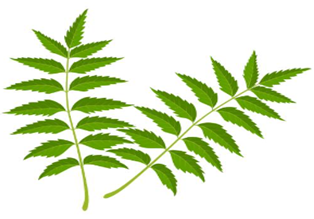
Figure 1: Neem
Citronella (Cymbopogon spp.):
Citronella is well-known for its ability to repel mosquitoes, making it a favoured option for preventing mosquito bites. It is extracted from different species of the Cymbopogon genus, especially Cymbopogon nardus and Cymbopogon winterianus. Citronella oil has several volatile compounds recognized for their insect-repelling properties. The main active component in citronella oil is citronellal, along with geraniol, citronellol, and other terpenoids.
Studies have shown that citronella oil is effective in keeping mosquitoes away, which may lower the chances of contracting mosquito-borne illnesses like malaria, dengue fever, and Zika virus. Citronella works as a repellent by interfering with the mosquito's sense of smell, making it hard for them to find humans. Moreover, citronella might alter mosquito behaviour, preventing them from locating and feeding on blood. (8) Repellents containing citronella come in various forms, such as sprays, lotions, candles, and diffusers. These products are widely used for personal protection against mosquitoes during outdoor activities like camping, hiking, and gardening. Additionally, citronella oil can be utilized to make natural mosquito repellents for both indoor and outdoor settings, providing a safer option compared to synthetic insecticides. Although citronella is generally safe for skin application and inhalation, some people may experience skin irritation or allergic reactions. Therefore, it is important to adhere to product guidelines and conduct a patch test before extensive use. In summary, citronella's mosquito-repelling qualities make it an important asset in integrated mosquito management strategies, aiding in the reduction of mosquito-borne disease spread and enhancing public health. (9)
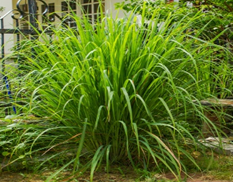
Figure 2: Citronella
Lavender (Lavandula spp.):
Lavender, part of the Lavandula genus, is valued for its aromatic flowers and healing qualities. The essential oils derived from lavender include compounds like linalool and linalyl acetate, known for their ability to repel insects. Lavender oil has shown effectiveness in keeping mosquitoes and other biting insects away in lab tests. Its delightful scent and soothing effects make lavender a favoured option for natural insect repellents. More research is required to improve formulations and evaluate its effectiveness in real-world situations. (10)

Figure 3: Lavender
Marigold flower (Tagetes erecta):
Marigold is a member of the Asteraceae family, has the ability to repel mosquitoes. (11) This is due to the fact that the essential oil extracted from Tagetes erecta leaves contained a number of different compounds, such as d-limonene, α-pinene, β-pinene, dipentene, ocimene, β-phellandrene, linalool, gereniol, menthol, tagetone, nonanal, and linalyl acetate.(12) Forty-four components, which constitute 94.1% of the leaf oil, and forty-five components, which constitute 94.0% of the floral oil, were subsequently identified. Limonene (7.6%), terpinolene (11.2%), (Z)-myroxide (4.2%), piperitone (52.4%), and piperitenone (5.0%) were the main components identified in the leaf oil. (13) Meloidogyne incognita and Rotylenchulus reniformis were well controlled by the water-based extract made from Tagetes erecta leaves. (14) Also investigated the mosquitocidal effects of Tagetes erecta floral ethanolic extract, as well as its petroleum ether-soluble fractions and chloroform-soluble fractions, on Culex quinquefasciatus larvae. (15) Marigold is a natural plant product that has shown potential as a non-toxic and efficient insect repellent. (16)

Figure 4: Marigold flower
Lemon Eucalyptus (Eucalyptus citriodora):
Lemon eucalyptus, or Eucalyptus citriodora, is well-known for its strong ability to repel mosquitoes, making it a favoured natural option for keeping them away. The essential oil derived from its leaves is rich in citronellal and citronellol, both of which are effective at deterring mosquitoes. Studies indicate that lemon eucalyptus oil can greatly decrease the attraction and feeding of mosquitoes, which may help reduce the chances of contracting mosquito-borne illnesses like malaria, dengue fever, and Zika virus. The aroma of lemon eucalyptus oil serves as a powerful repellent by covering human scents and interfering with the mosquitoes' sense of smell, making it harder for them to find and feed on people. Repellents made from lemon eucalyptus come in different forms, such as sprays, lotions, and candles, offering a natural and pleasant-smelling substitute for chemical insecticides. Nonetheless, it is crucial to conduct a patch test before extensive use and to avoid applying undiluted lemon eucalyptus oil directly to the skin, as it can irritate some people's skin. In summary, the mosquito-repelling qualities of lemon eucalyptus make it an important tool in comprehensive mosquito control efforts, providing effective defence against bites while supporting environmental health. (17)
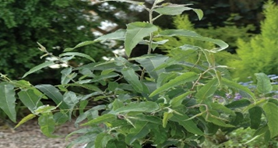
Figure 5: Lemon eucalyptus
Peppermint (Mentha spp.):
Peppermint is well-known for its refreshing scent and cooling feel. It also has excellent properties for repelling mosquitoes, making it a favoured natural choice for keeping them away. The essential oil derived from peppermint leaves is rich in menthol and menthone, both of which are effective at repelling insects. Studies have shown that peppermint oil can successfully keep mosquitoes at bay, which may help lower the chances of contracting mosquito-borne illnesses like malaria, dengue fever, and Zika virus. The aroma of peppermint oil interferes with the mosquitoes' sense of smell, making it hard for them to find and bite humans. Peppermint repellents come in different forms, such as sprays, lotions, and candles, providing a natural and pleasant-smelling alternative to chemical insecticides. However, it's important to do a patch test before using it widely and to mix peppermint oil with a carrier oil to avoid skin irritation for those with sensitive skin. In summary, peppermint's ability to repel mosquitoes makes it a useful part of mosquito management strategies, offering effective protection against bites while supporting environmental sustainability. (18)

Figure 6: Peppermint
Wild jackfruit (Artocarpus hirsutus):
The bioactive substances flavonoids, tannins, saponins, alkaloids, and terpenoids found in jackfruit (Artocarpus heterophyllus L.) leaves may have insect-repelling effects. In this study, a spray containing 1%, 5%, and 9% ethanol extract of jackfruit leaves was evaluated against Aedes aegypti mosquitoes. The extract exhibited acceptable physical characteristics, including an appropriate pH, stability, and clarity, and was safe and non-irritating. Although 9% provided the best protection (74.13% after 30 seconds and 65.23% after 6 hours), repellent efficiency rose with concentration; nonetheless, this was still less than that of a commercial repellent (100%). Consequently, while jackfruit leaf extract has some mosquito-repelling properties, its effectiveness as a stand-alone repellent is limited. (19)

Fig 9: Wild jackfruit
Gliricidia (Gliricidia sepium):
This is a medium-sized leguminous tree from the Fabaceae family, well-known for its medicinal and ecological properties. The plant includes a variety of bioactive phytochemicals, including flavonoids, saponins, steroids, terpenoids, tannins, glycosides, and triterpenoids, which contribute to its antibacterial, antifungal, pesticidal, and larvicidal properties. Scientific studies show that G. sepium extracts, notably the ethanolic leaf extract, have high larvicidal action against Aedes aegypti, the dengue vector, making them a promising eco-friendly alternative to chemical insecticides. Overall, Gliricidia sepium is regarded as a rich botanical resource with potential uses in vector control, agriculture, and traditional medicine. (20)
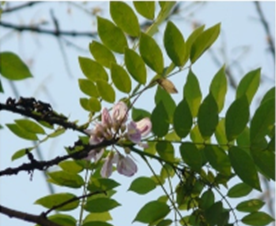
Fig 10: Gliricidia
Clove (Syzgium aromaticum):
The major reason clove (Syzygium aromaticum) works as a natural repellent against mosquitoes is that it contains eugenol, a potent aromatic chemical that repels insects. Clove oil not only deters adult mosquitoes but also effectively kills the larvae of mosquitoes in water, stopping them from maturing into adults. Eugenol paralyzes and kills mosquitoes by interfering with their respiratory and neurological systems. Clove is regarded as a safer and more environmentally friendly substitute for chemical insect repellents because to its plant-based and biodegradable nature. Its use can also help stop the spread of diseases like dengue, chikungunya, and Zika that are conveyed by mosquitoes. (21)
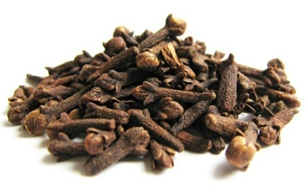
Fig 11: Clove
Chemical components that help to keep mosquitoes away
Aromatic plants have a variety of chemical components that aid in their ability to repel mosquitoes. Some important chemical compounds that contribute to this repellency are:(22)
1. Terpenoids: Found in large quantities in fragrant plants, terpenoids are a varied class of chemical molecules. Citronellal, citronellol, geraniol, and linalool are a few examples. By blocking their olfactory receptors and hiding human scents, these substances have been demonstrated to successfully repel mosquitoes and make it more difficult for them to find and feed on hosts.
2. Aldehydes: Aromatic plants like citronella, lemongrass, and cinnamon frequently contain aldehydes like citral and cinnamon aldehyde. These substances have potent repellent qualities that prevent mosquitoes from landing on or biting people by interfering with their sensory perception.
3. Phenols: Aromatic plants like clove, thyme, and oregano contain phenolic chemicals like eugenol, thymol, and carvacrol. These substances have strong insecticidal and repellent properties; they affect the neurological system of mosquitoes, paralyzing or killing them when they come into touch with them or consume them.
4. Ketones: Plants like peppermint and eucalyptus contain ketones like menthone and camphor. By interfering with mosquitoes' olfactory receptors and impairing their capacity to identify and find hosts, these substances produce repellent effects.
5. Monoterpenes: These volatile substances are present in a variety of aromatic plants, such as lavender, pine, and cedarwood. Myrcene, limonene, and pinene are a few examples. By covering up human scents and making the area unfriendly for mosquitoes to land and feed, these substances have been demonstrated to deter mosquitoes.
Resistant action mechanisms
1. Disruption of Mosquito Olfactory Receptors: Numerous medicinal herbs include volatile chemicals that disrupt mosquitoes' olfactory receptors. These receptors are essential for directing mosquitoes toward possible hosts because they can identify chemical cues like octenol, lactic acid, and carbon dioxide. In order to confuse mosquitoes and discourage them from approaching, the volatile molecules released by medicinal plants may either block these receptors or imitate repellent signals. (23)
2. Phytochemicals in medicinal plants can alter mosquitoes' host-seeking behaviour. These chemicals, by interfering with the sensory pathways involved in detecting hosts, can impair mosquitoes' ability to detect and locate humans or other animals for blood feeding. This disturbance in host-seeking behaviour lowers the frequency of mosquito bites and potential disease transmission. (24)
3. Masking of Attractant Cues: Medicinal herbs may generate smells that mask or camouflage human-emitted attractant cues, making it difficult for mosquitos to locate their hosts. By overwhelming or hiding the fragrance of humans, these plant-derived aromas form a barrier that repels mosquitoes and limits their likelihood of landing and biting. (25)
4. Irritating or Toxic Effects: Certain phytochemicals included in medicinal plants have toxic or irritating qualities that repel mosquitoes when they come into touch with them. Mosquitoes may become irritated or uncomfortable when exposed to these substances, which makes them avoid the treated area. Furthermore, some phytochemicals may be poisonous to mosquitoes, causing physiological abnormalities that further inhibit their ability to eat. (26)
5. Variability in Mode of Action: Depending on the particular plant species and their bioactive components, plant-based repellents might have different modes of action. Some plants may use olfactory interference as their primary method of action, whereas others may use a combination of physiological deterrent and sensory disturbance to achieve their repellent effects. This variation emphasizes how intricate plant-based repellency is and how more study is required to pinpoint the pathways for various plant species. (27)
Plant-based mosquito repellents drawbacks Aromatic plants have potential as natural mosquito repellents, but there are several challenges and limitations that need to be tackled to improve their effectiveness and practicality. One major issue is the variation in how well different plant species and formulations repel mosquitoes, which can result in inconsistent protection against bites. Additionally, the length of time that aromatic plant-based repellents work may be shorter than that of synthetic options like DEET, meaning they need to be reapplied more often to stay effective. (28) The availability and cost of high-quality aromatic plant extracts or essential oils can also hinder their widespread use, especially in areas with limited resources where access to these products is restricted. Moreover, there are concerns about skin irritation, allergic reactions, and safety related to certain aromatic plant compounds, which require careful evaluation and testing of repellent products for human safety. Lastly, the stability and effectiveness of these plant-based repellents in various environmental conditions must be considered to ensure reliable protection against mosquitoes. In summary, while aromatic plants present a promising eco-friendly alternative to synthetic insecticides, it is essential to address these challenges and limitations to fully realize their potential for effective mosquito control and public health safety. (29)
REFERENCES






Aneesha S., Jasni J.*, Adhilsha S. N., Anusha U., Arif Muhammed A. R., Binoja B. M., Botanical Mosquito Repellents: A Sustainable Approach to Vector Control - A Review, Int. J. of Pharm. Sci., 2026, Vol 4, Issue 2, 1264-1273. https://doi.org/10.5281/zenodo.18537598
 10.5281/zenodo.18537598