

We use cookies to ensure our website works properly and to personalise your experience. Cookies policy
Institute of Pharmacy, Samrat Vikramaditya Vishwavidyalaya, Ujjain
Many pharmacological compounds, especially those categorized as BCS Class II, whose weak solubility limits dissolution and bioavailability despite strong permeability, continue to be hindered in their development and efficacy by poor water solubility. By boosting surface area, dissolution rate, and saturation solubility, nanosuspensions—colloidal dispersions containing nanosized drug particles—provide a useful and adaptable solution. Solvent-antisolvent precipitation, solvent evaporation, and supercritical fluid processing are examples of bottom-up techniques that can be used to prepare these systems, while media milling and high-pressure homogenization are top-down techniques. Nanosuspensions are commonly used via oral, parenteral, ophthalmic, and pulmonary routes after being stabilized with the appropriate excipients. Particle size, zeta potential, morphology, crystallinity, and dissolving behavior are all considered in their evaluation. Some of literature survey and numerous patented technologies and market available formulations demonstrate the increasing influence of nanosuspension-based drug delivery in enhancing therapeutic efficacy. Overall, nanosuspension technology is a creative and adaptable way to improve the solubility and therapeutic efficacy of drug with formulation complexities.
Poor water solubility affects about 40% of newly created chemical entities, which results in limited gastrointestinal absorption and decreased bioavailability. These restrictions impair their therapeutic efficacy and present significant formulation development issues. Conventional methods for improving solubility frequently lead to toxicity and unfavourable drug release patterns, which makes them insufficient for contemporary pharmaceutical requirements. By reducing drug particle size to the nanometre range, nanosizing has proven to be a successful solution to these problems, providing enhanced solubility, dissolving rate, and pharmacokinetic behaviour.
Nanosizing is the process of transforming medication particles into submicron or nano-sized forms that are stabilised with appropriate polymers and surfactants to avoid aggregation. These nanoparticles can be added to tablets, capsules, and solutions, among other dosage forms, to improve their dissolution, absorption, and bioavailability. Additionally, nanosuspension technology offers a stable and effective way to administer poorly soluble medications while streamlining formulation procedures and reducing the need of excipients.(1)
A crucial scientific framework for grouping medications according to their intestinal permeability and water solubility is the Biopharmaceutics Classification System (BCS). It was created specifically for oral dosage forms in order to expedite the medication development, regulatory approval, and formulation design processes. A significant obstacle to obtaining sufficient bioavailability following oral delivery is the low solubility but high permeability of medications classified under BCS Class II. Solid dispersions, nanosuspensions, and the use of hydrophilic carriers like polyvinylpyrrolidone (PVP) and polyethylene glycol (PEG) have all been used as formulation strategies to solve these solubility-related problems. The dissolution rate and absorption profile of active pharmaceutical ingredients (APIs) are significantly influenced by their physicochemical properties, including ionisation, polymorphism, and crystallinity.
To preserve patient safety and therapeutic efficacy, increasing solubility for BCS Class II medications is a top priority. It has been shown that recent developments in solid dispersion systems and pharmaceutical nanotechnology may improve the bioavailability and solubility profiles of poorly soluble drugs like ibuprofen and ketoprofen. These novel techniques not only improve efficient medication formulation but also the global conformance of pharmaceutical quality standards.(2)
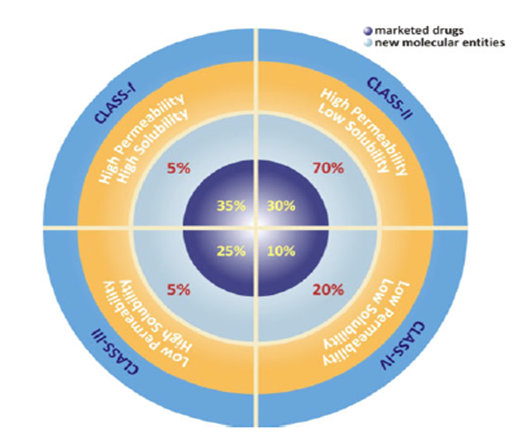
Fig.1. Biopharmaceutical classification of poorly soluble drugs in proportion of marketed and upcoming new molecular entities (3)
NOVEL DRUG DELIVERY SYSTEM
Advanced technologies called Novel medication Delivery Systems (NDDS) are intended to increase the efficiency, security, and practicality of medication delivery. Oral pills and injections, two common traditional drug delivery modalities, may have trouble achieving targeted action, minimising unwanted effects, or maintaining consistent drug levels. NDDS uses cutting-edge strategies like liposomes, polymer-based carriers, nanotechnology, and implantable systems to overcome these problems. By enabling site-specific and regulated drug release, these techniques guarantee that drugs work exactly where they are needed, boosting therapeutic results and patient compliance.
A variety of transdermal and carrier-based systems, including as osmotic pumps, liposomes, microspheres, and nanosuspension, have been made available by the development of NDDS. Benefits from these systems include targeted distribution, enhanced bioavailability, controlled and sustained release, and fewer doses. Additionally, NDDS is essential to contemporary cancer treatments, personalised medicine, and chronic illness treatment plans. These systems are a key component of future pharmaceutical innovation because they allow for effective and prolonged drug activity, which maximises therapeutic effectiveness while minimising side effects. (4)
NANOSUSPENSION
“Nano-suspension, are nano-sized colloidal particle systems. Nano-suspension can be understood as the sub-micron colloidal dispersions of pharmaceutical active ingredient particles in a liquid phase, with a size less than 1 micrometre, without any matrix material. These nano-suspensions are stabilized by the use of various surfactants and polymers. Nano-suspensions are distinguishable from nanoparticles and solid lipid nanoparticles. Nanoparticles are polymeric colloidal carriers of the drug, while solid lipid nanoparticles are lipid-based carriers of drugs”.(5)
A nanosuspension is a finely dispersed system consisting of solid drug particles suspended in an aqueous medium, suitable for oral, topical, parenteral, or pulmonary administration. It is a submicron colloidal dispersion stabilized by surfactants and polymers, where the particle size is typically below 1 µm, with an average range of 200–600 nm. The word “nano” originates from the Greek term meaning “dwarf” and refers to a measurement on the scale of 10?? meters, or one-billionth of a meter. For instance, the diameter of a hydrogen atom is about 0.1 nm, a DNA molecule measures around 2.5 nm in width, and one micron equals 1000 nm. By reducing drug particles to this nanoscale, the surface area, dissolution rate, and saturation solubility are significantly increased, resulting in improved bioavailability and overall therapeutic efficacy.(6)
A sophisticated drug delivery method based on nanotechnology, nanosuspension was created to address the issues of numerous pharmaceutical medicines' low bioavailability and poor solubility. It is described as a biphasic colloidal system that is extremely finely dispersed and made up of solid drug particles suspended in an aqueous medium without any matrix material. The particles are stabilised with the use of polymers and surfactants. For medications in Biopharmaceutics Classification System (BCS) Class II, which have excellent permeability but poor aqueous solubility, this formulation strategy is especially helpful.
Nanosuspensions increase the drug's surface area, rate of dissolution, and saturation solubility by shrinking the particle size to the nanometre range. This improves the drug's bioavailability and therapeutic effectiveness. A major breakthrough in contemporary pharmaceutical formulation science, the method not only solves problems with solubility and absorption but also improves dose uniformity and decreases medication response variability.(7)
ADVANTAGES OF NANOSUSPENSION (8,9)
DISADVANTAGES OF NANOSUSPENSION(8,9)
METHODS OF NANOSUSPENSION PREPARATION
Nanosuspensions are a technically easier alternative to liposomes and other traditional colloidal drug carriers, but they are also said to be more economical. It is especially used to produce a physically more stable product and for medications that are poorly soluble. "Bottom-up process technology" and "Top-down process technology" are the two opposite approaches for producing nanosuspensions. The top-down method uses a disintegration strategy, starting with large particles and progressing to microparticles and nanoparticles.(10)
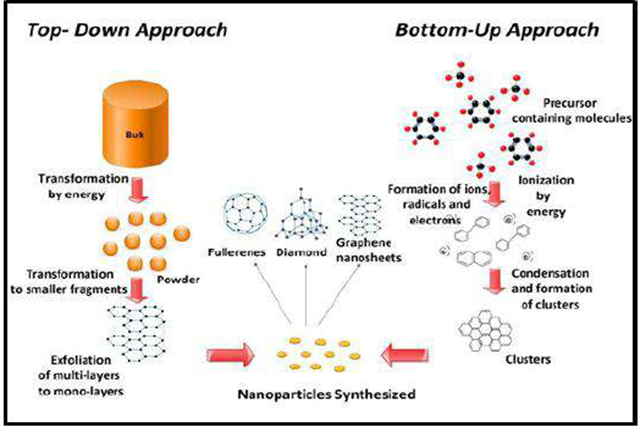
Fig.2. Nanosuspension Preparation Technologies
The Bottom-up process is a way to assemble molecules into nanoparticles. Among the examples are-
In ‘Top-down process' disintegration methodology large particles, microparticles, and nanosized particles are the first steps . Some examples include-
BOTTOM UP APPROACH
The Solvent-antisolvent/ Precipitation Approach:
This technique has been used for years to create nanoparticles and is mostly applied to medications that are poorly soluble in water. By adding an anti-solvent to the drug solution, this approach causes the drug to precipitate out of the solution. This technique works well for creating drug nano-suspensions.
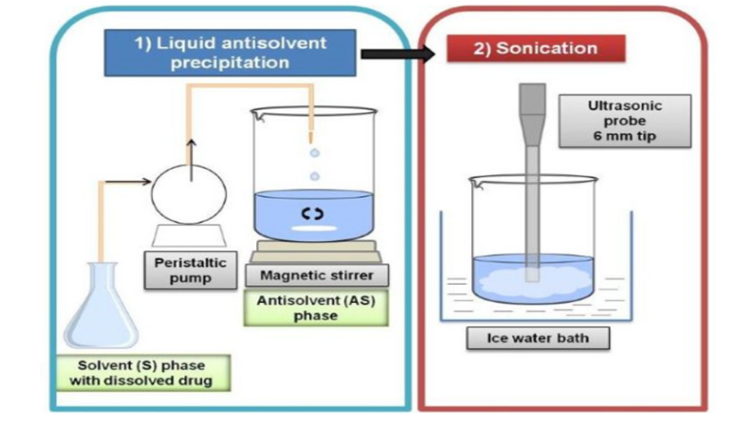
Fig.3. Solvent-Antisolvent Precipitation Approach
The precipitation technique allows for control over the finished product's particle morphology. The process entails dissolving the medication in the proper solvent. Another solvent known as an anti-solvent is used to dissolve the surfactant and stabilizer usually water. The drug solution is then gradually introduced to the stabilizer-containing anti-solvent, causing the solvent to diffuse into the antisolvent and drug nanoparticles to form. By utilising the right stabilisers and additions, "Ostwald ripening" can be avoided during this procedure. This technique creates ultrafine solid drug particles in nanometer range.
Benefits : This approach is simple and less expensive. It is feasible to scale up.
Drawbacks: Particle size is directly impacted by the solvent and antisolvent chosen.(12)
Supercritical fluid Process :
Supercritical fluid technique can be utilised to create nanoparticles from drug solutions. Rapid expansion of the supercritical solution process (RESS), the supercritical anti-solvent process (SAS), and precipitation using the compressed anti-solvent process (PCA) are the different approaches that have been tried. A nozzle in the RESS causes the drug solution to expand in supercritical conditions. The depreciation of solvent power in the supercritical fluid causes the drug to precipitate as tiny particles. The supercritical anti-solvent approach uses a supercritical fluid to dissolve a medication that is poorly soluble and a drug solvent that is also miscible with the supercritical fluid. When the drug solution is injected into the supercritical fluid, the solvent is extracted and the drug solution becomes supersaturated.(13)
Emulsification /Solvent Evaporation:
In order to create an emulsion/suspension, this procedure entails dispersing the medication in a mixture of organic or inorganic solvents that must be combined with an aqueous phase and an aqueous phase that contains the proper surfactants. As the organic phase evaporates, rapid precipitation of the drug particles produces the nanosuspension by evaporating organic phase at decreased pressure. The inclusion of surfactants guarantees the stability of the nanosuspension several solvents, such as triacetin, benzyl alcohol, and butyl lactate, can be utilised in the dispersion phase instead of hazardous solvents.(14)
Micro-Emulsion/lipide-Emulsion template:
This approach works well with medications that dissolve in partly water miscible solvents or volatile organic solvents. This technique involved dissolving the medication in an appropriate organic solvent and then employing appropriate surfactants to emulsify it in an aqueous phase. In order to create drug particles that precipitated in the aqueous phase and formed the aqueous suspension of the drug in the necessary particle size, the organic solvent was then gradually evaporated under decreased pressure.
After that, the suspension can be appropriately diluted to create nanosuspensions. Furthermore, nanosuspensions may be made using microemulsions as templates. Thermodynamically stable and isotropically transparent, microemulsions are composed of two immiscible liquids, such as water and oil, stabilised by a surfactant and co-surfactant interfacial coating. The medication can either be put into the internal phase or intimately mixed into the pre-formed microemulsion to make it saturated. When the microemulsion is diluted appropriately, the drug nanosuspension is produced. Lipid emulsions have the benefit of being simple to create by regulating the emulsion droplet and can be easily scaled up as templates for the development of nanosuspensions. However, using organic solvents has an adverse effect on the environment, necessitating the use of significant quantities of stabiliser or surfactant. (15)
TOP DOWN APPROACH
Media Milling (Nanocrystals)
For nanocrystal technology, Liversidge et al. had a patent. Using media milling, this technique creates nanoparticles from medications. In order for the microparticulate system to decompose into nanoparticles, the drugs must impact with the milling media. Within the chamber, the milling medium is twisted along an excessive strain rate once the drug, stabiliser, water, or suitable buffer has been supplied to generate suspension. The fact that this technique leaves behind residues is one of its primary problems.(16)
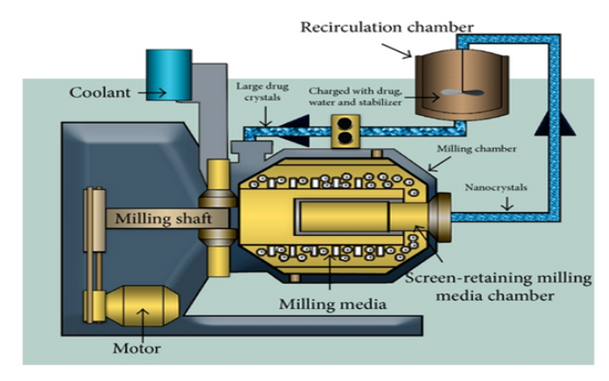
Fig.4. Media Milling(Nanocrystal) Approach
High Pressure Homogenization:
The patent for this procedure is currently held by Skype Pharmaceutical. The technique was discovered by R. H. Muller, and DDS Gmbh held the patent. Typically, three high-pressure homogenisers are employed. The APV Micron Lab 40 comes first, followed by the piston gap homogeniser and the Stansted homogeniser. High-pressure homogenisation, which uses pressure between 100 and 1500, transforms particles from microns to nanoparticles through a collision mechanism. The primary processing variables that are regulated to achieve the required nanosuspension particle size are pressure and homogenisation cycle. With a capacity ranging from a few millilitres to hundreds of litres, high-pressure homogenisation can be carried out in batch or continuous mode.
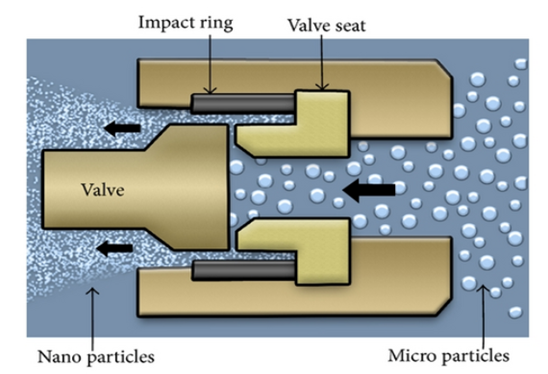
Fig.5. High Pressure Homogenization Approach
Dissocubes (high-pressure homogenisation in water), Nanopure (high-pressure homogenisation in non-aqueous fluids), and nanoedge (a combination of precipitation and high-pressure homogenisation) are further divisions of this technique.(17)
Dissocubes
Cavitation regulations are necessary for homogenising size reduction in the piston-gap. Disso-Cubing was designed to be homogenising in situations involving piston gaps. Both force and particle bombardment are reducing the number of particles. In a chamber with a diameter of 3 cm, a thin void of 25 μm is suddenly filled by scattering. Cavitation in the Disso-Cubes is the device's determining factor. According to Bernoulli's law, the flow through a chamber is extremely constant. When the diameter decreases from 3 cm to 25 μm, the dynamic pressure increases and the static pressure decreases below the water-water breakdown limit.
The main factors influencing drug nanocrystals are temperature, homogenisation strain, and the lack of homogenisation cycles. However, cavitation can be used to homogenise water, oils, or an oily boiling point in order to reduce particle size and milling operation without the need for a drop in static pressure. Since the obtained results are similar to Disso-Cubes, they should be applied to thermolabile compounds under milder conditions.(18)
Nanopure
In a media devoid of water, nanopure is homogenised in suspension. The method used to homogenise drug suspensions in nonaqueous media is called "deep-freeze" homogenisation. At 0°C or occasionally below freezing. The drop in static pressure with nanopure technology is insufficient to initiate cavitation due to the extremely high boiling point and low vapour pressure of water, oils, and fatty acids.
Additional homogenisation technology and homogenisation method patents.(19)
Nanoedge
This process will resemble the precipitation or homogenisation methods. Better stability and bioavailability are thought to result from combining these two approaches.
To lessen the particle size and stop crystal formation, the suspension made using this technique will be homogenised once again. Long-term stability issues and crystal development are possible with the precipitation process. Such issues will be resolved by nanotechnology.
In order to improve the manufacturing of nanosuspension and produce a modified starting material free of solvent, nanoedge technology also incorporates an evaporation approach.(20)
APPLICATIONS OF NANOSUSPENSION
Oral Drug Delivery
The conventional dosing route, or oral medication delivery, has several issues that lead to poor solubility, insufficient absorption, and insufficient efficacy. Therefore, an oral nanosuspension has been developed to solve the issue. Oral nanosuspension increases the solubility and oral bioavailability of poorly soluble medicines (BCS class-II) because of its vast surface area and small particle size.(21)
Pulmonary Administration
This technique involves nebulising nanoparticles using mechanical or ultrasonic nebulisers to administer nanosuspension. Drugs in the form of nanoparticles are present in aerosol droplets in a variety of small particles. Because of their extremely small particle size, aqueous solutions of the medication can be nebulised and given through the respiratory route with ease. Examples include indomethacin, nifedipine, ibuprofen, ketotifen, and budesonide. (22)
Mucoadhesion
When nanoparticles are dissolved orally, they diffuse into liquid media and instantly permeate the mucosal surface, causing mucoadhesion. Particles at the gut surface become stationary due to bioadhesion. Following that, a concentrated suspension forms as a source of particles, and an adsorption contact occurs rapidly. The first stage before a molecule is absorbed is called the "bio-cement stage." The sticky nature of the nano-suspensions helps target and increase the bioavailability of parasites that are still in the GIT.(23)
Parentral Drug Delivery
Micellar solutions, salt creation, cosolvent-based solubilisation, cyclodextrin complexation, and, more recently, vesicular systems like liposomes and niosomes are the current methods for parental distribution. However, these approaches have drawbacks such as high production costs, parental acceptability, and solubilisation capacity. Nanosuspension technology is utilised to address the aforementioned issues.Numerous different routes, including intra articular, intraperitoneal, intravenous, etc, are used to give nanosuspensions. Furthermore, parenterally delivered medications are more effective when nanosuspensions are used. It has been observed that paclitaxel nanosuspension is superior in lowering the median tumour burden.
Itraconazole intravenous nanosuspension increased the effectiveness of antifungal action in rats relative to the solution formulation. (24)
Targeted Drug Delivery
Because of the characteristics of their surface, nanosuspensions can be used to target certain organs. Furthermore, altering the stabiliser makes it simple to modify in vivo behaviour. The mononuclear phagocytic system will absorb the medication and enable region-specific administration. If the pathogens remain intracellular, this can be exploited to target macrophages with antifungal, antimycobacterial, or antileishmanial medications. Scholer et al. reported employing an atovaquone nanosuspension as an improved medication that targets the brain to treat toxoplasmic encephalitis.(24)
Opthalmic Drug Delivery
Drug solutions used topically as eye drops are used to treat the majority of ocular conditions. Because of the quick and significant pre-corneal loss brought on by drainage through the naso-lacrimal duct and the ineffective absorption following corneal permeation and blinking, the current treatment with standard eye drops (solution or microsuspensions) necessitates frequent instillation. More than any other method of administration, ophthalmic medication delivery may greatly benefit from the properties of nanoparticles. A condition of matter with more solubility, more surface area accessible for high dissolution, improved bioadhesion and corneal penetration, and less frequent instillation is represented by the nanometre scale. Therefore, as compared to medications supplied in traditional aqueous eyedrops, nanosuspensions can enhance the drug's biological activity and local availability. Kassem et al. produced nanosuspensions as an ocular delivery method for certain glucocorticoids.(25)
Bioavailability Enhancement
A drug's poor oral bioavailability is caused by its poor solubility, permeability, or stability in the gastrointestinal tract (GIT). By improving the drug's solubility and permeability across the membrane, nanosuspensions enhance bioavailability. For instance, the creation of a nanosuspension has helped to improve the bioavailability of oleanolic acid, a hepatoprotective medication that is poorly soluble, as seen by the noticeably better therapeutic impact. When compared to the dissolution from a coarse powder (15 percent in 20 minutes), the lyophilised nanosuspension powder dissolved 90% faster, resulting in enhanced bioavailability.(26)
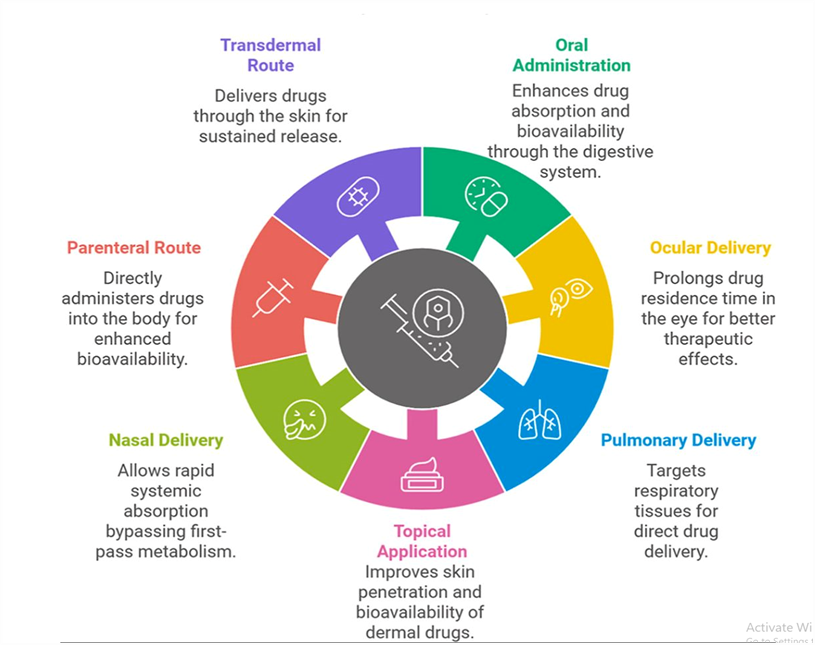
Fig.6. Applications of Nanosuspension(27)
COMPONENTS OF NANOSUSPENSIONS(28)
Active Pharmaceutical Ingredient (API)
The core therapeutic compound that needs to be delivered. Poor solubility of the API is often the reason for formulating a nanosuspension.
Stabilizers/Surfactants
These agents prevent agglomeration of nanoparticles and stabilize the formulation. Common stabilizers Include -Polymers (e.g., Polyvinyl alcohol, Hydroxypropyl, methylcellulose, PVP)etc and Surfactants (e.g., Sodium lauryl sulfate, Tween 80) etc.
Solvent/Dispersion Medium
The liquid phase in which the nanoparticles are dispersed. This is usually water or other biocompatible solvents.
Optional Excipients
Additional agents may be included to enhance stability, viscosity, or other properties. Examples include:Viscosity modifiers (e.g., Xanthan gum, Carboxymethyl cellulose), Preservatives to prevent microbial growth.
Ions or Buffers
These are sometimes added to maintain pH and ionic strength, ensuring the stability and solubility of the formulation.
CHARACTERIZATION OF NANOSUSPENSION(29)
Understanding the characteristics, stability, and effectiveness of nanosuspensions in drug delivery and other applications requires characterization. Important techniques for assessing elements such as surface characteristics, morphology, and size distribution are as seen in fig.
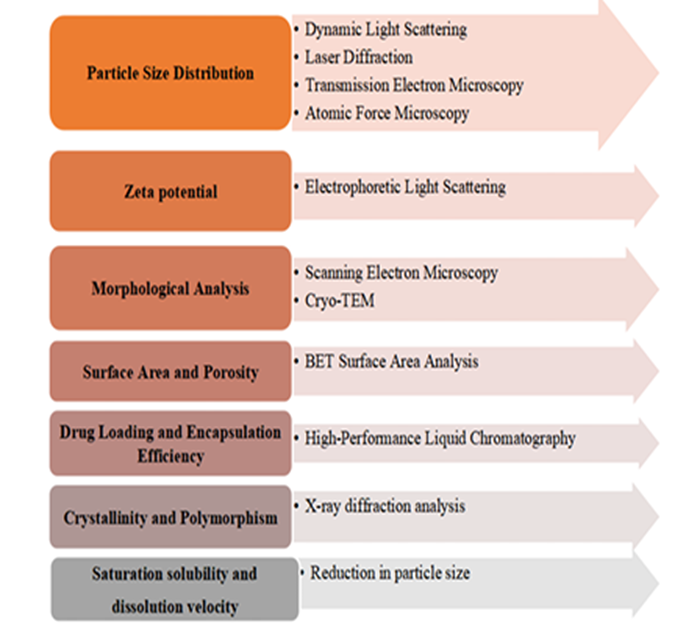
Fig.7. Characterization of Nanosuspension
LITERATURE REVIEW ON NANOSUSPENSION APPROACH
Below is a brief review of the literature on previous research on poorly soluble drugs delivery using nanosuspension formulation.
In 2025, a study reported the development of a nanosuspension formulation of flupirtine maleate to enhance its solubility, dissolution rate, and oral bioavailability. Due to the drug’s poor aqueous solubility, nanosized particles were prepared using a precipitation method followed by high-pressure homogenization, employing stabilizers such as poloxamer, PVP K30, Tween 80, and SLS. Among twelve formulations evaluated, formulation F8 showed superior performance, achieving nearly complete drug release within 10 minutes, compared to limited release from the pure drug. The improved dissolution was attributed to particle size reduction, increased surface area, and enhanced wettability. Stability studies further confirmed the formulation’s physical and chemical stability, demonstrating the effectiveness of nanosuspension technology in improving the performance of flupirtine maleate.(30)
A 2024 study formulated a voriconazole nanosuspension using a solvent–antisolvent precipitation method optimized through a 2³ factorial design to improve its poor aqueous solubility. The optimized formulation produced nanoparticles in the nanometer range (approximately 15.6–145.6 nm) with high entrapment efficiency of up to 91.9%. Solubility was enhanced nearly tenfold in water and twelvefold in phosphate buffer (pH 7.4) compared to the pure drug. FTIR and DSC studies confirmed the absence of chemical interaction between the drug and excipients, while AFM analysis showed smooth, spherical nanoparticles. These results demonstrated that nanosuspension technology effectively improves the solubility and dissolution performance of voriconazole.(31)
In 2023, a ketoprofen nanosuspension was developed to enhance its solubility, dissolution rate, and oral bioavailability. The formulation was prepared using a precipitation–ultrasonication technique with Tween 80 and PVP K-30, and optimized using a central composite design. The optimized nanosuspension showed nanosized particles (approximately 165–198 nm), low polydispersity, and high entrapment efficiency (~97%). In vitro studies demonstrated faster drug release compared to the pure drug, while in vivo pharmacokinetic evaluation in rats revealed increased Cmax and AUC values, indicating significantly improved oral bioavailability. Overall, the study confirmed that nanosuspension technology is an effective approach for improving the therapeutic performance of poorly soluble BCS class II drugs like ketoprofen.(32)
In 2022, a lyophilized nanosuspension of febuxostat was developed to improve its poor solubility and oral bioavailability. The formulation was prepared using a solvent–antisolvent precipitation method followed by lyophilization, employing PVP K-30 as a stabilizer, sodium lauryl sulfate as a surfactant, and mannitol as a cryoprotectant. The optimized nanosuspension exhibited stable nanosized particles with partial amorphization of the drug. FTIR, DSC, and PXRD studies confirmed drug–excipient compatibility, while dissolution studies showed a nearly tenfold increase in solubility and about 98% drug release within 120 minutes. The study concluded that lyophilized nanosuspension is an effective strategy for enhancing the dissolution and bioavailability of febuxostat.(33)
In 2021, a nanosuspension of simvastatin was developed to improve its poor aqueous solubility and oral bioavailability. The formulation was prepared using a nanoprecipitation method with hydroxypropyl cellulose as a stabilizer and sodium lauryl sulfate as a surfactant. Among the formulations studied, batch F8 showed optimal performance, exhibiting nanosized particles, high drug content, and good entrapment efficiency. The optimized nanosuspension demonstrated a more than fivefold increase in solubility compared to the pure drug and remained stable during short-term storage. The study concluded that nanoprecipitation is an effective and simple approach for enhancing the solubility and bioavailability of poorly soluble drugs such as simvastatin.(34)
MARKETED PRODUCTS (35)
Several Nanosuspension-based products are currently on the market to address poor solubility issues. These formulations are nanosized in order to improve solubility and oral bioavailability. Their achievement demonstrates the clinical acceptability and efficacy of nanosuspension technology in modern drug delivery.
Table.1. Various Nanosuspensions in the Market
|
Company/ Trade Name |
API |
Method of Nanosuspension formulation |
Used for |
|
Novartis / Giris-PEG® |
Griseofulvin |
Coprecipitation |
As an Antifungal |
|
Abraxia /Biosciences Abraxane® |
Paclitaxel |
nab™ |
For the treatment of Metastatic breast cancer |
|
Merck / Emend® |
Aprepiant |
Nanocrystal®Elan Nanosystems |
As an Antiemetic |
|
Lilly / Cesamet® |
Nabilone |
Coprecipitation |
As an Antiemetic |
|
Wyeth / Rapammune® |
Sirolimus |
Nanocrystal®Elan Nanosystems |
As Immunosuppressant |
|
Abbott / Tricor® |
Fenofibrate |
Nanocrystal®Elan Nanosystems |
For treatment of Hypercholesterolemia |
|
Eagle Pharmaceuticals / Ryanodex® |
Dantrolene sodium |
Freeze Dried Powder for Injection/Intravenous |
For the treatment of Malignant hypothermia |
|
Stryker / Vitoss® |
Calcium Phosphate |
Foam packs, Foam strips/Injection |
As a Bone Substitute |
|
Novartis / Focalin®XR |
Dexmethylphenidate hydrochloride |
Nanocrystal®Elan Nanosystems |
As a CNS Stimulant |
|
Acorda / Zanaflex™ |
Tizanidine HCl |
Nanocrystal®Elan Nanosystems |
As a Muscle Relaxant |
|
Novartis / Ritalin® |
Methyl Phenidate HCl |
Nanocrystal®Elan Nanosystems |
As a Muscle Relaxant |
NANOSUSPENSION PATENTS(35)
The development of nanosuspension systems has been aided by several patented technologies that provide novel methods for creating stable, nanoscale drug particles. These developments concentrate on enhancing the solubility, dissolution, and general bioavailability of medications that are poorly soluble. The following table lists important nanosuspension patents along with the corresponding companies.
Table.2. Patents based on Nanosuspension technology
|
Nanosuspension |
Company |
|
Hydrosol |
Novartis |
|
Nanomorph™ |
Soligs/Abbott |
|
NanoCrystal™ |
Élan NanoSystems |
|
DissoCubes® |
SkyePharma |
|
Nanopure |
PharmaSol |
|
Nanoedge™ |
Baxter |
CONCLUSION
The solubility and bioavailability of weakly water-soluble medications, especially those in BCS Class II, can be effectively increased by nanosuspensions. They greatly enhance solubility behavior and expand formulation options across various distribution channels by bringing particle size down to the nanoscale range. Future developments will concentrate on lowering processing costs, streamlining large-scale production, and enhancing long-term stability. It is anticipated that expanding the application of nanosuspensions into hitherto unexplored pathways—such as nasal, buccal, and cutaneous distribution—as well as incorporating customized delivery tactics and environmentally friendly manufacturing technologies would further solidify their position as a cutting-edge and versatile drug-delivery platform.
REFERENCES


Muskan Singh Bais, Dr. Tanu Bhargava, Kamlesh Dashora, Breaking the Solubility Barrier: The New Era of Nanosuspension Technology, Int. J. of Pharm. Sci., 2025, Vol 3, Issue 12, 3766-3781. https://doi.org/10.5281/zenodo.18069533
 10.5281/zenodo.18069533