
Ashvin College of Pharmacy, Manchi Hill, India
Centella asiatica, an ethnomedicinal herb found widely across Asia and Africa, is esteemed for its strong nutraceutical and therapeutic properties. This plant is abundant in pentacyclic triterpenoid glycosides, especially asiaticoside and madecassoside along with their aglycones, and shows a variety of pharmacological actions such as neuroprotection, cardio protection, inflammation reduction, antioxidant activity, wound healing, and immune system modulation. These bioactive components, acknowledged by the Chinese Pharmacopoeia, are vital in addressing multiple clinical issues, including cognitive decline, fibrosis, arthritis, infections, and chronic skin disorders like psoriasis, lupus, and scleroderma. In the fields of dermatology and cosmeceuticals, extracts from C. asiatica promote collagen production, manage myofibroblast function, lower inflammation, and speed up scar healing, which makes them highly sought after for anti-aging, hydration, UV defense, and tissue restoration. The article reviews studies from 2005 to 2022, emphasizing the plant’s botanical history, essential compounds, extensive therapeutic uses, and its increasing importance in innovative pharmaceutical and skincare products. (Manoj Kumar.et al, 2023)
Centella asiatica (L.) Urban, widely recognized as Indian pennywort or Gotu Kola, is a perennial medicinal herb belonging to the Apiaceae family, thriving in wet tropical areas throughout Asia, Africa, and certain regions of South America. The plant's pharmacological significance largely arises from a rich presence of pentacyclic triterpene glycosides most notably asiaticoside and madecassoside their corresponding aglycones, asiatic acid and madecassic acid, which together constitute the primary centelloids produced via the isoprenoid pathway. These saponins, which can make up to 8% of the dry weight of the plant, are key contributors to its biological effects, with madecassoside generally being the most concentrated. In addition to triterpenoids, C. asiatica has a variety of secondary metabolites, including phenolic acids, flavonoids, volatile oils, tannins, phytosterols, vitamins, amino acids, and sugars. The phytochemical profile of especially concerning triterpene concentrations, shows substantial variation based on geographic location and environmental conditions. Numerous extract formulations referenced in academic literature consistently underscore asiaticoside and madecassoside as pivotal components (Sujata Mandal, et al, 2022).
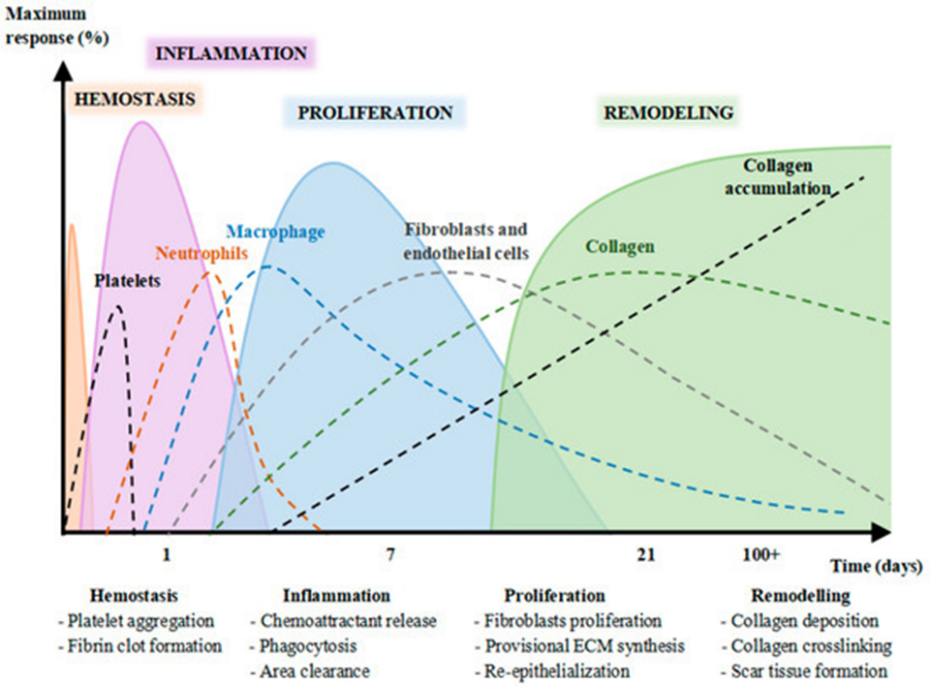
Fig 1. Stages of skin wound healing ((Elena Arribas.et al, 2022)
Taxonomical Description:
|
Kingdom |
Eukaryote |
|
Subkingdom |
Embryophyta |
|
Division |
Spermatophyta |
|
Subdivision |
Angiospermae |
|
Class |
Dicotyledoneae |
|
Subclass |
Rosidae |
|
Superorder |
Araliane |
|
Order: |
Araliales |
|
Family |
Apiaceae or Umbelliferae |
|
Subfamily |
Hydrocotyle |
|
Genus |
Centella |
|
species |
Centella asiatica |
Synonyms
1. Botanical Description: -
Centella asiatica is part of the Apiaceae family (formerly known as Umbelliferae), which is a large family of flowering plants that contains many aromatic and medicinal species. Its taxonomic classification is illustrated in Figure 2. Previously, this species was classified under the genus Hydrocotyle, which caused considerable confusion due to morphological similarities. However, molecular phylogenetic studies have established Centella as a separate genus within the Apiaceae family, marked by distinctive floral and leaf traits. Noteworthy features of C. asiatica include solitary, axillary inflorescences that bear small, pink to purple umbellate flowers, along with kidney-shaped to fan-shaped leaves that have crenate or scalloped edges. The leaf structure, especially, acts as a key characteristic in distinguishing this species from its close relatives and ecological look alike. The genus Centella consists of about 40 species, most of which are found in tropical and subtropical climates. Nonetheless, C. asiatica is recognized as the most significant in terms of pharmaceutical and economic value, often referred to as “Gotu Kola” in both medicinal and commercial settings. Additionally, C. asiatica has many common names that reflect its extensive use and cultural significance (see Figure). This variety of names highlights its global prominence and ethnomedicinal relevance. However, such linguistic diversity also creates difficulties for pharmacognostic standardization, emphasizing the necessity for accurate botanical identification in traditional and commercial applications. Furthermore, C. asiatica is diploid, possessing a chromosome count of 2n = 18, and shows moderate intraspecific variation, especially in its phytochemical profiles, which can be affected by geographic origin, genotype, and cultivation methods. Molecular analyses using randomly amplified polymorphic DNA (RAPD) , amplified fragment length polymorphism (AFLP), and simple sequence repeats (SSR) markers have indicated significant genotypic diversity among regional populations, underscoring the importance of genetic conservation and germplasm standardization for breeding and pharmacological investigations. (Zaw Myo Hein, et al, 2025)
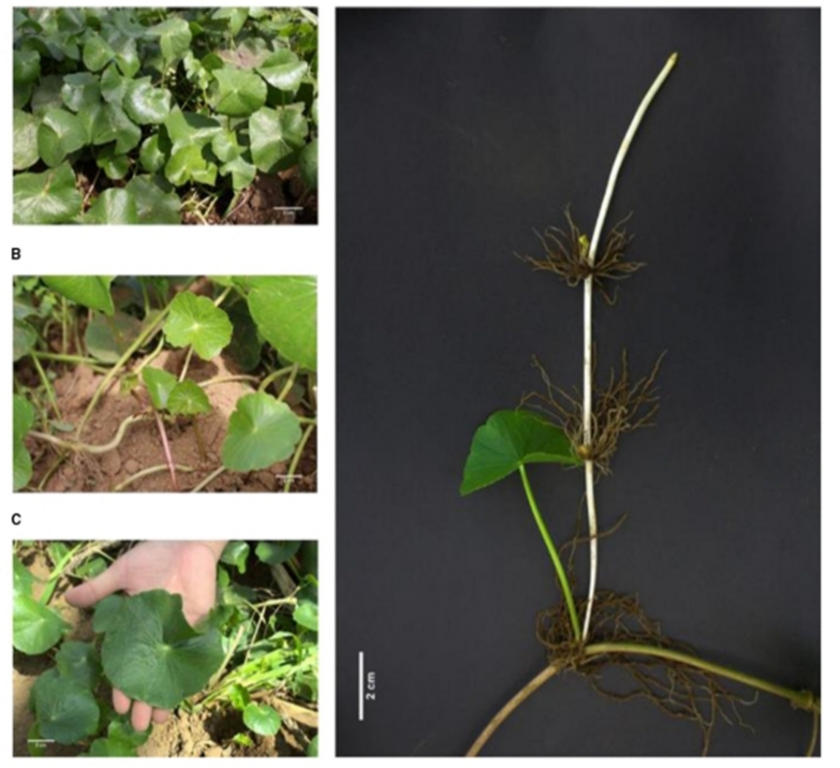
(Courtesy: www.frontiersin.org)
Fig 2. [A. General view (habitat) of C. asiatica B. Stem of C. asiatica plant with the creeping stolon C. leaf lamina D. Part of stem with young leaf and stolon of white color.] (Musavvara Khaitovna Shukurova, et al , 2021)
Active Constituents and their Dermatological activity: -
Centella asiatica (CA), often known as Gotu Kola, provides significant advantages for the skin, primarily due to its triterpenoid saponins—asiaticoside, madecassoside, asiatic acid, and madecassic acid. These active elements possess strong capabilities for promoting wound healing, reducing inflammation, and stimulating collagen production. In particular, asiaticoside is effective in encouraging fibroblast proliferation, increasing collagen synthesis, enhancing antioxidant levels, and facilitating overall tissue repair, thereby accelerating the wound healing process. Asiatic and madecassic acids aid by inhibiting pro-inflammatory cytokines, COX-2, matrix metalloproteinases, lipoxygenase, and proteinases, which alleviates inflammation and shields against tissue damage. The synergistic effects of CA's components endorse its application in addressing wounds, burns, acne, eczema, and atopic dermatitis. Additionally, CA shows considerable promise in skin brightening by obstructing tyrosinase, an essential enzyme in melanin regulation. Its anti-aging effects are linked to the increased activity of fibroblasts, elevated collagen production, reduction in wrinkles, and improved hydration of the skin—particularly due to madecassoside's involvement in synthesizing hyaluronic acid. Formulations containing 5% CA extract have been shown to lower transepidermal water loss and enhance moisture retention. Moreover, CA is utilized in anti-cellulite formulations by fostering microcirculation and angiogenesis while curbing excessive fat accumulation. Its antioxidant benefits stem from the actions of flavonoids, which include donating hydrogen, chelating metals, scavenging free radicals, and preventing the formation of reactive oxygen species. (Iman I. Soliman, et al , 2024)
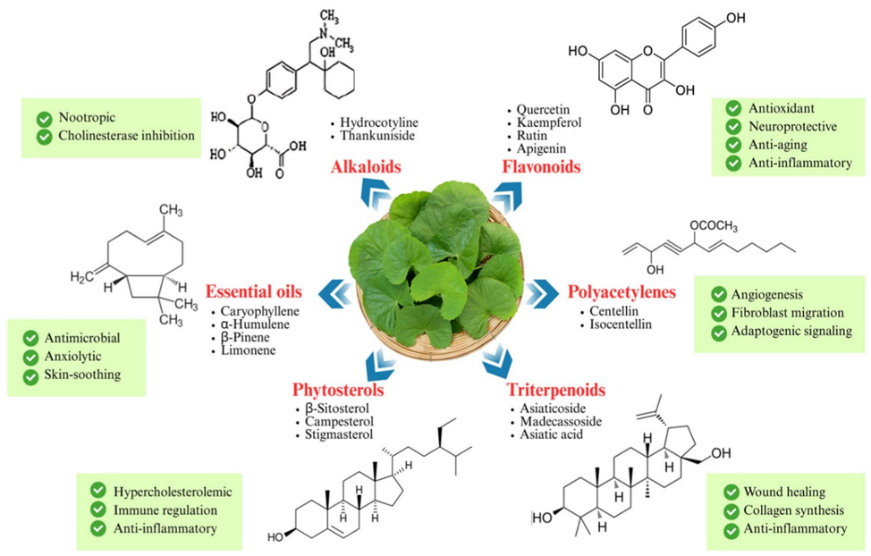
Fig 3. Major phytochemical classes in centella asiatica and their associated bioactivities
(Courtesy: MDPI 2025)
Chemical Constituents:
Terpenoid Compounds from Centella asiatica
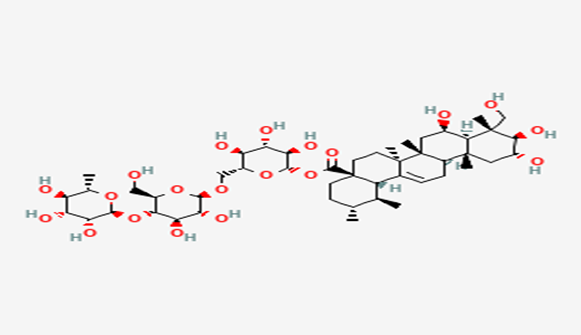
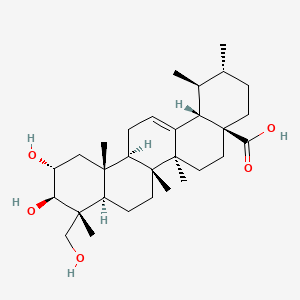
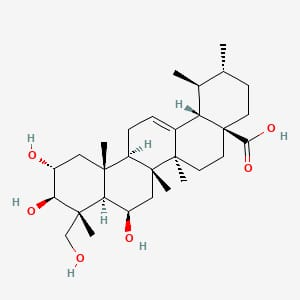
Phytochemical analyses consistently reveal that Centella asiatica is rich in a variety of secondary metabolites, which include terpenoids, flavonoids, alkaloids, tannins, steroids, and phenolic compounds. Among these, triterpenoid saponins and their aglycones stand out as the key biomarker compounds and largely account for the plant's pharmacological properties. The primary terpenoids—asiaticoside, madecassoside, asiatic acid, and madecassic acid—exhibit strong anti-inflammatory and antioxidant activities while promoting the migration of keratinocytes and fibroblasts, thus playing a critical role in tissue repair and regeneration. Factors such as environmental conditions, geographical differences, and cultivation methods can affect the concentration of terpenoids in the plant, highlighting the necessity for standardized sourcing and extraction during product development. Within the key components, asiaticoside (C??H??O??; MW 959.1) is primarily found in the brain, skin, and stomach after being taken orally. Madecassoside (C??H??O??; MW 975.1) shows a wide distribution throughout the body, with localization in the brain, liver, lungs, kidneys, heart, spleen, and stomach. The aglycone asiatic acid (C??H??O?; MW 488.7) accumulates in the brain, liver, heart, kidneys, bladder, and large intestine, with its absorption mainly occurring in the jejunum. Likewise, madecassic acid (C??H??O?; MW 504.7) can be found in the brain, liver, kidneys, heart, bladder, and colon, as well as in the systemic circulation. These pharmacokinetic features lend support to the broad use of C. asiatica extracts—especially those standardized for triterpenoid content—in nutraceuticals, skin care products, and therapeutic supplement
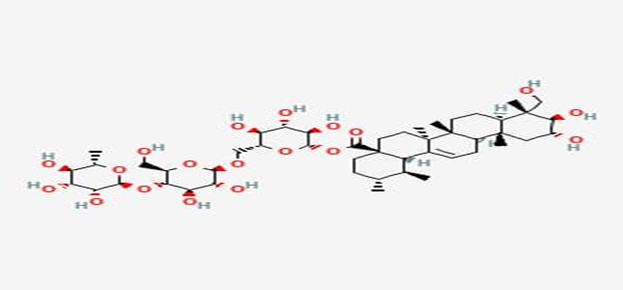
Table 1. Physicochemical properties of Asiaticoside
|
Synonyms |
Asiaticosides |
|
Structure |
|
|
Molecular formula |
C48H7T8019 |
|
Molecular weight |
959.1 g/mol |
|
PubChem CID |
52912190 |
Table 2. Physicochemical properties of Madecassoside
|
Synonyms |
Madecassosides |
|
Structure |
|
|
Molecular formula |
C48H78020 |
|
Molecular weight |
975.1g/mol |
|
PubChem CID |
131801373 |
Table 3. Physicochemical properties of Asiatic acid
|
Synonyms |
Asiatic acid |
|
Structure |
|
|
Molecular formula |
C30H4805 |
|
Molecular weight |
488.7g/mol |
|
PubChem CID |
119034 |
Table 4. Physicochemical properties of Madecassic acid
|
Synonyms |
Madecassic acid |
|
Structure
|
|
|
Molecular formula |
C30H4806 |
|
Molecular weight |
504.7g/mol |
|
PubChem CID |
73412 |
(Nur Amalia, et al, 2023)
Table 1. different preparation of C. asiatica extracts containing asiaticosides and madecassosides.
|
Extraction Solvent |
Plant Parts |
Preparation Method |
Main Composition |
Highest Triterpene component |
Region of plant collection |
Reference |
|
Ethanol |
Arial parts |
Responses surface methodology, dynamic maceration |
Madecassoside, asiaticoside |
madecassoside |
Thailand |
146 |
|
|
Fresh and dried leaves |
Microwave assisted extraction |
Asiatic acid, asiaticosides, madecassic acid and phenolics |
Asiatic acid |
Thailand |
149 |
|
|
Fresh leaves |
Microwave assisted extraction |
Phenolics, flavonoids, and triterpenoids |
Asiaticoside |
India |
150 |
|
Methanol |
Fresh leaves |
Soxhlet extraction |
Asiaticosides, madecassic, Madecassoside |
Asiaticoside |
Madagascar |
151 |
|
Methanol\ Water |
Dried plant |
Ultrasonic extraction or sonication, Soxhlet extraction, microwave assisted extraction |
Asiatic acid, asiaticosides and madecassoside |
Madecassoside |
China |
152 |
|
Ethanol\ Water |
Fresh and dried leaves |
Maceration |
Madecassosides, asiaticoside, madecassic acid, asiatic acid, phenolics |
Madecassosides |
Thailand |
154 |
|
Methanol, ethanol, deionized water |
Dried leaves, nodes, petioles and roots |
Subcritical water extraction |
Asiatic acid, asiaticosides |
Asiaticoside |
Indonesia |
155 |
(Sujata Mandal, et al, 2022)
Phytochemistry of C. asiatica: -
Centella asiatica showcases a diverse array of phytochemicals, primarily featuring triterpenoid saponins, alongside flavonoids, phenolic acids, alkaloids, phytosterols, volatile oils, and polyacetylenes. Together, these compounds play a significant role in the plant’s numerous pharmacological effects, which include promoting wound healing, protecting nerve cells, providing antioxidants, reducing inflammation, combating aging, and offering adaptogenic benefits. Recent advancements in analytical methods, such as metabolomics, UPLC, NMR, and MS techniques (including LC-MS/MS and GC-MS), have greatly expanded the understanding of the plant’s chemical complexity. These techniques have improved the identification, quantification, and analysis of bioactive compounds, enhancing knowledge regarding their absorption in the body and pharmacological dynamics, which aids in standardizing C. asiatica for medical uses. Asiaticoside, a prominent triterpenoid saponin found in Centella asiatica, originates from the pentacyclic aglycone known as asiatic acid and features a distinct glycosidic bond that contributes to its intricate multi-ring structure. With the molecular formula C??H??O??, it is widely researched for its ability to promote collagen production, speed up wound healing, and exhibit potent anti-inflammatory effects. These qualities make asiaticoside one of the most significant pharmacological components of the plant. Centella asiatica is abundant in bioactive triterpenoid compounds—asiaticoside, madecassoside, and their aglycones, asiatic acid and madecassic acid—which together underpin its primary medicinal properties. The glycosylated saponins (asiaticoside and madecassoside) along with their aglycones are crucial for the plant’s abilities in wound healing, neuroprotection, antioxidant activity, and anti-inflammatory responses. Asiaticoside promotes collagen production, enhances the formation of new blood vessels, and aids tissue regeneration by increasing the levels of TGF-β1, fibronectin, and BDNF, which is beneficial for skin healing and neuroregenerative processes. Similarly, madecassoside decreases inflammation mediated by NF-κB, shields against UV-induced skin aging, encourages collagen synthesis, and shows heightened effectiveness when administered via nanoparticle delivery systems. The aglycones, asiatic acid and madecassic acid, have extensive pharmacological effects—including anticancer, liver-protective, and neuroprotective properties—through the modulation of MAPK, Nrf2, and PI3K/Akt signaling pathways. Compounds that are less explored, like brahmoside, may possess anxiolytic and adaptogenic potential, but further research is needed. Increasing evidence suggests that the synergistic effects among various triterpenoids in whole-plant extracts may yield improved therapeutic results compared to isolated components (Zaw Myo Hein,et al , 2025).
Triterpenoids:
Triterpenoids consist of asiaticoside, centelloside, madecossoside, thankuniside, isothankunic acid, centellose, asiatic, centellic, and madecassic acids, as well as brahmoside, brahminoside, and brahmic acid. The structure of their aglycone, brahmic acid (m.p. 293°), has been confirmed to be 2,6-hydroxy, 23-hydroxy-methyl ursolic acid. Asiaticoside and madecossoside are found predominantly in the leaves, with lower concentrations in the roots. Madecassic acid. (Sakshi Singh,et al, 2010)
Glycosides:
Asiaticoside, madecossoside, and centelloside have been extracted from various parts of the plant. Upon hydrolysis, these glycosides produce triterpene acids, including asiatic acid, madegascaric acid, and centellic acid; however, all the mentioned acids, with the exception of centella acid, are found in their free forms. (Abhimanyu Sharma, et al, 2010)
Flavonoids and other polyphenols:
Centella asiatica is rich in various flavonoids and polyphenols, particularly quercetin, kaempferol, and rutin, which play significant roles in its antioxidant, anti-inflammatory, neuroprotective, and vasoprotective properties. Quercetin functions by scavenging reactive oxygen species (ROS) and regulating COX-2 and TNF-α, whereas kaempferol inhibits NF-κB signaling and stimulates Nrf2 pathways. Rutin improves capillary strength and offers UV protection, making it useful in dermatological contexts. Other flavonoids like apigenin, luteolin, and hesperidin further enhance the plant's anti-aging, anxiolytic, and antimicrobial capabilities. Together, extracts high in flavonoids have demonstrated encouraging effects on reducing β-amyloid levels and promoting synaptic plasticity, indicating their potential in managing neurodegenerative diseases and enhancing cognitive function. Although they are found in smaller quantities, the alkaloids present in C. asiatica, such as hydrocotyline and thankuniside, contribute to the plant's complex phytochemical profile and may exhibit neuroprotective and nootropic effects. Preliminary research points to cholinesterase inhibition and potential involvement in the modulation of neurotransmitters or neuroinflammation, although information on these compounds is limited compared to the well-explored triterpenoids and flavonoids. Further studies are necessary to elucidate their mechanisms and assess their possible roles in the plant's synergistic therapeutic effects. (Venkatesh R. Naik, et al, 2025)
Extraction Techniques:
There are several methods for extracting herbal plants.
MACERATION:
This is a straightforward technique that employs water or aqueous and non-aqueous solvents at ambient temperature. Nonetheless, it requires a lengthy extraction period and has a lower efficiency.
PERCOLATION:
This method is a continuous process that utilizes water or aqueous and non-aqueous solvents at room temperature or occasionally with heat. It is more effective than maceration.
DECOCTION:
This technique involves boiling water, resulting in an extract that contains a significant number of water-soluble impurities.
REFLUX EXTRACTION:
This method applies heat to aqueous and non-aqueous solvents and is more effective than both percolation and maceration.
SOXLET EXTRACTION:
This process merges the benefits of reflux extraction and percolation, allowing for the continuous extraction of the herb with fresh solvent.
SUPERCRITICAL FLUID EXTRACTION:
This method utilizes supercritical fluid as the solvent for extraction.
ULTRASOUND ASSISTED EXTRACTION:
Also referred to as ultrasonic extraction or sonication, this technique employs ultrasonic wave energy during the extraction process. (Rudroja Anusha, et al, 2024)
Pharmacological activities:
Neuroprotective properties:
Neurological disorders were responsible for about 9.0 million deaths globally in 2016 (including among those with disabilities). The growing prevalence of these conditions, particularly among aging populations, presents an escalating challenge in terms of treatment and rehabilitation, highlighting the necessity for effective advancements in medications and therapeutic strategies. The neurotherapeutic properties of asiaticoside and madecassoside have been among the most extensively researched medicinal benefits of these compounds. These two active ingredients derived from C. asiatica are observed to protect the brain against neurodegenerative diseases and cognitive impairments, improve memory and learning, relieve symptoms of anxiety and depression, and provide overall protection for the central nervous system.
For neurotherapeutic medications to be clinically effective, they need to cross the blood-brain barrier (BBB). The blood-brain barrier (BBB) consists of a continuous endothelial membrane within the micro-vessels of the brain where the endothelial cells are held together by tight junctions, resulting in low paracellular and transcellular permeability. It functions as a complex regulatory interface interconnected with the Central Nervous System (CNS) and peripheral tissues; it dynamically adjusts based on the needs of the CNS, responds to physiological changes, and manages the exchange between blood and cerebral tissue to sustain brain homeostasis while blocking harmful substances from entering. The disruption of the BBB is implicated in the pathophysiology of numerous neurological disorders, including Alzheimer’s disease (AD), as well as traumatic injuries to the brain and spinal cord. Effectively treating CNS diseases necessitates therapeutics that can traverse and adequately interact with the BBB. Many drugs are rendered ineffective against neurological disorders not due to a lack of potency, but rather because they cannot penetrate the BBB. This limitation reduces the medical effectiveness of several forms of CNS drug delivery. A study conducted by Hanapi and Nur Aziah et al. assessed the degree of BBB penetration by compounds from C. asiatica using primary porcine brain endothelial cells (PBECs) as a model. The findings revealed that the tested phytocompounds have a remarkably strong capacity to cross the BBB, with asiaticoside exhibiting the highest permeability, followed by madecassoside. Interestingly, the permeability coefficient values for these compounds were also higher than that of donepezil, a medication commonly prescribed for Alzheimer’s disease. The intricate nature of the BBB membrane presents potential pathways for disease development, as well as diverse drug-delivery strategies. Efforts to disrupt the BBB have often been pursued as a method for drug administration. However, tactics that compromise an intact BBB for the targeted delivery of drugs require careful monitoring, as this can simultaneously permit the entry of harmful substances and microbial pathogens into the cerebral tissue, which is normally protected by the BBB. Other repercussions of BBB damage and compromised integrity include decreased cerebral blood flow, hindered hemodynamic responses, disrupted molecular and ionic transport, diminished transporter function, and leakage of plasma proteins. These complications can lead to several issues, including neuronal dysfunction, neuroinflammation, and neurodegeneration. In the same study utilizing primary porcine brain endothelial cells, asiaticoside and madecassoside were found to efficiently penetrate the BBB at a high rate without causing any toxic effects, while also maintaining the integrity of the BBB’s tight junctions, thus making them appealing candidates for neurotherapeutic applications. (Shinjini Bandopadhyay, et al, 2022)
Wound healing properties:
Various natural substances are employed in the treatment of skin imperfections and injuries, used topically for conditions like acne or scarring, or for cosmetic applications. Different extracts of C. asiatica, including TECA, TTFCA, and both ethanolic and methanolic extracts, along with its individual triterpenes—asiaticoside, madecassoside, asiatic acid, and madecassic acid—have demonstrated significant effectiveness in addressing skin disorders and lesions such as excoriations, burn wounds, and cutaneous scars (including hypertrophic and keloid scars), eczema, and in facilitating the healing of skin injuries. Asiaticoside is also a widely recognized phytocompound that is currently incorporated into anti-aging products.
Skin disease:
Atopic dermatitis, also known as atopic eczema, is one of the most prevalent allergic inflammatory skin conditions, resulting from abnormal immune reactions linked to skin barrier dysfunction. The pharmacological properties of C. asiatica have been evaluated in both in vitro and in vivo models of atopic dermatitis induced by 2,4-dinitrochlorobenzene (DNCB), with results demonstrating a strong protective effect of C. asiatica extract, which inhibited pro-inflammatory cytokines and effectively alleviated dermatitis symptoms, particularly by decreasing the influx of immune cells into the dermal tissue. This immunosuppressive effect may be due to the anti-allergic and anti-inflammatory characteristics of its active compounds. Madecassoside has been identified as a potential therapeutic option for vitiligo, a skin condition marked by the chronic and progressive loss of melanocytes from the epidermis and follicular reservoir. Research indicates that oxidative stress induced by H2O2 plays a significant role in the initiation and advancement of vitiligo. A study aimed at investigating the effects of C. asiatica on oxidative stress in human melanocytes revealed that madecassoside can safeguard the mitochondrial structure from ROS overproduction and mitigate overall oxidative damage to melanocytes by activating autophagy. Another common skin issue that raises concern is acne. Maintaining skin hydration and anti-inflammation is essential for sustaining skin homeostasis and barrier function, yet these processes can be disrupted by the occurrence of acne, which is a chronic skin condition driven by increased seborrhea, hyperkeratinization of the pilosebaceous unit, and inflammation stemming from the skin microorganism Propionibacterium acnes. Madecassoside has been shown to offer significant protection against acne-related inflammation by inhibiting the release of pro-inflammatory cytokines, such as IL-1β and TLR2, triggered by P. acnes in P. acnes-stimulated THP-1 human monocytic cells. Additionally, madecassoside can markedly improve skin hydration and moisturization in both in vitro and in vivo settings, demonstrating its medical and cosmetic advantages.
Skin ageing and uv protection:
Cutaneous ageing is influenced by both intrinsic factors (chronologic ageing) and environmental damage, majorly UV radiations from the sun (photoaging). The effects of skin ageing (sagging, wrinkle formation) are most prominent in the superficial dermis and epidermis. Topical treatments using madecassoside and asiaticoside. Show improvements in hyperpigmentation, photoaging skin, cellulite and striae91 and periocular wrinkles. (Radha, Arbinda Ghosh, et al, 2022)
Anti-inflammatory activity:
Centella asiatica (CA) possesses significant anti-inflammatory properties due to its abundance of triterpenoids, flavonoids, and phenolic compounds. Extracts derived from CA are effective in stabilizing red blood cell membranes, minimizing hemolysis, and exhibit effects akin to standard anti-inflammatory medications. Historically utilized for treating ulcers and promoting wound healing, CA continues to show notable anti-ulcer and tissue-repair capabilities. Research findings indicate that CA decreases inflammatory markers, protects liver tissues, and enhances antioxidant enzyme levels in cases of chemically induced liver damage. Moreover, CA downregulates essential pro-inflammatory cytokines such as IL-1β, TNF-α, COX-2, and iNOS across various experimental models, including those related to gastric ulcers, oral inflammation, hepatitis, and inflammation mediated by macrophages. These actions are primarily facilitated through the inhibition of signaling pathways like NF-κB, p38 MAPK, IRAK1-TAK1, Akt, and ERK1/2. Active compounds like asiaticoside and madecassoside play an additional role by dampening macrophage activation, lowering NO and ROS production, and hindering the expression of matrix metalloproteinase (MMP-13), indicating substantial potential for addressing rheumatoid arthritis.CA extracts and their fractions have shown considerable anti-arthritic properties by alleviating synovial inflammation, cartilage and bone damage, and restoring antioxidant equilibrium in models of collagen-induced arthritis. Furthermore, CA exhibits strong anti-dermatitic effects by mitigating hyperkeratosis, mast-cell infiltration, inflammatory cytokines, and IgE levels in atopic dermatitis experimental models. In summary, CA provides extensive anti-inflammatory, hepatoprotective, anti-ulcer, anti-arthritic, and dermal advantages through multifaceted molecular mechanisms, underscoring its significance as a valuable natural therapeutic agent. (Loushambam Samananda Singh, et al, 2024)
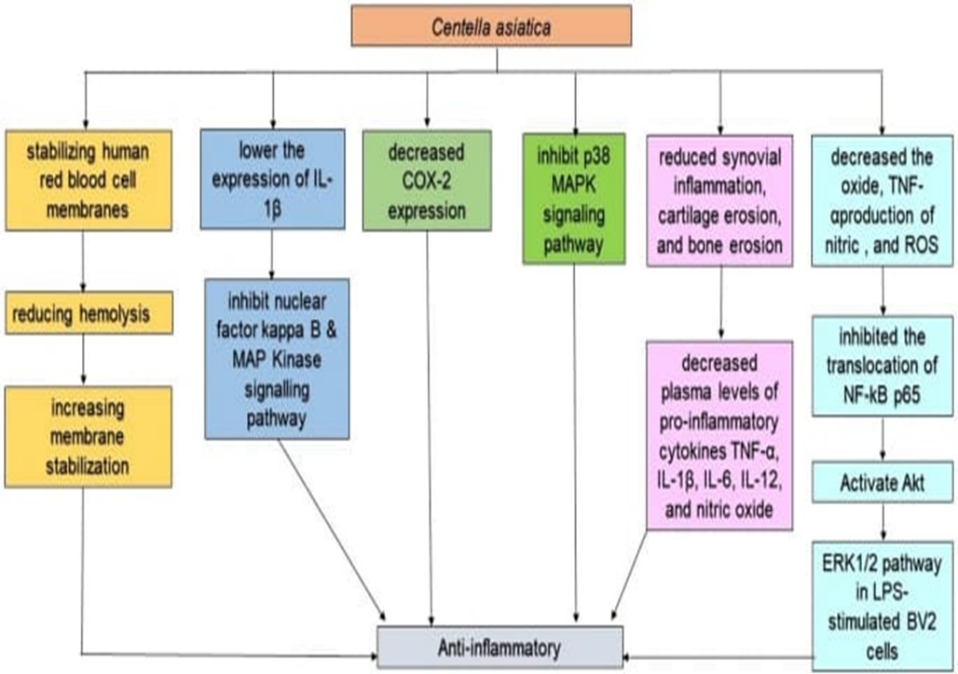
Fig: Anti- inflammatory activities of CA (source: prepared by author)
Psoaritic inflammation control:
Psoriasis is a disorder characterized by immune-mediated inflammation, excessive growth of keratinocytes, disruption of the epidermal barrier, and heightened levels of pro-inflammatory cytokines, including TNF-α, IL-6, and the IL-17/IL-23 axis. Recent experimental studies have shown that Centella asiatica, particularly its ethyl-acetate extract (CAE), significantly alleviates psoriasis-like inflammation in both in-vitro and in-vivo models. CAE mitigates oxidative stress by lowering ROS levels and boosting antioxidant enzymes such as GSH and SOD, while also reducing the expression of inflammatory mediators like IFN-γ, CCL20, IL-6, and TNF-α. Mechanistically, C. asiatica inhibits crucial inflammatory signaling pathways, mainly NF-κB and JAK/STAT3, by stopping p65 from translocating into the nucleus and preventing the phosphorylation of STAT3, which ultimately blocks the transcription of pro-inflammatory genes. Its active compounds, including asiaticoside, madecassoside, and madecassic acid, further suppress the expression of iNOS and COX-2 and decrease the production of NO and cytokines in models of macrophages and keratinocytes. Moreover, C. asiatica enhances skin barrier integrity by increasing levels of AQP3 and filaggrin (FLG) and limits abnormal keratinocyte proliferation with effectiveness similar to traditional anti-psoriatic therapies, but with reduced toxicity. All these findings reinforce Centella asiatica as a promising, safe, and multi-faceted Phytotherapeutic candidate for addressing psoriatic inflammation, supporting the necessity for further clinical research. (Shukla A, et al, 2009)
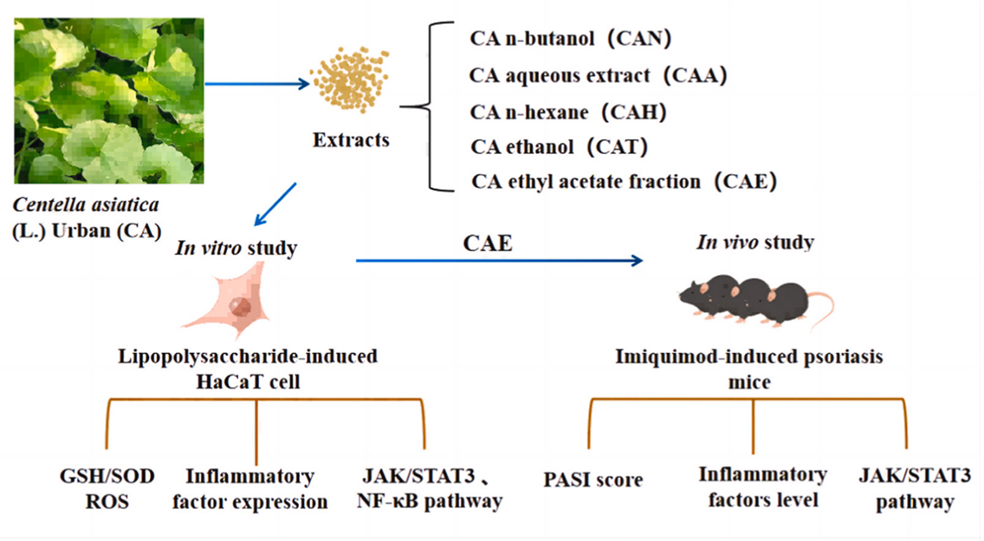
Fig 4. Centella asiatica extracts on inflammation and psoariasis
(Courtesy: https://doi.org/10.1016/j.jep.2023.116746)
Future prospective:
Centella asiatica is abundant in pentacyclic triterpenoids including asiatic acid, asiaticoside, madecassic acid, and madecassoside, which have been extensively investigated for their neuroprotective, skin-regenerative, and anti-inflammatory properties, and have long been recognized in Ayurveda as a “brain tonic” (Brahmi) for memory enhancement. Although these four compounds are well characterized, other bioactive constituents—such as minor triterpenoids, alkaloids, steroids, and polyphenols—remain insufficiently explored despite their potential contribution to the plant’s broad pharmacological activities. Improving the bioavailability and drug-like properties of these triterpenoids and their derivatives may significantly enhance their therapeutic efficacy, particularly in neurodegenerative, dermatological, and psoriatic inflammatory conditions through modulation of pathways such as NF-κB and JAK/STAT. In response to the increasing global demand for C. asiatica, conservation strategies, optimized post-harvest processing, and standardized quantitative methods for producing triterpenoid-rich extracts are essential. Furthermore, the prevalence of adulteration in commercial preparations underscores the urgent need for stringent authentication and advanced quality-control methodologies. Collectively, these findings support C. asiatica as a promising, multi-target Phytotherapeutic candidate and justify further in-vivo and clinical investigations for its translation into evidence-based medicine. (Kajim Ali, et al, 2025)
CONCLUSION:
Centella asiatica is a highly promising multifunctional medicinal plant with significant potential in skin regeneration, neuroprotection, and the control of chronic inflammatory conditions such as psoriasis. Its bioactive triterpenoids, including asiaticoside, madecassoside, asiatic acid, and madecassic acid, contribute to its strong wound-healing, antioxidant, anti-aging, collagen-stimulating, and anti-inflammatory effects. In addition, its neuroprotective and cognitive-enhancing properties support its possible application in neurodegenerative and mental health disorders by reducing oxidative stress, improving mitochondrial function, and promoting neuronal growth. Although extensive preclinical data support these benefits, further well-designed clinical studies and standardized formulations are required to confirm its safety and therapeutic efficacy. With continued research, Centella asiatica holds considerable potential as a natural, effective, and innovative Phytotherapeutic agent in modern medicine.
REFERENCES




Dr. Aher Nitin, Pradhan Kartiki, Dahale Pooja, Dahale Neha, Centella asiatica: A Multifunctional Phytotherapeutic Approach in skin Regeneration, and psoriatic inflammation control, Int. J. of Pharm. Sci., 2025, Vol 3, Issue 12, 2115-2128. https://doi.org/10.5281/zenodo.17909816
 10.5281/zenodo.17909816
