

We use cookies to ensure our website works properly and to personalise your experience. Cookies policy
1,5 Saraswati Institute of Pharmaceutical Sciences, Dhanap, Gandhinagar, 382321
2,3,4 Gujarat Technological University – School of Pharmacy, Sector 26, Gandhinagar 382028
Deep eutectic solvents (DESs) are emerging as promising green alternatives to traditional organic solvents in pharmaceutical applications, particularly for enhancing the solubility and bioavailability of poorly soluble drugs. This systematic review explores the mechanisms by which DESs improve drug solubility, including hydrogen bonding interactions, polarity modulation, temperature effects, and disruption of crystalline structures. DESs are typically composed of a hydrogen bond acceptor (HBA) and a hydrogen bond donor (HBD), whose interactions result in a significant lowering of melting points and increased solubilization capacity. Notably, components such as choline chloride, citric acid, and levulinic acid demonstrate favorable solubility-enhancing properties, especially under acidic conditions and higher temperatures. The review discusses various DES formulations and their efficacy in dissolving drugs like carvedilol, levocetirizine, and others, showing substantially higher solubility compared to water. Additionally, DESs possess advantages such as biodegradability, low toxicity, non-flammability, and ease of preparation, making them environmentally friendly and suitable for pharmaceutical development. Future perspectives emphasize the necessity for industrial scale-up, regulatory framework development, and further research to optimize DES formulations for safe, effective, and sustainable drug delivery systems. Overall, DESs hold significant potential to address critical issues in drug solubility, ultimately improving therapeutic efficacy while aligning with environmental sustainability goals.
The field of pharmaceutical sciences encounters significant obstacles related to drug solubility and permeability, leading to insufficient pharmacokinetics and low bioavailability of the active pharmaceutical ingredients (API). According to biopharmaceutical classification system (BCS), four types are categorised based on the solubility and permeability (Fig.1).
The use of organic solvents is often necessary, but they pose a significant environmental risk as they can produce toxic and unstable by-products. These common organic solvents, that are widely utilized in different stages of drug discovery and complicated chemical processes, give major toxicity hazards to both the environment and living creatures. The increasing emphasis on environmental health has led researchers to favour non-toxic, eco-friendly solvents like deep eutectic solvents (DESs) as non-aqueous liquid carriers. These alternatives offer improved acceptability and convenience in various drug delivery systems.(1)

FIG. 1 BCS Classification System for Solubility and Permeability
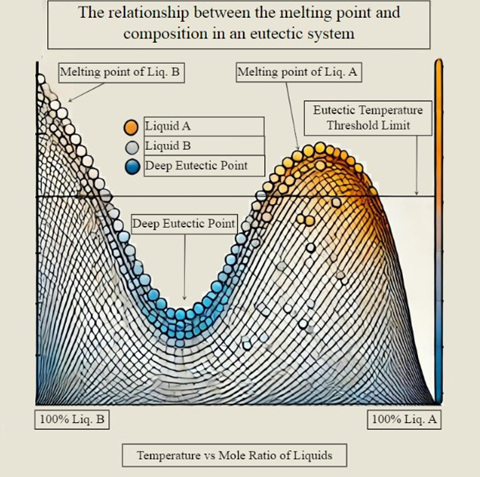
FIG. 2 Liquid A And Liquid B Temperature Relationship With Deep Eutectic Point
Abbott originally used the phrase "Deep eutectic solvents (DESs)" in 2003. DESs are typically composed of at least two components, an HBA and an HBD, that interact via nonbonding interactions between HBA and HBD molecules, such as dipoles, hydrogen bonds, alkyl-alkyl interactions, halogen bonds, and Van der Waals forces. The melting point of DESs are significantly lower than those of their separate components.(2, 3).
TABLE 1 Examples Of Hydrogen Bonding Acceptor (HBA) and Hydrogen Bond Donor (HBD)
|
Components |
Examples |
|
HBA (Hydrogen bond acceptor) |
Acetylcholine chloride, Alanine, Betaine, Choline nitrates, Choline tetrafluoro borate, Ethyl ammonium chloride, Glycine, Histidine, Lidocaine, Nicotinic acid, Tetraethyl ammonium bromide, Tetraethyl ammonium bromide, Zinc chloride etc. |
|
HBD (Hydrogen bond donor) |
Acetamide, Adipic acid Benzamide, Benzoic acid, Caffeic acid, Citric acid, Cinnamic acid, d-Sorbitol, Ethylene glycol, Gallic acid, Glycerol, 4-Hydroxy Benzoic acid, Hexanoic acid, Imidazole, Oxalic acid, Stearic acid, Tartaric acid, Thiourea, Urea etc. |
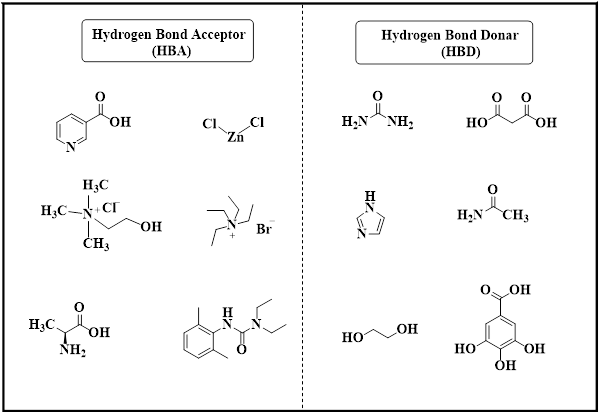
Fig. 3 Hydrogen Bond Acceptor (HBA) and Hydrogen Bond Donor (HBD)
The use of the adjective 'deep' should be justified only for those mixtures with a eutectic point temperature far below that of an ideal liquid mixture (4). Most DESs are binary or ternary mixtures, from them at least one hydrogen bond donor and at least one hydrogen bond acceptor is required, which are strongly associated with each other via hydrogen bond interactions (4).
The word “eutectic” comes from the Ancient Greek ε?τηκτος or eut?ktos which means easily melted and a eutectic point represents the chemical composition and temperature at which a mixture of two solids becomes fully molten at the lowest melting temperature, relative to that of either compound.(5)Currently, the IUPAC gold book defines eutectics as isothermal and reversible reaction between two or more solid phases that produce a single liquid phase during heating of the system.(5)
The melting point of deep eutectic solvents (DESs) is lower than their individual components because of the way that hydrogen bonds between the hydrogen bond donor (HBD) and the halide anion delocalization of the charge.(3) DESs have many similar properties to ionic liquids (ILs), such as low vapor pressure, a wide range of temperatures at which they are liquid, non-flammability, easy preparation, a wide range of possible compositions, and low cost.(3)
Most deep eutectic solvents (DESs) are not harmful to health, and many are biodegradable. Two new types of DESs, called natural deep eutectic solvents (NADESs) and therapeutic deep eutectic solvents (THEDESs), are being studied by scientists(3).
NADESs are made from substances found in living things, like sugar, polyalcohols, organic acids, or amino acids(3).This means they are very compatible with biological systems and are safe for use in medicine(3).
THEDESs are DESs that contain at least one active pharmaceutical ingredient (API). They are being studied as a way to deliver drugs to the body.(3)
2. Mechanism of solubility enhancement used by deep eutectic solvent:
Deep Eutectic Solvents (DESs) generally consist of a hydrogen bond donor (HBD) and a hydrogen bond acceptor (HBA). The establishment of hydrogen bonds between the solute, such as an active pharmaceutical ingredient (API), and the components of the DES improves the solubility of the solute by disrupting its interactions.
Deep Eutectic Solvents (DES) can be customized to possess tenable polarities, which can be precisely modulated according to the nature of the solute. This tunability enhances their capacity to solubilize a diverse array of compounds with greater efficacy than conventional solvents.
The solvation capacity of deep eutectic solvent (DES) can improve with enhancing temperatures, leading to greater drug solubility at higher temperatures. At room temperature, DES exists as a liquid mixture, providing a more effective environment for dissolution compared to solid drug formulations.
The unique characteristics of deep eutectic solvents (DES) allow for the creation of a microenvironment that enhances drug solubilization more effectively than conventional solvents. The presence of numerous cooperative hydrogen bonds in DES can boost the solubility of both hydrophilic and lipophilic drugs, depending on the formulation used.
Many deep eutectic solvent (DES) formulations exhibit lower viscosity than conventional solvents, which can enhance the interaction between the drug and the solvent. This improved interaction promotes greater solubility and enhanced drug dissolution rates.
Deep eutectic solvents (DES) are capable of disrupting the crystal lattice of solid drugs, thereby reducing the energy required for dissolution and enhancing solubility. By destabilizing the crystalline framework of poorly soluble compounds, DES increases their accessibility for dissolution, leading to improved solubility and faster dissolution rates. The polar and non-polar nature of DES allows them to interact effectively with solute molecules, facilitating the breakdown of intermolecular forces within solid drug structures.
Deep eutectic solvents are used to enhance the solubility of poorly soluble drugs, particularly BCS Class II and Class IV drugs, which face challenges due to their low solubility. This improvement in solubility aids in better drug delivery and increased bioavailability.
Deep eutectic solvents enhance the solubility of poorly soluble drugs by preparing mixtures of a hydrogen bond acceptor (HBA) and a hydrogen bond donor (HBD) in varying ratios through stirring. Clear homogeneous liquids were obtained, and no precipitation of any of the deep eutectic solvent components was observed. These mixtures often provide significantly higher solubility compared to water.
Table 2 Comparison of solubility of deep eutectic solvent with water at room temperature
|
API |
Solubility in water (mg/ml) |
DES solvent |
Name of abbreviation |
Molar Ratio |
Solubility in DES (mg/ml) |
Reference |
|
Carvedilol |
17.27 ± 2.3 |
XCh10 |
Xylitol: Choline Chloride: Water |
1:2 :10 |
163.8 ± 38.9 |
(6) |
|
XCh15 |
1:2 :15 |
89.86 ± 7.71 |
||||
|
XCh20 |
1:2 :20 |
45.80 ± 6.15 |
||||
|
CACh10 |
Citric Acid: Choline Chloride: Water |
1:1 :10 |
1506 ± 141 |
|||
|
CACh15 |
1:1 :15 |
860.6 ± 42.8 |
||||
|
CACh20 |
1:1 :20 |
147.7 ± 0.88 |
||||
|
GCh15 |
Glucose: Choline Chloride: Water |
1:1 :10 |
216.9 ± 23.6 |
|||
|
GCh20 |
1:1 :15 |
200.5 ± 19.9 |
||||
|
GCh25 |
1:1 :20 |
166.8 ± 16.0 |
||||
|
SCh15 |
Sorbitol: Choline Chloride:Water |
1:1 :10 |
97.29 ± 23.5 |
|||
|
SCh25 |
1:1 :20 |
65.39 ± 18.3 |
||||
|
Momentason Furoate (MF) |
0.0108 (Insoluble) |
LevA: M
|
Levulanic acid: DL-methanol |
2:1 |
24.1 ± 0.5 |
(7) |
|
LevA: T |
Levulanic acid: Thymol |
1:1 |
103.3 ± 1.1 |
|||
|
Oxime RS194B (acetylcholine) |
Insoluble |
Ma: Fru |
Malic acid:fructose |
1:1 |
50.0 ± 0.4 |
(8) |
|
D, L-men: Ca |
D, L-menthol: camphor |
1:1 |
13.0 ± 2.6 |
|||
|
Ch:EG |
Choline chloride:ethylene glycol |
1:2 |
13.4 ± 1.9 |
|||
|
B:EG |
Betaine: ethylene glycol |
1:2 |
18.4 ± 3.7 |
|||
|
Cit:Glc |
Citric acid:glucose |
1:1 |
110.0 ± 11.2 |
|||
|
B:Scu |
Betaine:sucrose |
4:1 |
30.0 ± 8.9 |
|||
|
Dexamethasone |
0.12 |
LA:HPβCD |
Lactic acid: Hydroxy propyl β cyclodextrin |
35:1 |
18.99 |
(9) |
|
CA:HPβCD |
Citric acid: Hydroxy propyl β cyclodextrin |
14:1 |
6.79 |
|||
|
ChCl:HPβCD |
Choline Chloride: Hydroxy propyl β cyclodextrin |
35:2 |
8.41 |
|||
|
CA:ChCl:HPβCD |
Citric acid:Choline Chloride: Hydroxy propyl β cyclodextrin |
14:17.5:2 |
4.67 |
|||
|
CA:LA:HPβCD |
Citric acid: Lactic acid: Hydroxy propyl β cyclodextrin |
14:35:2 |
27.66 |
|||
|
LA:ChCl:HPβCD |
Lactic acid: Choline Chloride: Hydroxy propyl β cyclodextrin |
35:17.5:2 |
13.53 |
|||
|
Indomethacin |
0.014 |
LA:HPβCD |
Lactic acid: Hydroxy propyl β cyclodextrin |
35:1 |
8.29 |
|
|
CA:HPβCD |
Citric acid: Hydroxy propyl β cyclodextrin |
14:1 |
8.84 |
|||
|
ChCl:HPβCD |
Choline Chloride: Hydroxy propyl β cyclodextrin |
35:2 |
4.48 |
|||
|
CA:ChCl:HPβCD |
Citric acid:Choline Chloride: Hydroxy propyl β cyclodextrin |
14:17.5:2 |
2.93 |
|||
|
CA:LA:HPβCD |
Citric acid: Lactic acid: Hydroxy propyl β cyclodextrin |
14:35:2 |
4.50 |
|||
|
LA:ChCl:HPβCD |
Lactic acid: Choline Chloride: Hydroxy propyl β cyclodextrin |
35:17.5:2 |
4.63 |
|||
|
Cannabidiol |
0.075 |
ChCl:HPβCD |
Choline Chloride: Hydroxy propyl β cyclodextrin |
35:2 |
12.06 |
|
|
Benznidazole |
201.95 ± 18.41 |
Chcl:CA;H2O |
Choline Chloride: Citric acid: H2O |
3:1:0.4 |
6318.76 ± 192.92 |
(10) |
|
ChCl:CA;H2O |
Choline Chloride: Citric acid: H2O |
2:1:0.23 |
6431.69 ± 57.88 |
|||
|
ChCl:MA |
Choline Chloride: Malic acid |
1:1 |
7309.10 ± 224.70 |
|||
|
LA:Glu |
Lactic acid: Glutamic acid |
5:1 |
20736.75 ± 947.98 |
Carvedilol, a BCS Class II drug, showed increased solubility when deep eutectic solvents (DESs) were prepared using xylitol, choline chloride, citric acid, sorbitol, and glucose with water in different ratios (Table 2). The solubility of carvedilol was higher in all the tested solvents compared to water, with mixtures containing citric acid showing the most significant increase. Solvents prepared with glucose, sorbitol, and xylitol demonstrated comparable solubility levels, with glucose-based solvents being slightly more effective, while xylitol-based solvents showed the lowest solubility. When comparing the solubility of carvedilol in aqueous DESs to that in water, the increase ranged from 2.7-fold for XCh20 to 87-fold for CACh10. Furthermore, solubility decreased as the water content in the eutectic mixtures increased.(6)
Additionally, the solubility of carvedilol depends on pH. The solubility increases as the pH decreases, reaching its peak at around pH 4. Beyond this point, the solubility decreases with increasing pH, stabilizing at very low levels (approximately 2 mg/L) once the pH reaches about 9, and remains constant thereafter. In the pharmaceutical field, the stability of formulations is also an important factor. Using these DESs, the stability of carvedilol in solvents was maintained for up to 60 days.
Similarly, mometasone furoate (MF) is a BCS Class II drug that is poorly soluble in water. Among the various deep eutectic solvents (DESs), those containing menthol demonstrated the highest solubility values, particularly when compared to more polar and hydrophilic DESs such as LA:G:W (5:1:3) and LA:SA (3:1). Additionally, DES formulations incorporating levulinic acid exhibited the highest solubility for MF, with LevAc:T (1:1) showing greater solubility than ethoxydiglycol. The solubility of MF in levulinic acid–based DESs was further validated by HPLC, and the results showed strong agreement.(6)
According to Table 2, LevAc:T (1:1) showed higher solubility than LevAc:M (2:1), resulting in approximately 3000-fold and 9500-fold increases in the solubility of mometasone furoate (MF), respectively. The Hansen solubility parameter (HSP) is a computational method used for solvent screening of specific solutes. Dispersion forces (δD), polar forces (δP), and hydrogen bonding (δH) are utilized to predict solubility.
By enhancing solubility, an O/W emulsion of MF was successfully prepared for topical application using LevAc:M in the formulation. The emulsion exhibited shear-thinning behavior, and its stability was not affected in the final formulation.(7)
Natural deep eutectic solvents (NADES) were investigated as potential alternative solvents for the preparation of oxime RS194B, a promising antidote for organophosphate (OP) poisoning. Organophosphates act as irreversible inhibitors of acetylcholinesterase (AChE), a critical enzyme, and standard oxime-based therapies show limited effectiveness, particularly in the central nervous system. Since oxime solubility in water is low, the use of natural deep eutectic solvents may enhance its solubility. The COSMOtherm computational model was applied for solvent selection based on physicochemical properties. According to Table 2, different solvent systems with specific ratios were prepared, such as malic acid:fructose (1:1), D,L-menthol:camphor (1:1), choline chloride:ethylene glycol (1:2), betaine:ethylene glycol (1:2), citric acid:glucose (1:1), and betaine:sucrose (4:1). Among these, the citric acid:glucose (1:1) mixture showed the highest solubility.(8)
The COSMOtherm prediction indicated one of the lowest ln(γ) values (−2.4031) for the Cit:Glc (1:1) mixture with 30% water. In contrast, the solvent D,L-men:Ca was intentionally chosen as one of the NADES with the highest ln(γ) value (1.4466), suggesting it would provide the lowest solubility for the oxime. This prediction was confirmed by experimental results, which showed a solubility of 13.0 ± 2.6 mg/mL. Such consistency highlights the utility of COSMOtherm in predicting compound solubility in deep eutectic solvents, even though the tool was originally designed for conventional solvents.(8)
Consequently, the stability of oxime RS194B dissolved in the NADES formulation with the highest solubility, Cit:Glc (1:1) containing 30% (w/w) water, was evaluated. The oxime solution in the selected NADES and in a reference solvent was stored at 4?°C and 25?°C for one month, with absorbance measurements taken at specific intervals. The results were expressed as the ratio of absorbance on a given day to the initial absorbance and plotted over time. While the stability of other APIs, such as aspirin and β-lactams, was shown to increase in NADES, no significant improvement in stability was observed for oxime RS194B.(8)
Venetoclax is a BCS Class IV drug and is highly lipid-soluble; therefore, solubility enhancement is necessary for the development of lipid-based formulations. A hydrophobic deep eutectic solvent (HDES) was prepared using decanoic acid (DeA) and dodecanoic acid (DoA) in a 2:1 ratio, which provided a solubility of 118.2?±?4.3 mg/mL. This solubility was significantly higher compared to sesame oil (5.3?±?0.1 mg/mL) and Miglyol® 812 N (1.30?±?0.01 mg/mL). The addition of surfactants such as Tween 80 further enhanced the solubility in HDES. Surfactants play a crucial role in maintaining the stability of HDES formulations by preventing demulsification and phase separation, ensuring that the drug delivery system remains consistent and effective throughout its use.(11)
Benznidazole exhibits dose-dependent solubility, and various NaDES formulations were tested to enhance its solubility. Choline chloride (ChCl)–based mixtures, lactic acid, and citric acid were used in different ratios. The highest solubility was observed with LA:Glu (5:1), reaching 20,736.75?±?947.98 µg/mL, compared to water solubility (201.95?±?18.41 µg/mL). In contrast, the lowest solubility of BNZ was observed in proline-based mixtures. The study also showed that solubility was lowest at neutral pH. Both choline chloride–based and citric acid–based DESs significantly enhanced BNZ solubility. Using these systems, eutectogels were prepared with xanthan gum, which did not alter the gel characteristics. Moreover, the combination of NaDES and xanthan gum increased the oral bioavailability of BNZ eutectogels.(10)
Cyclodextrin-based deep eutectic solvents (CycloDES) are a new class of DESs developed to improve drug solubility. CycloDES formulations have been shown to increase the solubility of compounds such as cannabidiol, indomethacin, and dexamethasone. Different CycloDES were prepared by vigorous magnetic stirring of raw materials at 80?°C using the molar ratios specified in Table 2. For samples consisting exclusively of solid raw materials (HPβCD, CA, and ChCl), the effect of water was evaluated by testing concentrations of 0%, 5%, 10%, and 20%. In contrast, samples containing lactic acid (LA) had variable water content depending on the amount and purity of LA, as it was introduced as an 80% aqueous solution. The preparation conditions—including water content, heating temperature, and processing time—were standardized to 1 hour at 80?°C, after which the mixtures were cooled to room temperature. Hydroxypropyl β-cyclodextrin (HPβCD), choline chloride, citric acid, and lactic acid were used in different ratios to obtain various CycloDES systems.(9)
While DEX solubility was significantly enhanced compared to HPβCD alone, the binary system containing LA and the ternary system with CA and LA demonstrated similar performance, improving solubility in water by 158-fold and 230-fold, respectively. The acidic environment created by the CycloDES components enhanced and strengthened hydrogen-bonding interactions, thereby improving the solubility of IND. Furthermore, LA, CA, and CycloDES proved to be beneficial excipients for CBD formulations. Among them, the ChCl:HPβCD CycloDES emerged as a particularly promising carrier, showing a 45-fold and 175-fold increase in CBD solubility compared to HPβCD in water and pure water, respectively.(9)
Acetaminophen (ACP) is a BCS Class III drug with a solubility of 14.3 mg/mL at 298.15 K. A deep eutectic solvent (DES) was prepared using betaine (Bet) and propylene glycol (PG) in a 1:5 ratio. The study investigated the solubility of ACP in different mass fractions of the Bet/PG DES across a temperature range of 293.15 K to 313.15 K. ACP solubility increased with both temperature and DES mass fraction, with the lowest solubility observed in water at 293.15 K and the highest at a 0.9 mass fraction of DES at 313.15 K. The molar concentration of ACP in 0.9 DES mass fraction was approximately 15 times higher than in pure water. At 313.15 K, Bet/PG DES with wDES = 0.9 achieved a maximum ACP solubility of 2.541 mol/L, which was 2.4 times higher than that observed with a PG–water mixture (1.063 mol/L).(12)
The measured solubility data were subsequently modeled using various cosolvency models, including the van’t Hoff, Jouyban-Acree, Jouyban-Acree-van’t Hoff, modified Jouyban-Acree-van’t Hoff, mixture response surface (MRS), combined nearly ideal binary solvent/Redlich-Kister (CNIBS/R-K), Buchowski-Ksiazczak, and modified Wilson (MW) models. The overall average relative deviations (OARD% ± SD) for the linear models—van’t Hoff, Jouyban-Acree, Jouyban-Acree-van’t Hoff, modified Jouyban-Acree-van’t Hoff, MRS, and CNIBS/R-K—were 2.73% ± 1.53, 6.05% ± 5.37, 6.29% ± 4.80, 11.15% ± 7.82, 1.78% ± 1.40, and 5.14% ± 4.90, respectively. For the non-linear models, the λh and modified Wilson models had OARD% ± SD values of 4.26% ± 2.80 and 16.11% ± 15.54, respectively. Most of the studied models, except for the Jouyban-Acree-van’t Hoff and MW models, showed low ARDs% (≤ 6.0%), demonstrating high accuracy in predicting ACP solubility and indicating their potential use in pharmaceutical applications. The OARD% for binary and ternary mixtures were 4.4% and 14.7%, respectively, suggesting that ternary solvent combinations exhibit greater deviations compared to binary systems.(12)
Aprepitant is a poorly water-soluble drug, and improving its solubility is essential to enhance its bioavailability. A deep eutectic solvent (DES) was prepared using choline chloride and levulinic acid in a 1:2 ratio. In the in vivo study, the oral bioavailability of four formulations was evaluated: a nanocrystalline marketed drug, amorphous aprepitant, and two DES-based formulations. The nanocrystalline and amorphous forms were suspended in a 0.5% w/v HPMC solution to ensure consistent dosing, while the DES formulations were tested both with and without 10 wt% HPMC, simulating potential capsule-based administration. Plasma concentrations of aprepitant were analyzed following oral administration, and pharmacokinetic data were compiled. The nanocrystalline formulation demonstrated a bioavailability (0–8 h) of 36 ± 2%, while the amorphous form showed 20 ± 4%. The DES formulation with HPMC displayed slower absorption but higher bioavailability (41 ± 6%) compared to the DES formulation without HPMC (34 ± 4%). These results suggest that while the nanocrystalline formulation improved solubility, the DES without HPMC provided both good solubility and favorable oral bioavailability.(13)
Study Protocol:
This review followed the guidelines outlined in the PRISMA (Preferred Reporting Items for Systematic Reviews and Meta-Analyses) statement (Liberati et al., 2009), with additional reference to frameworks provided by the NHMRC (National Health and Medical Research Council, 2012) and the Cochrane Handbook for Systematic Reviews and Meta-Analyses (Higgins, Chandler, Cumpston, Li, Page, & Welch, 2019). The protocol was not registered with PROSPERO (the international prospective register of systematic reviews), as the review did not involve any health outcomes. The focus of this review was to address the DESs based application in formulation question of: “How do DES compare to traditional solvents in terms of solubility enhancement for poorly water-soluble drugs?” and “can we make pharmaceutical formulation greener by using DESs?” By addressing this question, the review will contribute valuable insights to the evidence required to inform the outcomes of numerous DES based formulation worldwide. (Fig.4)
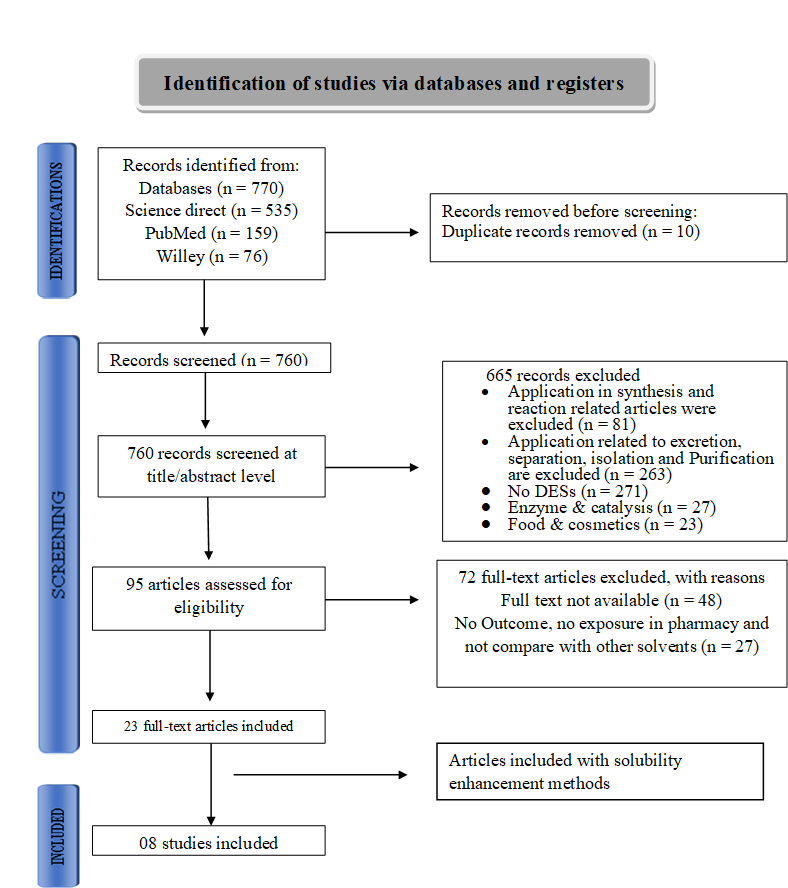
Fig. 4 PRISMA (Preferred Reporting Items for Systematic Reviews and Meta-Analyses) flow chart
Search strategy:
A pilot search was conducted using a broad search strategy to determine the feasibility of the literature search. The final search was completed using the scientific databases PubMed, ScienceDirect, and willey (all years to October 2024) using the search strategy.
Eligibility criteria:
Inclusion criteria
Exclusion criteria
Publication that meets text
Data collection and analysis
Duplicate publications were removed using CADIMA version 2.2.4.2 – April 2023. was also used to verify that all duplicates had been removed. The literature search was conducted, and publications were screened by title and abstract by also CADIMA version 2.2.4.2 – April 2023.
Methods:
A Systemic review of the literature involving deep eutectic solvents (DESS) based formulation and drug delivery was conducted. Systemic review guarantee that all the publications on a particular subject will be included in review. For search strategy different keywords were used such as, "Deep eutectic solvents", "Deep eutectic solvents in pharmaceutical application", "Deep eutectic solvents" AND "Drug solubility", "Deep eutectic solvents" AND "drug bioavailability", "Deep eutectic solvent-based formulation", "Deep eutectic solvents" AND "Pharmaceutical formulations". Hence these types of search strategy containing Boolean Operator “AND” and “OR” were used. The search was conducted in various Scientific databases such as Science Direct, PubMed and willey were used.
Initially the reviewers selected various articles containing the Deep eutectics solvents (DESs) application in pharmacy based on the title and abstract.
First of all, the articles ris files were collected from various databases in CADIMA version 2.2.4.2 - April 2023. After collection of the articles the duplicates were removed. Then the articles with title and abstract were primarily included and the others were excluded. After the full text articles are excluded. Only focus DESs base articles are included which are application in pharmacy, and articles related to DES based Synthesis, Reaction, Recovery, Extraction and Isolation are excluded. Only focus on the DES based solubility enhancement methods.
DISCUSSION:
Deep eutectic solvents (DESs) enhance solubility through various mechanisms, including hydrogen bonding interactions, polarity and solvent properties, temperature effects, molecular environment modulation, reduced viscosity, and disruption of the crystal lattice. However, the interaction between hydrogen bond acceptors (HBAs) and hydrogen bond donors (HBDs) is the common underlying mechanism in all DESs that contributes to solubility enhancement.
Based on studies of solubility data in deep eutectic solvents (DESs), it can be concluded that choline chloride, citric acid, and levulinic acid are effective components of DESs, demonstrating favorable solubility-enhancing properties. Additionally, these components exhibit increased solubility in DESs under acidic pH conditions. Elevated temperatures also contribute to improving the solubility of poorly water-soluble drugs in DESs. Furthermore, DESs help reduce water content and address stability issues
FUTURE PERSPECTIVE:
The future perspective of solubility enhancement using deep eutectic solvents (DESs) lies in their scale-up at the industrial level to develop safer formulations that can be effectively applied in drug delivery systems. Additionally, regulatory guidelines are required for the use of DESs in pharmaceutical industries to ensure the development of high-quality and safe formulations
CONCLUSION:
In pharmaceutical formulations, deep eutectic solvents (DESs) show great promise as a way to address persistent issues of drug solubility and bioavailability. The results highlight DESs' exceptional capacity to improve the solubility of pharmaceuticals that are poorly soluble in water, which is necessary for enhancing pharmacokinetics and therapeutic efficacy. Furthermore, DESs have excellent stability in a variety of circumstances, making them a more environmentally friendly and sustainable alternative for traditional solvents in pharmaceutical processes. The use of DESs in modern drug delivery systems may be further expanded with a better comprehension of the mechanisms behind their interactions with drug molecules. Their safe and successful incorporation into pharmaceutical development depends on ongoing research, industrial scaling, and adherence to regulatory standards in order to reach their full potential. This opens the door for future formulation tactics that are innovative, sustainable, and effective.
REFERENCES





Jignesh Parmar, Dr. Kashyap Thummar, Krish Macwan, Preksha Patel, Soyodur Rahman, Deep Eutectic Solvents as Solubility Enhancers: A Systematic Review, Int. J. of Pharm. Sci., 2025, Vol 3, Issue 10, 2769-2781. https://doi.org/10.5281/zenodo.17447801
 10.5281/zenodo.17447801